
Dhikala
Park near Dhumakot, Uttarakhand
25 km from Dhumakot
The nearest town, for stays, food and fuel.
Dhikala is the largest and most celebrated wildlife zone within Jim Corbett National Park, set across the picturesque Patli Dun valley in Uttarakhand. Positioned beside the shimmering waters of the Ramganga River reservoir, it draws wildlife enthusiasts and photographers eager to spot Bengal tigers, wild Asian elephants, and diverse birdlife. Travellers venture here to immerse themselves in deep wilderness, characterized by sprawling grasslands, dense sal forests, and dramatic riverine landscapes.
Getting there
By road
- From DhumakotNearest town2 hr 15 min · 88 km
- From Dehradun5 hr 10 min · 206 km
- From New Delhi6 hr 15 min · 264 km
- From Chandigarh8 hr 45 min · 373 km
Typical drive times without traffic. Stations and airports from OLA Maps; distances and typical drive times from OpenStreetMap (© OpenStreetMap contributors); notes from creators' Reels.
About Dhikala
Written with AI from map data and general knowledge. Check prices and timings locally before you go.
About the Dhikala Landscape
Dhikala holds a unique place in Indian conservation history as the core tourism expanse of Jim Corbett National Park. Located in the foothills of the sub-Himalayan belt, this river valley encompasses an extraordinary tapestry of ecological habitats. The vast alluvial grassland, known locally as the Dhikala Chaur, forms the heart of this zone. It stretches across an open plateau bordered by dense ridges of tall sal trees, mixed deciduous forests, and riverine thickets.
The Ramganga River winds through the valley before broadening into a tranquil reservoir. This dependable water supply nourishes the ecosystem throughout the changing seasons, creating an environment where predators, herbivores, and migratory waterfowl can thrive. The combination of open vistas and dense canopy makes Dhikala one of the most rewarding wilderness landscapes in northern India.
Wildlife and Birdlife in Dhikala
The rich biodiversity of Dhikala makes it a focal point for nature lovers. The sweeping grasslands support sizeable herds of chital, sambar, and the elusive hog deer, a species particularly well adapted to tall riverine reeds. Wild Asian elephants frequently cross the open plains in family groups, especially during early mornings and late afternoons when they head down toward the riverbanks to bathe and drink.
Dhikala is also renowned for sightings of apex predators, most notably the Royal Bengal tiger. The open sightlines across the chaur provide an exceptional vantage point for observing tiger behavior during daylight hours. In the waters of the Ramganga, sharp-eyed visitors can spot fish-eating gharials and mugger crocodiles basking on sandy shelves, alongside playful smooth-coated otters. For birdwatchers, the region is home to hundreds of avian species, including diverse raptors like Pallas's fish eagle and the crested serpent eagle, as well as kingfishers, hornbills, and wintering migratory ducks.
Read more
Experiencing Safaris in Dhikala
Exploring Dhikala is governed by strict conservation regulations designed to minimize disturbance to wildlife. Safaris inside the zone are conducted along designated earthen tracks that traverse sal groves, dry riverbeds, and open plains. Because of its distance from the entry gates, day visits to Dhikala are traditionally arranged via authorized open-roof forest canters, while extended exploration is reserved for those permitted to stay deeper within the reserve.
Driving across the Dhikala Chaur as mist rises off the grass is a hallmark wilderness experience. Several strategic watchtowers provide elevated views across the valley, allowing travellers to scan the landscape for movement without intruding upon animal corridors. Forest department guides accompany every vehicle, reading tracks, alarm calls, and subtle shifts in the bush to help locate resident animals.
Best Time to Visit Dhikala
Because Dhikala lies inside a protected reserve that experiences heavy monsoon rainfall, the zone opens for tourism seasonally, usually from mid-November to mid-June. The winter months, spanning from late November through February, bring crisp mornings, evening chills, and dense river mist. This period is particularly rewarding for birdwatching, as migratory species arrive from northern latitudes, though cold temperatures require warm, wind-resistant clothing.
From March to June, the weather turns progressively warmer, drying out the undergrowth and thinning the tall grass. This seasonal shift forces wildlife to gather closer to permanent water channels and the main reservoir, often resulting in regular tiger and elephant sightings. The zone closes completely during the monsoon months to ensure animal breeding seasons remain undisturbed and to allow rain-damaged forest tracks to regenerate.
How to Reach Dhikala
The gateway town for Dhikala is Ramnagar in Uttarakhand, situated approximately 260 kilometres northeast of New Delhi. Ramnagar is well connected by road and rail, with regular overnight trains and highway links from Delhi, Moradabad, and surrounding northern hubs. Travellers arriving by air can fly to Pantnagar Airport or Dehradun, followed by a scenic drive down toward the Kumaon foothills.
From Ramnagar, entry into the forest corridor leading to Dhikala is routed through the Dhangarhi Gate, located roughly 18 to 20 kilometres away on the Ranikhet road. At Dhangarhi, mandatory verification of permits takes place before vehicles traverse the roughly 30-kilometre wilderness drive through deep forest to reach the Dhikala complex. Private vehicles are strictly restricted inside the reserve, meaning visitors must travel in authorized safari vehicles.
Places to Visit Near Dhikala
While Dhikala offers days of exploration on its own, the surrounding landscape across the Ramnagar and Lansdowne sectors provides further opportunities for travel. Adjacent to Corbett lies the Sonanadi Wildlife Sanctuary, a vital elephant corridor characterized by thick bamboo clumps and secluded waterways. Travellers interested in the surrounding foothill country can explore tranquil trails along the Kosi River corridor just outside the reserve boundary.
Further uphill towards the Pauri Garhwal district, roughly 30 to 35 kilometres as the crow flies, sits the historic cantonment hill town of Lansdowne. Here, cooler mountain air welcomes travellers visiting sights like the Garhwal War Memorial, Darwan Singh Sangrahalaya, and quiet spots such as Bhulla Taal, Kaleshwar Temple, and historic colonial-era churches. Combining a wildlife safari at Dhikala with a quiet retreat into the nearby Garhwal hills makes for a balanced Himalayan journey.
Tips for Your Visit to Dhikala
A visit to Dhikala requires thoughtful advance planning due to regulated entry quotas. Forest safari permits are strictly managed by wildlife authorities, so arranging bookings well ahead of your travel date is essential. Carry a valid government photo identification that matches your permit details, as checkpoints are rigorous at all park gates.
Pack clothing in muted, natural tones such as khaki, olive, and brown to avoid alarming wildlife. Bright colors are discouraged on safaris. If travelling in winter, bring thermal layers, gloves, and a windproof jacket, as open-vehicle drives in the early morning can be very cold. Dust protection, a sturdy pair of binoculars, a wide-brimmed hat, and plenty of water are practical necessities for long hours out in the field.
Where to Stay Near Dhikala
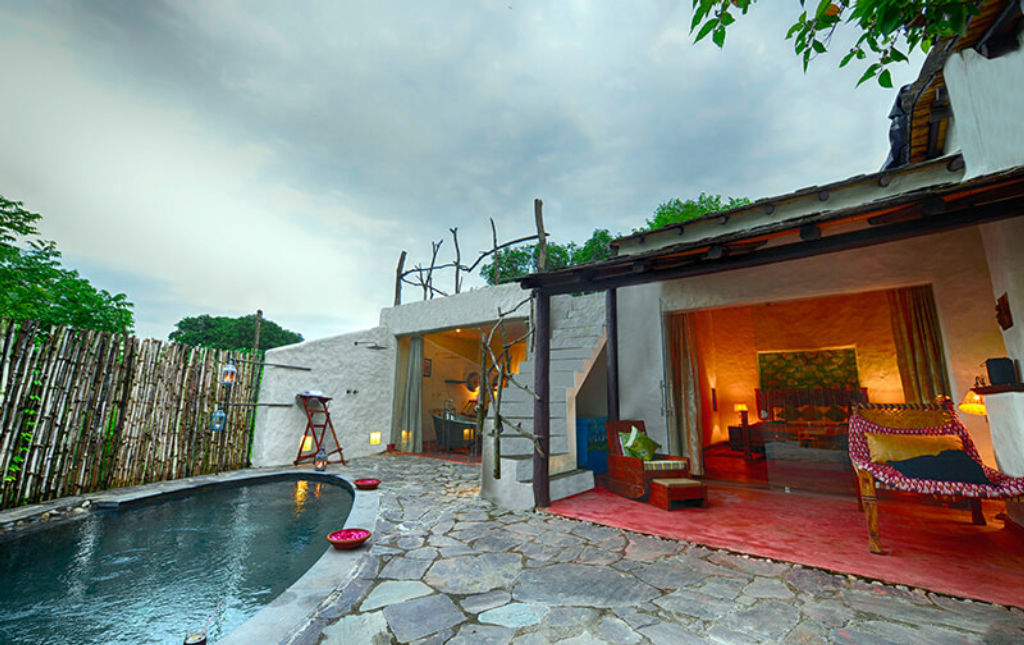
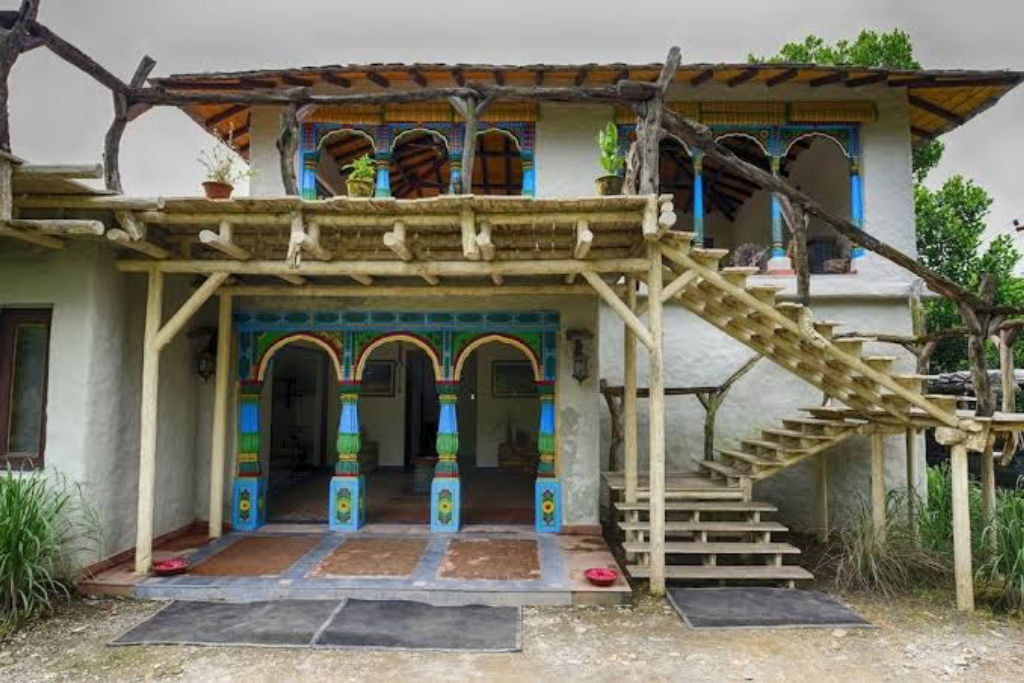
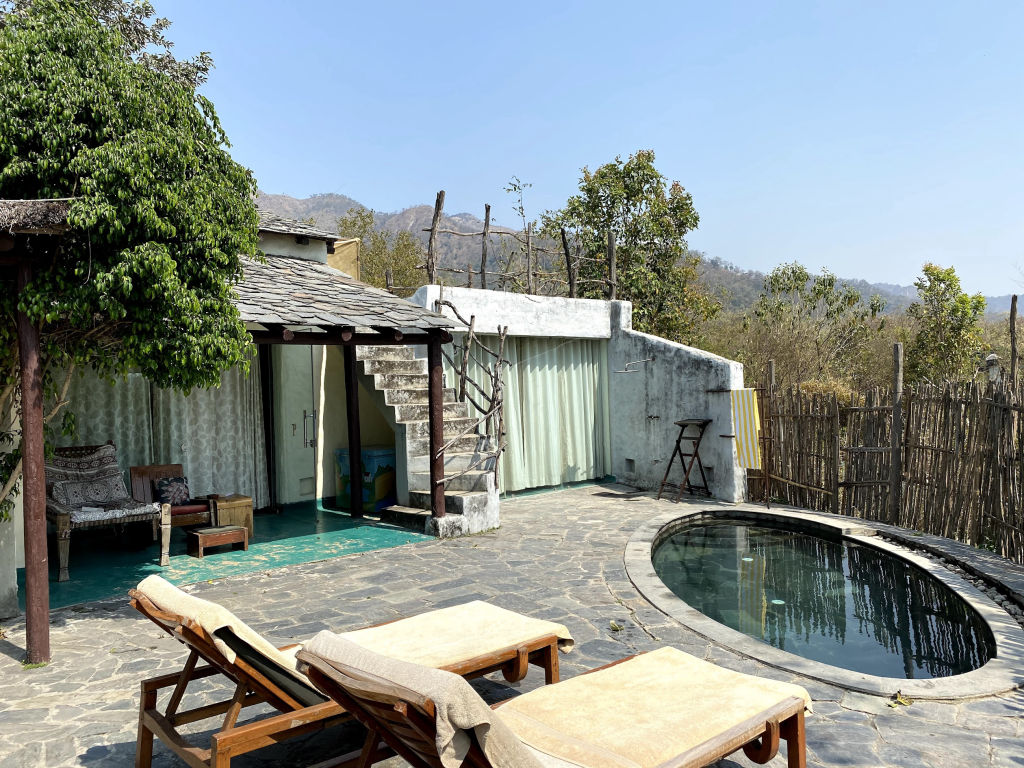
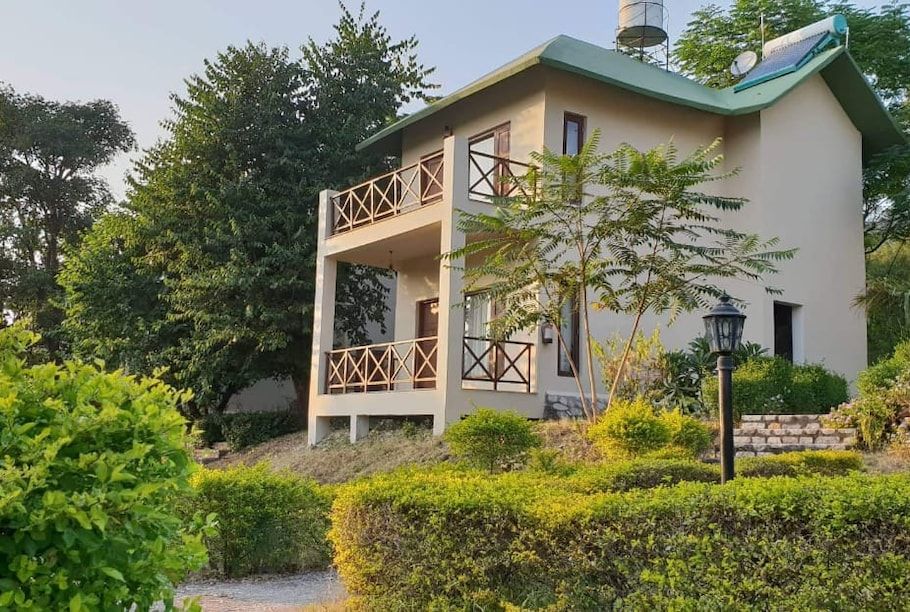
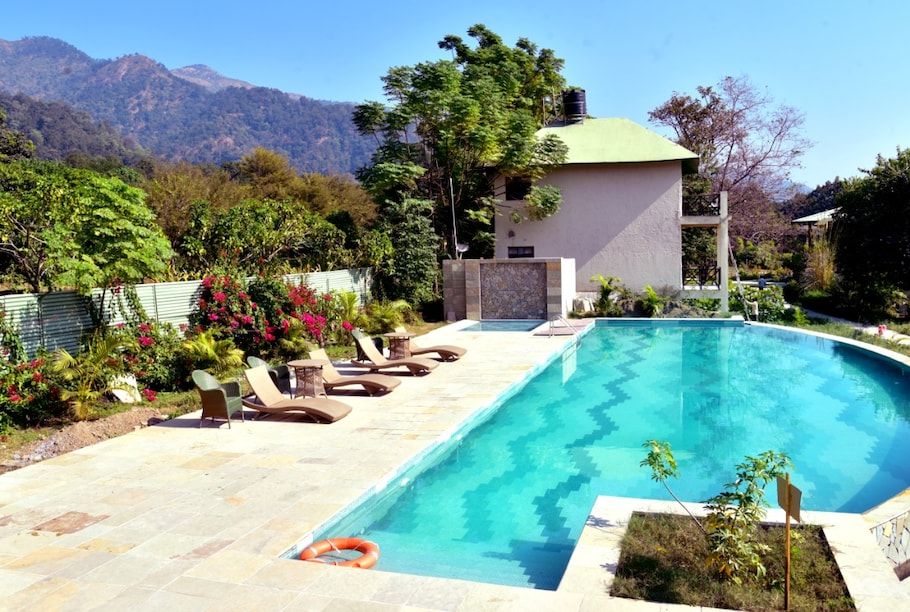
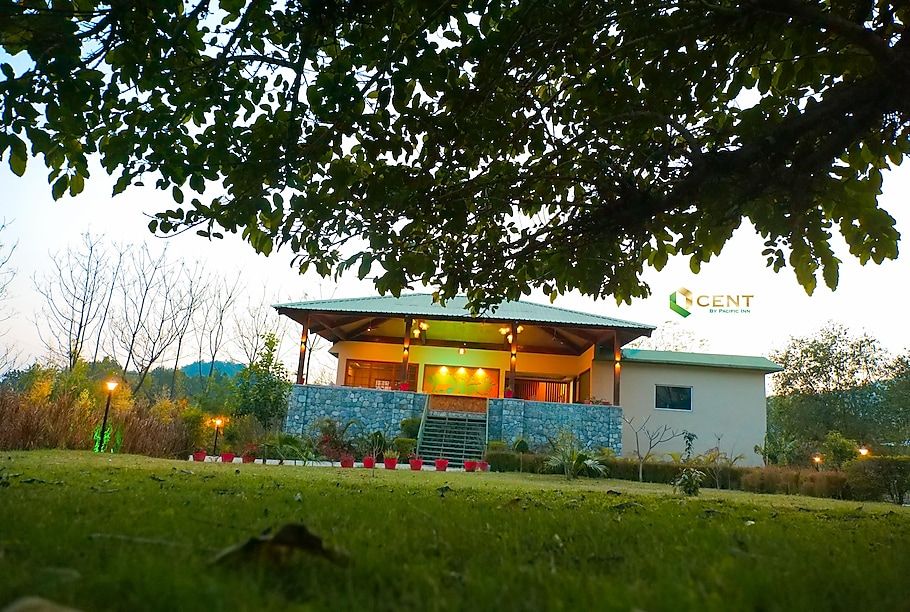
Accommodations directly inside the Dhikala tourism zone are managed exclusively by the state forest department under strict conservation guidelines and require competitive advance permits. For travellers wishing to stay in comfortable surroundings outside the core gate, the perimeter around Ramnagar and along the banks of the Kosi River offers a broad selection of lodgings.
You can discover riverside camps, peaceful forest homestays, and nature-focused getaways around Ramnagar on HireACamp. Staying near the park boundaries lets you enjoy modern amenities, guided nature walks, and tranquil river views between morning and afternoon safaris into the wilderness.
Frequently asked questions
Why is Dhikala famous?
Dhikala is famous as the largest and most scenic tourism zone in Jim Corbett National Park, known for its expansive grasslands, dense sal forests, and high chances of spotting wild elephants, Bengal tigers, and gharials.
Which gate is used to enter Dhikala?
Visitors enter the Dhikala zone through the Dhangarhi Gate, located along the road connecting Ramnagar and Ranikhet in Uttarakhand.
Can I take my personal car into Dhikala?
No, private vehicles are strictly prohibited inside the Dhikala zone to protect the natural ecosystem. Visitors must travel in registered safari vehicles or authorized canters operated under forest guidelines.
Is Dhikala open throughout the entire year?
No, Dhikala remains closed during the monsoon season for forest conservation and track maintenance. It typically opens to visitors from mid-November through mid-June.
Where is the nearest town to Dhikala?
Ramnagar in Uttarakhand is the nearest commercial and transport hub, offering rail connectivity, local transport, and access to all park safari gates.
Where you'll be
Ramnagar · 6 stays nearby shown with prices
Stays near Dhikala
Book a place to stay close by
More places near Dhikala
Within 20 km


Built from 0 Instagram posts by 0 creators. Every tip links back to the post it came from, and where creators disagree we show both sides.






