
St. John in the Wilderness Church
Church near Mcleod Ganj, Himachal Pradesh
300 m from Mcleod Ganj
The nearest town, for stays, food and fuel.
St. John in the Wilderness Church is a historic nineteenth-century Anglican church nestled in a dense deodar forest near McLeod Ganj in Dharamshala, Himachal Pradesh. Built in neo-Gothic style, the stone sanctuary is revered for its peaceful woodland setting, stained-glass windows, and heritage dating back to the British colonial era. Travellers visit to appreciate its quiet forest atmosphere, antique architecture, and the surrounding churchyard.
Getting there
By road
- From Mcleod GanjNearest town2 min · 700 m
- From Amritsar4 hr 25 min · 204 km
- From Ludhiana4 hr 30 min · 206 km
- From Chandigarh5 hr 25 min · 253 km
Typical drive times without traffic. Stations and airports from OLA Maps; distances and typical drive times from OpenStreetMap (© OpenStreetMap contributors); notes from creators' Reels.
About St. John in the Wilderness Church
Written with AI from map data and general knowledge. Check prices and timings locally before you go.
About St. John in the Wilderness Church
St. John in the Wilderness Church was constructed in 1852 and stands as one of the oldest surviving colonial-era landmarks in the Kangra valley. Dedicated to John the Baptist, the Anglican church served the British garrison and colonial administrators who made Dharamshala their seasonal retreat in the mid-nineteenth century. Its dark stone facade and tranquil atmosphere have drawn visitors for well over a century, offering a quiet window into the architectural heritage of Himachal Pradesh.
The churchyard is also well known for housing the memorial of James Bruce, the 8th Earl of Elgin, who served as Viceroy and Governor-General of India. Lord Elgin passed away in Dharamshala in 1863 and chose this quiet clearing as his final resting place. Today, the monument stands beneath the pines, surrounded by historical headstones and grave markers that tell stories of nineteenth-century European settlers and officials who lived in the region.
Architecture and Natural Setting
The church exhibits classic neo-Gothic stone architecture that blends effortlessly into the towering deodar forest around it. Thick dressed stone walls, arched lancet windows, and a steeply pitched wooden roof give the building an authentic medieval revival appearance. Among its most admired artistic elements are the hand-crafted Belgian stained-glass windows, which portray biblical scenes and cast vibrant hues across the stone floor when sunlight filters through the tree canopy.
What makes a visit truly memorable is the forest setting itself. St. John in the Wilderness is completely enclosed by ancient deodar cedar trees, allowing cool mountain breezes and soft woodland silence to envelop the grounds. Walking along the stone-paved paths around the church, visitors can listen to birdsong, watch mountain mist drifting between the tall tree trunks, and enjoy an atmosphere that feels entirely detached from the busy market lanes nearby.
Read more
Best Time to Visit St. John in the Wilderness
Visiting St. John in the Wilderness is rewarding throughout the year, as each season introduces a distinct mood to the surrounding deodar forest. Spring and summer, stretching from March to June, offer delightful daytime temperatures and pleasant mountain sunshine. This is a very comfortable time for walking down the woodland trails from McLeod Ganj, sitting quietly on the grounds, and exploring the architectural details of the exterior.
The monsoon months of July and August blanket the Dharamshala region in deep mist and persistent rain. While travel requires care during heavy rainfall, the forest around the church becomes exceptionally lush, with dense moss covering the ancient headstones and swirling clouds giving the stone church an ethereal ambience. Autumn, from September through November, brings crisp air, golden sunlight, and clear views across the lower Kangra valley. Winters, from December to February, bring cold weather and the occasional dusting of snow, transforming the church into a dramatic alpine sanctuary beneath frosted deodar branches.
How to Reach St. John in the Wilderness
St. John in the Wilderness Church is conveniently situated on the road connecting McLeod Ganj to Forsyth Ganj and Naddi, just outside the main township of McLeod Ganj. Travellers staying in McLeod Ganj can easily reach the church by taking a relaxed downhill walk through the pine groves, which takes only a brief amount of time. Alternatively, local taxis and auto-rickshaws operate regularly along the route between Dharamshala, Forsyth Ganj, and McLeod Ganj.
For travellers arriving from farther away, Dharamshala serves as the primary regional transit hub. Gaggal Airport in Kangra is the closest domestic air terminal, connecting the area to major north Indian cities. The nearest broad-gauge railway terminus is located at Pathankot in Punjab, from where state-run buses and private taxis ply toward Dharamshala. Regular overnight buses also connect Dharamshala and McLeod Ganj with Delhi, Chandigarh, and other north Indian cities.
Tips for Visiting the Church
Because St. John in the Wilderness is an active place of heritage and prayer, visitors are encouraged to maintain silence and respect inside the sanctuary and across the surrounding cemetery grounds. Modest attire is appropriate, and photography should be conducted discreetly without disturbing worshippers or damaging historical artifacts.
The walking paths around the churchyard consist of natural stone and earth, which can become slick with damp pine needles or rain. Wearing sturdy walking shoes with good tread ensures a comfortable walk around the property. Mountain weather in the Dhauladhar foothills can shift unexpectedly, so carrying an umbrella or a light windproof layer is sensible regardless of the time of year. Be sure to check locally for current service timings if you wish to attend Sunday prayers.
Places to Explore Nearby
A visit to St. John in the Wilderness Church pairs naturally with other cultural and scenic attractions in and around Dharamshala. Just up the road lies McLeod Ganj, celebrated for its vibrant Tibetan heritage, the complex of the Tsuglagkhang, and bustling street markets filled with local handicrafts and traditional foods. A walk along the forest roads leading toward Naddi village offers expansive panoramic views of the rugged Dhauladhar mountain range.
Further down the valley, history enthusiasts can plan a day excursion to Kangra Fort, situated roughly eighteen kilometres away. Kangra Fort is one of the oldest standing forts in India, offering ancient ramparts, royal courtyards, and sweeping views of the Banganga River below. Combining the tranquil forest setting of the church with the bustling lanes of McLeod Ganj and the historical fortress of Kangra provides a well-rounded glimpse into the diverse heritage of the region.
Where to Stay near St. John in the Wilderness
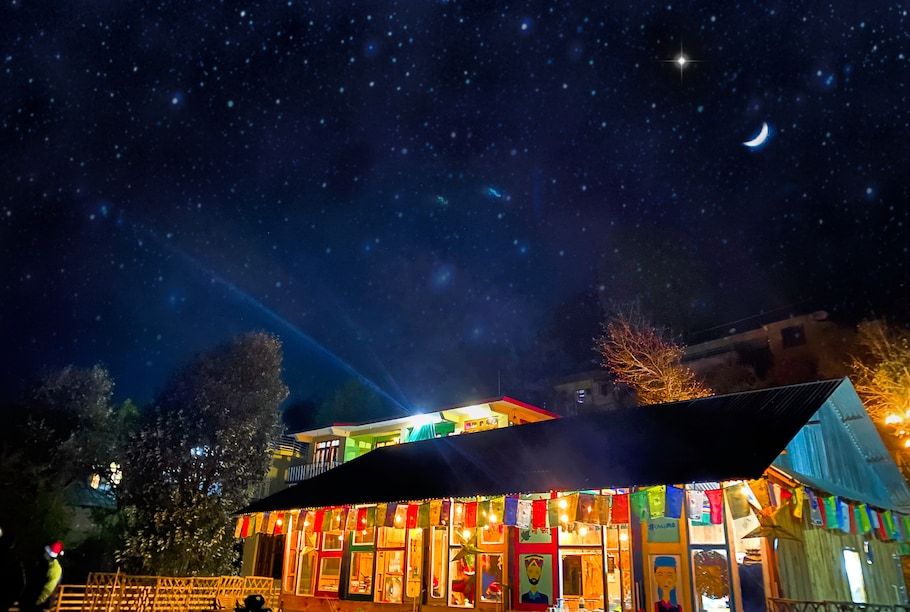
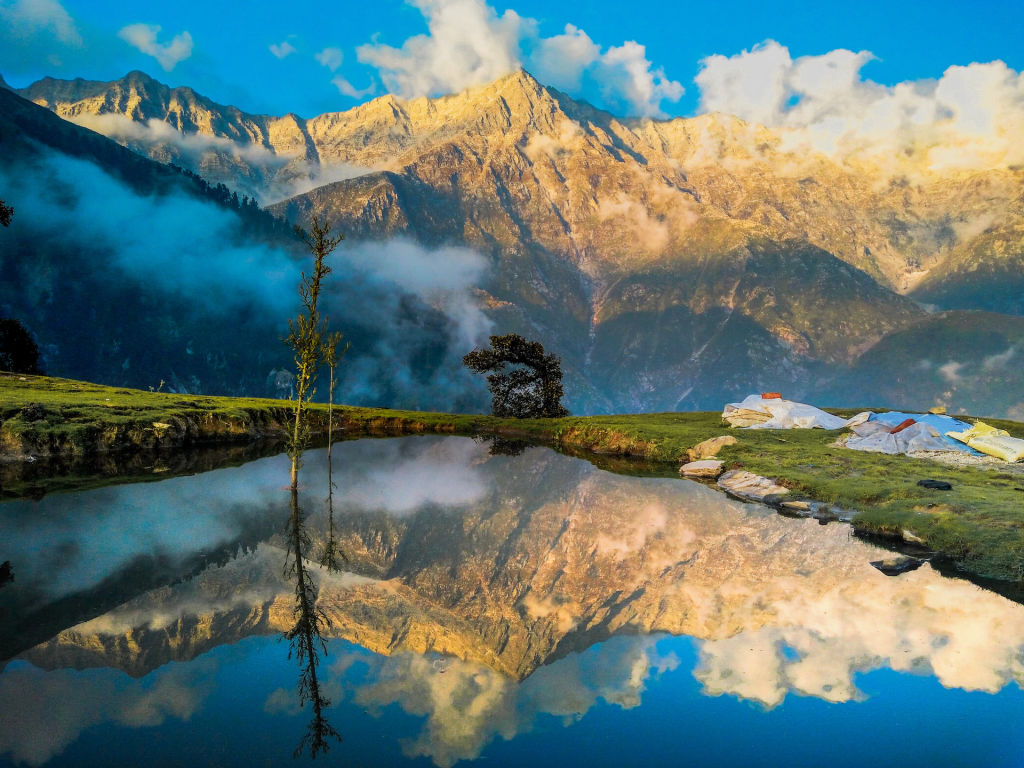
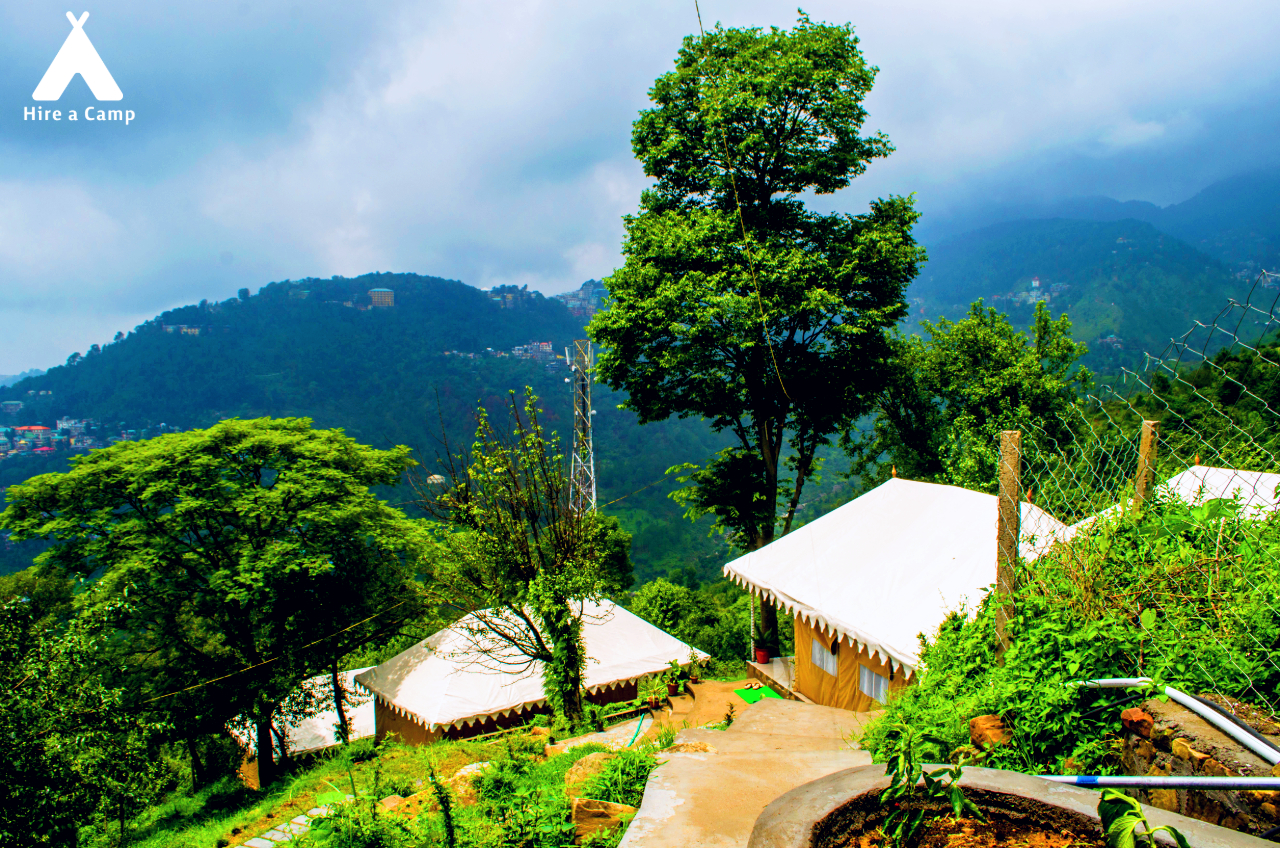
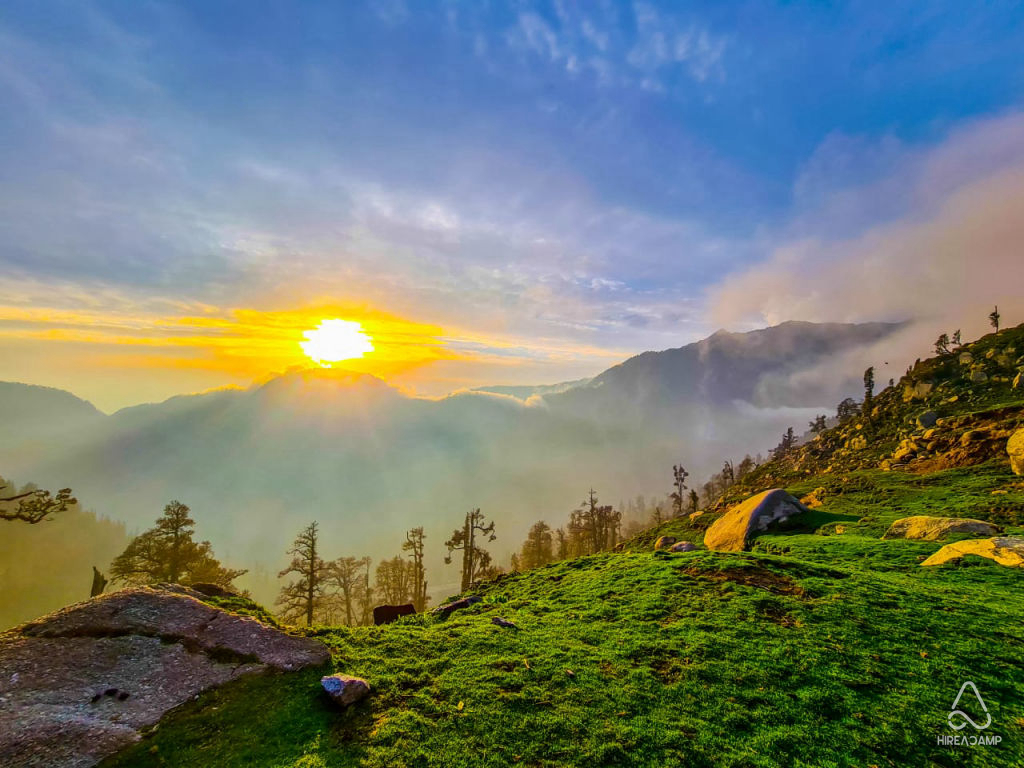
Whether you prefer a quiet retreat immersed in the cedar forests or a base near the cultural heart of McLeod Ganj, the area offers varied accommodation styles. Travellers can find scenic mountain homestays, riverside camps, and rustic outdoor getaways around Dharamshala, McLeod Ganj, and nearby Himalayan hamlets on HireACamp. Booking a stay in the surrounding hills allows you to experience the crisp morning air and easy access to forest trails.
Frequently asked questions
Where is St. John in the Wilderness Church located?
It is located along the forest road between McLeod Ganj and Forsyth Ganj, near Dharamshala in the Kangra district of Himachal Pradesh.
Who is buried at St. John in the Wilderness Church?
The churchyard contains the memorial and tomb of James Bruce, 8th Earl of Elgin, who served as Viceroy and Governor-General of India and passed away in Dharamshala in 1863.
Can you walk to St. John in the Wilderness Church from McLeod Ganj?
Yes, the church is located within walking distance of central McLeod Ganj, and visitors often take a pleasant downhill walk through the pine forest to reach it.
What architectural style is St. John in the Wilderness?
The church is built in the neo-Gothic architectural style, characterized by dressed stone walls, arched lancet windows, a pitched wooden roof, and Belgian stained-glass panels.
Is photography permitted at St. John in the Wilderness?
Photography is generally permitted around the grounds and churchyard, though visitors are expected to remain respectful, avoid disturbance inside the sanctuary, and follow local guidelines on site.
Where you'll be
Road to Naddi Village from McLeod Ganj, Dharamshala · 4 stays nearby shown with prices
Stays near St. John in the Wilderness Church
Book a place to stay close by
More places near St. John in the Wilderness Church
Within 20 km


Built from 0 Instagram posts by 0 creators. Every tip links back to the post it came from, and where creators disagree we show both sides.






