
Suargdwari Pass
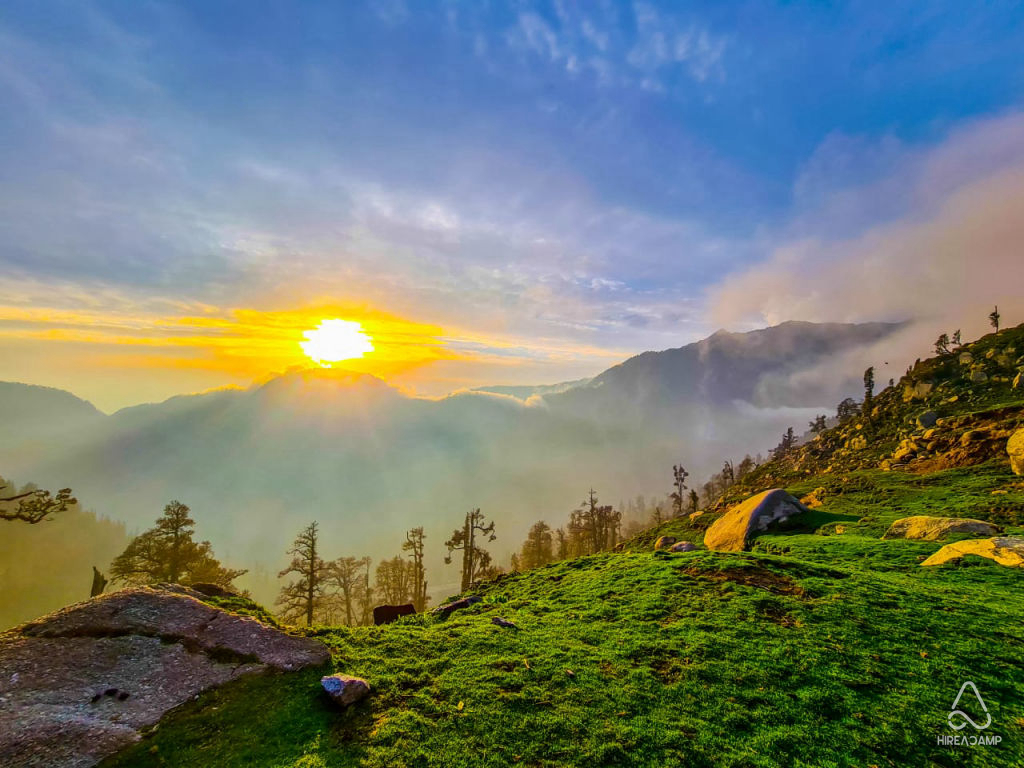
Nature near Saho, Himachal Pradesh
10 km from Saho
The nearest town, for stays, food and fuel.
Suargdwari Pass is a rugged high-altitude mountain pass located in Himachal Pradesh, set against the towering ridges of the western Himalayas. The pass attracts adventurous trekkers and alpine enthusiasts seeking raw wilderness, dramatic ridgelines, and unobstructed views of surrounding peaks and river valleys. It offers a remote backcountry experience defined by dramatic weather, glacial streams, and high meadows.
Getting there
By road
- From SahoNearest town37 min · 12 km
- From Amritsar5 hr 50 min · 254 km
- From Ludhiana7 hr 5 min · 310 km
- From Chandigarh8 hr 45 min · 374 km
Typical drive times without traffic. Stations and airports from OLA Maps; distances and typical drive times from OpenStreetMap (© OpenStreetMap contributors); notes from creators' Reels.
About Suargdwari Pass
Written with AI from map data and general knowledge. Check prices and timings locally before you go.
About Suargdwari Pass
Suargdwari Pass is situated amidst the stark mountain landscapes of Himachal Pradesh, bridging dramatic river basins and rugged mountain terrain. In vernacular parlance, names referencing Swargadwar or Suargdwari carry ancient mythological associations with gateways to celestial realms, a nod to the precipitous altitudes and soaring crests typical of this part of the Himalayas. The pass is characterized by exposed rock faces, moraine debris, scree slopes, and expansive alpine turf that springs to life during the brief summer thaw.
The topography around the pass shifts from steep forested gorges at lower elevations to barren, wind-scoured ridges as one climbs higher. It remains largely untamed by modern infrastructure, offering experienced mountaineers and hikers an untouched environment where self-reliance is essential. Trekkers venturing across Suargdwari Pass encounter sweeping panoramas of snow-dusted crags and deep river valleys that cut across Himachal Pradesh.
Landscape and wildlife of Suargdwari Pass
The terrain surrounding Suargdwari Pass encompasses diverse ecological belts. In the approach valleys, dense groves of deodar, Himalayan cedar, fir, and oak give way to stunted birch and rhododendron bushes as the altitude increases. Past the tree line, the route transitions into sweeping alpine meadows known locally as bugyals, which are carpeted with wild herbs and hardy mountain blossoms during the warmer months.
Wildlife across this high-altitude ecosystem is well adapted to extreme cold and steep cliffs. Trekkers occasionally spot Himalayan tahr and bharal, also known as blue sheep, navigating the vertical rock faces with agility. The region is also home to elusive high-altitude predators such as the Himalayan black bear, red fox, and occasionally snow leopards across higher reaches. Bird enthusiasts may observe lammergeiers circling the thermals, along with the Himalayan monal and snow partridge nesting among rocky crevices.
Read more
Trekking and outdoor activities
Reaching Suargdwari Pass is an ambitious undertaking suitable for trekkers with solid physical fitness and previous mountain hiking experience. Trails leading toward high passes in this quadrant of Himachal Pradesh often involve traversing boulder fields, crossing icy meltwater streams, and negotiating steep scree fields. The ascent demands careful footing and measured pacing to manage the altitude gain.
Wilderness camping is the primary way to experience this landscape. Setting up camp beneath high mountain walls under starlit Himalayan skies provides an authentic outdoor experience. Photographers will find striking compositions in the contrast between jagged granite summits and soft alpine meadows, while naturalists can observe dynamic glacial geology up close.
Best time to visit Suargdwari Pass
The window for crossing Suargdwari Pass is limited by regional weather conditions and snowfall patterns. Summer, spanning from late May through early July, is one of the best times to attempt the pass. During these months, snow on the higher trails begins to recede, opening access across high ridges, while streams flow clear and temperatures during daylight hours are relatively manageable.
Autumn, from September to late October, provides another prime window. Following the retreat of monsoon clouds, the Himalayan skies become clear, offering sharp mountain vistas and crisp air. However, temperatures drop sharply at night, and early seasonal snowstorms can happen without warning. The winter and spring months bring heavy snow accumulations and avalanche hazards, making high-altitude passes inaccessible to all but specialized expeditions.
How to reach Suargdwari Pass
Accessing Suargdwari Pass typically begins from regional mountain hubs in Himachal Pradesh, such as Chamba or the Kangra Valley. Travellers approaching by air can fly to Kangra Airport near Gaggal or Kullu Manali Airport, followed by road travel along winding mountain highways. Long-distance buses and private vehicles connect broad valley settlements like Dharamshala, McLeod Ganj, and Chamba with major north Indian cities.
From the primary roadhead villages, trailheads depart toward high mountain shepherd trails. Because marked routes in remote mountain territory are sparse, engaging an experienced local guide from the base village is strongly advised. Public transport reaches intermediate settlements, but onward transit to remote road terminuses requires private taxis or local shared transport.
Tips for your visit
Trekking in high-altitude zones requires careful preparation and an awareness of personal health. Altitude mountain sickness is a real risk; plan your ascent gradually, build acclimatization rest days into your itinerary, and stay well hydrated. Carry appropriate water purification methods, as high mountain streams may pass through livestock grazing pastures.
Clothing should be layered to accommodate fast-shifting alpine weather. Pack windproof and waterproof outer shells, warm fleece or down insulation, thermal base layers, sturdy high-ankle trekking boots, and gaiters. Sturdy trekking poles are invaluable when traversing scree and unstable moraine. Since there are no stores, medical facilities, or cell towers along the pass, carry a comprehensive first-aid kit, emergency satellite or communication equipment, extra food rations, and leave no trace of waste along the trails.
Places to visit nearby
The valleys surrounding Suargdwari Pass are steeped in ancient cultural traditions and mountain history. Closer down toward the Ravi and Budhil river valleys, traditional wooden and stone temples showcase classical hill architecture. The historic town of Chamba features prominent heritage landmarks such as the Laxmi Narayana Temple complex and the ancient Champawati Temple, both displaying intricate woodcarvings and stone shrines.
Religious travellers and high-altitude trekkers frequently travel through this belt to access sacred alpine pilgrimage sites, including Manimahesh Lake tucked below the majestic Manimahesh Kailash peak. Traditional wooden temples such as the Chatrari Devi Temple and Chandrashekhar Mahadev Temple offer insight into the deep-seated spiritual heritage of the region's mountain communities.
Where to stay near Suargdwari Pass
Because Suargdwari Pass is set within uninhabited alpine wilderness, accommodation along the upper trail consists strictly of self-supported camping. Trekkers carry their own four-season tents, sleeping bags rated for freezing conditions, and cooking equipment.
For comfortable lodging before or after the trek, base towns and lower valley villages offer welcoming mountain stays. You can find well-appointed riverside campsites, heritage homestays run by local families, and rustic cabins throughout the surrounding valleys on HireACamp. Booking your stay in advance allows you to rest and acclimatize comfortably before taking on the mountain trails.
Frequently asked questions
Where is Suargdwari Pass located?
Suargdwari Pass is located in the rugged high-altitude alpine terrain of Himachal Pradesh, India, in the vicinity of the Chamba and Kangra mountain ranges.
What is the best time of year to trek to Suargdwari Pass?
The most favorable months are late May to early July and September to mid-October, when trails are largely clear of heavy winter snow and weather conditions are relatively stable.
Do I need a local guide to cross Suargdwari Pass?
Yes, hiring an experienced local mountain guide is highly recommended due to the remote nature of the terrain, absence of trail markers, and changing high-altitude weather.
Can beginners attempt the trek to Suargdwari Pass?
The pass is best suited for trekkers with prior high-altitude hiking experience and good physical endurance, as it involves navigating steep climbs, loose scree, and wilderness camping.
Are there hotels or guest houses at Suargdwari Pass?
No permanent accommodation exists at the pass; travellers must camp self-sufficiently, while homestays and mountain camps in nearby valleys can be found on HireACamp.
Where you'll be
Himachal Pradesh · 1 stay nearby shown with prices
Stays near Suargdwari Pass
Book a place to stay close by
More places near Suargdwari Pass
Within 20 km
Built from 0 Instagram posts by 0 creators. Every tip links back to the post it came from, and where creators disagree we show both sides.






