
Sali Pass
Nature near Gehra, Himachal Pradesh
8.1 km from Gehra
The nearest town, for stays, food and fuel.
Sali Pass is a high-altitude mountain pass set within the rugged crests of Himachal Pradesh, bridging pristine alpine wilderness with the ancient cultural valleys of the Western Himalayas. The crossing is frequented by avid trekkers and local pastoralists, who traverse its steep ridges to experience remote backcountry landscapes and panoramic vistas of snow-capped peaks. Visitors journey to Sali Pass to escape crowded tourist circuits and immerse themselves in the quiet grandeur of untamed Himalayan trails.
Getting there
By road
- From GehraNearest town8 min · 5.3 km
- From Amritsar5 hr 25 min · 265 km
- From Ludhiana6 hr 45 min · 321 km
- From Chandigarh8 hr 25 min · 385 km
Typical drive times without traffic. Stations and airports from OLA Maps; distances and typical drive times from OpenStreetMap (© OpenStreetMap contributors); notes from creators' Reels.
About Sali Pass
Written with AI from map data and general knowledge. Check prices and timings locally before you go.
About Sali Pass and the Mountain Landscape
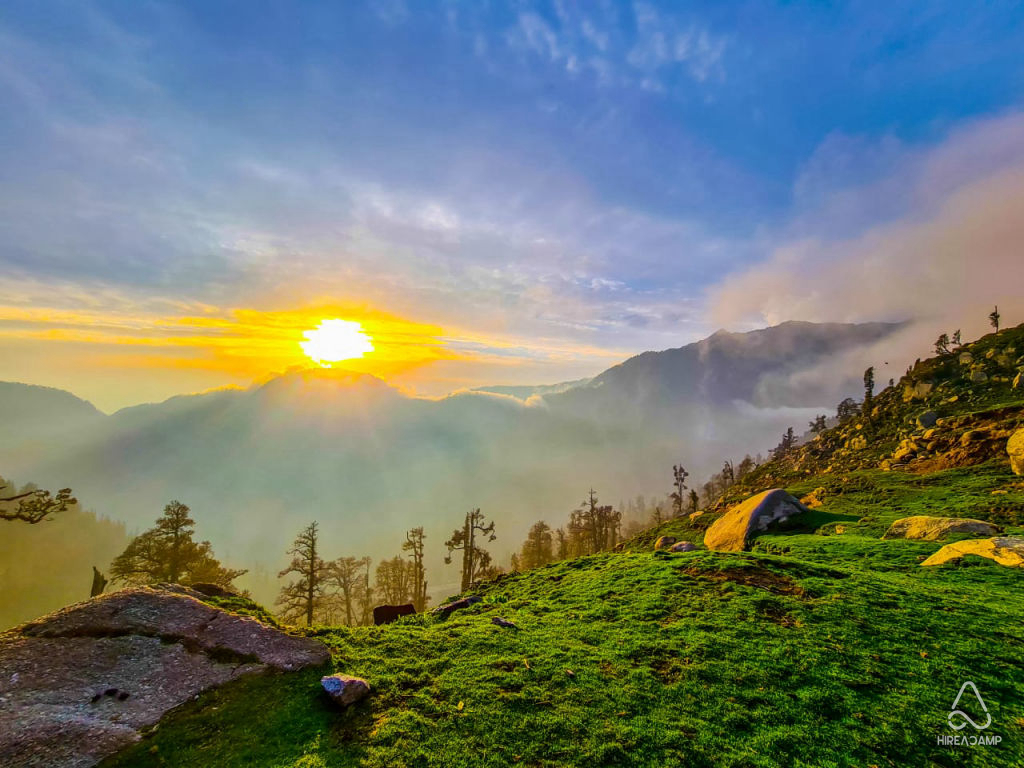
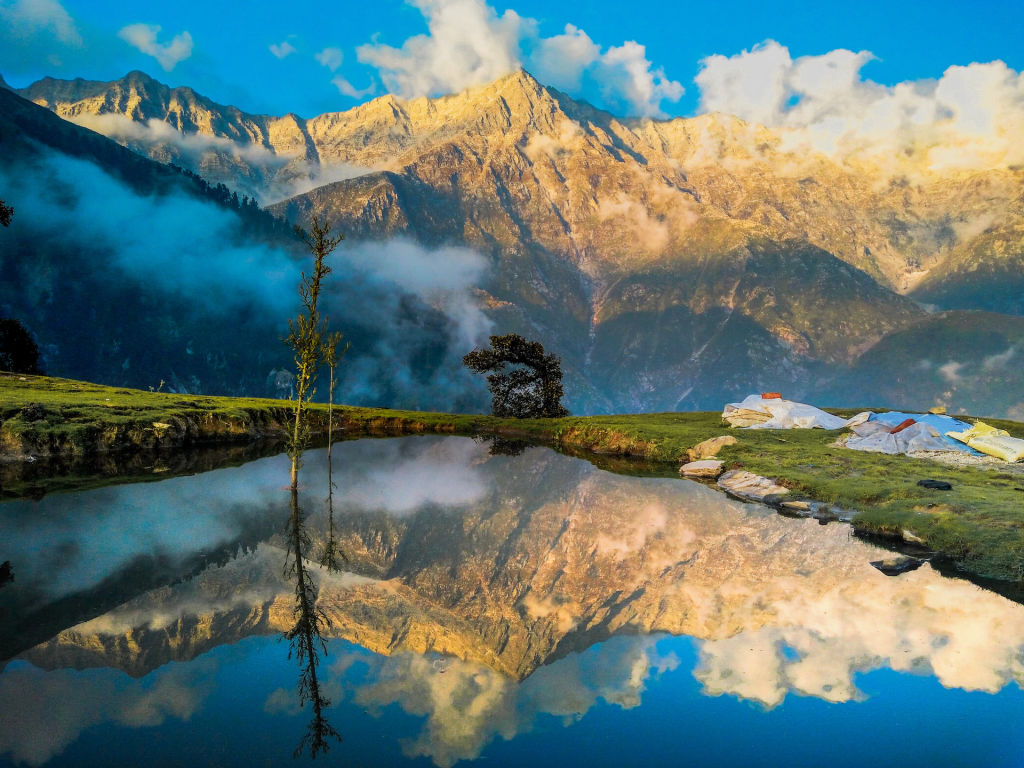
Sali Pass occupies a prominent saddle in the rugged mountain ranges of Himachal Pradesh, marking a natural transition between alpine valleys and deep river gorges. The terrain in this part of the state is characterized by sharp elevation gradients, where dense lower forests of deodar cedar, blue pine, and Himalayan birch give way to expansive alpine meadows, known locally as thachs, before terminating in craggy boulder fields and wind-swept ridges.
Historically, routes crossing passes like Sali have served as seasonal transit paths for Gaddi shepherds moving their flocks of sheep and goats between summer high pastures and winter foothill shelters. The environment retains an untamed quality, largely untouched by vehicular infrastructure. The higher elevations host specialized alpine flora and birdlife, including high-altitude pheasants like the Himalayan monal, while the sweeping ridgelines provide unobstructed panoramas of the surrounding mountain ranges.
The Trekking Experience at Sali Pass
Reaching Sali Pass is an adventurous trekking undertaking that requires sound physical stamina and comfort with remote wilderness navigation. The ascent begins in quiet mountain villages, guiding trekkers alongside tumbling glacial streams and through mixed temperate woodlands. As altitude increases, tree cover thins out, unveiling wide open glacial cirques, sheer rock faces, and vast slopes of scree.
The final push toward the pass crest is demanding, often involving steep switchbacks over loose stone or lingering snow crusts depending on the time of year. Standing on the summit of the pass rewards trekkers with breathtaking views that stretch across the jagged horizon. To one side lie the deep river basins of the Chamba region, while to the other side the terrain drops away toward the expansive southern foothills. Trekking here requires complete self-sufficiency, as the upper reaches offer no built infrastructure or permanent settlements.
Read more
Best Time to Visit Sali Pass
The trekking season for Sali Pass is split into two primary windows: pre-monsoon and post-monsoon. The pre-monsoon window runs from late May to early July. During this time, the heavy snowpack from winter begins to clear from the mid-level valleys, though snowfields typically remain across the higher gullies and the pass itself. Days are generally clear and pleasant, making it ideal for those who enjoy traversing snow, though temperatures drop significantly at night.
The post-monsoon period stretches from September through late October and is widely considered the best time for clear skies and stable mountain weather. Once the monsoon rains subside in early September, the atmosphere becomes crisp, offering exceptional visibility across distant Himalayan peaks. Wildflowers flourish along the meadows before the first autumn chills settle in. By November, early winter blizzards usually block the high passes with fresh snow, closing trekking access until late the following spring.
How to Reach Sali Pass
Access to Sali Pass begins from regional gateway hubs in Himachal Pradesh, typically approached via the Chamba or Kangra districts. The nearest major railway head offering broad-gauge connectivity is Pathankot, located in Punjab, which connects to major cities across northern India. For air travel, the domestic airport at Gaggal near Kangra provides regional flights.
From Pathankot or Kangra, travelers must drive along winding mountain highways toward the designated roadheads and trailheads serving the pass route. Major approach towns such as Chamba or foothill hubs like McLeod Ganj and Dharamshala serve as good transit points to arrange supplies and local transportation. Beyond the final road access points in the lower villages, the journey to Sali Pass must be completed entirely on foot along established trekking paths.
Preparation and Safety for the Trail
Because Sali Pass reaches serious alpine elevations, proper acclimatization is essential to avoid altitude-related illness. Trekkers should plan an itinerary that gains altitude gradually, spending ample time at mid-level campsites before attempting the pass summit. Hydration, balanced nutrition, and pacing are vital on steep uphill segments.
Weather conditions in the high Himalayas can shift rapidly from sunshine to freezing squalls. Trekkers must carry technical layers, including moisture-wicking base layers, insulating fleece or down jackets, and windproof, waterproof outer shells. Sturdy, ankle-supportive trekking boots with good tread are mandatory for negotiating loose scree, wet grass, and slick rock. Because trail markings in these remote valleys can be sparse or absent, engaging an experienced local mountain guide is strongly recommended for route-finding and safety.
Places to Visit Nearby
The valleys surrounding Sali Pass are rich in ancient Himalayan heritage and natural landmarks. Down in the valley basin lies the historic Chatrari Devi Temple, renowned for its ancient wooden architecture and classical hill-temple woodcarvings dating back centuries. Further along the river valleys sits the Chandrashekhar Mahadev Temple at Saho, an important stone shrine steeped in regional spiritual tradition.
The historic town of Chamba is situated within reach of the lower valley routes and features architectural landmarks such as the Laxmi Narayana Temple complex, the Champawati Temple, and the historic Gandhi Gate. For long-distance mountain lovers, the region is also home to other legendary passes such as Baleni Pass, as well as the revered alpine tarn of Manimahesh Lake nestled beneath the high peak of Manimahesh Kailash.
Where to Stay Near Sali Pass
On the trail to Sali Pass, accommodation consists entirely of wilderness camping. Trekkers must carry all necessary camping equipment, including cold-weather four-season tents, insulated sleeping pads, and sub-zero sleeping bags, and camp in established clearings near reliable water sources.
In the surrounding base villages and gateway towns, accommodation options range from rustic village homestays to comfortable mountain guesthouses. These lower-altitude bases provide a quiet setting to rest, acclimatize, and organize logistics before entering the backcountry. You can find and book vetted campsites, rustic homestays, and outdoor getaways in the surrounding valleys on HireACamp.
Frequently asked questions
Where is Sali Pass located?
Sali Pass is situated in the high mountain terrain of Himachal Pradesh, connecting remote valley corridors within the Dhauladhar and Chamba mountain systems.
How difficult is the trek to Sali Pass?
The trek is moderately difficult to strenuous, requiring good cardiovascular fitness, endurance for long walking days, and comfort walking over steep scree, boulders, and potential snowfields.
Do I need a guide to cross Sali Pass?
Hiring a knowledgeable local guide is strongly recommended due to unpredictable weather, lack of trail markings in high alpine sections, and the remote nature of the terrain.
What is the best time of year to trek Sali Pass?
The ideal periods to trek are pre-monsoon from late May to early July and post-monsoon from September through October, when the weather is most stable and passes are generally free of impassable winter snow.
Are there hotels or lodges on the Sali Pass trail?
There are no hotels or lodges along the high pass trail; travelers must carry their own tents and camping gear. Guesthouses and homestays can be booked in the valley base towns on HireACamp.
Where you'll be
Himachal Pradesh · 2 stays nearby shown with prices
Stays near Sali Pass
Book a place to stay close by
More places near Sali Pass
Within 20 km
Built from 0 Instagram posts by 0 creators. Every tip links back to the post it came from, and where creators disagree we show both sides.






