
Subhanmangal Fort
Fort near Shirwal, Maharashtra
400 m from Shirwal
The nearest town, for stays, food and fuel.
Subhanmangal Fort is a historic land fortification situated near Khandala in the Satara district of Maharashtra. Dating back to the medieval era, it once served as an essential strategic outpost during the conflicts between the Adilshahi Sultanate and the emerging Maratha Empire. Today, visitors travel here to explore its surviving stone bastions, wander quiet village paths, and connect with the military heritage of the Deccan region.
Getting there
By road
- From ShirwalNearest town2 min · 500 m
- From Pune1 hr 10 min · 49 km
- From Mumbai 3 hr 40 min · 195 km
- From Nashik5 hr 45 min · 263 km
Typical drive times without traffic. Stations and airports from OLA Maps; distances and typical drive times from OpenStreetMap (© OpenStreetMap contributors); notes from creators' Reels.
About Subhanmangal Fort
Written with AI from map data and general knowledge. Check prices and timings locally before you go.
About Subhanmangal Fort
Subhanmangal Fort, frequently identified with the historic settlement of Shirwal in the Khandala taluka of Satara district, represents a distinct style of fortification found across the Deccan plateau. Unlike the towering hill forts that define the Sahyadri range, Subhanmangal was engineered as a ground-level fortress, or bhuikot killa. Its primary function was to monitor vital transit corridors, safeguard regional trade routes, and protect the agricultural plains stretching eastward from the mountain passes.
The fort has witnessed significant milestones in Maratha history. During Chhatrapati Shivaji Maharaj's early campaigns, the fortress changed hands in critical encounters with the Bijapur Sultanate's forces. Its position allowed garrisoned troops to observe enemy movements across the valleys and provide defensive support to the surrounding settlements. Walking through the area today provides travellers with an authentic sense of how military strongholds were woven into everyday rural life in medieval Maharashtra.
Architecture and Layout of the Fort
The architectural layout of Subhanmangal Fort reflects pragmatic military engineering designed to withstand prolonged sieges on flat ground. Massive stone bastions, reinforced curtain walls, and carefully angled parapets allowed defenders to cover wide fields of fire. The masonry combines local basalt stone with traditional mortar, creating sturdy barriers that have endured centuries of weather and warfare.
While parts of the structure have weathered down over the centuries and integrated into the fabric of the surrounding village, key remnants remain clearly discernible. Visitors can inspect the curvature of old ramparts, the foundation stones of administrative quarters, and arched gateways that still stand as silent witnesses to the fort's past. The interplay between the surviving fortification and the peaceful contemporary village gives the site an evocative, timeless atmosphere.
Read more
Best Time to Visit Subhanmangal Fort
The optimal period to explore Subhanmangal Fort is between October and March. During these post-monsoon and winter months, the climate across the Khandala and Satara belt remains pleasant, with clear blue skies, crisp mornings, and comfortable afternoon temperatures that are ideal for outdoor walks and historical exploration.
The monsoon season, from late June to September, transforms the surrounding countryside into lush green plains flanked by mist-clad hill ranges. While rainfall can be heavy at times, visiting during the rains offers atmospheric views of the countryside and rich green vegetation around the stone masonry. The summer months from April to June are typically dry and hot, with temperatures rising considerably in the afternoon, making early morning or late evening visits the only comfortable options.
How to Reach Subhanmangal Fort
Subhanmangal Fort is conveniently accessible by road, situated close to the primary transport artery linking Pune and Satara. Travellers starting from Pune can take the national highway heading south towards Satara, reaching the Khandala and Shirwal area via a straightforward drive across the scenic countryside. The route passes through rolling terrain and across major ghat sections that offer scenic vistas along the way.
For those travelling by public transport, state transport buses run frequently between Pune and Satara, with regular stops near Khandala and surrounding junctions. From the main highway junction or bus stop, local auto-rickshaws and shared transport vehicles are available to carry visitors directly to the fort site. The nearest major railway stations are in Pune and Satara, both offering road connections to the Khandala region.
Things to Do at Subhanmangal Fort
A visit to Subhanmangal Fort centers around unhurried exploration and cultural immersion. History lovers can spend a rewarding morning inspecting the remaining stone bastions, studying the masonry techniques, and imagining the defensive strategies employed by medieval garrisons. Photography enthusiasts will find interesting angles framing ancient stonework against open rural skies and village landscapes.
Beyond the fort perimeter, taking a quiet walk through the adjacent village streets provides an authentic glimpse into rural Maharashtrian life. Local temples and historic shrines in the immediate vicinity showcase regional devotional architecture. Visiting during early morning allows you to enjoy the quietude, birdlife, and sweeping views of the distant Sahyadri ridgeline before the day warms up.
Tips for Your Visit
Because Subhanmangal Fort is situated within a living rural community, visitors should wear modest, comfortable clothing and sturdy walking shoes suitable for dusty trails and uneven stone paths. It is advisable to carry an adequate supply of drinking water, a broad-brimmed hat, and sunscreen, especially if you plan to visit around midday.
There are limited tourist facilities directly at the fort site, so plan to check locally for nearby tea stalls and basic conveniences in the adjacent market areas. Always show courtesy to local residents when parking vehicles or taking photographs of homes and neighborhood landmarks. Practising responsible travel by carrying all personal litter back with you helps preserve this historic space for future generations.
Places to Visit Nearby
A trip to Subhanmangal Fort can easily be combined with several prominent natural and historic attractions in the wider Satara and Pune districts. Nearby hill fortresses such as Kenjalgad, Kamalgad, and the historic peak of Rayreshwar offer rewarding trekking routes and panoramic views over deep valleys and surrounding plateaus. Sinhagad Fort and Torna Fort further north provide deeper insight into the classic hill warfare tactics of the Maratha era.
For travellers interested in scenic landscapes, the tranquil waters of Dhom Lake and the wide, windswept tablelands around the region make for relaxing daytime excursions. The viewpoints at Dive Ghat and Mastani Lake along traditional transit corridors provide sweeping vantage points of rural Maharashtra's undulating terrain, making the region a rewarding circuit for day trips and weekend escapes.
Where to Stay Near Subhanmangal Fort
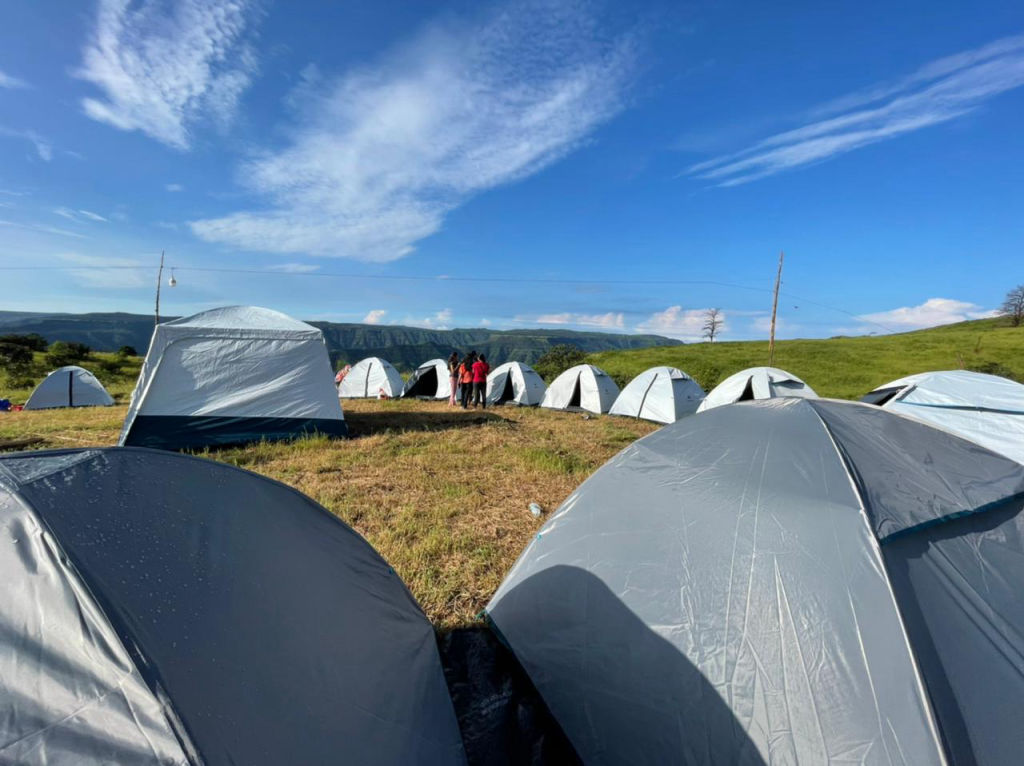
Travellers seeking an extended getaway in this scenic corridor can explore a wide variety of rural stays, nature campsites, and traditional homestays scattered through the foothills and valleys surrounding Khandala and Satara. Choosing an outdoor stay allows you to experience cool valley breezes, starry night skies, and traditional Maharashtrian home-cooked meals.
Whether you are looking for a peaceful riverside tent, a rustic farmstay set amidst agricultural fields, or a private cottage with mountain views, you can discover and reserve the right stay for your trip on HireACamp.
Frequently asked questions
Where is Subhanmangal Fort located?
Subhanmangal Fort is located near the town of Khandala in the Satara district of Maharashtra, situated close to the Pune-Satara highway corridor.
What kind of fort is Subhanmangal Fort?
It is a ground-level fortress, or bhuikot killa, built on flat terrain to defend local settlements and monitor strategic transit and trade routes.
What is the best season to visit Subhanmangal Fort?
The best time to visit is during the post-monsoon and winter months from October to March, when the weather is mild and comfortable for outdoor exploration.
Are there trekking requirements to reach Subhanmangal Fort?
No steep trekking is required, as the fort stands on level ground within the local settlement and can be accessed with a brief, gentle walk.
Can Subhanmangal Fort be visited on a day trip from Pune?
Yes, due to its proximity to the Pune-Satara highway, it can easily be visited as a relaxing half-day or full-day road excursion from Pune.
Where you'll be
Khandala, MH · 2 stays nearby shown with prices
Stays near Subhanmangal Fort
Book a place to stay close by
More places near Subhanmangal Fort
Within 20 km


Lists for this area
Ranked by how many creators recommend each place


Built from 0 Instagram posts by 0 creators. Every tip links back to the post it came from, and where creators disagree we show both sides.


