
The Cape Goa
Restaurant near Canaguinim, Goa
4.9 km from Canaguinim
The nearest town, for stays, food and fuel.
The Cape Goa is a renowned cliffside open-air restaurant and retreat perched above the Arabian Sea near Cabo de Rama in Canacona, South Goa. It is best known for its sweeping coastal views, dramatic ocean sunsets, and relaxed open-deck dining. Travellers visiting the southern end of Goa frequently stop here while exploring the historic ramparts and secluded beaches of the Canacona coastline.
Getting there
By road
- From CanaguinimNearest town23 min · 11 km
- From Pune10 hr 15 min · 490 km
Typical drive times without traffic. Stations and airports from OLA Maps; distances and typical drive times from OpenStreetMap (© OpenStreetMap contributors); notes from creators' Reels.
About The Cape Goa
Written with AI from map data and general knowledge. Check prices and timings locally before you go.
The cliffside setting of The Cape Goa
The Cape Goa occupies an enviable natural perch along the cliffs of Cabo de Rama in South Goa. Positioned on an elevated promontory that drops towards the Arabian Sea, the property commands an uninterrupted view of the coastal horizon, rocky outcrops, and rolling surf below. Unlike the flat, sandy stretches of commercial beaches in central and north Goa, this pocket of Canacona is marked by rugged topography, red laterite cliffs, and dense groves of coconut palms that sway against the sea breeze.
The layout of the restaurant makes full use of its geography. Open wooden decks, thatched shading, and tiered seating give diners front-row access to the water. The sound of crashing waves against the base of the cliffs forms a continuous natural backdrop. Because of its southern orientation and wide western vista, the venue has earned a steady reputation as one of the most scenic lookout spots along this part of the Goan coast.
What to expect from the dining atmosphere
Dining at The Cape Goa is designed around an unhurried, outdoor coastal lifestyle. Visitors generally arrive for late lunches, mid-afternoon refreshments, or evening dinners to catch the sunset. The seating areas are arranged so that almost every table faces the ocean, allowing guests to spend long stretches watching passing fishing boats, soaring sea eagles, and the changing colors of the water.
The ambience shifts distinctly through the day. During the bright afternoon hours, the ocean below shows off vivid shades of blue and turquoise, with the warm sun tempered by the steady ocean wind. As evening approaches, the restaurant transitions into a sunset viewpoint. The sky turns shades of amber and rose before descending into twilight, making the late afternoon into the most sought-after window for diners visiting the Cabo de Rama area.
Read more
Best time to visit
The ideal period to visit The Cape Goa runs from late October through early April, when the Goan winter brings clear skies, calm waters, and moderate temperatures. During these dry months, daytime temperatures are comfortable, and evenings by the ocean carry a refreshing sea breeze. Visibility across the horizon is at its sharpest, offering crisp views of the sunset.
The summer months of March, April, and May bring higher humidity and hotter daytime temperatures, though the ocean breeze on the cliff provides some relief during the late afternoon. The monsoon season, which spans from June through September, transforms the coastal landscape into a vivid green carpet. However, heavy rains, high winds, and rough seas can affect open-air seating operations, so travellers planning a visit during the wet season should check locally regarding availability and operating hours before making the journey.
How to reach The Cape Goa
The Cape Goa is located in the Cabo de Rama village area within the Canacona taluka of South Goa. If you are travelling by train, Canacona railway station is the nearest railhead, while the major junction at Madgaon is situated roughly 30 to 35 kilometres to the north. Travellers arriving by air can travel from either Dabolim Airport or Manohar International Airport in Mopa, both of which connect to South Goa via state highways and coastal roads.
The approach to Cabo de Rama winds through peaceful South Goan villages, cashew plantations, and stretches of quiet countryside. Hiring a private taxi or renting a scooter or car from major hubs like Margao, Palolem, or Agonda is the most practical way to reach the restaurant. Public bus connectivity to this specific cliff point is infrequent, so having private or rented transport is strongly recommended for a smooth journey.
Places to visit around Cabo de Rama
A visit to The Cape Goa is easily paired with a wider exploration of the southern coastline. Just about one kilometre away lies the historic Cabo De Rama Fort, one of the oldest forts in Goa. Perched on a steep promontory, the fort ruins feature weathered ramparts, a pristine white chapel, and expansive vantage points looking down onto Cabo De Rama Beach and the coastline stretching south.
Travellers interested in coastal landscapes can also explore nearby beaches such as Nuem Beach, Canaguinim Beach, and the secluded cove at Kakolem Beach. Further south lies Cola Beach, well known for its emerald freshwater lagoon that runs alongside the sea, offering opportunities for tranquil kayaking. Exploring these neighboring shoreline spots offers a full day of quiet coastal sightseeing before or after a meal at the restaurant.
Tips for your visit
Because of its popularity as a sunset destination, tables at The Cape Goa can fill up quickly during peak travel months and over weekends. If you hope to secure an ocean-facing seat for the golden hour, it is wise to arrive well ahead of sunset or check with the property locally about table reservations.
The cliffside location entails steps and uneven natural terrain in certain sections, so comfortable walking footwear is recommended. Bring sunglasses, hats, and sunscreen if you plan to visit during the afternoon, as the open decks catch direct sun before the heat tapers off. Mobile network coverage along the cliffs can occasionally be patchy depending on your service provider, so plan navigation and transport details in advance.
Where to stay near Canacona
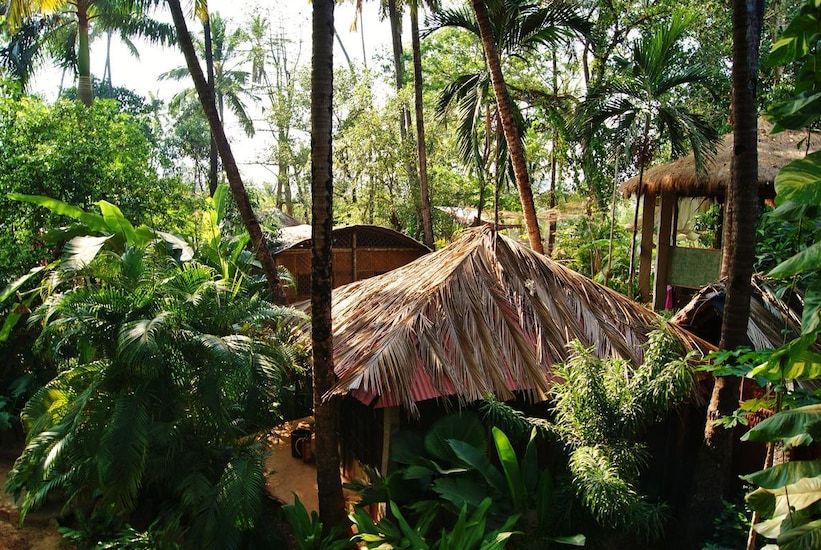
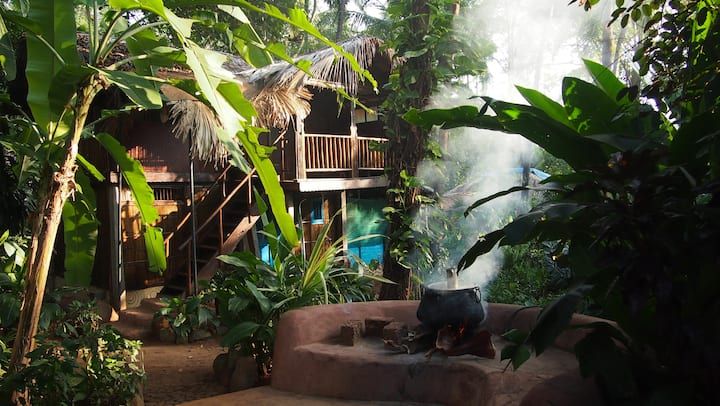
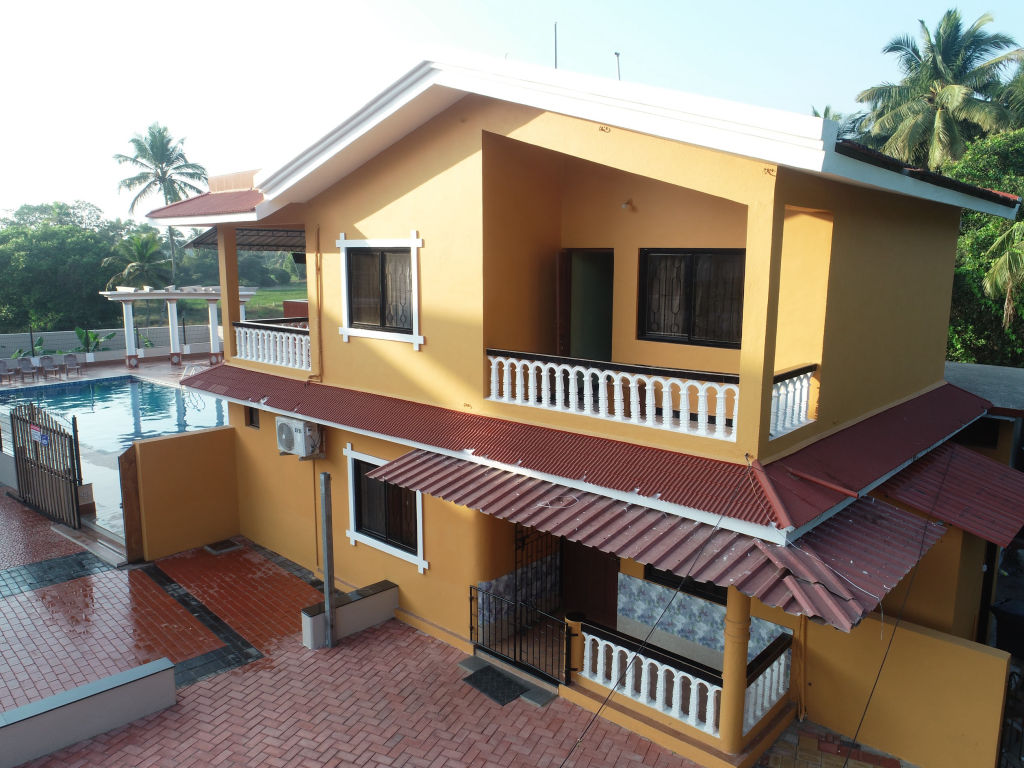
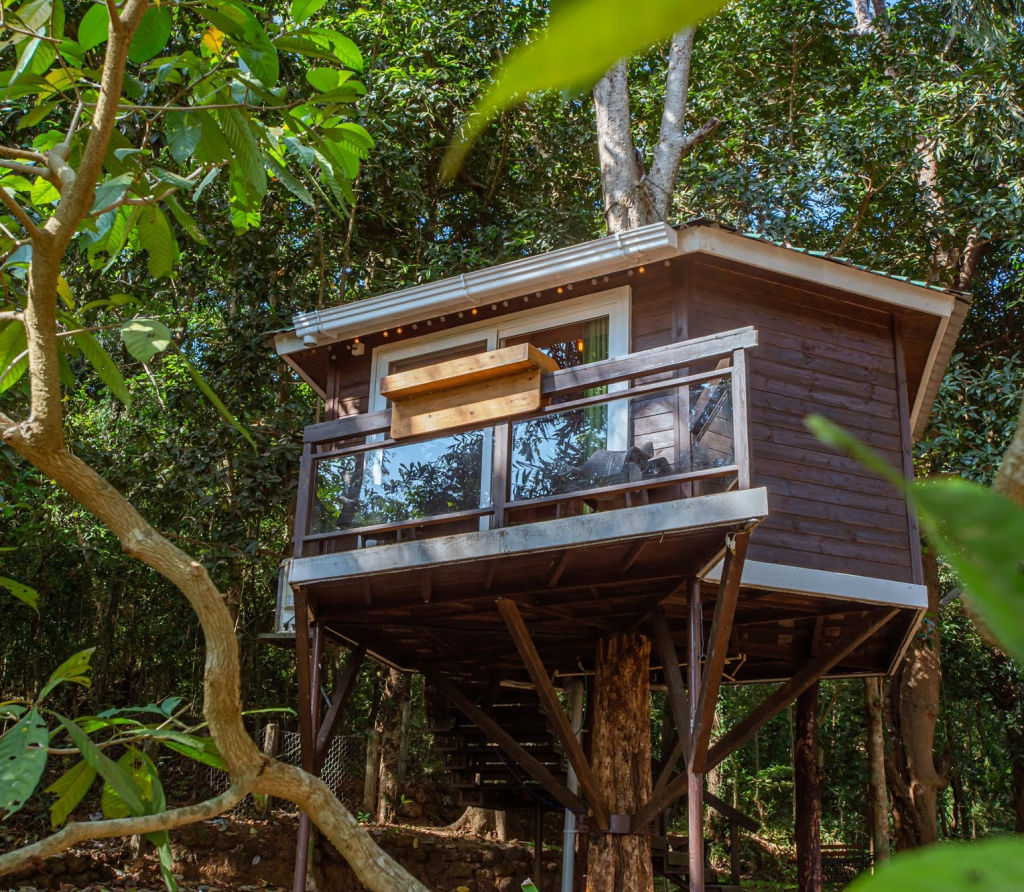
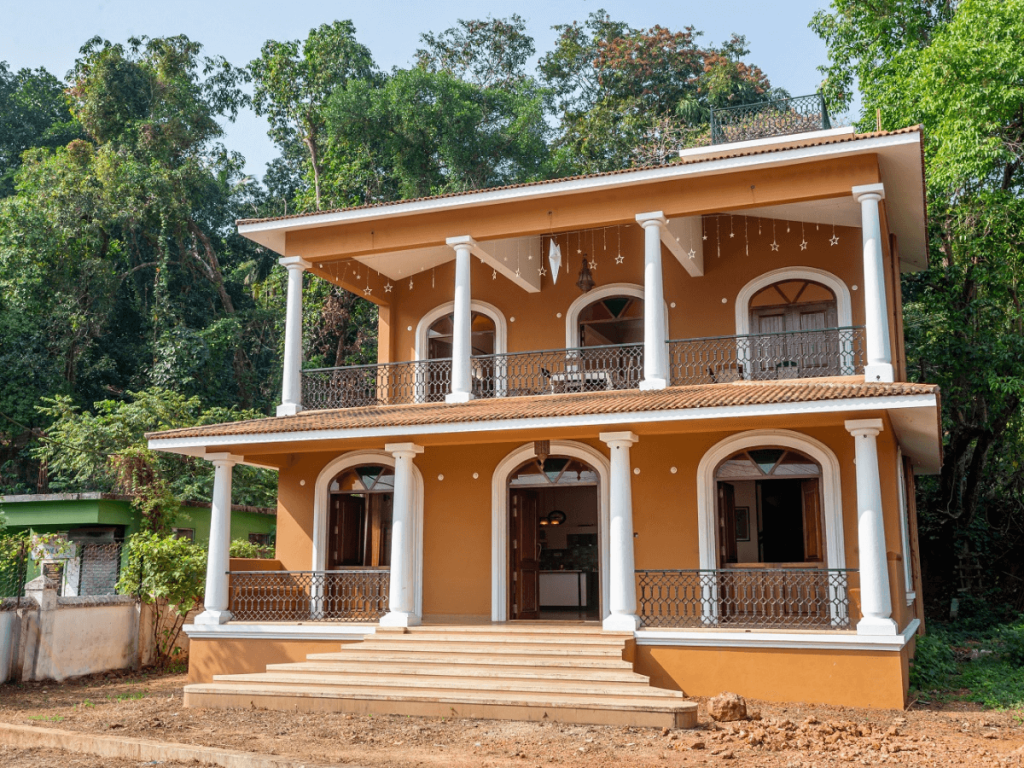
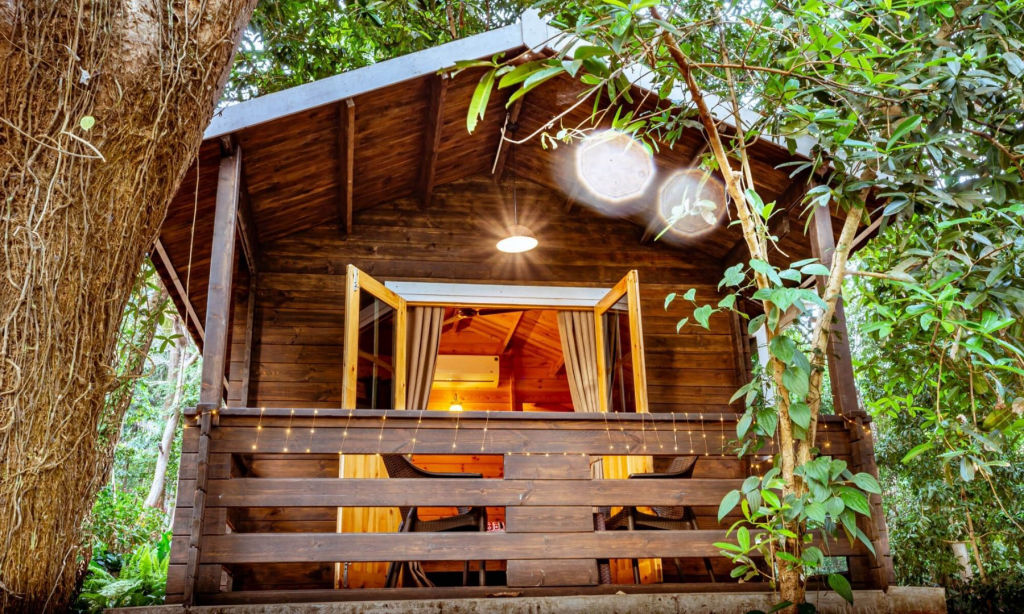
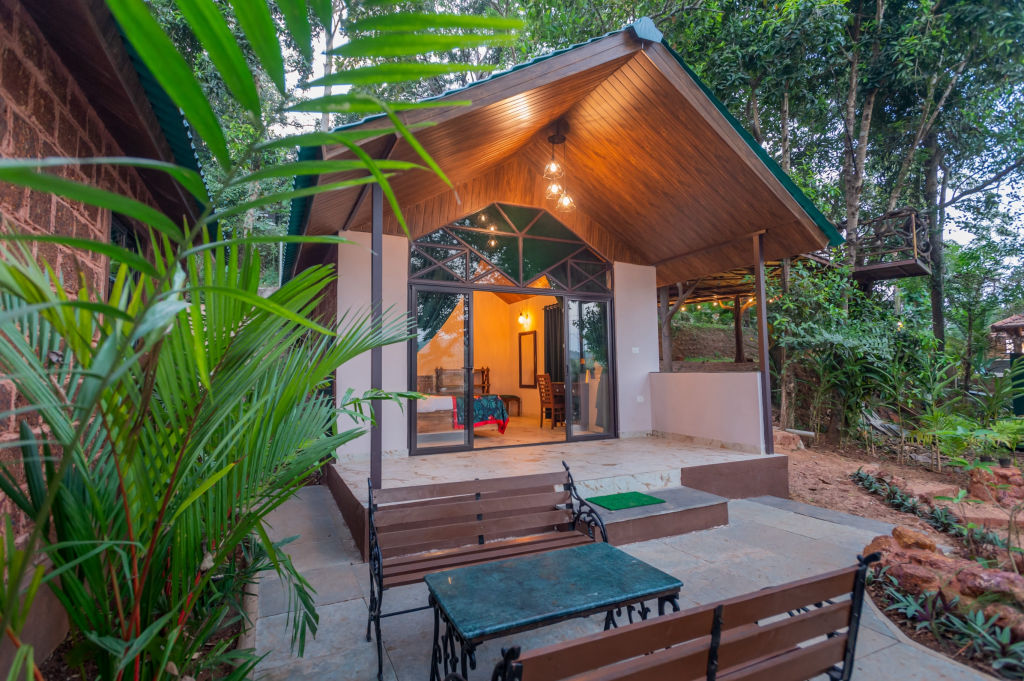
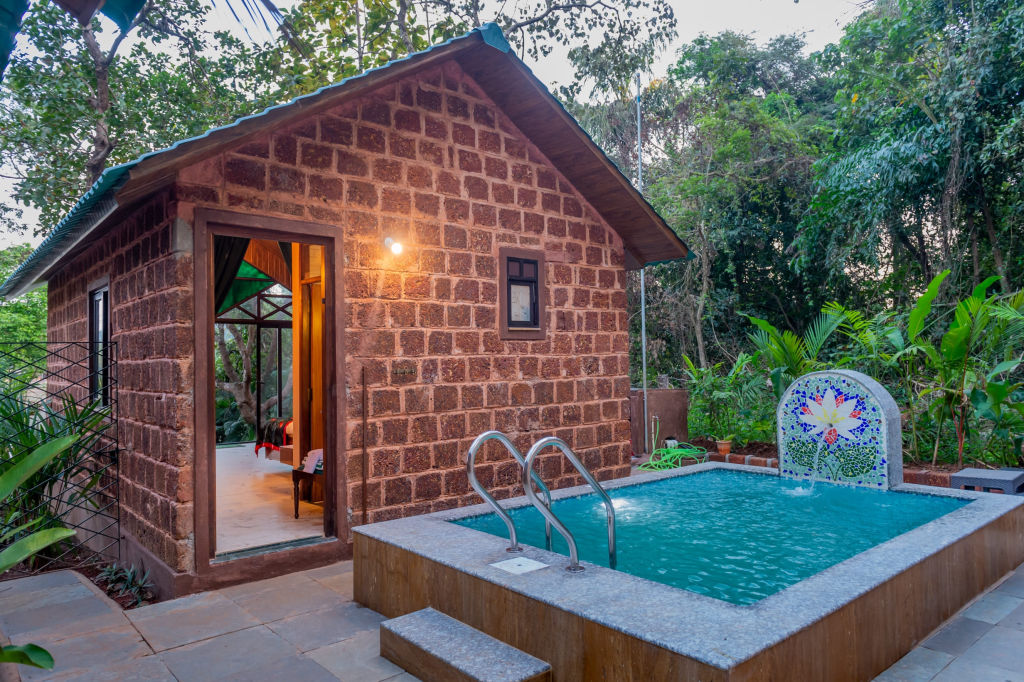
South Goa is renowned for its laid-back, low-density accommodation compared to the busy towns of the north. The area surrounding Cabo de Rama, Agonda, and Canacona features a wide selection of peaceful stays, including coastal homestays, rustic cottages set in coconut orchards, and scenic outdoor campsites tucked away near the hills and beaches.
Travellers looking to spend a few days exploring this tranquil region can browse and book eco-stays, nature-oriented homestays, and unique campsites across South Goa on HireACamp.
Frequently asked questions
Where is The Cape Goa located?
The Cape Goa is situated on the cliffs of Cabo de Rama near Canacona in South Goa, approximately one kilometre from the historic Cabo De Rama Fort.
What is the best time of day to visit The Cape Goa?
Late afternoon leading into sunset is the most popular time to visit, as the restaurant offers open-deck views of the sun setting directly over the Arabian Sea.
Do I need a reservation to visit The Cape Goa?
Because ocean-facing tables are in high demand during peak season and around sunset, it is advisable to check locally and inquire about reservations before travelling.
What historic landmarks are near The Cape Goa?
Cabo De Rama Fort is located just one kilometre away, offering historic stone ramparts, an operational chapel, and panoramic views of the coastal bluffs.
Is The Cape Goa open during the monsoon season?
While the surrounding landscape is at its greenest during the monsoon, outdoor dining operations can be affected by coastal rain and wind, so you should check operating status locally before visiting.
Where you'll be
Cabo de Rama - South Goa, Canacona · 9 stays nearby shown with prices
Stays near The Cape Goa
Book a place to stay close by
More places near The Cape Goa
Within 20 km
Built from 0 Instagram posts by 0 creators. Every tip links back to the post it came from, and where creators disagree we show both sides.






