
Betul Fort
Fort near Betul, Goa
500 m from Betul
The nearest town, for stays, food and fuel.
Betul Fort is a historic coastal ruin situated on a scenic hillock overlooking the confluence of the Sal River and the Arabian Sea in South Goa. Located near the peaceful fishing village of Betul and the coastal hub of Cavelossim, it draws visitors seeking expansive sea views, Maratha military history, and quiet coastal surroundings. The site provides a rewarding vantage point across river waters, local fishing docks, and open coastline.
Getting there
By road
- From BetulNearest town15 min · 2.9 km
- From Pune10 hr · 481 km
Typical drive times without traffic. Stations and airports from OLA Maps; distances and typical drive times from OpenStreetMap (© OpenStreetMap contributors); notes from creators' Reels.
About Betul Fort
Written with AI from map data and general knowledge. Check prices and timings locally before you go.
About Betul Fort
Perched on a low coastal ridge in the Salcete and Quepem border region of South Goa, Betul Fort is a modest, weather-worn fortification that looks out over the mouth of the Sal River. Unlike the larger, heavily restored Portuguese forts in North Goa, Betul preserves a quiet, rugged character where nature and centuries-old stonework exist side by side.
The fort grounds are largely unmanicured, featuring low stone ramparts, patches of wild grass, and scattered trees overlooking the sea. Visitors come primarily to enjoy the expansive maritime landscape, watch traditional fishing trawlers navigate the estuary, and experience an authentic slice of southern Goa's maritime heritage away from crowded tourist centres.
History and strategic significance
Betul Fort was established in the late seventeenth century under the authority of Chhatrapati Shivaji Maharaj during the Marathas' campaigns in the Konkan and coastal regions. Shivaji recognized the vital strategic value of the Sal River estuary, which served as a major conduit for coastal trade, fishing boats, and naval movements.
From this elevated headland, the fortification allowed Maratha forces to monitor maritime access to the river and protect surrounding agrarian settlements from colonial incursions. In later decades, control of the fort shifted into Portuguese hands as they expanded their dominion over the southern talukas of Goa. While only limited segments of the original ramparts and a historic iron cannon remain today, the fort stands as a quiet reminder of the intense geopolitical struggles along the Konkan coast.
Read more
What to see and do at the fort
A visit to Betul Fort is best approached at a relaxed pace. One of the highlights inside the perimeter is an old cannon that still rests on the earth, aimed out across the Arabian Sea. Walking along the remaining boundary walls gives you a clear sense of how guards observed approaching naval vessels in centuries past.
The headland offers sweeping views in every direction. Looking north, you can see the wide sandspit of Mobor Beach and the estuary where the Sal River empties into the ocean. Looking down into the inlet, you can observe traditional wooden trawlers tied up along the Betul fishing jetty or returning with their daily catch. It is also an exceptional spot for watching the sun sink into the Arabian Sea during clear evenings.
Best time to visit Betul Fort
The best time to explore Betul Fort is between November and February. During these winter months, South Goa experiences pleasant temperatures, dry skies, and cooling sea breezes that make walking up the hill and exploring the ruins comfortable.
The monsoon period between June and September transforms the surrounding hills into vibrant green fields. While the fort area looks remarkably lush during the rains, footpaths can turn slippery, and heavy rain accompanied by ocean squalls can limit visibility. If you visit in the summer months between March and May, plan your walk for the early morning or late afternoon to avoid the midday sun and humidity.
How to reach Betul Fort
Betul Fort is located in South Goa, approximately midway down the state's coastline. The nearest coastal town is Cavelossim, located across the Sal River, while the major railway and administrative hub of Margao lies inland to the north. Visitors travelling from coastal settlements like Cavelossim can cross via local roads around the river or take connecting bridges.
The approach to the fort involves driving up through the village of Betul along narrow country lanes lined with coconut palms and traditional houses. Once near the base of the hill, visitors can park their vehicles by the roadside and walk a short, unpaved footpath to the top of the ramparts. Sturdy footwear is recommended as the path contains loose soil and uneven rock steps.
Places to visit around Betul Fort
The area around Betul is rich in relaxed coastal landscapes and cultural sites. Down by the base of the hill lies Betul Beach and its lively fishing harbour, where you can watch local fishermen tending to their nets and boats. Across the estuary, the long white sands of Mobor Beach and Cavelossim Beach offer unhurried shoreline walks and water activities.
Travelling slightly south along the winding coastal roads leads toward quieter coves such as Cola Beach, known for its freshwater coastal lagoon, and historical shrines such as Shri Shantadurga Ballikarin Temple in the hinterland. The surrounding countryside is dotted with estuaries, mangrove thickets, and traditional Goan villages that are ideal for exploration on two wheels.
Tips for visiting Betul Fort
Because Betul Fort is an open, unrestored ruin, there are few modern amenities directly at the site. Carry drinking water and wear comfortable walking shoes with good grip for walking across uneven masonry and rocky trails. Sun protection, such as a hat or sunglasses, is useful as shade is minimal across the open hilltop.
Keep in mind that the fort has no safety railings along the cliff edges, so exercise caution when walking near the drops. Visitors should pack out all their trash to help preserve the natural environment and respect the quiet atmosphere of the neighbouring fishing community.
Where to stay near Betul Fort
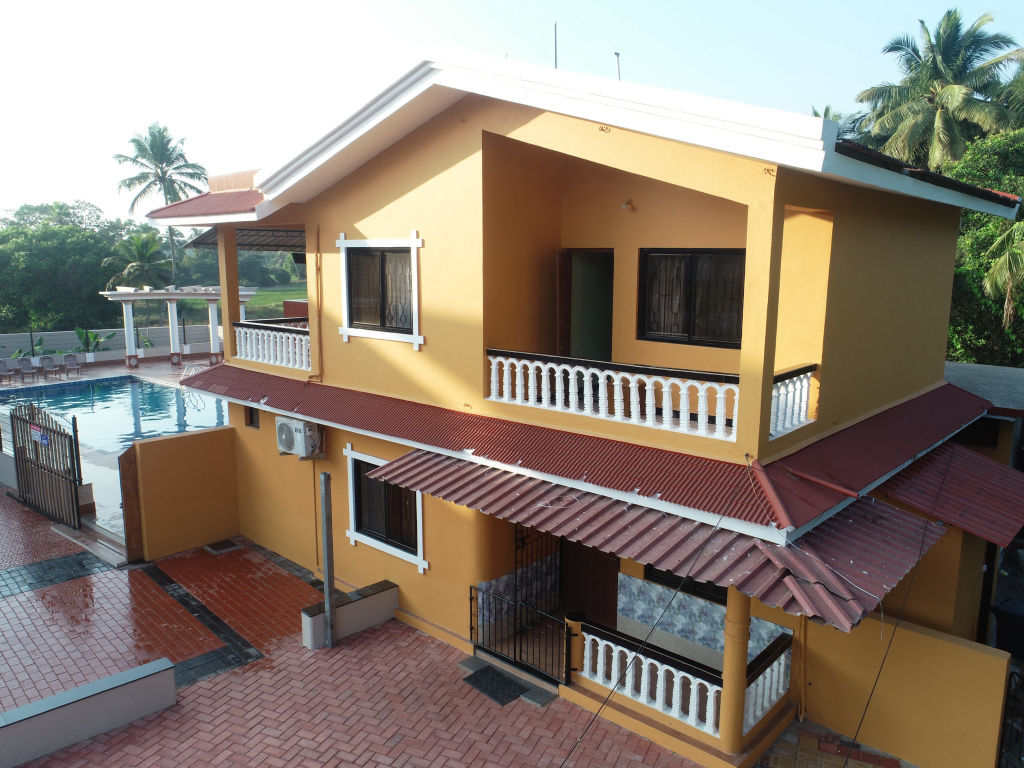
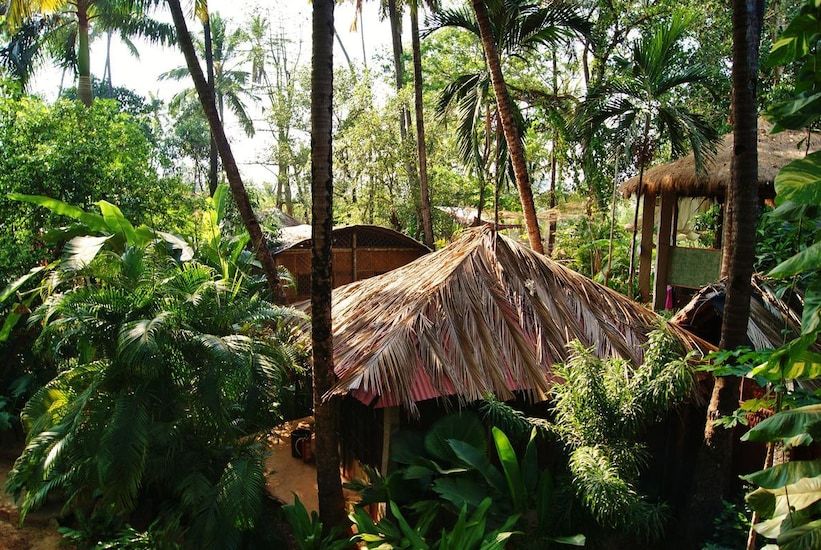
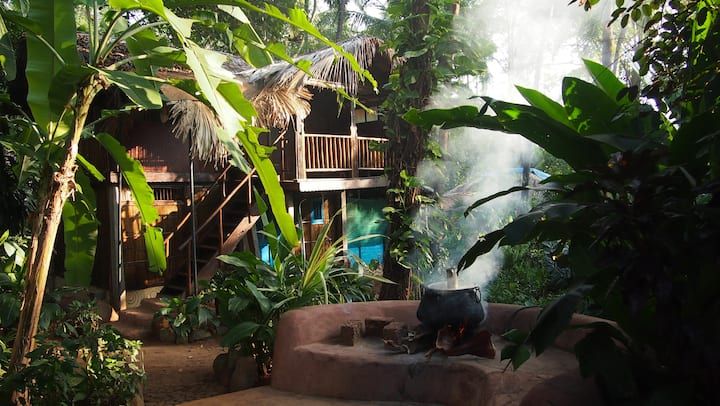
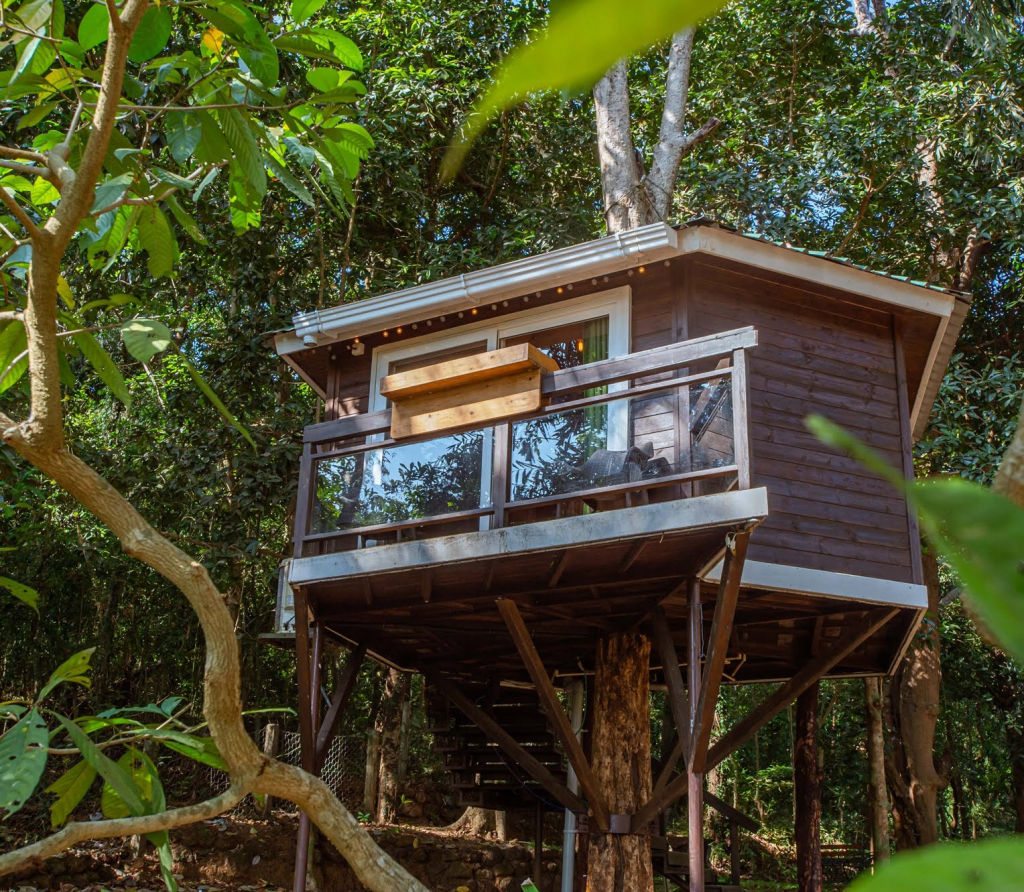
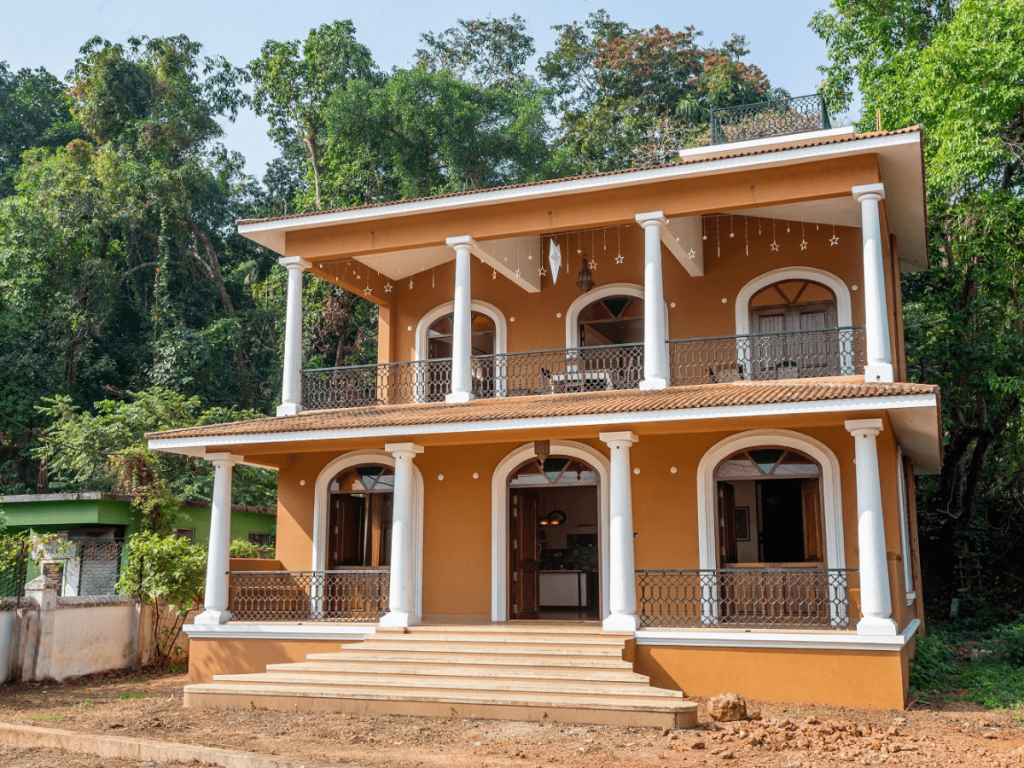
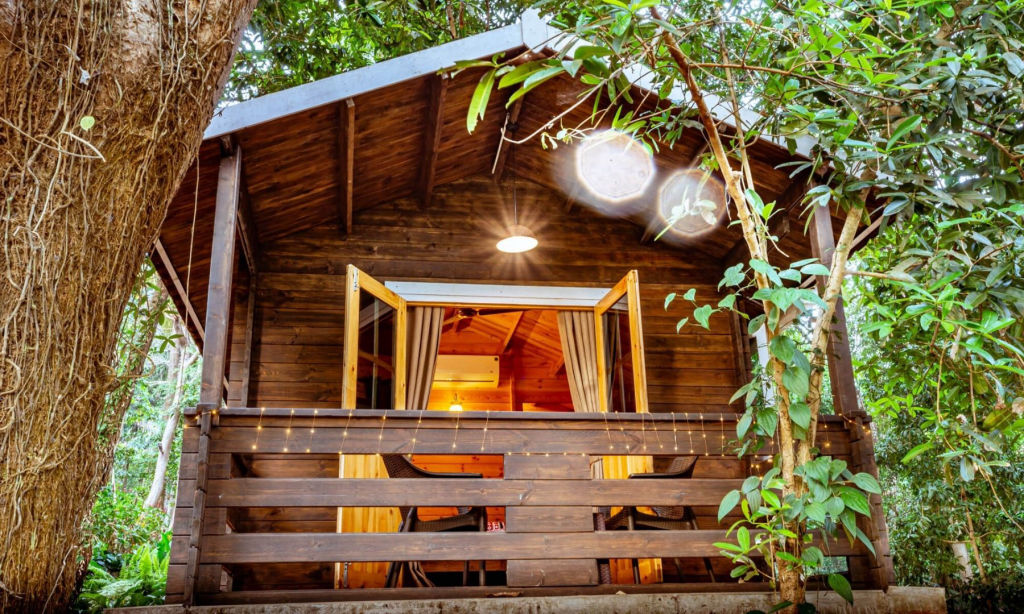
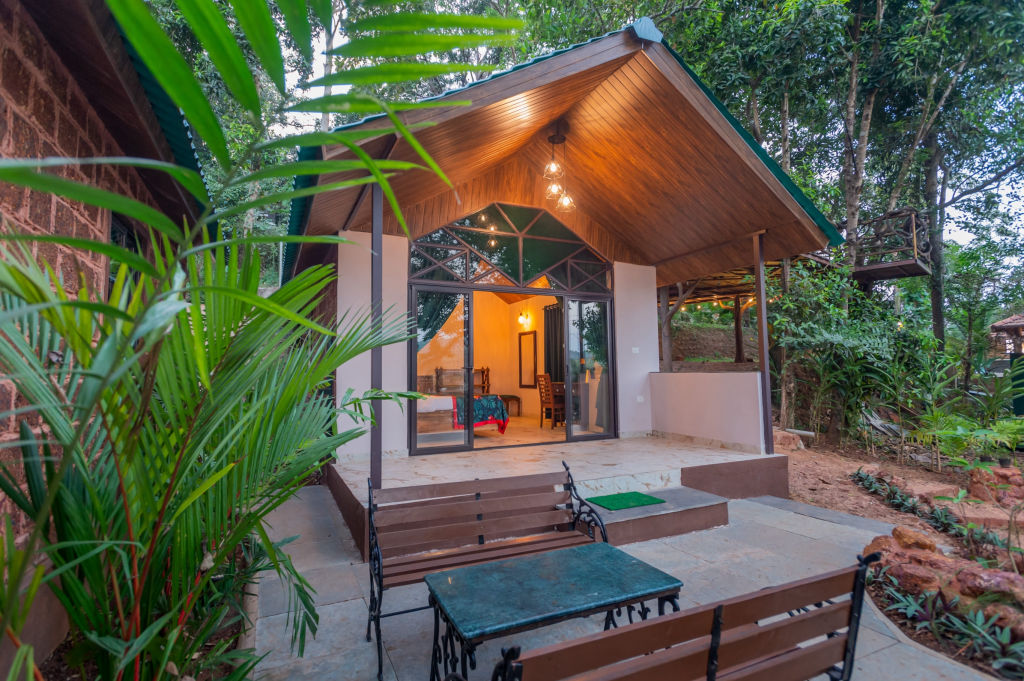
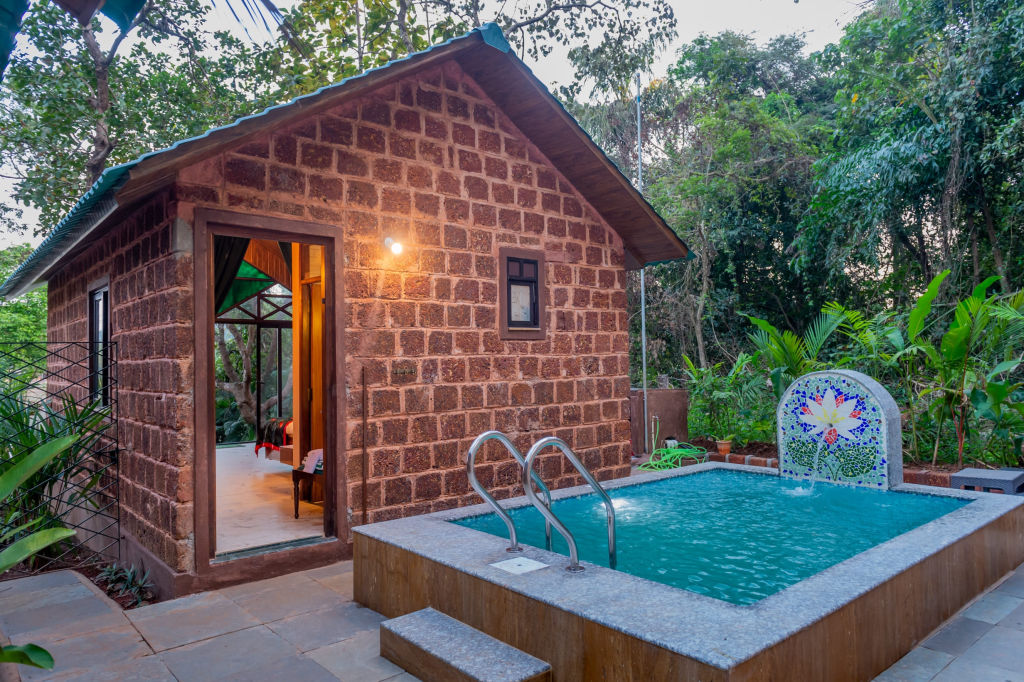
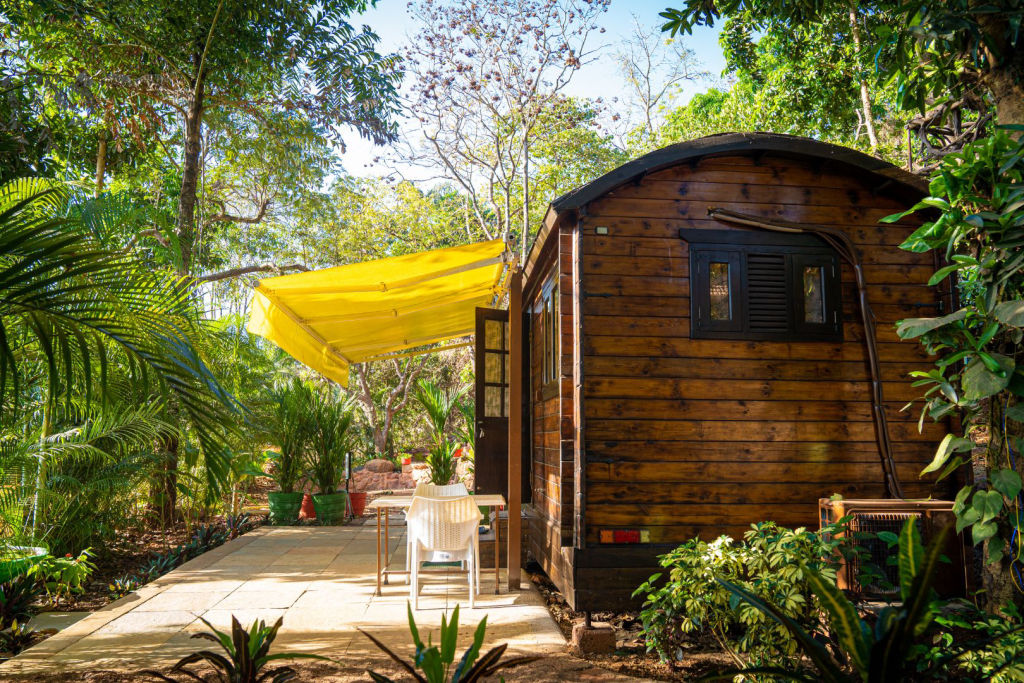
South Goa offers a broad range of relaxed places to stay, from riverside cottages along the Sal River to village homestays and eco-lodges near the beach. Staying nearby allows you to enjoy early morning walks up the fort ridge before daytime heat arrives.
Travellers interested in outdoor experiences, peaceful stays, and homestays near Betul and the surrounding coast can discover and book verified properties directly on HireACamp.
Frequently asked questions
Is there an entry fee to visit Betul Fort?
There is generally no entry fee to access the grounds of Betul Fort, but visitors should check locally for any updated municipal guidelines or parking arrangements.
How long does a visit to Betul Fort take?
Most visitors spend between 45 minutes and an hour at the fort, which gives ample time to walk the perimeter, view the historic cannon, and enjoy the coastal scenery.
Can you drive directly up to Betul Fort?
Vehicles can drive close to the base of the fort hill along village roads, but reaching the ruins themselves requires a short uphill walk on an uneven path.
Is Betul Fort suitable for children and seniors?
The walk up is relatively brief, but because the terrain is uneven and there are no guardrails along the cliffs, young children and seniors should move with care.
What should I wear when visiting Betul Fort?
Light, breathable clothing suited for tropical coastal weather and sturdy walking shoes with reliable traction are recommended for exploring the rocky grounds.
Where you'll be
Salcete · 9 stays nearby shown with prices
Stays near Betul Fort
Book a place to stay close by
More places near Betul Fort
Within 20 km
Built from 0 Instagram posts by 0 creators. Every tip links back to the post it came from, and where creators disagree we show both sides.






