
Thrissilery
Destination in Kerala
Thrissilery is a quiet agrarian hamlet set amidst the green hills of northern Wayanad in Kerala. Known primarily for its historic temple and serene rural setting, the village is bordered by lush spice plantations, paddy fields, and forest belts. Travellers visit Thrissilery to experience the slow rhythms of village life in the Western Ghats and to use it as a peaceful base for exploring nearby wilderness areas.
Getting there
By road
- From Mysuru3 hr 45 min · 152 km
- From Mangaluru5 hr 25 min · 240 km
- From Coimbatore5 hr 35 min · 236 km
- From Bengaluru5 hr 45 min · 301 km
Typical drive times without traffic. Stations and airports from OLA Maps; distances and typical drive times from OpenStreetMap (© OpenStreetMap contributors); notes from creators' Reels.
About Thrissilery
Written with AI from map data and general knowledge. Check prices and timings locally before you go.
About Thrissilery
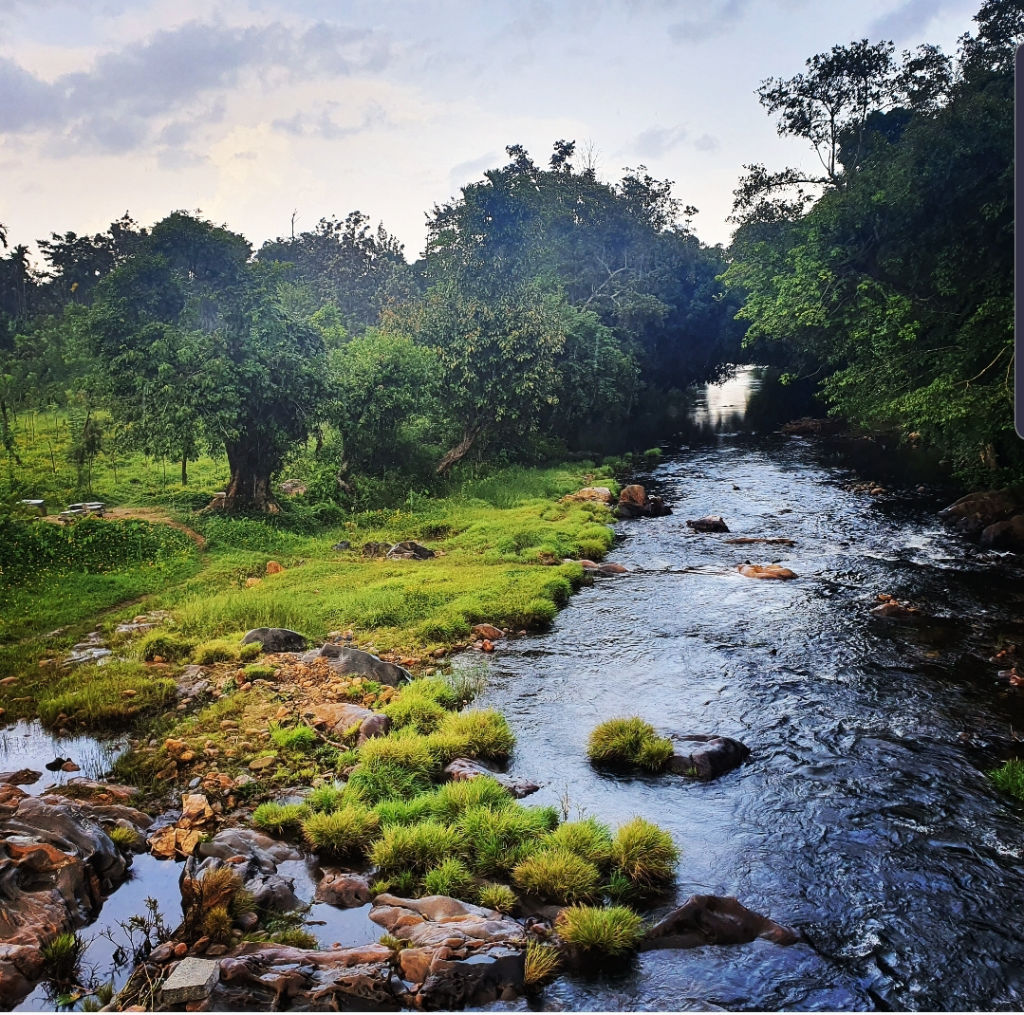
Tucked away in the northern part of Wayanad district, Thrissilery represents the classic rural charm of upland Kerala. Unlike busier commercial centres in the district, this settlement retains an unhurried, pastoral way of life. The surrounding landscape is defined by gently undulating hills layered with coffee shrubs, pepper vines clinging to silver oak trees, arecanut groves, and emerald-green paddy fields nourished by seasonal streams.
At the heart of the village's identity is the ancient Thrissilery Shiva Temple. Revered for its traditional Kerala architectural style, the temple features intricate wood carvings, laterite stonework, and tiled roofs. It holds deep spiritual ties with the famed Thirunelli Temple located further north; tradition dictates that pilgrims offering ancestral rites at Thirunelli visit Thrissilery to complete their prayers. This connection brings a steady trickle of devotees and heritage lovers seeking quiet reflection away from crowded pilgrimage routes.
Things to do in and around Thrissilery
A visit to Thrissilery is best spent outdoors enjoying simple rural pleasures. Walking through the village backroads offers a close look at everyday agricultural practices in Wayanad. You can wander alongside active paddy terraces, watch farmers tend to arecanut and coffee crops, and breathe in the rich scents of damp soil and drying spices. The area is also rewarding for birdwatchers, as the mix of forest borders, orchards, and wetlands attracts hornbills, drongos, flycatchers, and various kingfishers.
Exploring the architectural details of the Thrissilery Shiva Temple is essential for anyone interested in regional heritage. The sanctum, the inner courtyard, and the water tank known as the Jaladurga shrine showcase centuries-old craftsmanship. Early mornings around the temple grounds are calm, accompanied only by temple bells and the calls of hill birds. For cyclists and runners, the rolling paved roads branching out towards nearby valleys offer scenic routes without heavy vehicular disturbance.
Read more
Getaways and places to visit nearby
Thrissilery serves as a convenient launchpad for exploring the protected natural reserves and historical sites of the northern Wayanad plateau. Nagarhole National Park lies roughly twenty-nine kilometres away in straight-line distance across the Karnataka boundary. Known for its rich populations of elephants, spotted deer, gaur, and elusive big cats, a drive towards the park takes you through transition forests that showcase the diverse ecology of the Nilgiri Biosphere.
Closer by, the ancient Thirunelli Temple sits framed by the towering Brahmagiri hills, offering dramatic mountain views alongside centuries of legend. The Tholpetty Wildlife Sanctuary, a key section of the Wayanad Wildlife Sanctuary, is also easily reachable for morning or evening safaris. For travellers who appreciate waterside trails, the riverine island systems of Kuruvadweep on the Kabini River provide gentle walking tracks beneath dense bamboo canopies. Remember to check locally regarding seasonal accessibility and operating guidelines for all forest areas and sanctuaries.
Best time to visit Thrissilery
The winter and post-monsoon months from October through March offer the most comfortable weather for exploring Thrissilery. During this period, the atmosphere is crisp, humidity is low, and daytime temperatures remain pleasant for walking and outdoor excursions. Mornings frequently bring misty valleys and cool breezes rolling down from the surrounding Western Ghats ranges.
The southwest monsoon arrives between June and September, transforming the entire landscape into vibrant shades of green. Rainfall in northern Wayanad can be intense and continuous, making rural walks muddy and outdoor travel slower. However, visitors who appreciate moody hill weather, rain-washed plantations, and vibrant streams will find the monsoon season deeply scenic. The summer months from April to May bring warmer days, though temperatures are still noticeably milder than the lowlands of coastal Kerala.
How to reach Thrissilery
Thrissilery is accessible by road from key transit towns in Kerala and neighbouring Karnataka. The nearest commercial hub is Mananthavady, which maintains good bus connections with regional towns across Wayanad, Kannur, and Kozhikode. Local buses and taxis run regularly from Mananthavady toward Thrissilery and Thirunelli.
If you are arriving by air, Kannur International Airport is the most convenient gateway, followed by Calicut International Airport in Kozhikode. Both airports connect to major Indian cities and international hubs. By train, the railway stations at Thalassery, Kannur, and Kozhikode offer connectivity along the western rail corridor, while Mysore Junction in Karnataka serves as a useful railhead for travellers arriving from Bangalore or central India. From the railway stations or airports, hiring a private vehicle to drive up the scenic ghat roads to Thrissilery is straightforward.
Tips for your visit
Thrissilery is a traditional village community, so dressing modestly, especially when entering temple premises or walking through residential areas, is both respectful and appreciated. Footwear must be removed before entering shrines, and photography rules within religious complexes should always be confirmed with local caretakers on site.
Because the village is bounded by forested corridors and open farmlands, leeches can be common along unpaved paths during and immediately after the monsoon. Packing sturdy walking shoes, long trousers, and mild insect repellent will make your rural walks much more comfortable. ATMs, specialized pharmacies, and larger grocery markets are limited in the village, so it is wise to carry adequate cash and essential personal supplies from Mananthavady before arriving.
Where to stay in Thrissilery
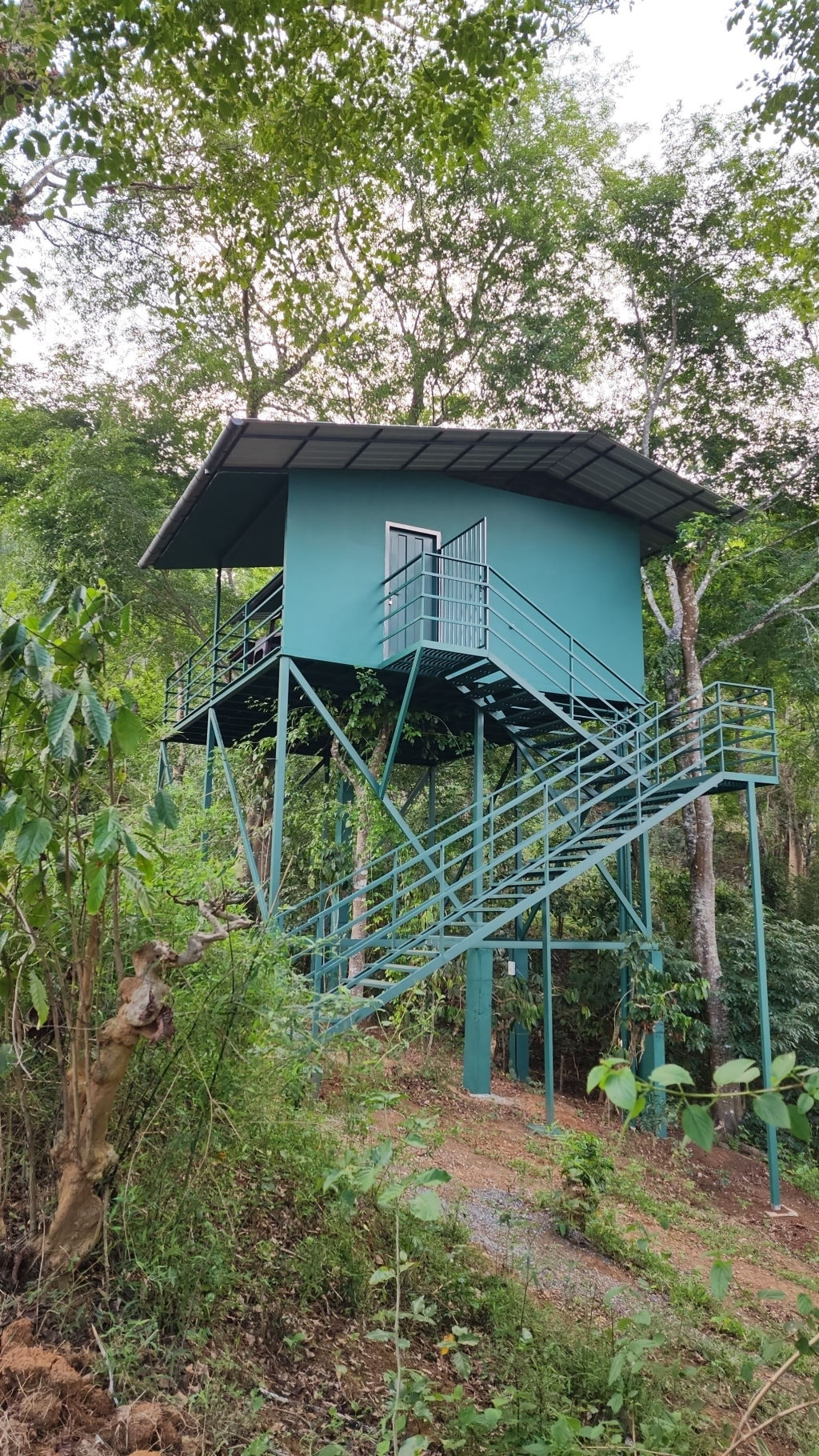
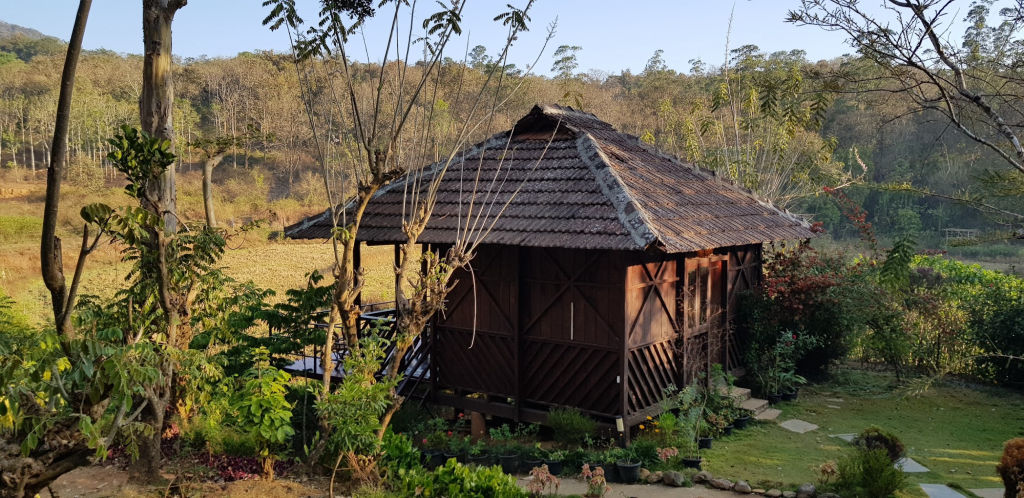
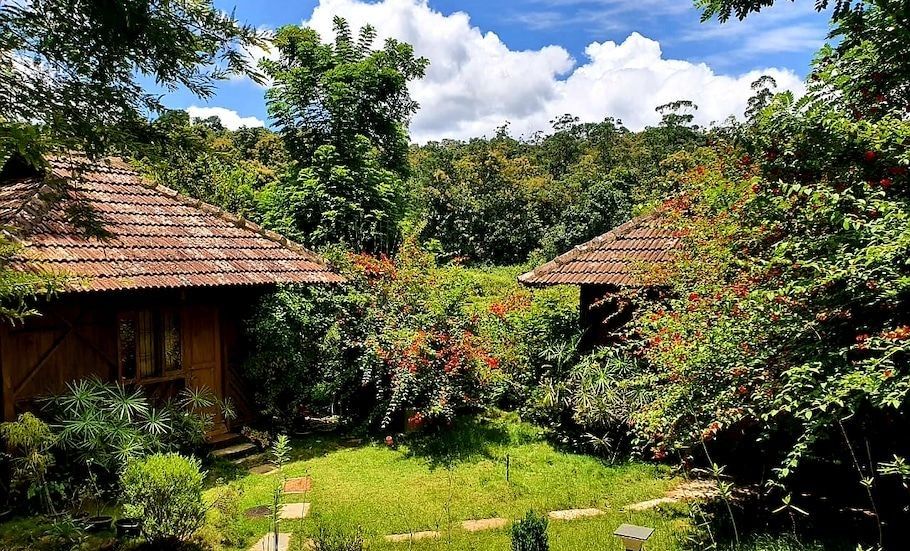
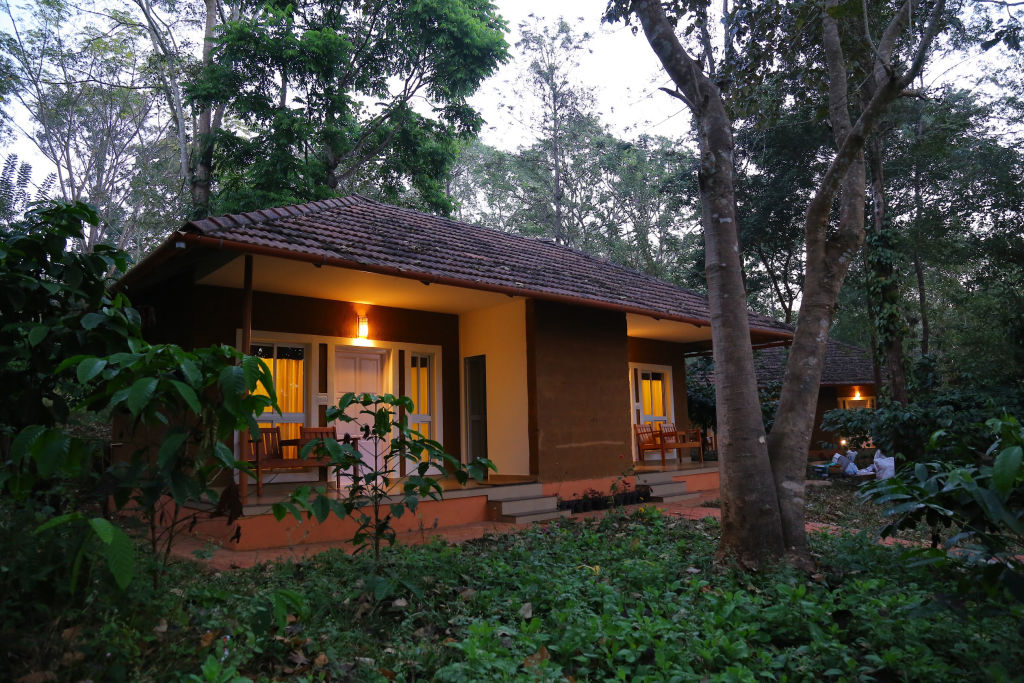
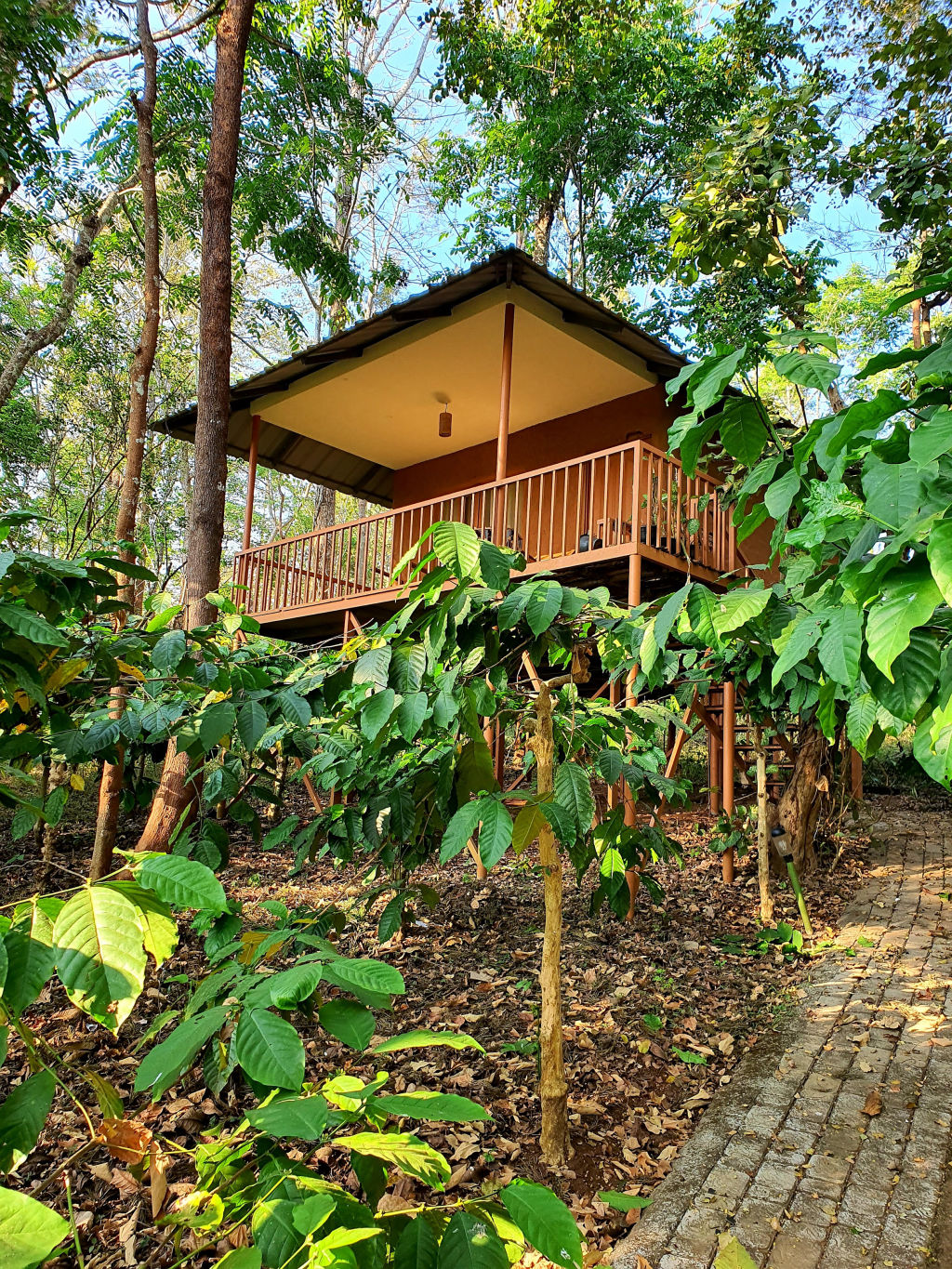
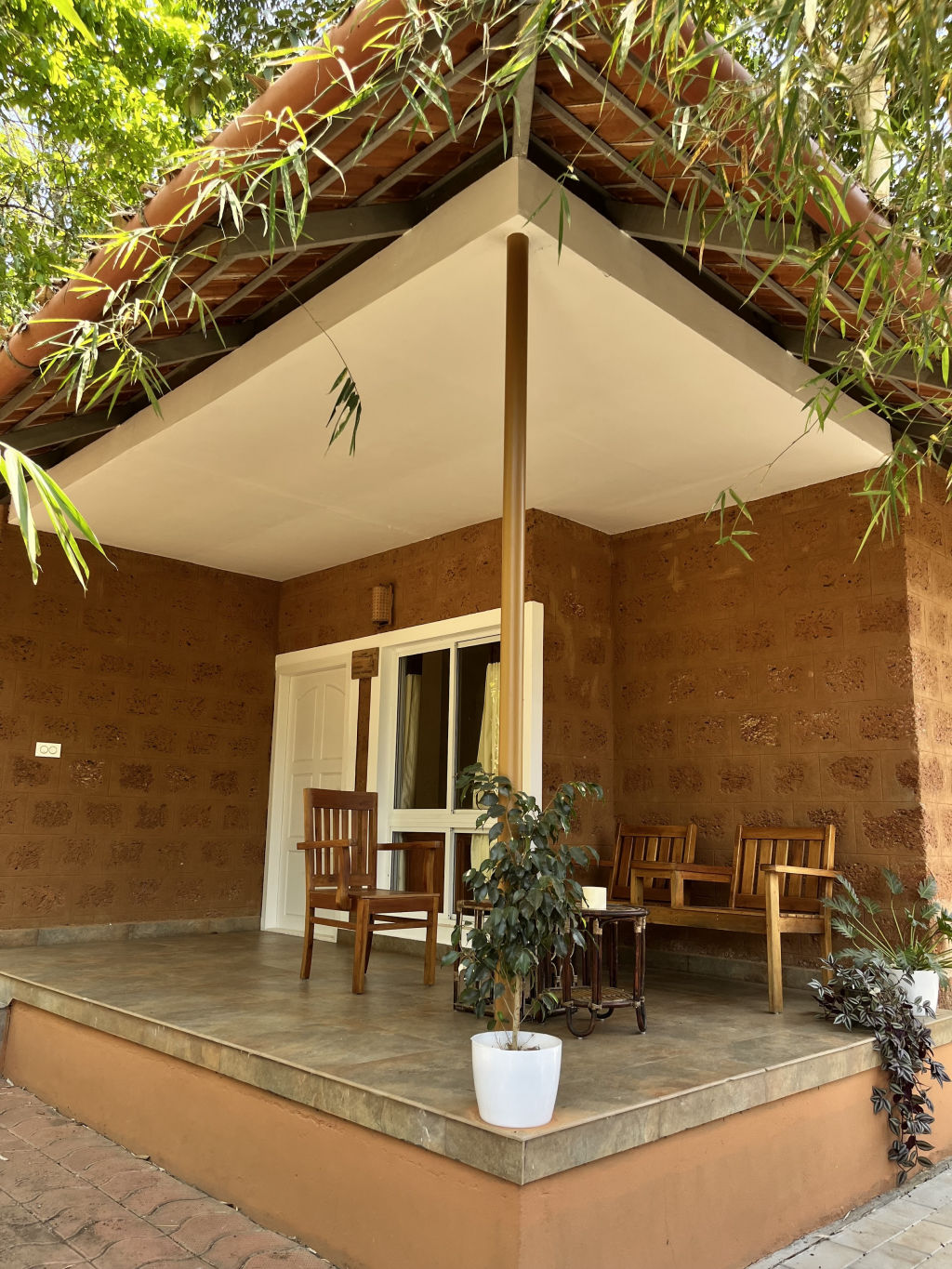
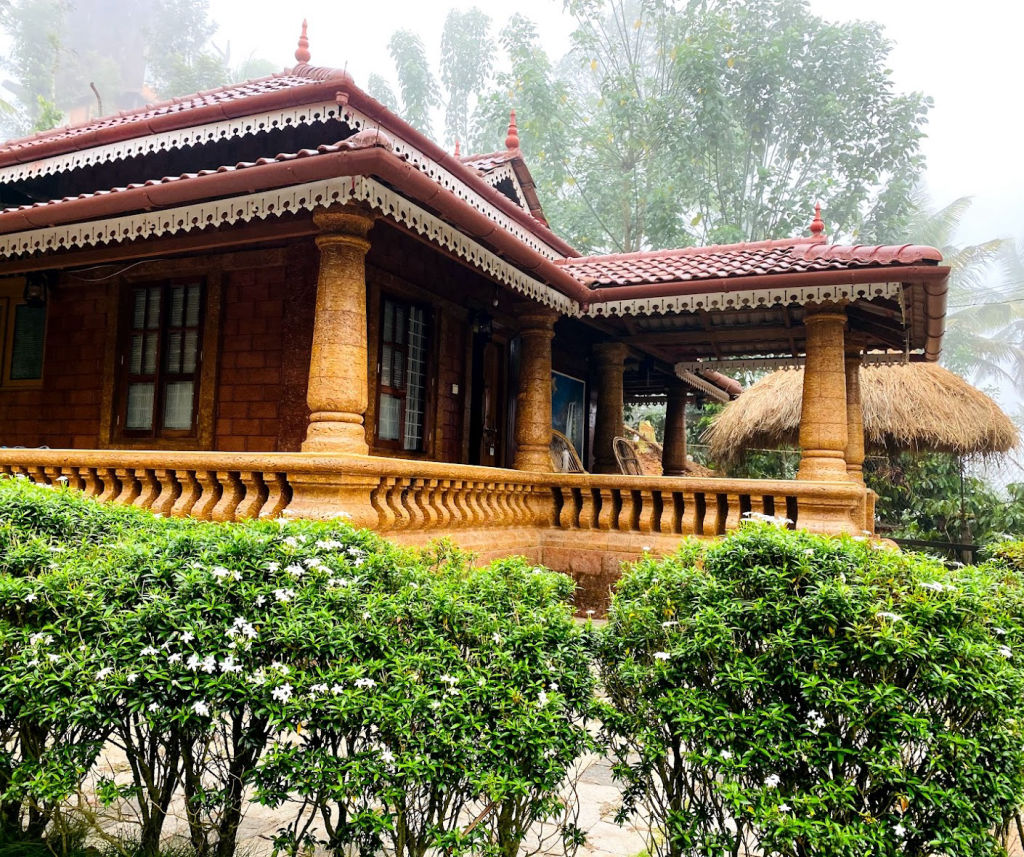
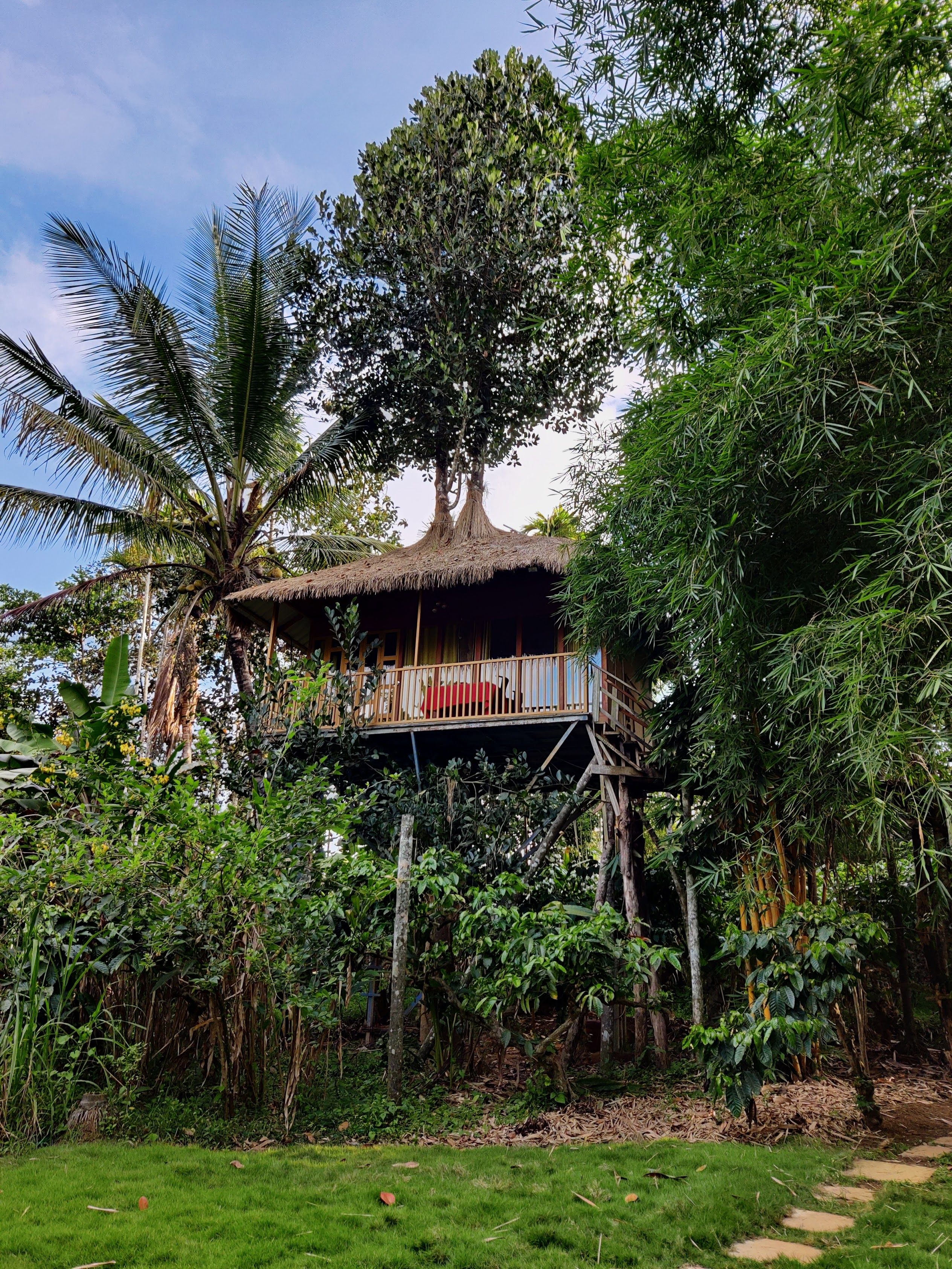
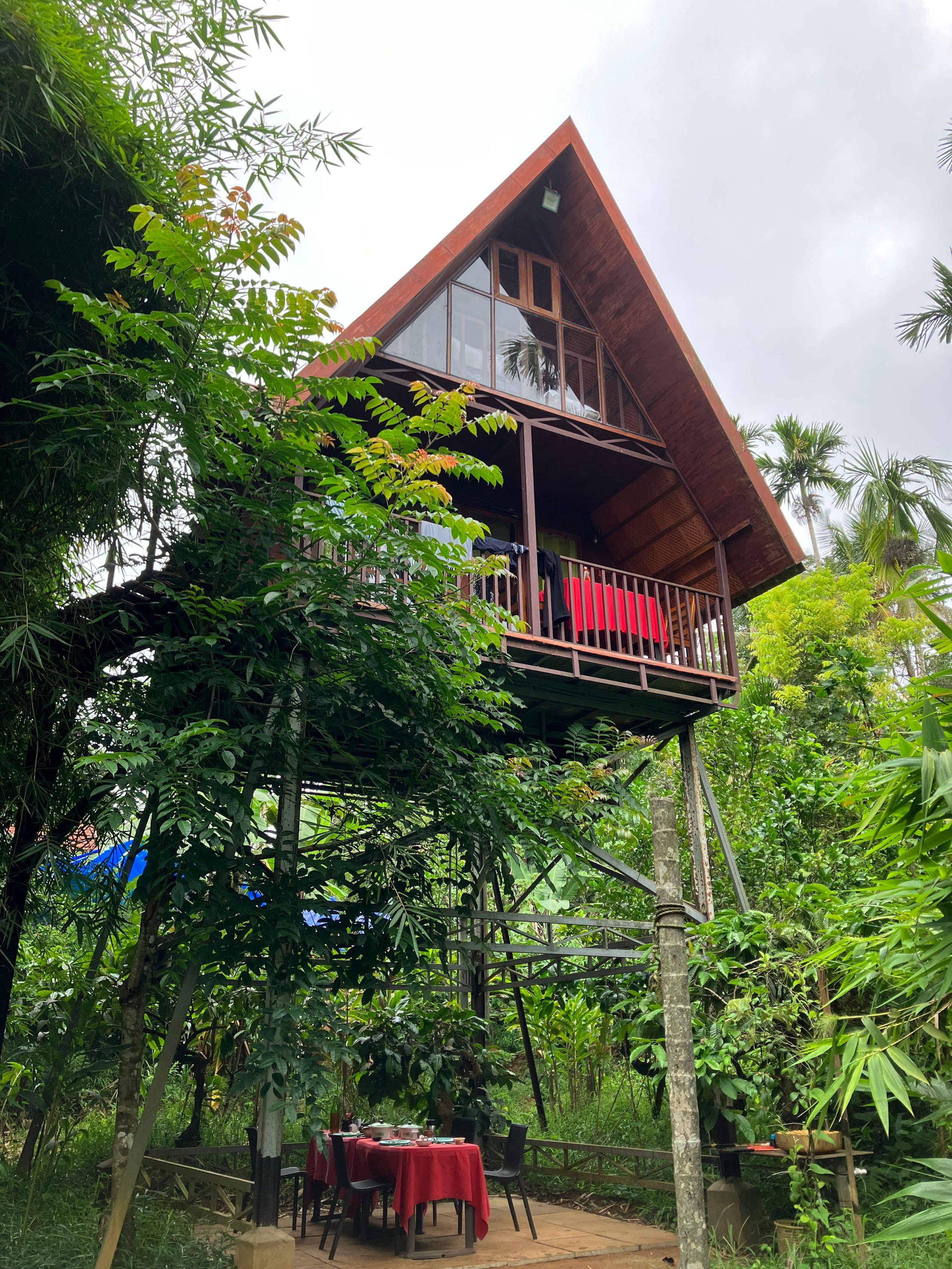
Accommodation around Thrissilery leans toward peaceful retreats integrated into the natural environment. Travellers can find traditional homestays run by local families, plantation stays nestled within coffee and spice groves, and scenic outdoor camps scattered across northern Wayanad. Choosing a homestay allows you to sample authentic regional Kerala cuisine prepared with locally cultivated produce and spices.
Whether you are looking for an open-air camping spot under the stars, a private cottage surrounded by pepper vines, or a quiet family-run village lodge, you can find a variety of verified stays around Thrissilery on HireACamp. Booking in advance is recommended during long weekends and the peak holiday months from November to January.
Frequently asked questions
What is Thrissilery known for?
Thrissilery is renowned for its ancient Shiva temple, celebrated for classic Kerala temple architecture and its connection to the holy site of Thirunelli. The village is also appreciated for its serene coffee plantations, spice gardens, and rural mountain atmosphere.
Which wildlife reserves are close to Thrissilery?
Nagarhole National Park in Karnataka lies around 29 kilometres in straight-line distance, while the Tholpetty range of the Wayanad Wildlife Sanctuary is also easily accessible for wildlife viewing.
How far is Thrissilery from Mananthavady?
Thrissilery is located just a short drive north of Mananthavady town, making the town the primary hub for transit, banking, and commercial services.
Can I visit Thrissilery during the monsoon?
Yes, you can visit during the monsoon from June to September to experience the region at its greenest, though you should expect heavy rainfall and plan for slower road journeys.
Are there places to stay directly in Thrissilery?
Yes, the area features independent homestays, plantation retreats, and nature camps that can be booked through HireACamp.
Where you'll be
11 stays nearby shown with prices
Stays near Thrissilery
Book a place to stay close by

Things to do in Thrissilery
48 places creators recommend within 30 km


Built from 0 Instagram posts by 0 creators. Every tip links back to the post it came from, and where creators disagree we show both sides.






