
Thirunelli Reserve
Forest near Irpu, Karnataka
5.2 km from Irpu
The nearest town, for stays, food and fuel.
Thirunelli Reserve is a protected forest tract situated in the Western Ghats along the border belt of southern Karnataka and northern Kerala. Framed by rolling hills and dense evergreen to moist deciduous canopies, the reserve serves as a vital ecological corridor between major wildlife sanctuaries. Travellers visit to experience quiet woodland environments, spot diverse flora and fauna, and explore the rugged landscapes of the Brahmagiri range.
Getting there
By road
- From IrpuNearest town1 hr 50 min · 37 km
- From Mysuru4 hr 35 min · 154 km
- From Mangaluru6 hr 10 min · 239 km
- From Bengaluru6 hr 50 min · 300 km
Typical drive times without traffic. Stations and airports from OLA Maps; distances and typical drive times from OpenStreetMap (© OpenStreetMap contributors); notes from creators' Reels.
About Thirunelli Reserve
Written with AI from map data and general knowledge. Check prices and timings locally before you go.
About Thirunelli Reserve
Thirunelli Reserve sits within one of the most ecologically rich forest belts of the Western Ghats, hugging the regional border between Karnataka and Wayanad in Kerala. The forest is part of the larger Nilgiri Biosphere complex, characterised by a varied canopy that transitions from semi-evergreen forest and moist deciduous woodlands to bamboo thickets and shola grasslands on higher ridges.
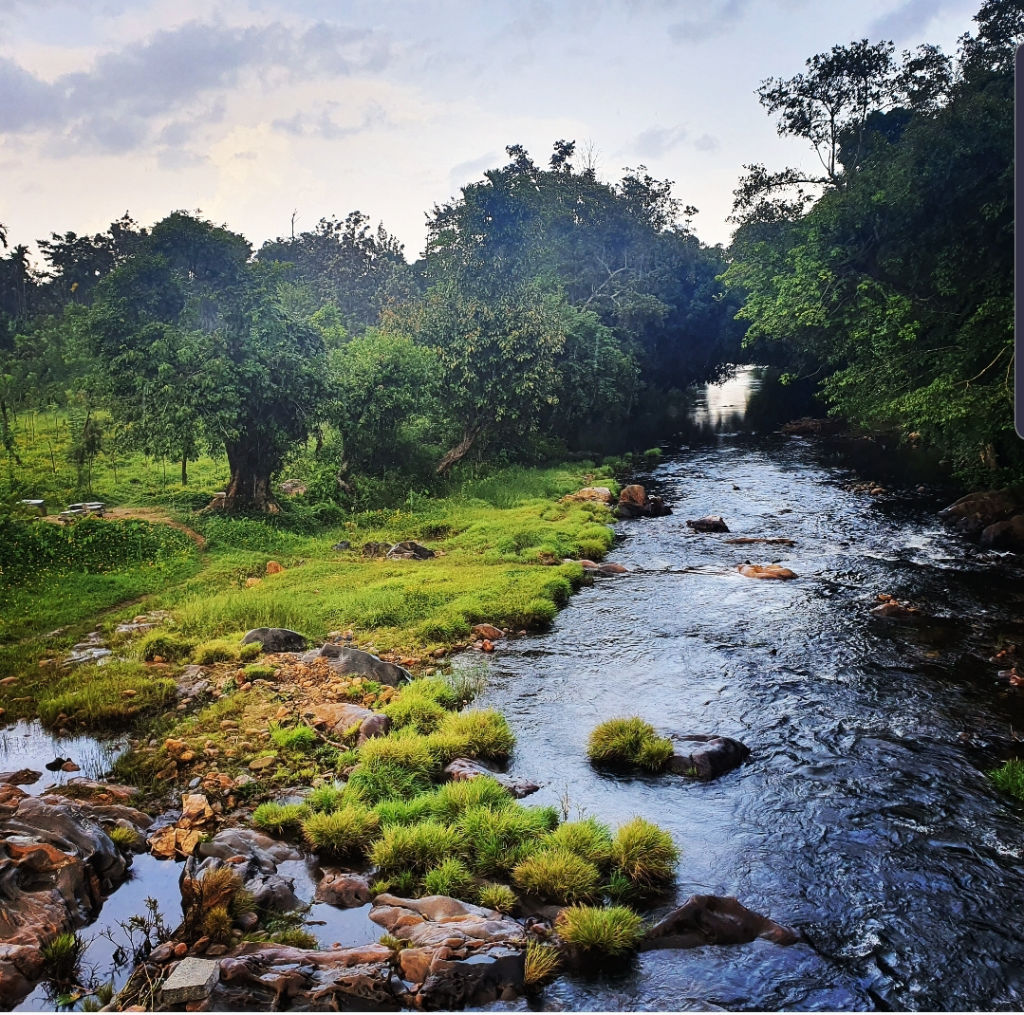
The topography around the reserve consists of rugged terrain, winding stream beds, and mist-laden hills. Fed by seasonal monsoons, mountain streams cut through the undergrowth, providing critical water sources for wildlife throughout the year. The reserve plays a crucial role in maintaining forest continuity, enabling long-ranging animals such as wild elephants to move unhindered across state boundaries between Karnataka's southern forests and Kerala's highland sanctuaries.
Wildlife and ecology
Because it borders major protected areas like Nagarahole National Park and the Wayanad Wildlife Sanctuary, Thirunelli Reserve hosts rich and varied biodiversity. The forest is known for significant mammal populations, including Asian elephants, spotted deer, sambar, barking deer, Indian gaur, and wild boars. Predatory species such as leopards, dholes (wild dogs), and occasionally tigers traverse the contiguous jungle tracts.
The reserve is equally rewarding for birdwatchers and nature enthusiasts. The canopy supports several Western Ghats endemics, such as the Malabar grey hornbill, Malabar trogon, white-bellied treepie, and Nilgiri wood pigeon. During dawn and dusk, the forest fills with birdcalls, cicadas, and the rustle of troops of bonnet macaques and Nilgiri langurs feeding in the treetops. Reptiles, amphibians, and an enormous variety of native butterflies thrive along the shaded stream beds and damp forest floor.
Read more
Best time to visit
The ideal time to visit Thirunelli Reserve is from October to March, when post-monsoon freshness settles into mild, pleasant weather. During these months, the forest remains lush green, daytime temperatures are comfortable, and early morning mist provides atmospheric conditions for nature photography and outdoor exploring.
The monsoon season, extending from June to September, brings intense, heavy rainfall to the Western Ghats. While the landscape turns vibrant green and forest streams rush with fresh water, heavy downpours can make forest trails slippery, waterlogged, and prone to leeches. The summer months of April and May bring warmer, drier weather. During summer, water sources shrink, which often draws wildlife out toward perennial waterholes and riverbanks, though afternoon heat can be intense.
Things to do in and around the forest
Exploring Thirunelli Reserve is largely about soaking in the sights and sounds of undisturbed woodland. Gentle road drives and authorized perimeter walks offer glimpses of grazing herbivores and diverse birdlife. Travellers can spend early mornings birdwatching along forest edges or listening to the awakening jungle canopy.
Nature photography is a major draw here, thanks to dramatic shifts in light filtering through towering trees, moss-draped branches, and mountain streams. Visitors looking to explore deeper into nearby trail networks or contiguous sanctuary sectors should coordinate with local forest department check posts for authorized nature trails and guided safari experiences.
Places to visit nearby
The area surrounding Thirunelli Reserve is dotted with national parks, waterfalls, and cultural heritage sites. Nagarahole National Park lies roughly 12 kilometres away, renowned for its organized safari zones, dense teak woodlands, and healthy populations of big cats and elephants. Wayanad Wildlife Sanctuary is situated approximately 10 kilometres from the reserve, offering another vantage point for wildlife observation.
Travellers interested in highland terrain can venture towards the Brahmagiri Ghat Reserve, about 21 kilometres away, which forms a spectacular mountainous backdrop. For water features, Saratabbi Falls sits roughly 20 kilometres away, and Gumma Kolli Falls is located around 22 kilometres out. Cultural and historical landmarks in the regional vicinity include the Trishileri Temple, the historic Valliyoorkavu Temple, the Pazhassi Raja Tomb, Pazhassi Park, and the ancient Jain Temple ruins at Panamaram.
How to reach Thirunelli Reserve
Thirunelli Reserve is accessible by road from major towns and cities across both Karnataka and Kerala. The nearest major rail hubs are situated at Mysore in Karnataka and Kozhikode in Kerala. From Mysore, the drive takes travellers southwest past Kabini and Nagarahole, crossing into the forest fringes near the state border. Kozhikode connects to the region via winding mountain ghat roads that climb into the Wayanad hills.
The nearest international air gateways are Kannur International Airport and Calicut International Airport, with Kempegowda International Airport in Bengaluru being the preferred choice for long-distance domestic travellers. State transport buses run regular services connecting Mananthavady and surrounding border towns, though hiring a private taxi or driving a personal vehicle allows far greater flexibility to navigate the forested roads.
Tips for your visit
When traveling through Thirunelli Reserve, it is vital to respect local wildlife regulations. Forest corridors often carry evening and nighttime vehicle restrictions to protect wildlife movement, so plan your transit during daylight hours and verify local forest gate timings in advance. Never honk, speed, or step out of your vehicle along unauthorized forest roads.
Pack comfortable walking shoes with good grip, earth-toned cotton clothing, and an umbrella or light rain jacket, as showers can occur unexpectedly in the ghats. During wet months, carrying leech gaiters or salt can help on damp paths. Keep a reliable offline navigation map downloaded on your phone, as mobile network reception inside the dense forest can be intermittent or nonexistent. Carry drinking water in reusable bottles, and take all your waste back to towns for proper disposal.
Where to stay near Thirunelli Reserve
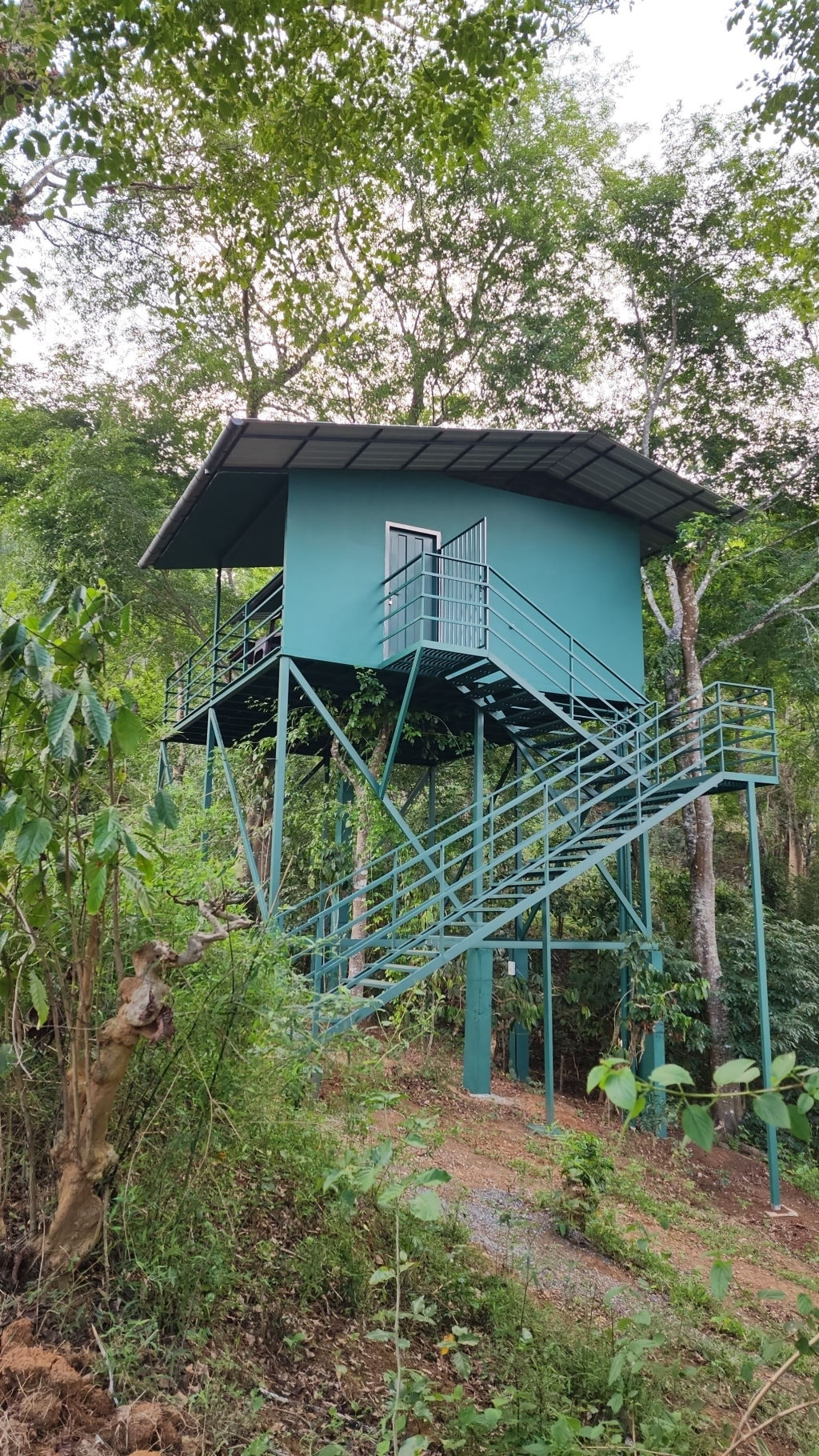
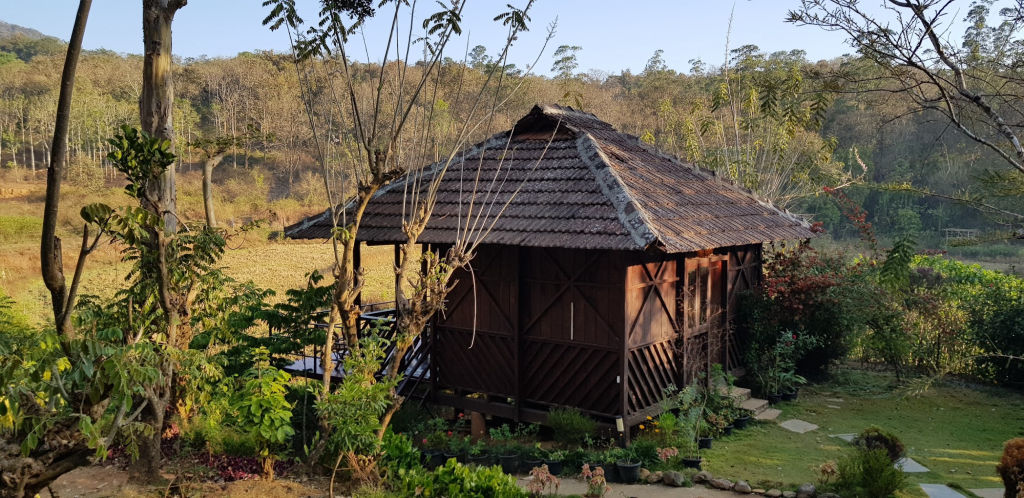
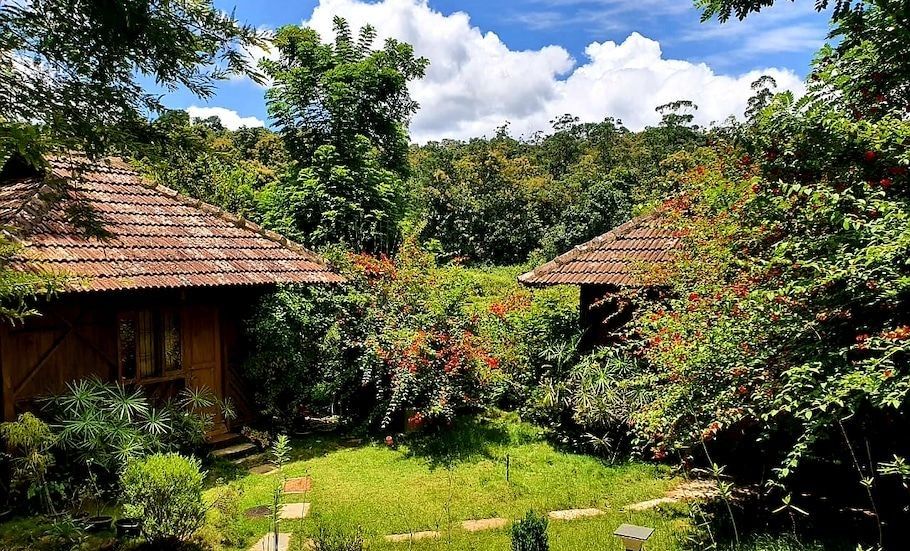
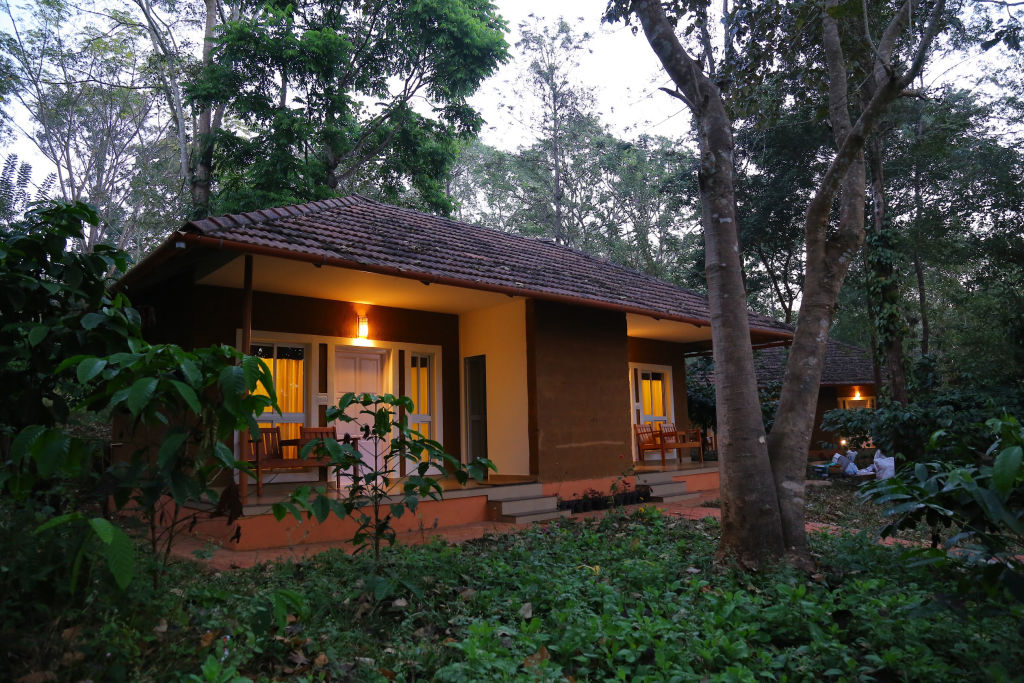
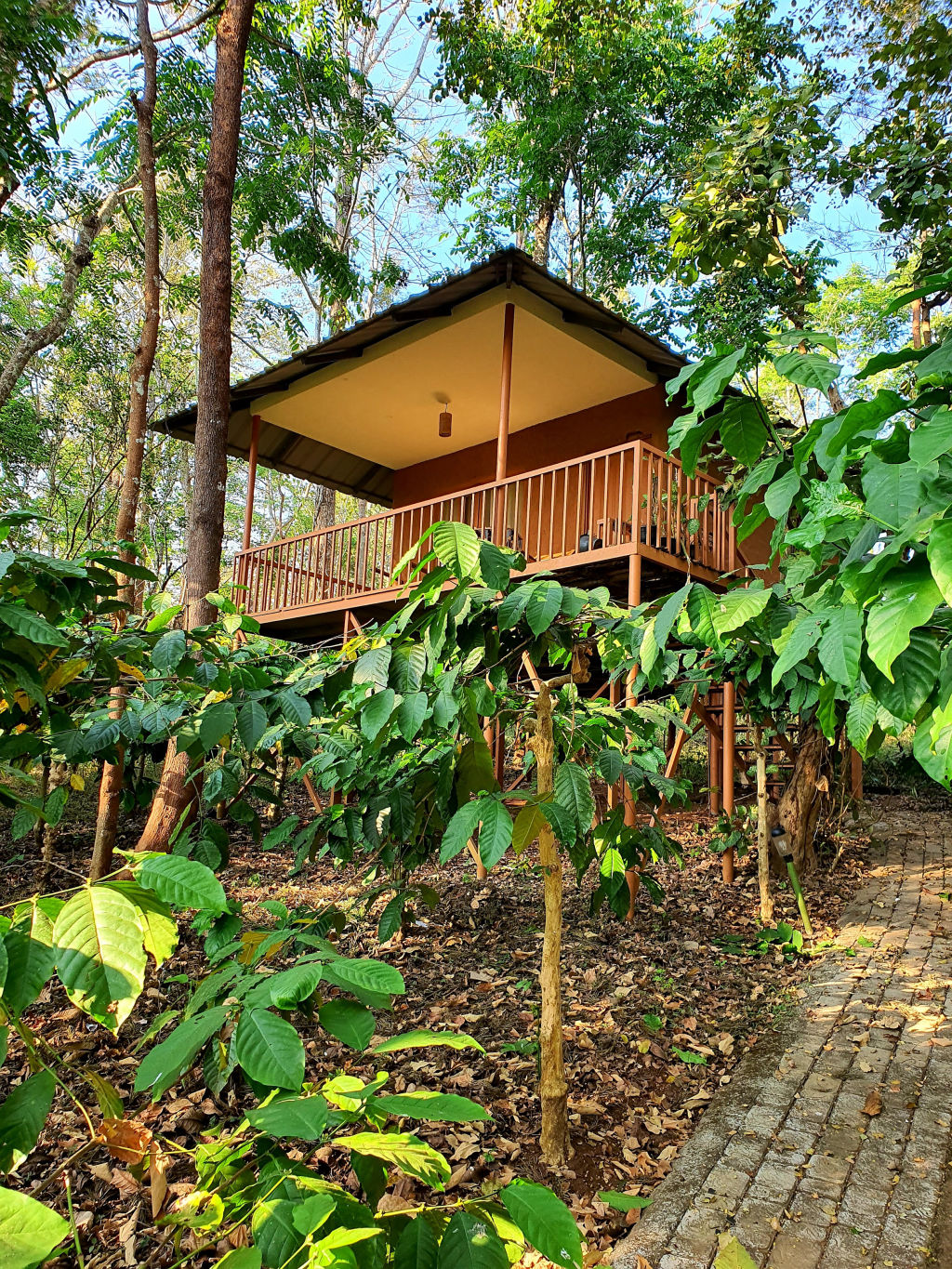
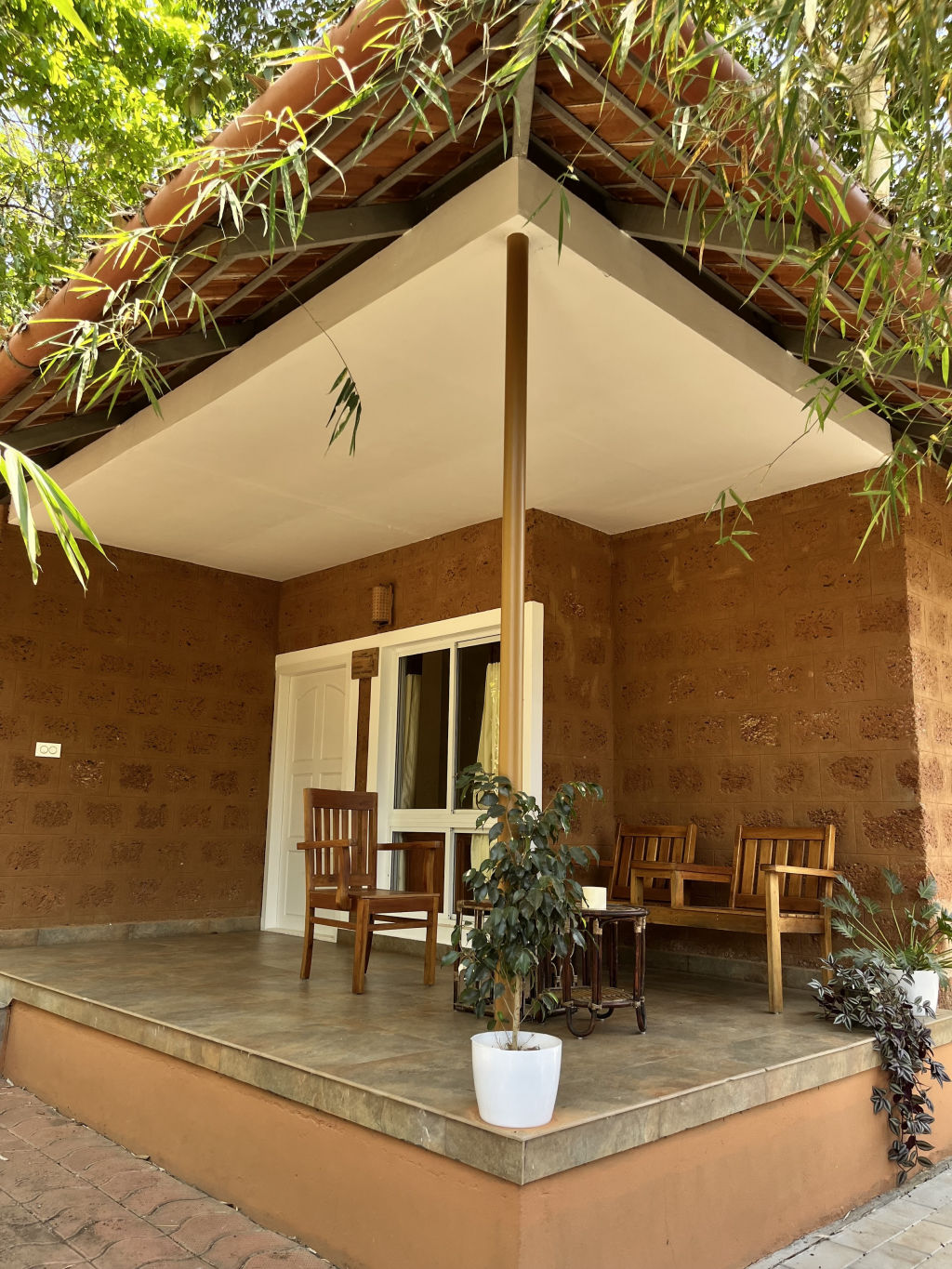
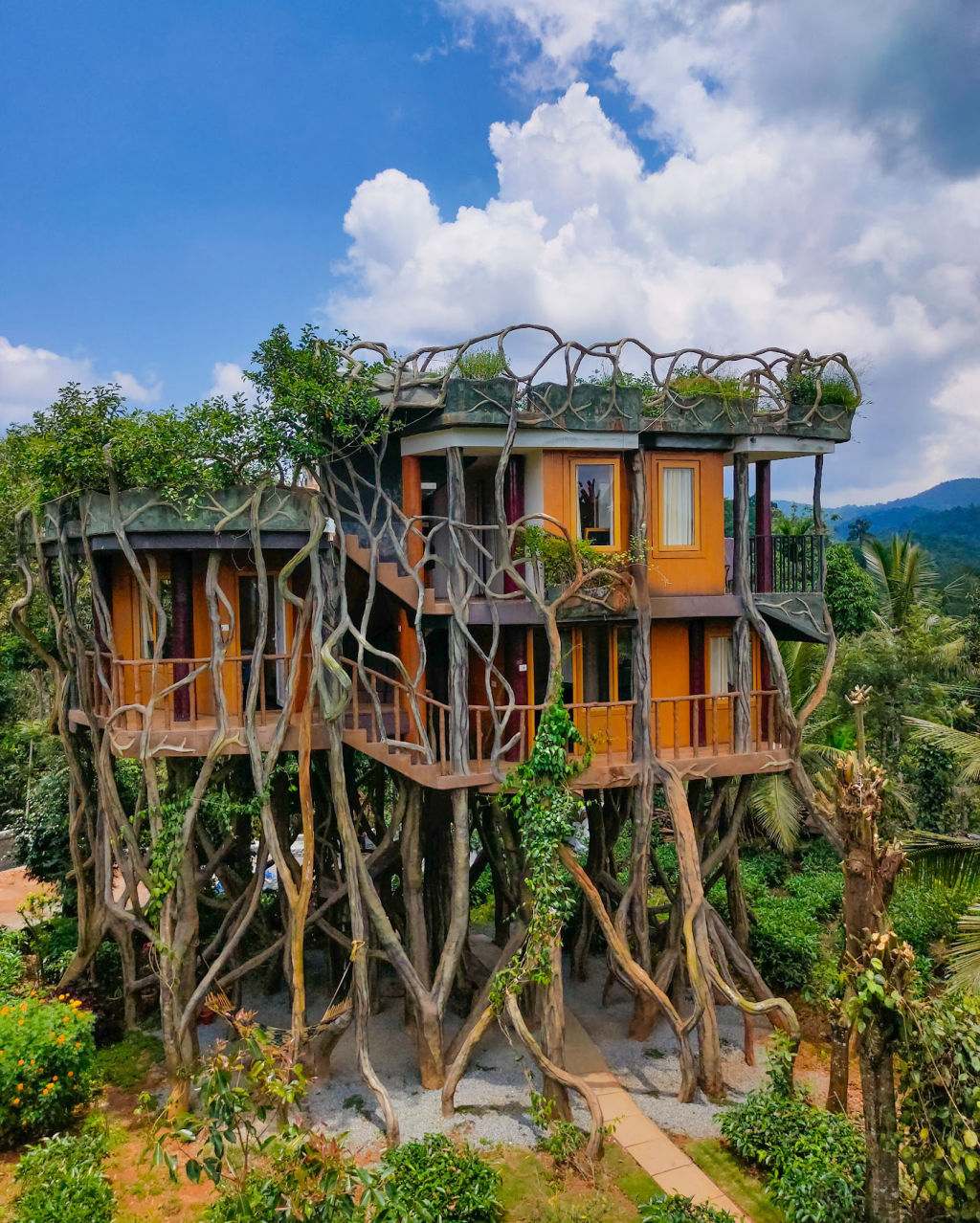
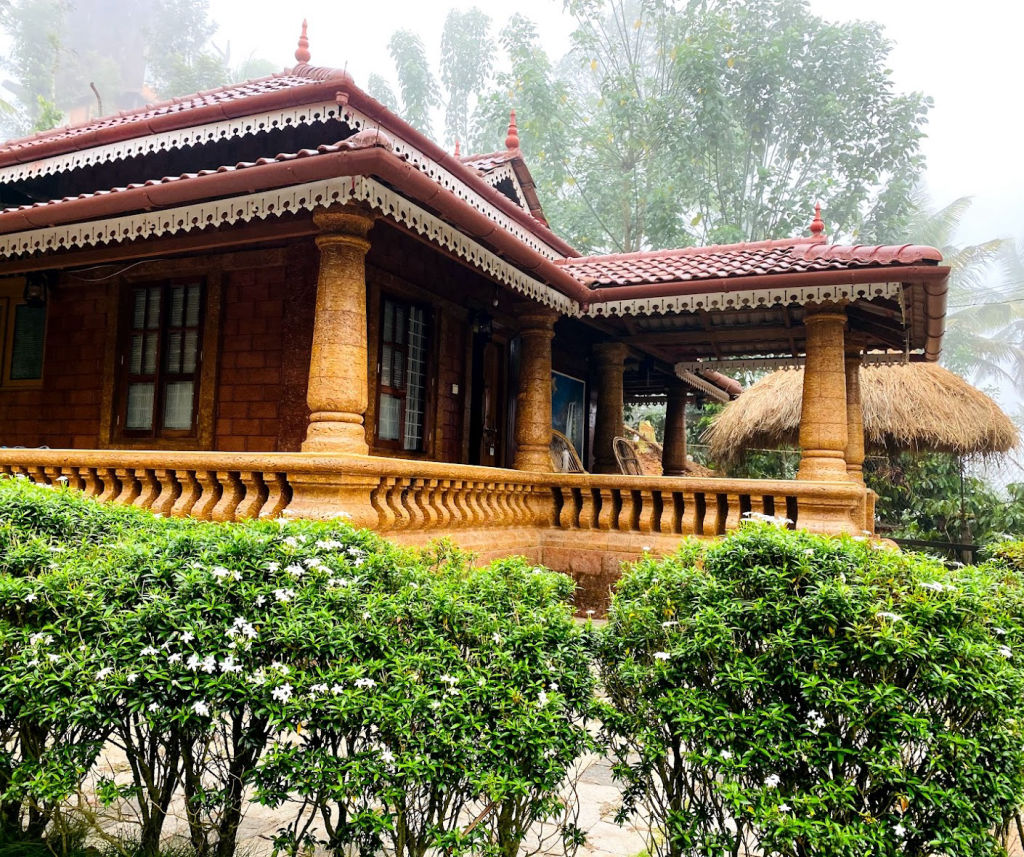
Because Thirunelli Reserve is an ecologically sensitive forested habitat, commercial accommodations are located on private properties outside the forest boundary and in nearby plantation estates. The neighboring foothills and valleys offer a range of quiet retreats, rustic campsites, and family-run homestays surrounded by coffee and spice plantations.
Staying in the periphery allows you to wake up to misty hill views and birdsong while keeping you within convenient driving distance of the forest. You can browse and book verified camps, homestays, and outdoor getaways in the area through HireACamp.
Frequently asked questions
Where is Thirunelli Reserve located?
Thirunelli Reserve is located in the Western Ghats along the Karnataka-Kerala border, near Nagarahole National Park and Wayanad Wildlife Sanctuary.
What wildlife can you spot near Thirunelli Reserve?
The forest corridor is home to Asian elephants, spotted deer, sambar, Indian gaur, wild boars, langurs, leopards, and a wide variety of native Western Ghats birds.
Can you drive through Thirunelli Reserve at night?
Night traffic is often restricted or monitored along forest check posts in this border belt to ensure animal safety. You should plan your travels during daylight hours and check with local check posts for exact timings.
What is the best time of year to visit Thirunelli Reserve?
The best months to visit are from October to March, when the weather is cool, mist covers the hills, and the forest trails are most comfortable to explore.
Are there places to stay close to Thirunelli Reserve?
Accommodations are situated in the surrounding plantation countryside and border villages. You can find and book homestays, nature retreats, and campsites near the reserve on HireACamp.
Where you'll be
Karnataka · 9 stays nearby shown with prices
Stays near Thirunelli Reserve
Book a place to stay close by
More places near Thirunelli Reserve
Within 20 km


Built from 0 Instagram posts by 0 creators. Every tip links back to the post it came from, and where creators disagree we show both sides.






