
Tribal Research Centre Museum
Museum near Ketti, Tamil Nadu
1000 m from Ketti
The nearest town, for stays, food and fuel.
The Tribal Research Centre Museum in Ooty is a cultural institution dedicated to preserving and sharing the heritage of the indigenous communities of the Nilgiris and Tamil Nadu. Situated amid the rolling hills of the Western Ghats, it displays traditional dwellings, tools, clothing, and crafts belonging to regional tribal groups. Travellers visit to gain insight into the ancient lifeways, folklore, and ecological wisdom of the mountain tribes before exploring the wider Nilgiri landscape.
Getting there
By road
- From KettiNearest town6 min · 2 km
- From Coimbatore2 hr 20 min · 89 km
- From Mysuru3 hr 15 min · 157 km
- From Bengaluru5 hr 25 min · 302 km
Typical drive times without traffic. Stations and airports from OLA Maps; distances and typical drive times from OpenStreetMap (© OpenStreetMap contributors); notes from creators' Reels.
About Tribal Research Centre Museum
Written with AI from map data and general knowledge. Check prices and timings locally before you go.
About the Tribal Research Centre Museum
The Tribal Research Centre Museum serves as a vital bridge between the historical roots of the Nilgiri hills and modern visitors. Established under the state government's tribal welfare initiatives, the centre works to document, research, and safeguard the distinct cultural identities of the region's forest-dwelling and pastoral communities. The Nilgiri biosphere has been home for centuries to communities such as the Todas, Kotas, Kurumbas, Irulas, Paniyas, and Kattunayakans, each possessing unique dialects, social structures, and artisan traditions.
Unlike conventional art galleries, this museum focuses squarely on anthropology and living traditions. The exhibits are curated to give an authentic snapshot of how these hill communities coexisted harmoniously with the fragile shola forests and grasslands. Walking through the galleries offers an educational perspective that enriches any subsequent journey through the surrounding mountains, providing context to the region's geographical and cultural heritage.
What to see at the museum
The exhibits at the Tribal Research Centre Museum span both indoor galleries and outdoor installations. One of the highlights of the complex is the life-sized models of traditional indigenous homes, notably the barrel-vaulted huts of the pastoral Toda community and the thatched huts of forest-gathering tribes. These architectural replicas allow visitors to observe the ingenious use of locally sourced bamboo, cane, thatch, and stone, designed to withstand cold mountain winds and heavy monsoons.
Inside the main display halls, visitors will find extensive collections of everyday items, including hand-woven textiles, natural-dye embroideries, hunting implements, woven cane baskets, and primitive agricultural equipment. The musical instruments of the Kotas, renowned for their metallurgical and musical traditions, are prominently showcased alongside historical photographs that capture ancient rituals, clan assemblies, and traditional council meetings. Informative signboards accompany the displays to explain the sociological meaning behind distinct dress styles, body art, and burial practices.
Read more
Best time to visit
Ooty and the surrounding Nilgiri hills enjoy a temperate climate throughout the year, but the experience at the museum varies with the seasons. The spring and summer months, from March to June, offer bright and pleasant weather with daytime temperatures rarely becoming uncomfortable. This period is ideal for viewing the outdoor tribal dwelling replicas and combining the museum trip with outdoor walking.
The monsoon months between July and September bring heavy showers that blanket the Nilgiris in lush greenery and mist. While the rain creates a dramatic atmosphere, outdoor exhibits may require an umbrella, and travel along winding hill roads can be slower. The post-monsoon and winter months, from October through February, bring crisp, cool days and chilly evenings. Clear winter skies provide pleasant conditions for touring both the indoor and outdoor sections of the complex.
How to reach the Tribal Research Centre Museum
The museum is situated a short drive away from the central commercial area of Ooty, set in the peaceful hill outskirts. Travellers arriving by public transport can reach Ooty central bus stand from major hubs such as Coimbatore, Mysore, or Bengaluru. From the bus terminal or the town railway station, local buses, auto-rickshaws, and private taxis make regular trips out towards the museum.
For those driving their own vehicles, the route winds through scenic tea estates and rural patches characteristic of the Nilgiri countryside. If you are travelling from Coimbatore, the road climbs through Mettupalayam and Coonoor along winding ghat sections. Ensure your vehicle is in good working order for mountain gradients, and check your map or confirm directions with local residents as signboards on interior hill roads can occasionally be subtle.
Places to visit nearby
A visit to the Tribal Research Centre Museum can be easily paired with several other natural landmarks in the Nilgiris. Doddabetta Peak, the highest summit in the Nilgiri range, stands roughly five kilometres away and offers sweeping panoramic vistas across the plateau and surrounding forest reserves on clear mornings.
Further west along the highway lie Pykara Lake and the cascading Pykara Waterfall, where visitors can spend quiet hours watching the mountain stream flow through granite boulders. If you are interested in valley views and tea-covered slopes, the vantage points towards Coonoor, such as Dolphin's Nose and Lamb's Rock, offer dramatic perspectives over steep ravines and the Coimbatore plains below. For travellers venturing farther towards the Gudalur side, Needle Rock View Point provides another expansive perspective over the forested western slopes.
Tips for your visit
Plan to spend between one and two hours to read through the museum's informational panels and walk around the outdoor models. Wear comfortable footwear, as exploring the outdoor tribal huts involves walking across unpaved paths and grassy grounds that may be damp during the mornings.
Respect for the subject matter is paramount. The photographs and sacred items represent living cultures that still maintain their heritage across the Nilgiris. Photography rules can vary between individual display halls, so it is best to check with the staff on duty before taking pictures. Operating days and hours can change during public holidays or government administrative functions, so confirming the schedule locally in Ooty prior to setting out is recommended.
Where to stay
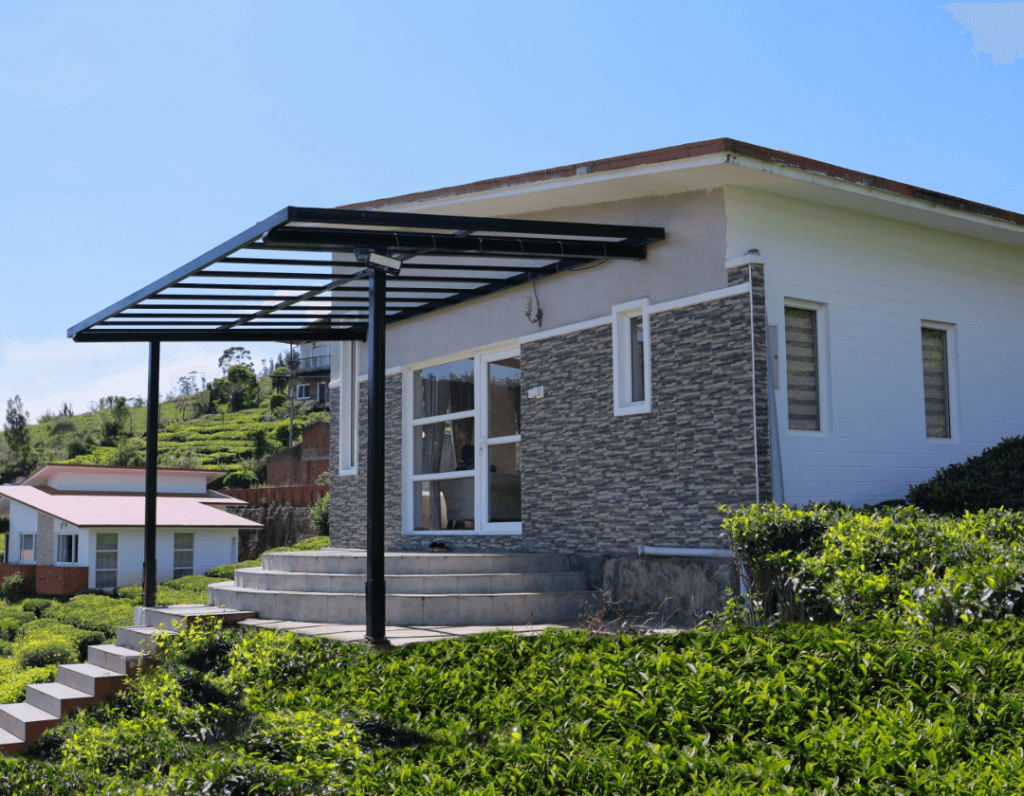
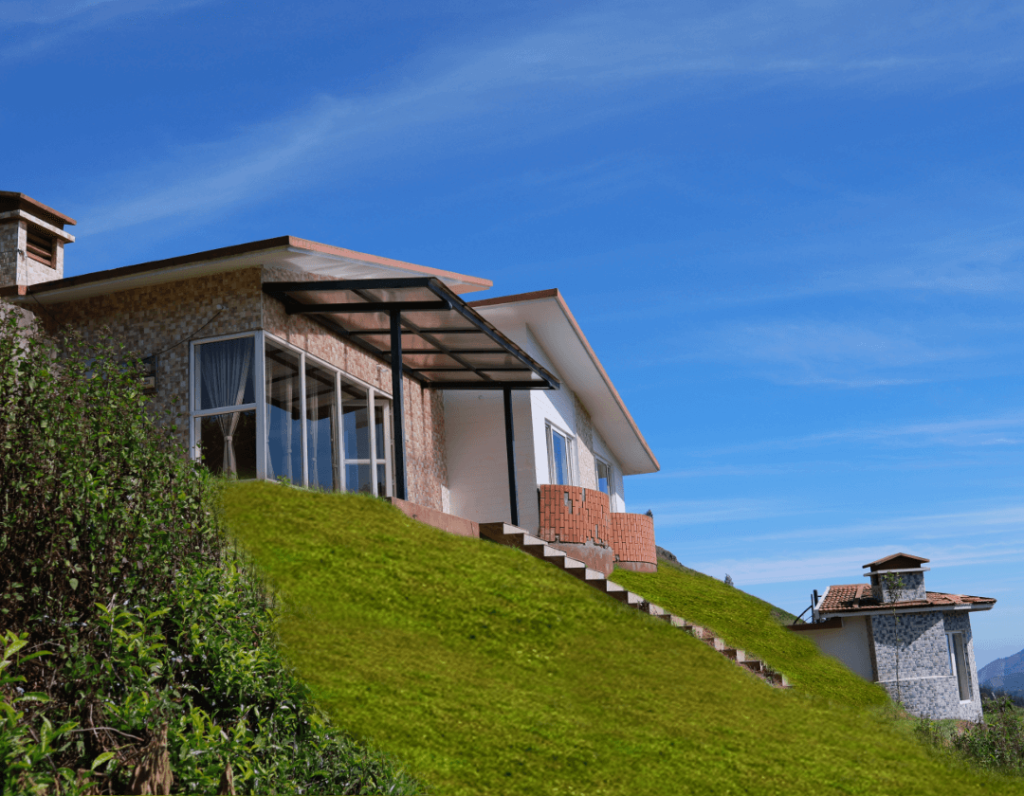
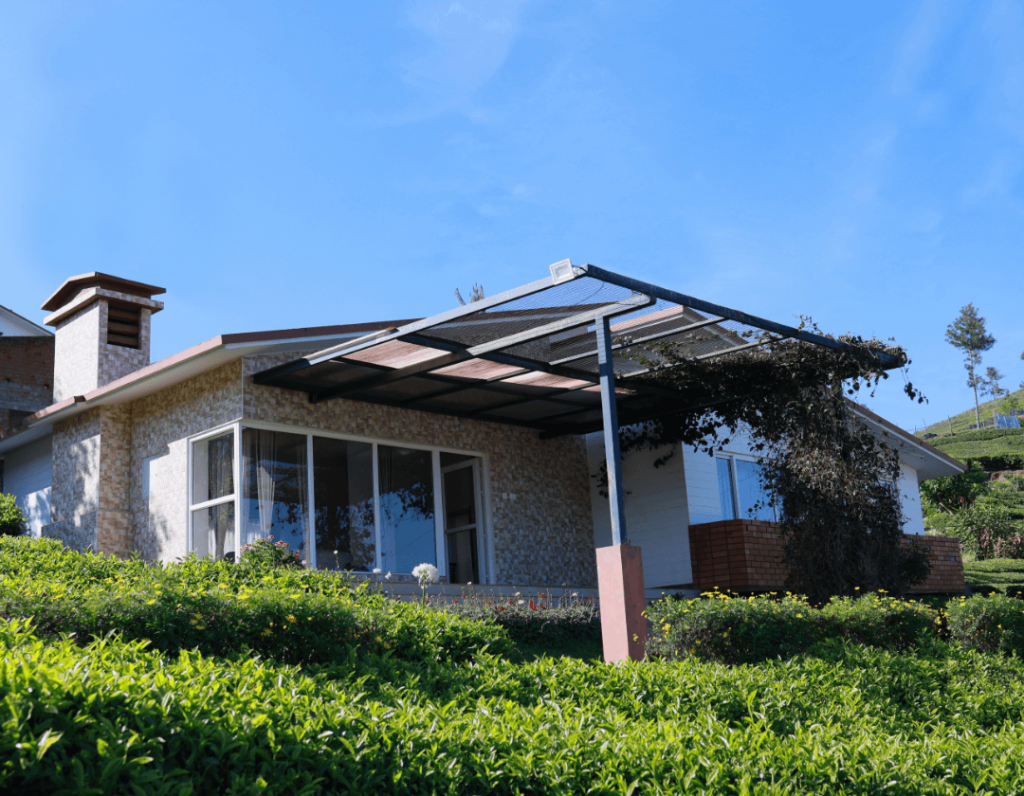
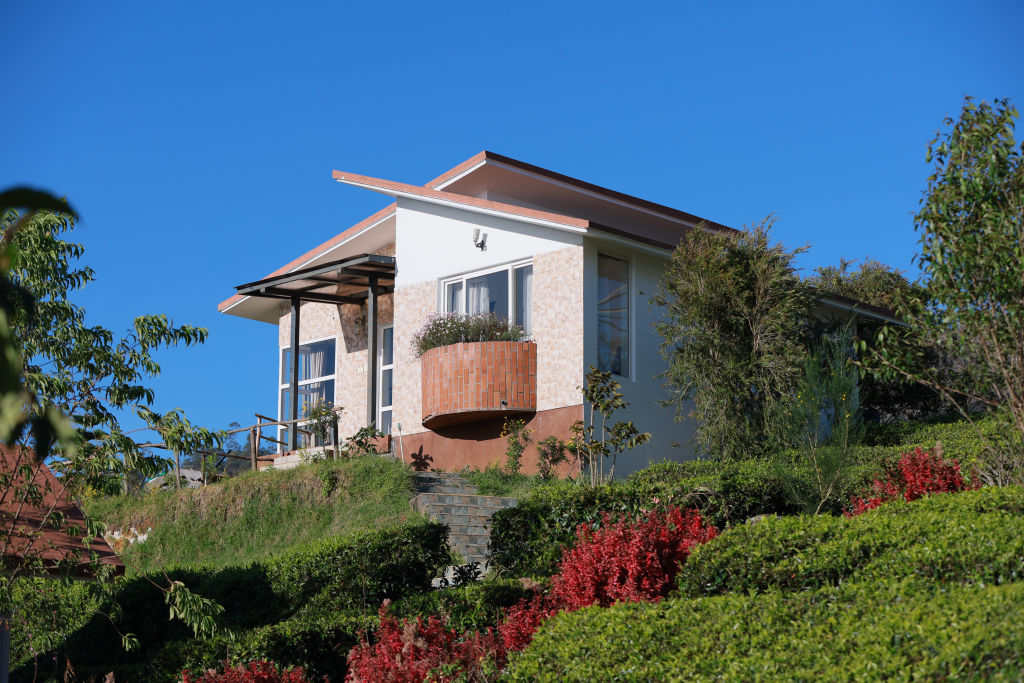
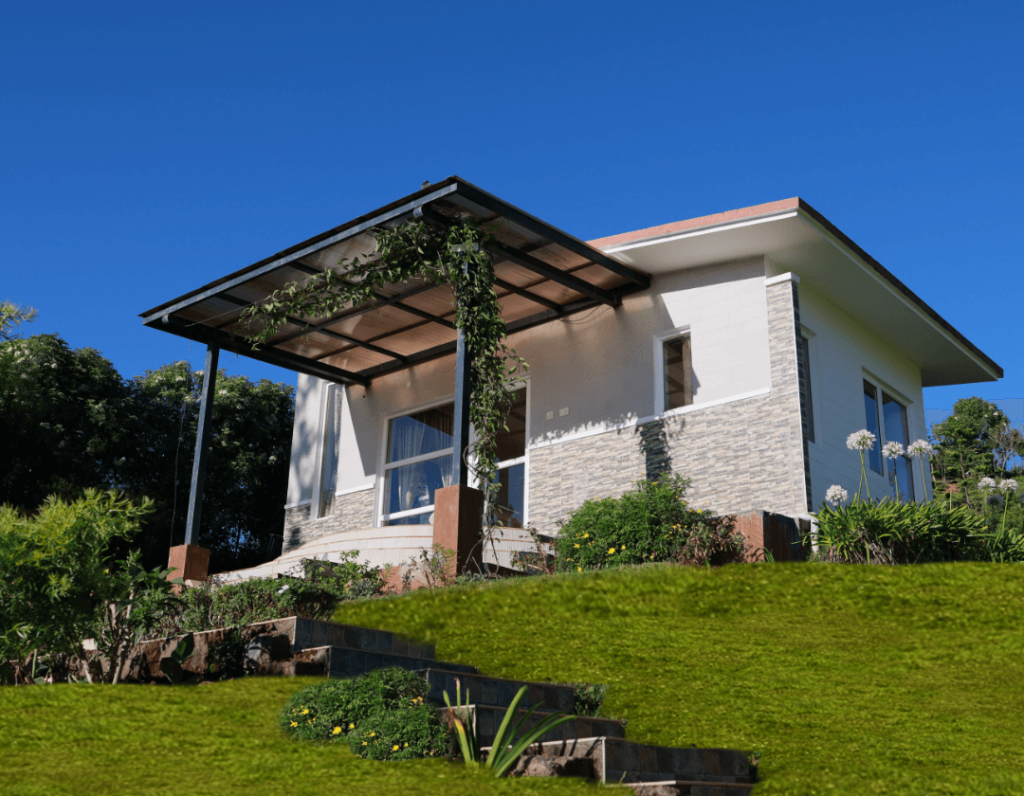
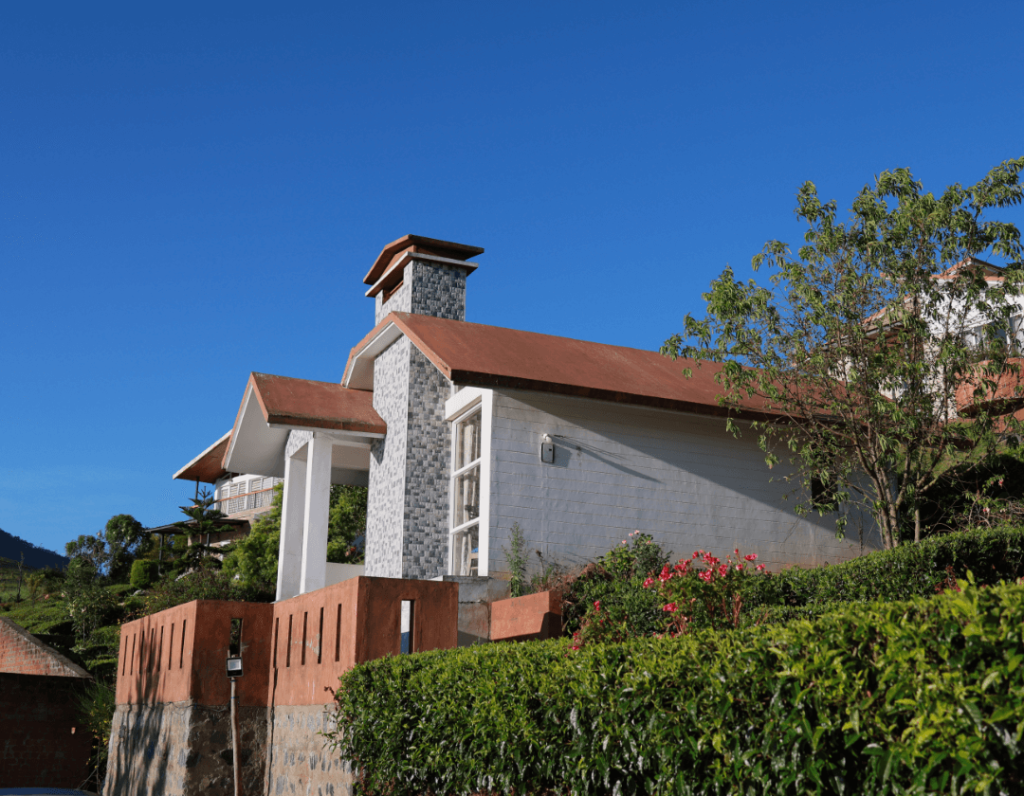
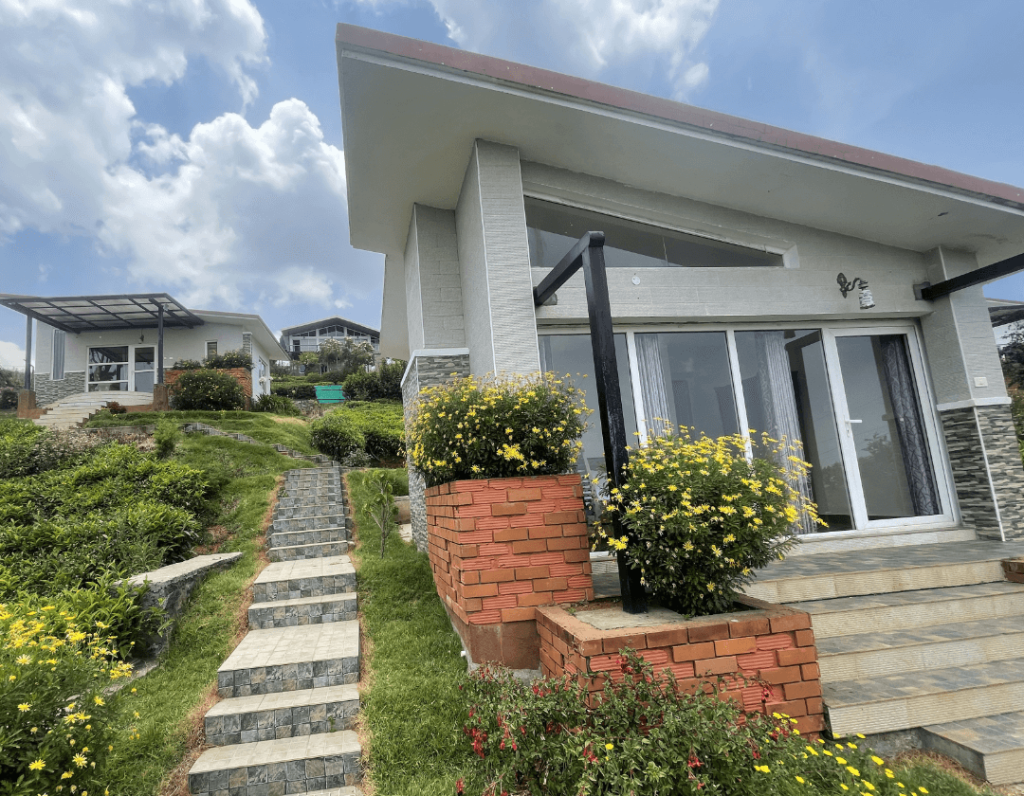
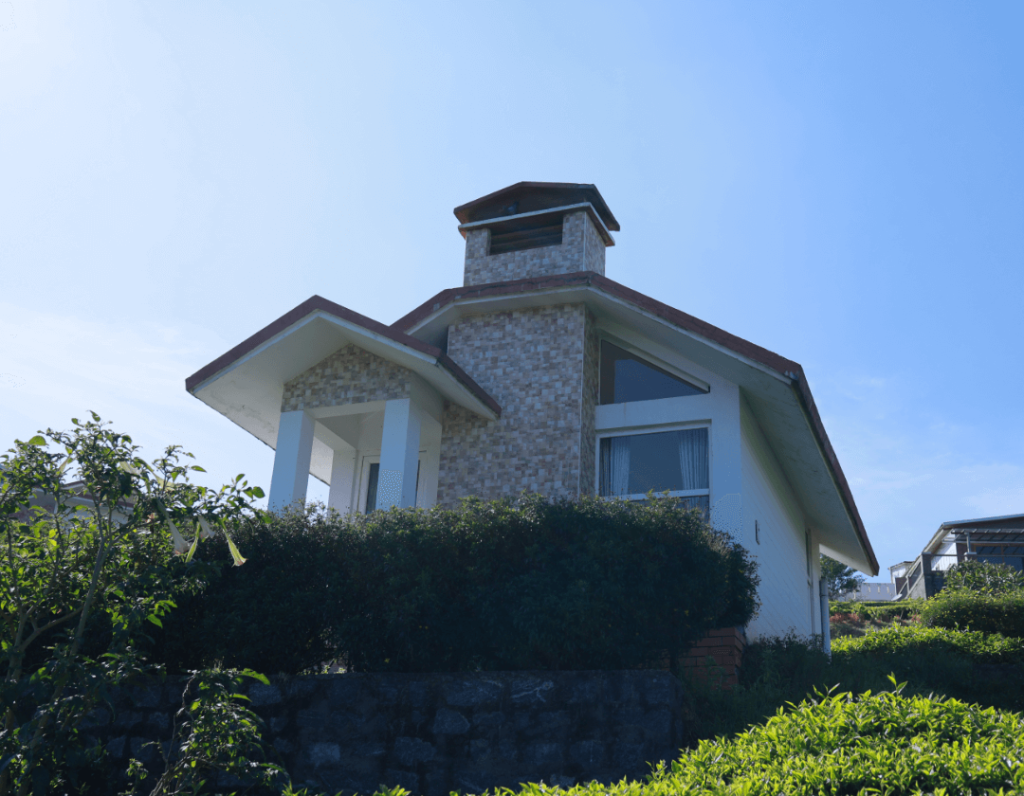
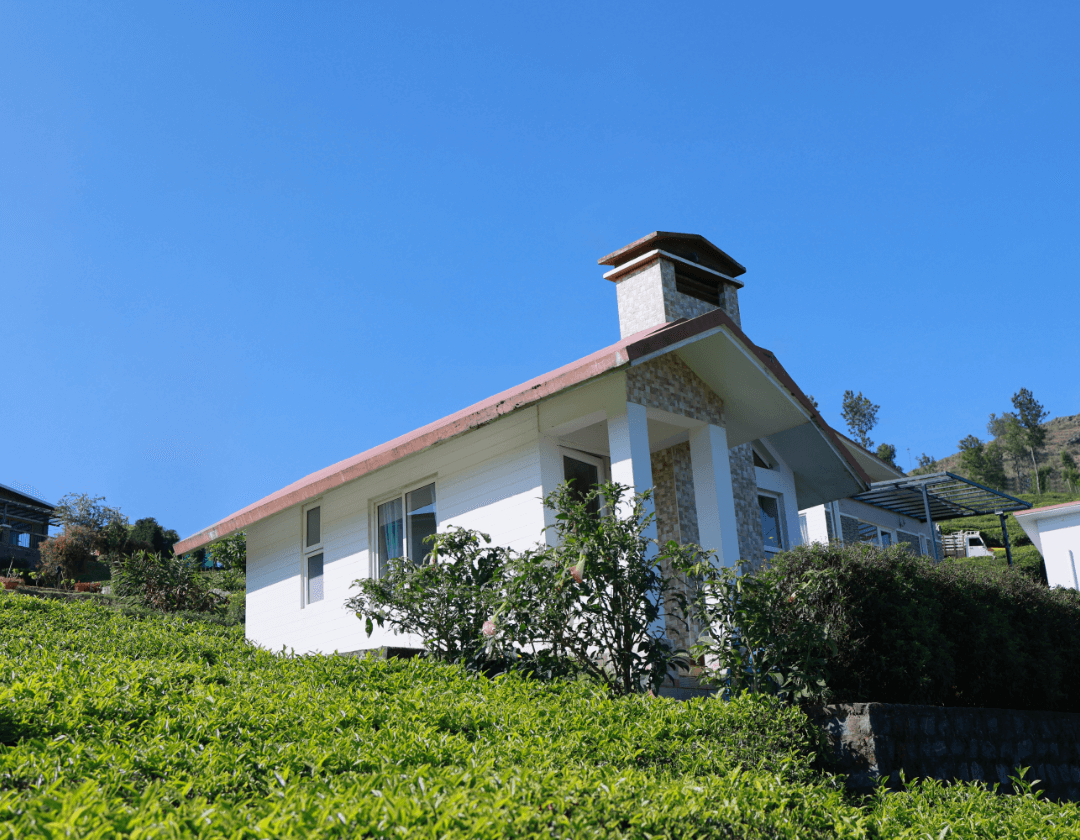
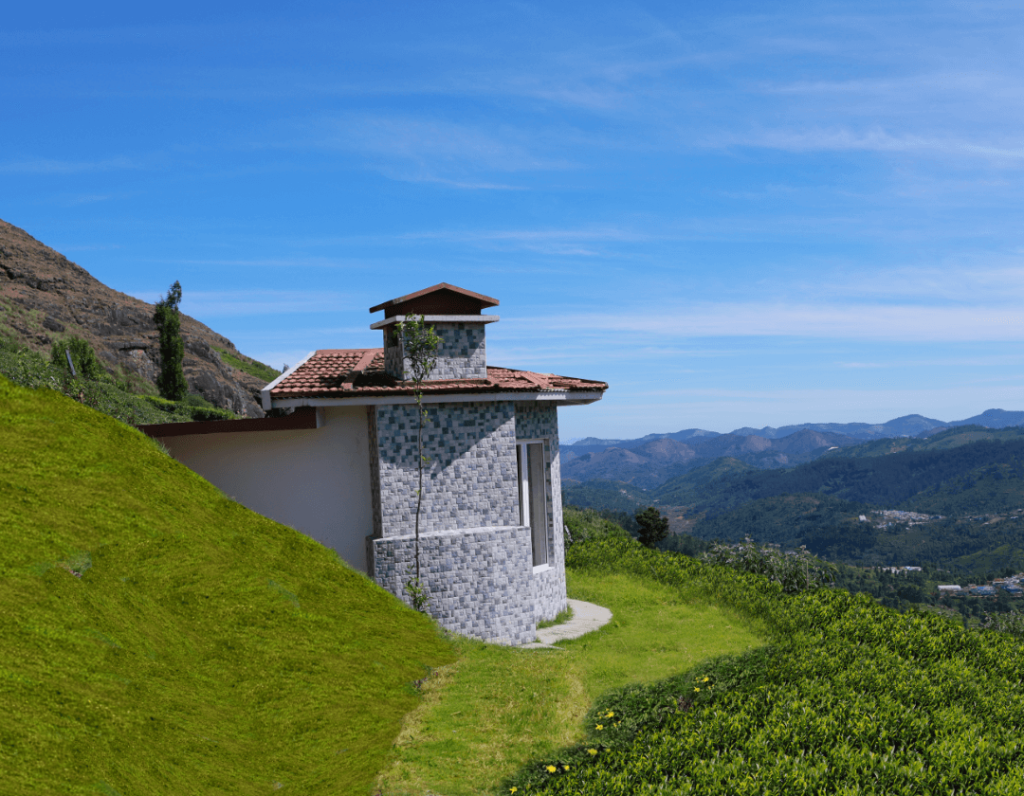
Travellers seeking accommodation near the museum have a wide variety of rural and hillside choices in and around Ooty. Staying on the fringes of the town allows you to experience peaceful mountain mornings, crisp air, and views of tea terraces away from busy market streets. A selection of experiential stays, nature-centric campsites, and welcoming family-run homestays throughout the Nilgiris can be booked directly through HireACamp.
Frequently asked questions
Where is the Tribal Research Centre Museum located?
The museum is located on the outskirts of Ooty in the Nilgiris district of Tamil Nadu, easily accessible by road via local taxis, auto-rickshaws, or personal vehicles.
Which tribal communities are highlighted at the museum?
The exhibits focus primarily on the indigenous communities of the Nilgiri biosphere and Tamil Nadu, including the Todas, Kotas, Kurumbas, Irulas, Paniyas, and Kattunayakans.
Are there outdoor exhibits to see at the museum?
Yes, alongside indoor display galleries of tools and textiles, the complex features full-scale models of traditional tribal dwellings, including the iconic barrel-shaped Toda huts.
How much time is needed to tour the museum?
Most visitors spend between one and two hours exploring the indoor artifacts and walking around the outdoor architectural displays.
What is the best way to verify opening hours for the museum?
Because the museum is operated by a state research body, opening hours and holiday schedules can vary, so it is recommended to confirm current timings locally in Ooty before visiting.
Where you'll be
Ooty · 10 stays nearby shown with prices
Stays near Tribal Research Centre Museum
Book a place to stay close by
More places near Tribal Research Centre Museum
Within 20 km


Lists for this area
Ranked by how many creators recommend each place


Built from 0 Instagram posts by 0 creators. Every tip links back to the post it came from, and where creators disagree we show both sides.






