
Triveni Ghat
Heritage & Culture near Veerbhadra, Uttarakhand
4 posts · 474.8K views · 2 sourced tips
Guide from 4 posts by 4 creators
@two_doctors_one_journey, @evaratrips and 2 others
3.2 km from Veerbhadra
The nearest town, for stays, food and fuel.
Loved by 4 creators
4 posts with 474.8K views on Instagram.
Visiting Triveni Ghat
Triveni Ghat hosts the evening Ganga Aarti with large brass lamps, while visiting early before sunrise allows travelers to avoid crowds and noise.
When to go
From what creators say, and when they post about it
Visiting before sunrise helps avoid noise, crowds, and cameras.
Best time of day: early_morning
Good to know
Tips from creators' posts. Each one links to its source.
Getting there
By road
- From VeerbhadraNearest town15 min · 5.2 km
- From Dehradun1 hr 10 min · 41 km
- From New Delhi4 hr 15 min · 239 km
- From Chandigarh4 hr 55 min · 212 km
By train, bus or air
- Rishikesh Bus StationNearest bus stand3 min · 1.5 km
- Jolly Grant AirportNearest airport23 min · 18 km
Typical drive times without traffic. Places, distances and typical drive times from OLA Maps; notes from creators' Reels.
About Triveni Ghat
Written with AI from creators' posts and map data. Check prices and timings locally before you go.
About Triveni Ghat
Triveni Ghat sits along the banks of the River Ganga in the Mayakund neighbourhood of Rishikesh. In Hindu belief, the ghat marks the sacred confluence of three legendary rivers: the Ganga, the Yamuna, and the subterranean Saraswati. For centuries, this sacred point has served as the spiritual heart of the town, drawing seekers, sadhus, and families who arrive to offer prayers and wash away sins in the cold, swift waters.
The wide stone steps of Triveni Ghat descend directly into the turquoise river. Throughout the day, the riverbank transforms, shifting from an intensely calm meditation site at first light to an energetic gathering place by dusk. As one of the oldest riverbanks in Rishikesh, it offers travellers an authentic window into traditional riverfront life in the Himalayan foothills, where community rituals and timeless devotional practices unfold against the moving river.
The Ganga Aarti and Morning Atmosphere
The defining daily ritual at Triveni Ghat is the evening Ganga Aarti. As twilight settles over the mountains, priests assemble on the platforms overlooking the river to perform devotional prayers accompanied by chanting, ringing bells, and the blowing of conch shells. Huge multi-tiered brass lamps filled with burning oil are hoisted and rotated in rhythmic motion, casting bright gold reflections across the dark surface of the river. Devotees and travellers pack the steps, often floating small leaf cups filled with marigolds and lit earthen lamps onto the current, creating a drifting constellation of lights downstream.
In contrast to the vibrant, high-energy spectacle of the evening, early morning at Triveni Ghat presents a completely different experience. Visiting before sunrise allows travellers to escape the noise, dense crowds, and ubiquitous camera phones that fill the riverbank later in the day. In the predawn twilight, the cool mountain breeze blows off the Ganga, and only a handful of quiet locals and meditating ascetics sit along the stone steps. Watching the dawn break behind the foothills while the river churns quietly past offers a contemplative, unhurried side of Rishikesh that many daytime visitors miss entirely.
Read more
Best Time to Visit Triveni Ghat
The atmosphere at Triveni Ghat changes with both the daily rhythm and the wider seasons of northern India. On any given day, arriving before sunrise is ideal for peaceful reflection, photography of the pristine river, and undisturbed personal walks along the steps. For those wishing to witness the devotional music and the large brass lamps of the evening ceremony, heading down well before sunset ensures a comfortable spot to sit on the ghat steps.
Across the year, the months from October through March provide the most pleasant weather for visiting Rishikesh. During late autumn, winter, and early spring, daytime temperatures remain moderate and comfortable for exploring the riverbanks on foot, while mornings and evenings are crisp and refreshing. The summer months from April to June can bring significant daytime heat, making early morning and evening the only comfortable times to sit outdoors by the river. The monsoon season from July to September brings heavy rains to the upper catchment areas, causing the river to swell in volume and speed with muddy currents, so extra caution is essential when walking near the water during these months.
How to Reach Triveni Ghat
Triveni Ghat is situated centrally in Rishikesh and is accessible by road, rail, and air. The ghat lies in the Mayakund area, just a short walk or auto-rickshaw ride from the core commercial areas of town and the Rishikesh railway station. The nearest domestic airport is located in Dehradun, which has scheduled flights connecting to major Indian cities.
For road travellers, the drive from Dehradun is approximately 41 kilometres and takes around 1 hour and 10 minutes in typical traffic. Visitors driving from New Delhi can cover the roughly 239-kilometre route in around 4 hours and 10 minutes under normal traffic conditions. The trip from Chandigarh spans about 212 kilometres and takes around 4 hours and 50 minutes, while travelling from Ludhiana covers approximately 309 kilometres and takes about 6 hours. Travellers using local transport within Rishikesh can easily reach the ghat via shared or private auto-rickshaws, cycle rickshaws, or on foot from nearby markets.
Tips for Your Visit
When visiting Triveni Ghat, being mindful of local customs and personal safety will make your trip smoother. Remove your shoes before stepping onto the sacred bathing steps; designated shoe-keeping stands and stalls are available nearby, or you can carry a light bag to hold your footwear. Modest clothing that covers shoulders and knees is recommended out of respect for the devotional setting.
If you plan to take a dip in the river, use the safety chains and handrails securely installed along the stone steps. The Ganga carries a deceptively powerful current, and riverbeds can be slippery with silt and algae. Never swim beyond the designated safety barriers. If your goal is to sit and watch the evening aarti comfortably, arrive at least half an hour before sunset to claim a seat on the steps, as crowd numbers swell significantly just before the ceremony begins. Keep a close watch on your personal belongings, and remain respectful with cameras and smartphones during solemn prayers.
Places to Visit Nearby
Its central location makes Triveni Ghat an excellent starting point for exploring the broader Rishikesh and Dehradun valleys. Just about 2 kilometres across the river lies Parmarth Niketan Ashram, known for its sprawling riverfront gardens and prominent spiritual community. A little further up the valley, approximately 4 kilometres away, sits the vibrant neighbourhood of Tapovan, famous for its yoga centres, bustling streets, and riverside walks.
Travellers interested in exploring further into the district of Dehradun can take day trips to diverse attractions. The scenic Maldevta Road and Maldevta Picnic Spot lie around 30 to 31 kilometres away, offering peaceful green valleys and riverbeds. Mindrolling Monastery, celebrated for its Tibetan architecture, is roughly 34 kilometres distant. The historic Paltan Bazaar and the iconic Clock Tower in central Dehradun sit about 35 kilometres away, as does the natural spring site of Sahastradhara. Other notable regional sites around 38 to 39 kilometres away include Gucchupani Robbers' Cave, the scenic Forest Research Institute, the cave shrine of Tapkeshwar Mahadev Mandir, and the Dehradun Zoo.
Where to Stay near Triveni Ghat
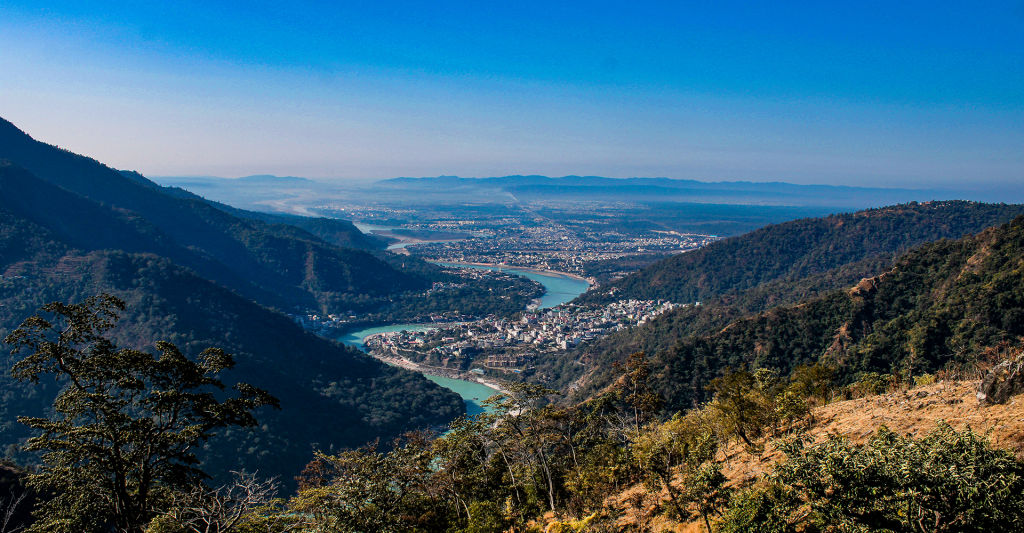
Finding the right base around Rishikesh depends on the kind of experience you seek. The areas surrounding Triveni Ghat and the wider town host a broad spectrum of accommodations, from quiet riverside properties to peaceful retreat centres tucked against the nearby forested slopes.
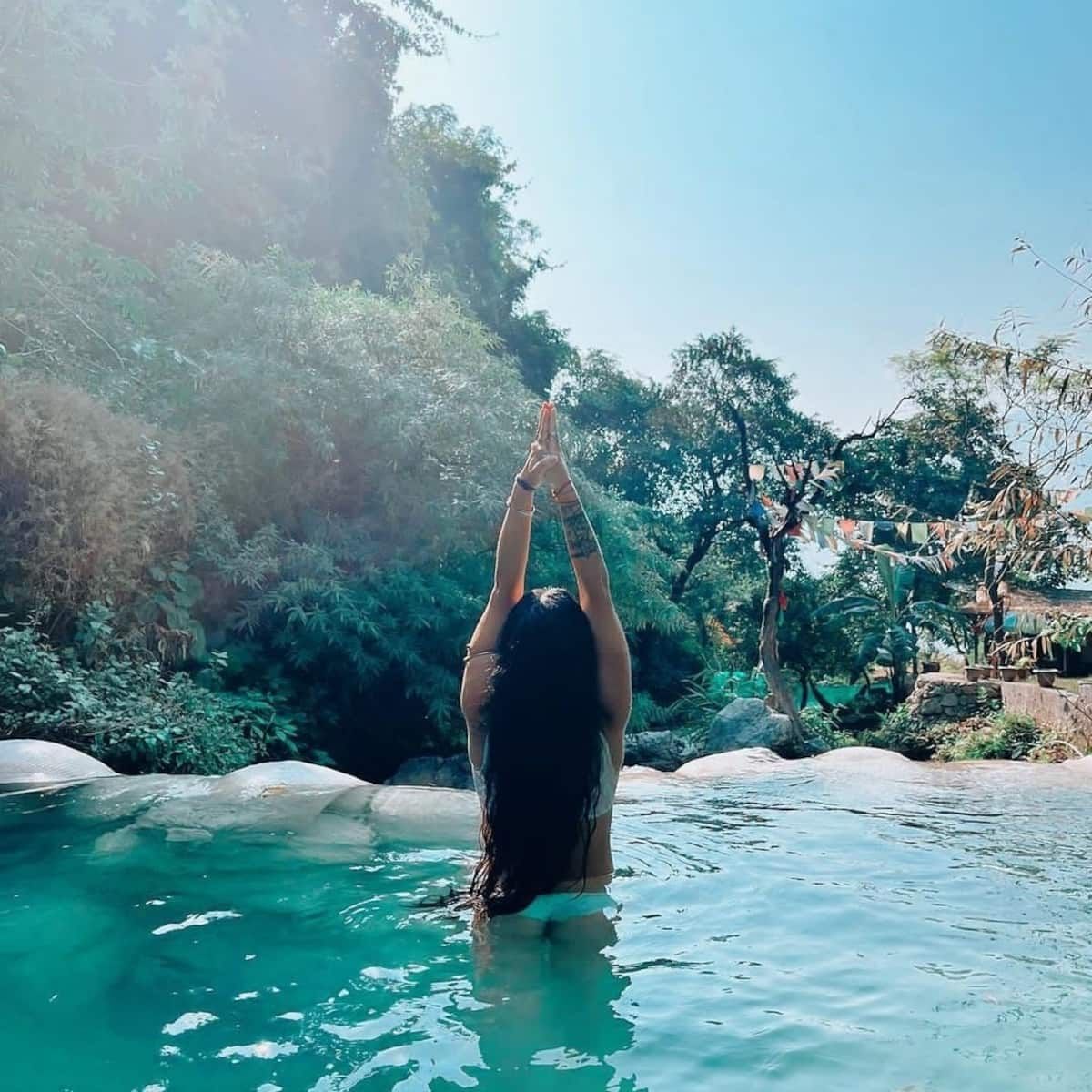
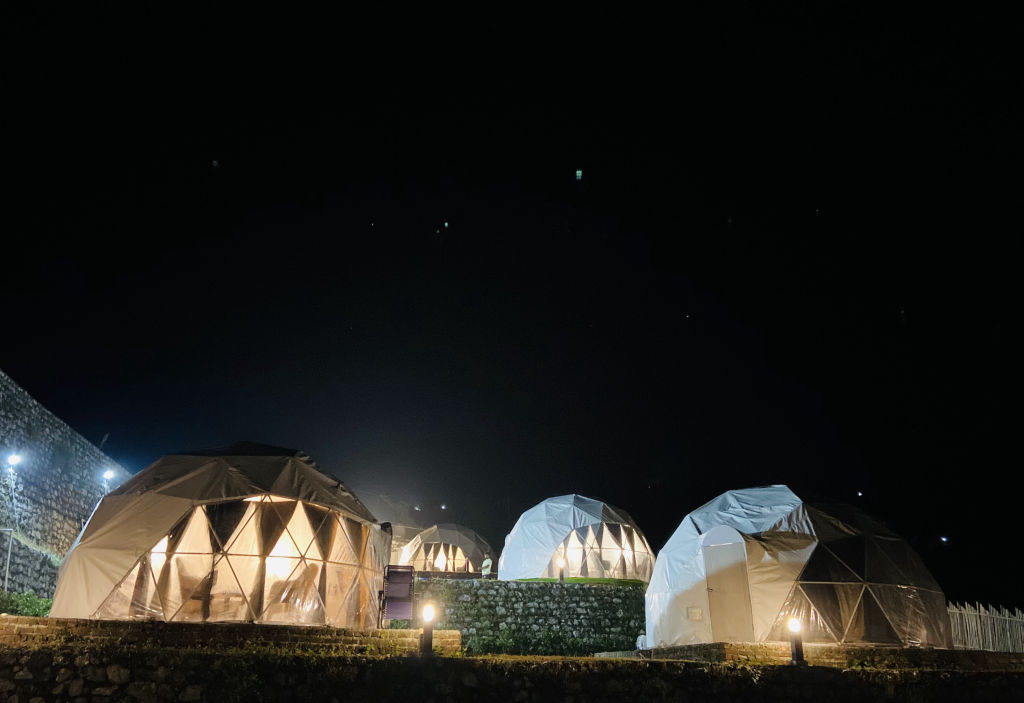
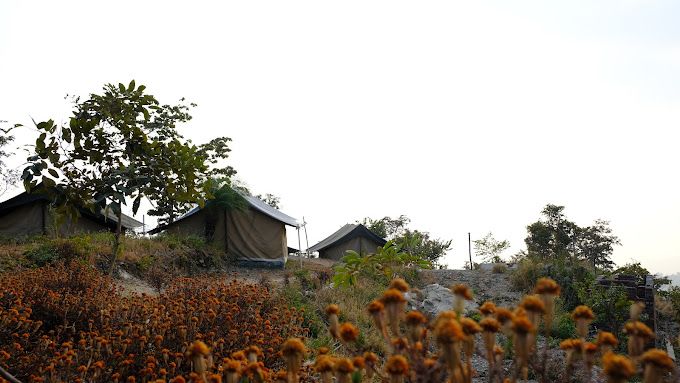
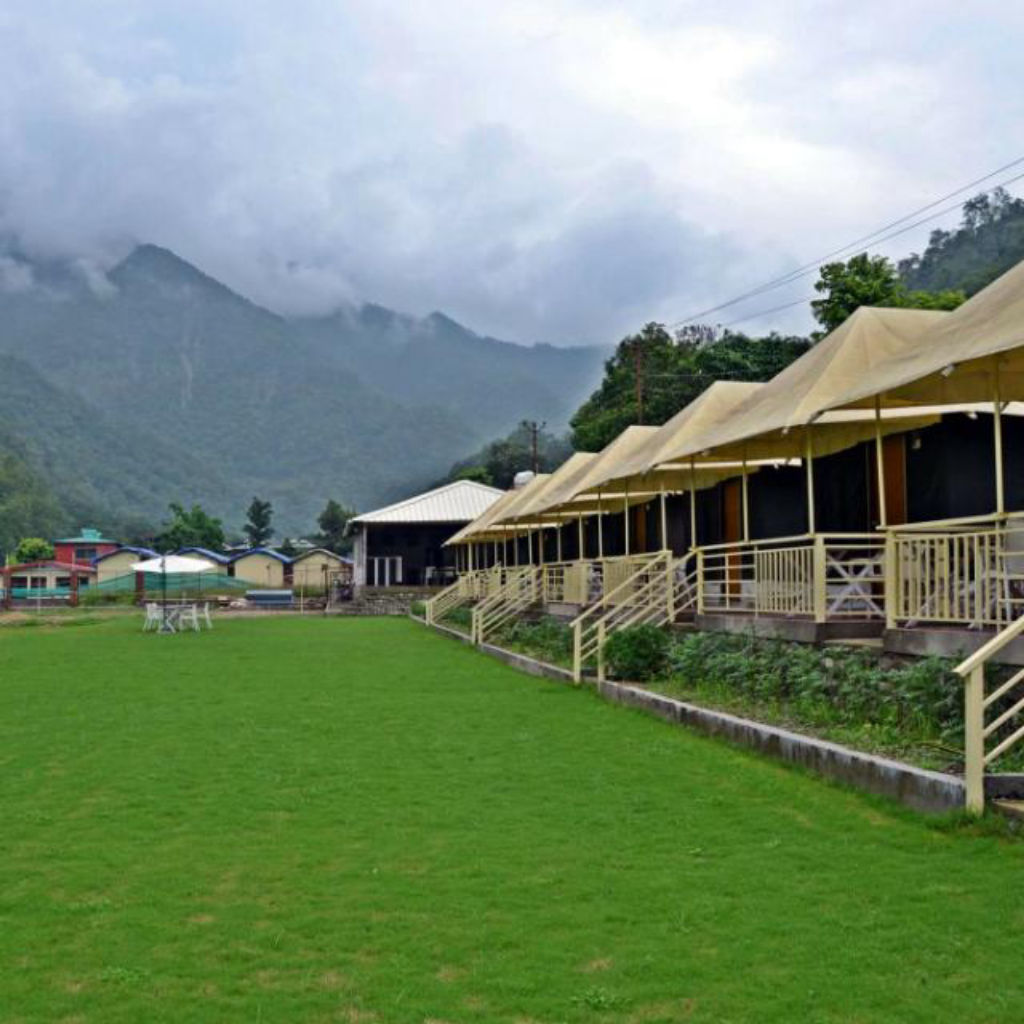
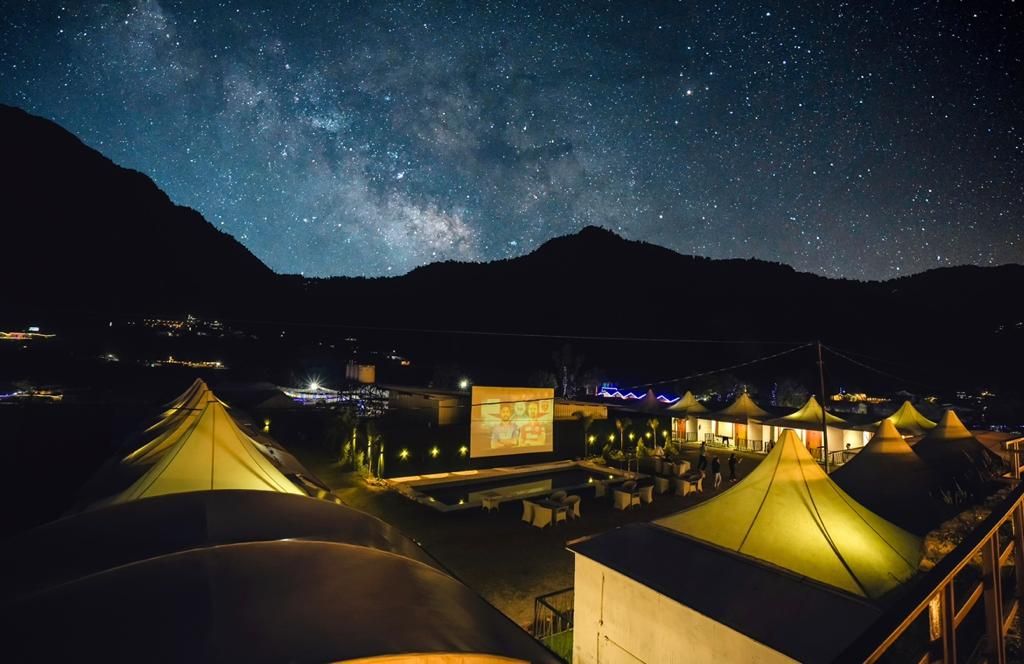
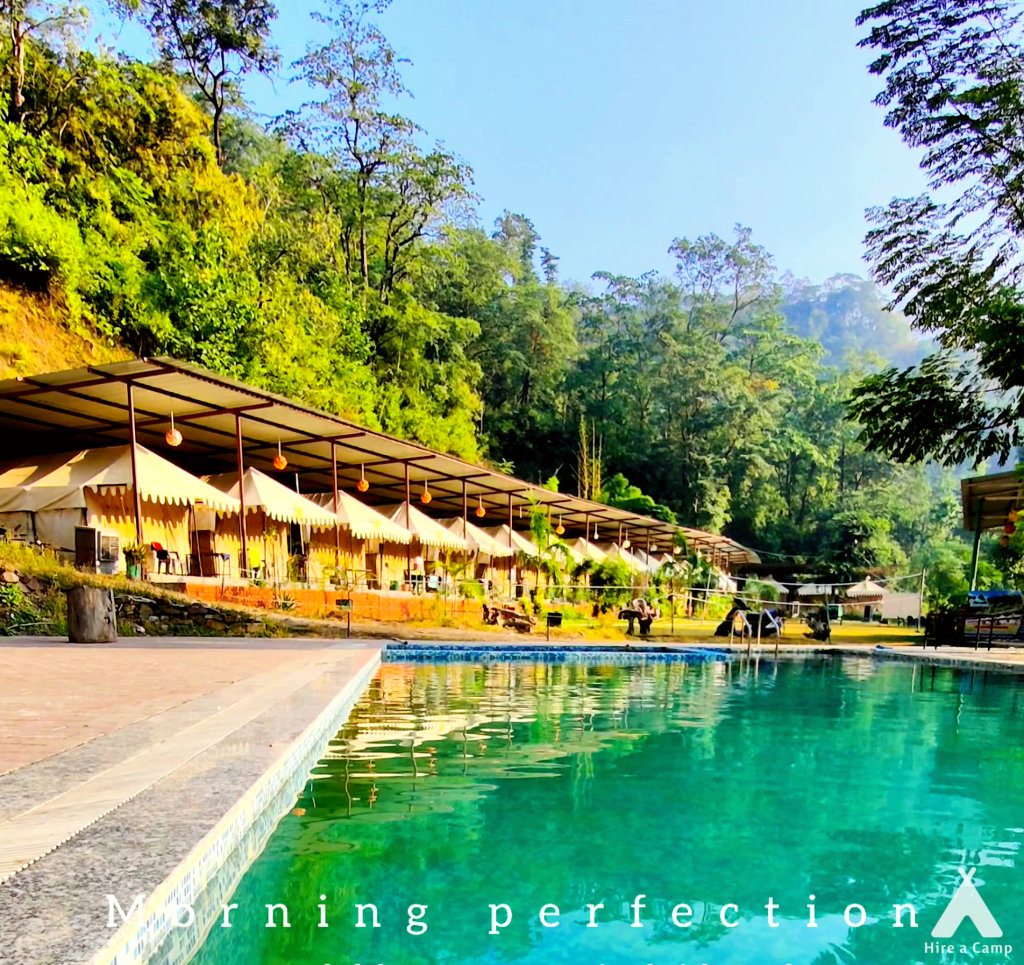
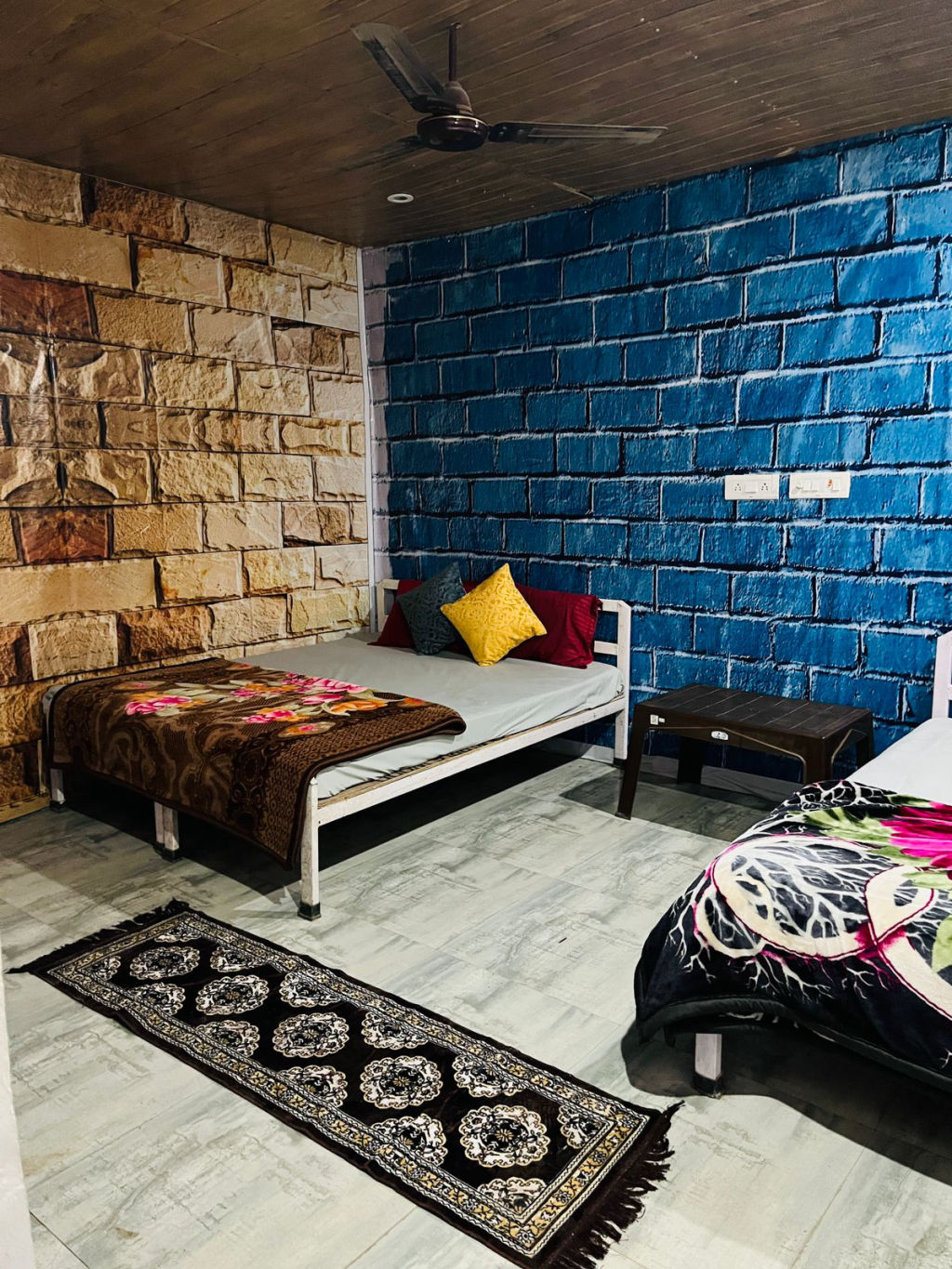
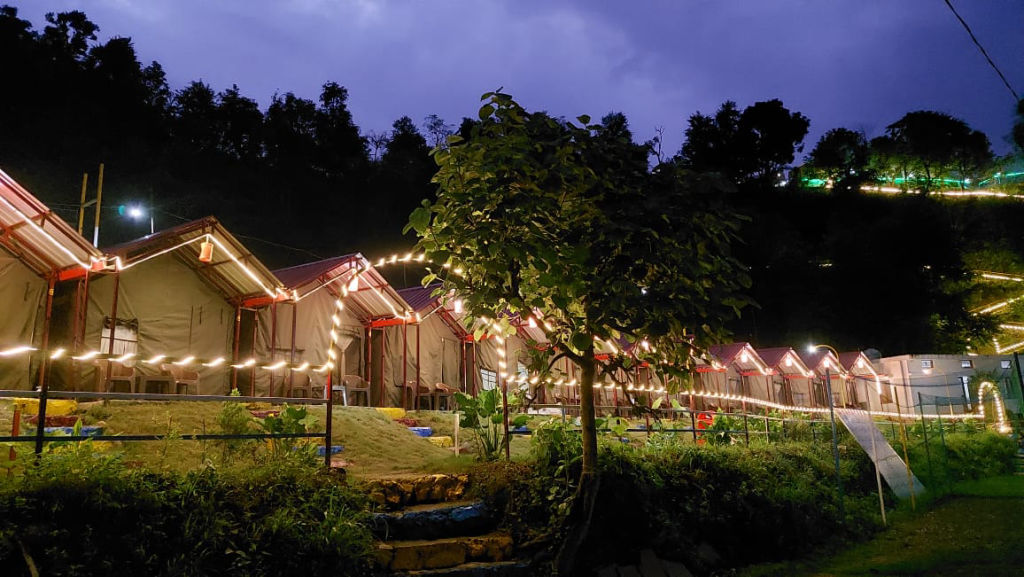
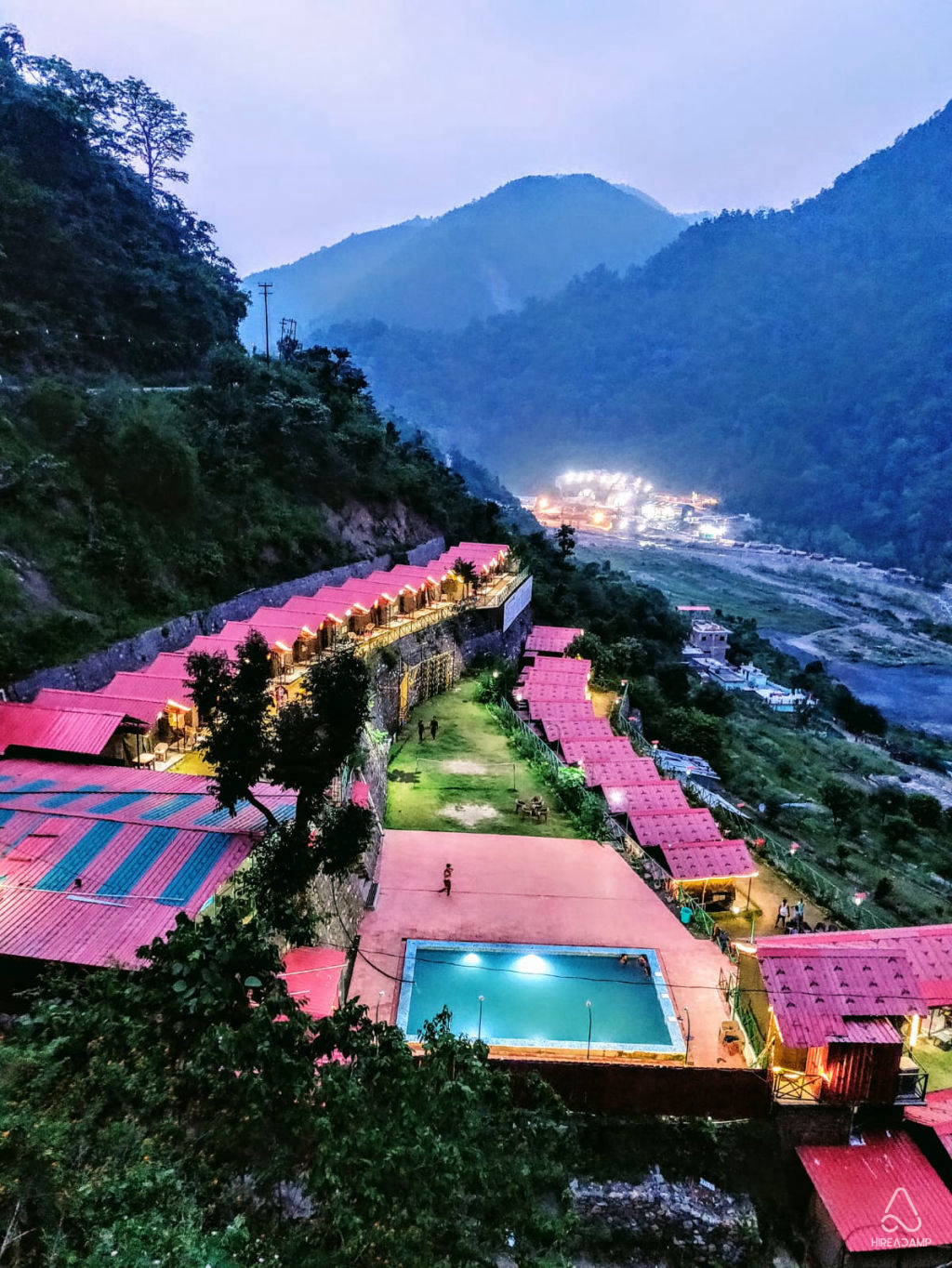
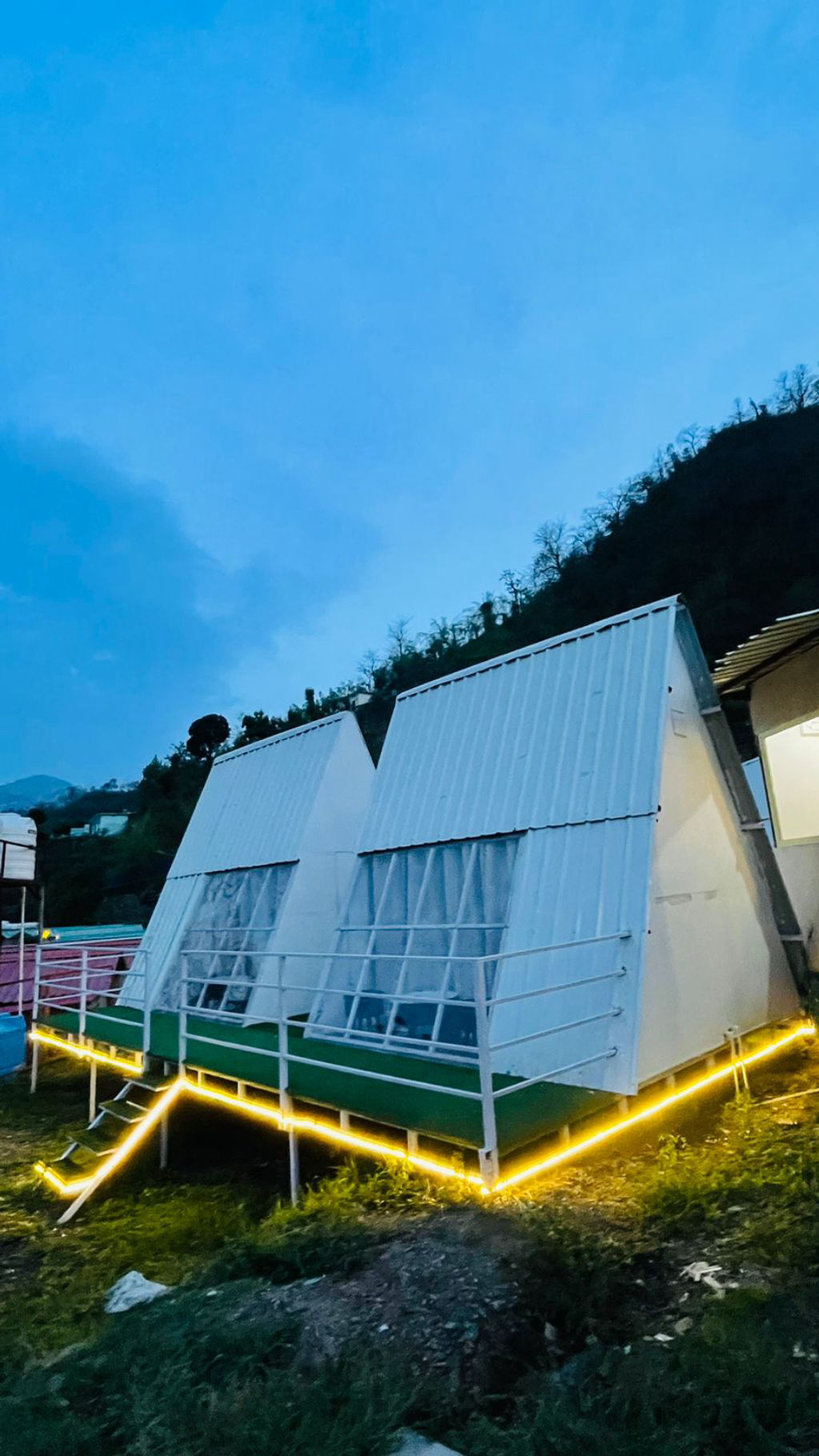
If you prefer to balance your cultural exploration of Triveni Ghat with time spent outdoors, riverside camps, nature homestays, and unique regional getaways can be found on HireACamp. Booking a stay nestled in the foothills lets you unwind amidst nature, listen to the river, and take convenient trips down to the ghats whenever you wish to soak in the spiritual life of Rishikesh.
Frequently asked questions
What is the best time of day to visit Triveni Ghat?
Visiting before sunrise is ideal if you want to avoid noise, crowds, and cameras and experience a calm, peaceful riverbank. If you want to see the vibrant evening Ganga Aarti with brass lamps and devotional music, arrive just before sunset.
Is there an entry fee to visit Triveni Ghat?
There is no formal entry ticket required to walk down the steps of Triveni Ghat or watch the Ganga Aarti, though it is always wise to check local guidelines on arrival.
Can visitors take a holy bath in the river at Triveni Ghat?
Yes, taking a holy dip is a common practice at the ghat. Visitors should hold firmly onto the provided metal safety chains along the steps, as the river current is swift and strong.
How far is Triveni Ghat from Dehradun and New Delhi?
Triveni Ghat is approximately 41 kilometres from Dehradun, which typically takes around 1 hour and 10 minutes by road. From New Delhi, the distance is around 239 kilometres, taking roughly 4 hours and 10 minutes in typical traffic conditions.
What happens during the evening Ganga Aarti at Triveni Ghat?
During the evening ceremony, priests light massive tiered brass lamps, chant sacred hymns, blow conch shells, and ring bells in worship of the river, while visitors release floating floral diyas into the water.
Where you'll be
Triveni Ghat, Mayakund, Rishikesh, Uttarakhand 249201 · 12 stays nearby shown with prices
As seen on Instagram
The posts this guide is built from
Stays near Triveni Ghat
Book a place to stay close by

Often visited together
Creators who went here also showed these


More places near Triveni Ghat
Within 20 km


Lists for this area
Ranked by how many creators recommend each place


Built from 4 Instagram posts by 4 creators. Every tip links back to the post it came from, and where creators disagree we show both sides. Guide updated 26 Oct 2026.






