
Kari Malai
Peak near Sabarimala, Kerala
4.2 km from Sabarimala
The nearest town, for stays, food and fuel.
Kari Malai is a prominent forest peak situated within the dense wilderness of the Western Ghats in Kerala. Known for its demanding terrain and deep ecological significance, the hill attracts trekkers and pilgrims who navigate its traditional forest trails. Visitors come to experience raw rainforest landscapes, misty ridge views, and an untamed mountain atmosphere.
Getting there
By road
- From Kochi3 hr 50 min · 161 km
- From SabarimalaNearest town4 hr · 112 km
- From Thiruvananthapuram4 hr 25 min · 185 km
- From Madurai5 hr 20 min · 251 km
Typical drive times without traffic. Stations and airports from OLA Maps; distances and typical drive times from OpenStreetMap (© OpenStreetMap contributors); notes from creators' Reels.
About Kari Malai
Written with AI from map data and general knowledge. Check prices and timings locally before you go.
About Kari Malai
Kari Malai rises high among the lush forest belts of central Kerala, forming an integral part of the southern Western Ghats landscape. Encompassed by contiguous stretches of moist deciduous and tropical wet evergreen forests, the peak has long commanded respect for its rugged elevation and formidable terrain. For generations, this mountain has been a vital landmark for travellers navigating foot trails across the hill ranges.
The hill is steeped in both natural majesty and regional cultural heritage. It stands along the classic wilderness path traversed during sacred annual pilgrimages through the forest, endowing the ascent with a deep sense of devotion and physical endurance. Away from commercial tourist circuits, Kari Malai remains an unspoiled sanctuary where ancient trees, moss-covered boulders, and cascading streams shape the identity of the mountain.
The Trekking Experience at Kari Malai
Reaching and traversing Kari Malai is widely regarded as one of the most physically demanding wilderness climbs in Kerala. The ascent entails navigating sharp gradients, traversing exposed tree roots, and scrambling across steep rock faces. The trail leads trekkers through dense canopies that filter out direct sunlight, keeping the forest floor cool, humid, and perpetually shaded.
Along the trail, hikers cross cold mountain rivulets and natural clearings that offer sudden vistas of rolling green ridges disappearing into the horizon. The climb demands sound physical stamina and careful footing, especially where soil erosion or seasonal rains have created slick slopes. Reaching the upper reaches brings an immense sense of reward as the dense undergrowth gives way to sweeping views over the surrounding forest reserves.
Read more
Wildlife and Forest Ecology
The slopes around Kari Malai form a critical habitat for an extraordinary range of Western Ghats flora and fauna. Because the mountain sits within extensive protected woodland corridors, it is frequented by native wildlife such as Asian elephants, wild boars, sambar deer, and various species of monkeys. Birdlife is equally abundant, with the forest canopy echoing with the calls of Malabar grey hornbills, emerald doves, and vibrant flycatchers.
The undergrowth supports a miniature universe of life, including endemic frogs, exotic orchids, and giant tree ferns. Travellers moving through these woods are reminded to respect the natural inhabitants by maintaining quiet, giving animals wide berth, and ensuring no food scraps or plastic materials are left behind in this sensitive biosphere.
Best Time to Visit Kari Malai
The climate around Kari Malai is heavily influenced by the tropical monsoon patterns of southwestern India. The ideal window to explore the area is during the cooler, drier months from October through February. During this post-monsoon and winter period, the humidity drops, morning mists drape the mountain beautifully, and forest trails become far more manageable to walk.
The monsoon months from June to September bring torrential rains that transform the hillsides into torrential runoff zones. Heavy rainfall makes the steep slopes exceptionally slippery, swells mountain streams dangerously, and leads to high leech populations. Meanwhile, the summer months from March to May can bring heavy heat and intense humidity, making long treks through the thick canopy strenuous.
How to Reach Kari Malai
Kari Malai is located in Kerala and can be approached via the road network that runs through the eastern foothills of Kottayam and Pathanamthitta districts. Travellers arriving by air can fly into Cochin International Airport or Trivandrum International Airport, both of which offer road connections toward the interior hill towns. The nearest major railway stations are located at Kottayam and Chengannur, both well connected to major Indian cities.
From these transport hubs, private taxis and state transport buses run along arterial mountain highways toward base areas like Erumely or Nilakkal. Because the final approach involves designated forest corridors and wilderness paths, visitors must verify transit permissions locally and confirm the permitted trailheads with forest authorities before beginning their journey.
Tips for Your Visit
Undertaking a journey around Kari Malai requires thorough preparation. Due to the remote forest setting, carrying sufficient drinking water and high-energy snacks is essential, as there are no shops or facilities along the wilder stretches of the trail. Wear sturdy, ankle-supporting hiking boots with strong grip to navigate rocky and uneven terrain safely.
Leeches are common in the damp leaf litter, particularly following wet spells; carrying salt, tobacco powder, or leech socks is highly advisable. Travellers should always travel with local knowledge, check with forest officials regarding necessary permissions or access restrictions, and avoid entering the forest after dusk to stay safe from wandering wildlife.
Places to Visit Nearby
A trip to Kari Malai can be combined with visits to several striking cultural and natural attractions in the surrounding region. Roughly seven kilometres away lies Nilakkal, an important staging ground and cultural site nestled among low wooded hills. Further down the valleys, the dramatic Perunthenaruvi Waterfalls and Valanjamkanam Waterfall offer refreshing stops where gushing mountain waters spill over jagged rock terraces.
Those interested in panoramic highland views can travel to Panchalimedu, a breezy hilltop offering wide grassy meadows and ancient legends, or visit the viewpoint at Paruthinpara. Sacred heritage stops in the wider area include the serene Kalaketty Sivaparvathi Temple and the Pattumala Matha Shrine, making the broader district rich in both natural beauty and cultural character.
Where to Stay Around Kari Malai
Given that Kari Malai is set deep within protected forest surroundings, overnight accommodations are located in the surrounding valley towns, estate fringes, and rural hamlets rather than on the mountain itself. The neighbouring hill reaches offer options ranging from rustic plantation homestays to peaceful eco-lodges surrounded by rubber and spice orchards.
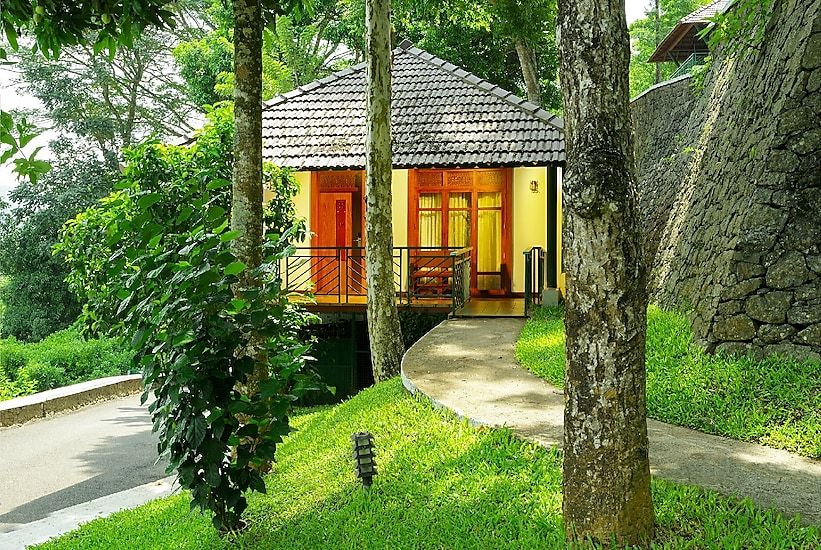
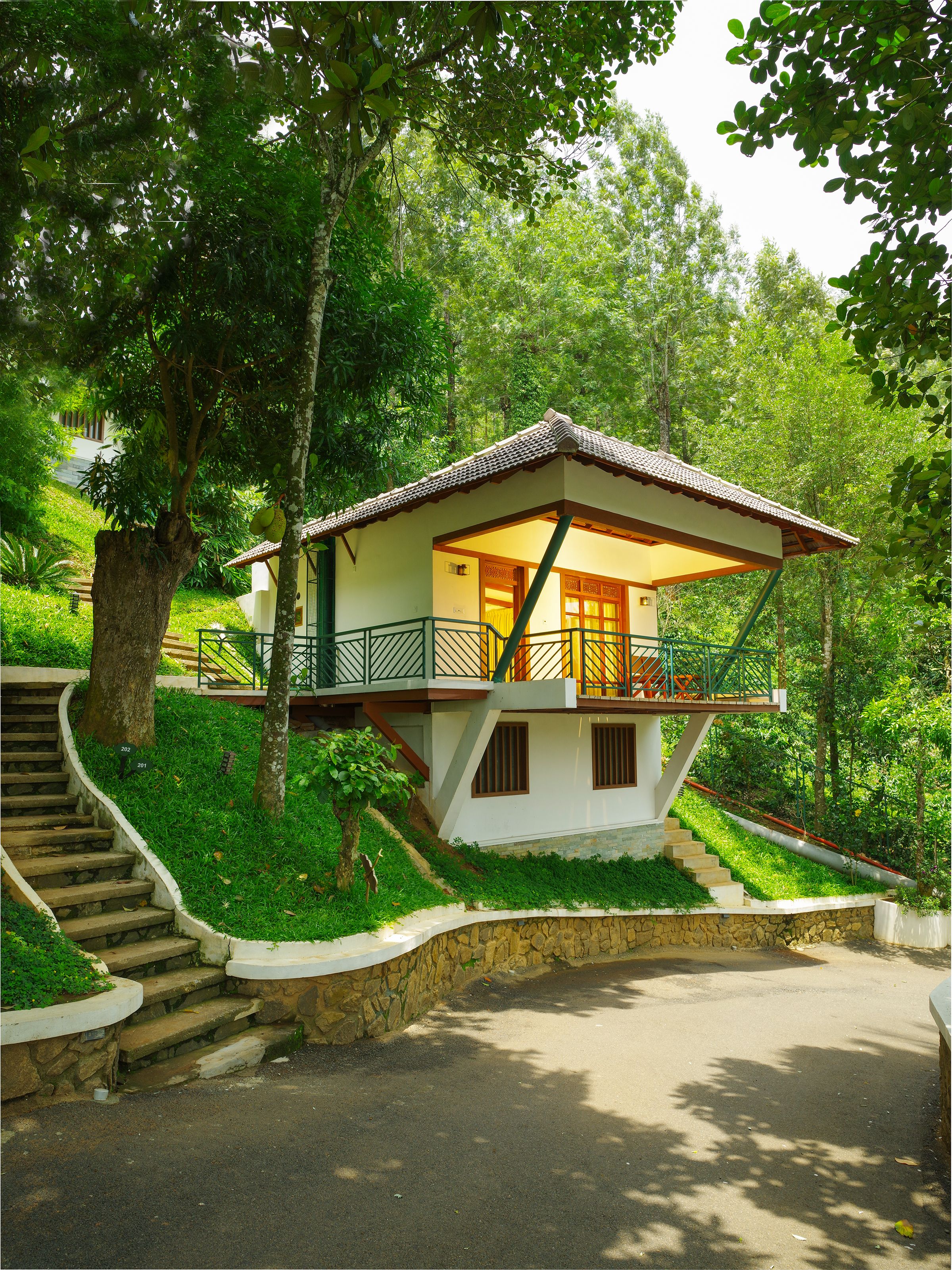
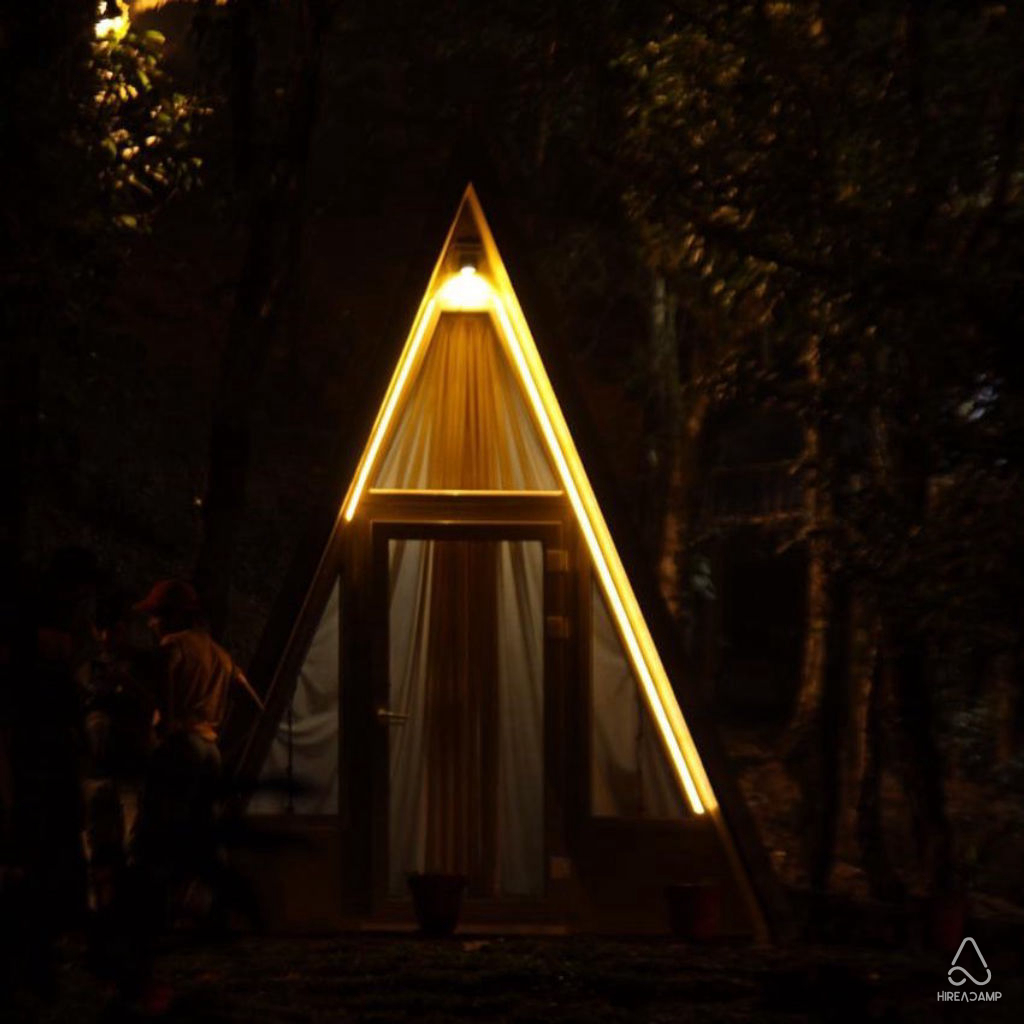
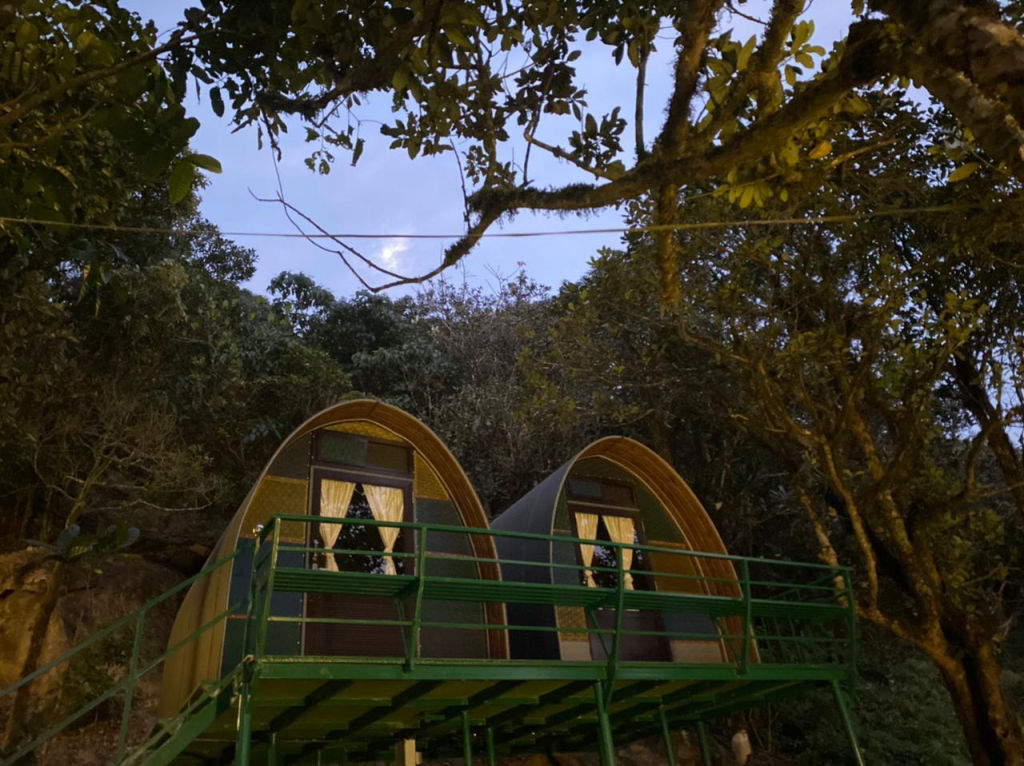
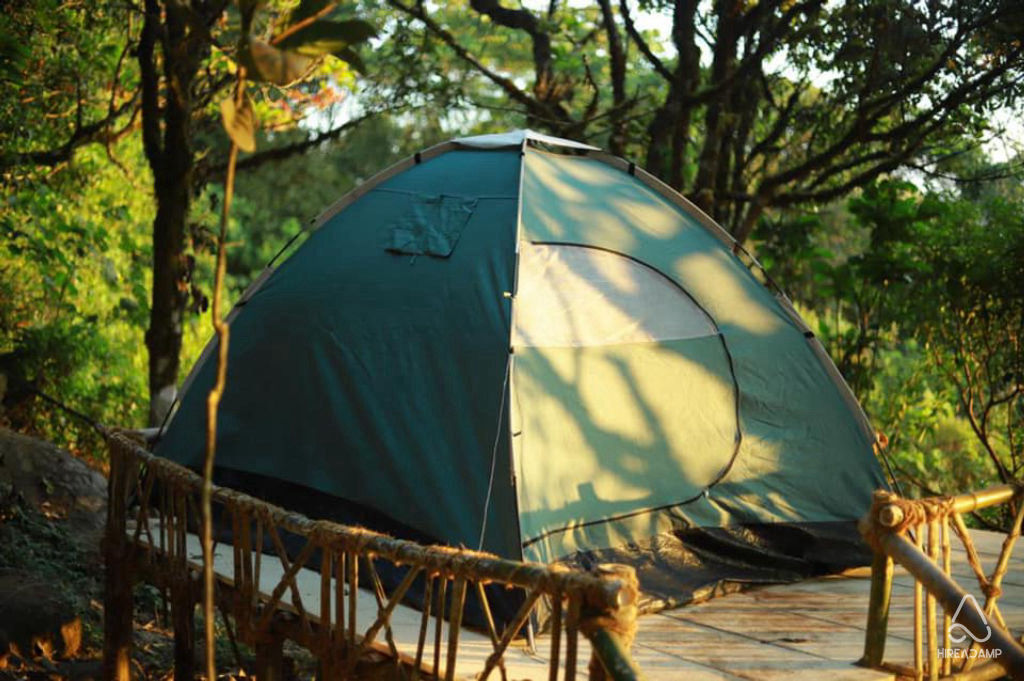
Travellers looking to spend their nights close to nature can discover authentic experiential stays, tented camps, and scenic homestays in the area on HireACamp. Booking a stay in the nearby foothills provides a peaceful base to rest before and after exploring the demanding trails of the Western Ghats.
Frequently asked questions
Is a trek to Kari Malai suitable for beginners?
The trek involves steep inclines, uneven rocky ground, and humid forest conditions that require good stamina. While fit beginners can manage with proper pacing, the trail is best suited for experienced walkers and pilgrims accustomed to rough wilderness trails.
Are permits required to visit Kari Malai?
Because the peak lies within sensitive reserve forests, trail access is regulated. Travellers should verify current entry regulations and seek guidance from local forest department offices before venturing out.
What should I pack for a hike to Kari Malai?
Carry ample drinking water, energy foods, a small first-aid kit, and leech protection such as salt or leech socks. Lightweight, moisture-wicking clothing and sturdy, broken-in trekking shoes with good traction are essential.
Can I visit Kari Malai during the monsoon season?
Visiting during heavy monsoons is generally not recommended due to slippery paths, swollen streams, and dense leech activity. The post-monsoon and winter months offer much safer and more comfortable trekking conditions.
Where you'll be
Kerala · 5 stays nearby shown with prices
Stays near Kari Malai
Book a place to stay close by
More places near Kari Malai
Within 20 km


Built from 0 Instagram posts by 0 creators. Every tip links back to the post it came from, and where creators disagree we show both sides.






