
Varathamanathi Dam
Dam near Palani, Tamil Nadu
100 m from Palani
The nearest town, for stays, food and fuel.
Varathamanathi Dam is a scenic irrigation reservoir situated at the foothills of the Palani Hills near Palani in Tamil Nadu. Fed by mountain streams flowing down from the Western Ghats, the dam serves as a crucial water resource for regional farming communities and town water supplies. Visitors and road trippers head to the reservoir to enjoy sweeping views of forested slopes, quiet water margins, and a peaceful natural atmosphere away from busy pilgrimage corridors.
Getting there
By road
- From Coimbatore2 hr 15 min · 104 km
- From Madurai2 hr 45 min · 118 km
- From Kochi6 hr · 263 km
- From Mysuru6 hr 10 min · 281 km
Typical drive times without traffic. Stations and airports from OLA Maps; distances and typical drive times from OpenStreetMap (© OpenStreetMap contributors); notes from creators' Reels.
About Varathamanathi Dam
Written with AI from map data and general knowledge. Check prices and timings locally before you go.
About Varathamanathi Dam
Varathamanathi Dam is an earthen and masonry structure built across the Varathamanathi River, nestled right beneath the rising ridgelines of the Palani range in Dindigul district, Tamil Nadu. The catchment area gathers runoff from the dense shola forests and mountain streams that drape the surrounding hills. Designed primarily to cater to irrigation and municipal drinking water requirements for Palani and neighboring hamlets, the reservoir has quietly become a favorite stop for travelers seeking calm natural scenery.
Unlike heavily commercialized tourist spots, Varathamanathi Dam retains an unhurried, pastoral quality. Coconut groves, fruit orchards, and rolling scrub forests frame the reservoir's banks, while the rugged, mist-clad crests of the upper hills form a dramatic backdrop. It offers an easy excursion for those visiting the renowned hill temple of Palani who want to experience the quiet beauty of the foothills without traveling far.
Landscape and Natural Setting
The reservoir sits in an ecologically rich transition zone where the dry deciduous plains of south-central Tamil Nadu meet the steep, verdant contours of the Western Ghats. The slopes rising above the reservoir host rich pockets of vegetation, providing habitat for a wide array of birdlife, butterflies, and small mammals. During calm mornings, the water surface acts as a mirror, reflecting the blue sky and the rugged emerald contours of the mountains.
Bird enthusiasts often spot resident and migratory species around the backwaters and downstream riverbed, including kingfishers, egrets, cormorants, and pond herons. The air remains notably cooler near the reservoir compared to the interior towns, tempered by gentle breezes descending from the highlands. Taking a leisurely walk along designated pathways offers panoramic views of the water body and allows visitors to appreciate the scale and engineering of regional water conservation systems.
Read more
Best Time to Visit Varathamanathi Dam
The overall experience at Varathamanathi Dam depends closely on seasonal water levels and regional monsoon cycles. The most rewarding months to plan a trip run from October through March, when the northeast monsoon has replenished the catchment area and filled the reservoir. During this post-monsoon and winter period, the surrounding hills appear lush and vibrant, water levels remain high, and daytime temperatures stay mild and pleasant.
From April to June, the plains experience peak summer warmth. While early mornings and sunsets can still be serene, water levels noticeably recede, and midday heat can be intense. The southwest monsoon in July and August brings overcast conditions and occasional showers across the ridges, gradually cooling the foothill region. For photography and quiet relaxation, arriving in the early morning hours or late afternoon offers the softest lighting and the most comfortable weather.
How to Reach Varathamanathi Dam
Varathamanathi Dam is located a short drive south of Palani town, making it easily accessible by private car, taxi, or local transport. Palani is well connected to major urban hubs across Tamil Nadu and Kerala by road and rail, with regular trains and buses running from Coimbatore, Madurai, Dindigul, and Tiruppur.
From Palani town, the drive toward the dam takes travelers through rural settlements and open country roads lined with agricultural fields. If you are arriving from Coimbatore or Madurai, both of which have the nearest operational commercial airports, you can reach Palani by highway before taking the final local road to the reservoir. Because public bus frequency right up to the dam gate can vary, hiring an auto-rickshaw or driving your own vehicle is the most dependable option.
Tips for Visiting Varathamanathi Dam
Before heading out to Varathamanathi Dam, keep a few practical considerations in mind to ensure a hassle-free visit. Since public infrastructure around the water body is minimal, carry sufficient drinking water and light refreshments with you. There are no major dining facilities directly beside the water, so travelers should plan main meals in Palani or other nearby transit points.
Visitors should always prioritize safety around the water. Steep slopes, submerged rocks, and sudden drops mean that swimming or stepping deep into the reservoir is unsafe and frequently restricted by local authorities. Keep to designated paths and viewing clearings, wear comfortable footwear with good grip, and be sure to carry all trash back with you to protect the sensitive reservoir ecosystem. It is also wise to check local regulations at the approach checkpoint regarding visiting hours and access points on the day of your journey.
Places to Visit Nearby
A visit to Varathamanathi Dam can easily be combined with exploring the historic town of Palani and the wider foothills of the Palani Hills. Palani is famous worldwide for the Murugan Hill Temple, attracting pilgrims throughout the year. The town itself offers bustling markets, traditional vegetarian fare, and cultural landmarks that provide deep insight into regional heritage.
For those interested in outdoor exploration, the winding hill roads leading upward connect toward highland forests, waterfalls, and scenic viewpoints such as the scenic valleys of the higher Western Ghats. Further along the foothill belt, other regional irrigation reservoirs like Thirumoorthy Dam and Manjalar Dam showcase varied foothill landscapes, while downstream rivers and seasonal cascades offer quiet detours for scenic photography and nature walks.
Where to Stay near Varathamanathi Dam
Travelers looking to spend a few days in the area will find a wide range of accommodation styles suited to different travel rhythms. Palani town offers numerous traditional lodges, pilgrimage guest houses, and family hotels close to transit hubs and dining options. These provide a practical and convenient base if your trip includes temple visits alongside natural sightseeing.
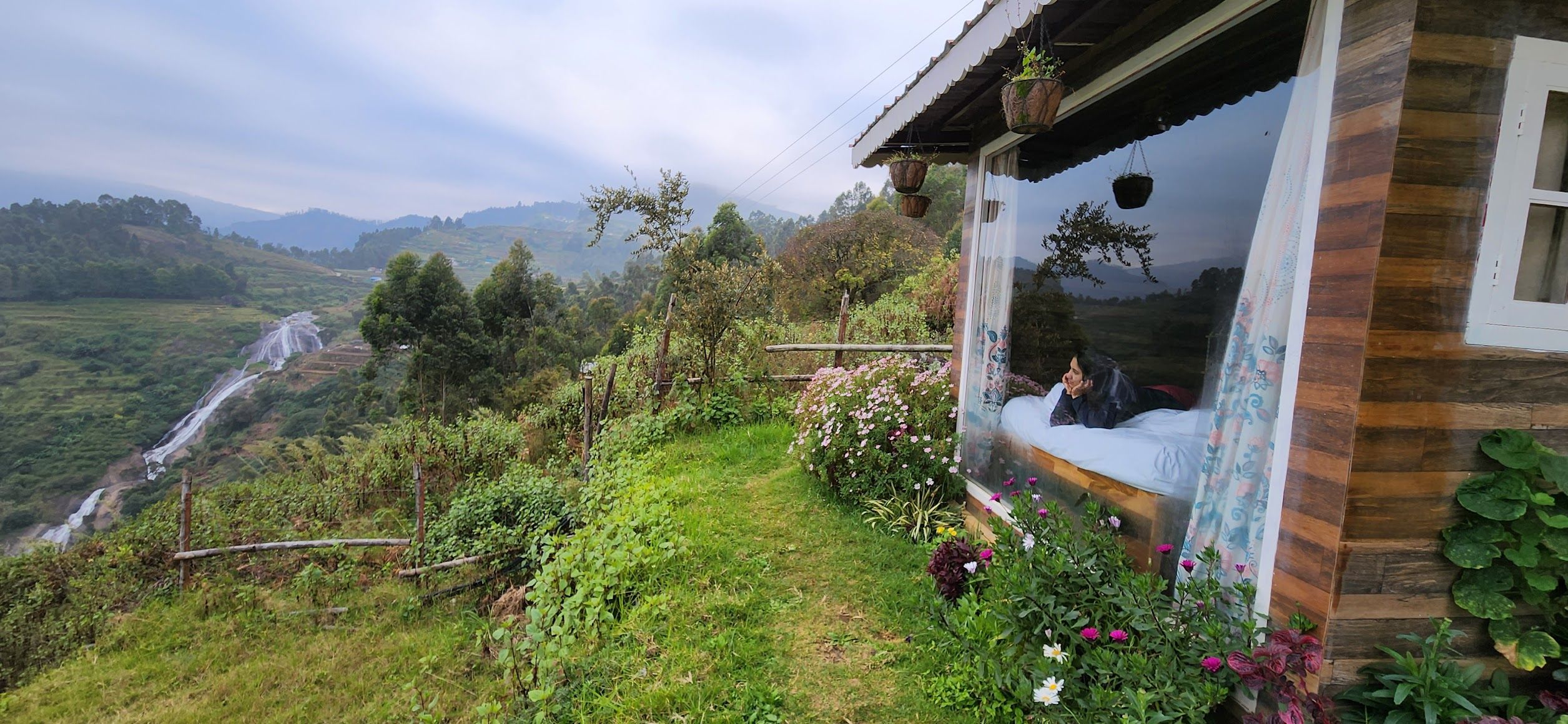
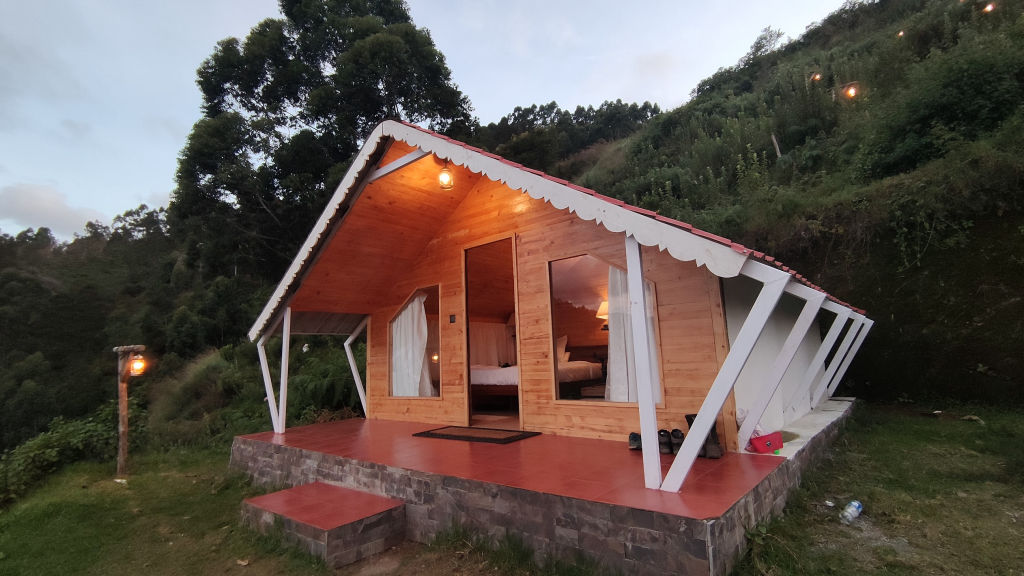
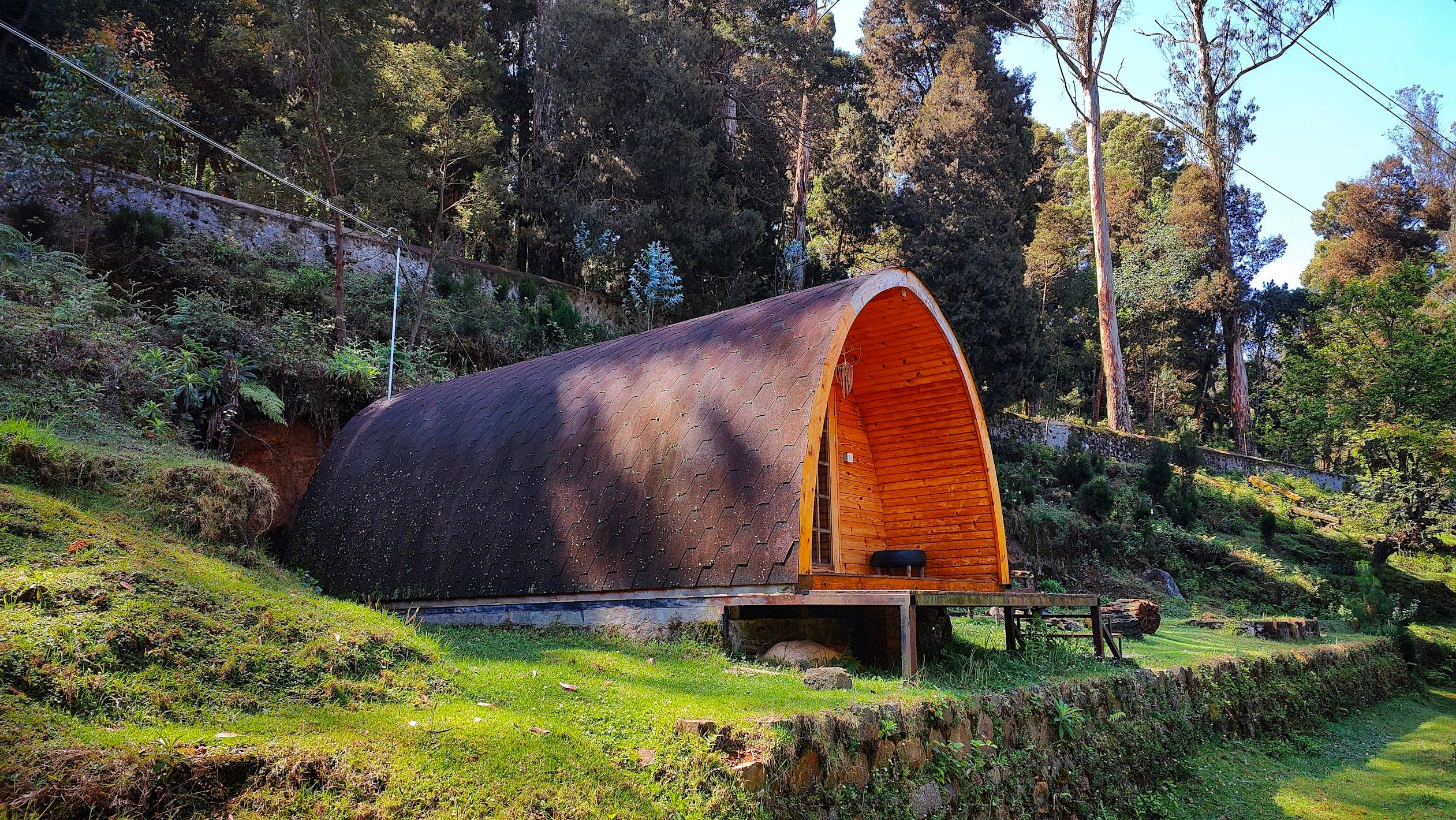
If you prefer a quieter retreat closer to rural life, the agrarian foothills and forested slopes nearby offer homestays, nature retreats, and eco-camps. Many properties are set within working coconut groves, spice plantations, or fruit orchards, giving guests an authentic glimpse into the countryside. You can explore and book verified rural stays, outdoor campsites, and peaceful homestays near the Palani Hills directly on HireACamp.
Frequently asked questions
Where is Varathamanathi Dam located?
Varathamanathi Dam is located near Palani in the Dindigul district of Tamil Nadu, India, situated at the base of the Palani Hills.
Is swimming permitted in Varathamanathi Dam?
Swimming in the reservoir is generally prohibited due to deep waters, hidden underwater currents, and safety concerns. Visitors are advised to stay on firm ground and enjoy the views from designated shore areas.
What is the best season to plan a trip to Varathamanathi Dam?
The ideal time to visit is between October and March, when post-monsoon conditions leave the water body full, the foothills lush green, and the climate mild.
Are there food stalls or restaurants at the dam site?
Amenities at the dam itself are very limited, with few or no formal food stalls. It is best to carry your own snacks and water or dine in the nearby town of Palani.
How far is Varathamanathi Dam from Palani town?
The dam is located just outside Palani and can be reached via a short, convenient road drive by private vehicle, taxi, or local auto-rickshaw.
Where you'll be
Palani · 7 stays nearby shown with prices
Stays near Varathamanathi Dam
Book a place to stay close by
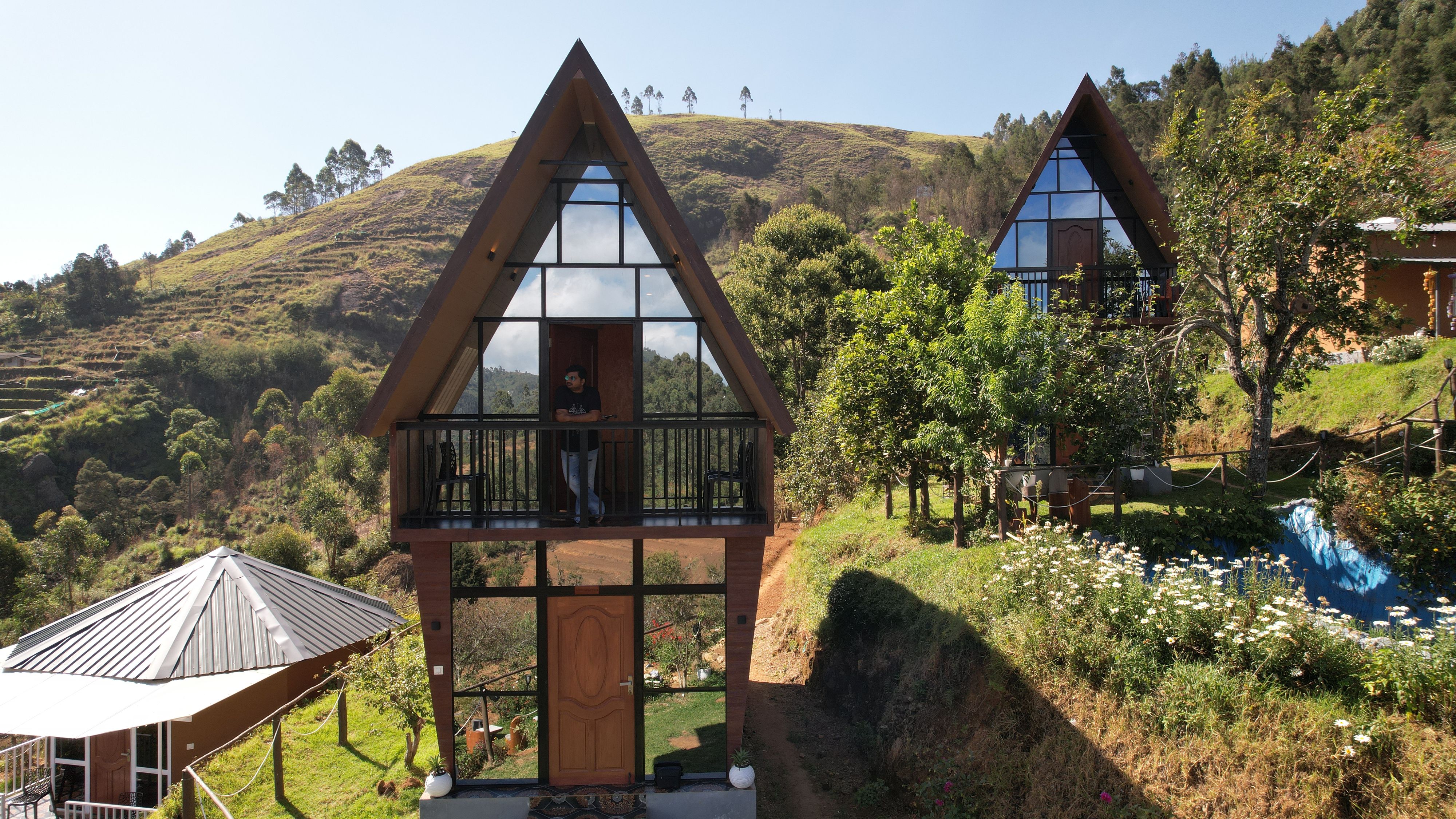
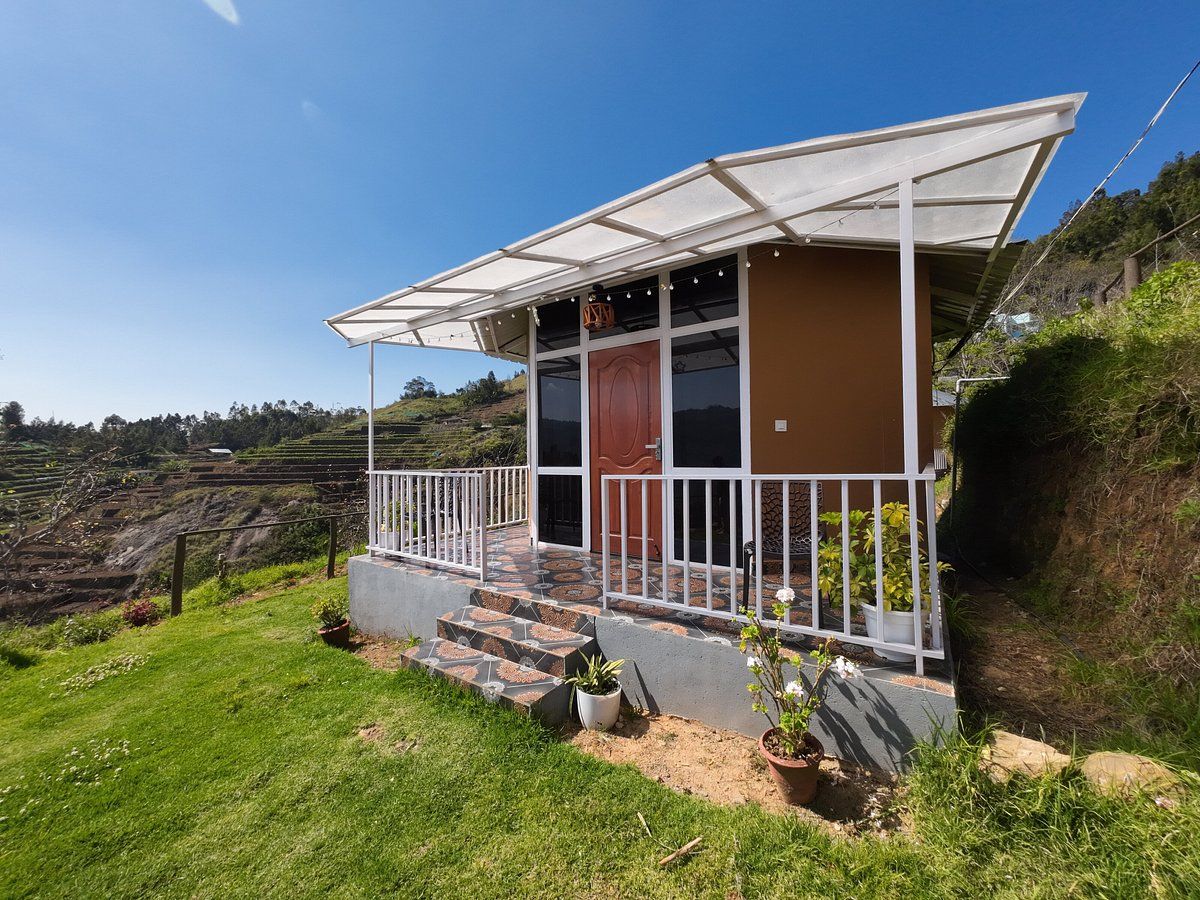
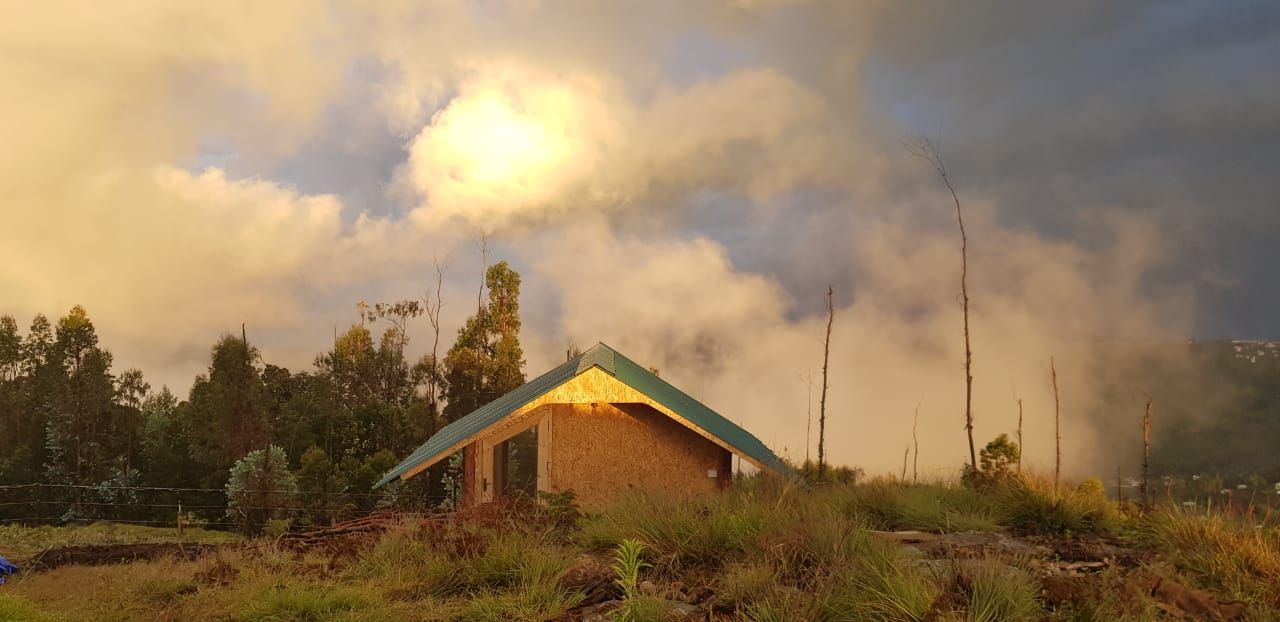
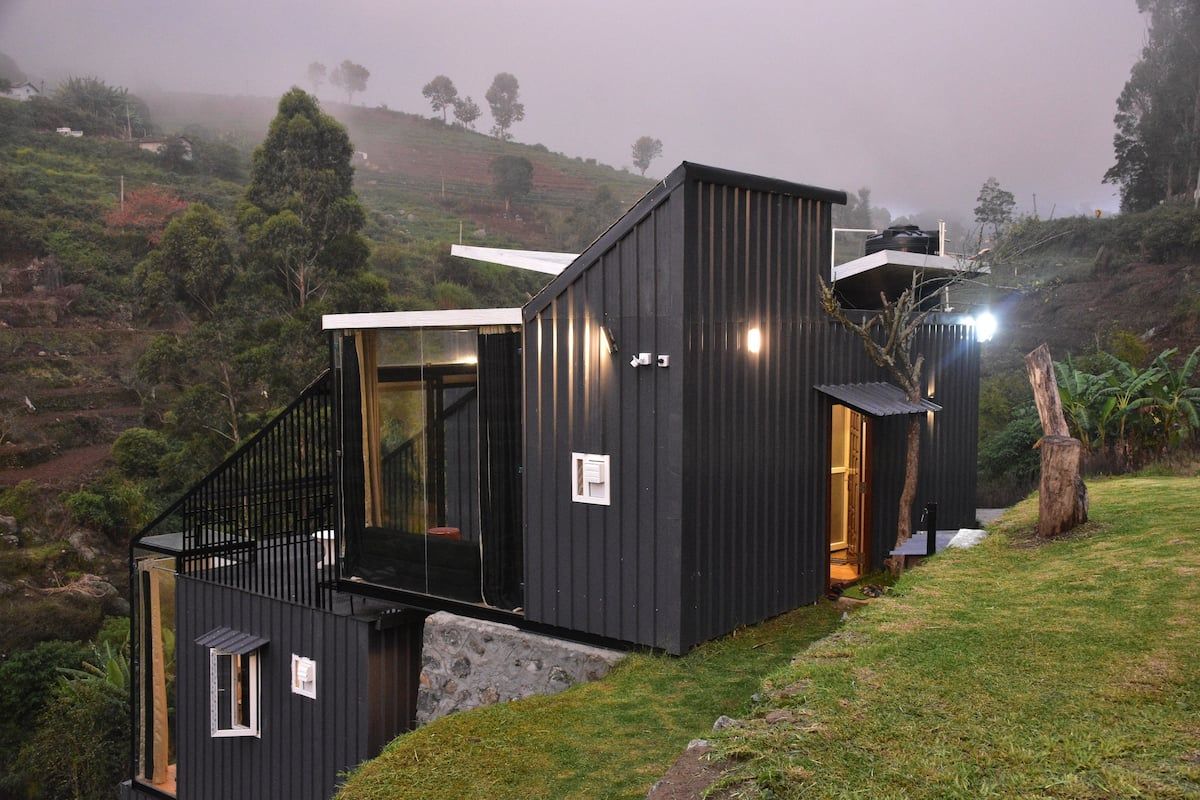
More places near Varathamanathi Dam
Within 20 km


Built from 0 Instagram posts by 0 creators. Every tip links back to the post it came from, and where creators disagree we show both sides.






