
Vashisht
Destination in Himachal Pradesh
Vashisht is a historic village set on a hillside overlooking the Beas River, located just across from Manali in Himachal Pradesh. The settlement is widely known for its ancient cedar-and-stone temples and natural geothermal sulphur springs, which draw pilgrims and road-trippers alike. Surrounded by deodar woods, apple orchards, and dramatic mountain peaks, it serves as a peaceful alternative to the bustling hub of central Manali.
Getting there
By road
- From Chandigarh5 hr 40 min · 269 km
- From Ludhiana6 hr 5 min · 299 km
- From Amritsar8 hr 10 min · 410 km
- From Dehradun9 hr 5 min · 451 km
Typical drive times without traffic. Stations and airports from OLA Maps; distances and typical drive times from OpenStreetMap (© OpenStreetMap contributors); notes from creators' Reels.
About Vashisht
Written with AI from map data and general knowledge. Check prices and timings locally before you go.
About Vashisht and Its Heritage
Perched on the eastern slope of the Kullu Valley, Vashisht takes its name from Sage Vashishta, one of the revered seven sages of ancient Indian tradition. According to local lore, the sage retreated here for quiet contemplation, and the village has remained a centre of spiritual reverence for centuries.
At the heart of the village stands an ancient temple complex dedicated to Sage Vashishta, constructed using classic Kath-Kuni architecture with intricate timber carvings, stone plinths, and slate roofs. Across the stone courtyard is a separate shrine dedicated to Lord Rama. The village preserves a distinctly traditional Himachali atmosphere, with narrow flagstone alleys, wooden verandas, and old houses set against steep mountain ridges.
The Natural Hot Springs of Vashisht
The defining natural feature of Vashisht is its geothermal sulphur springs, which emerge directly beneath the temple grounds. Channelled into stone water tanks, these warm waters are rich in minerals and are traditionally believed to possess therapeutic and skin-healing properties.
Separate, enclosed bathing areas are provided for men and women. Taking a dip in the natural warm water is a long-standing ritual for visitors, particularly after a strenuous trek or during the crisp mornings of autumn and winter. The spring water flows continuously down through the village, nurturing the terraced fields below.
Read more
Things to Do in and Around Vashisht
Beyond visiting the temple and the baths, Vashisht is a rewarding base for slow-paced exploration and mountain walking. One of the most popular short walks leads from the northern end of the village to Jogini Waterfall. The trail winds through dense pine groves, babbling mountain rivulets, and small apple orchards before arriving at the cascading fall, which drops down dramatic rock faces with sweeping views of the valley.
The village alleys are filled with small shops selling hand-woven Himachali shawls, woollen caps, rugs, and herbal preparations. Leisurely afternoons can be spent soaking in views of the snow-capped Pir Panjal range across the valley or relaxing in casual rooftop spaces that cater to long-term travellers and hikers.
Day Trips and Getaways Nearby
Thanks to its central location in the upper Kullu Valley, Vashisht makes an excellent jumping-off point for exploring nearby alpine hamlets and trail networks. The historic quarter of Old Manali sits just across the Beas River, offering quiet forest lanes and the sacred Hadimba Temple. Further north up the valley, the high alpine pastures of Solang Valley provide broad vistas and access toward the Rohtang pass route.
Travellers interested in exploring deeper into Himachal can plan multi-day excursions toward the Parvati Valley to the south. Picturesque villages like Pulga, tucked deep inside pine forests beyond the reach of motorable roads, make ideal weekend getaways for anyone eager to experience traditional wooden village architecture and quiet Himalayan trails.
Best Time to Visit Vashisht
Vashisht can be visited year-round, with each season offering a distinct mountain environment. Spring and summer, stretching from April to June, bring mild temperatures, vibrant green landscapes, and comfortable conditions for trekking and sightseeing, making it the most popular time for travellers.
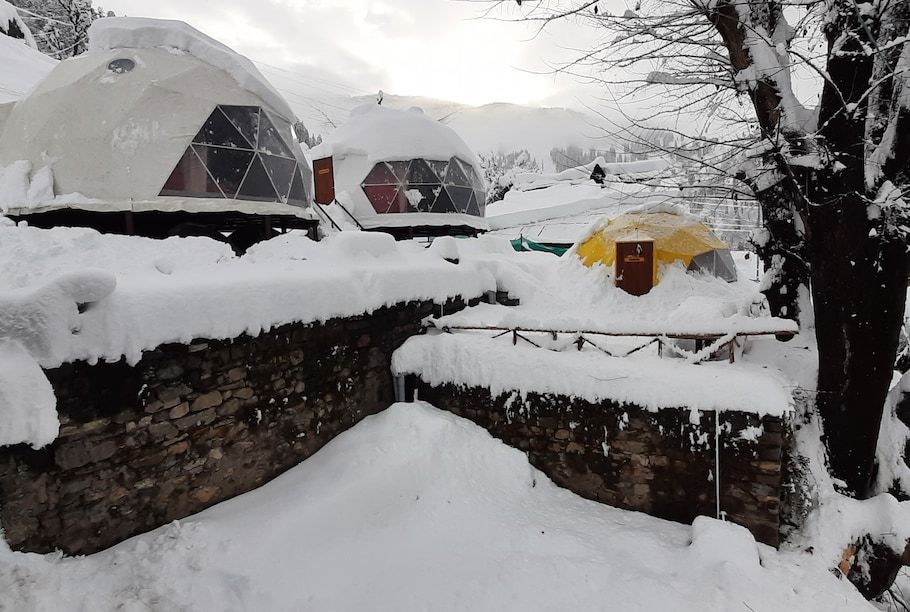
The monsoon months of July and August bring heavy rainfall across Himachal Pradesh, which enhances the greenery and fills the waterfalls but can cause travel delays along mountain highways. Autumn, from September through November, offers crisp mountain air, crystal-clear skies, and vibrant golden hues across the apple orchards. Winter, between December and February, transforms the valley with frigid temperatures and occasional snowfall, creating an atmospheric backdrop for enjoying the natural thermal baths.
How to Reach Vashisht
Vashisht is located roughly three to four kilometres north of the main Manali bus terminus. Most travellers arrive via Manali, which is well connected by overnight private and government buses from major northern cities including Delhi and Chandigarh.
From the town centre or bus stand, local auto-rickshaws, taxis, and walking trails lead up the hillside to Vashisht across the Beas River bridge. For air travellers, the nearest airport is at Bhuntar in Kullu, roughly fifty kilometres to the south, from where taxis and local buses run up the valley. The nearest broad-gauge railway stations are located in Chandigarh and Ambala, both requiring a six-to-eight-hour road journey to reach the hills.
Where to Stay in Vashisht
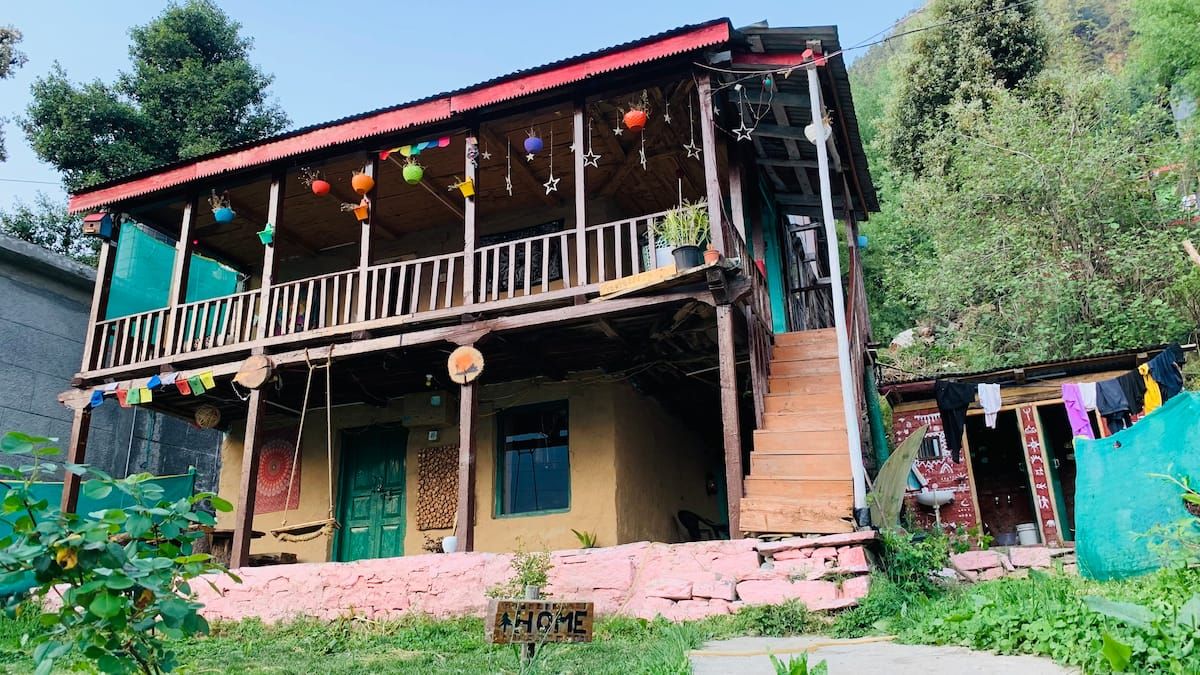
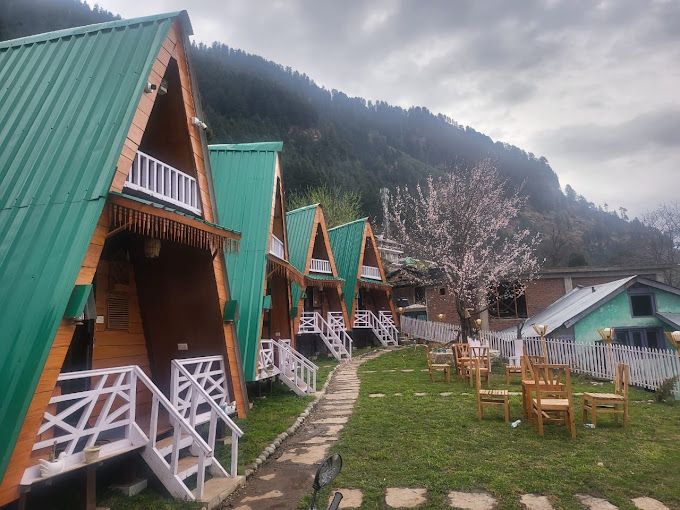
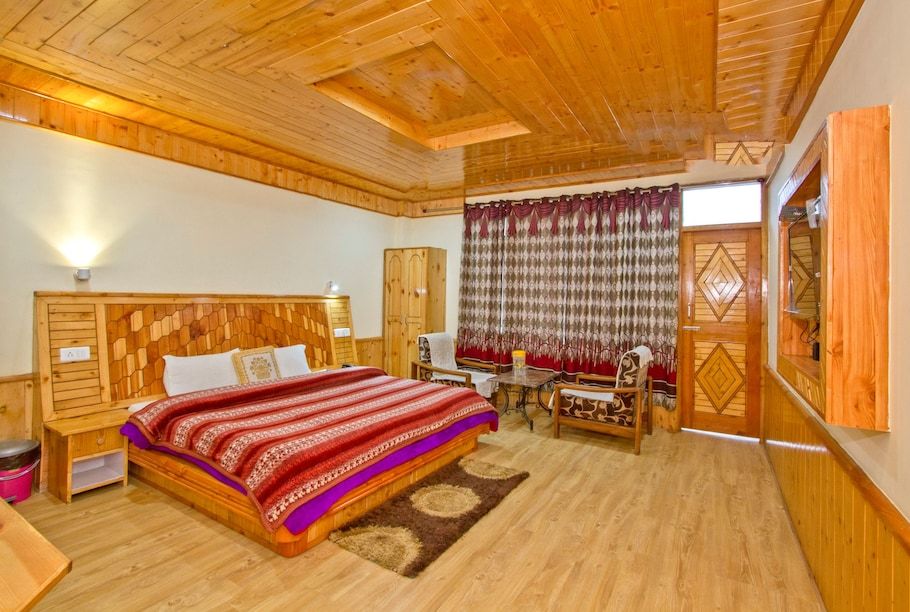
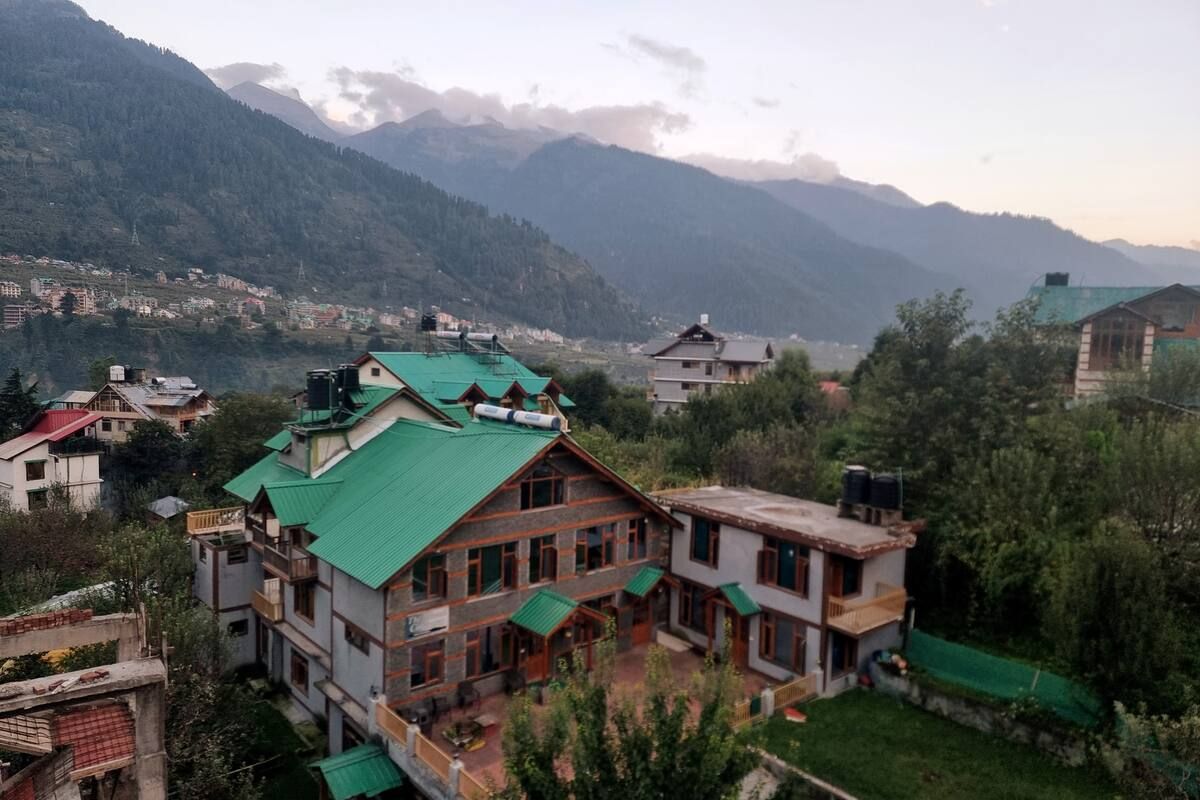
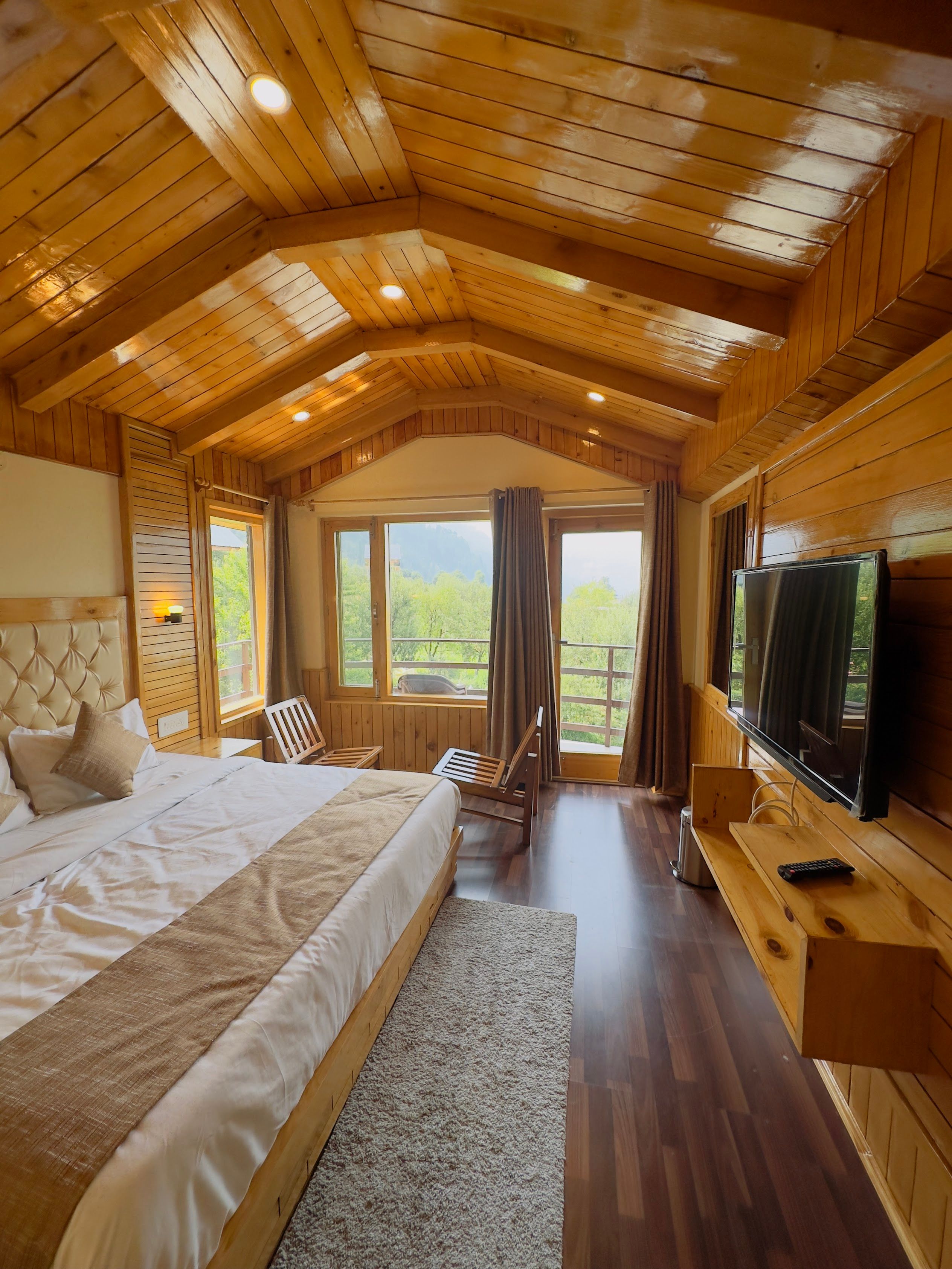
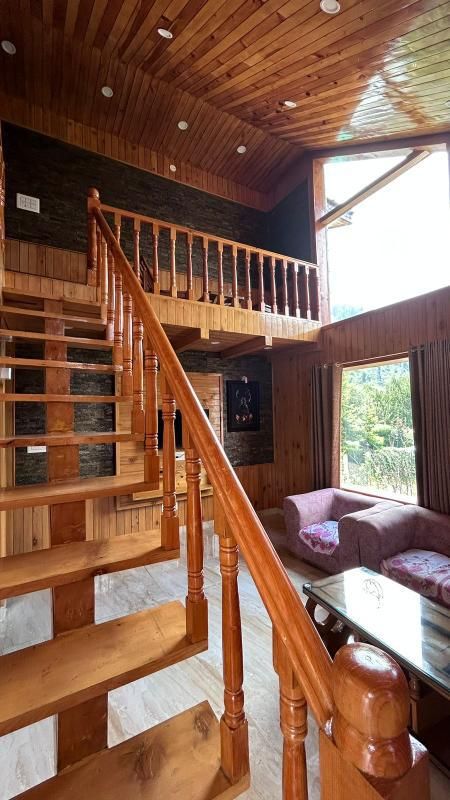
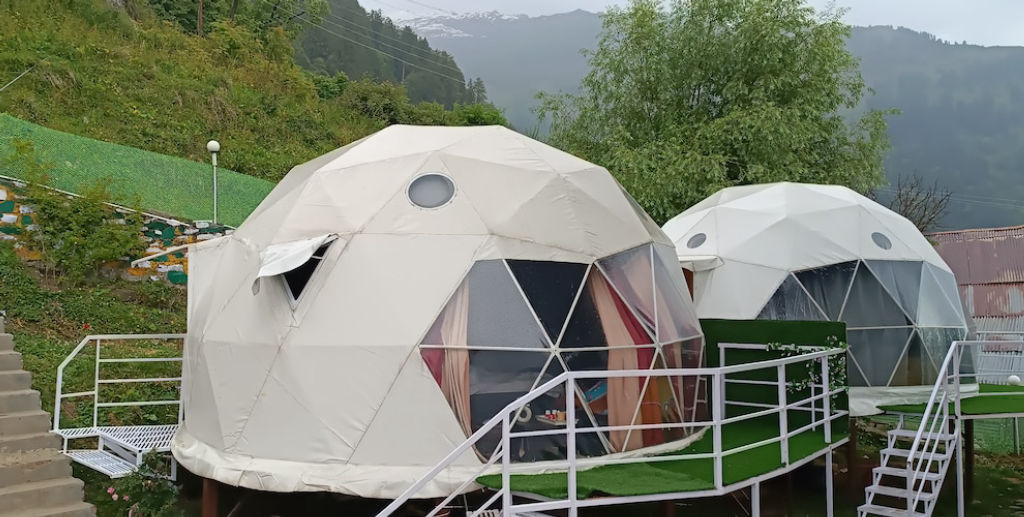
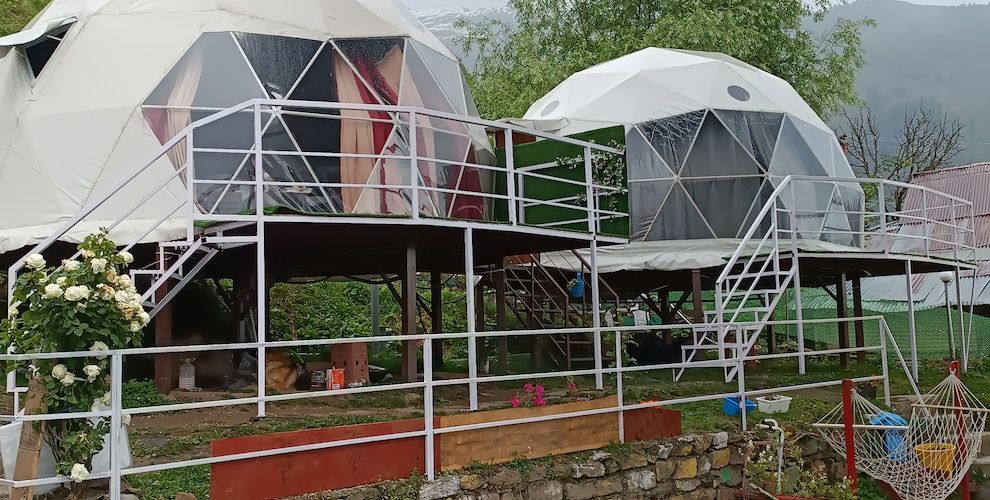
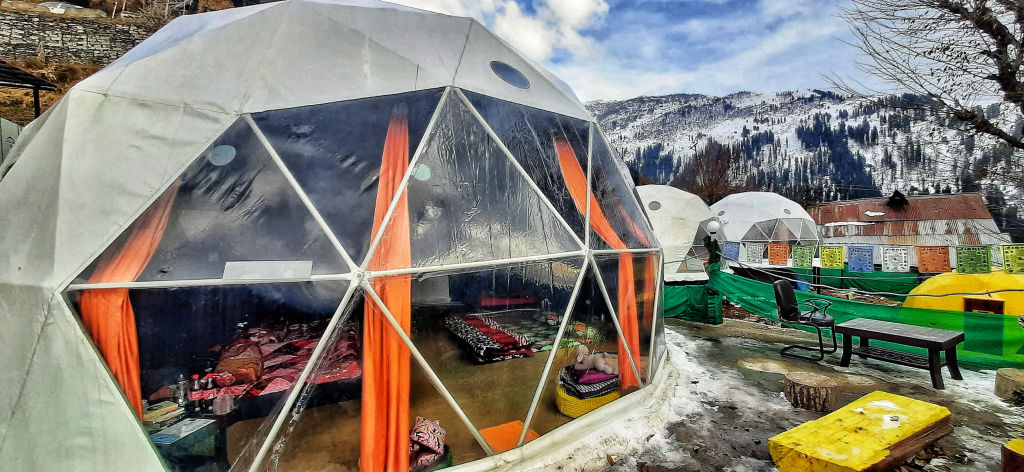
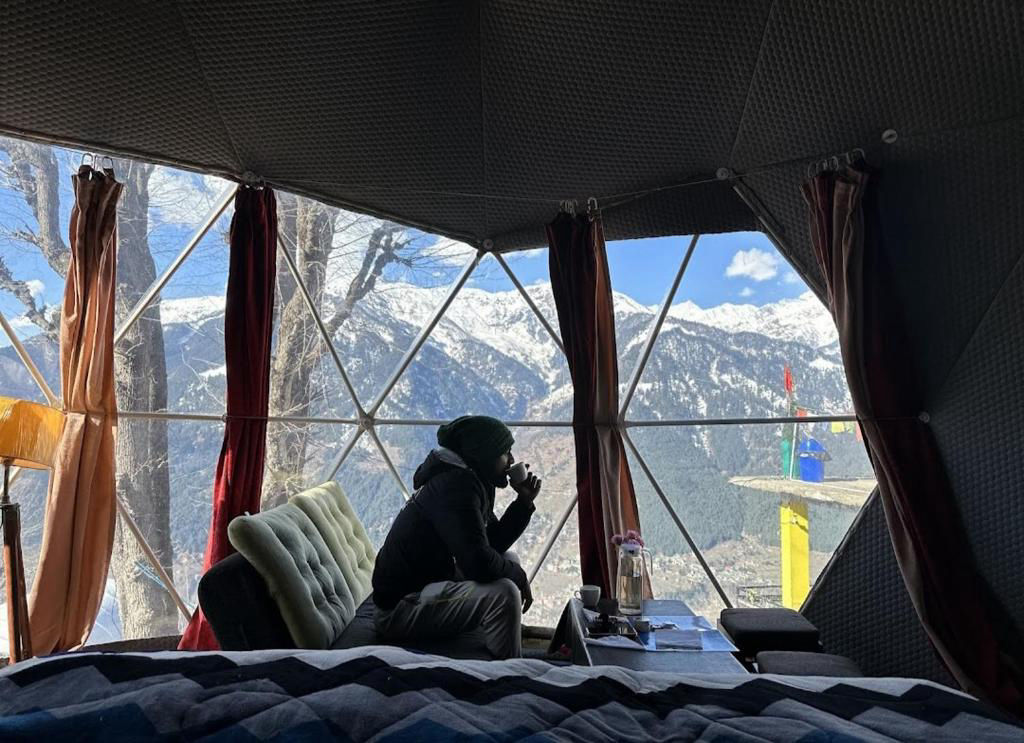
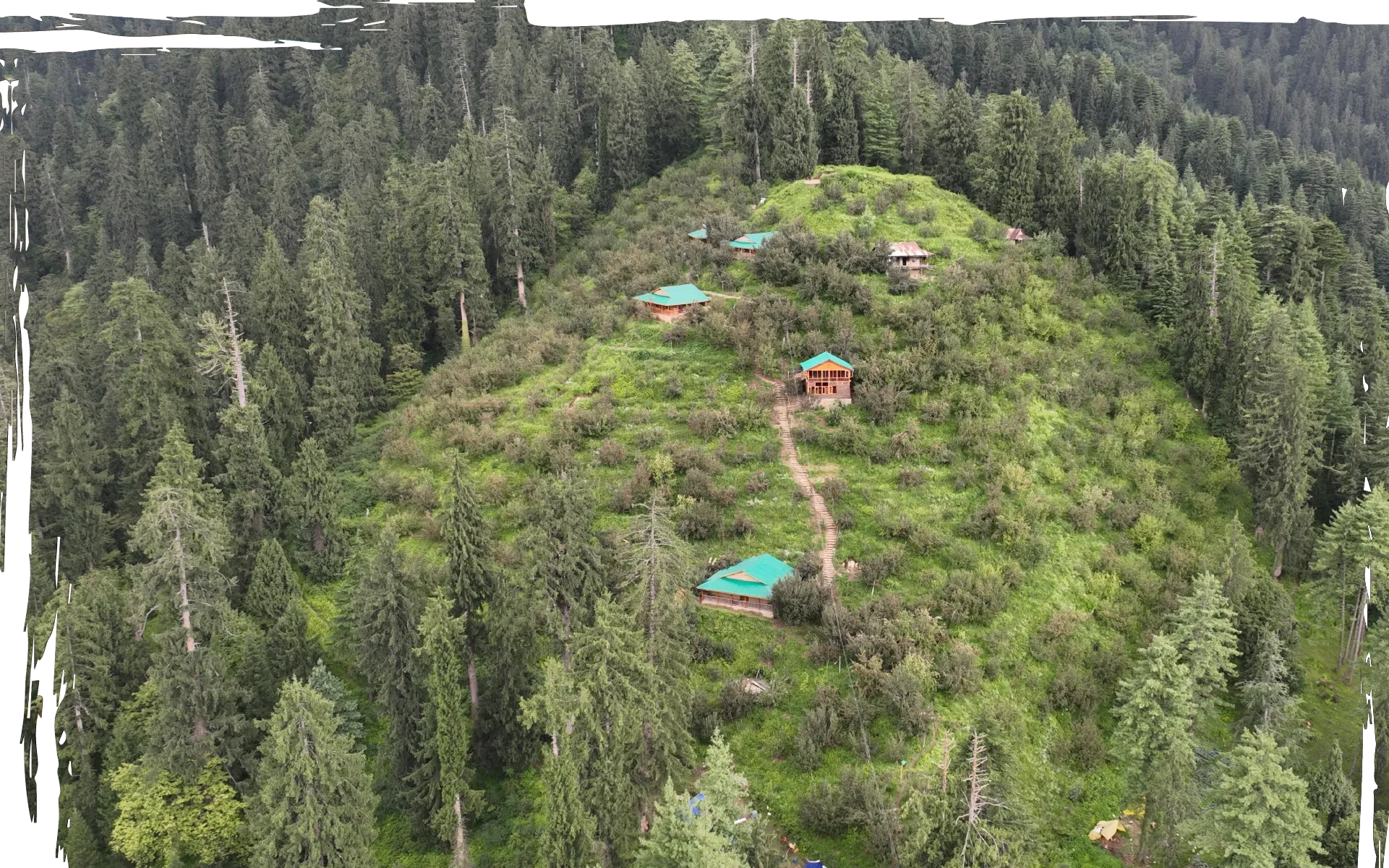
Accommodation in Vashisht ranges from simple, family-run guesthouses and traditional village homestays to scenic riverside camps pitched along the outskirts. Staying directly in the village allows easy access to the hot springs and temple courtyards, while properties located slightly higher on the slopes offer quieter surroundings and wide-open mountain panoramas.
Whether you are looking for an authentic homestay experience with a local family or a secluded tented camp in the surrounding hills, a wide range of stays nearby can be discovered and booked on HireACamp.
Tips for Your Visit
When visiting the temples and public bathing enclosures in Vashisht, dress modestly and follow posted local guidelines regarding footwear and temple etiquette. Because the village features narrow, steep cobblestone steps and uneven walking paths, comfortable walking shoes with good grip are essential.
Temperatures can drop sharply in the evenings even during the summer months, so carrying a fleece or light jacket is always advisable. During the peak summer travel window, traffic between Manali and Vashisht can build up, so walking the hillside trail between the two towns is often the fastest and most scenic option.
Frequently asked questions
What is Vashisht famous for?
Vashisht is best known for its ancient temple dedicated to Sage Vashishta and its natural geothermal sulphur springs, which are said to possess curative properties.
Can visitors bathe in the hot springs at Vashisht?
Yes, public bathing areas are maintained next to the temple with separate enclosed tanks for men and women. Visitors should check locally for practical guidelines and appropriate etiquette before entering.
How far is the Jogini Waterfall trek from Vashisht?
The hike to Jogini Waterfall starts directly from the village of Vashisht and typically takes between forty-five minutes to an hour and a half depending on your pace.
How do you reach Vashisht from Manali?
Vashisht is situated just three to four kilometres from the centre of Manali, easily reached by a short taxi ride, an auto-rickshaw, or a scenic uphill walk.
Does it snow in Vashisht during winter?
Yes, Vashisht regularly experiences snowfall during the peak winter months of December, January, and early February, offering picturesque snowy landscapes and cold mountain weather.
Where you'll be
12 stays nearby shown with prices
Stays near Vashisht
Book a place to stay close by
Things to do in Vashisht
48 places creators recommend within 30 km


Built from 0 Instagram posts by 0 creators. Every tip links back to the post it came from, and where creators disagree we show both sides.






