
Wangat
Destination in Jammu and Kashmir
Wangat is a peaceful mountain village located in the Sindh valley of Jammu and Kashmir, set against the forested foothills of the Harmukh range. Known for its historical stone temple ruins, roaring glacier-fed streams, and scenic walnut groves, it attracts nature enthusiasts, heritage travelers, and trekkers. The village serves as a major gateway for iconic multi-day alpine treks into the high-altitude lakes of Kashmir.
Getting there
About Wangat
Written with AI from map data and general knowledge. Check prices and timings locally before you go.
About Wangat
Situated in the Ganderbal district of Jammu and Kashmir, Wangat rests along a rushing mountain tributary of the Sindh river. The landscape is defined by steep pine-clad slopes, terraced fields, and sprawling walnut orchards that shelter traditional wooden homes. The area carries immense archaeological and cultural significance, most notably for the nearby ancient Wangath temple ruins, which date back to the early medieval era and exhibit early Kashmiri stone architecture set against steep granite crags.
The settlement maintains an unhurried, pastoral rhythm of life. Local families tend to small cattle herds, fruit trees, and terraced plots across the valley floor. The sound of running water is ever-present, originating from the glacial heights of the surrounding mountains. For travelers seeking a tranquil Himalayan retreat away from crowded tourist circuits, Wangat provides fresh mountain air, quiet walking paths, and a genuine glimpse into life in rural Kashmir.
Things to do in and around Wangat
Exploring the historical stone architecture of the Wangath temple complex is among the most popular activities in the area. Visitors can wander through the ancient stone sanctuaries, carved plinths, and weathered water tanks that have stood amidst the forest for centuries. The site offers a fascinating look into the region's ancient engineering and masonry traditions against a quiet mountain backdrop.
Nature walks along the Wangat stream provide another relaxing pastime. Paths wind through pine forests and groves of walnut and birch trees, with plenty of level clearings suitable for riverside picnics and birdwatching. Species such as the Himalayan monal and various mountain flycatchers are frequently spotted in the canopy. The cold, clear mountain waters are also known for trout, and travelers often spend quiet afternoons relaxing along the pebbled banks.
Read more
Trekking and mountain trails
Wangat and its surrounding valley serve as the primary launching pad for high-altitude treks into the Great Lakes region of Kashmir. The most famous route climbs through thick pine woods and subalpine meadows toward Mount Harmukh, eventually reaching the twin alpine lakes of Gangabal and Nundkol. This trail is favored by trekkers from across the world for its dramatic ridgelines, glacial views, and encounters with nomadic shepherd communities.
Day hikers can also find scenic trails leading up the valley ridges for panoramic vistas of the surrounding peaks. These shorter paths pass through Gujjar summer settlements and alpine glades blooming with seasonal mountain wildflowers. Sturdy walking boots and weather-appropriate layers are recommended, and hiring a local guide is advisable for navigating higher trails where cloud cover can roll in quickly.
Places to visit nearby
The location of Wangat makes it a practical base for exploring notable destinations across the Ganderbal region and the wider Kashmir valley. Down the valley lies the revered Mata Kheer Bhawani Temple in Tulmulla, a historic pilgrimage center set amidst sprawling chinar trees and fed by natural spring water. Farther down the road, the protected reserve of Dachhigam Forest offers opportunities to observe native wildlife in a dense mountain habitat.
Travelers can easily plan day trips to Srinagar to experience historic Mughal terraced landscapes such as Harwan Garden, Nishat Bagh, and Shalamar Bagh, all situated along the base of the Zabarwan mountain range. The iconic waters of Dal Lake, with its floating gardens and houseboats, are also within driving reach, while high summits such as Mahadev Peak attract experienced hikers seeking demanding mountain climbs.
Best time to visit Wangat
The spring and summer months from April to September provide the most pleasant weather for visiting Wangat. During spring, wildflowers begin to blossom across the meadows, snow begins to melt off the lower ridges, and the rivers run full. Summer offers comfortable daytime temperatures and mild nights, creating ideal conditions for hiking, camping, and outdoor exploration.
Autumn arrives in late September and lasts through November, blanketing the valley in rich hues of amber, red, and gold as the chinar and walnut leaves turn. Skies during this season are typically dry and deep blue, granting clear views of distant mountain crests. Winter brings heavy snowfall and freezing temperatures, transforming the village into a quiet, snow-covered landscape. Travelers visiting in winter should prepare for severe cold and monitor local weather reports for road access.
How to reach Wangat
Wangat is reached by road from Srinagar, which acts as the major transit gateway for the region. Srinagar International Airport operates regular flights connecting to major cities across India, while the nearest major railway terminal is located at Jammu Tawi. From Srinagar, the drive follows the highway through Ganderbal and along the scenic Sindh river toward Kangan, where a secondary mountain road branches upward into the Wangat valley.
Private taxis can be chartered from Srinagar for direct travel, or travelers can take shared regional vehicles to Kangan and hire local transport for the final leg of the journey. While the route is largely paved, the mountain road narrows as it approaches the upper reaches of the valley. It is always wise to verify current road conditions locally, especially during rainy spells or winter snow.
Where to stay in Wangat
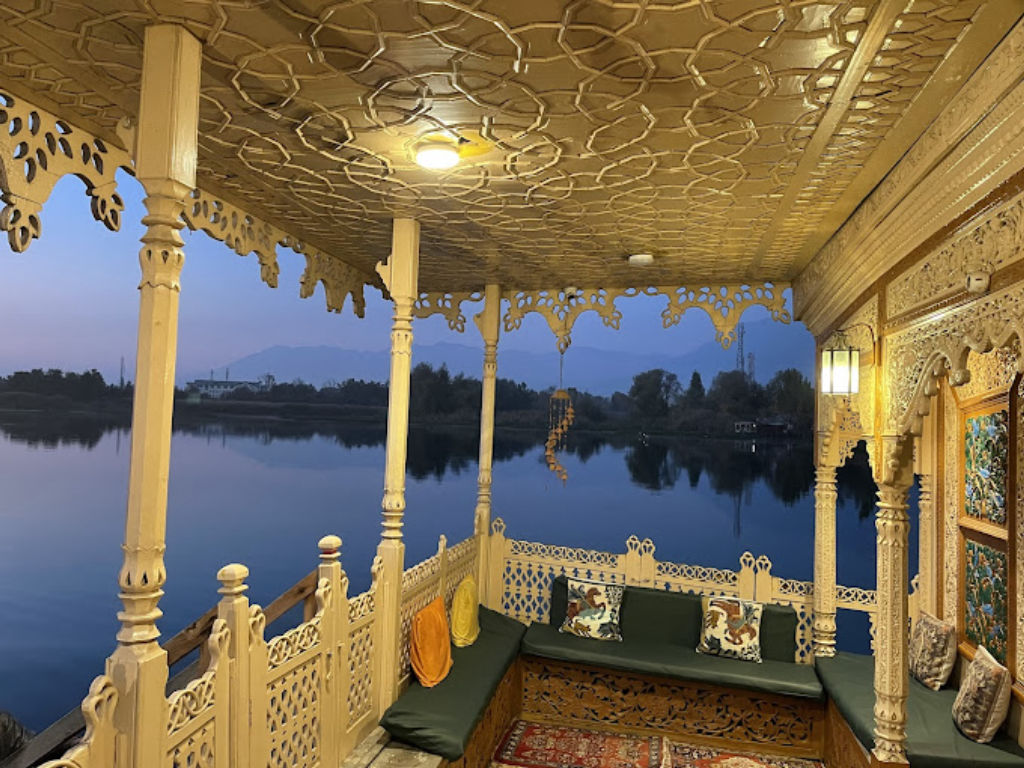
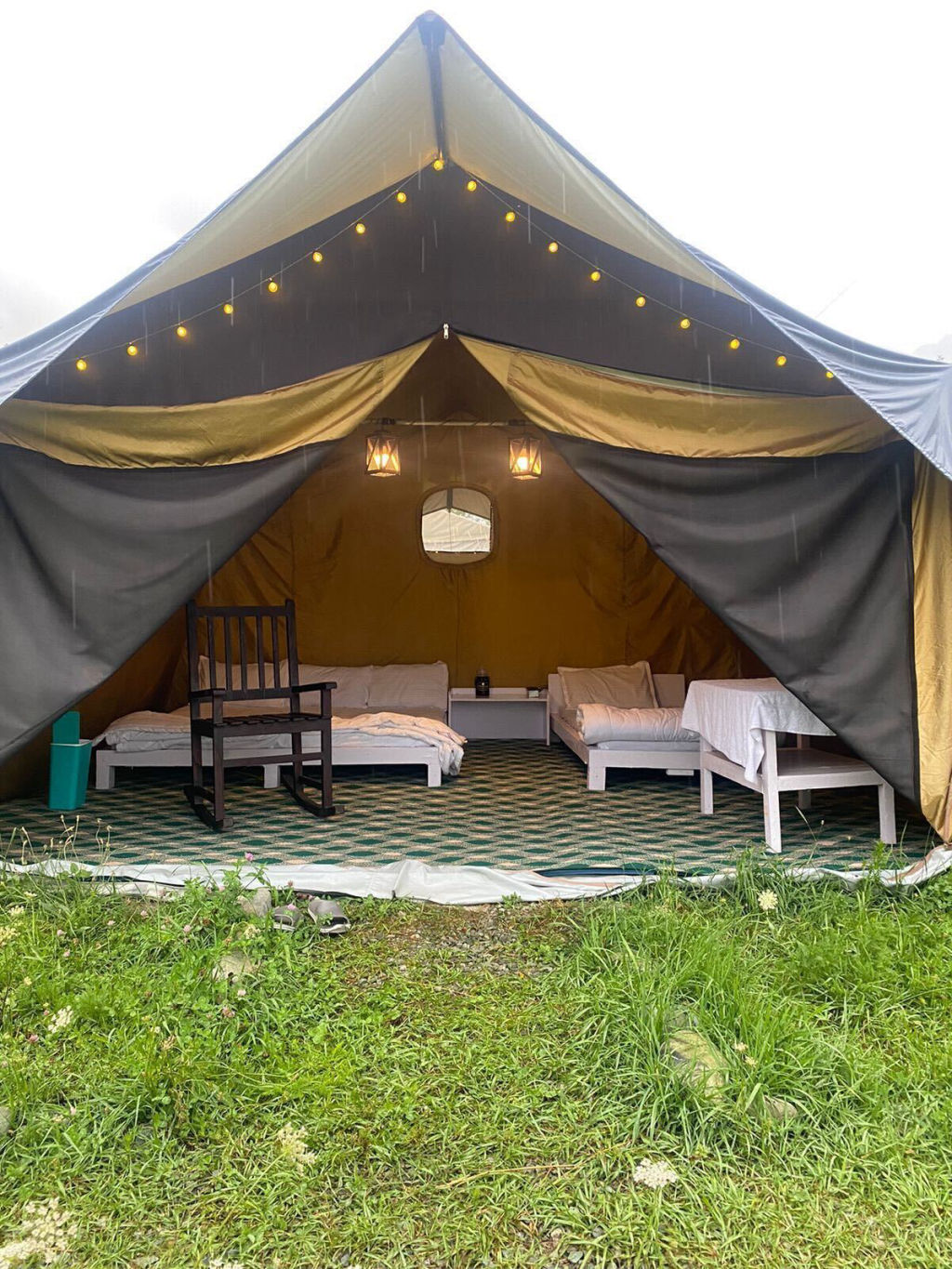
Accommodations around Wangat are designed for outdoor lovers, trekkers, and those who appreciate peaceful mountain living. Visitors can stay in traditional village homestays, rustic guesthouses, and scenic riverside campsites set beneath walnut trees. Homestays offer an authentic view of everyday Kashmiri hospitality, including home-cooked local meals and warmth during cool mountain evenings.
You can discover and book verified campsites, rustic homestays, and nature stays in and around Wangat on HireACamp. Reserving your stay ahead of time is recommended, particularly during the peak summer trekking window between June and September.
Frequently asked questions
What is Wangat best known for?
Wangat is primarily known for its ancient eighth-century stone temple ruins, scenic pine and walnut forests, and its role as the traditional trailhead for treks to Gangabal Lake and Mount Harmukh.
Which trekking routes start near Wangat?
The most famous trek starting near Wangat ascends to the alpine lakes of Gangabal and Nundkol at the base of Mount Harmukh, connecting further into the Great Lakes trekking circuit of Kashmir.
Can Wangat be visited on a day trip from Srinagar?
Yes, Wangat can be reached on a day trip from Srinagar to explore the temple ruins, walk by the river, and enjoy the scenery, though staying overnight allows for a much more immersive experience.
What kind of clothing should I pack for Wangat?
During summer, pack light breathable layers for the daytime along with a warm fleece or light jacket for cool evenings. If visiting in late autumn or winter, heavy woolens, thermal innerwear, and waterproof outer layers are necessary.
Are permits required to visit Wangat?
Visiting the village and temple ruins generally does not require a special permit, but multi-day trekkers venturing into higher alpine passes and border ridges should check current local registration rules before departing.
Where you'll be
2 stays nearby shown with prices
Stays near Wangat
Book a place to stay close by
Things to do in Wangat
48 places creators recommend within 30 km
Built from 0 Instagram posts by 0 creators. Every tip links back to the post it came from, and where creators disagree we show both sides.






