
Sind Valley
Valley near Wail, Jammu and Kashmir
2.2 km from Wail
The nearest town, for stays, food and fuel.
Carved by the glacial waters of the Sind River, Sind Valley is a dramatic Himalayan corridor located near Lar in Jammu and Kashmir. Flanked by rugged mountain ridges, dense pine forests, and terraced orchards, the valley connects the Kashmir plains to the high-altitude trans-Himalayan passes. Travellers visit Sind Valley to experience riverside camping, explore ancient stone ruins, and hike historic mountain trails leading to alpine lakes.
Getting there
By road
- From WailNearest town6 min · 2.9 km
Typical drive times without traffic. Stations and airports from OLA Maps; distances and typical drive times from OpenStreetMap (© OpenStreetMap contributors); notes from creators' Reels.
About Sind Valley
Written with AI from map data and general knowledge. Check prices and timings locally before you go.
The Landscape of Sind Valley
Sind Valley is defined by the roaring flow of the Sind River, one of the primary tributaries of the Jhelum River. Originating from high Himalayan glaciers, the river cuts a deep, fertile rift through the mountains, nourishing green valley floors, walnut groves, and steep slopes blanketed in deodar and pine. The valley spans a dramatic rise in elevation from its lower stretches near Lar and Ganderbal towards the higher reaches that eventually approach Sonamarg and the Zoji La pass.
The scenery shifts noticeably as you move along the valley. At lower elevations, traditional Kashmiri wooden houses and tiered rice paddies sit beside quiet country roads. As the terrain rises, the gorge narrows, the forest thickens, and jagged rock walls tower above the riverbanks. The natural contrast between rushing white water, deep woodland green, and snow-dusted peaks makes it one of the most scenic driving and walking corridors in northern India.
Things to do in Sind Valley
The rushing waters of the Sind River make this valley a celebrated destination for outdoor enthusiasts. Angling for brown and rainbow trout is a classic pursuit in these cold mountain waters, attracting fishing enthusiasts who appreciate quiet stretches along the riverbanks. Travellers interested in angling should inquire locally regarding fishing seasons and permissions.
For those drawn to walking and trekking, the valley serves as a launchpad for legendary trails. Day hikes lead upward into surrounding pine ridges, passing through shepherd settlements and high alpine meadows. Longer expeditions set out from nearby trailheads to high-altitude tarns, including the revered alpine waters of Gangabal Lake nestled at the base of Mount Harmukh. Beyond active pursuits, the valley is ideal for riverside picnics, landscape photography, birdwatching among temperate forest species, and relaxed strolls through quiet villages.
Read more
Heritage and Historic Temples
Sind Valley carries deep historical and spiritual significance that spans centuries. Deep within the tributary valleys lies Naranag, home to the ancient Wangath Temple complex. These stone ruins, dating back to early medieval Kashmir, feature weathered granite sanctums, monolithic stone pillars, and holy spring tanks dedicated to Shiva, framed dramatically against pine-covered cliffs.
Closer to the base of the valley lies the revered shrine of Mata Kheer Bhawani at Tulmulla, dedicated to the goddess Ragnya Devi. Centered around a sacred spring whose waters are believed to change color, the shrine is a vital pilgrimage site deeply woven into the spiritual fabric of the region. Exploring these historical and religious landmarks offers a profound look into the classical architectural heritage and spiritual roots of the valley.
Best time to visit Sind Valley
Sind Valley undergoes distinct seasonal shifts, each offering a completely different atmosphere for travellers. Spring arrives from late March through May, waking the valley with melting snow, rushing river volumes, and vibrant fruit blossoms across apple and walnut orchards. Daytime temperatures during spring are cool and comfortable, though nights remain chilly.
Summer, spanning June through August, brings warm weather and lush green foliage across the meadows and ridges. This is the prime season for camping, trekking, and exploring high mountain passes without cold-weather restrictions. By September and October, autumn transforms the landscape into shades of amber, bronze, and gold as chinar leaves turn and the air becomes crisp and dry. Winter, starting from late November, brings freezing temperatures and frequent snowfall to the upper valley, turning the landscape white and appealing to those who enjoy quiet, winter wonderland settings.
Places to visit nearby
Sind Valley sits in close proximity to a wealth of natural and cultural landmarks. Just a short drive away lies Manasbal Lake, renowned for its crystal-clear water, abundant lotus blooms in summer, and excellent birdwatching along calm shorelines. Anchar Lake, located further down toward the valley basin, provides another glimpse of Kashmir's interconnected wetland ecosystems.
Because the valley branches off near the Srinagar perimeter, visitors are within straightforward driving reach of iconic regional attractions. The famous Mughal gardens, including Shalimar Bagh and Harwan Garden, lie along the nearby mountain foothills, showcasing Persian-style water channels and tiered terraced lawns. Travelers can also easily combine a trip to the valley with visits to Dal Lake, Nigeen Lake, and historic spiritual landmarks such as the Hazratbal Dargah.
How to reach Sind Valley
Sind Valley begins near the town of Lar and the district hub of Ganderbal, located northeast of Srinagar. The most convenient gateway for air travellers is Srinagar Airport, which operates domestic flights from major Indian cities. From the airport or Srinagar city center, visitors can reach the entrance of the valley by hiring a local taxi or boarding shared regional transport.
For rail passengers, Jammu Tawi and Udhampur serve as the primary long-distance railway stations, from which travelers continue by road along the national highway toward the Kashmir Valley before heading toward Lar. Road travel through Sind Valley follows well-paved mountain routes, though driving conditions can vary depending on weather, winter snow clearance, or seasonal traffic. Checking local road reports before setting out is always recommended.
Tips for your visit
Due to its elevation and river-valley setting, temperatures in Sind Valley can drop sharply after sunset even during warm summer months. Packing layers, including a sturdy windbreaker and warm fleece, is essential for staying comfortable. If you plan to hike or walk along unpaved riverbanks, bring broken-in walking shoes or trekking boots with good grip on damp stones.
Mobile phone connectivity is generally reliable along main road sections near Lar, but network coverage can become patchy when entering side valleys and higher trailheads. Carrying sufficient cash is advisable, as electronic payment networks and automated teller machines may not be readily available in smaller villages. When visiting sacred springs, shrines, and temple ruins, dress modestly and respect local customs.
Where to stay in Sind Valley
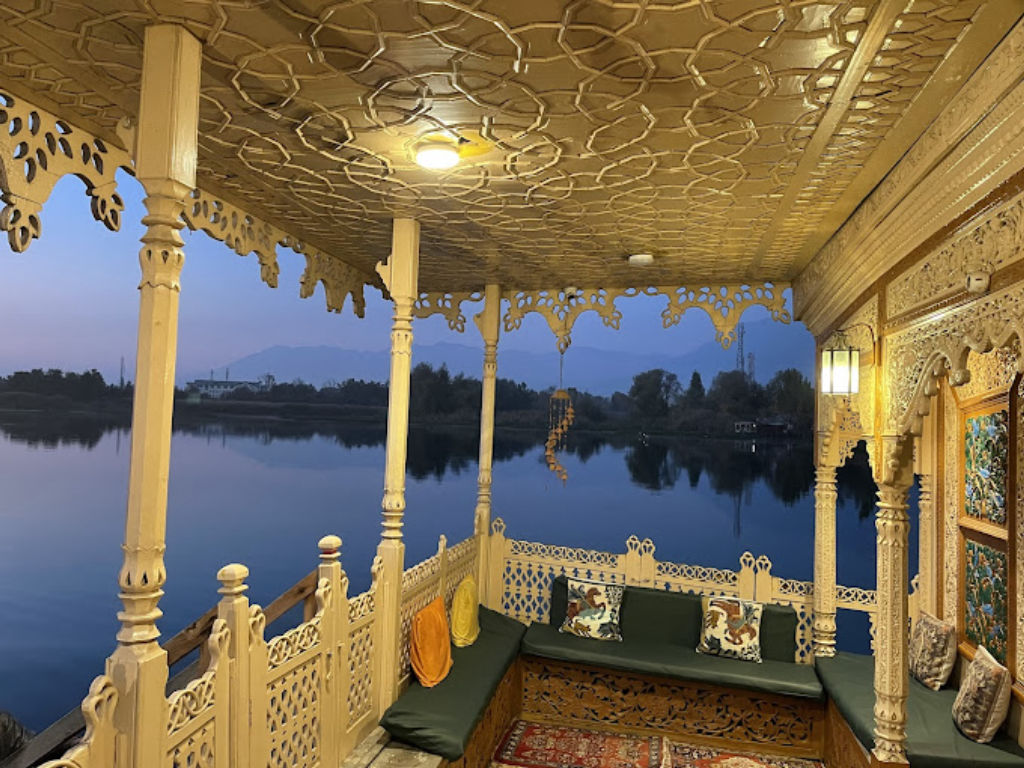
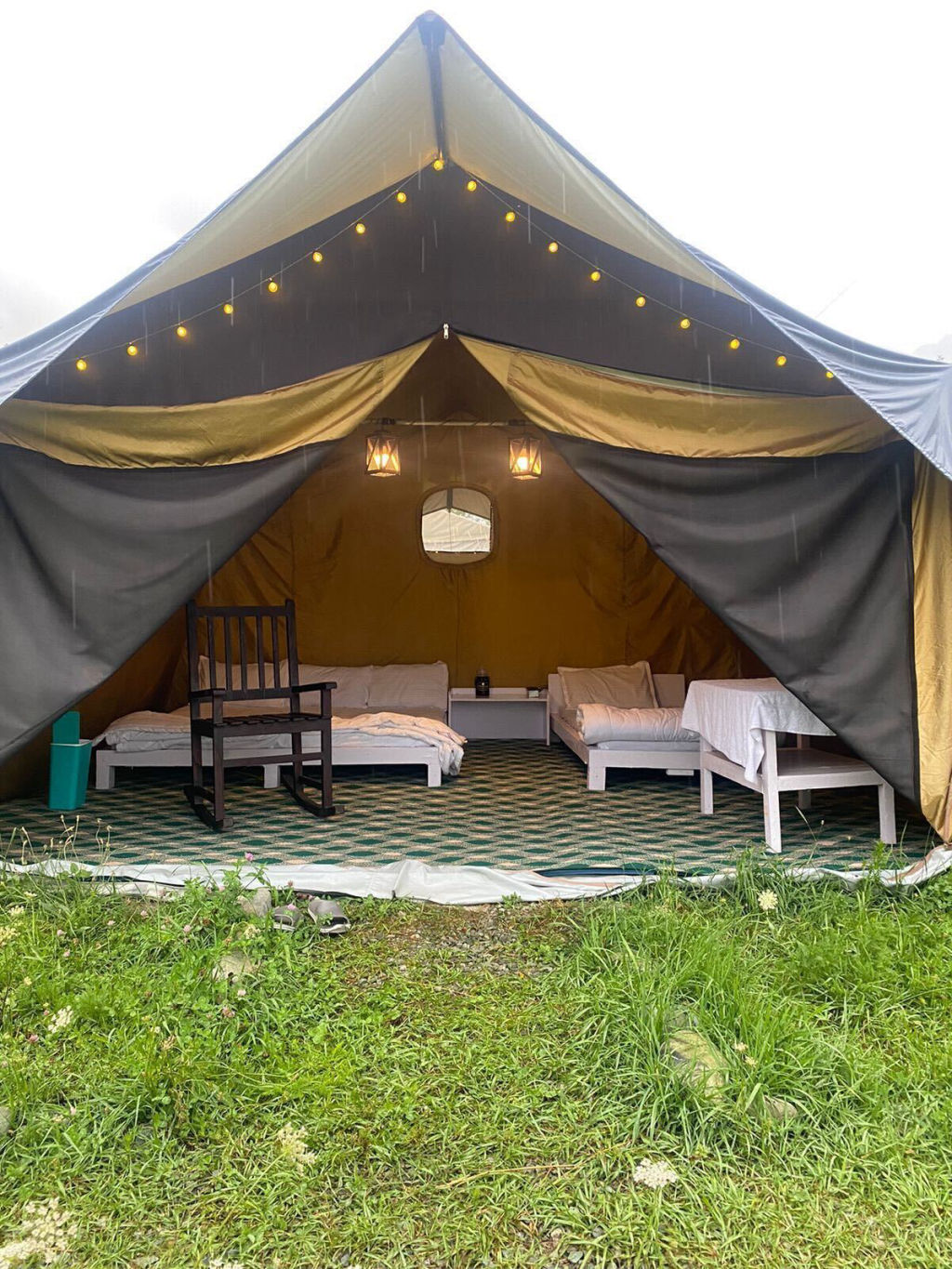
Accommodation options in and around Sind Valley are tailored toward travellers seeking an authentic outdoor and cultural experience. Riverside campsites situated on the grassy banks of the Sind River offer an immersive way to fall asleep to the sound of rushing mountain water and wake up to forest views.
Traditional village homestays and mountain cottages in the nearby settlements provide warm local hospitality, authentic home-cooked meals, and a closer look at everyday life in the valley. You can discover and book verified campsites, peaceful riverside cabins, and characterful homestays in Sind Valley directly through HireACamp.
Frequently asked questions
Where is Sind Valley located?
Sind Valley is located near Lar and Ganderbal in Jammu and Kashmir, carved by the Sind River along the route leading northeast from the Srinagar basin toward the higher Himalayas.
What is Sind Valley best known for?
The valley is famous for its rushing trout-filled river, alpine pine forests, riverside camping, and its role as the gateway to ancient temples like Naranag and alpine treks to Gangabal Lake.
Which ancient temples can be visited in Sind Valley?
Visitors can explore the historic Wangath and Naranag temple ruins nestled in the valley, as well as the revered Mata Kheer Bhawani temple located near Tulmulla.
When is the best time of year to visit Sind Valley?
The best time to visit is from April to October, with summer offering ideal conditions for trekking and camping, while autumn provides clear skies and striking golden foliage.
Can I camp along the river in Sind Valley?
Yes, Sind Valley is a favored destination for outdoor stays, with verified riverside camping grounds and homestays available to book through HireACamp.
Where you'll be
Lar · 2 stays nearby shown with prices
Stays near Sind Valley
Book a place to stay close by
More places near Sind Valley
Within 20 km
Built from 0 Instagram posts by 0 creators. Every tip links back to the post it came from, and where creators disagree we show both sides.






