
Wayanad Wildlife Sanctuary
Wildlife sanctuary near Muthanga, Kerala
2.6 km from Muthanga
The nearest town, for stays, food and fuel.
Wayanad Wildlife Sanctuary is an expansive forest reserve located in the Wayanad district of Kerala, forming a vital part of the Nilgiri Biosphere Reserve. Known for its dense deciduous woodlands and thriving populations of Asian elephants and gaurs, it connects key ecological corridors across South India. Travellers and nature enthusiasts visit to experience guided forest drives, quiet wilderness trails, and the scenic beauty of the Western Ghats.
Getting there
By road
- From MuthangaNearest town13 min · 3.5 km
- From Mysuru2 hr 20 min · 103 km
- From Bengaluru4 hr 30 min · 253 km
- From Coimbatore4 hr 35 min · 198 km
Typical drive times without traffic. Stations and airports from OLA Maps; distances and typical drive times from OpenStreetMap (© OpenStreetMap contributors); notes from creators' Reels.
About Wayanad Wildlife Sanctuary
Written with AI from map data and general knowledge. Check prices and timings locally before you go.
About Wayanad Wildlife Sanctuary
Wayanad Wildlife Sanctuary covers an extensive swathe of forested hill country along the eastern edge of Kerala. Established in the early 1970s, it is an integral component of the Nilgiri Biosphere Reserve, standing contiguously with other major protected areas across interstate borders. The reserve protects vital elephant migratory corridors and shelters a broad spectrum of Western Ghats flora and fauna.
The topography transitions between moist deciduous forests, semi-evergreen pockets, and teak plantations, broken intermittently by stream beds and seasonal watering holes. Because of its ecological connectivity, the forest serves as a safe haven for large mammals that wander across regional boundaries throughout the changing seasons.
Flora and Fauna of the Sanctuary
The sanctuary is particularly famous for its healthy herds of Asian elephants, which are frequently spotted grazing near tree lines or congregating at forest water points. Alongside elephants, the jungle supports substantial populations of Indian gaur, sambar deer, spotted deer, barking deer, and wild boars. While apex predators such as Bengal tigers and leopards maintain territories within the sanctuary, sightings of these elusive cats require patience and luck.
Bird life within the sanctuary is equally diverse, making it a rewarding destination for birdwatchers. Commonly recorded species include the Malabar grey hornbill, crested serpent eagle, emerald dove, scarlet minivet, and various species of woodpeckers, kingfishers, and flycatchers. The understory also harbors endemic reptiles, amphibians, and a vibrant variety of butterflies that flourish in the humid, sheltered microclimates of the forest floor.
Read more
Best Time to Visit Wayanad Wildlife Sanctuary
The months from October to March are widely regarded as the most comfortable time to visit the sanctuary. During this post-monsoon and winter window, temperatures remain moderate and pleasant, vegetation is lush, and forest paths are generally dry enough for smooth travel. Morning air is often crisp and mist-covered, offering picturesque light for wildlife photography.
As the region transitions into the dry pre-monsoon summer between March and May, water holes deep in the forest dry out, drawing animals out to visible water bodies along the perimeter and safari trails. However, mid-day heat can be intense during this time. The monsoon season, usually running from June to September, brings intense downpours that revitalize the forest but can lead to muddy roads and temporary restrictions on safari operations. Visitors should check locally for current forest department updates before planning an outing during rainy spells.
Safari Experience and Forest Drives
Vehicle safaris organized by forest authorities offer visitors the safest and most practical way to explore designated tourism zones within the sanctuary. These drives take travellers along dirt tracks that wind through bamboo thickets, teak stands, and forest clearings where herbivores commonly graze during cooler hours of the day.
Safaris typically operate during early morning and late afternoon windows when wild animals are most active and likely to move out of the dense brush. Because vehicle entries are strictly controlled to minimize environmental impact and disturbance to wildlife, spaces are limited. It is best to arrive early at designated forest department counters to arrange permits and verify local scheduling on the day of your planned drive.
How to Reach Wayanad Wildlife Sanctuary
Wayanad Wildlife Sanctuary is situated in the hill district of Wayanad, accessible by well-connected road networks from major cities in Kerala, Karnataka, and Tamil Nadu. The sanctuary lies along or close to regional highways connecting Kozhikode, Mysuru, and Bengaluru. Drive routes typically wind through scenic ghat roads and forested border corridors that provide views of plantation hillsides and nature reserves.
For those travelling by air or rail, Kozhikode serves as the primary regional transport hub on the Kerala side, while Mysuru is the nearest major railhead on the Karnataka side. From either transit point, state-run buses, private taxis, and self-drive vehicles provide dependable connectivity into the hills of Wayanad.
Places to Visit Around Wayanad
The region surrounding the sanctuary offers an abundance of ecological and scenic attractions within easy driving distance. Just across the state lines lie Mudumalai Tiger Reserve and Bandipur National Park, allowing visitors to continue their exploration of the greater Nilgiri wilderness landscape across distinct scrub and dry-deciduous terrains.
For travellers seeking waterfalls and nature views, Chethalayam Falls and Soochipara Falls provide opportunities to view cascading mountain streams set against steep rock faces and dense canopy. Further along the mountain routes toward the Nilgiri hills, viewpoints such as Needle Rock View Point and scenic freshwater destinations like Pykara Lake and Pykara Waterfall provide sweeping vantage points across the rolling Western Ghats plateau.
Tips for a Responsible Visit
To ensure both personal safety and the preservation of wild habitats, visitors must follow established forest regulations during their trip. Always maintain low noise levels inside the sanctuary, as loud talking and music startle wildlife and disrupt sightings for other visitors. Never disembark from your designated safari vehicle unless explicitly directed to do so by a licensed forest guide at an approved post.
Avoid wearing bright, synthetic colors; earth tones like olive, brown, and khaki blend best with the natural surroundings. Carrying drinking water in reusable bottles is strongly advised, and all litter must be brought back out of the reserve. Feeding wildlife or attempting to approach animals on the roadside is strictly prohibited and dangerous.
Where to Stay Near the Sanctuary
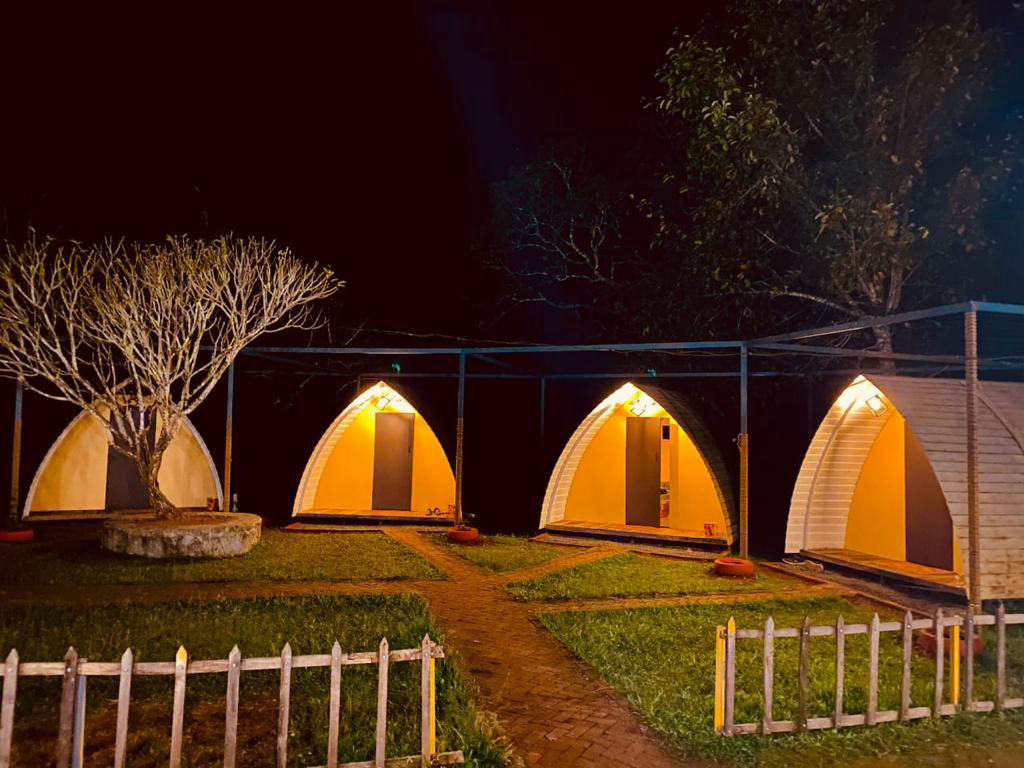
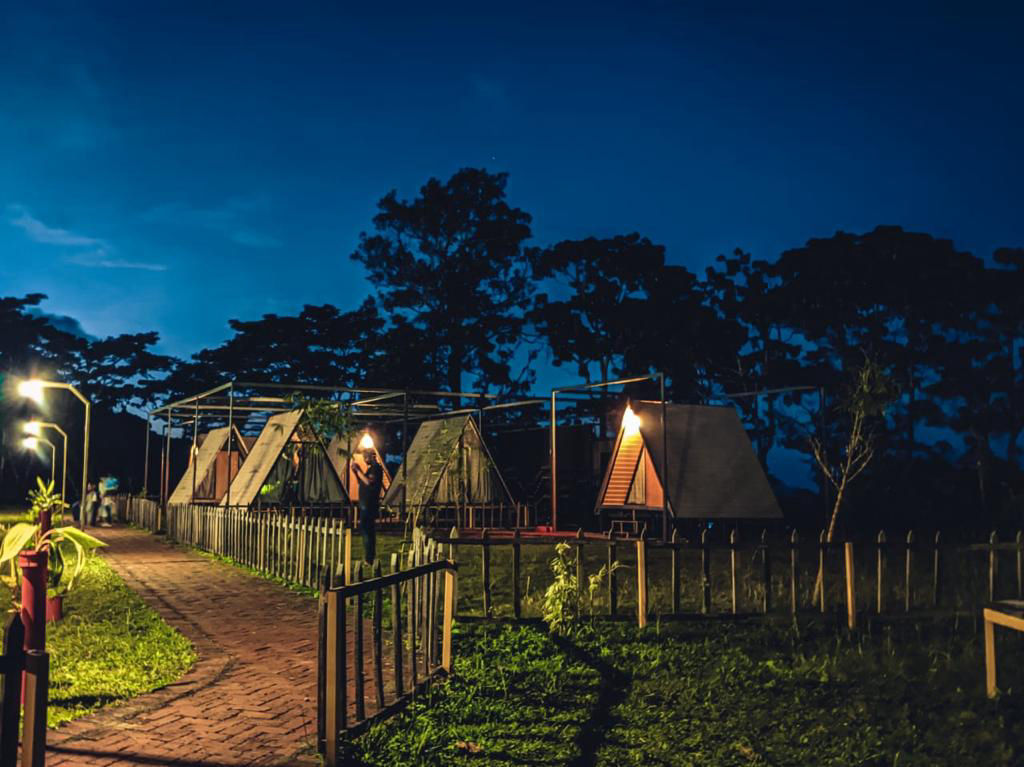
The Wayanad region provides a wide variety of tranquil accommodations that place travellers close to nature. Options range from coffee and spice plantation homestays to rustic wilderness campsites and eco-friendly cottages scattered across the quiet valleys around the sanctuary perimeter.
Staying outside the core reserve boundary allows travellers to enjoy the sounds of the night forest while remaining within an easy morning drive of safari entry gates. You can find and book vetted nature camps, experiential stays, and homestays across Wayanad on HireACamp to suit your travel pace and preferred setting.
Frequently asked questions
What wildlife can you see in Wayanad Wildlife Sanctuary?
Visitors commonly spot Asian elephants, Indian gaurs, spotted deer, sambar deer, and wild boars. The sanctuary is also home to leopards, Bengal tigers, and diverse bird species like hornbills and woodpeckers, though predator sightings depend on luck and season.
What is the best time to visit Wayanad Wildlife Sanctuary?
The most pleasant period to visit is from October to March, when the weather is mild and the forest is vibrant after the monsoons. Summer months from March to May can also yield good wildlife sightings around water holes, while heavy monsoon rains between June and September may cause safari disruptions.
How do safari bookings work at Wayanad Wildlife Sanctuary?
Forest safaris are managed directly by the Kerala Forest Department in designated zones. Visitors should check locally at official forest counters for updated safari schedules, entry requirements, and counter booking availability.
Is Wayanad Wildlife Sanctuary connected to other national parks?
Yes, Wayanad Wildlife Sanctuary shares borders and ecological corridors with Bandipur National Park and Nagarhole in Karnataka, as well as Mudumalai Tiger Reserve in Tamil Nadu, forming part of the larger Nilgiri Biosphere Reserve.
What should I wear for a safari in Wayanad?
Wear comfortable, breathable cotton clothing in neutral tones like green, brown, or khaki to blend into the forest landscape. Avoid bright clothing, strong perfumes, and carry light layers for cooler early morning drives.
Where you'll be
Wayanad · 3 stays nearby shown with prices
Stays near Wayanad Wildlife Sanctuary
Book a place to stay close by

More places near Wayanad Wildlife Sanctuary
Within 20 km


Built from 0 Instagram posts by 0 creators. Every tip links back to the post it came from, and where creators disagree we show both sides.






