
Ziyarat Shareef Sakhi Zain Ud Din Wali
Heritage & Culture near Aish Maqam, Jammu and Kashmir
200 m from Aish Maqam
The nearest town, for stays, food and fuel.
Ziyarat Shareef Sakhi Zain Ud Din Wali is an esteemed Sufi shrine situated on a forested hillock in the town of Aishmuqam, Jammu and Kashmir. Perched along the road connecting Anantnag and Pahalgam, it commemorates Baba Zain-ud-Din Wali, one of the prominent disciples of Kashmir's patron saint Sheikh Noor-ud-Din Wali. Travellers and pilgrims visit to explore the historical cave sanctuary, experience Kashmir's syncretic spiritual heritage, and take in panoramic views of the Lidder Valley below.
Getting there
By road
- From Aish MaqamNearest town13 min · 2.7 km
- From Amritsar8 hr · 385 km
Typical drive times without traffic. Stations and airports from OLA Maps; distances and typical drive times from OpenStreetMap (© OpenStreetMap contributors); notes from creators' Reels.
About Ziyarat Shareef Sakhi Zain Ud Din Wali
Written with AI from map data and general knowledge. Check prices and timings locally before you go.
History and significance of Ziyarat Shareef Sakhi Zain Ud Din Wali
Ziyarat Shareef Sakhi Zain Ud Din Wali holds a sacred place in the spiritual landscape of Jammu and Kashmir. The shrine is dedicated to Hazrat Sakhi Zain-ud-Din Wali, a revered fourteenth-century Sufi saint who belonged to the Rishi order of Kashmir. Historical tradition recounts that he was born into a royal family in Rajasthan and later came under the tutelage of Sheikh Noor-ud-Din Noorani, affectionately known across Kashmir as Nund Rishi. Under the guidance of his master, Zain-ud-Din chose an ascetic path of devotion, service, and meditation.
Upon arriving in the hill town of Aishmuqam, the saint sought solitude for his spiritual contemplation in a natural cave nestled in the mountainside. Over time, his presence drew people from across diverse communities who sought solace, guidance, and blessing. Today, the complex remains an enduring emblem of the region's syncretic culture, where people of all faiths arrive to pay their respects and absorb the quiet atmosphere of the sanctuary.
The cave shrine and architectural layout
The shrine complex is located on an elevated ridge overlooking the town of Aishmuqam. Visitors approach the site by ascending a long flight of stone stairs that wind uphill through terraced approaches and arched entryways. The climb offers an immersive sense of arrival, with glimpses of traditional Kashmiri timber-and-brick houses giving way to broader vistas of the surrounding mountain slopes.
At the summit stands the main shrine building, built in the classical regional tradition featuring tiered gables, lattice woodwork, and a tranquil courtyard. The focal point of the complex is the sacred subterranean cave where Hazrat Zain-ud-Din Wali lived and meditated. A narrow corridor leads visitors directly into the natural cavern, kept softly lit and reverent. Relics attributed to the saint are preserved within the shrine grounds, deepening the tangible connection to medieval Kashmiri history.
Read more
The Zool festival and cultural traditions
One of the most notable cultural events associated with Ziyarat Shareef Sakhi Zain Ud Din Wali is the annual Urs, celebrated in the month of April. The festivities centre around a time-honoured ritual known locally as Zool, which translates to illumination. During this night, thousands of devotees gather at the shrine holding flaming torches made from resinous pine wood called mashals.
As dusk falls, the entire hill of Aishmuqam is illuminated by hundreds of glowing torches moving in coordinated procession up the stone steps. This spectacle marks the end of winter darkness and is celebrated as a herald of spring, agriculture, and renewal. It is a communal gathering that draws observers and worshippers from all over the valley, reflecting age-old regional traditions passed down through generations.
Best time to visit
The shrine is accessible throughout the year, but the experience changes markedly with the seasons of Kashmir. The spring months of April and May bring pleasant daytime temperatures, blossoming orchards across the valley, and the opportunity to witness the vibrant atmosphere of the Zool festival if your travel aligns with the local calendar.
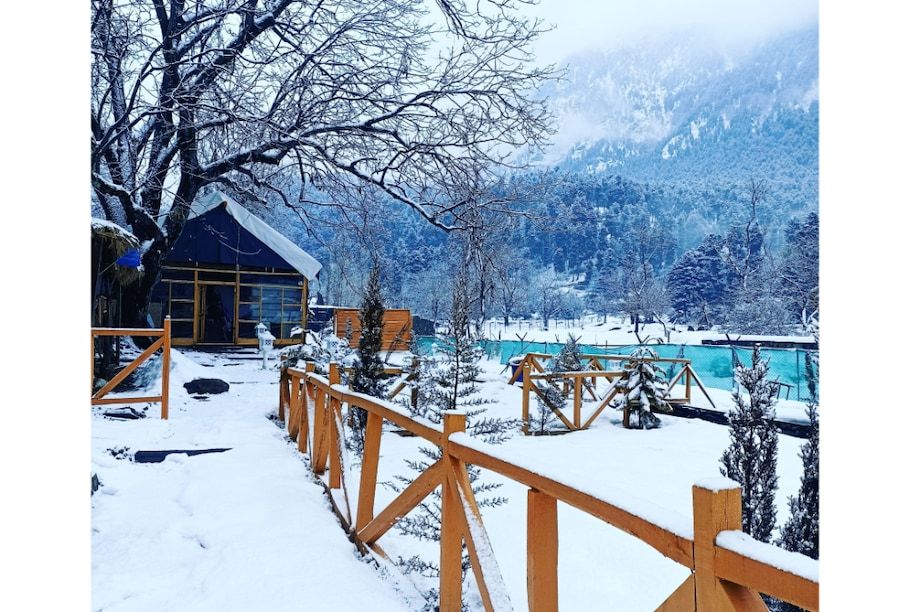
Summer, spanning June to August, provides mild, cool mountain weather, making it an ideal halt during a broader road trip through the Lidder Valley or toward Pahalgam. Autumn arrives from September to November with clear skies, crisp mountain air, and the turning of chinar leaves into shades of amber and gold. Winter transforms the village under blankets of snow; while the steps can be slippery during severe cold, the surrounding snow-draped pine ridges present a serene, contemplative setting for those comfortable traveling in winter conditions.
How to reach Ziyarat Shareef Sakhi Zain Ud Din Wali
Ziyarat Shareef Sakhi Zain Ud Din Wali is situated directly along the KP Road in the Pahalgam sub-district, roughly 20 kilometres before Pahalgam town and approximately 15 kilometres north of Anantnag. The nearest airport is in Srinagar, around 75 kilometres away, from where shared taxis and private cabs regularly ply along the national highway before turning onto the Khanabal-Pahalgam road.
Travellers using public transport can take a shared sumotaxi or local bus from Srinagar or Anantnag heading directly to Pahalgam, requesting a drop-off at the Aishmuqam market junction. From the main road, the entrance steps to the shrine are within short walking distance. Vehicles can approach the lower parking areas near the base of the hill, after which visitors must proceed up the stone stairs on foot.
Tips for your visit
Visiting the shrine requires climbing a substantial flight of stairs, so wearing comfortable walking shoes that are easy to remove at the shrine entrance is advised. Those with mobility issues may want to ascend slowly and make use of the resting landings along the staircase.
Modest attire is expected out of respect for local customs and religious practices. Visitors should ensure their shoulders and legs are fully covered, and both men and women are required to cover their heads with a scarf, cap, or handkerchief before entering the sanctum. Photography may be restricted inside the cave chamber and the central tomb area, so it is best to observe posted signs and ask shrine attendants before taking pictures. Checking locally for any ongoing prayers or special gatherings will help you plan your entry smoothly.
Places to visit nearby
Due to its central position in the Anantnag district, a trip to Ziyarat Shareef Sakhi Zain Ud Din Wali combines easily with other historical and natural sites in the region. About 12 kilometres to the south lie the dramatic stone ruins of the Martand Sun Temple, built in the eighth century on an open plateau that commands vast views across the Kashmir valley.
Nearby at Mattan, visitors can explore the ancient Mattan Temple and spring complex along with the historical Gurudwara Shri Mattan Sahib. Continuing northward along the highway brings you into the lush expanse of the Lidder Valley, renowned for its trout streams, dense pine forests, and alpine meadows surrounding Pahalgam. Further south toward Anantnag, you can visit the historic springs and gardens of Sherbagh or stop by local trout rearing farms situated along the Lidder River.
Where to stay
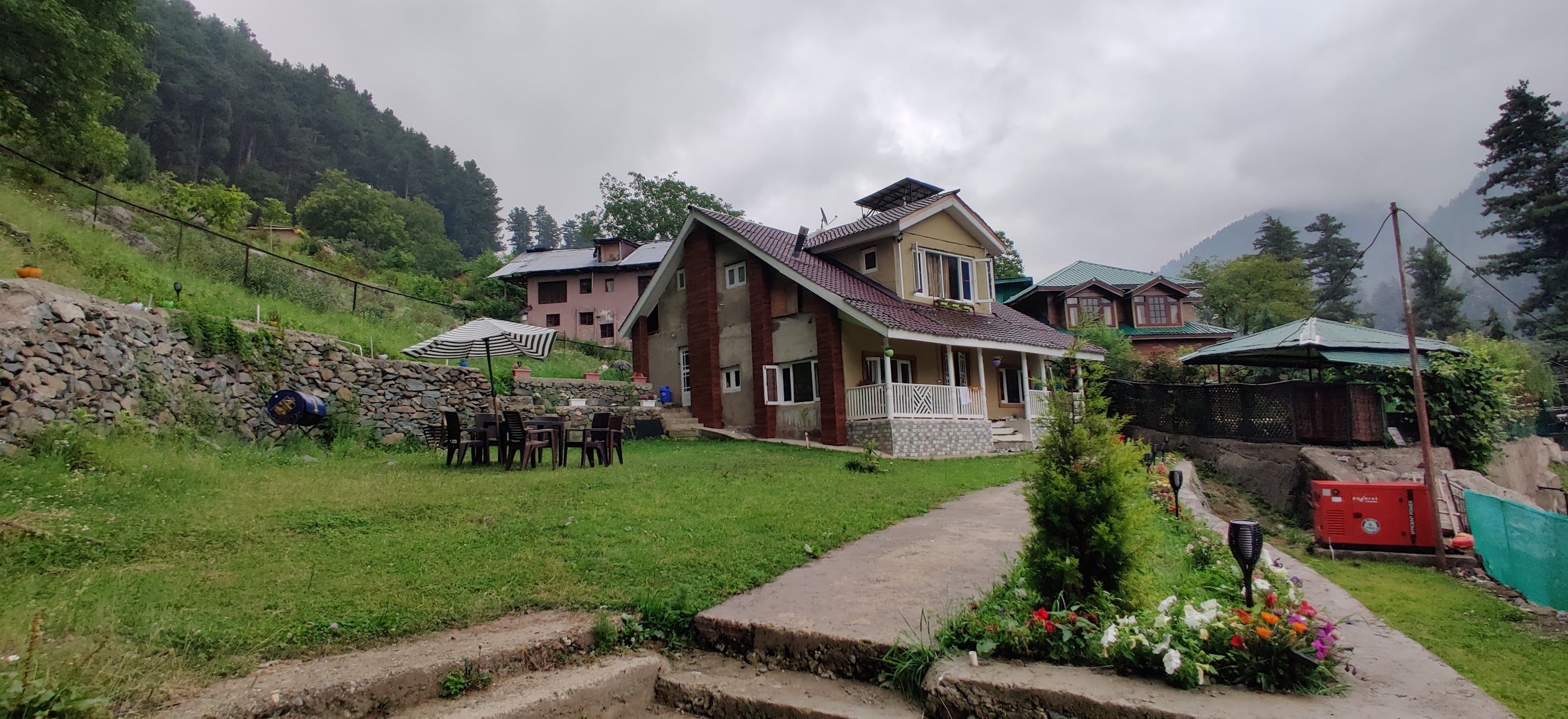
Because Aishmuqam sits along the main route between Anantnag and Pahalgam, travellers have a diverse range of accommodations available in the surrounding valley. Staying in the immediate vicinity offers quiet countryside views, traditional village walks, and immediate access to the shrine steps early in the morning.
A few kilometres further up the river, Pahalgam provides an extensive selection of scenic riverside properties, riverside cottages, and peaceful village setups. For those interested in rural immersion, outdoor settings, and warm Kashmiri hospitality, camps, homestays, and other stays nearby can be found on HireACamp. Booking in advance is recommended during peak summer months and the autumn foliage season.
Frequently asked questions
Do I have to climb stairs to reach Ziyarat Shareef Sakhi Zain Ud Din Wali?
Yes, reaching the shrine requires climbing a series of stone steps built into the hillside from the base of Aishmuqam village. There are several terraces and resting points along the way where visitors can pause.
What is the dress code for visiting the shrine?
Visitors must dress modestly with arms and legs covered. You are also required to cover your head with a cap or scarf and remove your footwear before entering the indoor prayer halls and the sacred cave.
What is the Zool festival celebrated at Aishmuqam?
The Zool festival is an annual torchlight ritual celebrated during the Urs of Sakhi Zain-ud-Din Wali in spring. Thousands of devotees illuminate the hillside using wooden torches called mashals to celebrate renewal and the legacy of the saint.
Is the shrine open to people of all religions?
Yes, Ziyarat Shareef Sakhi Zain Ud Din Wali is open to visitors of all cultural and religious backgrounds, embodying Kashmir's pluralistic Sufi-Rishi heritage.
How long does a visit to the shrine take?
Most visitors spend between one and two hours at the site, which allows enough time to climb the steps, visit the cave chamber, spend a few moments in contemplation, and enjoy the surrounding valley views.
Where you'll be
Kp Road, Pahalgam Sub-District · 2 stays nearby shown with prices
Stays near Ziyarat Shareef Sakhi Zain Ud Din Wali
Book a place to stay close by
More places near Ziyarat Shareef Sakhi Zain Ud Din Wali
Within 20 km
Built from 0 Instagram posts by 0 creators. Every tip links back to the post it came from, and where creators disagree we show both sides.






