Forts near Varak
This guide covers historic hill forts located within 40 kilometres of Varak across the Sahyadri mountains of Maharashtra. Featuring routes that range from gentle plateau walks to demanding ridge climbs, it suits trekkers, history enthusiasts, and weekend travellers. Discover ancient stone ramparts, rock-cut water cisterns, and sweeping valley viewpoints across the Western Ghats.
Top hill forts near Varak
The rugged ridgelines surrounding Varak are dotted with fortifications that served as sentinels across the Western Ghats. Fort Kailasgad is situated roughly 6 kilometres from Varak near Vaduste, overlooking the Mulshi Lake catchment area and valleys dropping toward the Konkan. The trail up the hill is relatively quiet, leading visitors through woodland toward old stone-cut cisterns and weathered ramparts.
Lohagad Fort and Korigad Fort are among the most frequently visited destinations in the area. Rising above the Pawna Lake basin near Lonavala, Lohagad Fort features grand stone gates, intact battlements, and panoramic outlooks over the valleys. Korigad Fort, situated near Peth Shahapur, is known for its wide summit plateau, well-preserved perimeter walls, and freshwater ponds, making it a favoured route for day hikers. Nearby in the Raigad district, Sudhagad Fort offers an expansive highland plateau and formidable fortifications that recall centuries of regional history.
Historic bastions of the Sahyadris
For travellers drawn to Maratha history and longer mountain ascents, several renowned fortifications lie within easy driving range of Varak. Raigad Fort stands high upon a wedge-shaped plateau above the Konkan valleys, celebrated as the historic capital of the Maratha Empire under Chhatrapati Shivaji Maharaj. Visitors hike or take the approach trail to explore its grand stone gateways, royal ruins, and monuments, often visiting Fort Pachad Kot at the base of the hill.
Torna Fort, also known as Prachandagad, rises as one of the highest hill forts in Pune district and was the first fort captured by Chhatrapati Shivaji Maharaj in his youth. Its rugged ridge paths and towering bastions provide an invigorating climb. In the Bhuleshwar range, Sinhagad Fort presents a vigorous uphill hike, ancient stone bastions, and expansive views over surrounding valleys. Further north near Pawna Lake, Tung Fort rises in a sharp conical peak that once served as a strategic watchtower, while the trail at Visapur Fort famously leads hikers up stone-cut steps that carry running streams during rainy periods.
Best seasons for exploring the forts
The Western Ghats experience distinct seasonal changes that shape every hike. The monsoon months, from late June to September, blanket the Sahyadri hills in thick greenery, flowing streams, and low-hanging cloud. Sites such as Lohagad Fort and Visapur Fort see many visitors during this period as seasonal waterfalls cascade down rock paths, while Rajmachi Point near Khandala provides vantage views across mist-filled gorges.
From October to February, cooler temperatures and clear horizons make trekking across open summits comfortable, especially on exposed plateaus such as those at Korigad Fort, Sudhagad Fort, or Tikona Fort. The summer months from March to May bring high heat and dry landscapes, meaning any outdoor hike should be started early in the morning to avoid midday sun.
Trail practicalities and safety
Trekking in the Sahyadris requires careful preparation, as facilities on the hilltops are minimal. Stone steps cut into the rock at forts like Sarasgad Fort or Tung Fort can be steep and worn smooth, requiring sturdy footwear with reliable traction, especially when wet from rain or dew.
Water cisterns on fort plateaus should not be assumed safe for drinking without purification, so carry sufficient drinking water and food for the entire outing. Because trail access and rural road conditions can shift during heavy downpours, it is always wise to check locally about weather advisories before starting your journey.
Where to stay
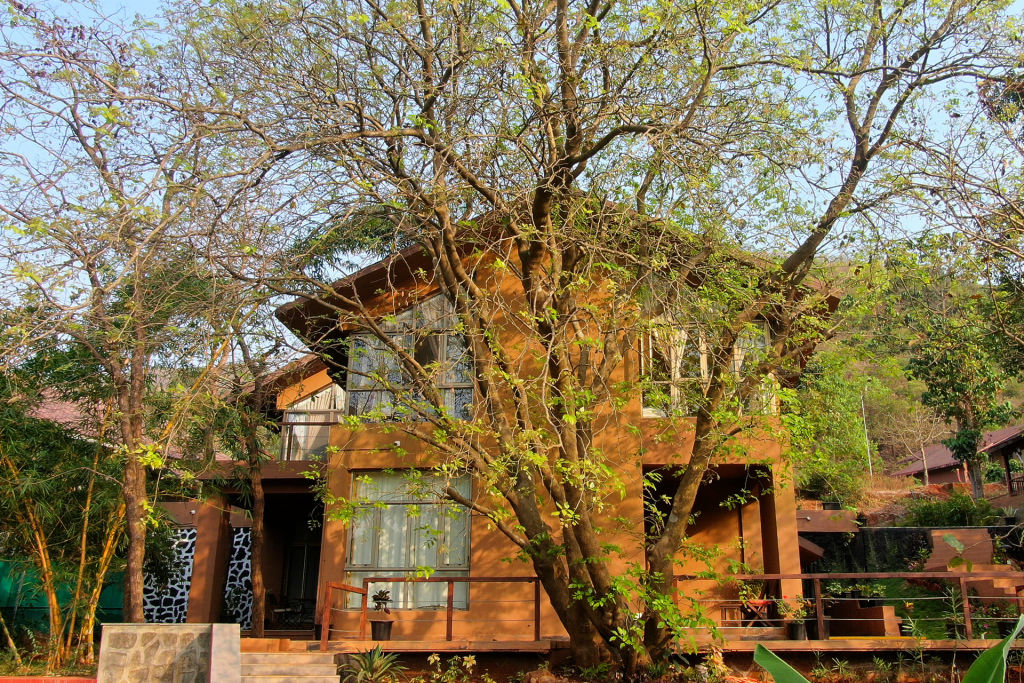
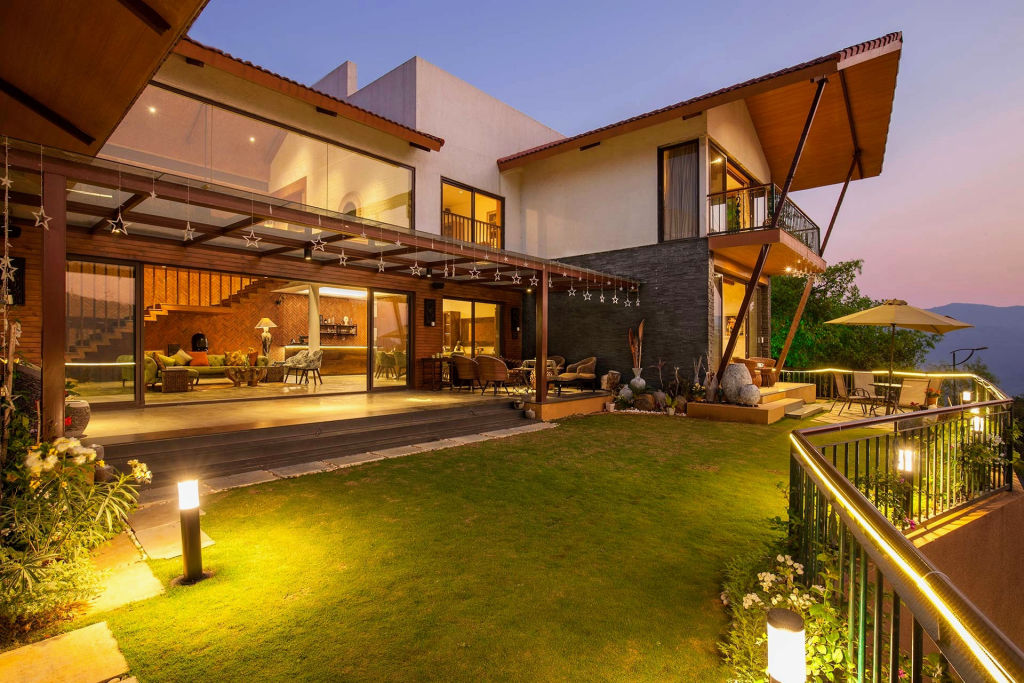
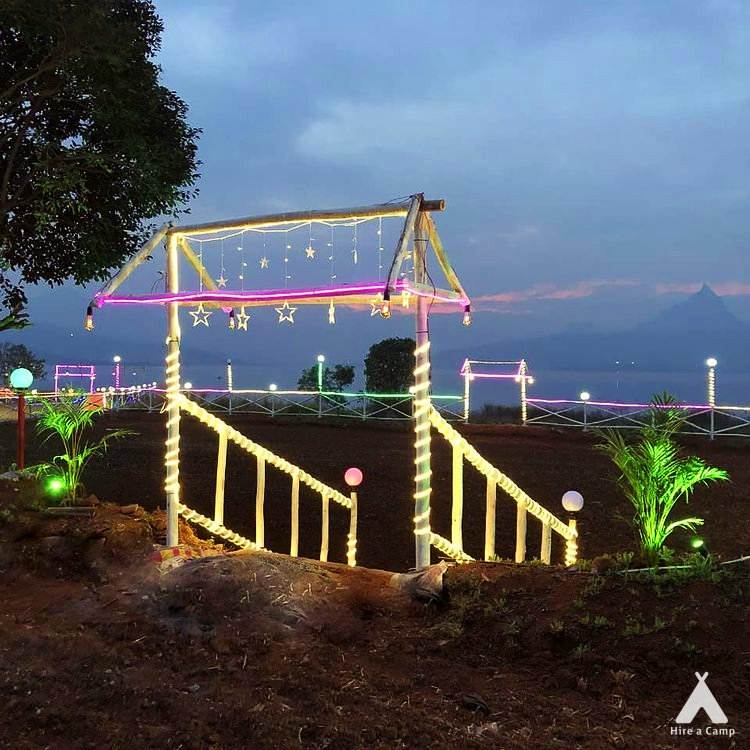
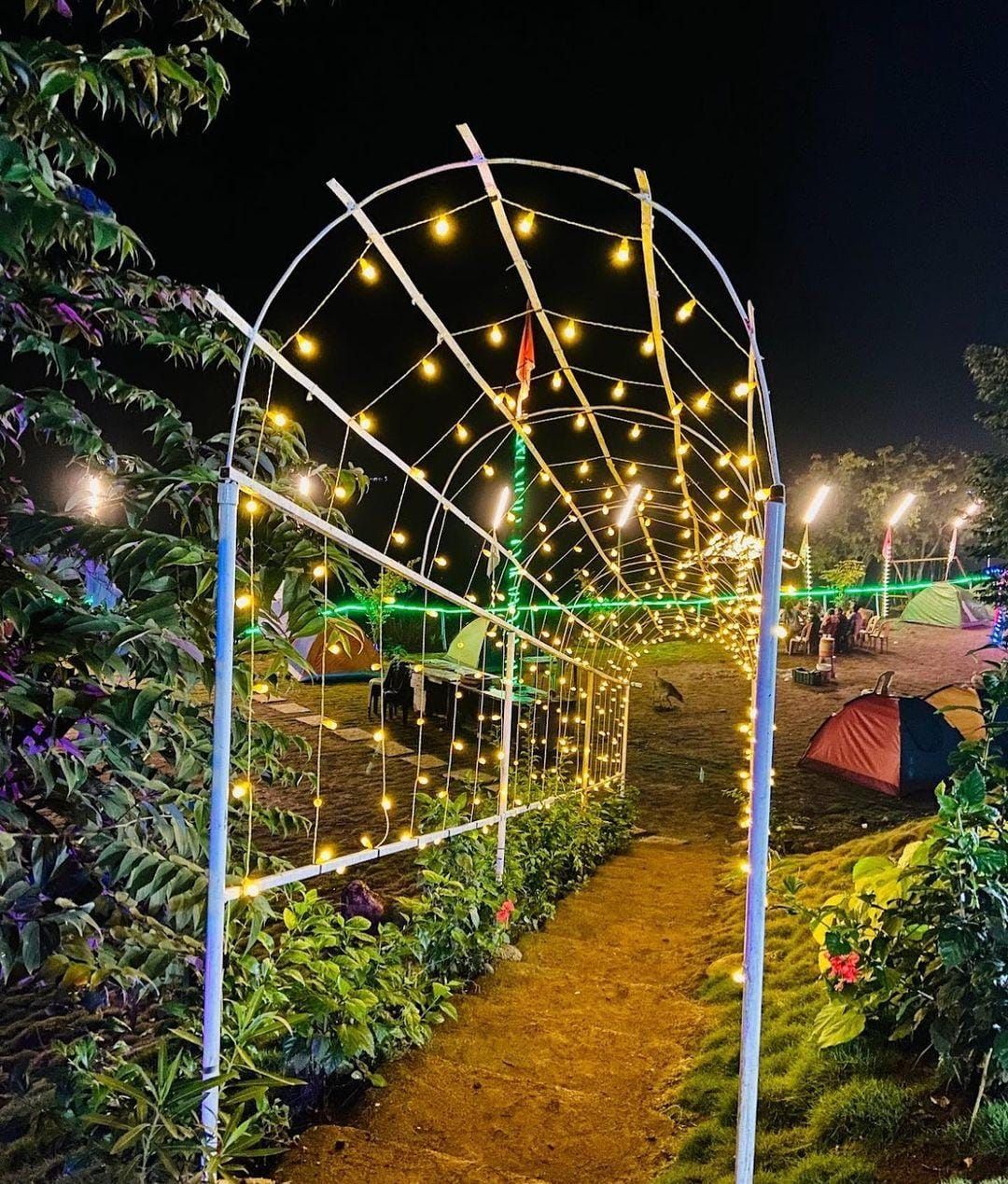
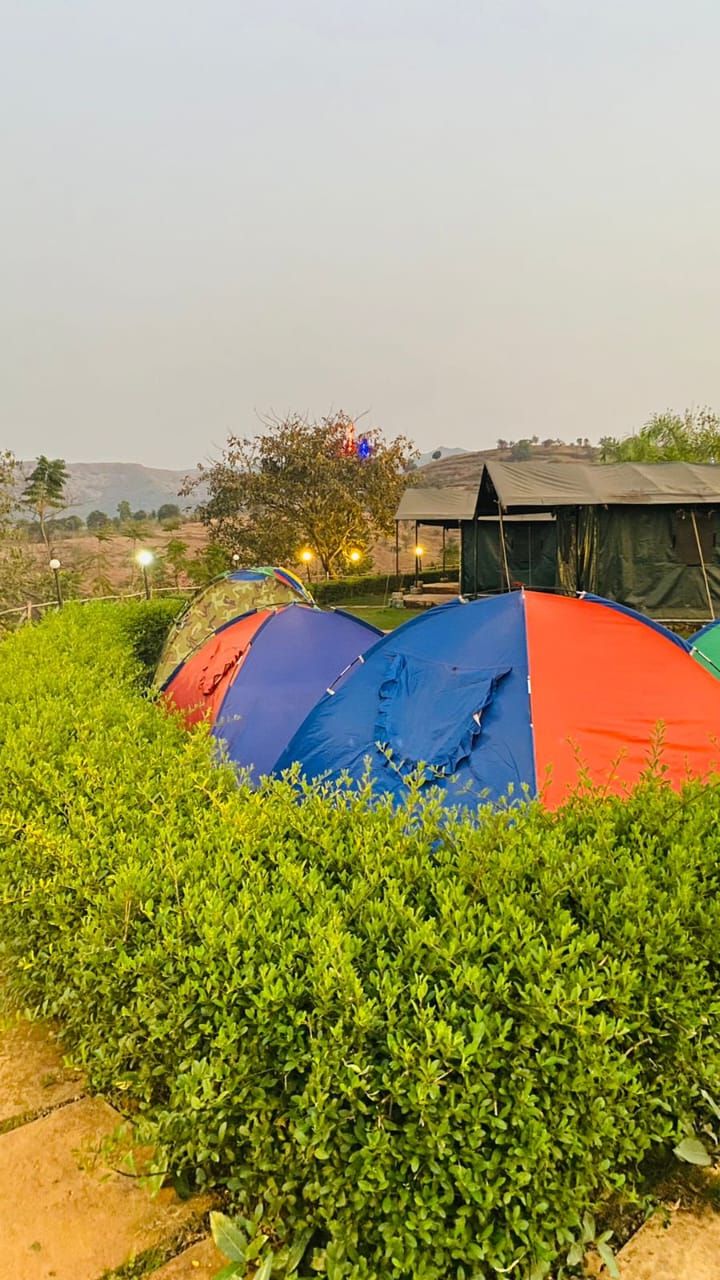
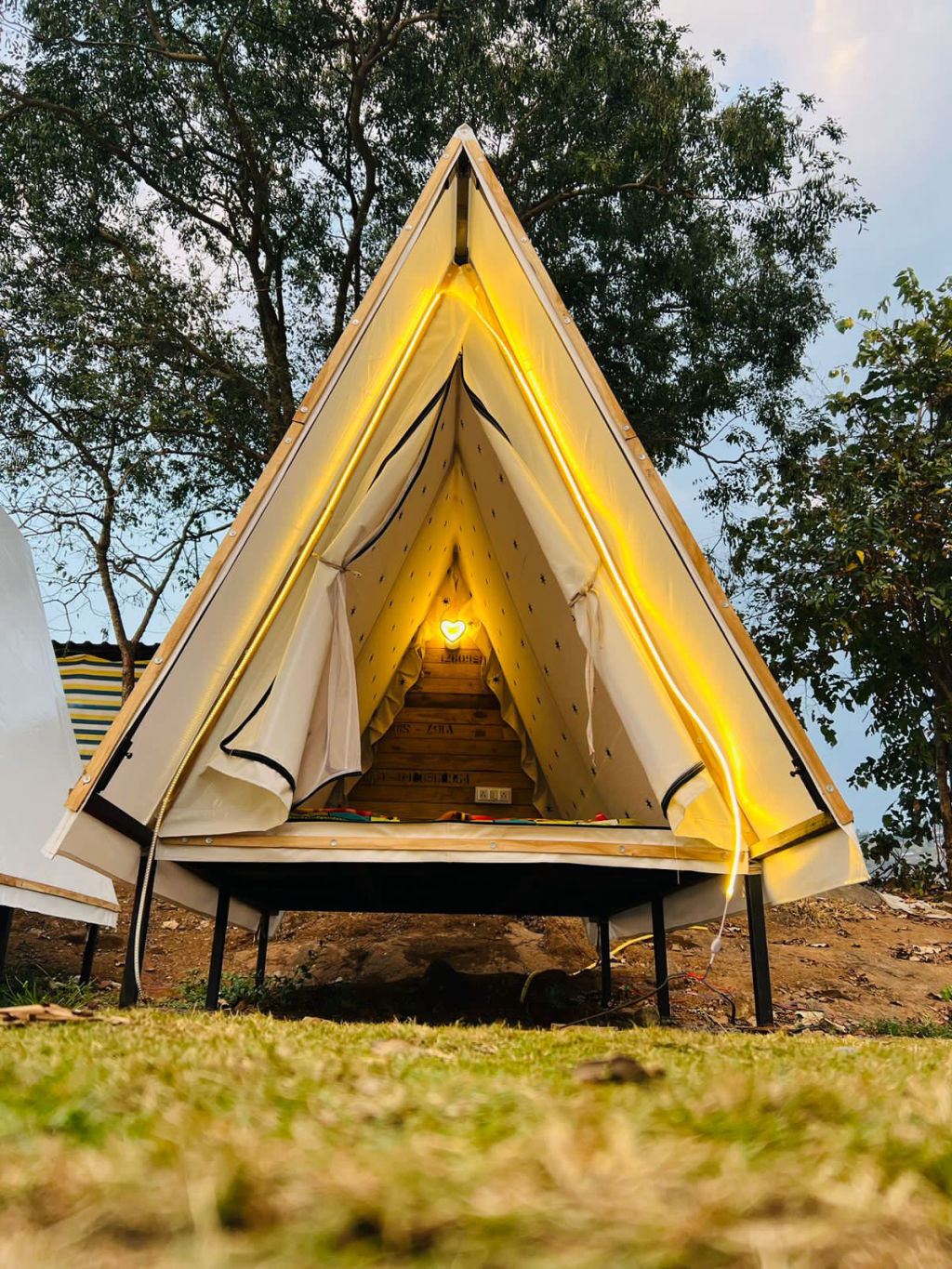
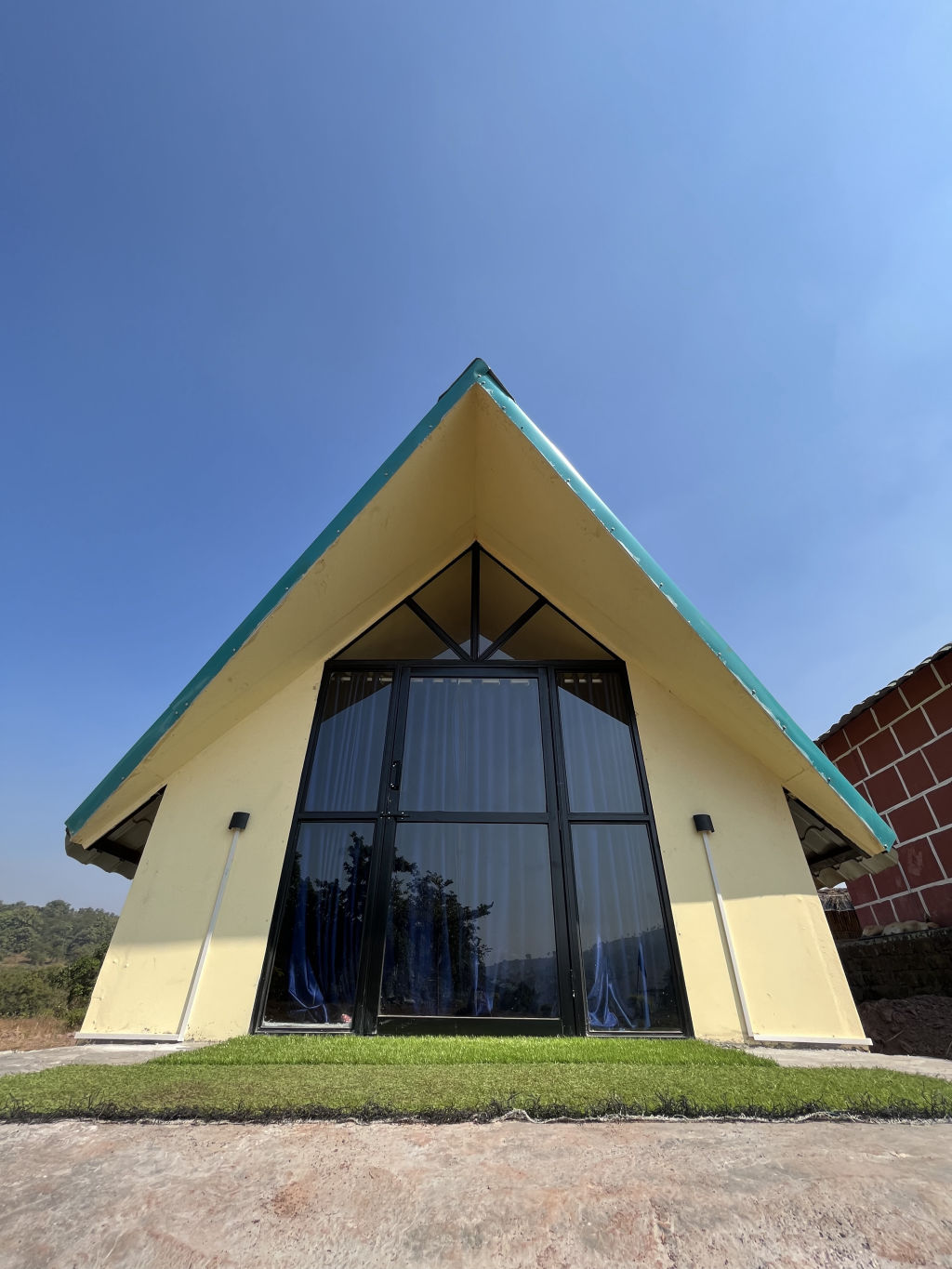
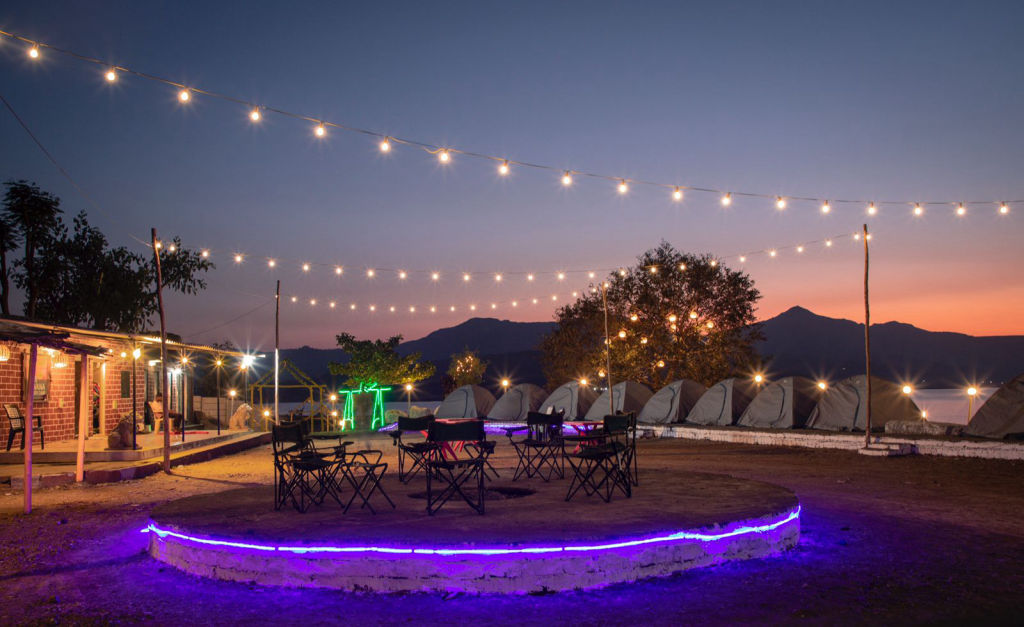
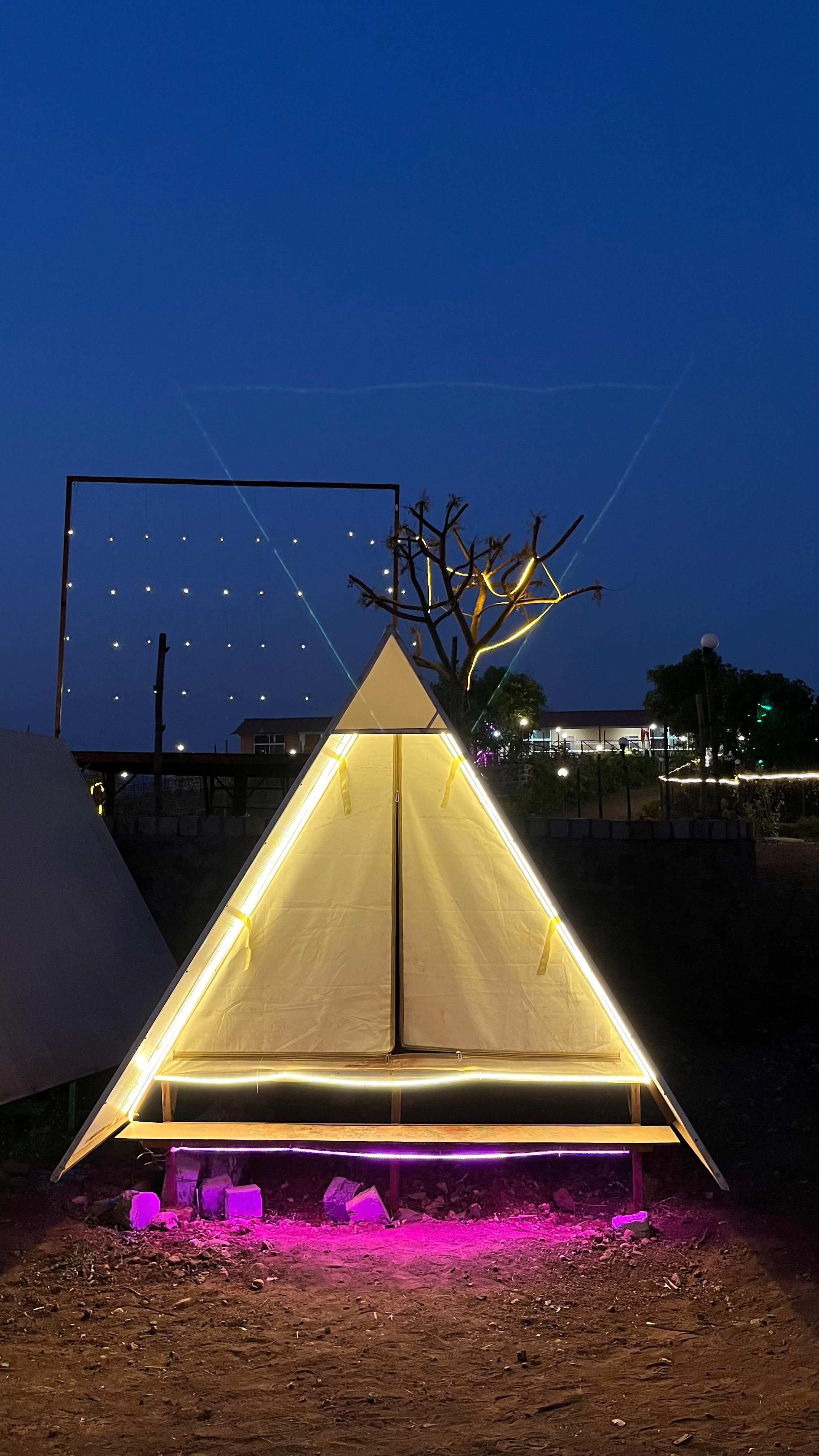
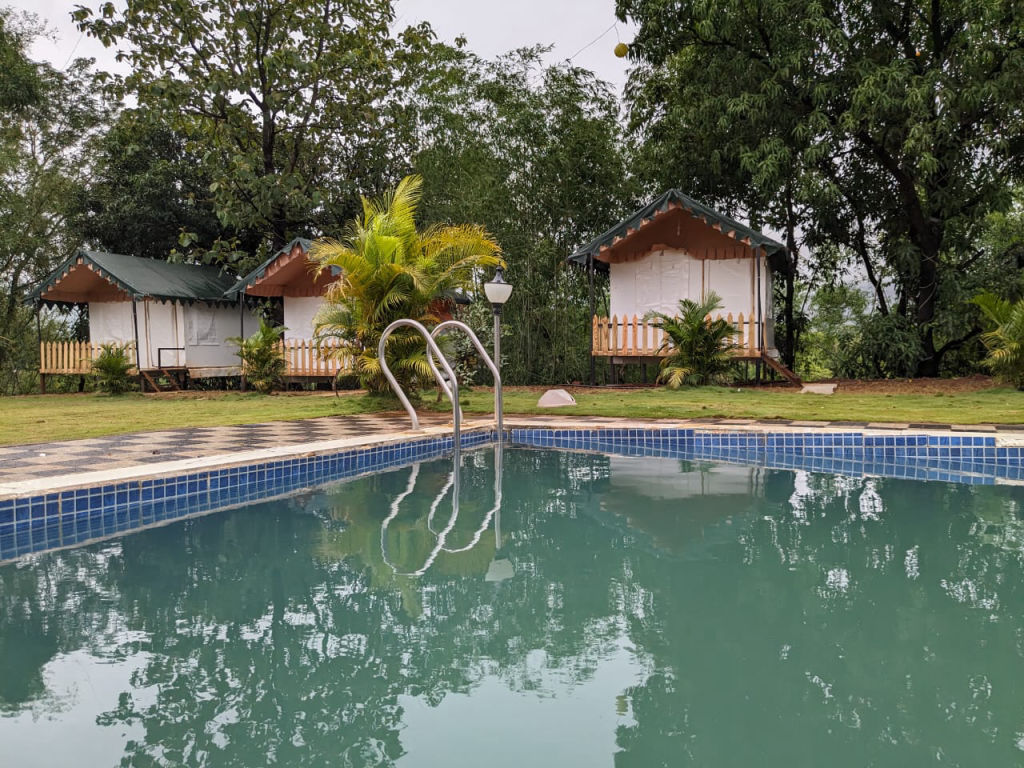
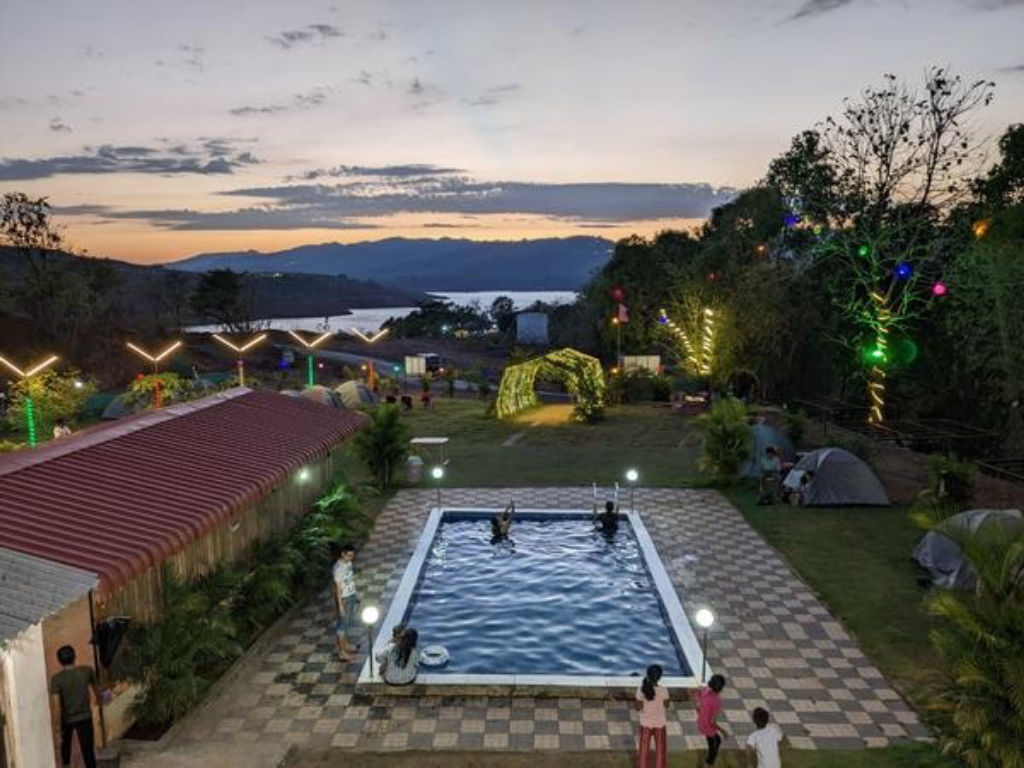
The quiet villages and scenic valleys around Varak, Mulshi, and Lonavala provide a peaceful base for exploring regional forts. If you are planning an overnight trek or a multi-day itinerary across different hills, you can find campsites, rural homestays, and outdoor getaways on HireACamp.
Staying close to your chosen trailhead allows you to begin your ascent in the cool morning air before trails become busy and temperatures rise.
Written with AI from creators' posts and map data. Check prices and timings locally before you go.
16 places · 13 creator recommendations · Updated today
Ranked by how many independent creators recommend each place, not by who paid. The list updates itself as new posts come in.


Frequently asked questions
Which fort is closest to Varak?
Fort Kailasgad is the closest fort, located approximately 6 kilometres from Varak near Vaduste and the catchment area of Mulshi Lake.
Can you visit Visapur Fort and Lohagad Fort on the same trip?
Yes, Visapur Fort and Lohagad Fort are twin forts situated directly adjacent to each other near Lonavala, making it common for trekkers to explore both over a weekend.
Which forts near Varak are best during the monsoon?
Lohagad Fort and Visapur Fort are classic monsoon destinations, particularly because Visapur Fort features a trail that flows with seasonal waterfall streams during the rainy season.
What is the historical significance of Torna Fort?
Torna Fort, historically known as Prachandagad, is famous as the first fort captured by Chhatrapati Shivaji Maharaj during his youth, marking a key milestone in Maratha history.
Where can I find places to stay near the forts around Varak?
You can find nature stays, rural homestays, and campsites near Varak and surrounding trailheads on HireACamp.
Stays near Varak
Make a trip of it