Hidden places near Kasara
This guide highlights scenic rural spots, historic forts, water bodies, and cave shrines located within a short drive of Kasara. It suits road trippers, hikers, and weekend travellers from Mumbai and Nashik looking to explore peaceful corners of the Western Ghats away from crowded tourist hubs. Whether you want to climb historic fort steps or unwind beside tranquil reservoirs, the surrounding Sahyadri hills offer varied day excursions.
Top outdoor and heritage picks near Kasara
Around the rugged slopes near Trimbak, 108 Shivling Gupha provides a tranquil rock-sheltered sanctuary where visitors can observe naturally placed Shivlings while taking in views of the Brahmagiri mountain range. The cave's elevated perch creates a calm setting for quiet contemplation along mountain trails. Nearby in the temple town, Kushavarta Kund stands as a historic stone reservoir where the Godavari River emerges after flowing beneath the hills. Early morning visits here offer an atmospheric look at traditional rituals and timeless carved stone craftsmanship.
For day hikers, Kavnai Fort near Igatpuri offers an engaging trail featuring weathered rock-cut steps, historic cisterns, and expansive views across the Sahyadri range. Travellers seeking quiet water views can make their way to Ambit Dam near Shirpunje Kh., which features an open reservoir backed by rolling green hills, or Tansa lake in Thane district, where freshwater catchments meet forested wildlife sanctuary grounds.
Cultural landmarks and seasonal scenery
The valleys surrounding Kasara are dotted with unique historical stops. In the village of Ratanwadi near Bhandardara, Shree Amruteshwar Temple stands out for its intricate ancient rock carvings and dramatic mountain backdrop. Further north toward Nashik along the Trimbakeshwar road, the Coin Museum, also known as the Shanti-Krishna Museum of Money and History, displays the long evolution of Indian coinage, molds, and trade networks across centuries.
Those interested in hill trekking can head toward Anjaneri Fort, renowned for its broad plateau, rock carvings, and sweeping views of the Trimbakeshwar range. During and right after the rainy season, seasonal cascades such as Pahine waterfall and Vasundhara Waterfall near Koltembhe come alive with rushing hill streams, dense greenery, and scenic valley views.
Best time to visit
The landscape around Kasara changes dramatically with the seasons. The monsoon months from late June through September bring heavy rainfall that transforms the Western Ghats into vibrant green corridors, recharging reservoirs like Ambit Dam and bringing waterfalls like Pahine into full flow. This season is particularly popular for scenic drives and misty walks, though trail steps can become slippery.
From October to February, the winter climate brings pleasant temperatures and crisp morning air. This is an ideal window for day treks to Kavnai Fort and Anjaneri Fort, as well as birdwatching trips along Tansa lake without the heavy rains or midday heat. Summers from March to May turn the hills dry and warm, making early morning visits the best option for exploring open heritage monuments like Kushavarta Kund.
Tips for exploring the Kasara region
Many trails, reservoirs, and shrines in this area sit along rural village roads and winding ghat sections. Having your own vehicle or hiring a local taxi provides the most practical way to reach multiple locations in a single day. Cellular reception can be patchy in deeper mountain valleys, so downloading offline maps before leaving Kasara is a good precaution.
Wear sturdy footwear with good traction, especially if climbing the rock steps at Kavnai Fort or walking uneven trails to 108 Shivling Gupha. Carry drinking water and light snacks, as small settlements may have limited facilities. It is always wise to check locally regarding road conditions and water currents before approaching reservoirs or seasonal waterfalls.
Where to stay near Kasara
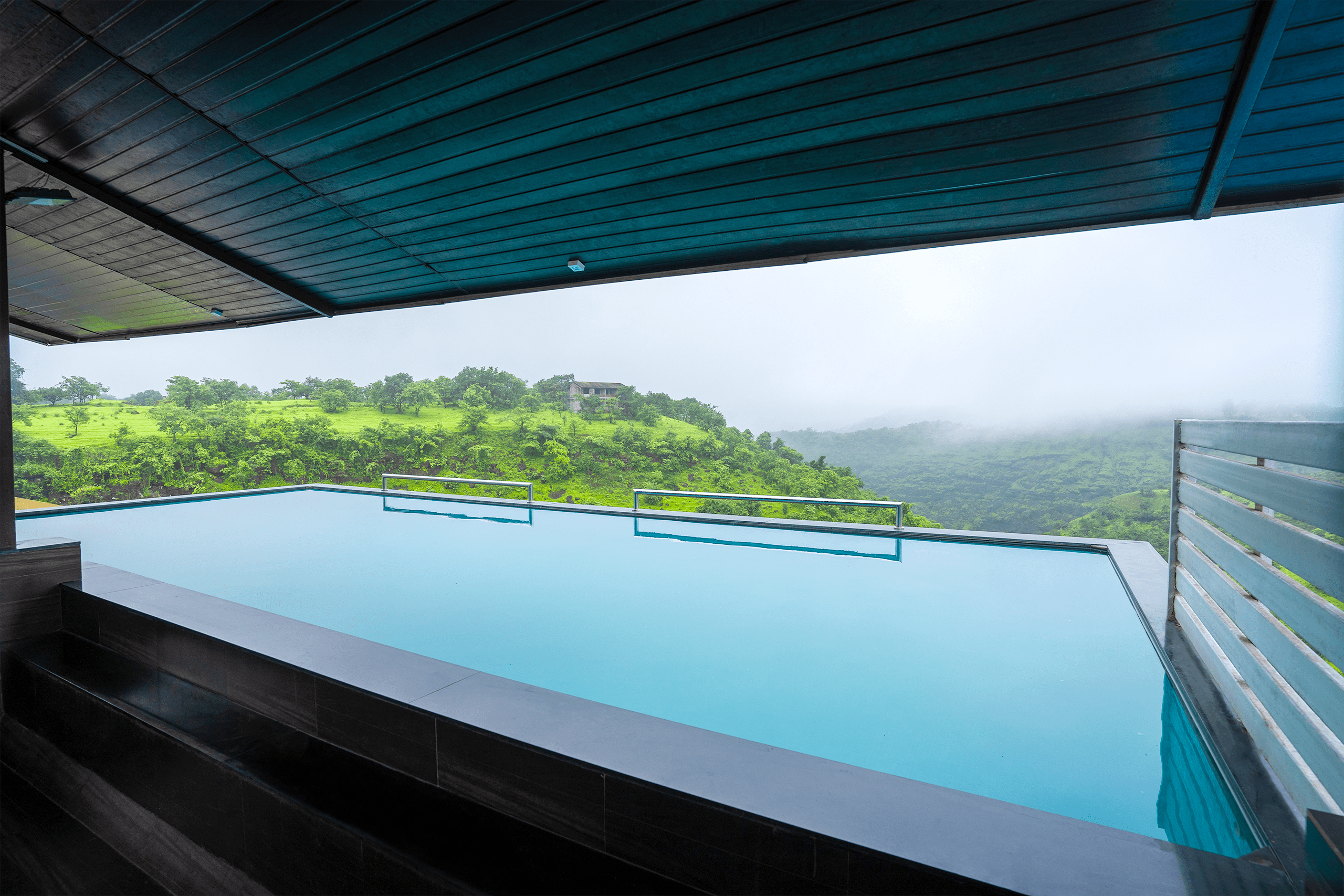
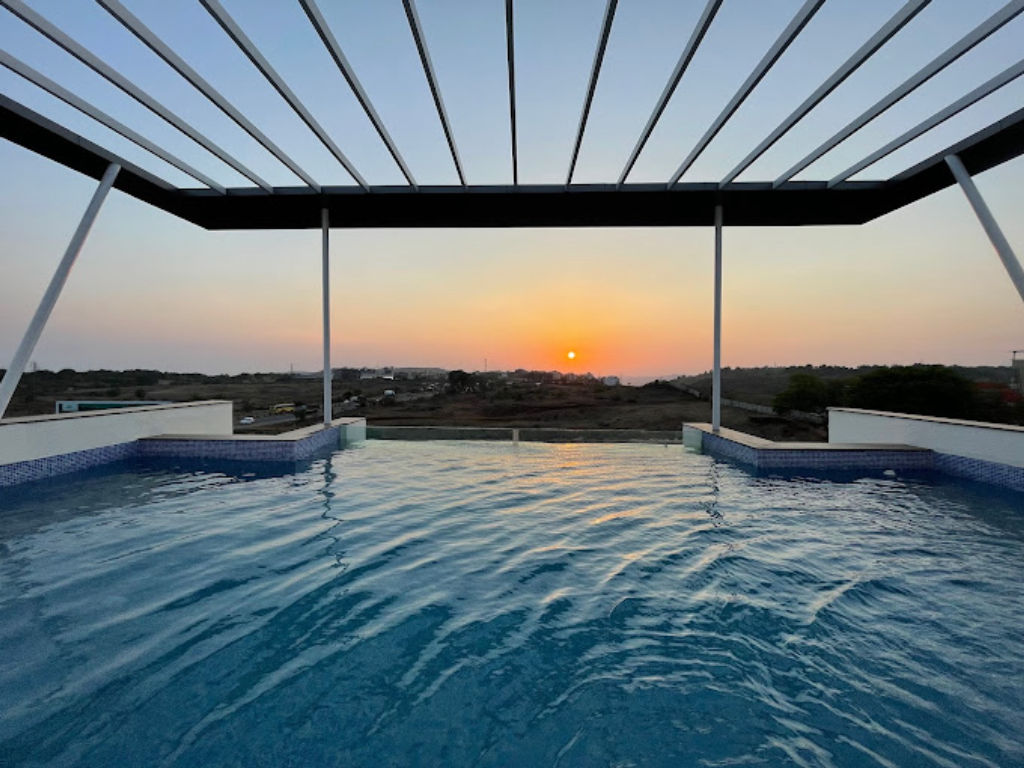
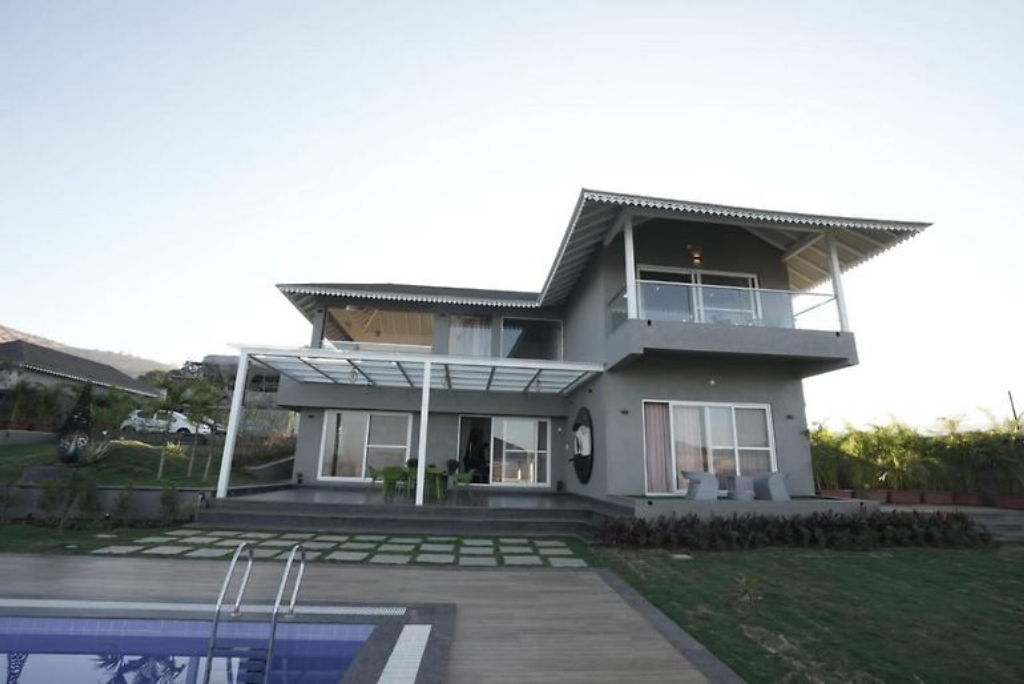
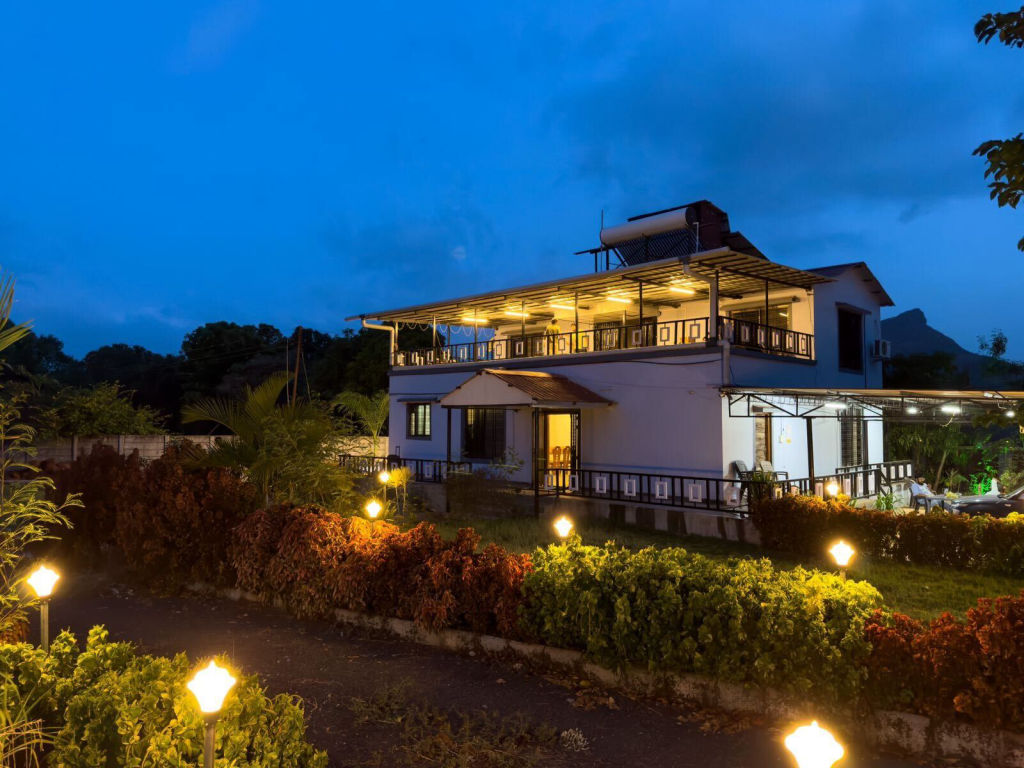
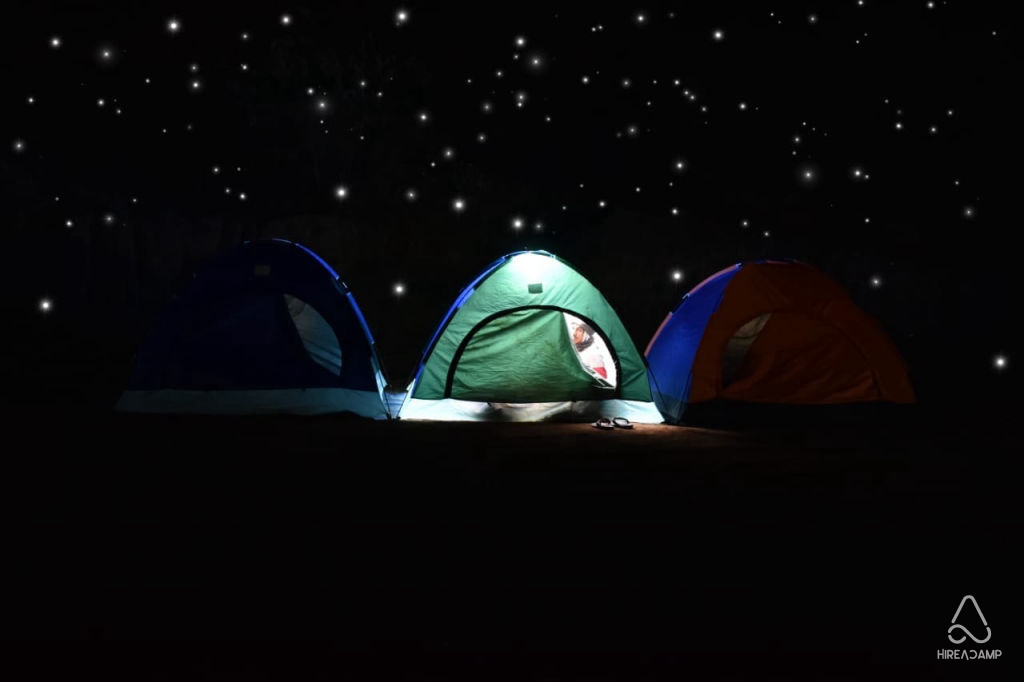
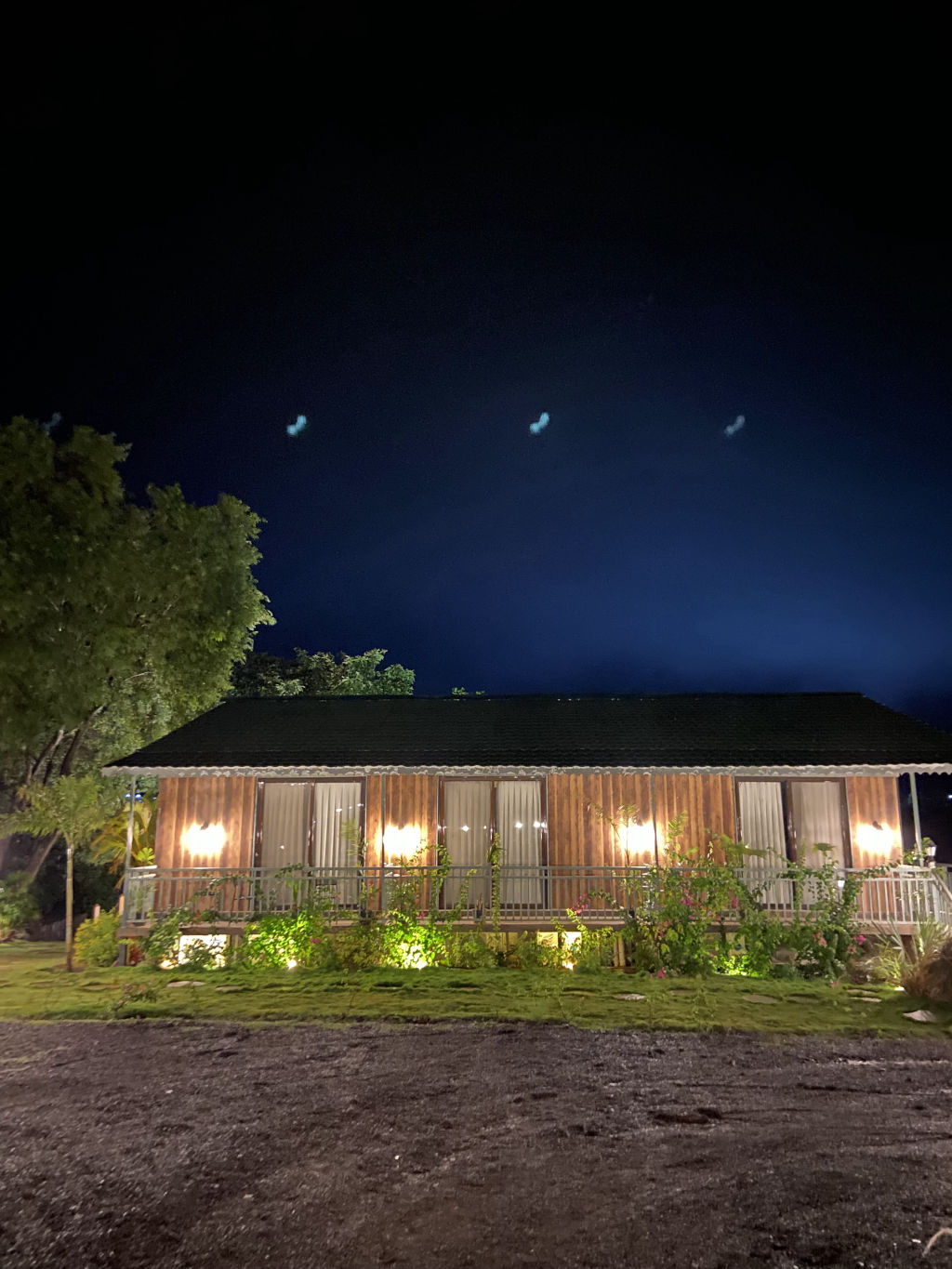
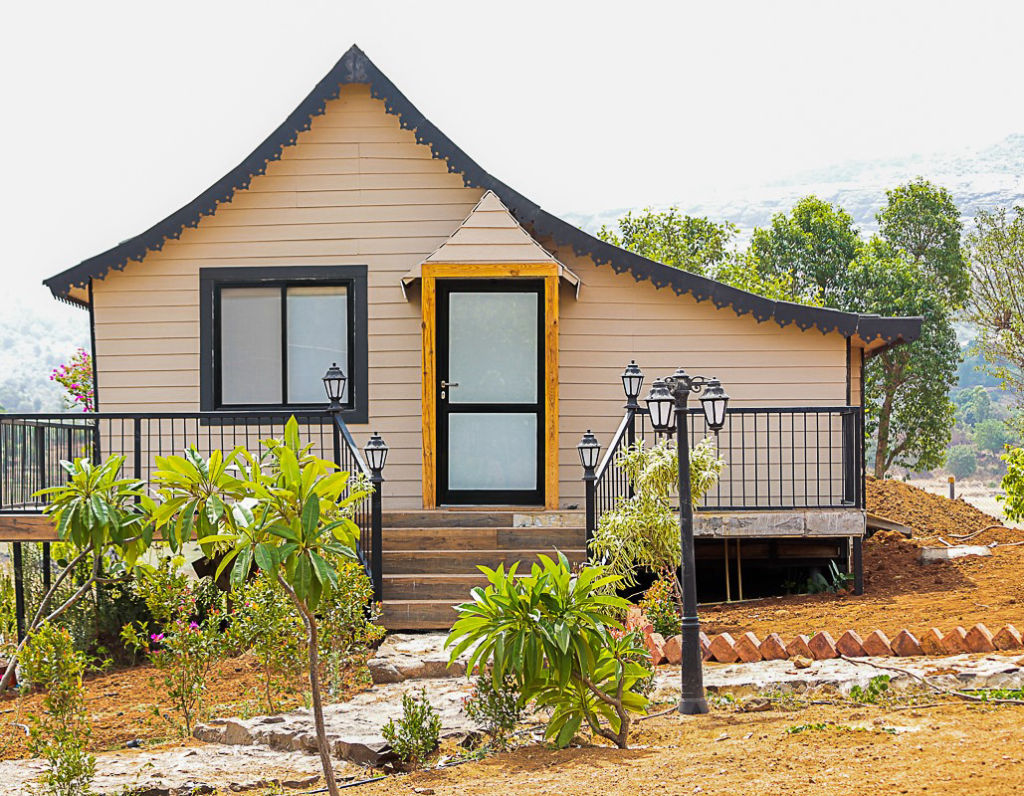
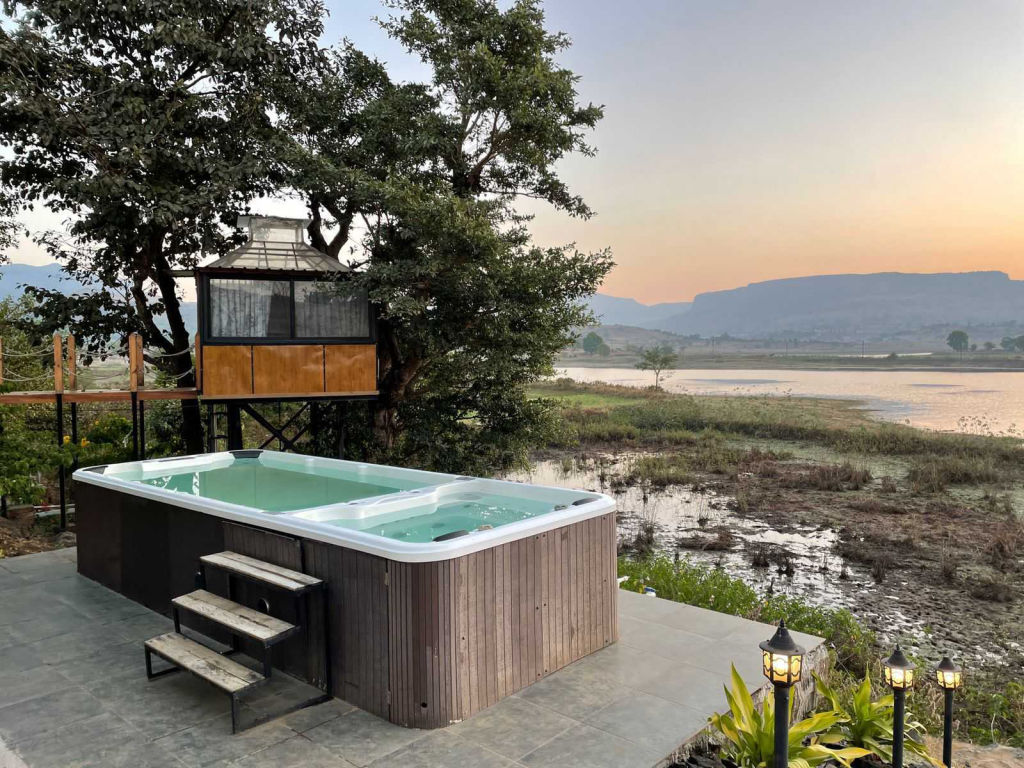
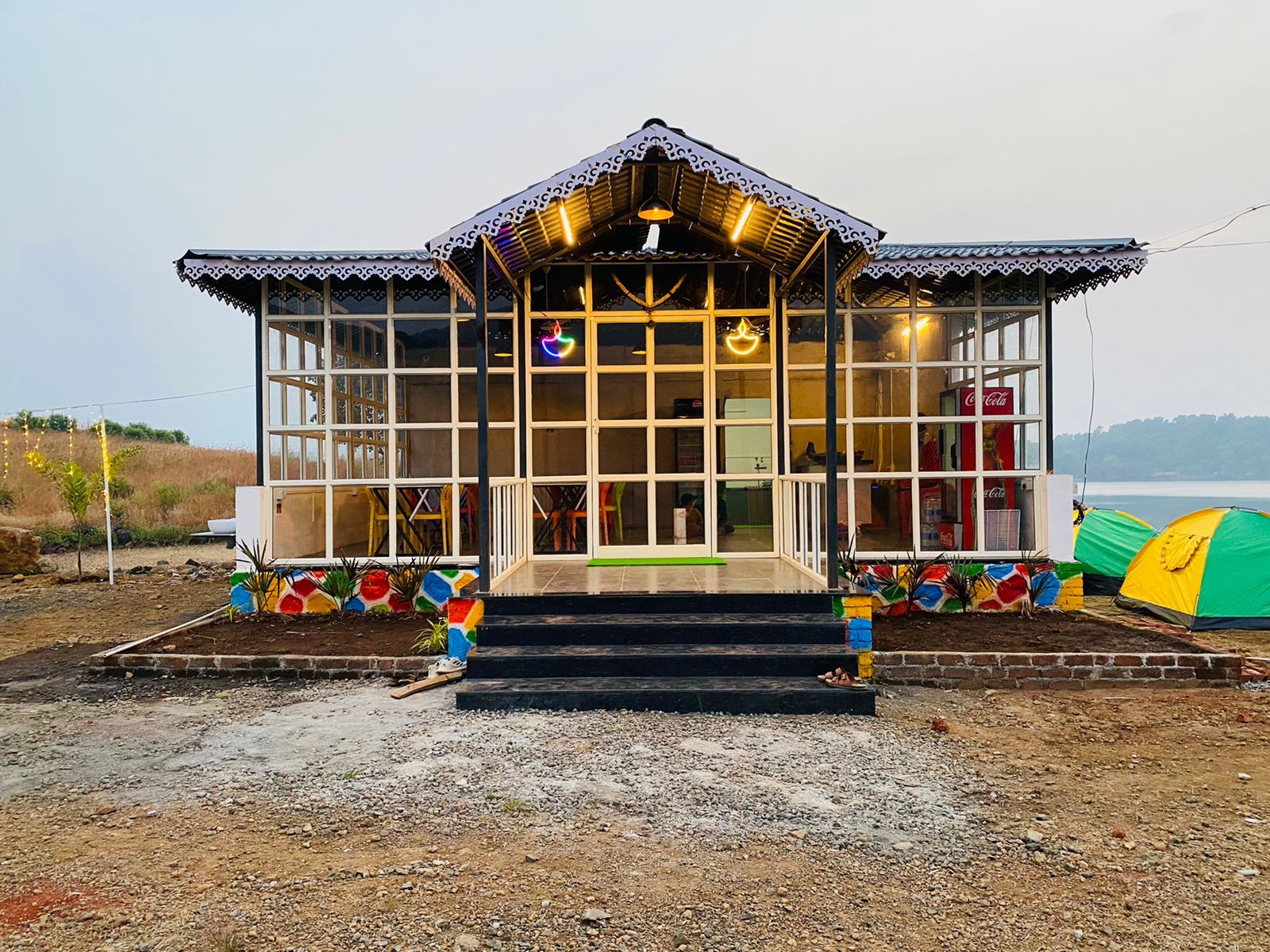
Staying near Kasara offers an easy base for reaching early morning trails and experiencing quiet evenings in the Sahyadris. A variety of rural stays, nature camps, and welcoming homestays located throughout the surrounding valleys can be booked on HireACamp. Arranging your stay in advance is sensible during monsoon weekends and winter holidays when outdoor travel in the region peaks.
Written with AI from creators' posts and map data. Check prices and timings locally before you go.
11 places · 11 creator recommendations · Updated today
Ranked by how many independent creators recommend each place, not by who paid. The list updates itself as new posts come in.


Frequently asked questions
Which forts near Kasara are good for day hikes?
Kavnai Fort near Igatpuri and Anjaneri Fort near Nashik are both popular day-trek destinations offering rock-cut steps, historic remnants, and sweeping Sahyadri views.
When can I see the waterfalls around Kasara flowing?
Seasonal cascades like Pahine waterfall and Vasundhara Waterfall flow during the southwest monsoon, generally from July through September, and taper off into late autumn.
Can I visit Kushavarta Kund and 108 Shivling Gupha on the same day?
Yes, both sites are located in the Trimbak area and can easily be combined during a morning or full-day outing from Kasara.
What should I wear when trekking around Kasara?
Sturdy hiking shoes or sports shoes with good grip are recommended for climbing rock stairs and navigating dirt trails, along with light, breathable layers and rainwear during the monsoon.
Are Ambit Dam and Tansa suitable for quiet drives?
Both Ambit Dam and Tansa lake feature scenic rural surroundings and calm water views, making them pleasant stops for unhurried road trips and outdoor photography.
Stays near Kasara
Make a trip of it