Hidden places near Khodala
This guide highlights lesser-known sights, cultural landmarks, and scenic outdoor spots located within a short drive of Khodala in Maharashtra. It covers historic hill forts, sacred rock shrines, quiet lakes, and seasonal waterfalls across the surrounding Sahyadri ranges. The selection suits day hikers, cultural travellers, and weekend visitors looking to explore beyond the usual routes.
Top sacred and historic sites near Khodala
A short journey into the surrounding hills reveals several sites steeped in heritage and regional tradition. Tucked along the rugged hill slopes of the Brahmagiri range near Trimbak, 108 Shivling Gupha offers a meditative retreat inside an ancient rock chamber. The cave features a series of rock-formed Shivlings sheltered beneath a natural stone ceiling, providing a quiet stop for walkers exploring the upland trails away from crowded pilgrimage routes.
In the historic town of Trimbak, Kushavarta Kund is an ancient stone reservoir positioned at the foot of the Brahmagiri hills. Revered as the place where the sacred Godavari River emerges after flowing beneath the mountains, the stone tank draws visitors for its classic architecture and tranquil spiritual aura. Arriving early in the day allows travellers to experience the reservoir in its quietest light, whether pausing by the stone steps or observing traditional snan rituals. Further along the road toward Nashik, the Coin Museum, officially known as the Shanti-Krishna Museum of Money and History, displays the detailed financial and cultural evolution of the subcontinent against the backdrop of the Sahyadri mountains.
Trekking hill forts across the Sahyadris
The highland ridges surrounding Khodala present rewarding walking routes for outdoor enthusiasts. Kavnai Fort, situated near the village of Kawanai in the Igatpuri region, is an accessible day trek characterized by classic Sahyadri terrain. Hikers ascending the hill climb past rock-cut steps, weathered ramparts, and historic water cisterns before reaching an open summit that commands broad views across the Western Ghats.
Another notable climb in the area is Anjaneri Fort, located on an expansive volcanic plateau in the Trimbakeshwar range. Celebrated in regional folklore as the birthplace of Lord Hanuman, the mountain features ancient rock-cut carvings, historic shrines, and wide plateaus that frequently catch drifting clouds. The steady trail rewards hikers with sweeping panoramas of distant Sahyadri peaks, making it an engaging half-day outing for those who enjoy combining local history with a scenic uphill walk.
Scenic lakes and seasonal waterfalls
Travellers seeking water bodies and natural greenery will find quiet spots nestled in the nearby countryside. Pahine waterfall, located near the rural village of Pahine, comes alive during the monsoon season. Fed by heavy rainfall in the Western Ghats, the seasonal cascade forms flowing streams across open pastures and mist-covered knolls, making it a peaceful stop for countryside drives.
Further south toward the forested borders of Thane district, Tansa provides an expansive lake setting surrounded by woodland hills and wildlife sanctuary grounds. The large freshwater reservoir acts as a vital catchment for the region while offering a calm backdrop for birdwatching, photography, and unhurried walks along the shoreline. Its location makes it a restful addition to a rural road trip through the valleys around Khodala.
Best time to visit Khodala and surrounds
The region around Khodala changes dramatically across the seasons, each offering a distinct experience for outdoor travellers. The monsoon months from late June through September turn the rugged brown slopes of the Western Ghats into vibrant green landscapes. During this period, seasonal streams flow freely, waterfalls like Pahine waterfall are active, and low cloud cover blankets the higher peaks of Anjaneri Fort.
Winter, lasting from November to February, brings clear skies, crisp mornings, and comfortable daytime temperatures. This is the most practical season for longer hikes such as Kavnai Fort, touring the galleries of the Coin Museum, or walking up to the rock chamber of 108 Shivling Gupha without dealing with muddy trails. The summer months from March to May can be warm during the afternoon, making early morning or late evening the preferred times for outdoor walking.
Tips for your trip and where to stay
When planning an outing along the rural trails near Khodala, sound preparation ensures a smooth journey. Most of the hiking routes and cave pathways involve uneven rock steps and dirt trails, so wearing supportive footwear with reliable grip is essential. Carry drinking water and light refreshments, as amenities near remote trailheads and heritage ruins are often limited. When visiting cultural sites like Kushavarta Kund or 108 Shivling Gupha, dressing respectfully helps observe local customs.
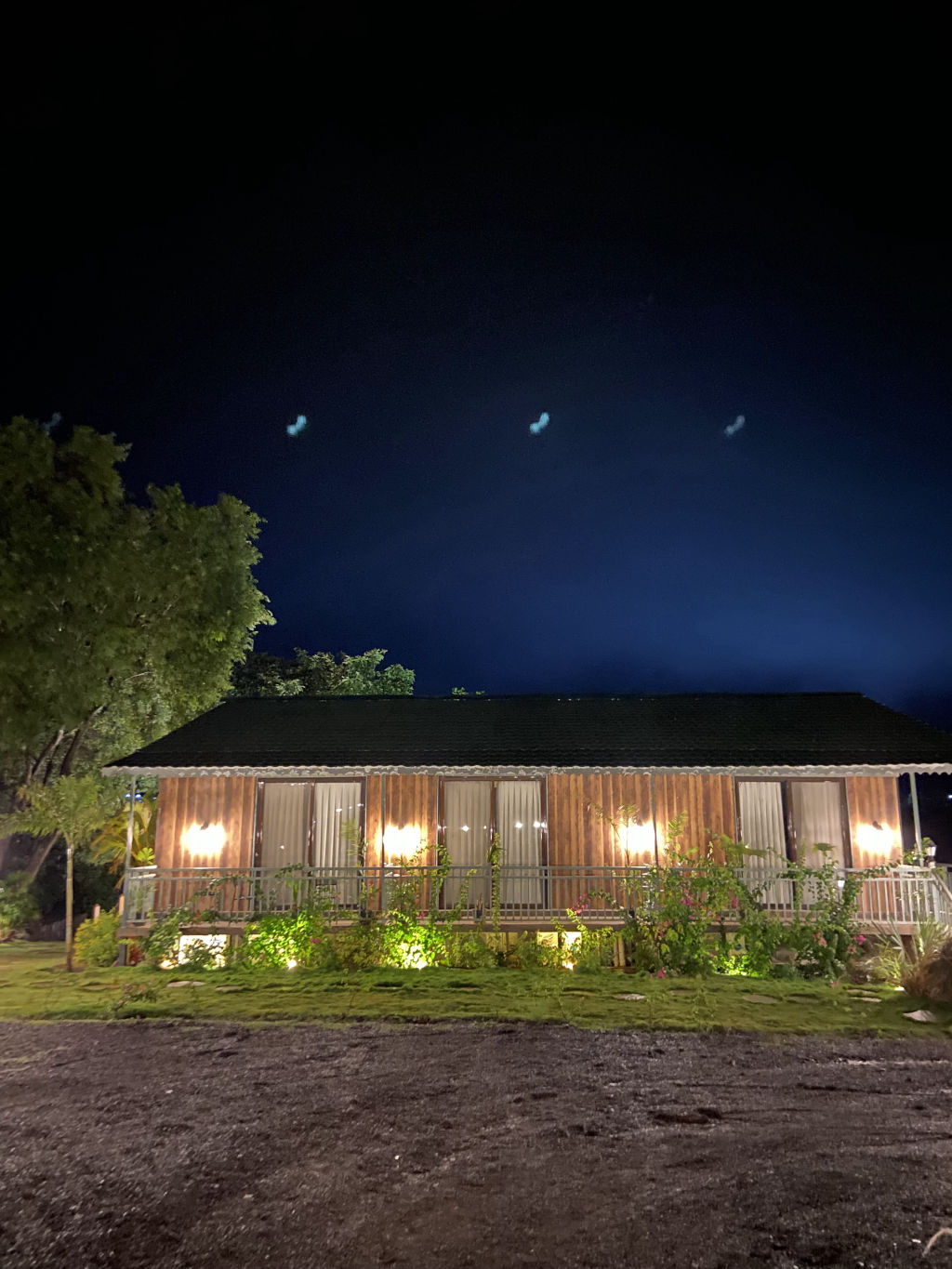
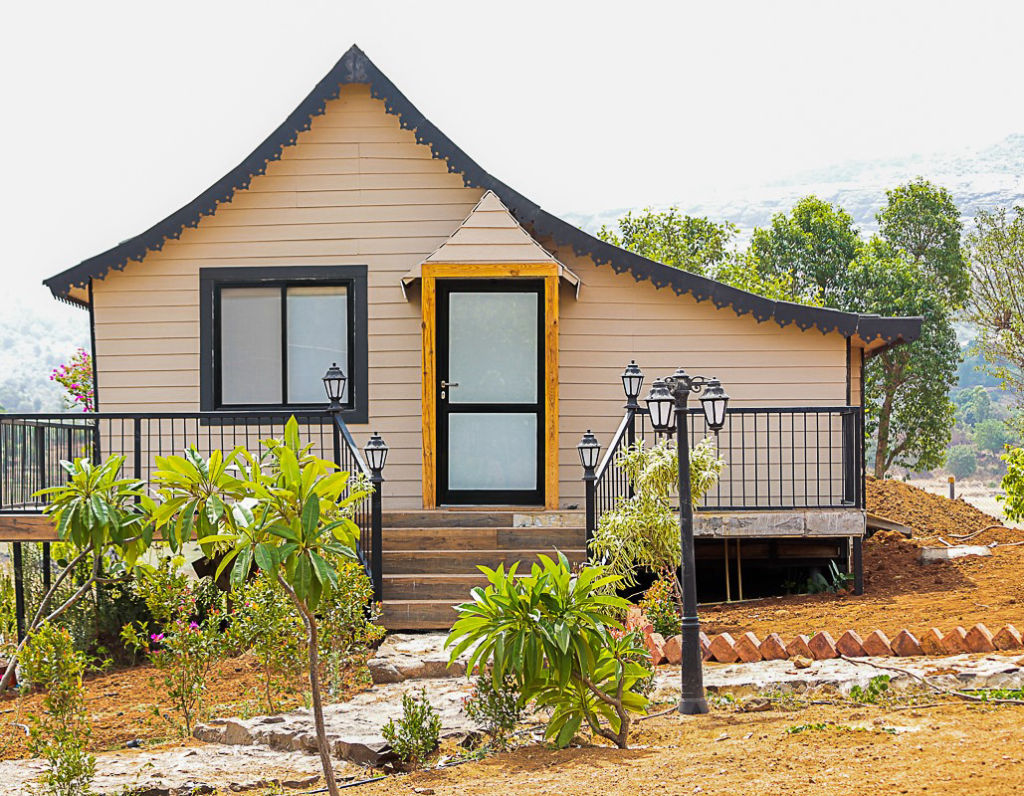
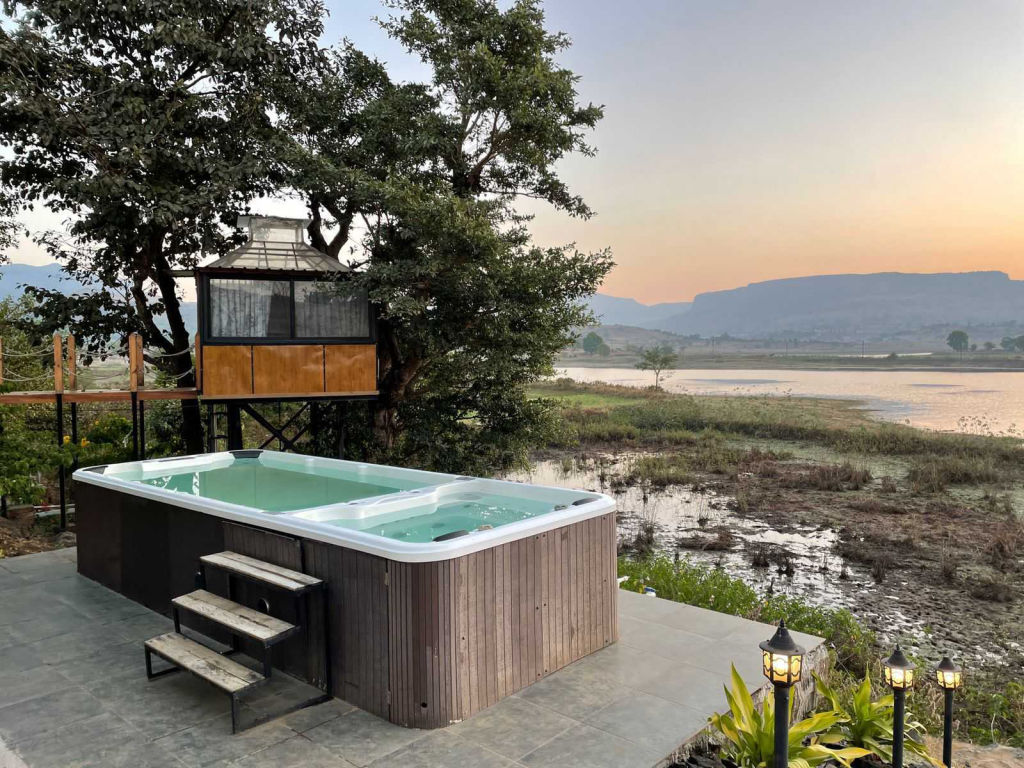
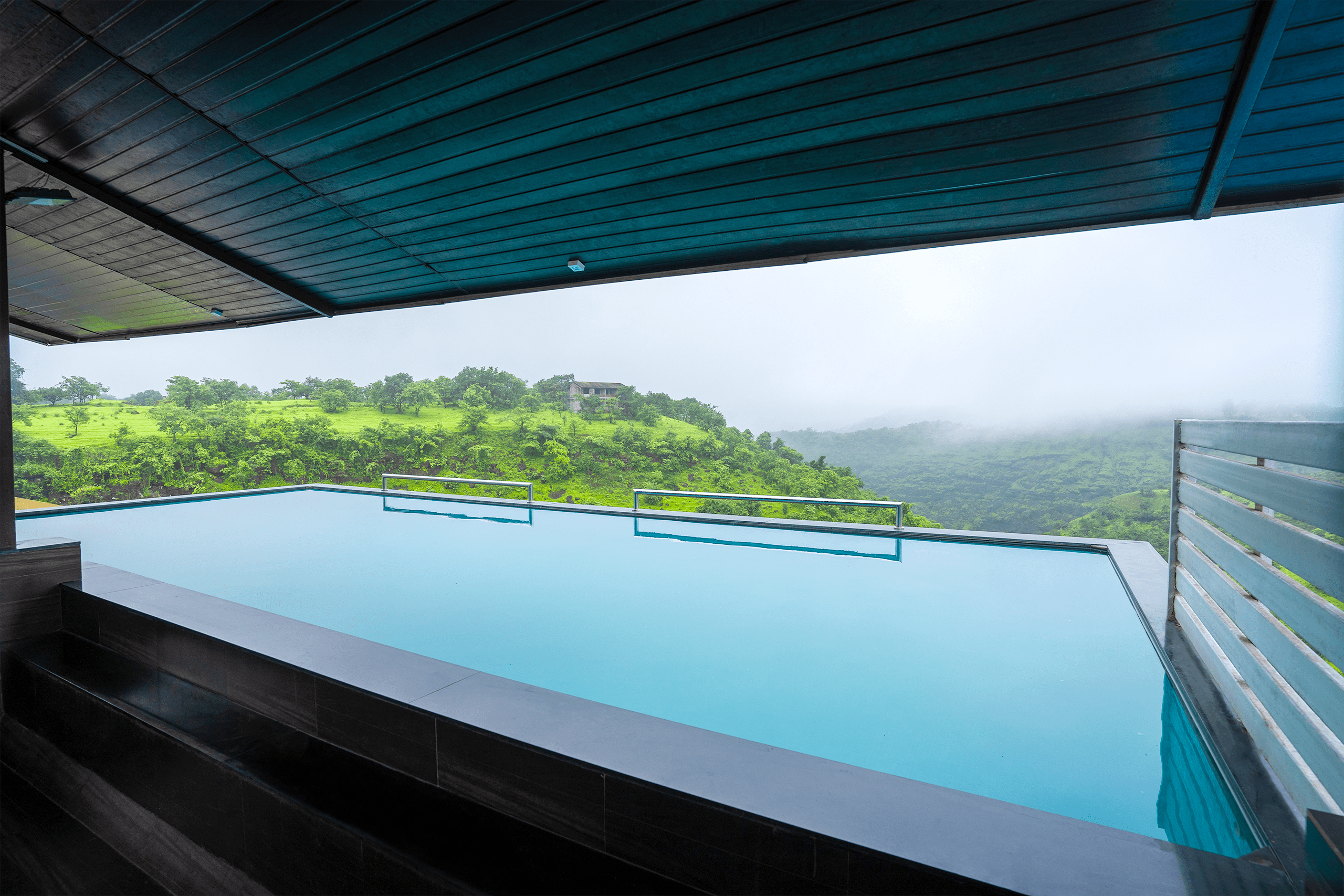
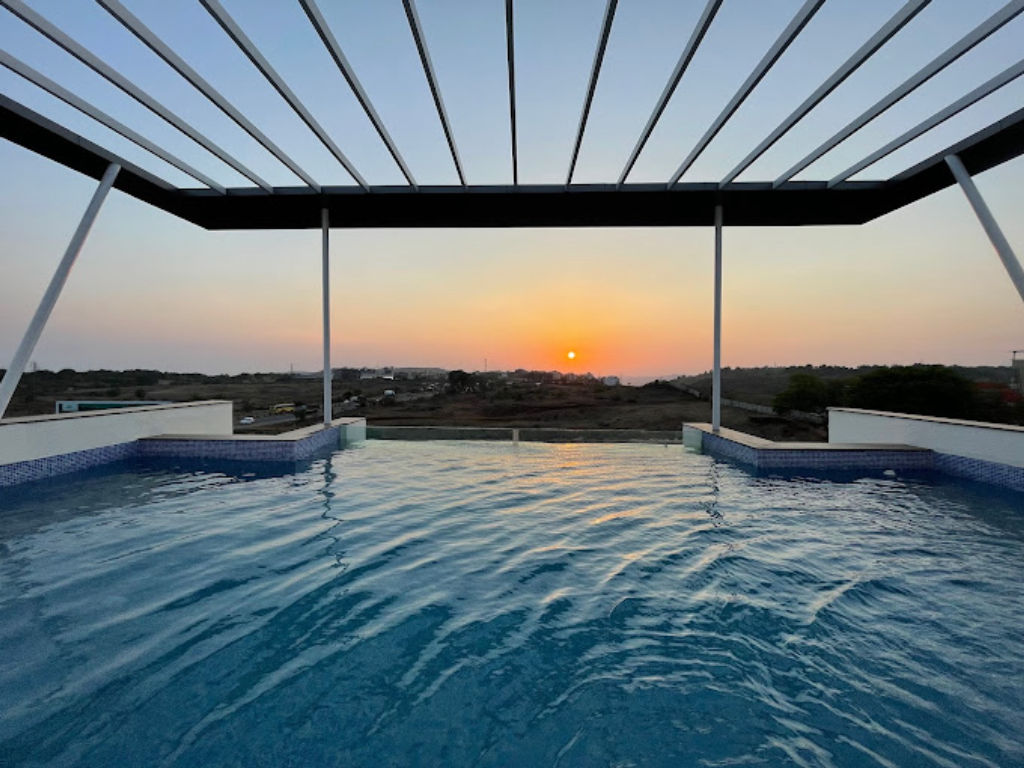
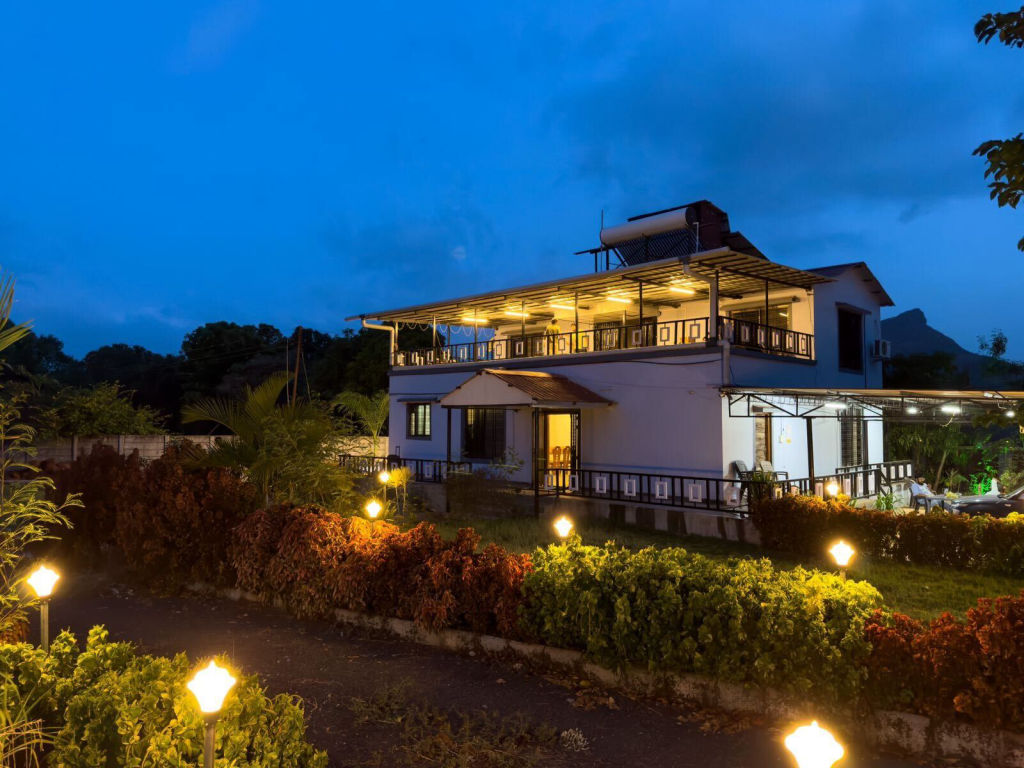
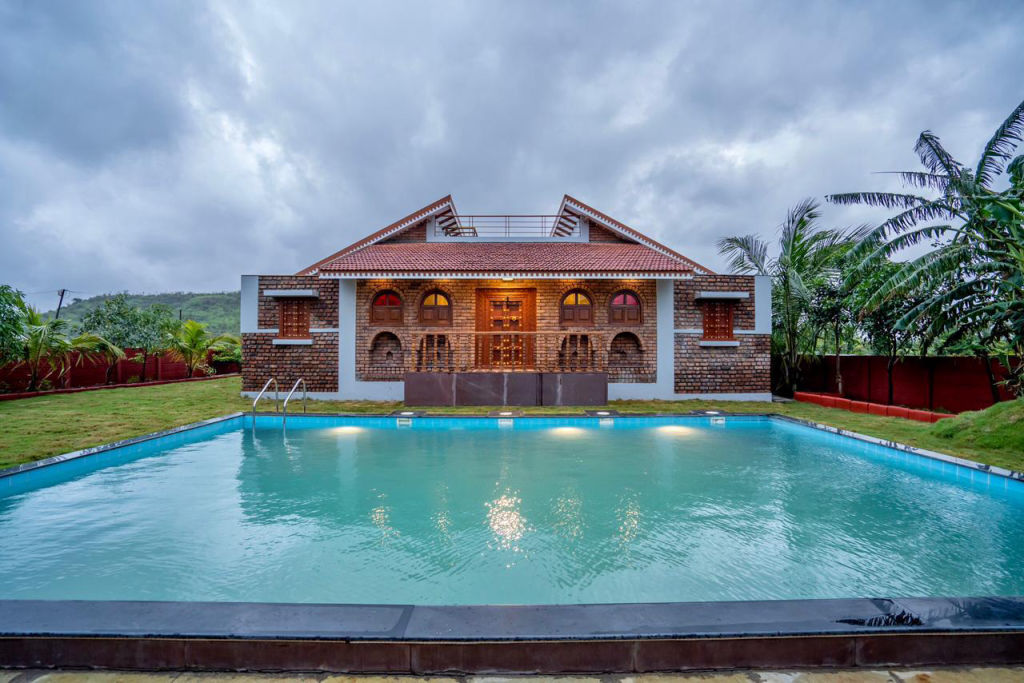
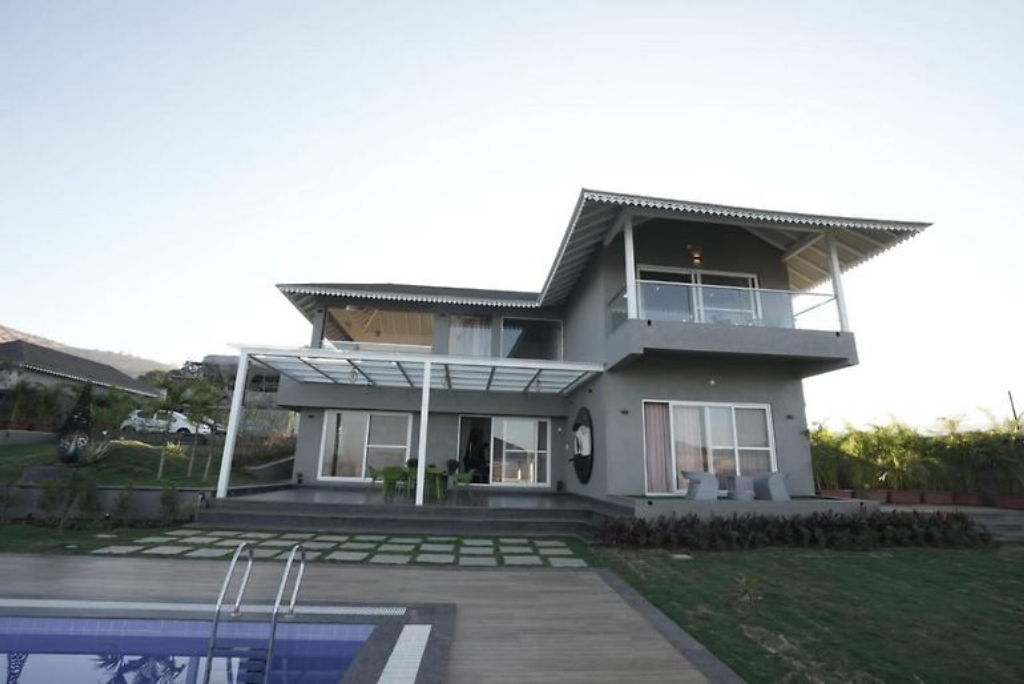
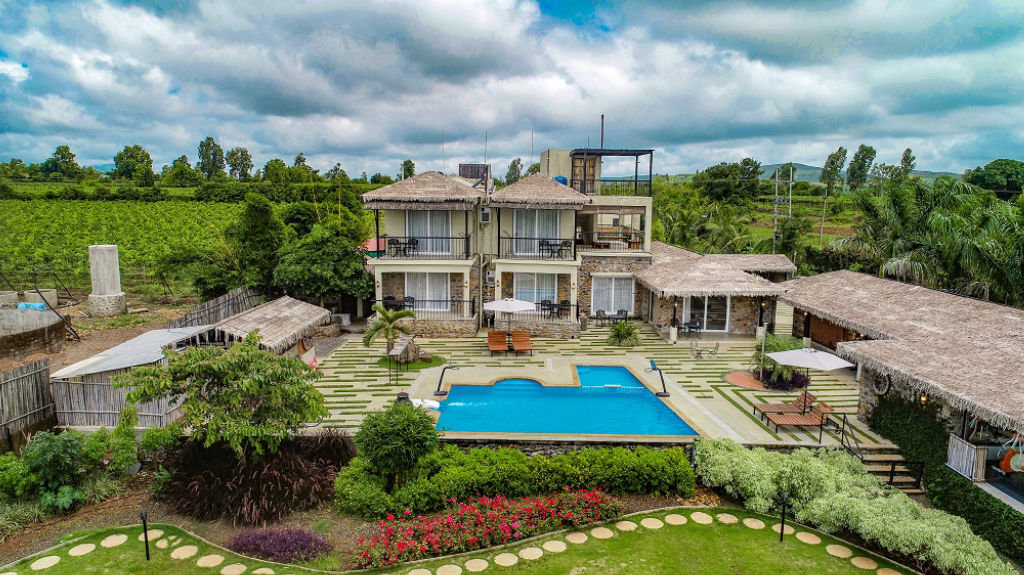
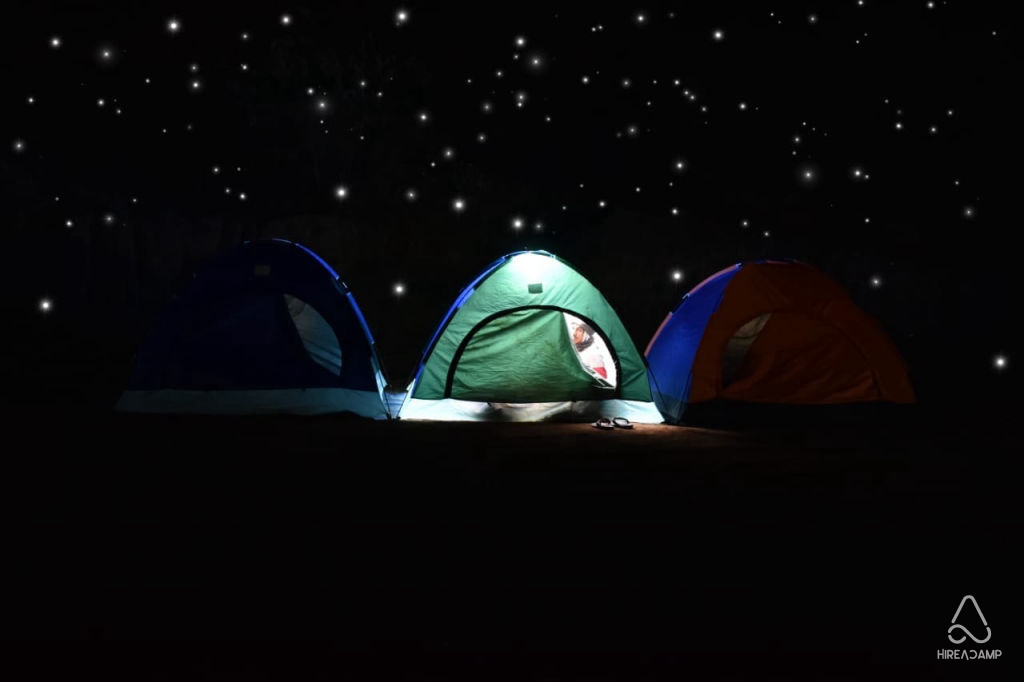
For accommodation, booking rural homestays, nature campsites, or quiet cottages allows you to slow down and enjoy the surrounding countryside. You can explore and book verified outdoor stays and local homestays in the Khodala area directly on HireACamp. Staying close to the trailheads avoids long drives along winding ghat roads and lets you begin exploring early in the morning.
Written with AI from creators' posts and map data. Check prices and timings locally before you go.
9 places · 9 creator recommendations · Updated today
Ranked by how many independent creators recommend each place, not by who paid. The list updates itself as new posts come in.


Frequently asked questions
What is the best season to explore hidden places near Khodala?
The monsoon season from July to September brings flowing streams and lush landscapes to spots like Pahine waterfall, while the winter months from November to February offer cool and dry weather suitable for climbing Kavnai Fort and Anjaneri Fort.
Are the forts near Khodala suitable for beginner hikers?
Kavnai Fort is generally considered an accessible day hike with rock-cut steps that suits beginners with basic fitness, whereas Anjaneri Fort features a longer ascent up to an expansive plateau.
What should visitors know before visiting 108 Shivling Gupha?
Visitors should wear sturdy footwear for the uneven rocky path along the hillside and dress modestly, as the cave is an active and quiet spiritual site near Trimbak.
Where can travellers stay while exploring the area around Khodala?
Travellers can find verified campsites, rural homestays, and rustic nature stays across the Khodala region by booking through HireACamp.
What is the significance of Kushavarta Kund near Trimbak?
Kushavarta Kund is a historic stone reservoir revered as the place where the Godavari River emerges after flowing beneath the Brahmagiri hills, and it is best visited early in the morning for a calm experience.
Stays near Khodala
Make a trip of it