Monsoon getaways near Mawal Subdistrict
This guide highlights popular monsoon getaways near Mawal Subdistrict, showcasing rain-washed hill stations, historic forts, and scenic waterbodies across the Western Ghats. It is ideal for hikers, families, and road-trippers planning a rejuvenating break from Mumbai or Pune during the rainy months. Whether you are looking for an active mountain climb or a leisurely drive past misty valleys, these destinations offer a classic Sahyadri monsoon experience.
Top monsoon spots around Mawal
The western edge of Maharashtra turns dramatically green when the rainy season arrives, and Mawal Subdistrict sits right at the heart of this seasonal transformation. Among the most popular destinations in the area is Khandala, a hill station perched on the crest of the Sahyadri ranges just a short drive from Mawal. Known for its sweeping valley vistas and mist-covered cliffs, Khandala provides a quick nature retreat for travellers coming from Mumbai and Pune. Nearby, Lonavala Lake fills with fresh rainwater, transforming into a tranquil resting point framed by green slopes. Just a brief drive further along the road lies Bhushi Dam, where rainwater cascades down wide masonry steps, drawing visitors eager to feel the rush of seasonal mountain water against a backdrop of mist-shrouded peaks. Together with the nearby Lohagad Fort, these classic destinations offer an easy introduction to the misty landscapes of the region.
Waterfalls and scenic viewpoints
The rugged topography of the Western Ghats creates numerous dramatic vantage points and cascading waters during the wet months. Lonavala Lake Waterfall, located along the scenic lake road near Kurvande, comes alive with vigorous runoff that drops down mist-draped hill slopes right beside the road. For expansive views over deep ravines and rocky cliffs, Lion Point and Tiger Point provide sweeping panoramas of cloud-filled valleys and cool mountain breezes. Nearby, Rajmachi Point in Khandala provides elevated vistas over the historic trade route and dramatic gorges of the Bor Ghat pass. Trekkers seeking an adventurous route often head towards the Kataldhar waterfall parking near Udhewadi, which serves as the departure point for trails leading into deep, rain-soaked valleys beneath the cliff faces.
Historical fort trails in the rains
For trekkers and history enthusiasts, the monsoon season reveals a captivating side of the ancient hill fortifications around Mawal. Lohagad Fort is one of the most prominent trekking spots in the area, offering expansive ramparts that look out over Pawna Lake and the valleys below. Neighbouring Visapur Fort features historic stone fortifications and a famous walking trail that turns into a gentle waterfall during periods of heavy rain. Further into the hills, Tung Fort rises sharply above the surrounding landscape as an ancient watchtower, while Korigad Fort presents an expansive high-altitude plateau with freshwater ponds and well-preserved perimeter walls. Rajmachi Fort, with its twin citadels of Shrivardhan and Manaranjan, and the watchtower at Sondai Fort round out an impressive network of highland routes that showcase the historical significance and natural grandeur of the Sahyadri mountains.
Best time and seasonal climate
The monsoon in this part of Maharashtra typically spans from June through late September, bringing steady showers and persistent cloud cover to the Sahyadris. The early weeks of the season bring relief from summer warmth, while July and August usually see the heaviest rainfall, resulting in full water reservoirs, roaring cascades, and vibrant vegetation. Temperatures remain pleasantly cool throughout the day, though high humidity and sudden downpours are common across the ghats. Late August and September often bring intermittent sun breaks paired with lush hillsides and clearer valley views, making it an ideal period for outdoor walking and sightseeing.
Tips for exploring Mawal in the monsoon
Visiting the Western Ghats during the rainy season requires thoughtful preparation to stay comfortable and safe. Footpaths leading to hill forts like Lohagad and through rocky terrain near waterfalls can become extremely slippery, so sturdy hiking shoes with strong grip are essential. Waterproof bags or protective covers are crucial for safeguarding electronics and personal items against sudden cloudbursts. When driving through the ghat sections between Mumbai, Pune, and Mawal, allow extra travel time, maintain cautious speeds, and stay aware of reduced visibility caused by thick fog. Because water levels and trail access can change quickly during heavy downpours, always check weather updates and local guidance before venturing out.
Where to stay near Mawal
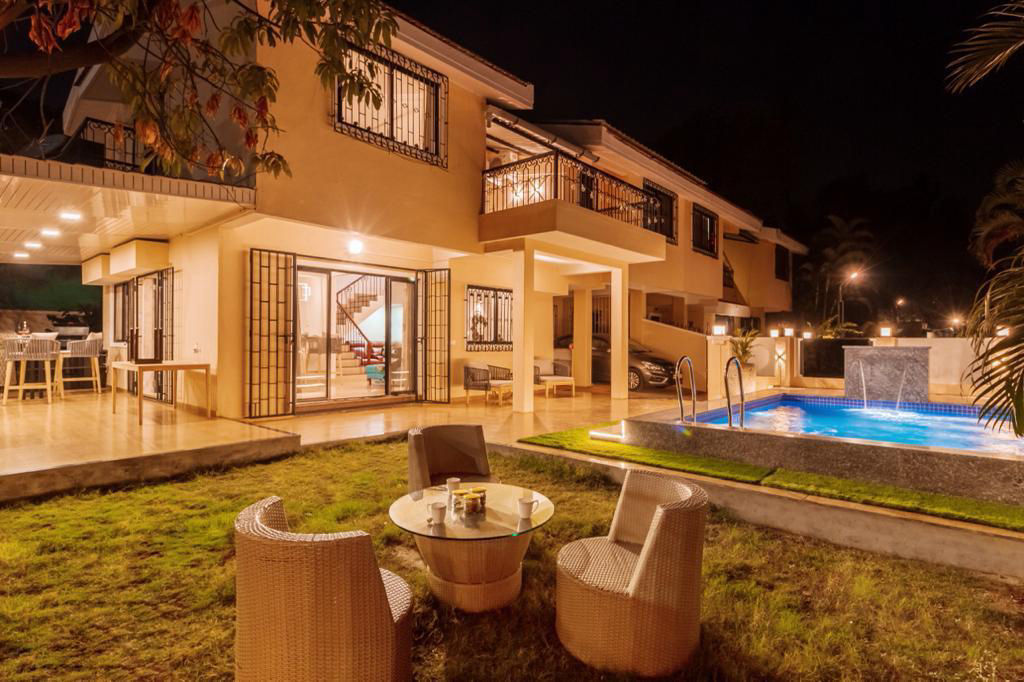
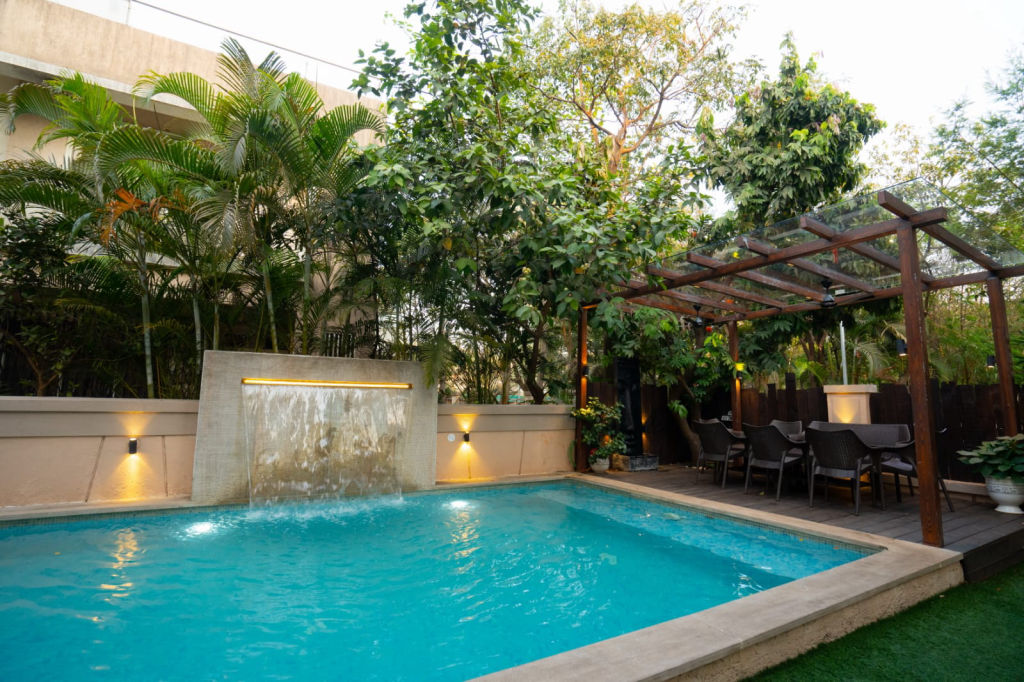
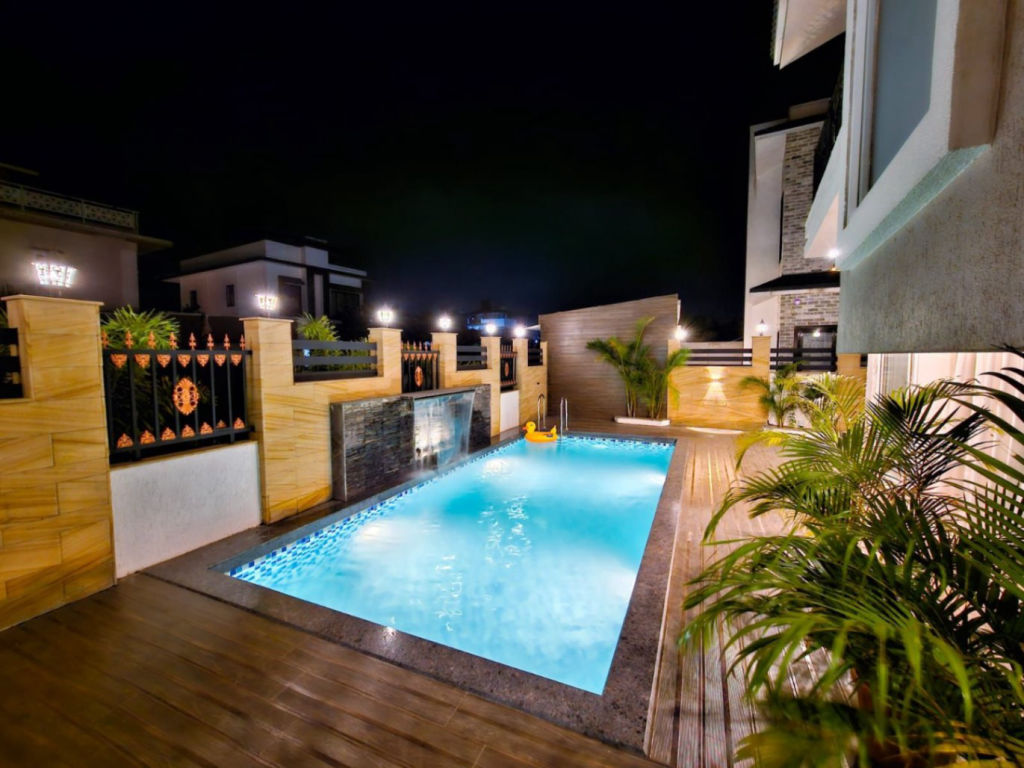
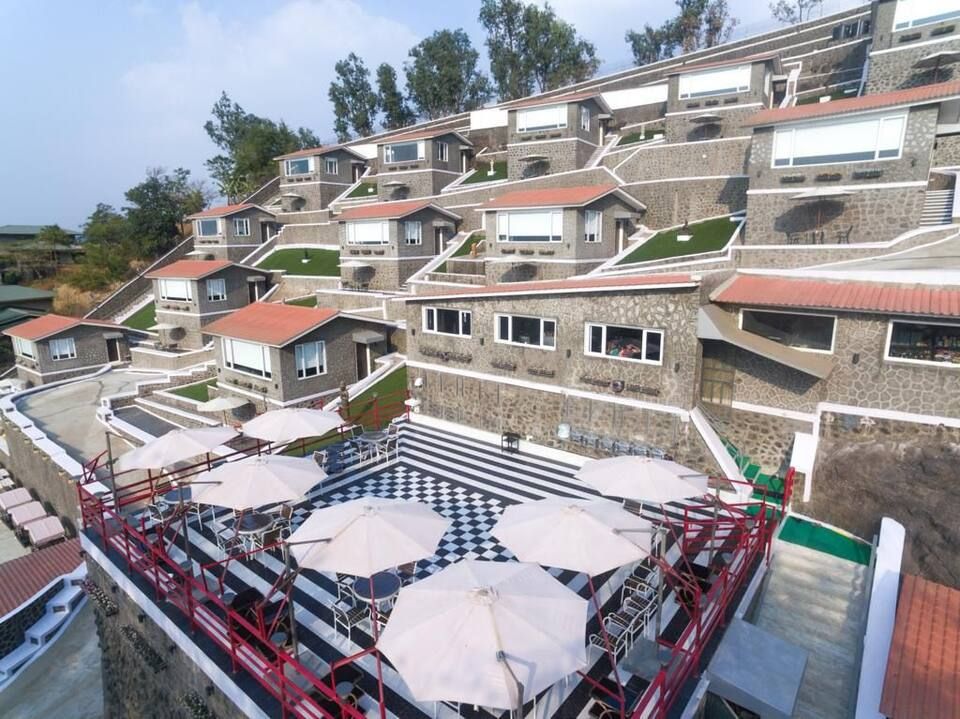
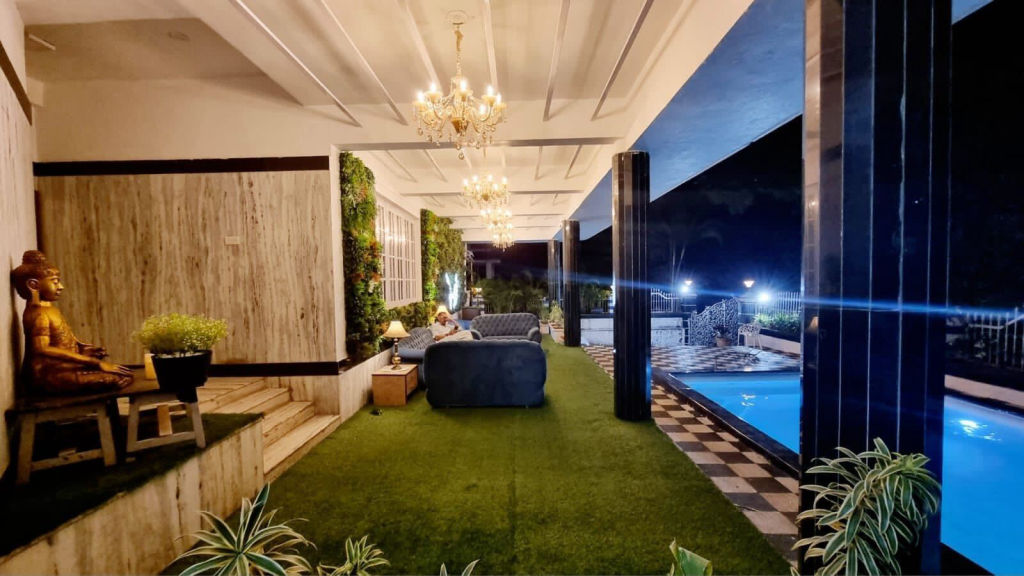
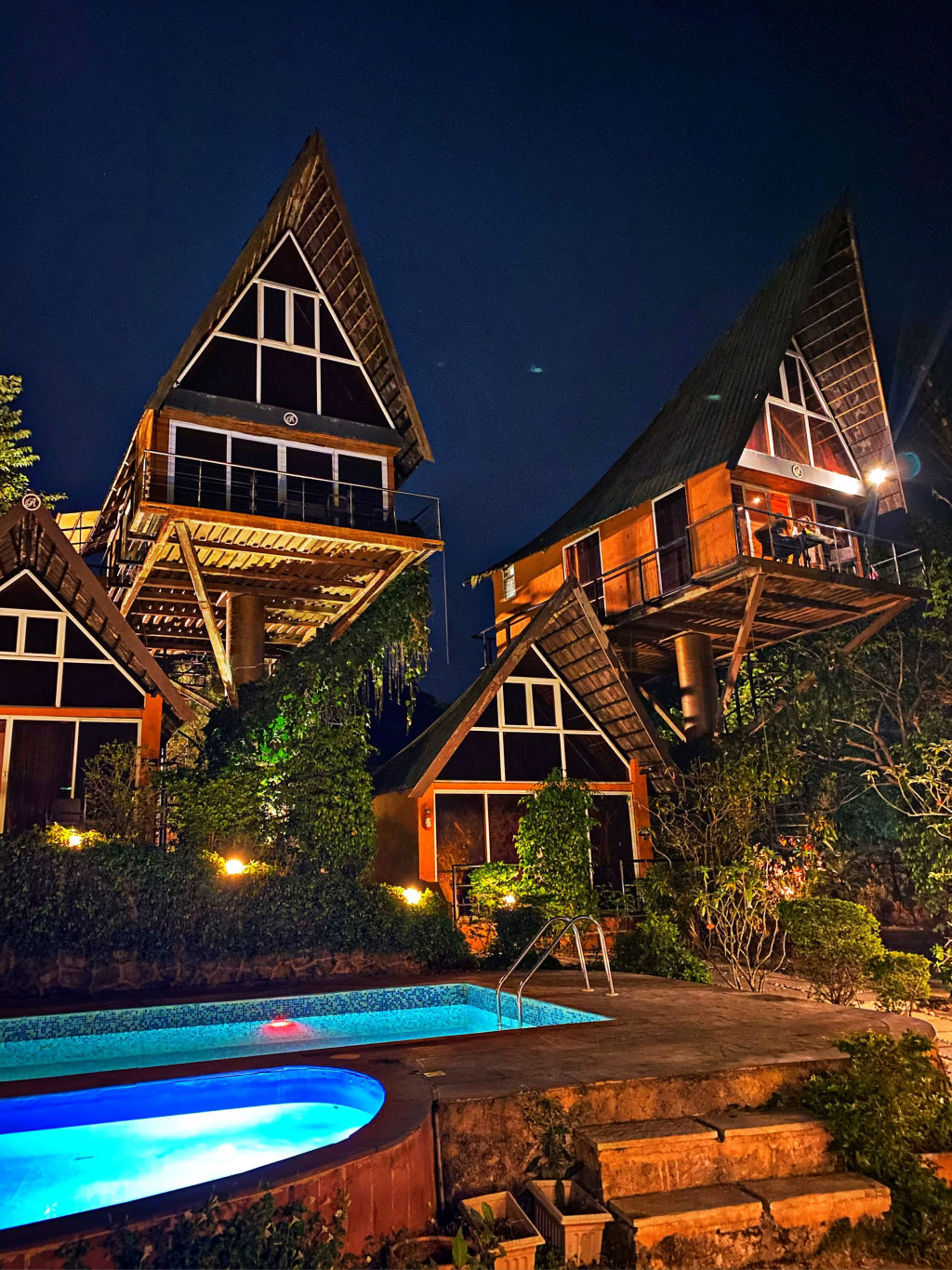
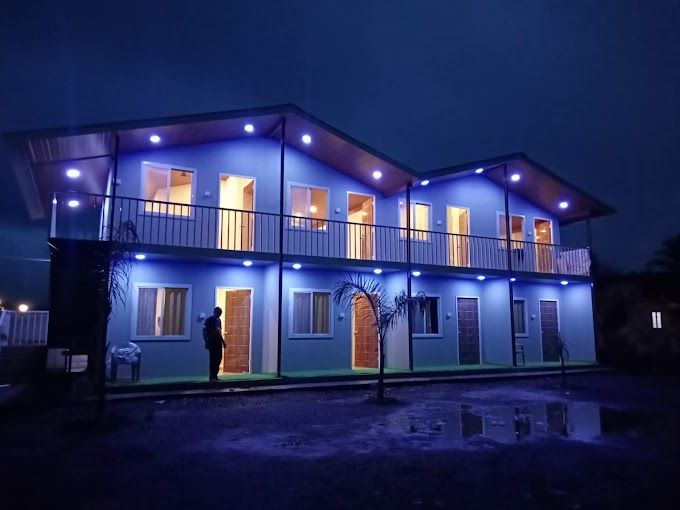
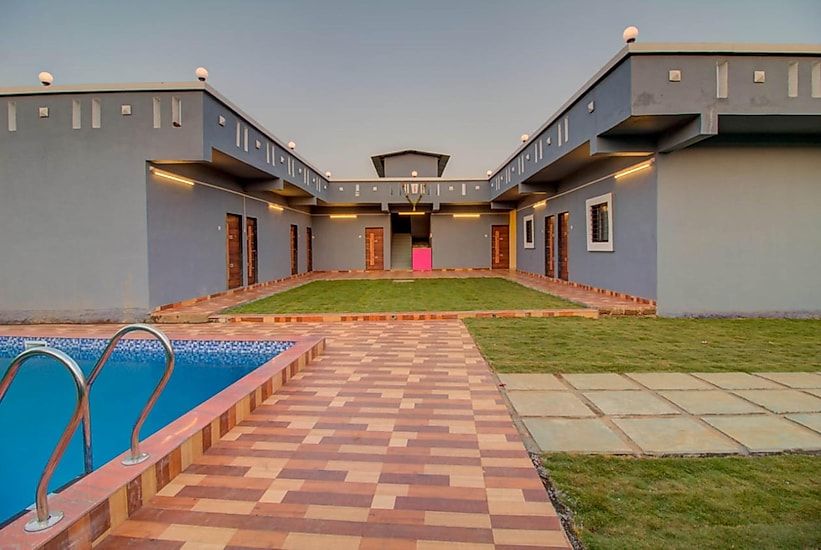
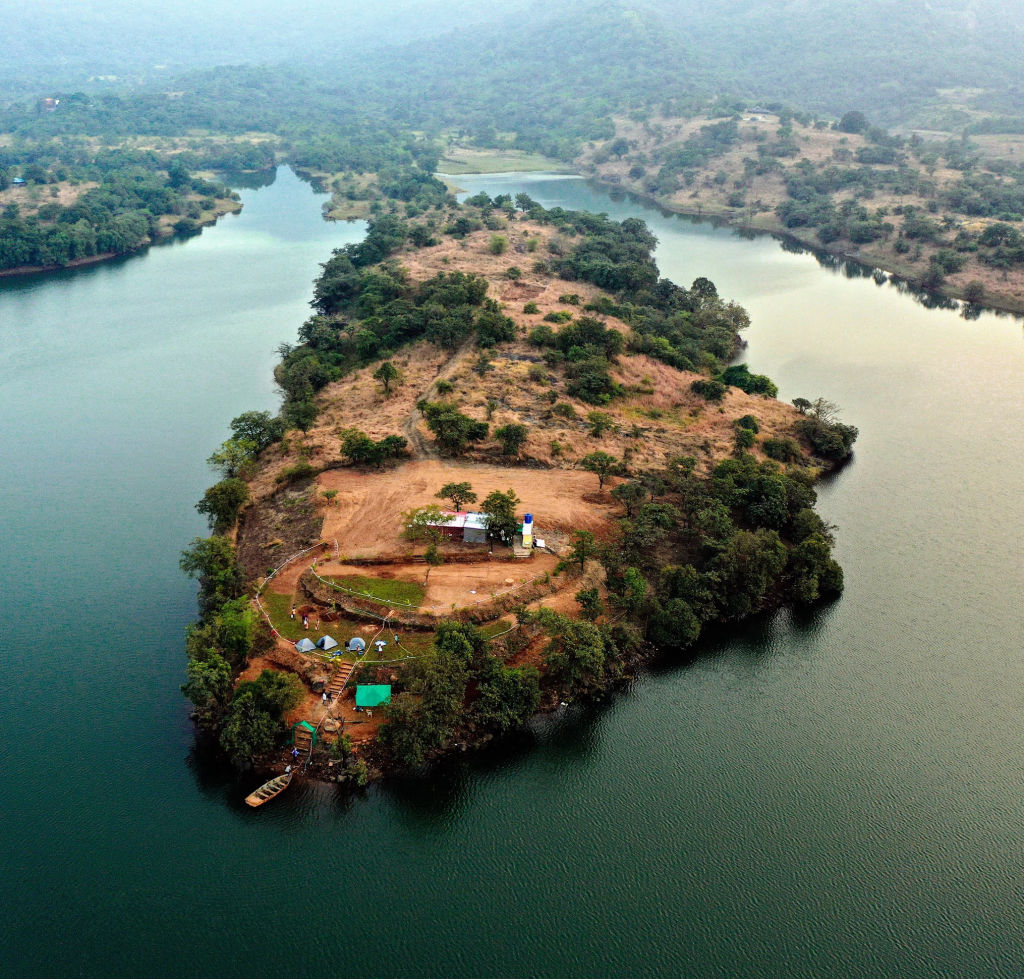
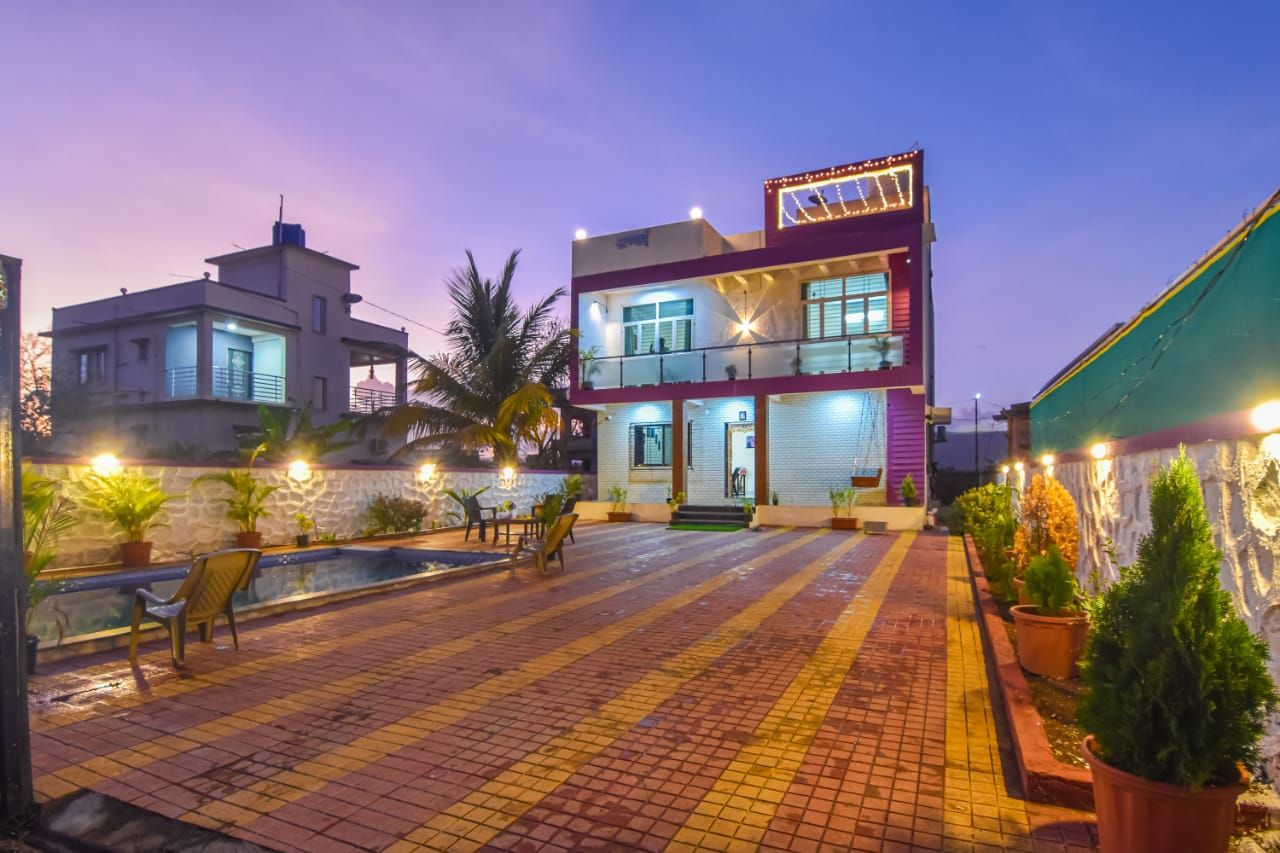
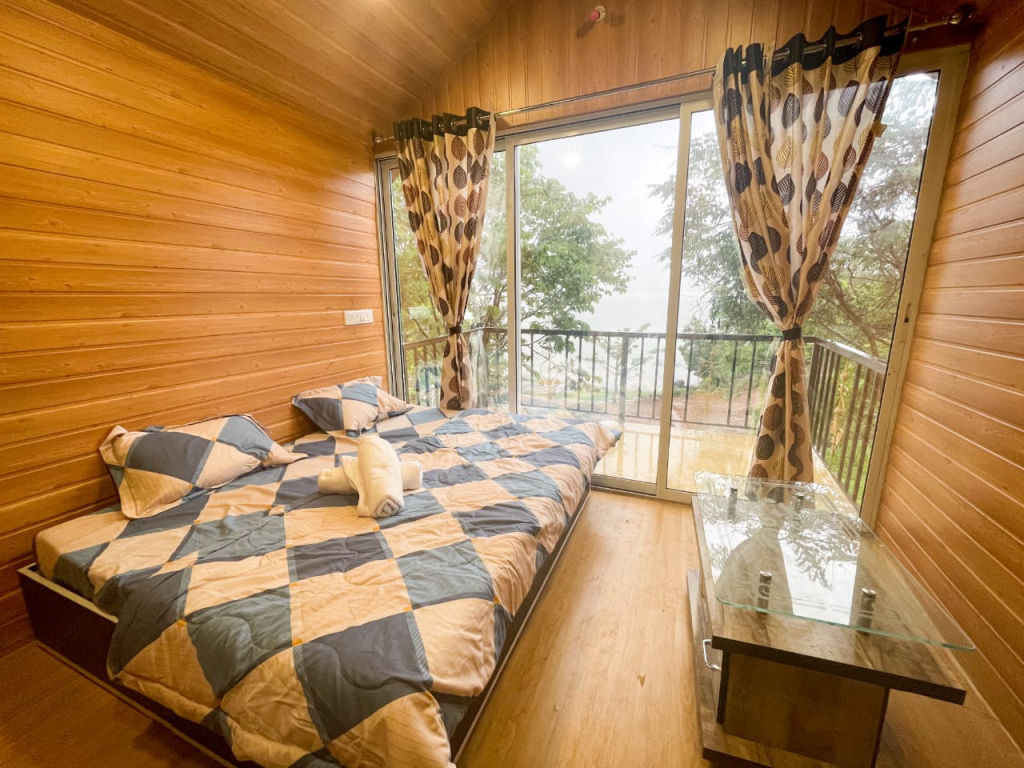
Finding the right base allows you to experience the natural rhythm of the Western Ghats at a relaxed pace. Rather than rushing back to the city on the same day, many travellers prefer spending a weekend surrounded by rural scenery and quiet mountain air. A wide variety of camps, homestays, and outdoor stays across the Mawal and Lonavala region can be found on HireACamp, giving you comfortable lodging close to scenic trails, lakes, and misty viewpoints.
Written with AI from creators' posts and map data. Check prices and timings locally before you go.
26 places · 39 creator recommendations · Updated today
Ranked by how many independent creators recommend each place, not by who paid. The list updates itself as new posts come in.


Frequently asked questions
Which are the best monsoon destinations to visit near Mawal Subdistrict?
Khandala, Lonavala Lake, Bhushi Dam, and Lohagad Fort are among the most frequently recommended spots near Mawal during the rainy season. Each provides distinct experiences ranging from mist-covered hill viewpoints to historic fort trekking and cascading waters.
How accessible is Lohagad Fort during the rainy season?
Lohagad Fort is one of the more accessible treks in the Sahyadris, featuring stone steps along much of its route. However, visitors should exercise caution and wear footwear with good grip, as the ancient stairs become slippery when wet.
What can visitors expect at Bhushi Dam in the monsoon?
During the monsoon, rainfall causes water to overflow down the broad masonry steps of Bhushi Dam. It is a well-known stop for travellers looking to experience cool flowing water surrounded by lush hills.
When is the best time to experience waterfalls near Mawal?
Waterfalls such as Lonavala Lake Waterfall and Kataldhar are seasonal and at their most active between July and September during the peak of the monsoon rains. Visitors should always monitor local weather conditions before heading out to seasonal cascades.
Where can travellers stay when exploring Mawal Subdistrict?
A selection of rustic camps, homestays, and nature stays in the surrounding countryside can be booked directly through HireACamp.
Stays near Mawal Subdistrict
Make a trip of it