Monsoon getaways near Ratan Wadi
Set in the rugged heart of Maharashtra's Sahyadri mountains, Ratan Wadi serves as an ideal base for exploring mist-covered passes, ancient stone shrines, and roaring seasonal falls. This guide highlights scenic destinations within 40 kilometres of the village, tailored for road-trippers, trekkers, and nature lovers seeking fresh greenery during the wet season. Each location on the list is ranked by how frequently independent travel creators recommend it.
9 places · 12 creator recommendations · Updated today
Ranked by how many independent creators recommend each place, not by who paid. The list updates itself as new posts come in.


About this list
Written with AI from creators' posts and map data. Check prices and timings locally before you go.
Top picks for a monsoon escape near Ratan Wadi
The landscape surrounding Ratan Wadi comes alive during the monsoon, when moisture-laden winds paint the basalt cliffs of the Western Ghats deep green. Standing out at the top of creator recommendations is Malshej Ghat, situated around 20 kilometres from Ratan Wadi near Thitabi Tarf Vaishakhare. This mountain pass between Mumbai and Pune is famous for its panoramic viewpoints, hanging mist, and numerous seasonal cascades that spill directly beside the winding mountain roads.
Closer to the village, just a short drive of about two kilometres along the Koltembhe route, sits Vasundhara Waterfall, Koltembhe, Bhandardara. Fed by monsoon downpours, this cascade offers a quiet stop surrounded by dense foliage and steep slopes. For those who appreciate architecture alongside natural beauty, Shree Amruteshwar Temple is located roughly three kilometres from the village centre. The ancient stone shrine dedicated to Lord Shiva features intricate rock-carved details and stands set against the backdrop of rain-soaked hills.
Rugged trails and iconic Sahyadri summits
Outdoor adventurers visiting during the wet season have access to some of Maharashtra's most celebrated geography. Sandhan Valley, located about 12 kilometres from Ratan Wadi, is a water-carved canyon bounded by towering rock walls. Often described as the Valley of Shadows due to the narrow cliffs that block out overhead sunlight, it attracts visitors looking for boulder routes and natural pools.
Trekkers looking to head higher into the clouds frequently head toward Kalsubai Peak, the highest summit in Maharashtra, situated near Baari around 11 kilometres away. While the steep trails require care when wet, reaching the summit shrine rewards hikers with expansive views over surrounding valleys and reservoirs. Similarly, the historic fort of Harishchandragad, roughly 15 kilometres from Ratan Wadi near Thitabi Tarf Vaishakhare, draws trekkers with its dramatic topography, medieval temples, and the sheer vertical drop of Konkan Kada.
Read more
Quiet reservoirs and forest cascades
Beyond the strenuous trekking routes, the area around Ratan Wadi contains several peaceful water bodies and forest streams. Ambit Dam, located about 11 kilometres away near Shirpunje Kh. on the Ambit-Pachnai route, offers open views of rolling green hills reflecting across wide water surfaces.
Further out toward Igatpuri, approximately 26 kilometres away, Bhavali Dam is an earthen structure across the Bham river that fills with fresh rainwater each season, forming a calm lake surrounded by low-hanging cloud. Travellers heading toward Vihigaon, roughly 34 kilometres from Ratan Wadi, can also seek out Ashoka waterfall. This forest cascade roars through a rocky gorge during peak rains, framed by thick hillside woods.
Best time to visit and seasonal weather
The monsoon in this part of the Western Ghats typically begins by late June and lasts through September. July and August bring the heaviest rainfall, resulting in full waterfalls, swirling fog, and vibrant landscapes across every valley.
Visiting during peak rainfall offers the full sensory experience of the Ghats, though travellers looking for lighter showers, clearer hiking paths, and lush surroundings often prefer early September. By late September, the rains taper off, leaving behind flowing mountain streams and green slopes under opening skies.
Practical tips for monsoon travel
Driving through the Western Ghats during heavy rains requires cautious navigation. Mountain roads around Bhandardara and Ratan Wadi can be narrow and prone to poor visibility due to thick fog, so plan your transit during daylight hours and account for slow moving traffic.
Footwear with strong grip is essential, as stone steps, valley boulders, and mud tracks become slick with rain. Water levels in streams and around reservoirs can rise suddenly after heavy downpours, so it is important to observe warning boards and avoid wading into fast-moving currents. Because cellular connectivity can be intermittent in remote valleys, download your maps in advance and verify local road conditions before setting out.
Where to stay near Ratan Wadi
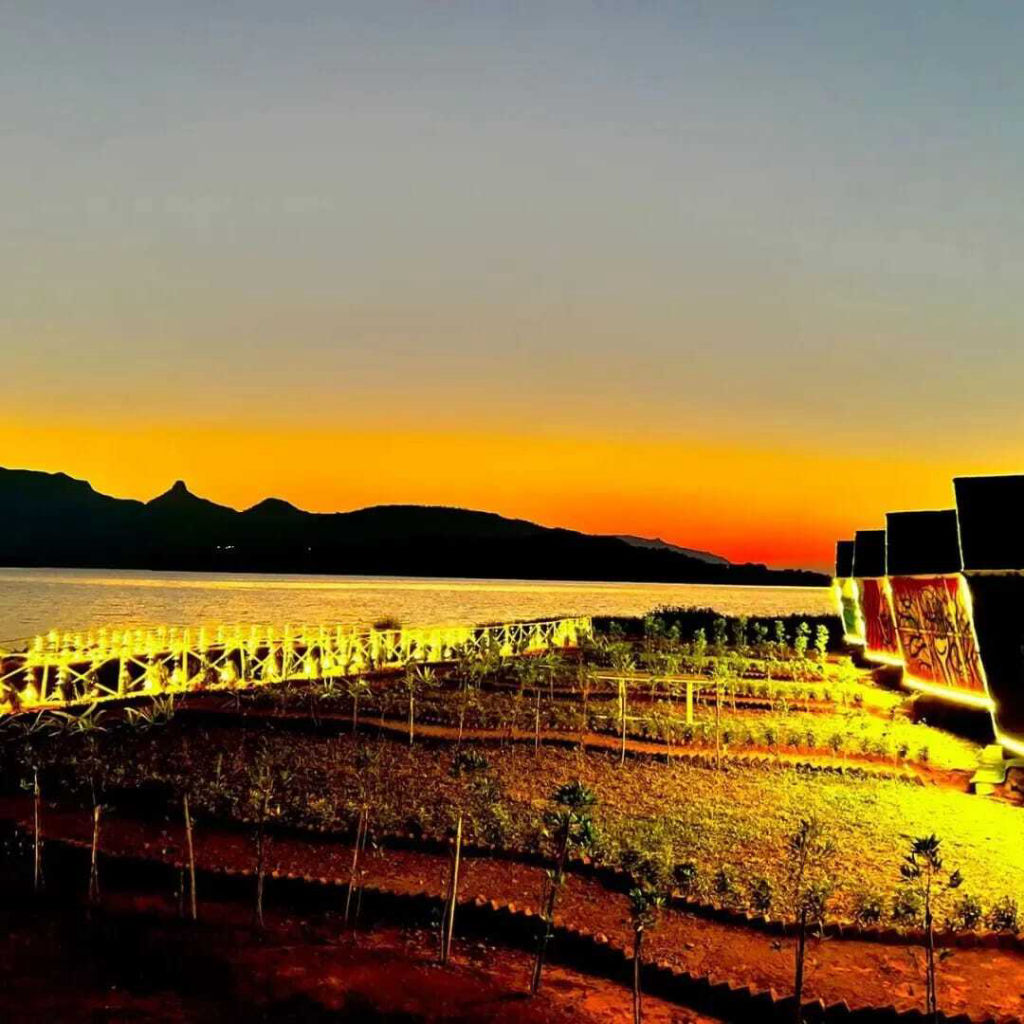
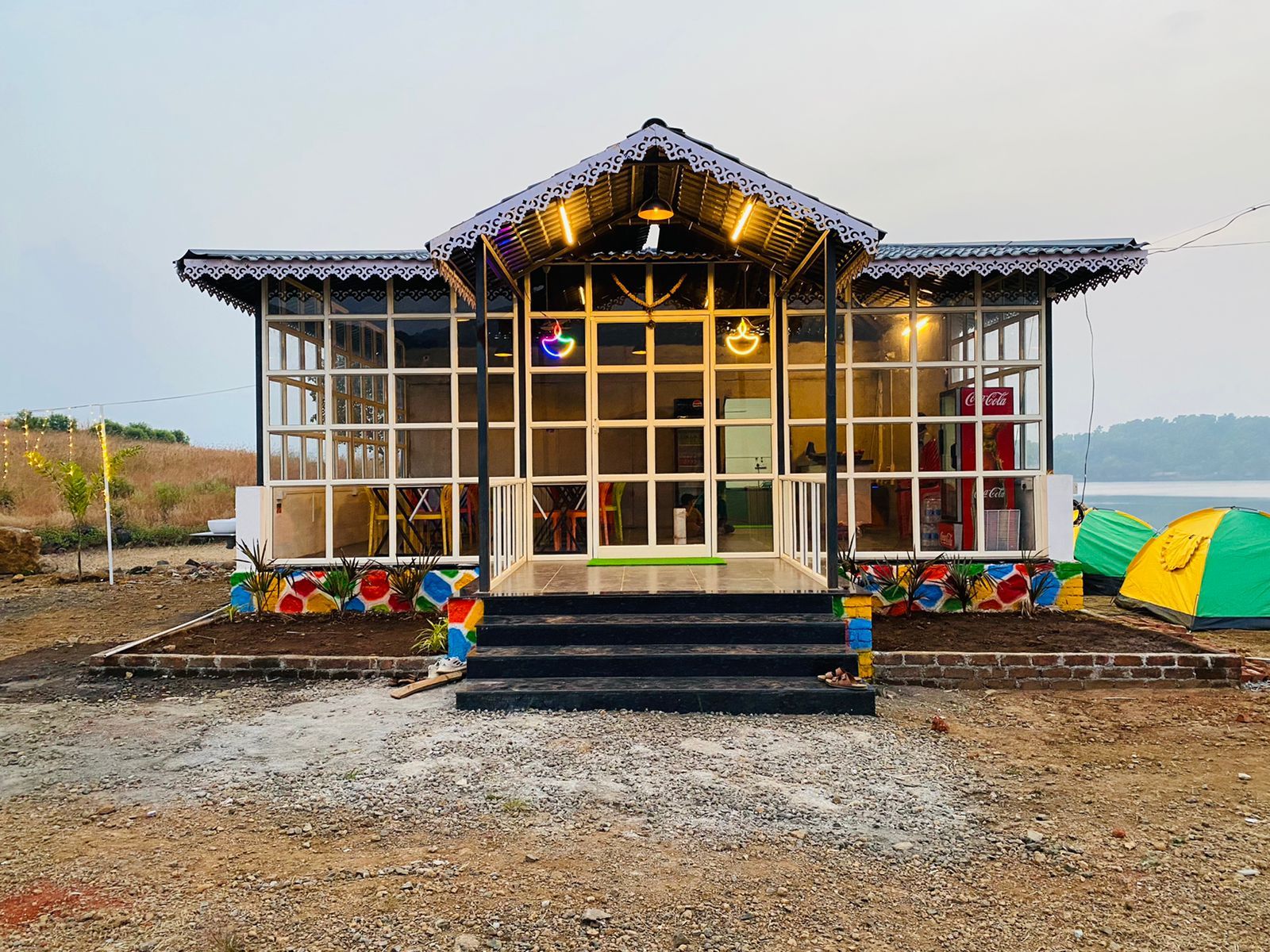
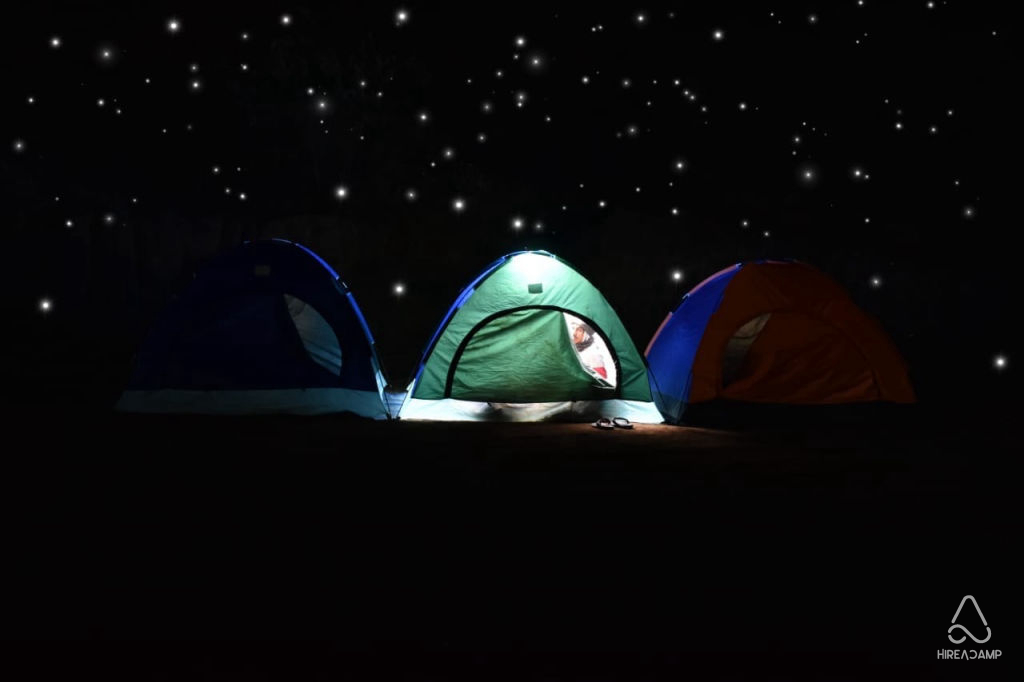
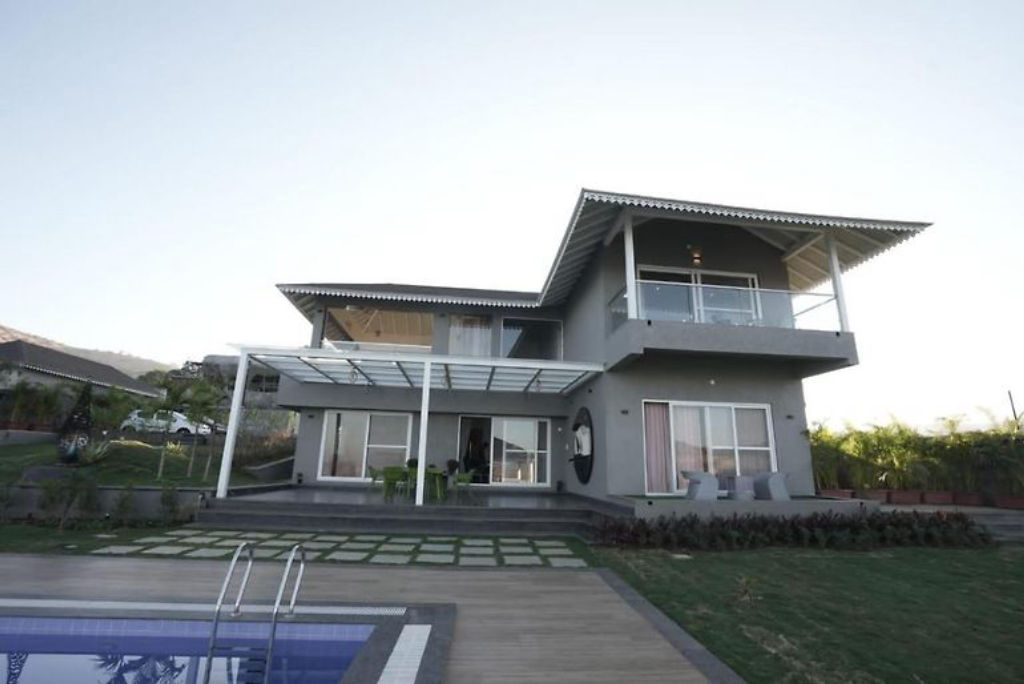
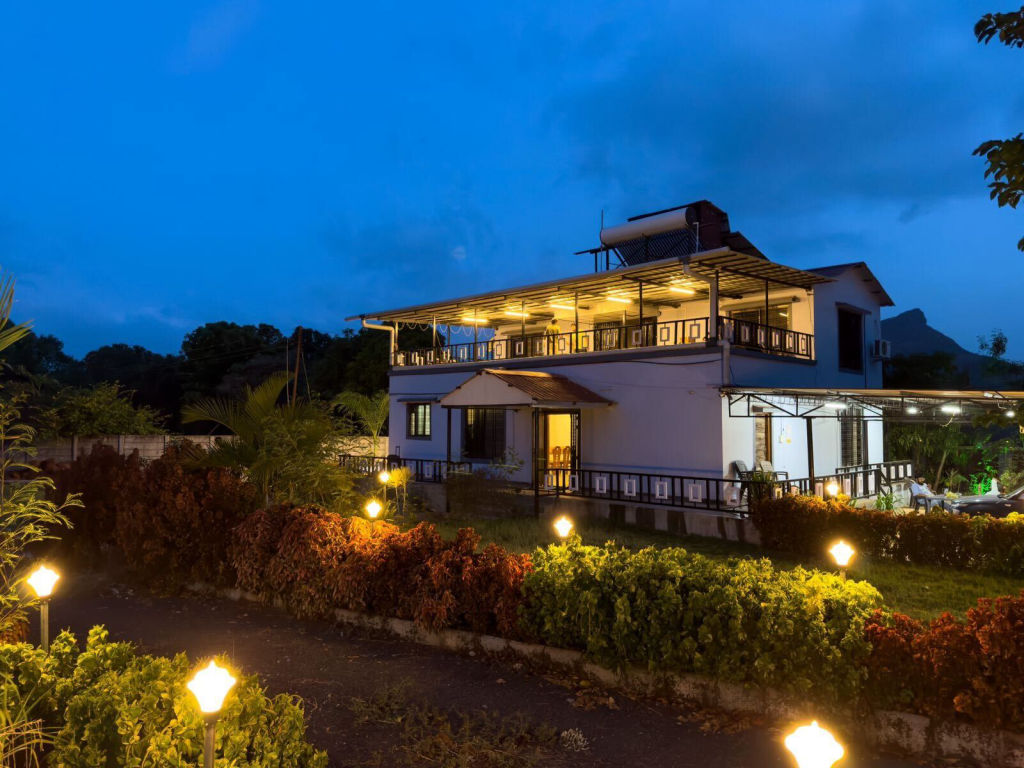
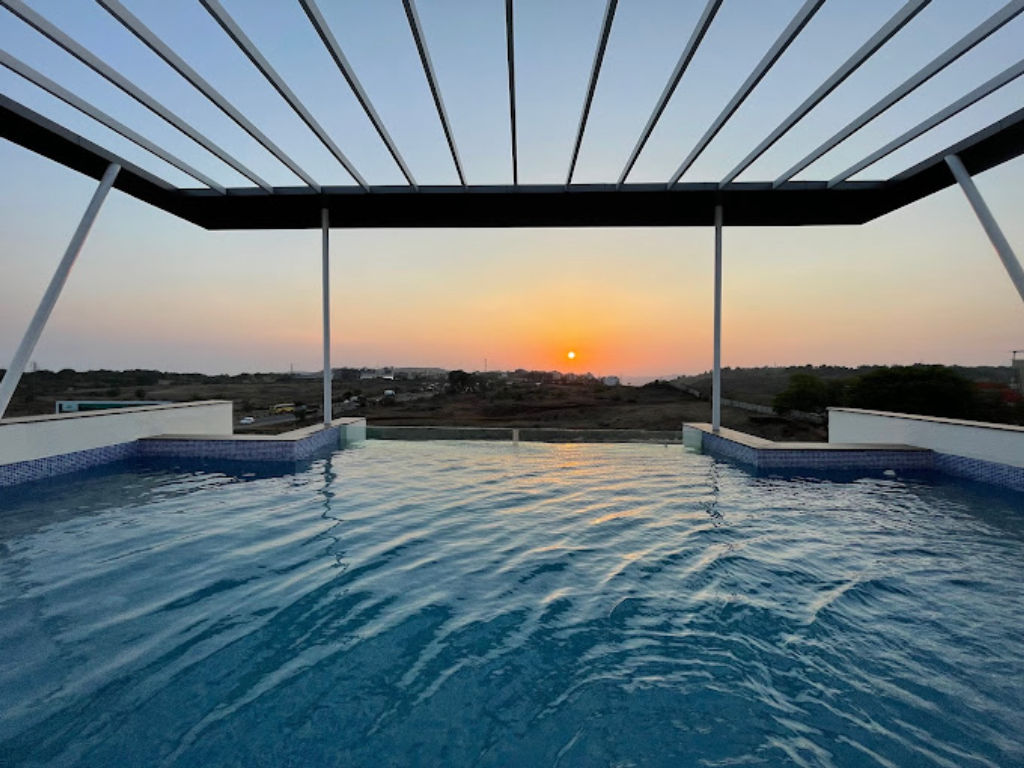
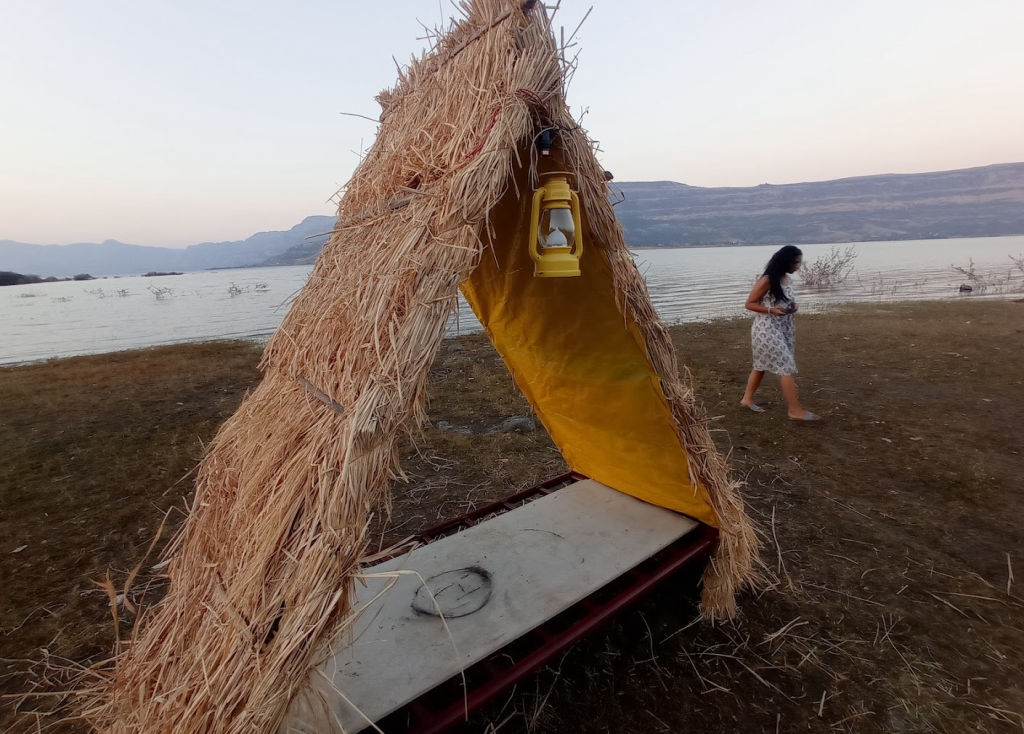
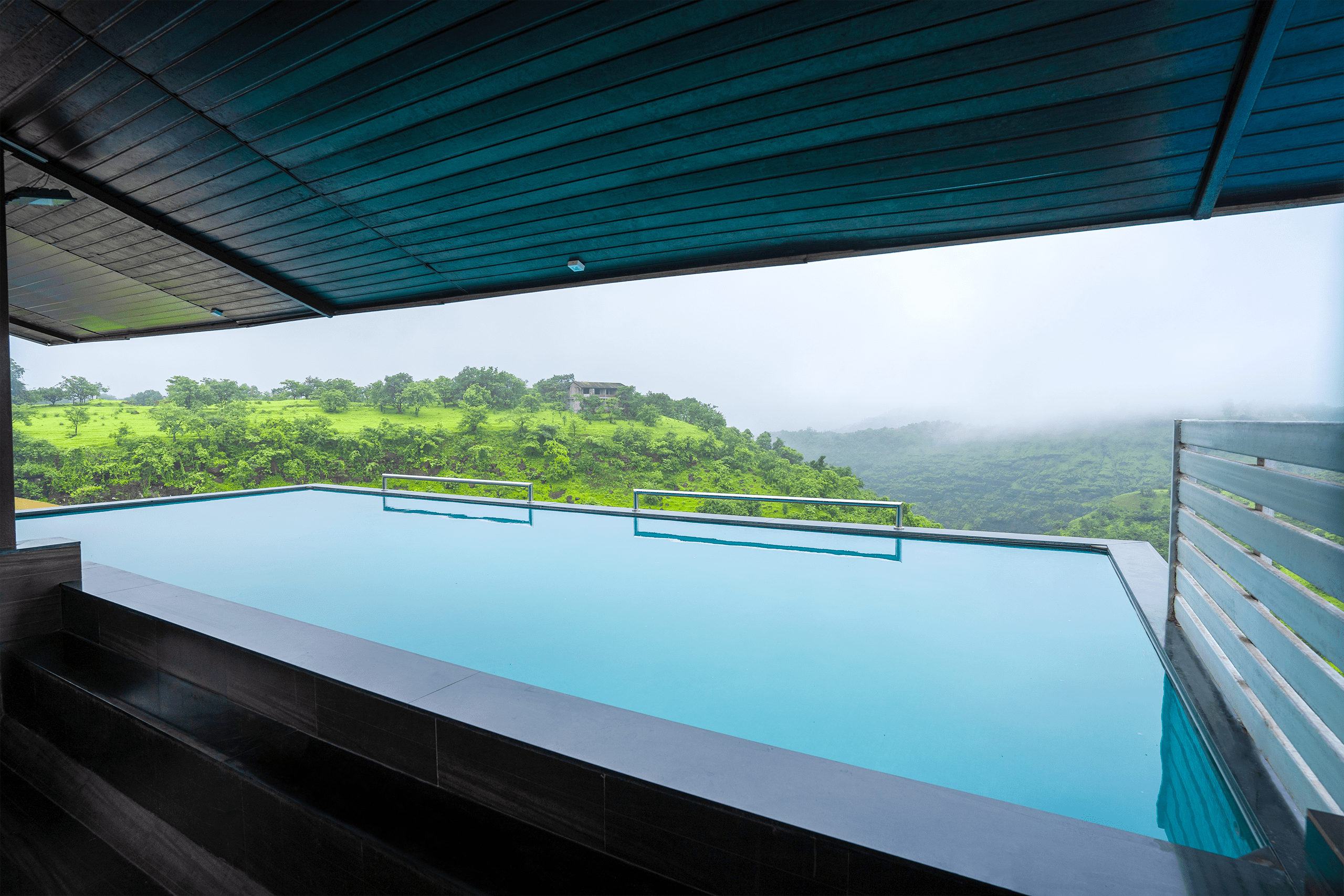
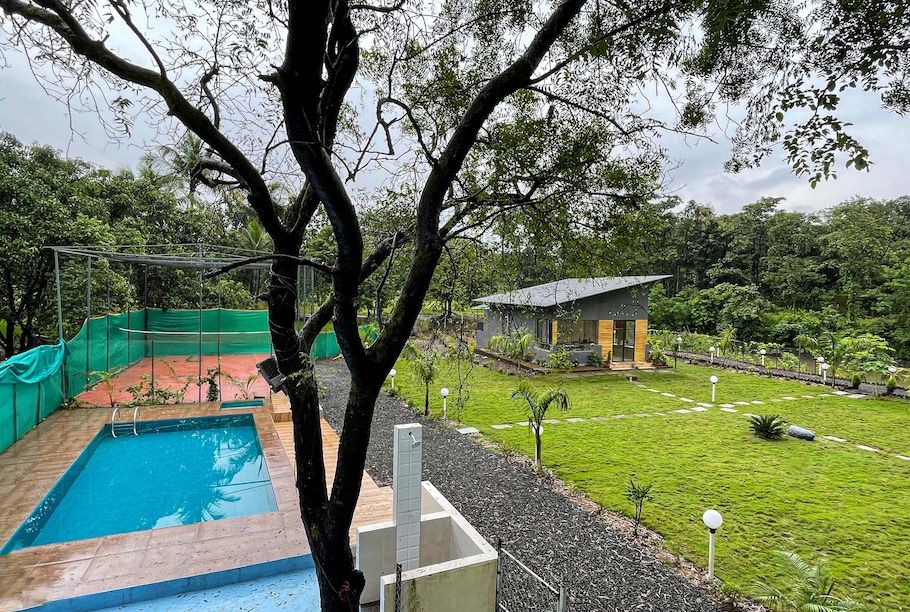
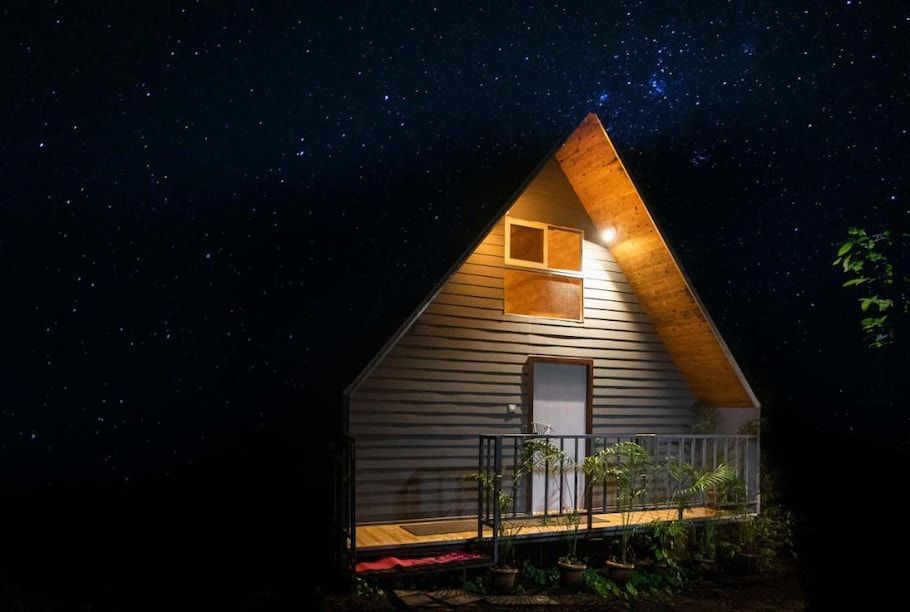
Finding a base close to Ratan Wadi allows you to experience the misty mornings and evening rains without long daily road trips. You can find rural homestays, nature retreats, and riverside campsites in the surrounding valleys on HireACamp. Staying locally also helps you reach early morning trails before cloud cover settles over the summits.
Frequently asked questions
Which places near Ratan Wadi are easiest to visit with family during the rains?
Shree Amruteshwar Temple and Vasundhara Waterfall, Koltembhe, Bhandardara are both within a few kilometres of Ratan Wadi and require minimal walking, making them comfortable stops. Scenic viewpoints along Malshej Ghat and the lakeside at Ambit Dam are also accessible by road.
Can you trek to Kalsubai Peak during the monsoon?
Yes, many trekkers hike Kalsubai Peak during the rainy season to experience the lush trails and summit mist. The steel ladders and rock pathways can become slippery, so good footwear and caution are required.
How far is Malshej Ghat from Ratan Wadi?
Malshej Ghat is located approximately 20 kilometres from Ratan Wadi. Travel times depend on road and weather conditions, as fog and monsoon rain often slow down driving on the ghat roads.
Is Sandhan Valley accessible during peak monsoon?
While the rim and upper entrance can be seen during the rains, full canyon descents through Sandhan Valley are dangerous during heavy monsoon downpours due to deep water pools and rushing torrents. Trekkers should check local conditions and follow local guidance before entering the gorge.
What should I pack for a monsoon trip around Ratan Wadi?
Pack reliable waterproof jackets or rain ponchos, quick-drying clothing, and trekking shoes with deep tread. Waterproof bags for electronic gear, extra dry socks, and basic personal first aid supplies are also recommended.
Stays near Ratan Wadi
Make a trip of it