
Ratan Wadi
Destination in Maharashtra
Ratan Wadi is a quiet mountain village nestled near the backwaters of Bhandardara in the Sahyadri range of Maharashtra. Best known as the base village for treks to the historic Ratangad Fort and home to the 1,200-year-old Amruteshwar Temple, it draws trekkers, history enthusiasts, and nature lovers seeking rustic mountain scenery. Its traditional rural rhythm, set against jagged basalt peaks and perennial river streams, makes it a favored gateway for exploring the surrounding valleys and ridges.
Getting there
By road
- From Nashik2 hr 30 min · 84 km
- From Mumbai 4 hr 20 min · 199 km
- From Pune5 hr 10 min · 178 km
- From Surat8 hr · 334 km
By train, bus or air
- Murbad Bus DepotNearest bus stand1 hr 55 min · 128 km
- Khanivare GroundNearest airport2 hr 10 min · 145 km
Typical drive times without traffic. Places, distances and typical drive times from OLA Maps; notes from creators' Reels.
Ratan Wadi Travel Guide and Itineraries
Ratan Wadi is a Sahyadri village destination known for its rugged canyon trails, ancient stone architecture, and proximity to regional trekking peaks in the Bhandardara and Nashik regions.
Ratan Wadi Highlights
Best for day hikers and heritage visitors
Day 1
Canyon Trekking and Ancient Architecture
morning
Sandhan ValleyAbout 4 hr
Trek through the canyon known as the Valley of Shadows, flanked by towering rock walls.
midday
Shree Amruteshwar TempleAbout 1 hr · 3.9 km from the last stop
Visit the ancient temple in Ratan Wadi, reported to be over 1,500 years old.
- Scooters can be rented in the region for approximately ₹500 per vehicle per day.
- A 3-day budget itinerary covering the Bhandardara and Nashik region is estimated at ₹4,000 to ₹5,000 per person for transit, lodging, and meals.
- Dormitory accommodations in nearby Nashik cost approximately ₹400 per person per day.
- Train fare connecting Delhi to Nashik costs around ₹650 per traveler.
- Visiting during the monsoon season produces over 10 seasonal waterfalls along Brahmagiri Hill, green trails at Anjaneri, and popular driving routes around Malshej Ghat.
Visit lengths are suggestions; distances are straight-line between stops.
About Ratan Wadi
Written with AI from map data and general knowledge. Check prices and timings locally before you go.
What Ratan Wadi is known for
Ratan Wadi is renowned across Maharashtra primarily for two landmarks: the imposing Ratangad Fort that towers over the village and the ancient Shree Amruteshwar Temple located on its edge. The village serves as the classic starting point for the trek up to Ratangad, a fortress associated with Chhatrapati Shivaji Maharaj that features a prominent rock hollow known as Nedhe, or the eye of the needle.
Beyond trekking, the settlement holds profound architectural importance. The Shree Amruteshwar Temple dates back to the twelfth century, constructed during the Yadava dynasty in the classical Hemadpanthi architectural style. Carved meticulously out of dark basalt stone, the temple complex features intricate geometric pillars, wall reliefs, and a deep stone water tank that stays filled with cold mountain water year-round. For travellers, walking through Ratan Wadi offers a direct glimpse into the deep history and rugged geology of the Western Ghats.
Things to do in Ratan Wadi
A visit to Ratan Wadi typically revolves around mountain hiking and heritage exploration. The primary activity is ascending Ratangad Fort. The trail winds through dense forest patches, rustic open ridges, and well-secured iron ladder sections bolted into steep rock faces near the top. From the summit bastion, trekkers are rewarded with sweeping panoramic views of the Bhandardara reservoir, Kalsubai Peak, and the deep drops of the Sahyadri escarpments.
Down in the village, spending unhurried time exploring the Amruteshwar Temple is an enriching experience. Visitors can examine the detailed stone carvings depicting mythological motifs along the outer shrine walls and sit by the sacred stepped pushkarini tank. Photography along the perimeter reveals ancient masonry patterns illuminated by morning sunlight. Walking along the village paths and near the riverbed allows visitors to appreciate authentic rural Maharashtrian hamlet life, characterized by tile-roofed stone houses and cattle pastures.
Read more
Places to visit around Ratan Wadi
The area surrounding Ratan Wadi is dense with natural wonders and trekking routes. Just three kilometres away lies the famous Sandhan Valley, a dramatic water-carved canyon known locally as the Valley of Shadows due to its sheer, high walls that block sunlight for much of the day. Adventurers frequent the gorge for technical trekking, scrambling, and descending through natural rock pools.
Also within three kilometres is the Vasundhara Waterfall in Koltembhe, a thunderous cascade active during the monsoon season. Higher up in the regional skyline, about eleven kilometres away in straight-line distance, sits Kalsubai Peak, the highest summit in Maharashtra. Trekkers seeking a challenging hike can tackle the Kalsubai trail from its nearby base villages.
For those interested in fortified heights, the historic plateau of Harishchandragad lies approximately fifteen kilometres away, famous for its ancient caves and the dramatic Konkan Kada cliff. Downstream, Ambit Dam and Bhavali Dam offer quieter water bodies set amidst rolling hills. Travellers extending their circuit can also venture twenty kilometres towards Malshej Ghat to watch seasonal hill torrents, or visit the historic Kavnai Fort and Gorakhgad Fort further into the neighbouring mountain ranges.
Best time to visit Ratan Wadi
The climate in Ratan Wadi varies distinctly across three main seasons: the monsoon, winter, and summer. The monsoon from late June through September transforms the region into an intensely lush landscape. During these months, the surrounding hills turn vibrant green, seasonal waterfalls plunge off high cliffs, and mist frequently blankets the trails. While this is the most scenic time for photography, trekking paths become slippery, requiring caution.
October to February is widely considered the best time for hiking and camping. Winter mornings are crisp and cool, daytime temperatures remain moderate under clear skies, and long treks to Ratangad or Sandhan Valley are comfortable. By March, summer arrives, bringing hot afternoons with temperatures often crossing thirty-five degrees Celsius. If visiting during summer, outdoor activities are best undertaken in the early morning or late evening.
How to reach Ratan Wadi
Ratan Wadi is accessible by road, although the final stretch through the hills involves winding rural routes with varying pavement conditions. From Nashik, the village is about 84 kilometres away and takes approximately 2 hours and 30 minutes of driving time under clear traffic conditions.
Travellers driving from Mumbai face a journey of roughly 199 kilometres, which typically takes around 4 hours and 20 minutes via the Mumbai-Nashik highway before turning off towards Ghoti and Bhandardara. From Pune, the distance is around 177 kilometres, taking about 5 hours and 10 minutes via Sangamner or Otur. Travellers driving from further away in Gujarat will cover about 334 kilometres from Surat in around 8 hours, or 456 kilometres from Vadodara in about 9 hours and 40 minutes.
For public transport users, the closest major railway railhead is Igatpuri. From Igatpuri or nearby Ghoti, local state transport buses run intermittently towards Shendi and Bhandardara, after which private jeeps or local transport can be hired to reach Ratan Wadi. During certain seasons, local boat services operate across the Bhandardara reservoir from Shendi to Ratan Wadi, cutting down road transit time significantly.
Tips for travellers visiting Ratan Wadi
Because Ratan Wadi is a remote village, it has limited commercial infrastructure. Mobile connectivity can be intermittent or absent depending on your network provider, so it is wise to download offline trail maps and complete communications beforehand. ATMs are not available in the village, making it essential to carry sufficient cash for local expenses and parking.
Wear sturdy trekking shoes with reliable grip, especially if visiting during the rainy months when moss covers the rocky steps. Carry sufficient drinking water and hydration salts for hikes, as the ascent to Ratangad has no reliable potable water along the upper trail. Lastly, respect the sanctity of the Amruteshwar Temple by removing footwear before entering the complex and adhering to local community norms regarding cleanliness.
Where to stay in Ratan Wadi
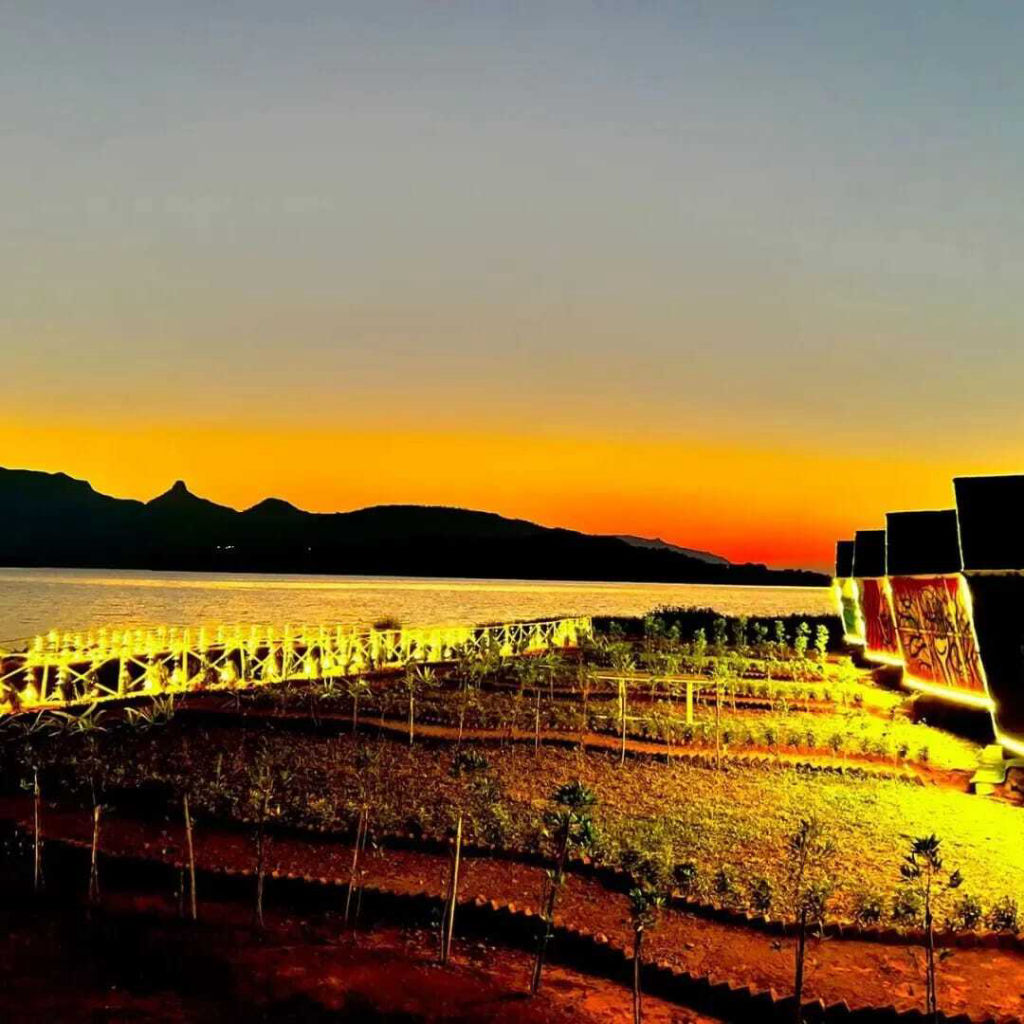
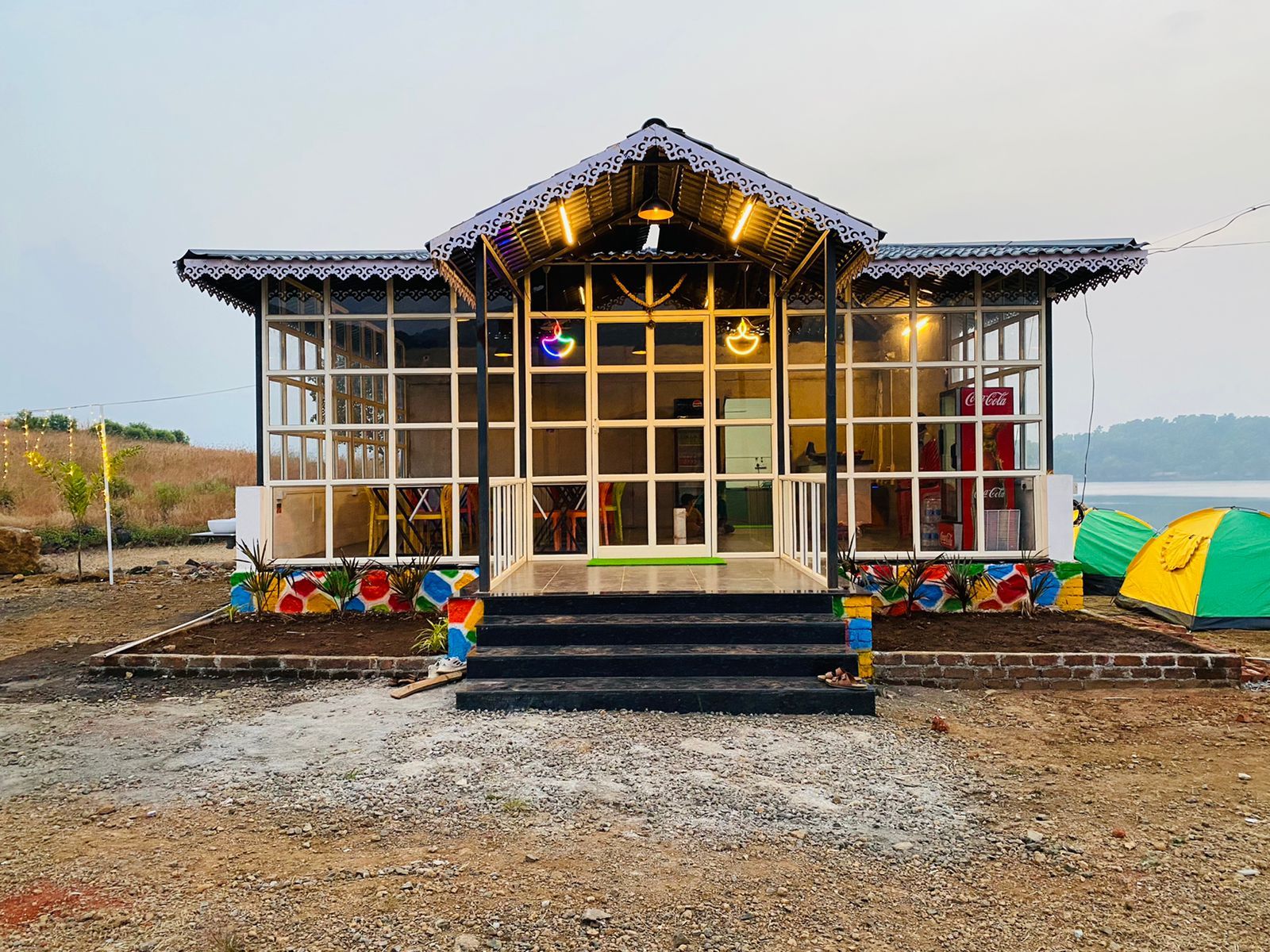
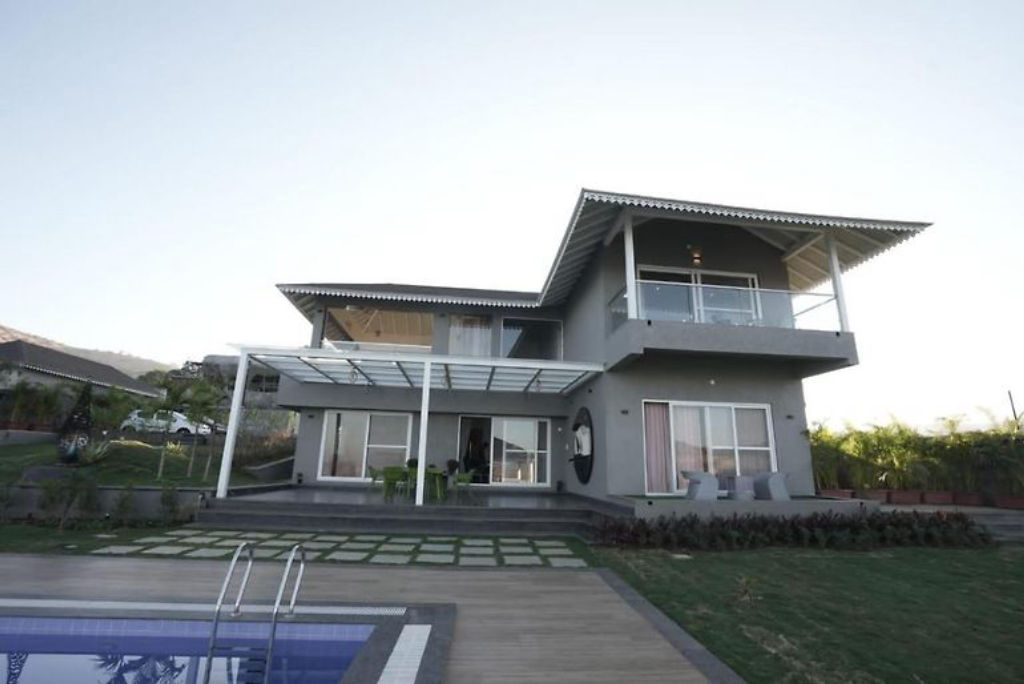
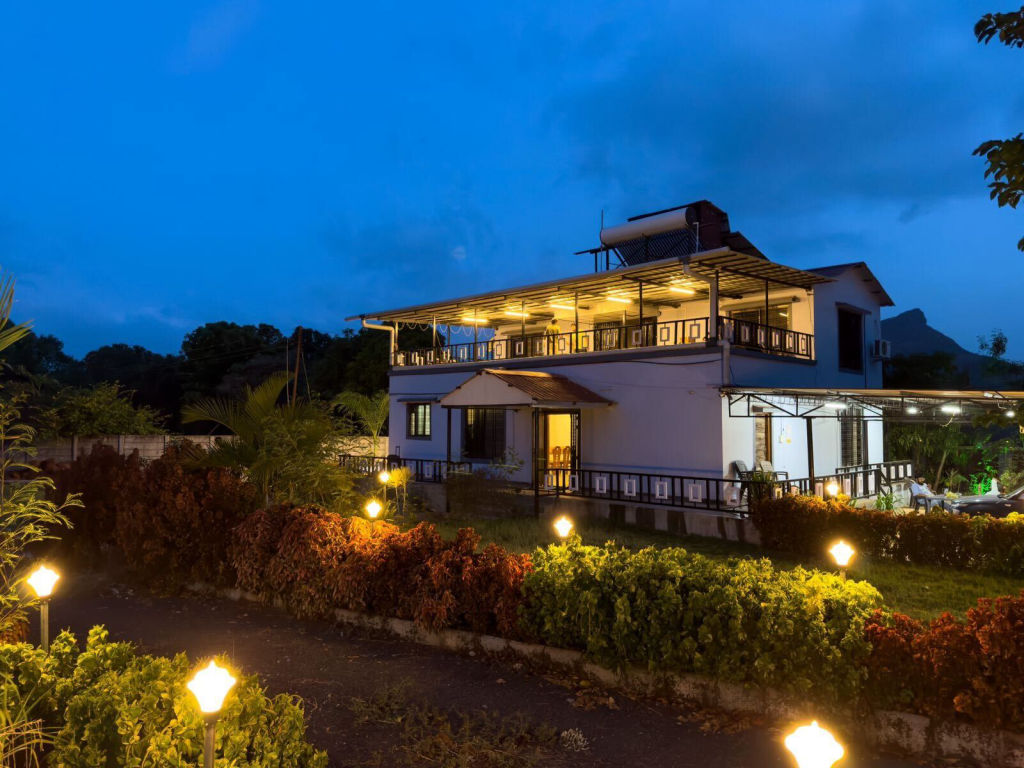
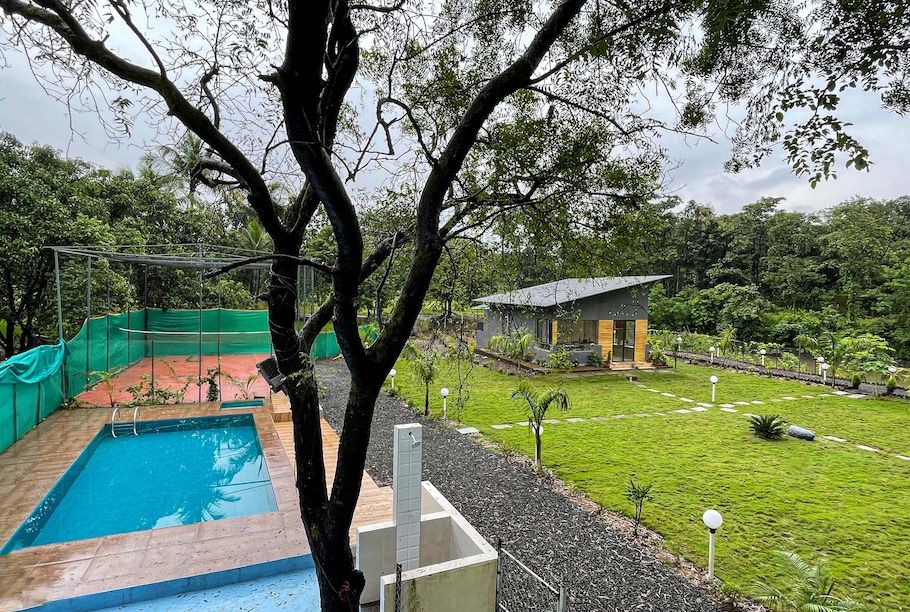
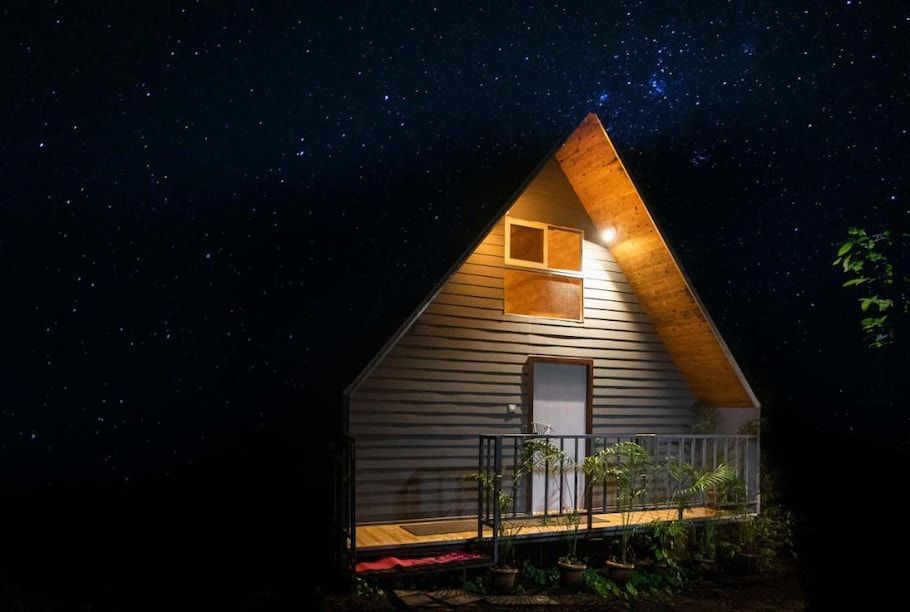
Accommodation choices directly inside Ratan Wadi are simple and rustic, reflecting the rural setting of the village. Trekkers and campers often stay in village homestays, where local families offer clean floor bedding, home-cooked regional meals, and a warm introduction to village hospitality.
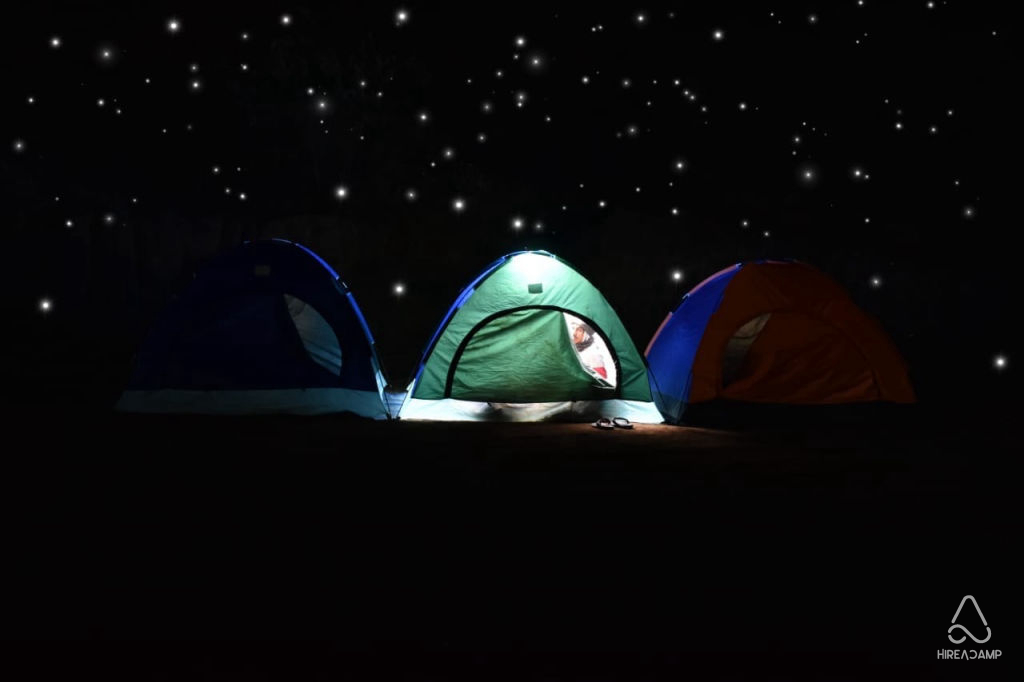
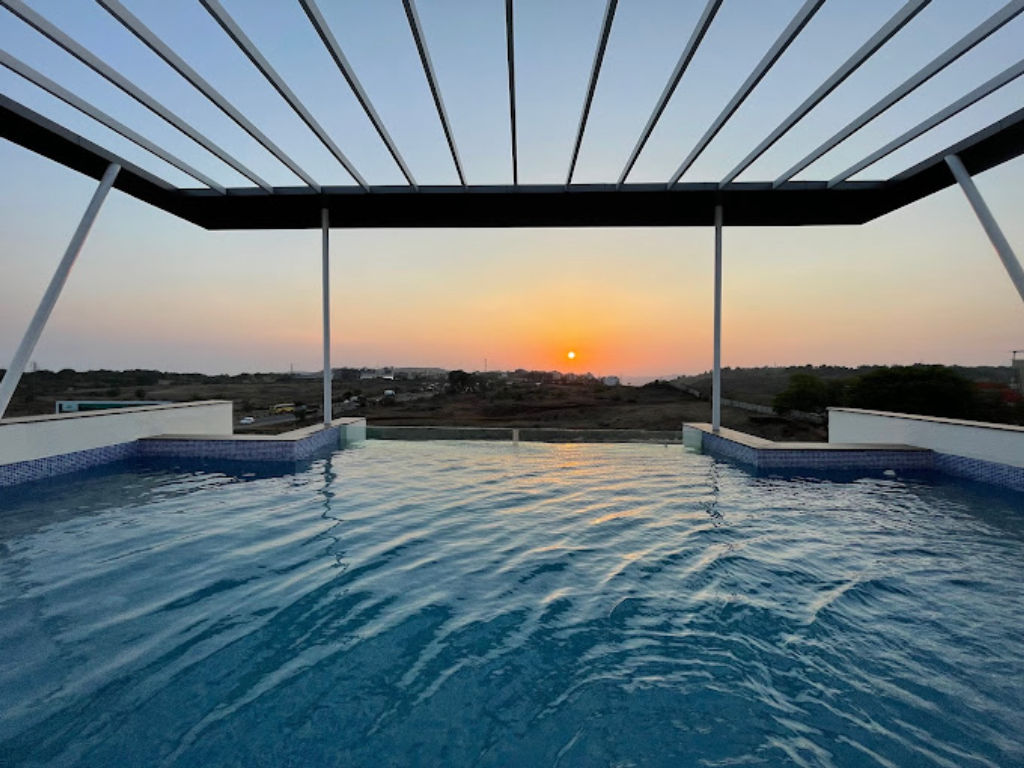
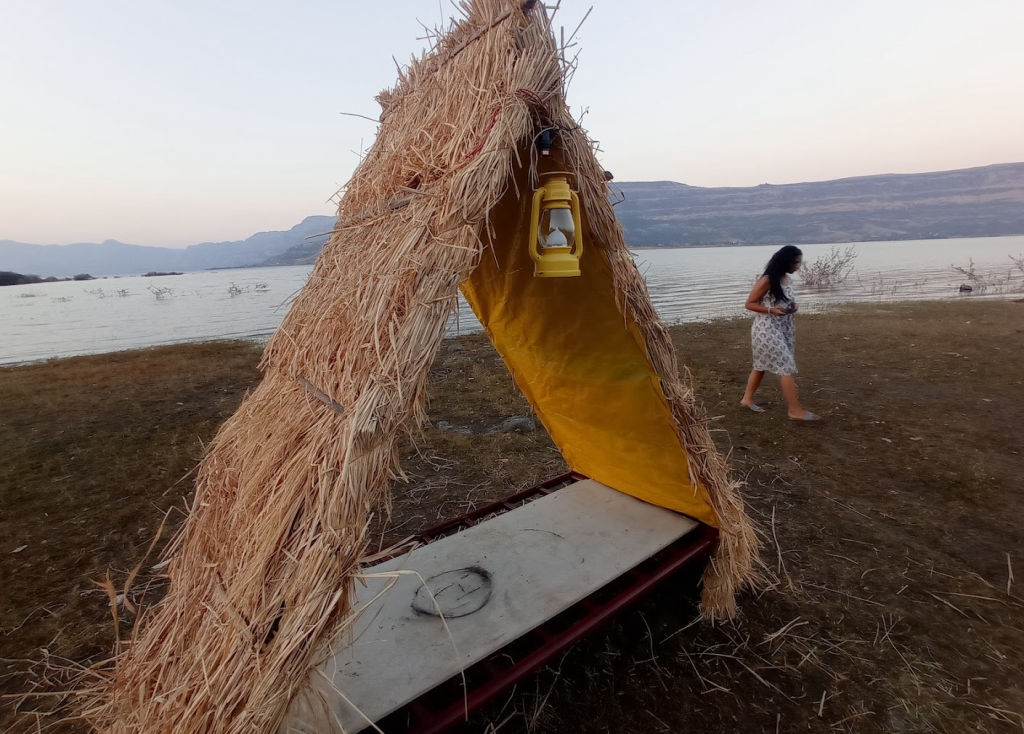
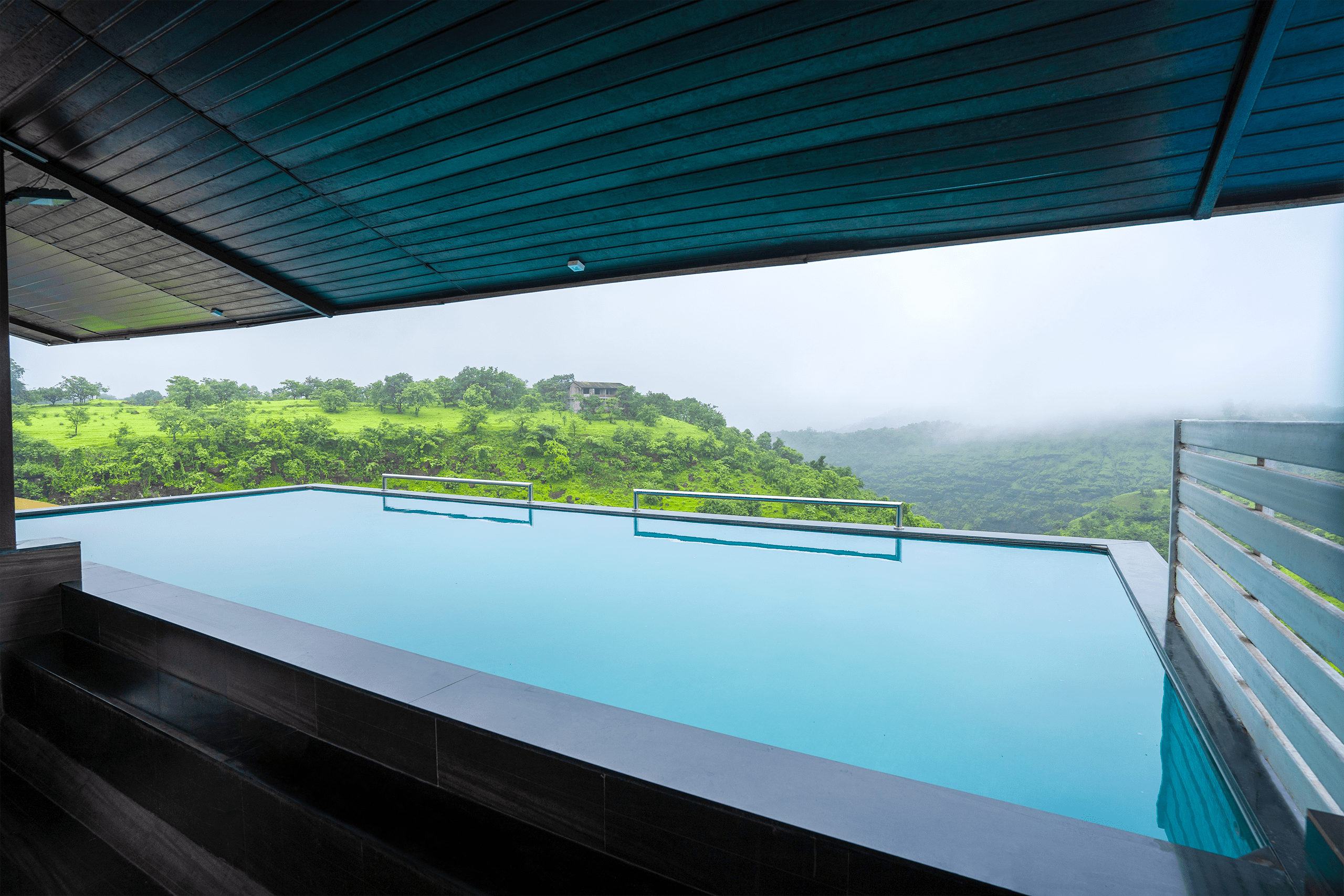
For those looking for riverside campsites, rustic cottages, and eco-stays around Bhandardara and Ratan Wadi, a variety of options can be found on HireACamp. Booking through HireACamp lets you secure comfortable outdoor stays with local hosts, ensuring your logistics are organized before you head into the mountains.
Frequently asked questions
What is Ratan Wadi famous for?
Ratan Wadi is famous for being the base village of the Ratangad Fort trek and the home of the ancient, intricately carved Shree Amruteshwar Temple dating back to the twelfth century.
How long is the trek from Ratan Wadi to Ratangad Fort?
The trek to the top of Ratangad Fort generally takes between two and three hours from the village, following a scenic forest trail equipped with iron ladders near the summit.
Can I visit Sandhan Valley from Ratan Wadi?
Yes, Sandhan Valley is located just three kilometres from Ratan Wadi, making it easy to visit both destinations during a single trip.
Is Ratan Wadi accessible by boat?
Yes, during favourable water conditions, local boat transfers operate across the Bhandardara reservoir from Shendi to Ratan Wadi, offering a picturesque alternative to the road journey.
What should I carry while travelling to Ratan Wadi?
Carry adequate cash, offline maps, sturdy footwear with good grip, a personal first-aid kit, and sufficient drinking water, as the village has limited shops and patchy cellular connectivity.
Where you'll be
11 stays nearby shown with prices
Stays near Ratan Wadi
Book a place to stay close by

Things to do in Ratan Wadi
47 places creators recommend within 30 km


Lists for this area
Ranked by how many creators recommend each place


Built from 0 Instagram posts by 0 creators. Every tip links back to the post it came from, and where creators disagree we show both sides.






