
Malshej Ghat
Valley near Malshej Ghat, Maharashtra
4 posts · 3 sourced tips
Guide from 4 posts by 4 creators
@littlestoriespune, @explor_with_alam and 2 others
100 m from Malshej Ghat
The nearest town, for stays, food and fuel.
Loved by 4 creators
4 posts on Instagram.
Malshej Ghat Travel Overview
Malshej Ghat is a destination situated between Mumbai and Pune, noted by creators as a monsoon getaway.
Good to know
Tips from creators' posts. Each one links to its source.
Getting There
Reported travel distances from Mumbai vary significantly between sources, with estimates cited at approximately 73 km and 130 km.
Reports differSource
Best Time to Visit
The monsoon season is recommended as a popular time to visit Malshej Ghat from Pune.
Reported by @littlestoriespuneSource
Getting there
By road
- From Ghatghar1 hr 15 min · 36 km
- From Pune3 hr 10 min · 129 km
- From Nashik3 hr 20 min · 167 km
- From Mumbai 3 hr 25 min · 140 km
By train, bus or air
- Murbad Bus DepotNearest bus stand42 min · 54 km
- Pune International AirportNearest airport2 hr 25 min · 121 km
Typical drive times without traffic. Places, distances and typical drive times from OLA Maps; notes from creators' Reels.
About Malshej Ghat
Written with AI from creators' posts and map data. Check prices and timings locally before you go.
The Landscape of Malshej Ghat
Malshej Ghat sits high in the Sahyadri mountain range of Maharashtra, functioning as a vital mountain pass linking the coastal Konkan region with the Deccan plateau. The valley is set against steep basalt cliffs that rise abruptly over deep ravines. The nearest settlement on the western ascent is Thitabi Tarf Vaishakhare, while the eastern side extends toward the Junnar plains.
The terrain showcases the dramatic layered volcanic geology characteristic of the Deccan Traps. Deep gorges, sheer precipices, and plateau tablelands define the topography. Because the cliffs capture moisture-laden winds sweeping in from the Arabian Sea, the pass experiences sudden weather shifts, frequently getting engulfed in dense mist and rain showers.
The Monsoon Experience at Malshej Ghat
While accessible across all seasons, Malshej Ghat is widely renowned as a prime monsoon destination for travellers from nearby metropolitan centres. Starting around late June and continuing through September, the entire corridor turns lush green as moisture feeds the highland vegetation.
Dozens of seasonal waterfalls cascade down the sheer rock walls along the road, providing natural roadside stops for visitors. Heavy clouds often drift directly across the highway, reducing visibility to a few metres and bringing a cool, damp mountain atmosphere. The rains also revitalize local wildlife, and various bird species can be observed flying along the windward slopes of the valley.
Read more
Things to Do at Malshej Ghat
The primary activity at Malshej Ghat is taking in the mountain scenery along the highway and designated valley lookouts. Many visitors take a scenic drive along the winding pass, pausing at safe turnouts to watch the waterfalls plunge into the gorge below.
For walkers and outdoor lovers, the surrounding hills feature trails that lead toward scenic vantage points and open plateaus. Birdwatching is popular during late monsoon and the cooler months, with opportunities to spot raptors and resident hill birds. The location also serves as an entry point for travellers interested in exploring heritage temples, rustic villages, and historic forts in the surrounding Sahyadri belt.
Best Time to Visit Malshej Ghat
The ideal time to visit Malshej Ghat depends entirely on the outdoor environment you seek. The monsoon months from July to September remain the most popular period, especially for road trips from Pune and Mumbai, as the waterfalls flow with great volume and the valley is carpeted in green.
If you prefer clear skies and panoramic vistas, the post-monsoon and winter window from October to February is very pleasant. During these months, the rain stops, daytime temperatures turn mild, and mornings become crisp and clear, making it a comfortable time for walking and exploring nearby trails. The summer months from March to May are generally dry and warm, though the higher elevation can offer cooler morning air compared to the lowlands.
How to Reach Malshej Ghat
Malshej Ghat is well-connected by road to several major cities in western India. From Mumbai, the drive is approximately 140 kilometres and takes about 3 hours and 30 minutes in typical traffic-free conditions, though route measurements from different starting points across the city can range between roughly 73 kilometres and 140 kilometres.
From Pune, the journey spans about 129 kilometres, requiring around 3 hours and 10 minutes via the highway heading through Junnar. Travellers from Nashik cover a distance of about 167 kilometres, which takes approximately 3 hours and 20 minutes. For those driving from Surat, the road distance is roughly 336 kilometres, taking about 7 hours and 50 minutes under normal conditions. Both state transport buses and private vehicles regularly ply the route across the pass.
Places to Visit Around Malshej Ghat
The area surrounding Malshej Ghat holds an impressive collection of historical forts, ancient temples, and natural wonders. Harishchandragad, a celebrated Sahyadri fort famous for its towering cliff face and ancient structures, is located just about 5 kilometres away in straight-line distance.
Ambit Dam lies roughly 12 kilometres from the pass, providing a peaceful reservoir setting. About 17 kilometres away is the Vasundhara Waterfall near Koltembhe and Bhandardara, which comes alive during the rainy months. The historic Shree Amruteshwar Temple, noted for its intricate stone architecture, sits approximately 20 kilometres away.
Other notable destinations nearby include Sandhan Valley, a deep water-carved canyon about 21 kilometres away, as well as the pinnacle fortress of Gorakhgad Fort and Kalsubai Peak, the highest summit in Maharashtra, both situated around 30 kilometres from Malshej Ghat.
Tips for Planning Your Visit
Monsoon driving along Malshej Ghat requires extra care. Fog can settle swiftly, reducing forward visibility, and running water on the road demands moderate, steady driving speeds. Always keep your vehicle headlights on in mist, maintain a safe braking distance, and avoid parking along blind curves or on soft roadside shoulders.
If you intend to walk near the rocks and viewpoints, wear sturdy footwear with non-slip soles, as the basalt rock faces and trails turn slick when wet. Bring waterproof gear for phones and cameras, along with rainwear or spare clothing. Mobile reception can drop intermittently in the deeper sections of the ghat, so it is sensible to download travel routes before your journey and check local weather alerts before travelling.
Where to Stay Near Malshej Ghat
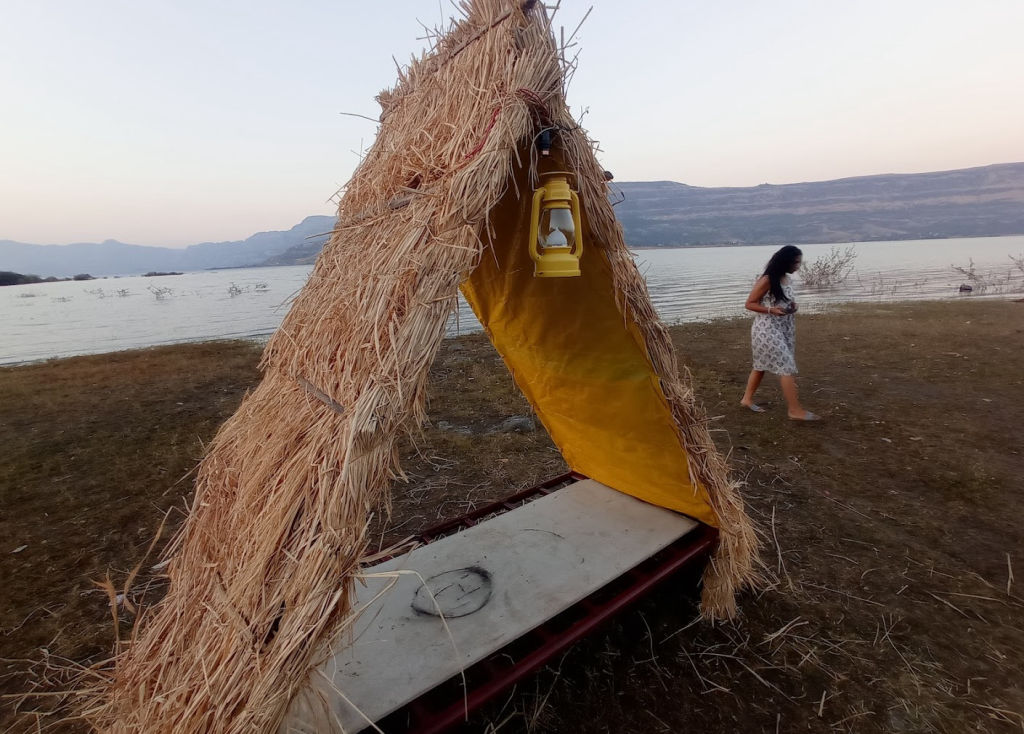
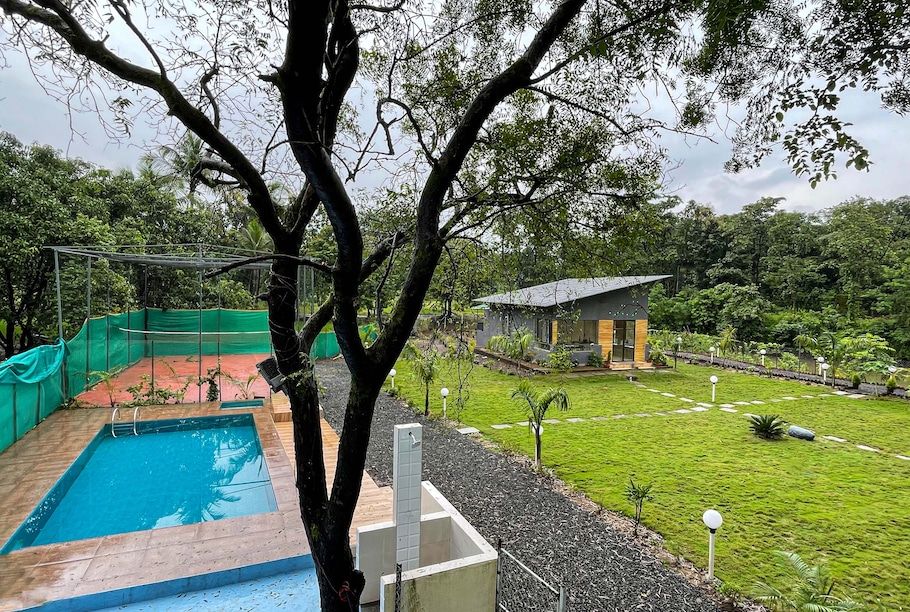
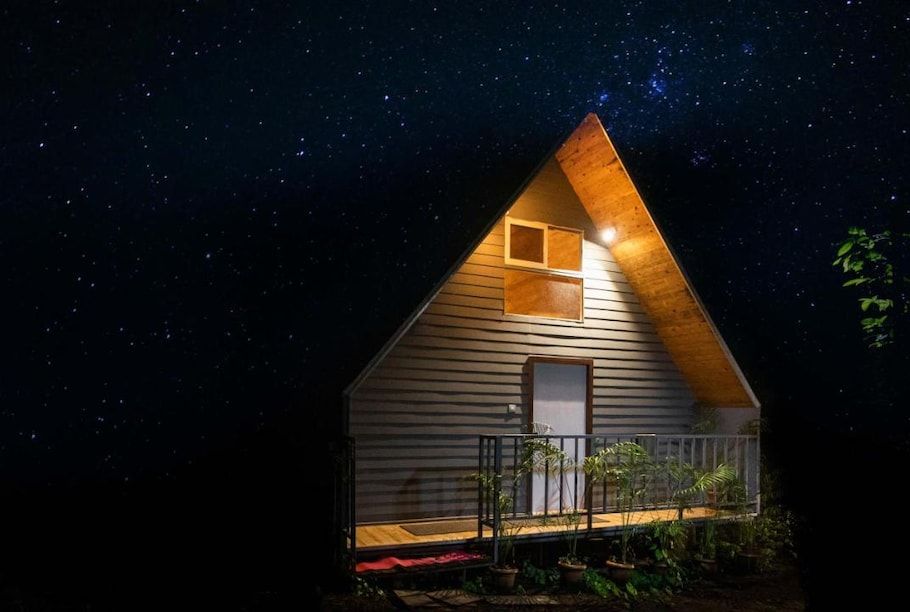
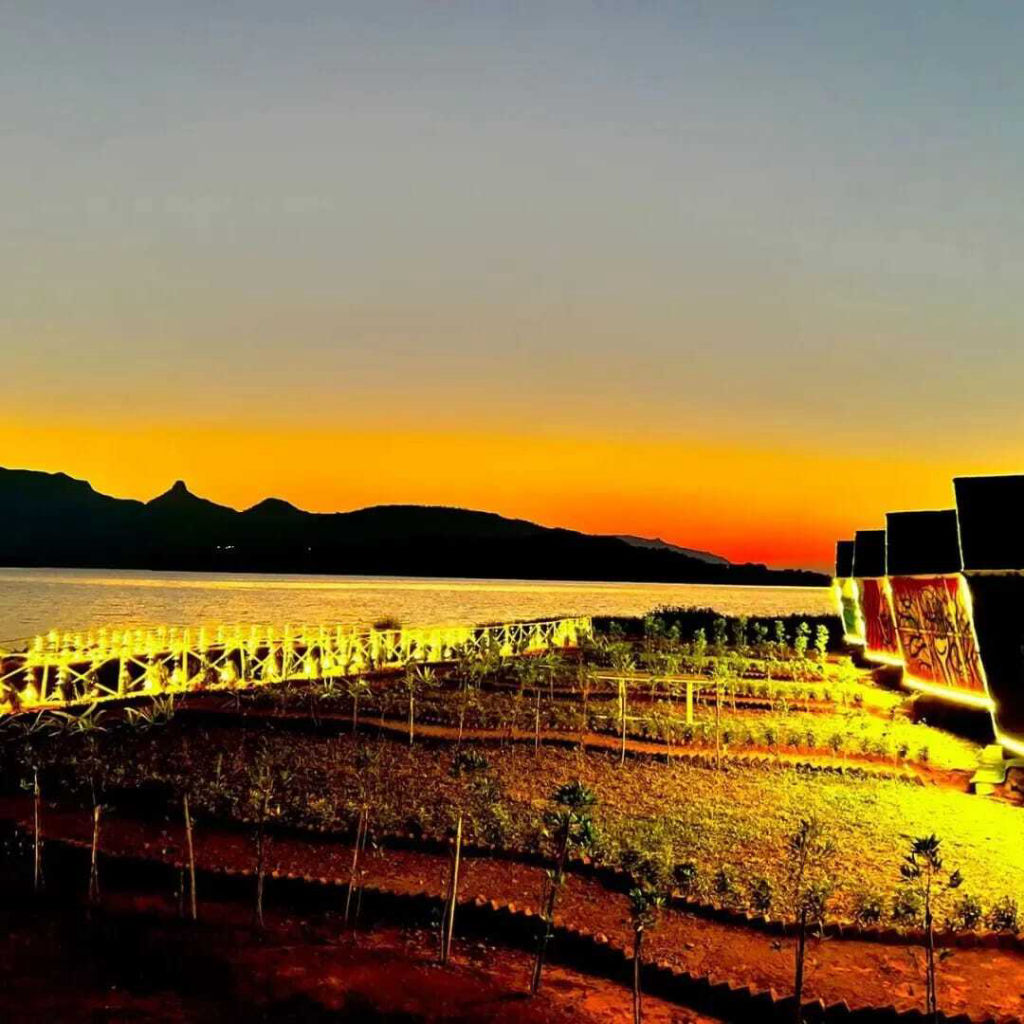
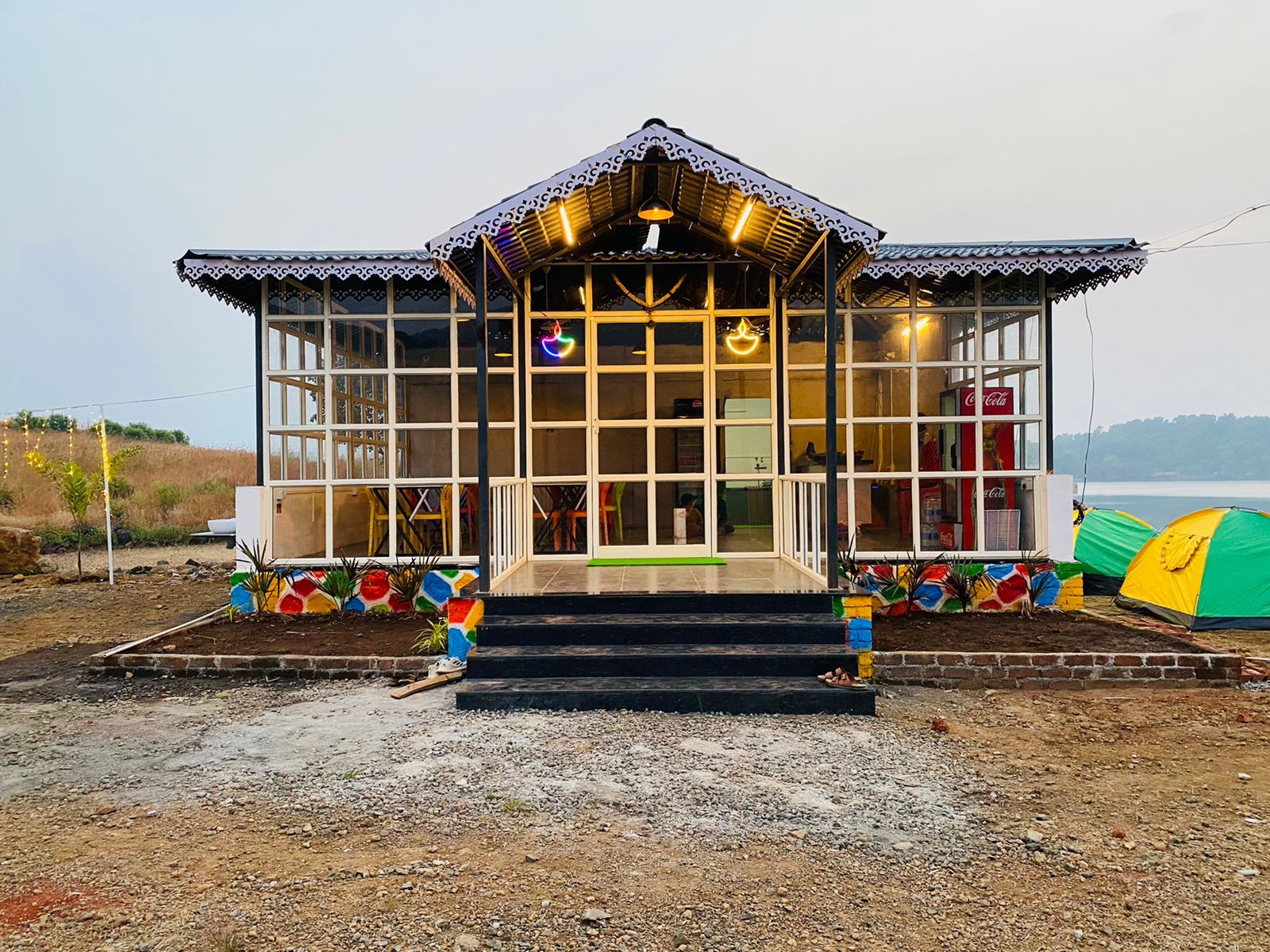
Accommodation around Malshej Ghat includes tented outdoor stays, rustic village homestays, and regional lodges set in the nearby valleys and farming settlements. Staying overnight allows visitors to experience the quiet mountain atmosphere before day visitors arrive.
To find verified homestays, rural retreats, and campsites in the Malshej Ghat region, travellers can check HireACamp. Booking your stay well ahead of time is recommended if you are planning a visit on a monsoon weekend, as demand across the ghat tends to be high.
Frequently asked questions
What is Malshej Ghat known for?
Malshej Ghat is known for its scenic mountain road through the Western Ghats, featuring deep valleys, dramatic basalt cliffs, and numerous roadside waterfalls that flow during the monsoon season.
How far is Malshej Ghat from Mumbai and Pune?
Malshej Ghat is approximately 140 kilometres from Mumbai, taking about 3 hours and 30 minutes to drive, with route reports ranging between 73 and 140 kilometres depending on the starting area. From Pune, it is roughly 129 kilometres, typically taking around 3 hours and 10 minutes in clear traffic.
When is the best time to visit Malshej Ghat?
The monsoon season from July to September is the most popular time for seeing active waterfalls and dense mist. The winter months from October to February are ideal if you prefer clear panoramic views, cooler weather, and dry hiking trails.
What are the top attractions near Malshej Ghat?
Key nearby attractions include Harishchandragad, Ambit Dam, Vasundhara Waterfall, the ancient Shree Amruteshwar Temple, Sandhan Valley, Gorakhgad Fort, and Kalsubai Peak.
Is driving through Malshej Ghat safe during the monsoon?
Driving is manageable if done cautiously, but visitors should watch out for dense fog, slippery road surfaces, and sudden rainfall. Drivers should keep headlights on, stay within safe speeds, and check local weather conditions before travelling.
Where you'll be
Malshej Ghat, Thitabi Tarf Vaishakhare, Maharashtra 421401 · 6 stays nearby shown with prices
As seen on Instagram
The posts this guide is built from
Stays near Malshej Ghat
Book a place to stay close by

More places near Malshej Ghat
Within 20 km


Lists for this area
Ranked by how many creators recommend each place


Built from 4 Instagram posts by 4 creators. Every tip links back to the post it came from, and where creators disagree we show both sides. Guide updated 22 Oct 2026.






