
Lakshman Temple
Temple near Jonk, Uttarakhand
1.3 km from Jonk
The nearest town, for stays, food and fuel.
Lakshman Temple is a venerable Hindu shrine situated along the banks of the Ganges in Rishikesh, Uttarakhand. Revered for its deep-rooted connection to the epic Ramayana, the temple marks the spot where Lord Lakshman is believed to have engaged in spiritual penance. Travellers and pilgrims visit to experience its tranquil riverside setting, sacred traditions, and centuries of preserved heritage.
Getting there
By road
- From JonkNearest town4 min · 2.8 km
- From Dehradun1 hr 15 min · 45 km
- From New Delhi4 hr 30 min · 257 km
- From Chandigarh4 hr 55 min · 216 km
Typical drive times without traffic. Stations and airports from OLA Maps; distances and typical drive times from OpenStreetMap (© OpenStreetMap contributors); notes from creators' Reels.
About Lakshman Temple
Written with AI from map data and general knowledge. Check prices and timings locally before you go.
Significance and history of Lakshman Temple
Lakshman Temple holds an esteemed place in the sacred landscape of Rishikesh. According to Hindu belief, this sanctum is built on the grounds where Lakshman, the younger brother of Lord Rama, performed deep penance to seek spiritual purification after the war in Lanka. The temple pays homage to his devotion and fortitude, serving as a reminder of the profound mythological geography that defines the Garhwal Himalayas.
Over the centuries, the shrine has drawn sages, spiritual seekers, and everyday pilgrims travelling along the course of the holy Ganges. While modern settlements and busy bazaars have grown around it, the inner sanctum maintains its reverent atmosphere. Entering the temple grounds provides an immediate sense of the timeless pilgrimage culture that has shaped Rishikesh into one of India's most prominent spiritual hubs.
Architecture and temple layout
The architecture of Lakshman Temple reflects traditional North Indian temple design, featuring intricate stone carvings, embellished pillars, and classic domes that have weathered generations of Himalayan seasons. As you step across the threshold, the sanctum houses the primary deity of Lord Lakshman alongside idols of Lord Rama, Goddess Sita, and other divine figures, all maintained with care by temple caretakers.
The layout allows visitors to circumambulate the inner shrine in a peaceful manner. The walls and lintels are etched with motifs of traditional iconography, reflecting ancient craftsmanship that predates modern construction in the area. Outside the immediate prayer hall, small secondary shrines dedicated to various guardian deities dot the courtyard, accompanied by the gentle chime of suspended brass bells and the fragrant aroma of incense.
Read more
Best time to visit Lakshman Temple
The optimal time to visit Lakshman Temple is between October and March, when the weather in the Himalayan foothills is crisp, dry, and pleasant. Autumn brings clear skies and comfortable daytime temperatures that make exploring the temple surroundings and the adjacent river ghats delightful. During peak winter, temperatures drop considerably in the mornings and evenings, giving the holy town a quiet, reflective atmosphere.
The summer months, spanning April to June, bring warmer days, though the riverbanks often catch cooling mountain breezes in the dawn and dusk hours. If visiting during this time, planning an early morning or sunset visit is best to avoid the midday sun. The monsoon season from July to September brings heavy rains and a swelling Ganges; while the surrounding hills turn vividly green, outdoor walking conditions can become slippery, making careful local travel planning necessary.
How to reach Lakshman Temple
Lakshman Temple is situated in the northern reaches of Rishikesh, easily accessible from the town's primary transport links. The nearest airport is Jolly Grant Airport in Dehradun, from which taxis and shared cabs provide road transit to Rishikesh. For those travelling by train, Rishikesh and Haridwar railway stations serve as major rail gateways connecting Uttarakhand with the rest of northern India.
From the central areas of Rishikesh or neighbouring Tapovan, local three-wheelers, auto-rickshaws, and shared cabs regularly ferry visitors close to the temple lane. The immediate approach to the shrine involves pedestrian pathways that run through vibrant local markets and near the riverbanks. Walking to the temple from the Tapovan neighbourhood is a popular and straightforward option for travellers staying nearby.
Tips for your visit
When planning your visit to Lakshman Temple, dressing modestly with shoulders and knees covered is essential, as this is an active place of daily worship. Footwear must be removed before entering the inner sanctum, and designated shoe-holding areas are available outside the premises. Remember to check local signage or ask the priests before taking photographs, particularly inside the primary sanctum.
Keep an eye on personal belongings when walking through the surrounding lanes and courtyard, as wild monkeys are common along the riverfront and are often attracted to food items or plastic bags. Visiting early in the morning allows you to witness the regular morning prayers and enjoy a serene experience before the riverside streets gather bustling crowds later in the day.
Places to visit nearby
A visit to Lakshman Temple can naturally be paired with several nearby landmarks in the Rishikesh region. Just a short walk away is Tapovan, known for its wellness centres, quiet cafes, and scenic hillside alleys. Further south down the riverbank lies Parmarth Niketan Ashram, renowned for its daily evening Ganga Aarti ceremonies and lush garden grounds.
For a broader exploration of the area, Triveni Ghat sits approximately four kilometres away, offering significant cultural importance as a traditional bathing ghat where three holy streams are said to converge. Travellers seeking scenic day trips can head towards the Dehradun valley to explore the limestone formations at Robbers Cave, the sulfur springs of Sahastradhara, or the historic architecture of the Forest Research Institute and Mindrolling Monastery.
Where to stay near Lakshman Temple
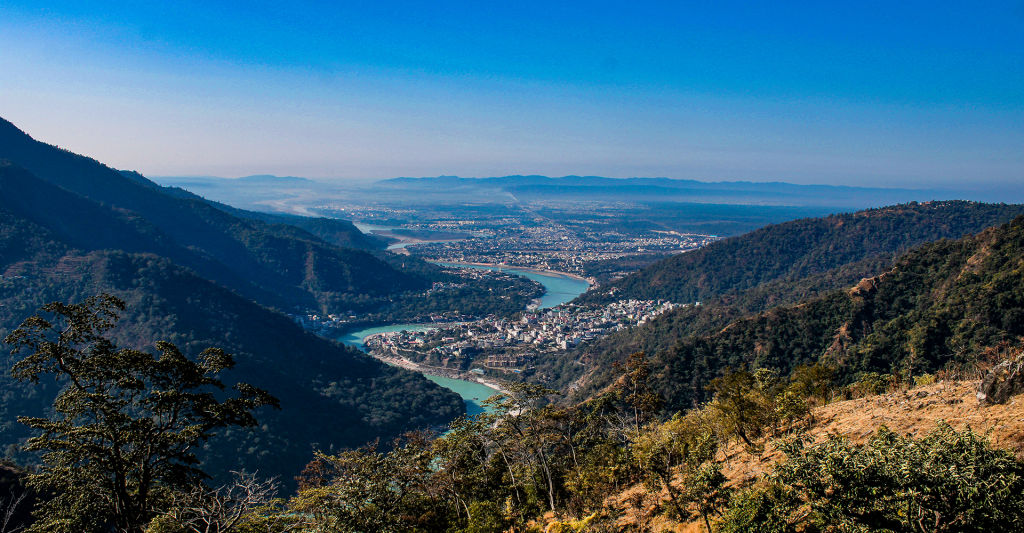
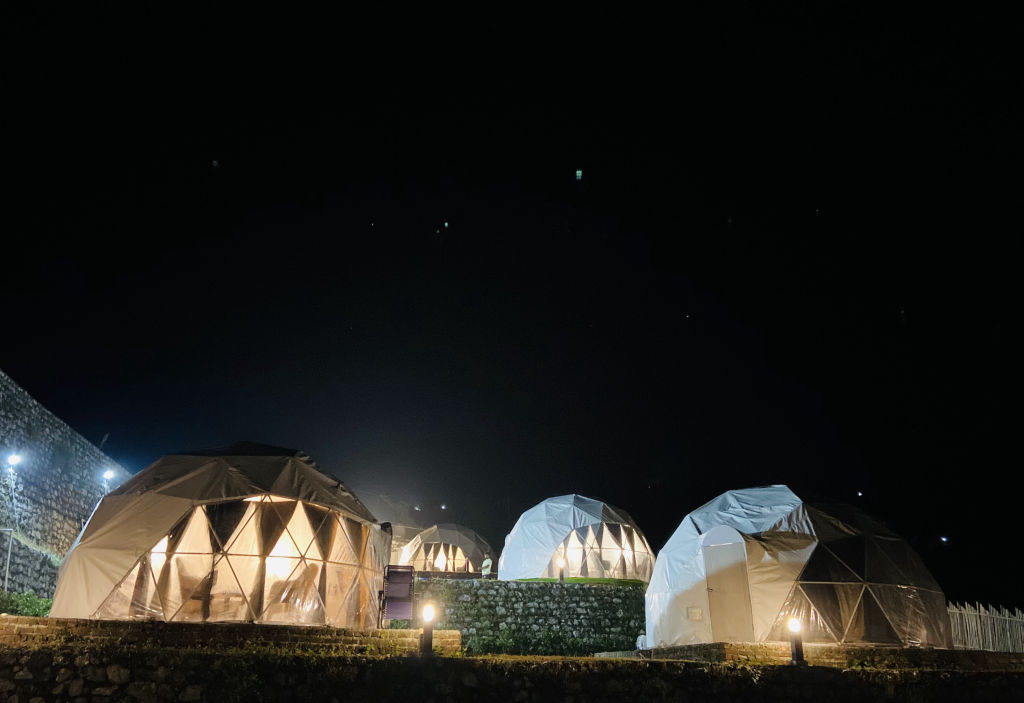
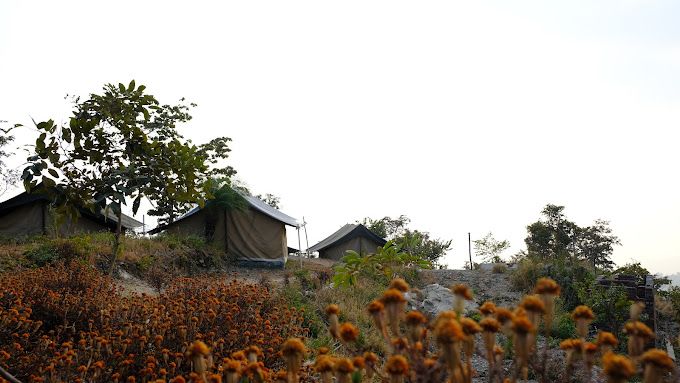
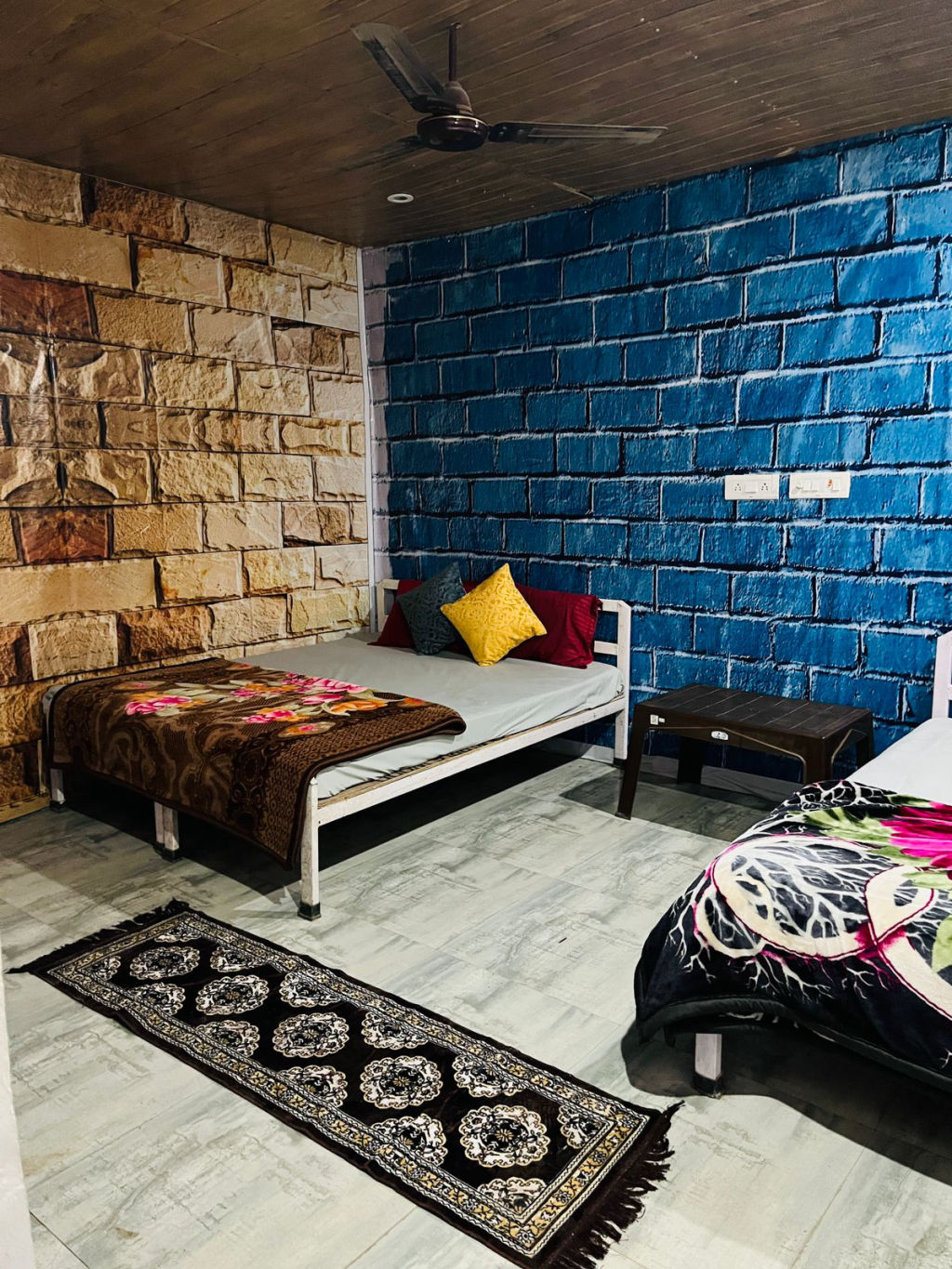
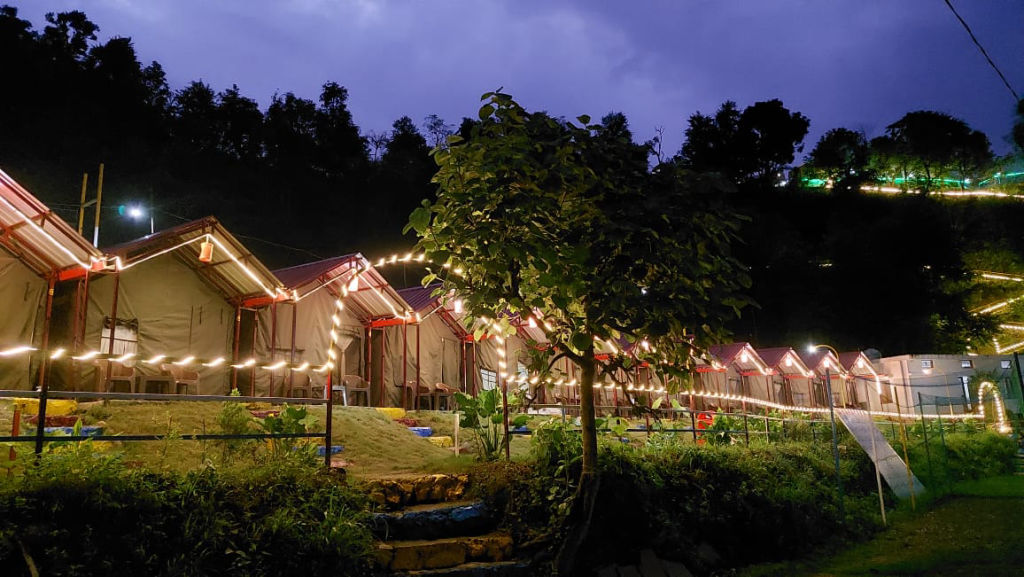
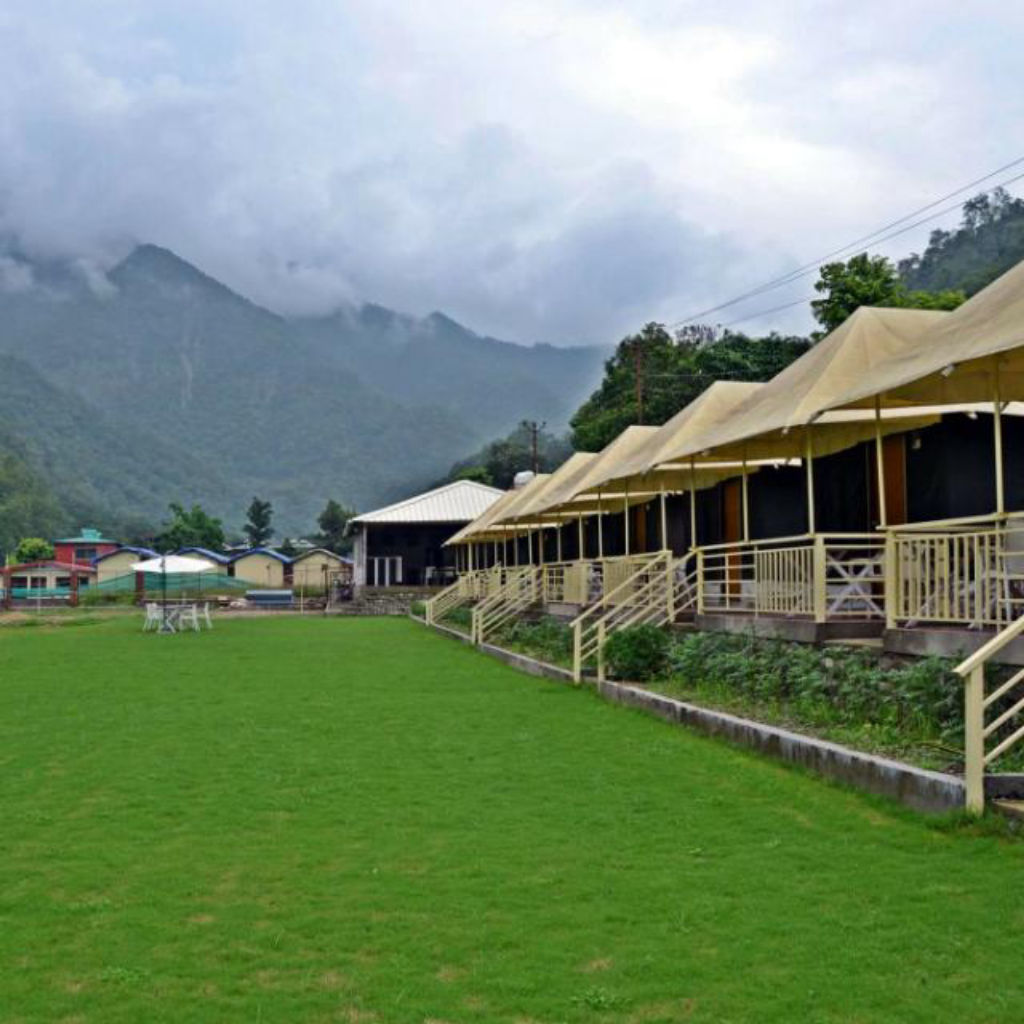
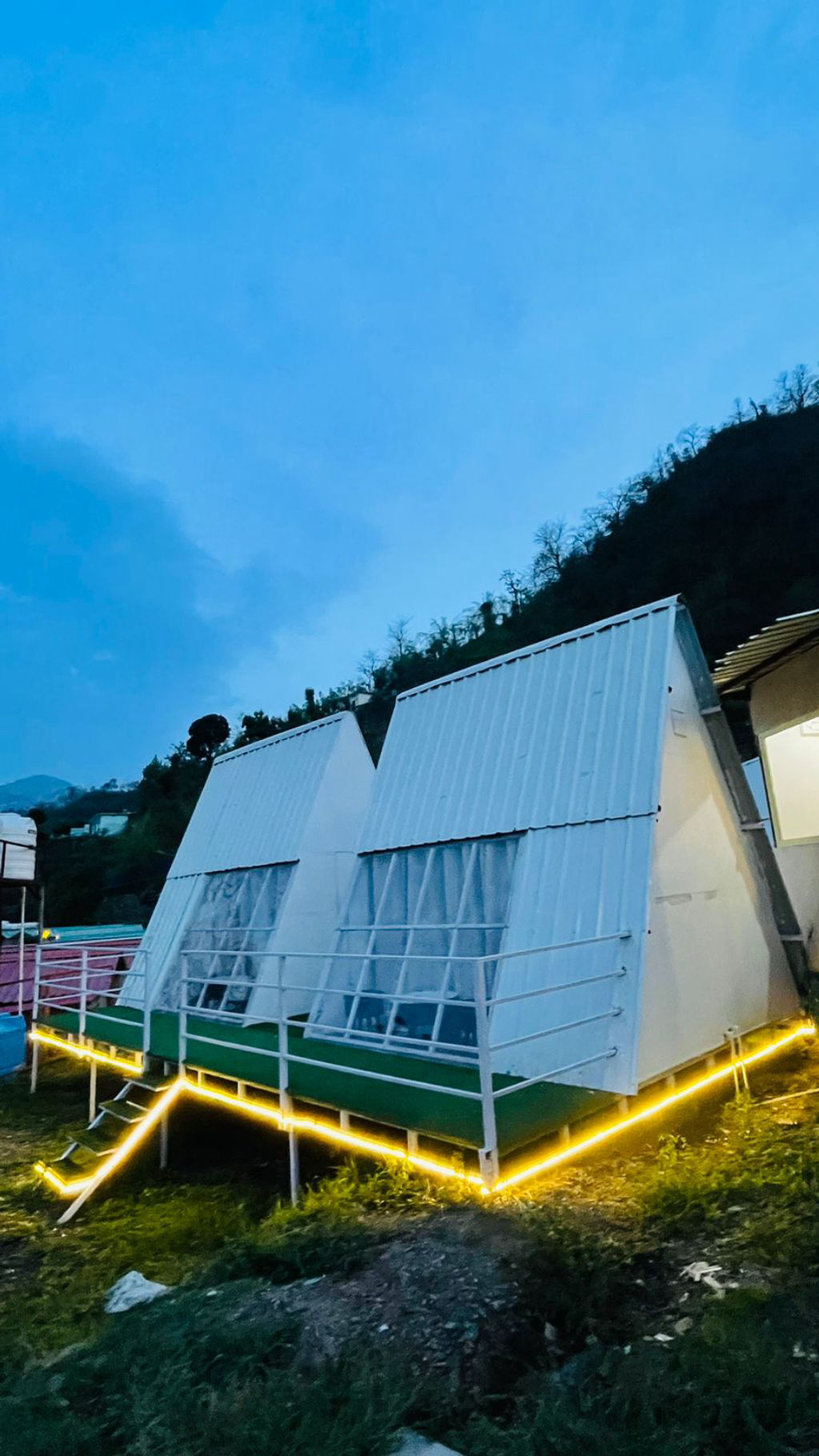
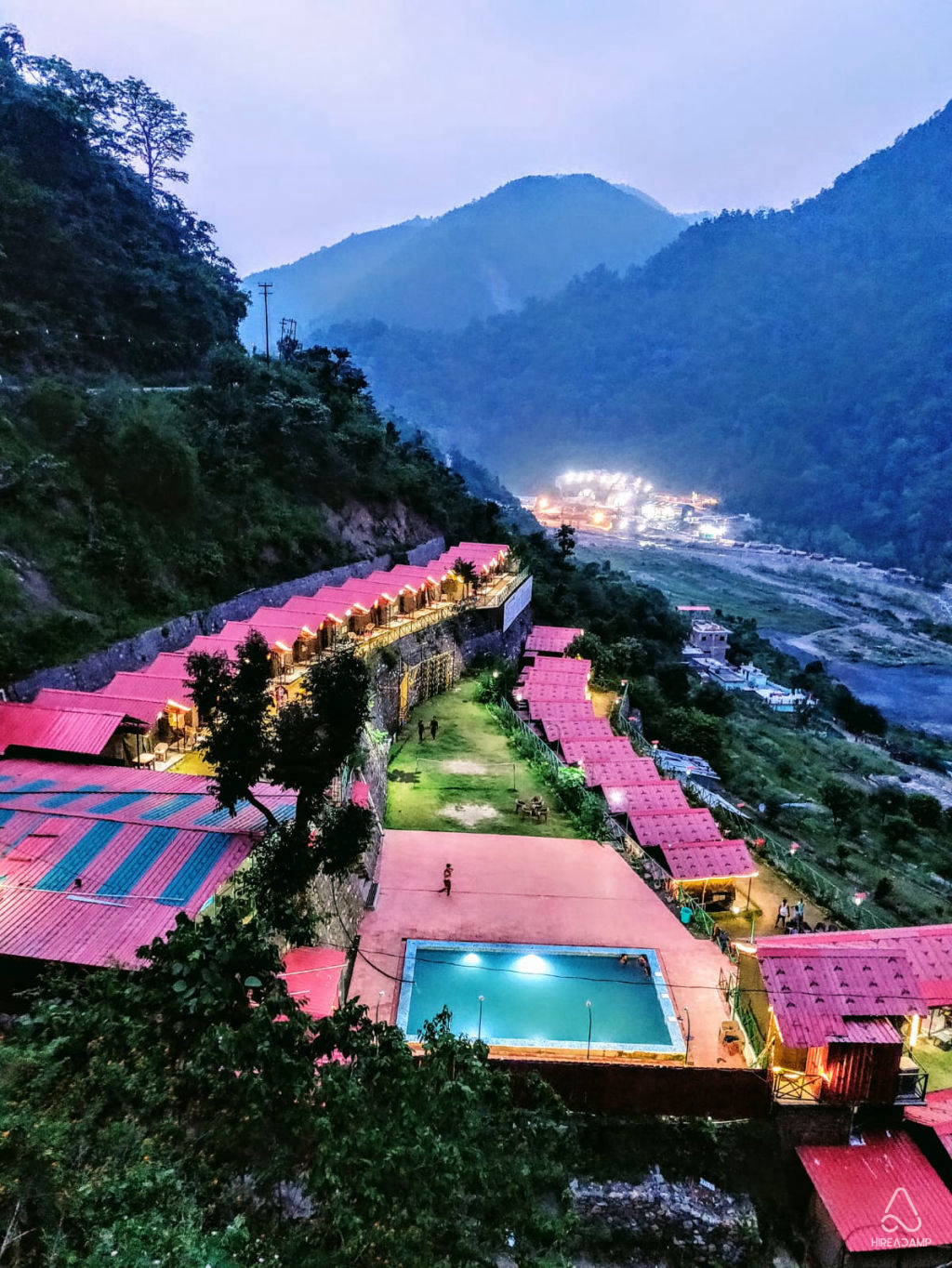
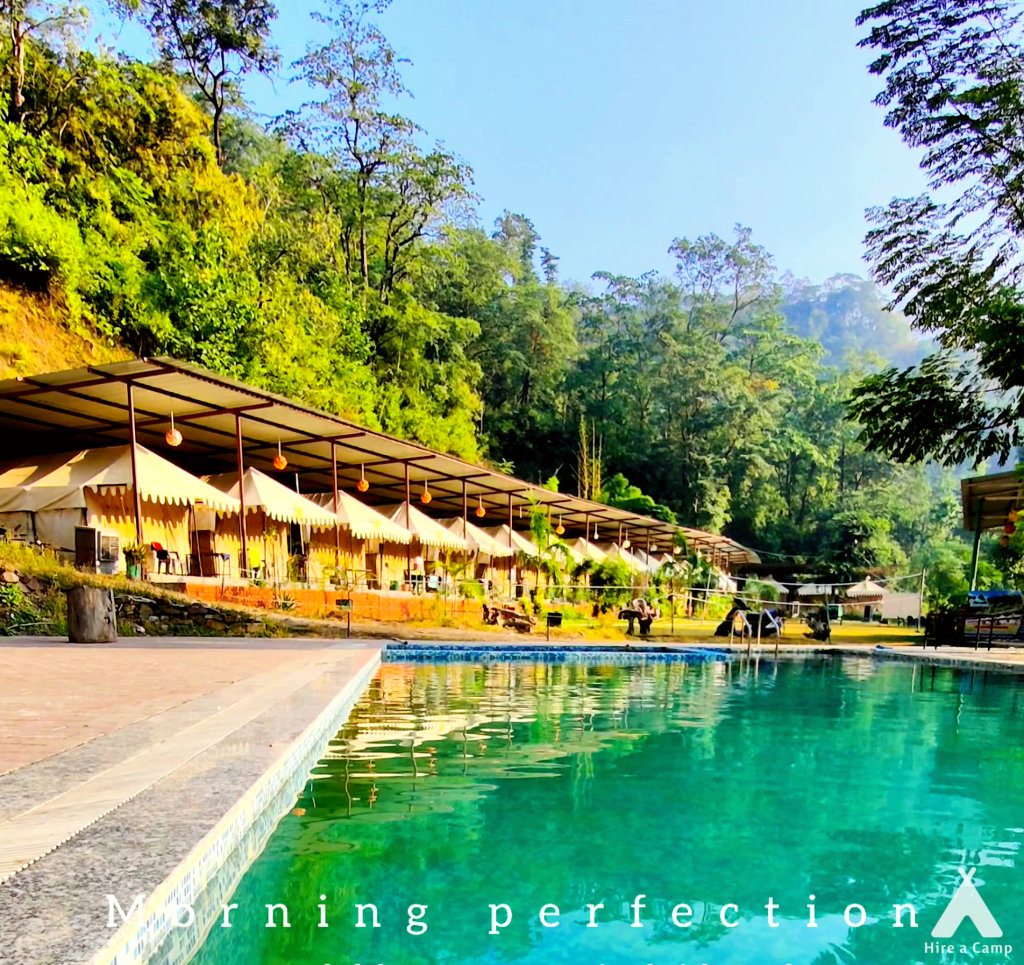
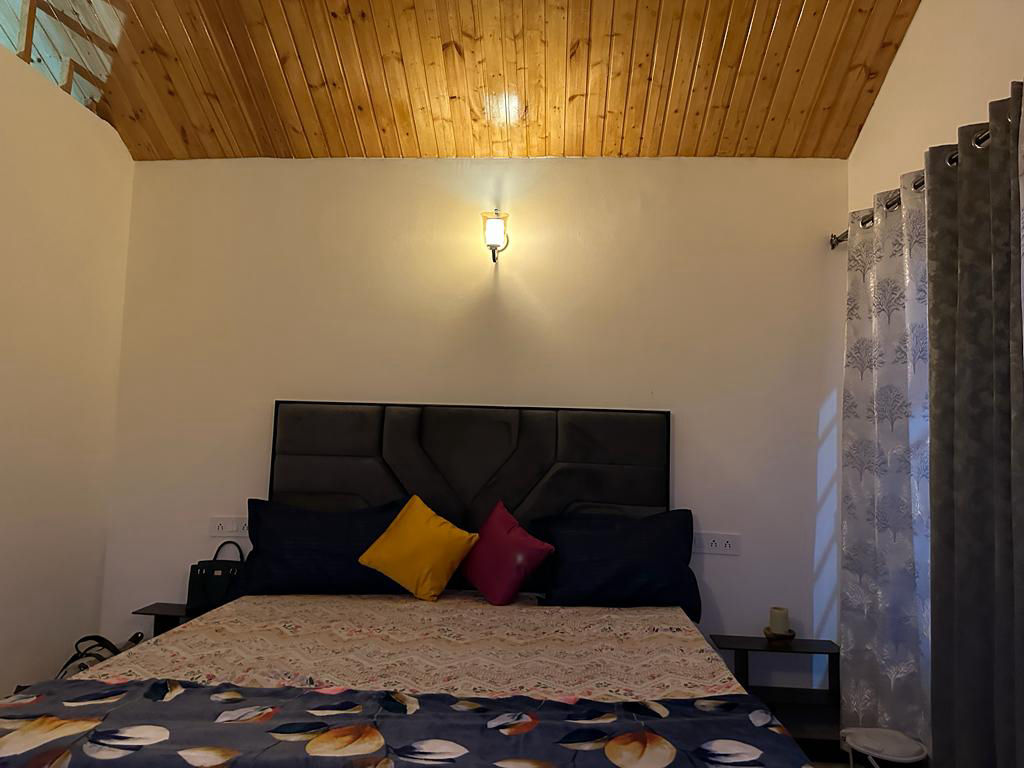
The areas surrounding Lakshman Temple and the adjoining banks of the Ganges provide varied lodging opportunities for all kinds of explorers. Whether you prefer eco-conscious river camps set amidst natural greenery, intimate homestays run by welcoming local families, or simple nature retreats in the foothills, a range of authentic accommodations can be easily booked on HireACamp.
Staying close to the river allows you to wake up to misty mountain views and the sound of the flowing Ganges, all while remaining within easy walking distance of historic shrines, local trails, and cultural experiences.
Frequently asked questions
What is the historical significance of Lakshman Temple?
The temple is historically and mythologically linked to the Ramayana, honouring the spot where Lord Lakshman is believed to have performed intense spiritual penance.
Is photography permitted inside Lakshman Temple?
Photography may be restricted within the inner sanctum to preserve the sacred atmosphere, so it is recommended to check with temple caretakers before taking photos.
What should I wear when visiting the temple?
Modest clothing that covers shoulders and knees is customary and respectful when visiting active Hindu shrines in Rishikesh.
How much time is needed to explore Lakshman Temple?
Most visitors spend roughly thirty to forty-five minutes inside the temple complex, though you may want to spend more time exploring the adjoining riverbank and alleys.
Can Lakshman Temple be reached on foot from Tapovan?
Yes, Tapovan is approximately one kilometre away, making it a very short and convenient walk to the temple grounds.
Where you'll be
Unnamed Road, Rishikesh · 12 stays nearby shown with prices
Stays near Lakshman Temple
Book a place to stay close by


More places near Lakshman Temple
Within 20 km


Lists for this area
Ranked by how many creators recommend each place


Built from 0 Instagram posts by 0 creators. Every tip links back to the post it came from, and where creators disagree we show both sides.






