
Chandrabadni Temple
Temple near Tehri, Uttarakhand
4.1 km from Tehri
The nearest town, for stays, food and fuel.
Chandrabadni Temple is a revered hilltop shrine dedicated to Goddess Sati, situated atop the Chandrakoot mountain in the Tehri Garhwal region of Uttarakhand. Located close to Devprayag and Tehri, it is celebrated as one of the prominent Shakti Peethas in the Garhwal Himalayas. Pilgrims and travellers make the journey to pay homage at the sacred sanctum and to take in panoramic views of snow-capped Himalayan peaks across the open mountain horizon.
Getting there
By road
- From New Tehri22 min · 16 km
- From TehriNearest town22 min · 16 km
- From Dehradun2 hr 30 min · 102 km
- From New Delhi6 hr · 332 km
Typical drive times without traffic. Stations and airports from OLA Maps; distances and typical drive times from OpenStreetMap (© OpenStreetMap contributors); notes from creators' Reels.
About Chandrabadni Temple
Written with AI from map data and general knowledge. Check prices and timings locally before you go.
Significance and Legend of Chandrabadni Temple
Chandrabadni Temple holds a deeply sacred place in the religious traditions of the Garhwal Himalayas. According to Hindu mythology, when Lord Shiva wandered in sorrow across the universe carrying the burnt body of Goddess Sati, parts of her physical form fell across the Indian subcontinent, creating the holy Shakti Peethas. In local belief, the torso of the Goddess descended upon this high mountain summit, blessing the peak with her divine presence.
Along with Surkanda Devi near Dhanaulti and Kunjapuri Devi near Rishikesh, Chandrabadni forms a sacred triad of mountain-top Shakti shrines in Tehri Garhwal. A defining feature of this temple is that there is no traditional idol or sculpted murti inside the primary sanctum. Instead, worshippers pay reverence to a sacred silver Shri Yantra placed over a stone slab. Ritual traditions dictate that the deity remains veiled under sacred red cloth during ceremonial baths and pujas, maintaining a centuries-old tradition of sanctity and mystery.
The Mountain Setting and Himalayan Views
Perched on the summit of Chandrakoot Parvat, Chandrabadni Temple occupies one of the most commanding viewpoints in the mid-Himalayan belt. The surrounding landscape is characterized by rolling ridgelines, terraced farm fields cut into distant hillsides, and mixed forests of oak, pine, and rhododendron. On cloudless days, the ridge opens up to an expansive panoramic view of the greater Himalayan range.
From the temple terrace, visitors can often look northward to spot the prominent glaciated peaks of Chaukhamba, Kedarnath, Badrinath, and Trishul stretching across the horizon. As the day progresses, the light changes dramatically over these towering massifs, making the location a memorable stop for photographers and quiet observers alike. The elevation also keeps the ambient air brisk and clear, offering a quiet, wind-swept environment distinctly different from the busier pilgrimage centres along the riverbanks below.
Read more
The Ascent to Chandrabadni Temple
Reaching the shrine involves a short uphill climb from the end of the motorable road. Vehicles typically stop at the base roadhead near the settlement below the peak, where visitors find paved walkways and constructed steps winding up to the temple courtyard. While the walk is relatively short, the incline is steep in several sections, and walking at this altitude can leave unhurried travellers catching their breath.
The pathway is lined with iron railings in steeper parts, and small resting points give visitors space to catch their breath while enjoying views of the valleys descending towards Devprayag and Tehri. Along the way, the sound of temple bells echoing through the mountain wind and prayer flags fluttering against the sky set a meditative tone for the climb. Local pilgrims often undertake this walk barefoot or in basic footwear, chanting verses as they approach the summit gateway.
Best Time to Visit Chandrabadni Temple
The temple can be visited for most of the year, though distinct seasonal changes define the overall experience. The spring and summer months, from March to June, offer the most comfortable weather for travel. Days are warm and bright, the mountain flora is in bloom, and the trails remain completely dry and accessible.
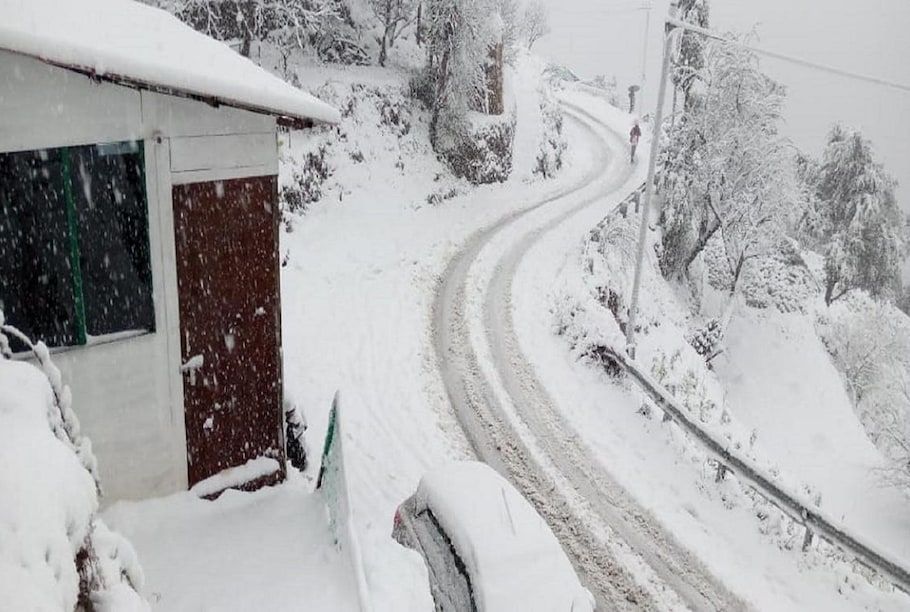
Monsoon season, spanning July and August, brings heavy cloud cover, periodic rainfall, and lush green growth to the surrounding slopes. While the landscape turns vibrant, road journeys in the Garhwal hills can face disruptions due to landslides, and the Himalayan peaks remain hidden behind cloud banks. The post-monsoon autumn months from September to November are widely considered the best time for panoramic mountain views, as crisp autumn air leaves the skies clear and visibility at its highest. Winter, from December to February, brings cold temperatures, brisk winds, and occasional frost, requiring warm layered clothing but offering calm, uncrowded days.
How to Reach Chandrabadni Temple
Chandrabadni Temple is accessible by road from key hubs in Uttarakhand, including Tehri, Devprayag, and Rishikesh. Travellers coming from the plains typically travel up through Rishikesh along the National Highway towards Devprayag before branching onto the mountain road leading up to Hindolakhal and the base of Chandrabadni. The road winds through remote Garhwal villages, offering changing vistas of the river valleys below.
The nearest railway stations with broad connectivity are situated in Rishikesh and Haridwar. The closest air hub is Jolly Grant Airport near Dehradun. From these transit hubs, travellers can hire private taxis, utilize shared jeeps heading towards Hindolakhal and local hill settlements, or board state transport buses operating between Rishikesh, Tehri, and Devprayag. Having private or hired transport is often the most flexible way to manage the ascent and return in a single day.
Practical Tips for Your Visit
Before heading up the trail, make sure you wear comfortable footwear with decent grip, as the stone steps can feel steep and can become slippery during rainy spells. Layered clothing is recommended, as mountain winds can make the summit significantly chillier than the valley floors, especially in the early mornings and late afternoons.
Visitors should carry their own drinking water, though basic refreshments and tea are often available from small local stalls near the base of the walk. Since mobile network coverage can be inconsistent on the higher mountain roads, it is wise to keep offline maps handy and carry sufficient cash for small purchases. As with all active sacred sites, dress modestly and respect local customs inside the inner sanctum.
Where to Stay near Chandrabadni Temple
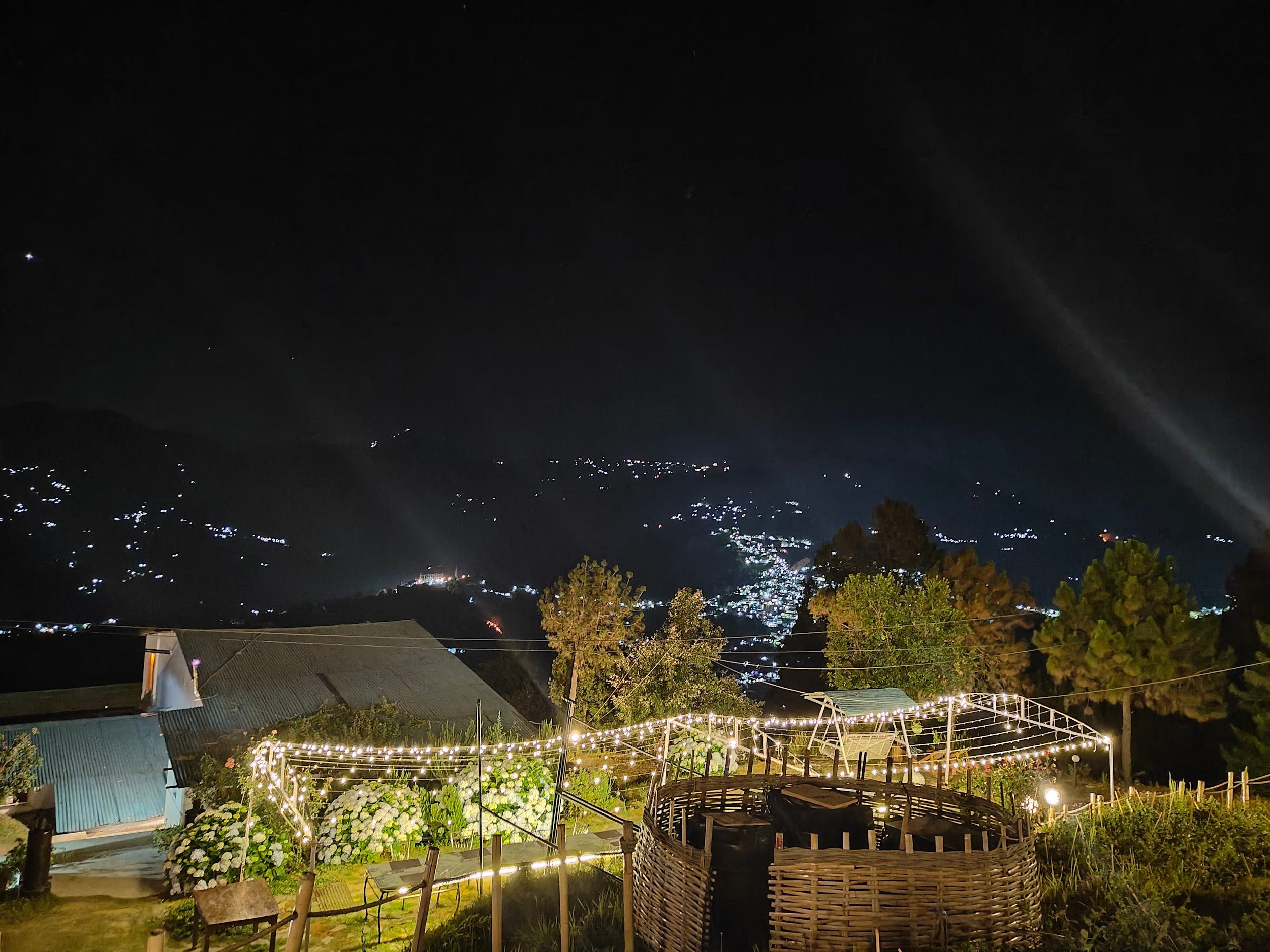
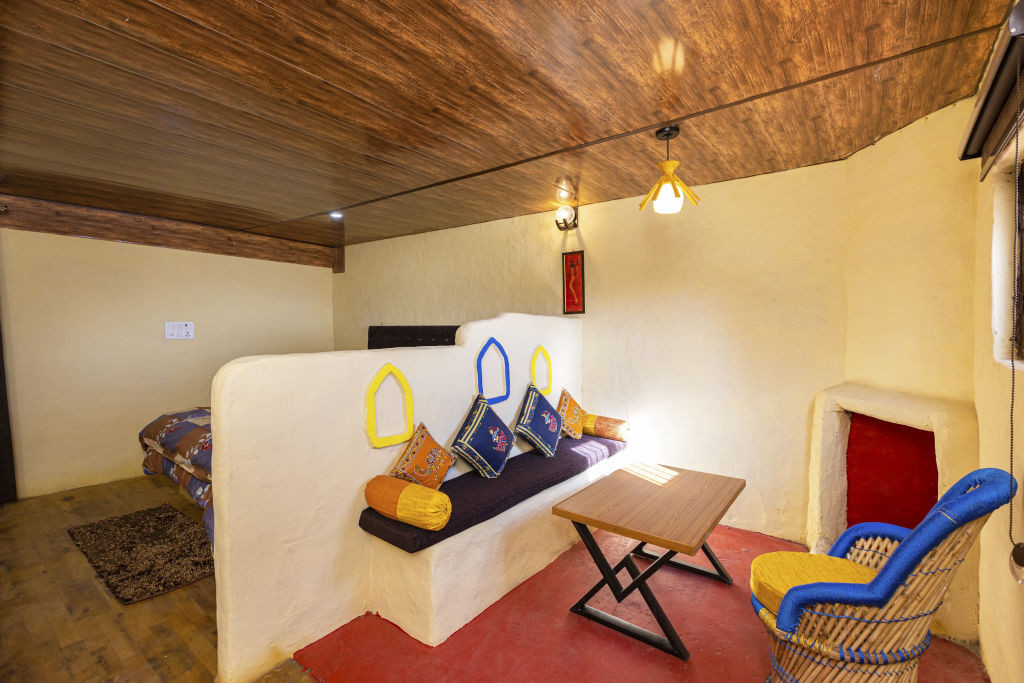
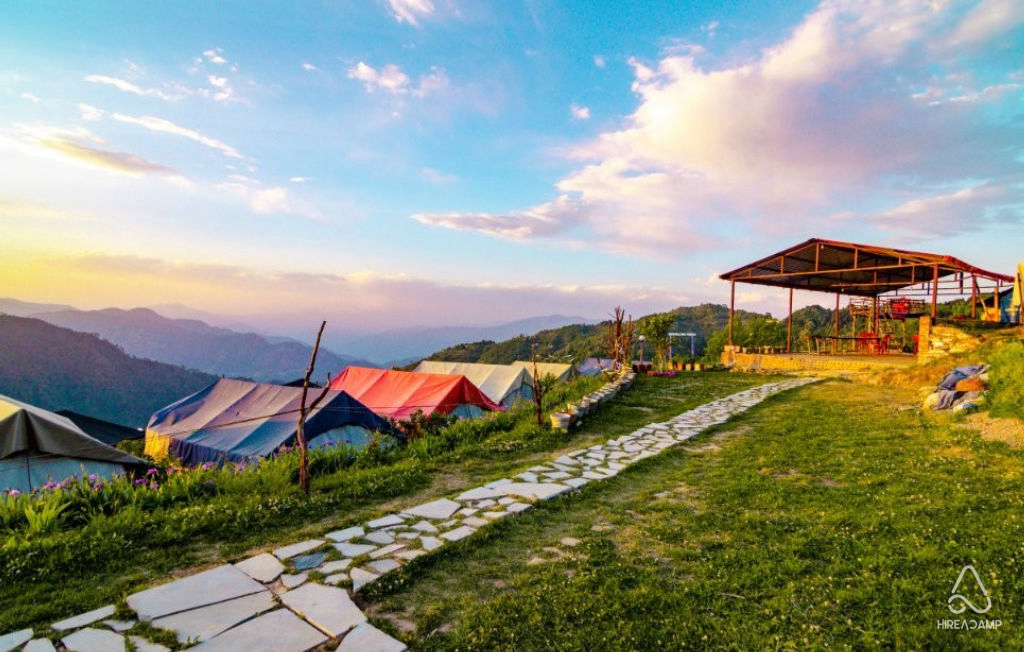
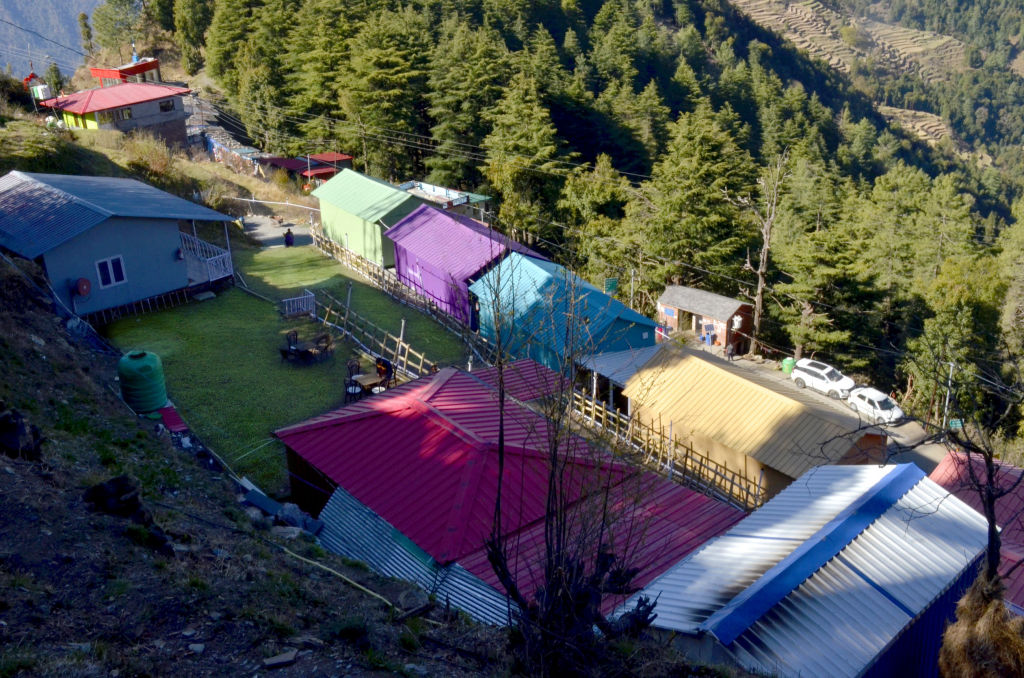
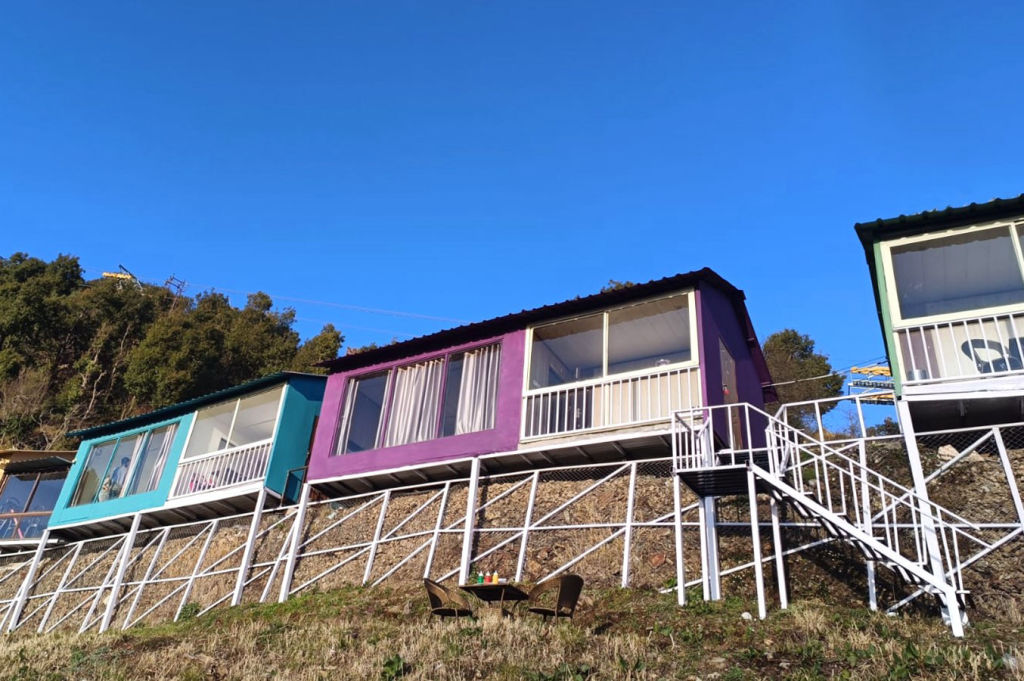
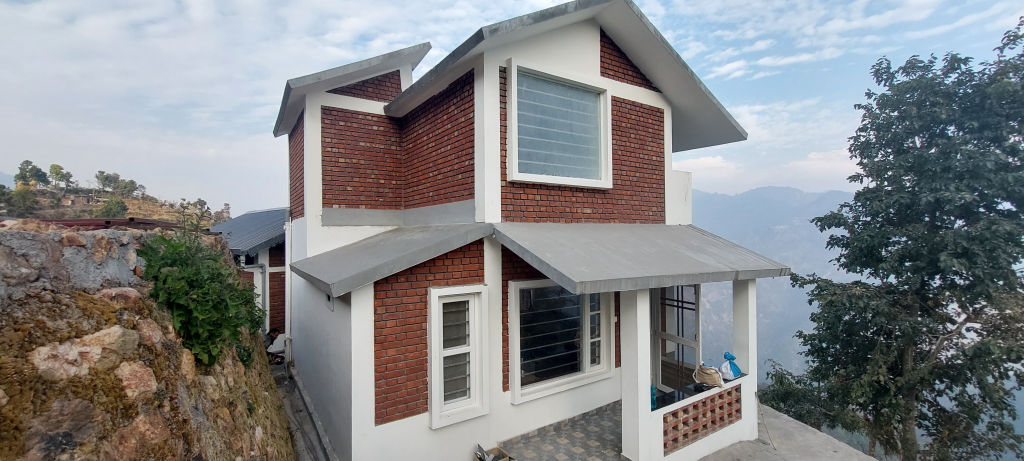
While there are limited commercial facilities right next to the summit, basic guesthouses and pilgrim rest houses can sometimes be found near the base road and in nearby rural hamlets such as Hindolakhal. Many travellers choose to visit Chandrabadni as a day excursion while staying around Devprayag, the Tehri Lake area, or the lower valley corridors leading down to Rishikesh.
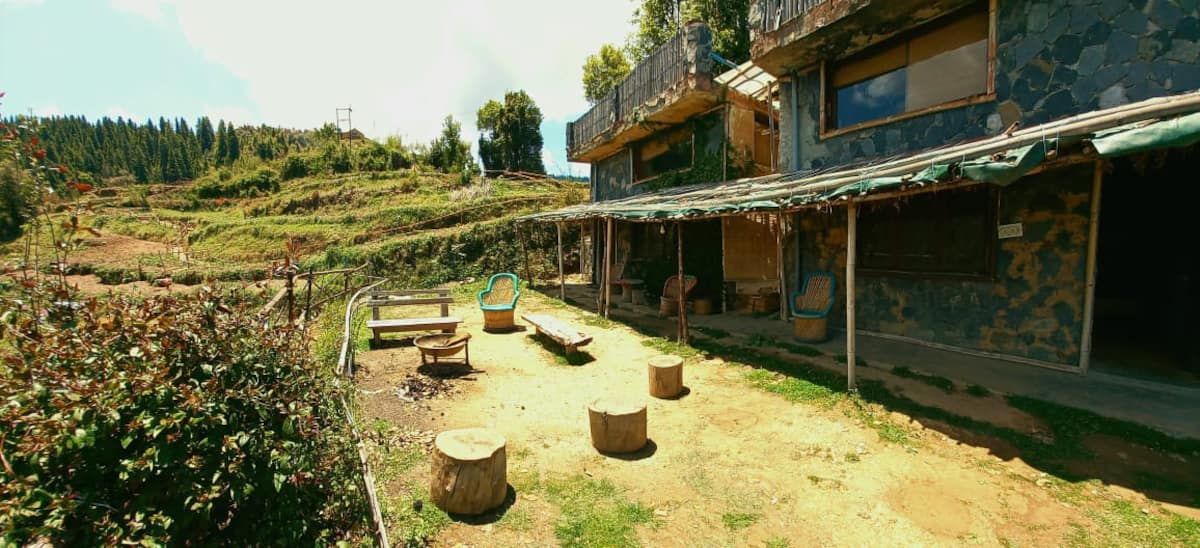
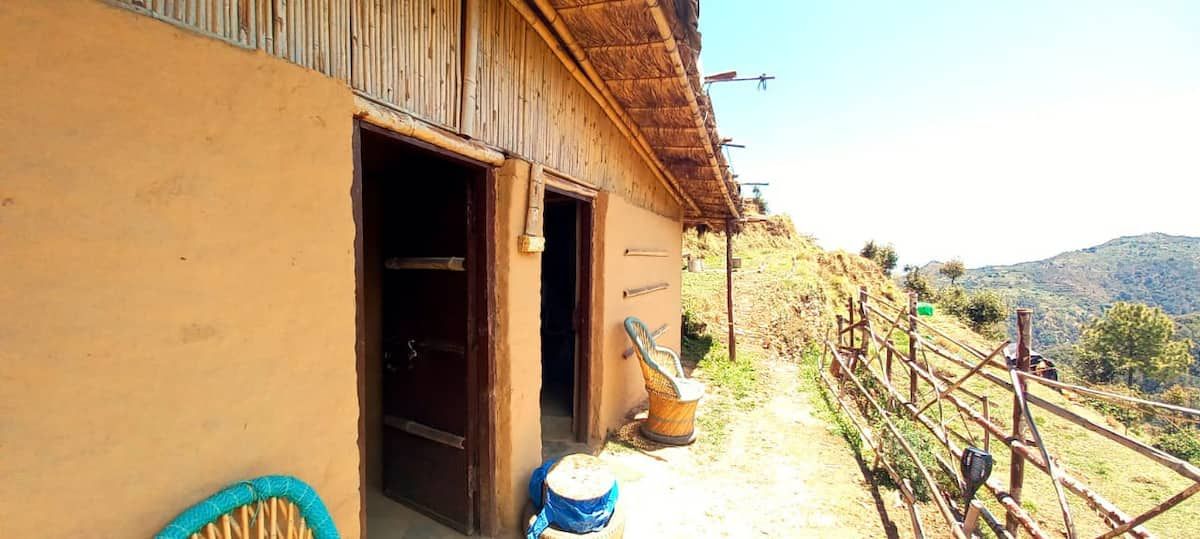
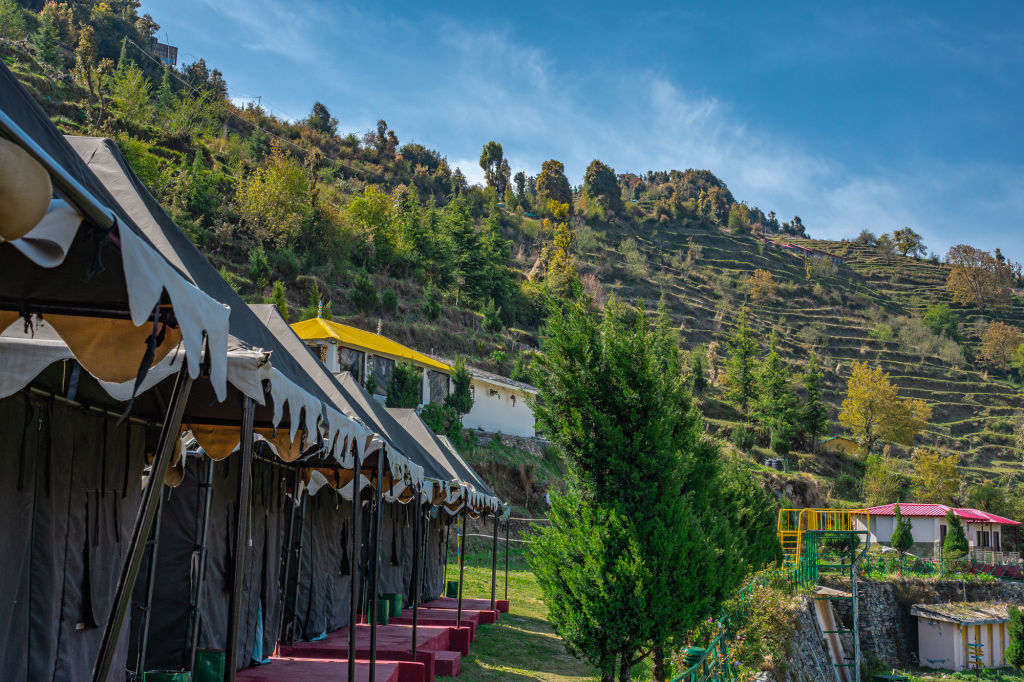
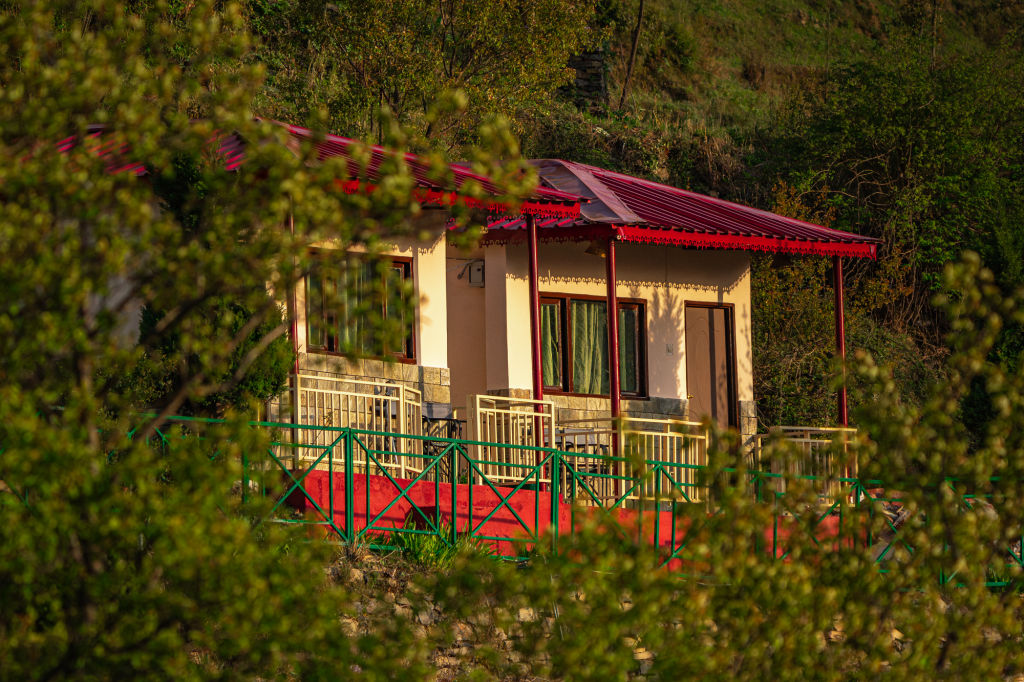
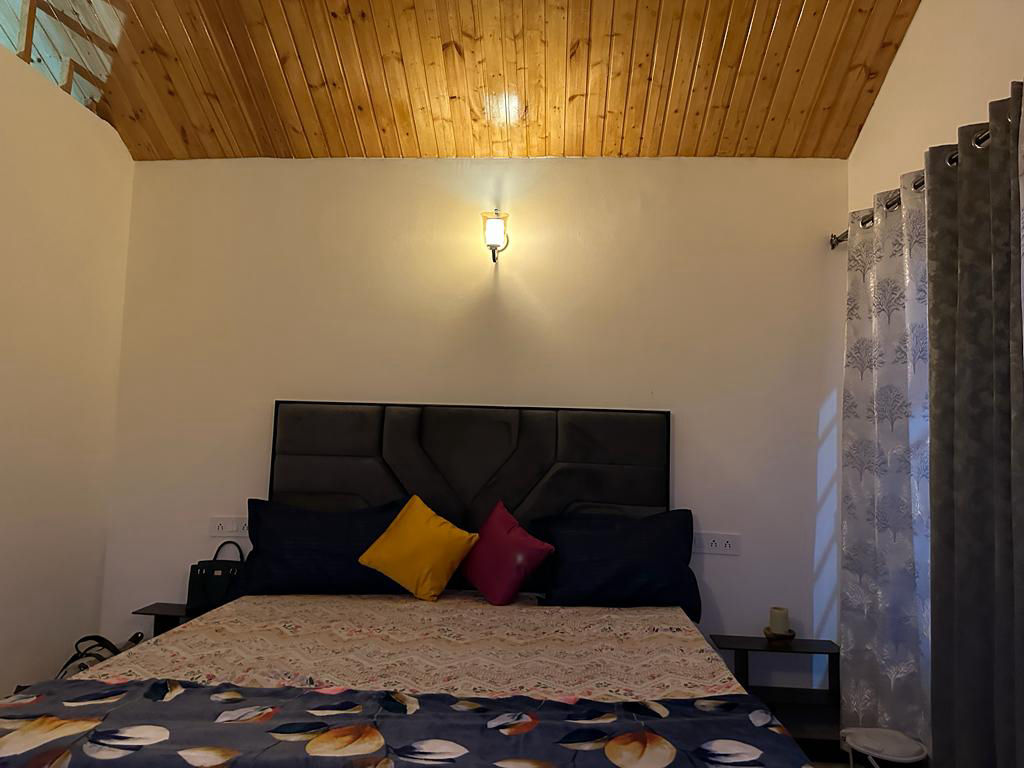
For a more immersive mountain retreat, unique nature camps, heritage homestays, and rustic hill stays scattered across the Tehri Garhwal region can be discovered and reserved through HireACamp. Staying in nearby villages provides an opportunity to experience traditional Garhwali hospitality, local food, and peaceful star-filled nights away from busy commercial towns.
Frequently asked questions
Where is Chandrabadni Temple located?
Chandrabadni Temple is situated atop the Chandrakoot mountain in the Tehri Garhwal district of Uttarakhand, close to the town of Devprayag and within reach of Tehri.
Is there a trek to reach Chandrabadni Temple?
Yes, visitors must walk up a flight of paved stairs from the roadhead to the summit shrine. The walk is relatively short but includes a continuous uphill incline.
What is the religious significance of Chandrabadni Temple?
It is revered as a Shakti Peetha where the torso of Goddess Sati is believed to have fallen. The temple forms part of the sacred mountain triangle in Tehri Garhwal alongside Surkanda Devi and Kunjapuri.
Can you see Himalayan peaks from Chandrabadni Temple?
Yes, on clear days, the temple summit offers unobstructed views of prominent Himalayan massifs including Kedarnath, Chaukhamba, Badrinath, and Trishul.
What is the best season to visit Chandrabadni Temple?
The most pleasant months are from March to June for mild weather, and from September to November for clear skies and the best views of the snow peaks.
Where you'll be
chandrabadni, Devprayag · 12 stays nearby shown with prices
Stays near Chandrabadni Temple
Book a place to stay close by
More places near Chandrabadni Temple
Within 20 km


Lists for this area
Ranked by how many creators recommend each place


Built from 0 Instagram posts by 0 creators. Every tip links back to the post it came from, and where creators disagree we show both sides.






