
Aanayirankal Dam
Dam near Chinnakanal, Kerala
4.3 km from Chinnakanal
The nearest town, for stays, food and fuel.
Aanayirankal Dam is an earthen reservoir set amidst rolling tea plantations and forested slopes in the Udumbanchola region of Kerala. Its name translates to the place where elephants descend, reflecting its history as a natural watering ground for wild elephant herds from the surrounding hills. Travelers visit to enjoy panoramic views of the Western Ghats, breathe in the crisp mountain air, and witness the tranquil intersection of reservoir waters and manicured tea estates.
Getting there
By road
- From ChinnakanalNearest town29 min · 13 km
- From Kochi3 hr 15 min · 154 km
- From Madurai3 hr 20 min · 136 km
- From Coimbatore6 hr 10 min · 276 km
Typical drive times without traffic. Stations and airports from OLA Maps; distances and typical drive times from OpenStreetMap (© OpenStreetMap contributors); notes from creators' Reels.
About Aanayirankal Dam
Written with AI from map data and general knowledge. Check prices and timings locally before you go.
About Aanayirankal Dam
Aanayirankal Dam, often spelled Anayirangal, is an earthen storage dam built across a tributary of the Periyar River basin in the Idukki district. Tucked into the undulating terrain of Udumbanchola, the reservoir gathers water amid emerald tea gardens and dense pockets of shola vegetation. The calm expanse of water against the backdrop of mist-covered ridges makes it one of the most scenic water bodies in the high ranges of Kerala.
In Malayalam, Aanayirankal literally translates to the spot where elephants come down. The reservoir occupies a natural migratory corridor and watering area for wild Asian elephants that move between Mathikettan Shola National Park and adjacent forest reserves. Even today, the quiet edges of the water body remain an important resource for local wildlife, giving the area an untouched, natural character despite the presence of surrounding agricultural estates.
Things to do at Aanayirankal Dam
The primary appeal of Aanayirankal Dam is the landscape itself. The perimeter of the reservoir offers viewpoints where you can gaze across the reservoir toward distant mountain crests. The contrast between deep blue water, red earth paths, and bright green tea bushes creates striking vistas, making it a favorite stop for landscape photographers and nature enthusiasts seeking quiet contemplative spots away from bustling town centers.
Walking along the edges of the tea estates and designated lakeside paths allows visitors to experience the cool mountain atmosphere up close. Birdwatchers often spot highland species, raptors gliding above the reservoir, and waterbirds along the shallows. Boating facilities are sometimes operated on the reservoir depending on seasonal water levels and administrative schedules; visitors interested in boat rides should check availability and guidelines on the spot upon arrival.
Read more
Wildlife and ecology around the reservoir
The ecosystem surrounding Aanayirankal Dam is ecologically sensitive, shaped by high-altitude tropical forests, grasslands, and extensive tea cultivation. Because the reservoir sits close to protected habitats such as Mathikettan Shola National Park, it supports a rich variety of native fauna. Wild elephants frequently roam the fringes of the water, especially during early mornings and late afternoons when human presence is low.
Because this is an active wildlife corridor, visitors must remain mindful of their surroundings. Elephants and other animals traverse the slopes between the forest and the water, so staying on public access roads and avoiding solitary treks into uncleared thickets is essential. Local forest and estate authorities maintain protocols to ensure visitor safety and wildlife protection, and travelers should heed all posted signboards and instructions from local guides.
Best time to visit Aanayirankal Dam
The post-monsoon and winter months, spanning from October through February, are widely regarded as the most pleasant time to visit Aanayirankal Dam. During this period, the reservoir is full from the seasonal rains, the surrounding hills are vivid green, and daytime temperatures remain comfortably cool. Early mornings during winter often bring drifting sheets of fog across the water, burning off gradually to reveal clear blue skies.
The summer months from March to May bring warmer daytime conditions, though temperatures in these higher elevations remain significantly milder than in the lowlands. The reservoir levels recede during late summer, exposing wide grassy banks where wildlife can sometimes be seen grazing. The monsoon season from June to September brings heavy rainfall and strong winds, which can make road travel challenging, but it also replenishes the reservoir and cloaks the entire landscape in mist.
How to reach Aanayirankal Dam
Aanayirankal Dam is located along the mountain corridors of the Udumbanchola region, reachable primarily by road through scenic hill routes. If you are traveling from the coastal plains of Kerala via Kochi, the drive ascends through the Western Ghats along winding roads framed by waterfalls, rocky gorges, and spice plantations. From Tamil Nadu, the route via Theni and the mountain pass at Bodi Mettu offers an alternative access route with sweeping valley overlooks.
The nearest railway hubs are located at Aluva, Ernakulam, and Madurai, from where you can hire private cabs or take inter-district buses into the high ranges. Regular local buses connect major regional towns with Udumbanchola and nearby settlements, though hiring a car or driving allows greater flexibility to stop at panoramic view benches along the way. Mountain roads are narrow and winding, so plan for relaxed driving speeds and daylit travel.
Places to visit near Aanayirankal Dam
A trip to Aanayirankal Dam can be paired with several nearby natural and cultural landmarks. Just a short drive away lies Mathikettan Shola National Park, a protected expanse of endemic shola-grassland habitat renowned for its biodiversity and pristine forest canopies. Travelers interested in historical views can head toward Bodi Mettu, a vantage point along the state border that offers dramatic perspectives across the plains below.
Further along the regional routes, visitors can explore traditional stone dolmens at Muniyaras, showcasing prehistoric megalithic architecture unique to this highland belt. For those who enjoy cascading water, Ripple Waterfalls and Kuthumkal Waterfalls are accessible as scenic day trips. Cultural explorers can also stop by local institutions like the Punarjeeva Cultural Centre to learn more about the heritage, folk arts, and community traditions of the region.
Tips for your visit
Weather conditions in this part of the Western Ghats can shift rapidly, with bright sunshine turning to chilly mist or light rain within an hour. Carrying light woolens or a windbreaker is advisable even outside winter, alongside a reliable rain jacket or umbrella if you are traveling during or near the rainy months. Sturdy, closed footwear with good traction is recommended for walking along uneven paths around the reservoir.
Keep in mind that mobile network reception can be patchy in certain pockets of Udumbanchola. Download offline maps and keep cash on hand for small local transactions, as digital payment terminals may encounter connectivity delays. Respect the environment by carrying back all plastic waste, refraining from playing loud music, and never attempting to approach or feed wild animals along the water.
Where to stay near Aanayirankal Dam
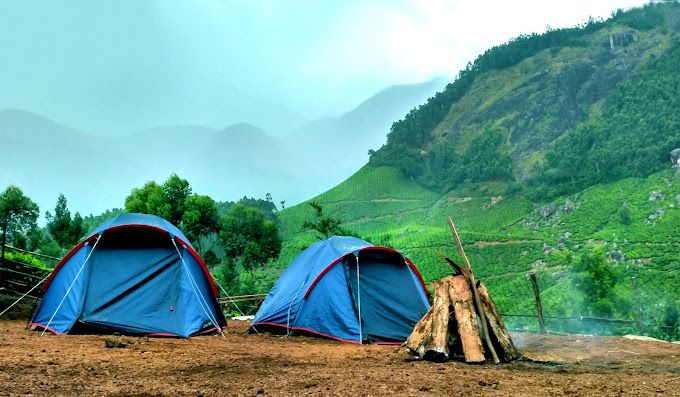
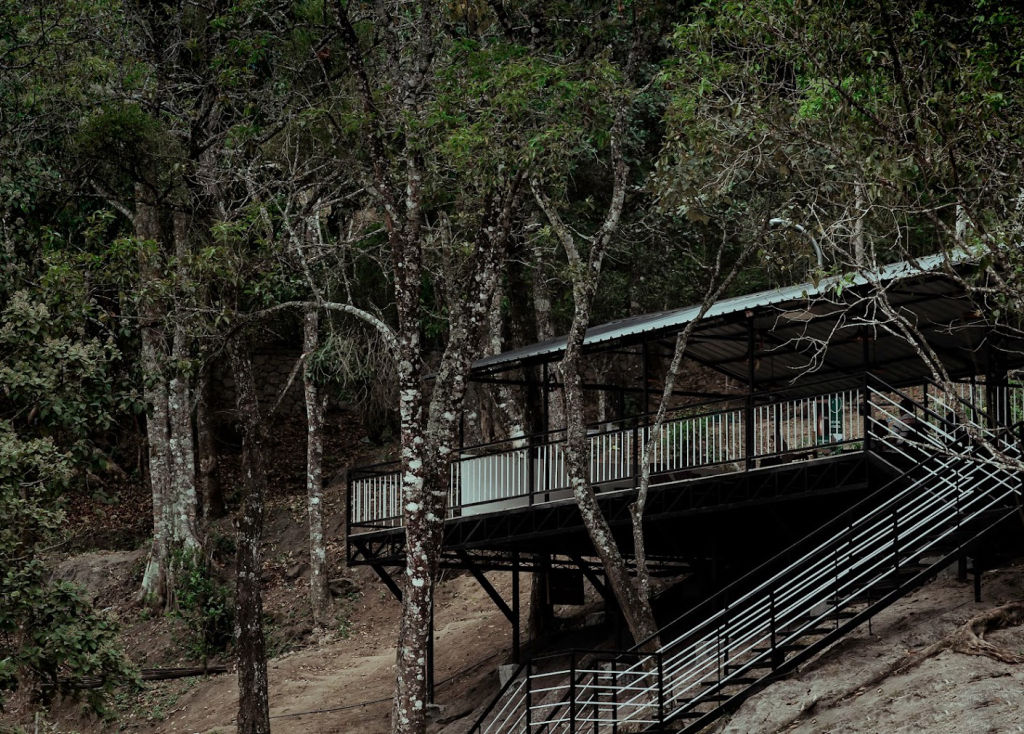
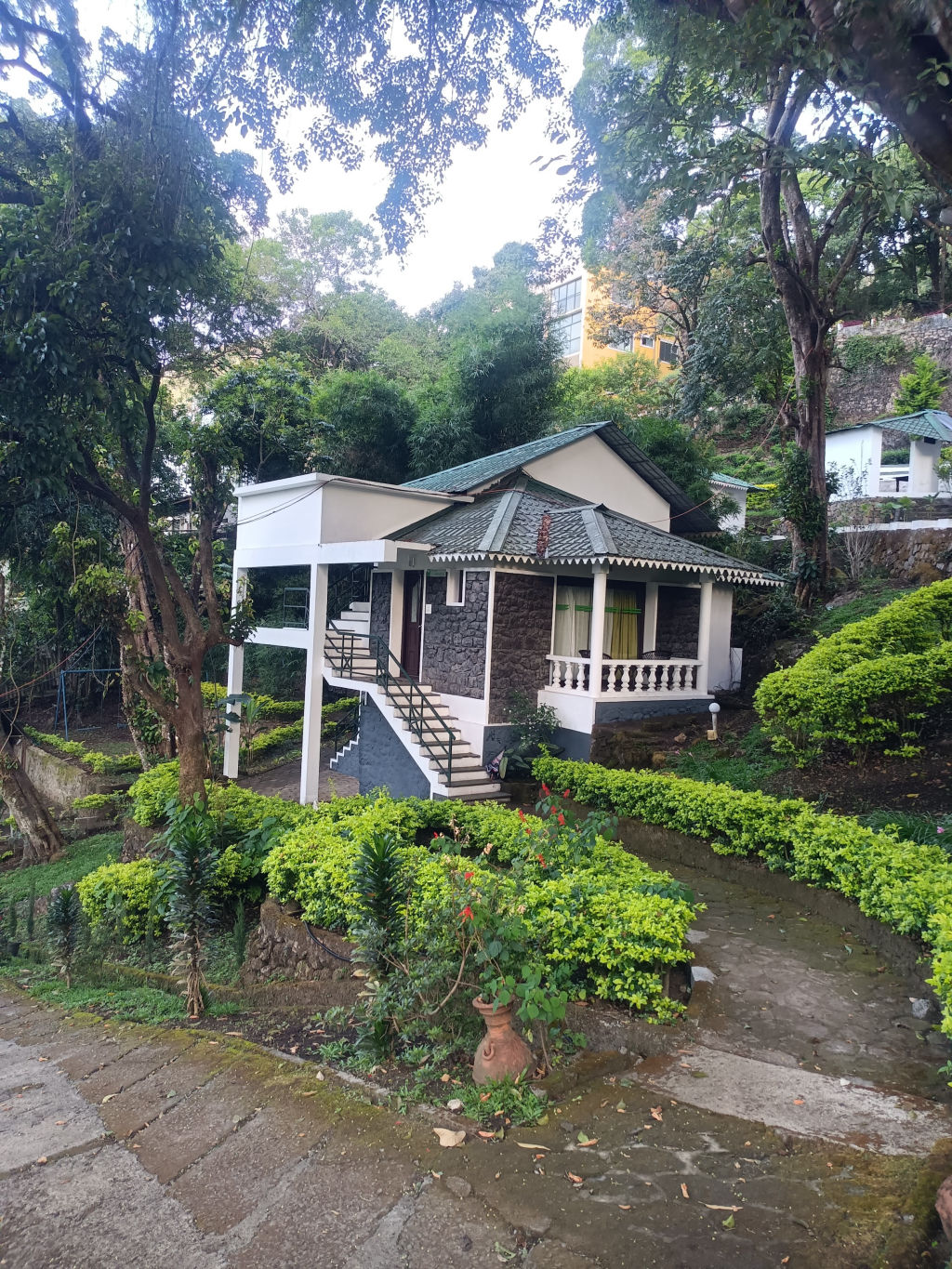
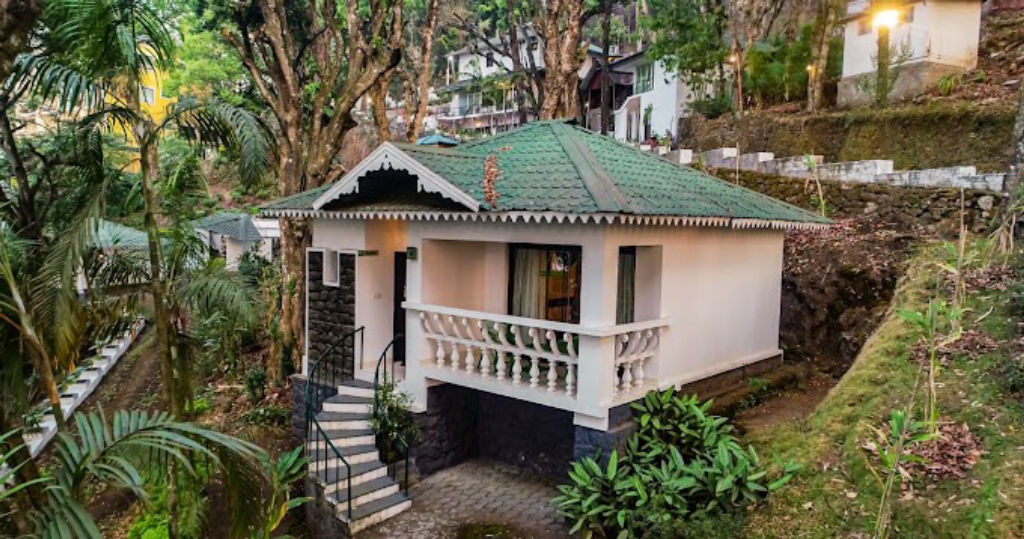
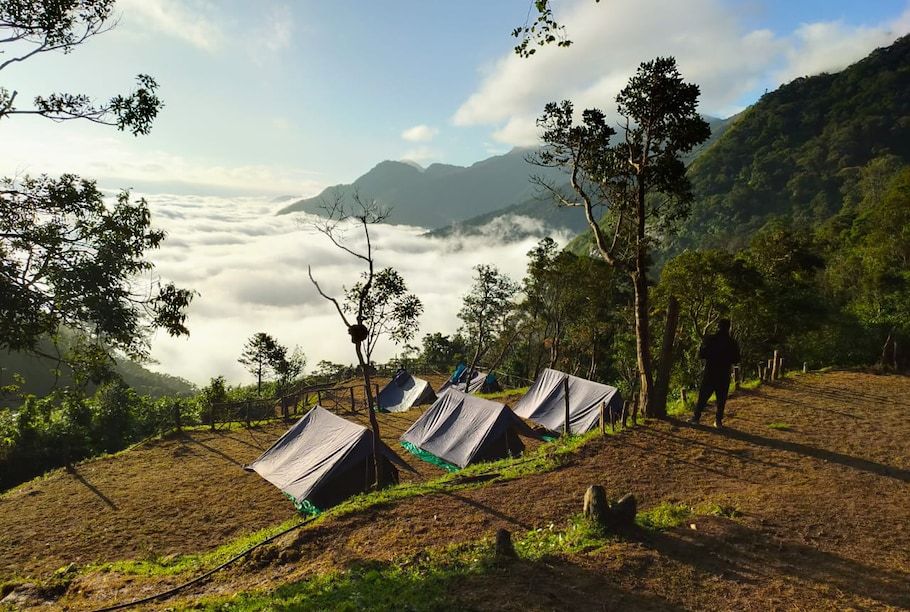
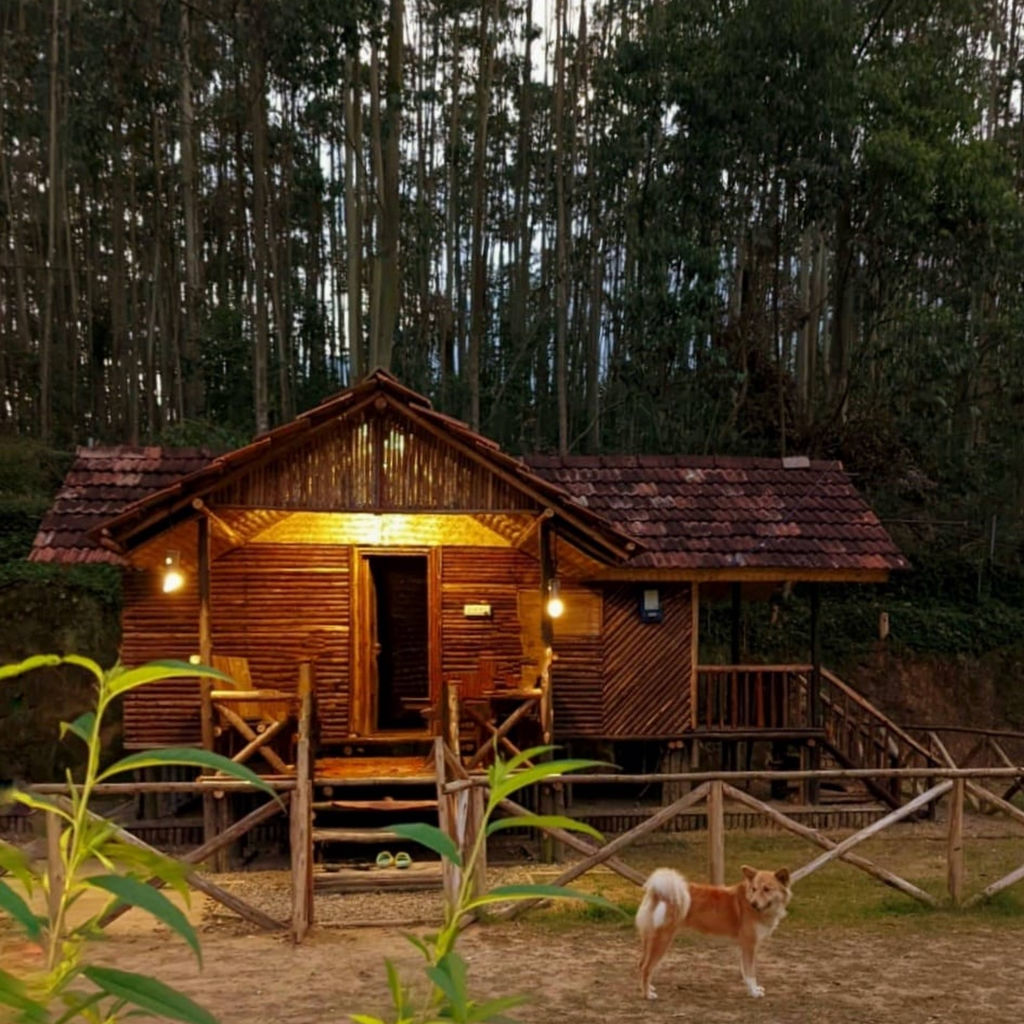
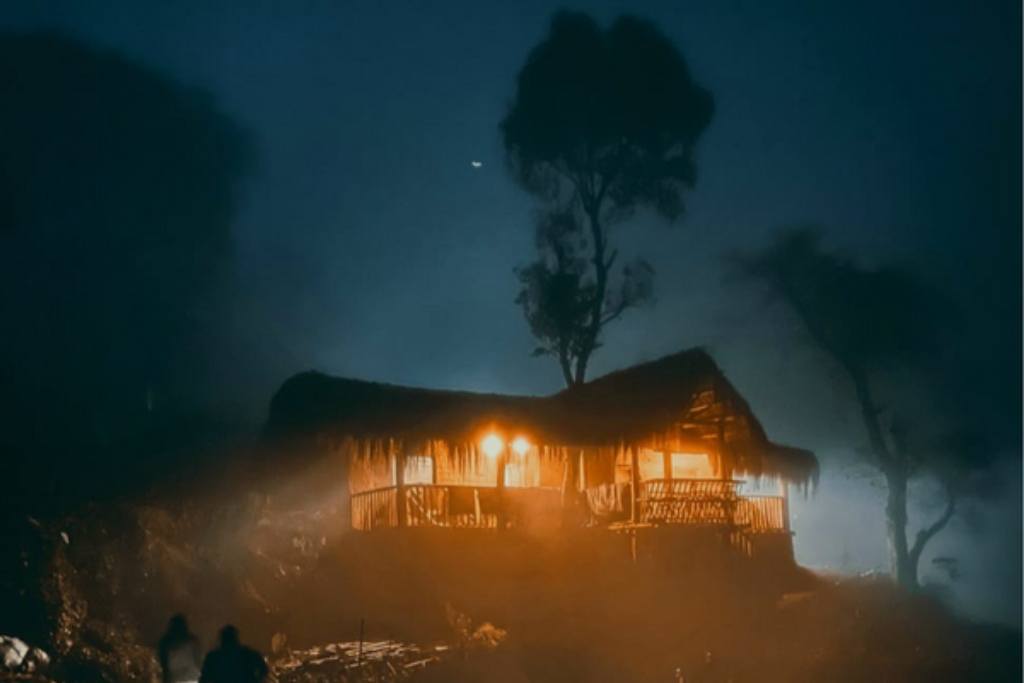
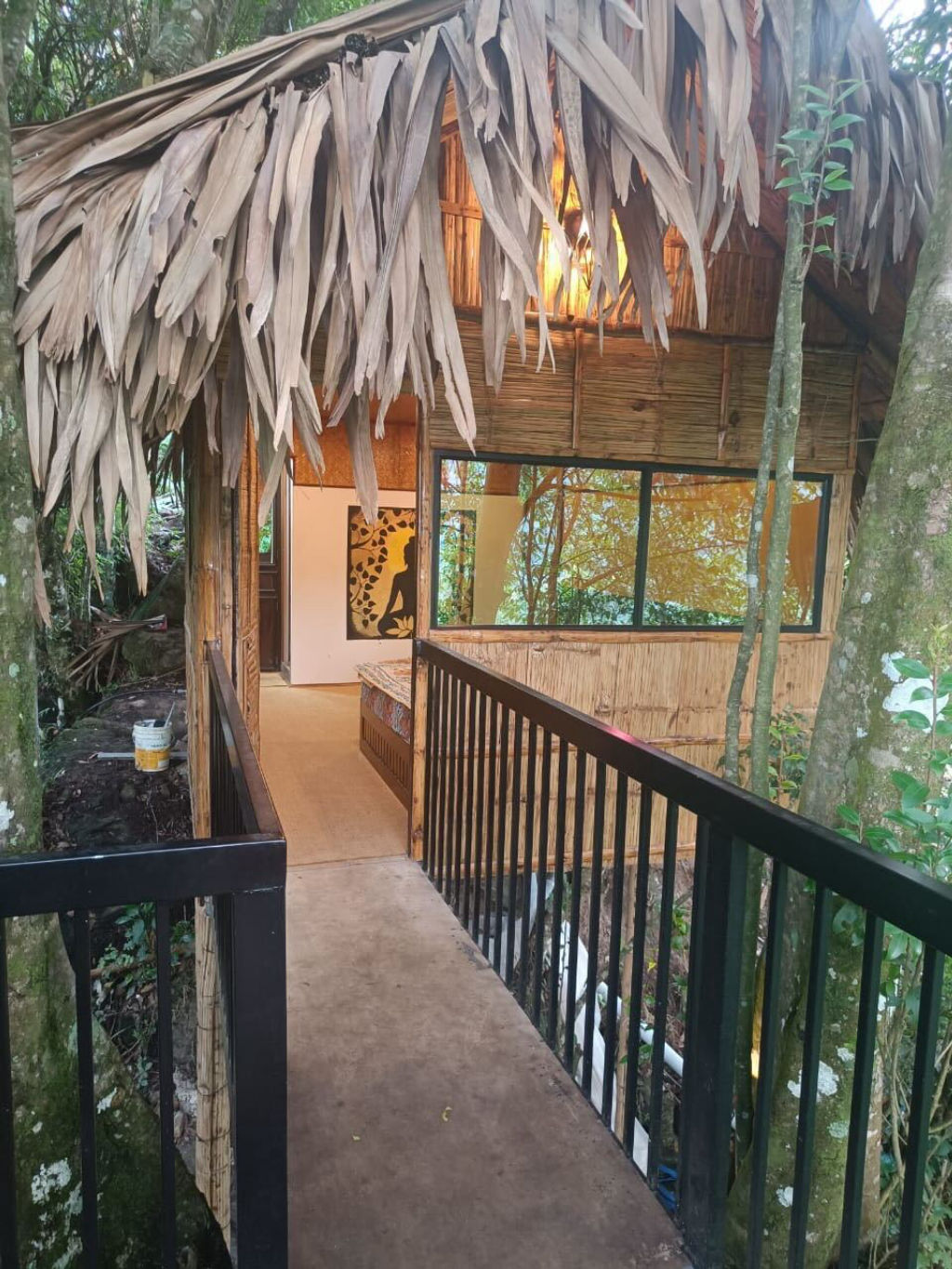
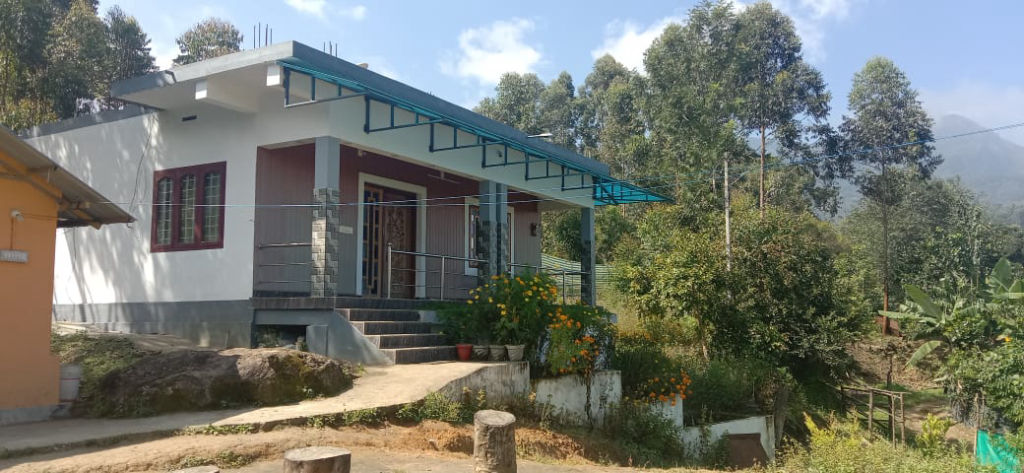
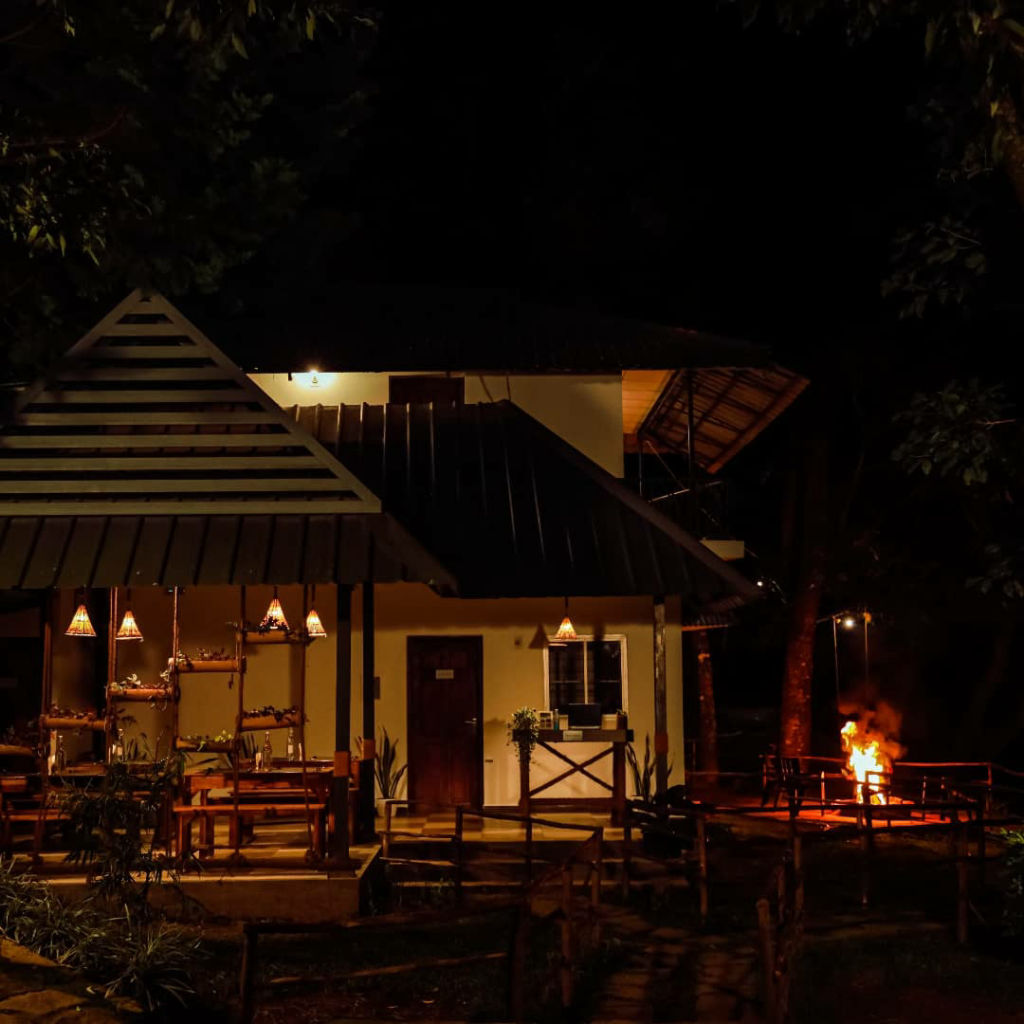
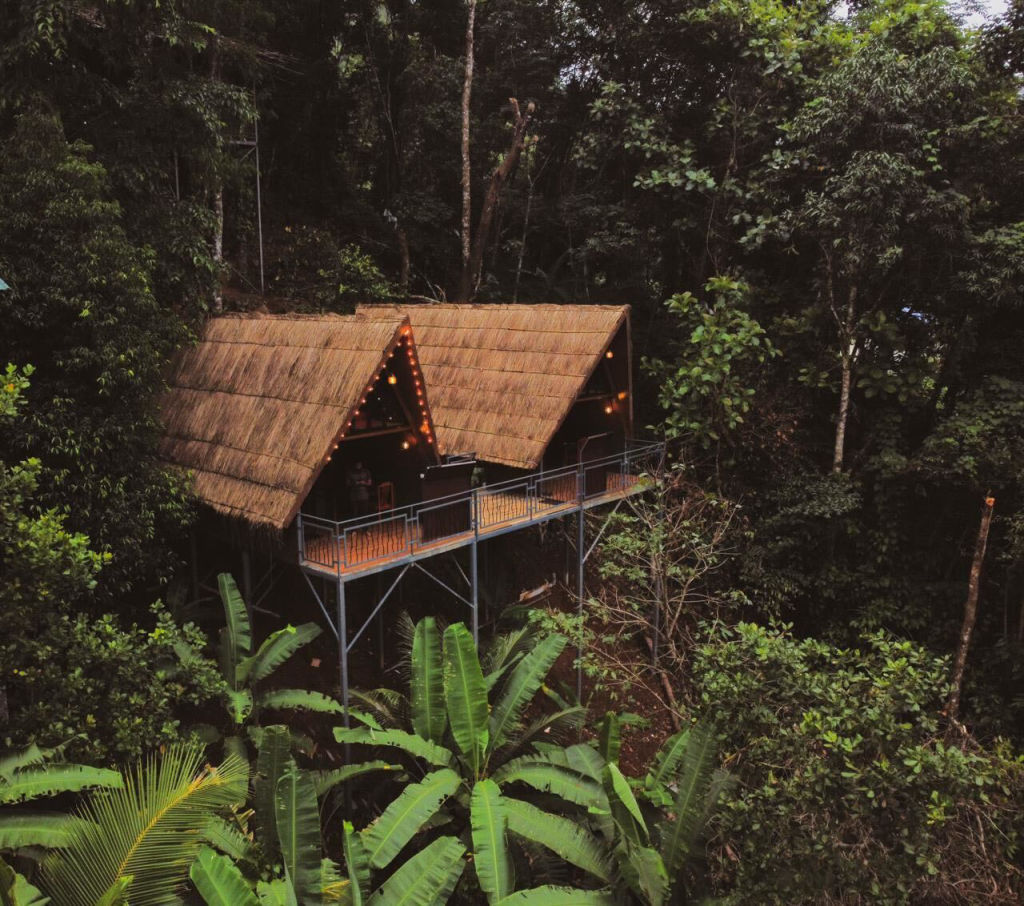
The area around Aanayirankal and the broader Udumbanchola belt provides diverse lodging options suited for nature lovers, couples, and families. Accommodations range from heritage tea plantation bungalows and quiet village homestays to experiential campsites set amid cardamom and pepper gardens. Staying near the reservoir allows you to enjoy tranquil, quiet evenings far away from crowded tourist centers.
To find and book verified outdoor stays, farm cottages, and campsites around Aanayirankal Dam, you can browse available listings on HireACamp. Booking in advance is recommended during the peak holiday windows from November to January to secure scenic settings overlooking the hills.
Frequently asked questions
Why is it called Aanayirankal Dam?
In Malayalam, the name Aanayirankal means the place where elephants descend. It was named after the wild elephant herds that traditionally come down from the neighboring forests to drink water and bathe in the reservoir.
Can you see wild elephants at Aanayirankal Dam?
Yes, wild elephants are known to visit the banks of the reservoir, particularly during early mornings and late afternoons. Sightings are subject to natural wildlife movements, and visitors are advised to maintain a safe and respectful distance at all times.
Is boating available at Aanayirankal Dam?
Boating operations are conducted periodically depending on reservoir water levels, maintenance schedules, and seasonal regulations. Visitors should verify operating status and local guidelines upon reaching the site.
What is the best time of year to visit Aanayirankal Dam?
The ideal time to visit is between October and February, when the weather is cool, the water levels are plentiful, and mist envelops the tea plantations. The post-monsoon clarity also provides excellent landscape views.
Are there stay options close to Aanayirankal Dam?
Yes, there are homestays, plantation retreats, and outdoor campsites located across the surrounding countryside. You can explore and reserve these accommodations directly on HireACamp.
Where you'll be
Udumbanchola · 12 stays nearby shown with prices
Stays near Aanayirankal Dam
Book a place to stay close by

More places near Aanayirankal Dam
Within 20 km


Built from 0 Instagram posts by 0 creators. Every tip links back to the post it came from, and where creators disagree we show both sides.






