
Ajinkyatara Fort
Fort near Satara, Maharashtra
2.4 km from Satara
The nearest town, for stays, food and fuel.
Ajinkyatara Fort stands atop a steep hill overlooking the historic city of Satara in western Maharashtra. Once a pivotal stronghold of the Maratha Empire and the seat of Chhatrapati Shahu Maharaj, the citadel is celebrated for its deep historical roots and sweeping views of the surrounding Sahyadri ranges. Travellers and locals visit the fort for peaceful morning walks, historical exploration, and broad panoramas of the valley and lakes below.
Getting there
By road
- From SataraNearest town13 min · 3.8 km
- From Pune2 hr 35 min · 113 km
- From Mumbai 5 hr · 259 km
- From Nashik6 hr 55 min · 334 km
Typical drive times without traffic. Stations and airports from OLA Maps; distances and typical drive times from OpenStreetMap (© OpenStreetMap contributors); notes from creators' Reels.
About Ajinkyatara Fort
Written with AI from map data and general knowledge. Check prices and timings locally before you go.
History and heritage of Ajinkyatara Fort
Ajinkyatara, which translates to the impregnable star, has guarded the surrounding valleys for centuries. Historical accounts suggest the fort was originally constructed in the late twelfth century by Raja Bhoj II of the Shilahara dynasty. Over the following centuries, control of the fort shifted between the Bahmani rulers, the Adil Shahi Sultanate of Bijapur, and the Marathas. Chhatrapati Shivaji Maharaj captured the fortress in 1673, recognising its critical military geography over the southern Deccan routes.
The fort gained heightened political importance in the early eighteenth century when Chhatrapati Shahu Maharaj chose Satara as his royal capital. Ajinkyatara became the centre of administration for the expanding Maratha Empire, weathering sieges by the Mughals and later coming under British control in 1818. Today, walking through the bastions and gates reveals remnants of this layered past, reflected in the weathered stonework, carved doorways, and silent fortifications.
What to see inside the citadel
The plateau of Ajinkyatara covers a substantial area and contains several historic structures in varying states of preservation. Among the most revered spots on the fort is the Mangala Devi temple, also known locally as the Mangalai temple, dedicated to the guardian deity of the hill. Nearby stands a small Mahadev temple and remnants of residential quarters that once housed court officials and garrisons.
Water management was crucial for sustaining life on the hill, and multiple stone-cut water tanks and step cisterns dot the plateau. A walk along the perimeter ramparts, or tatbandi, is one of the most rewarding parts of a visit. From the fortress walls, visitors can look down upon the expanding grid of Satara town, the sprawling waters of nearby reservoirs, and neighbouring hill forts standing against the horizon.
Read more
Best time to visit Ajinkyatara Fort
The atmosphere at Ajinkyatara Fort changes noticeably with the seasons. The monsoon months between July and September cover the entire hill in lush green foliage, moss, and drifting mist. Rains bring cool temperatures and dramatic cloud formations across the valley, though paths and stone surfaces can become slick underfoot.
The winter season, from October through February, offers the clearest skies and most pleasant conditions for outdoor exploration. Daytime temperatures remain comfortable, and the crisp winter morning air makes climbing or walking the fort perimeter an enjoyable outing. Summer brings warm, dry conditions, particularly during the middle of the day. If visiting between March and May, it is best to arrive during the early hours of sunrise or in the late afternoon to catch the sunset.
How to reach Ajinkyatara Fort
Ajinkyatara Fort sits directly adjacent to the city of Satara, making it exceptionally accessible compared to many remote hill forts in Maharashtra. Satara is well connected by road via National Highway 48, which links major hubs like Pune and Mumbai to southern Maharashtra. Regular state transport buses and private vehicles ply the highway directly into Satara town.
Satara also has its own railway station, connecting to regional rail lines across the state. From Satara town, visitors can either drive or hike up to the fort. A paved motorable road winds its way up the southern slope of the hill, allowing vehicles to reach near the main entrance gate. For those seeking exercise and outdoor trekking, stone staircases and walking paths ascend from the city base up to the fort gates.
Places to explore around Satara
A trip to Ajinkyatara Fort pairs naturally with other natural and historic attractions in the Satara district. Just a short drive southwest lies Sajjangad Fort, an important spiritual landmark that served as the final resting place of saint Samarth Ramdas. Further west, the Kaas Plateau unfolds, drawing travellers during late monsoon to witness wild flowering carpets on the laterite tableland.
Waterfalls and viewpoints abound in the region, including the multi-tiered Thoseghar Waterfall and the scenic Urmodi Dam viewpoint. Those interested in unique engineering can visit the historic Baramotichi Vihir stepwell located in Limb. Nearby hill fortresses like Wandan and Kalyangad offer quieter trekking alternatives, while the lush expanse of the Koyna Wildlife Sanctuary spans the deeper forests of the Western Ghats.
Tips for your visit
Wear supportive walking shoes with dependable tread, especially if you plan to walk the rugged perimeter walls or climb on foot from the base of the hill. The plateau is open and exposed to direct sun, so carrying a hat, sunscreen, and plenty of drinking water is advisable during warm afternoons.
Facilities on top of the fort are minimal, so it is wise to carry your own light refreshments and basic supplies from the city below. Please remember that Ajinkyatara is a protected heritage location and a place of local reverence. Carry back all plastic and personal waste to keep the hill clean, and refrain from climbing or defacing fragile masonry.
Where to stay near Ajinkyatara
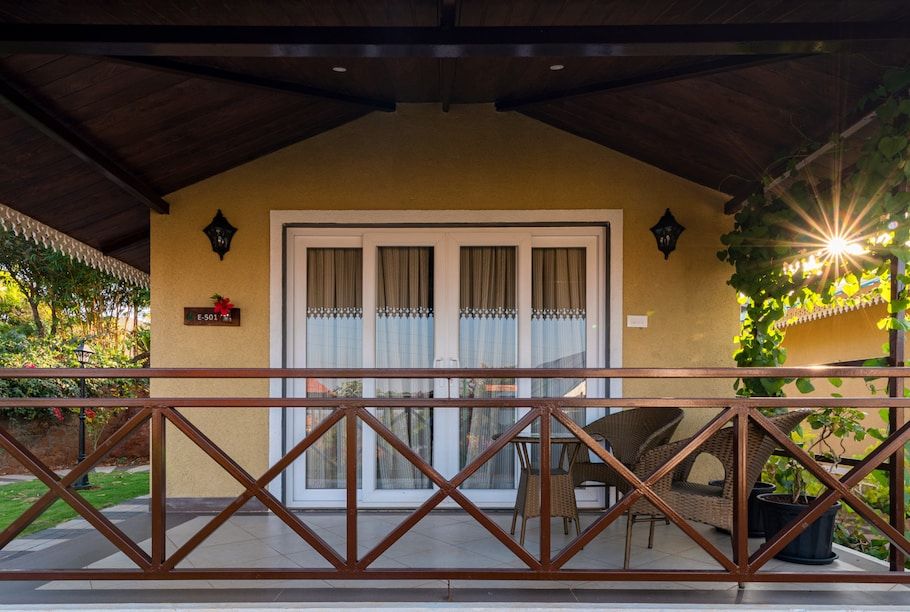
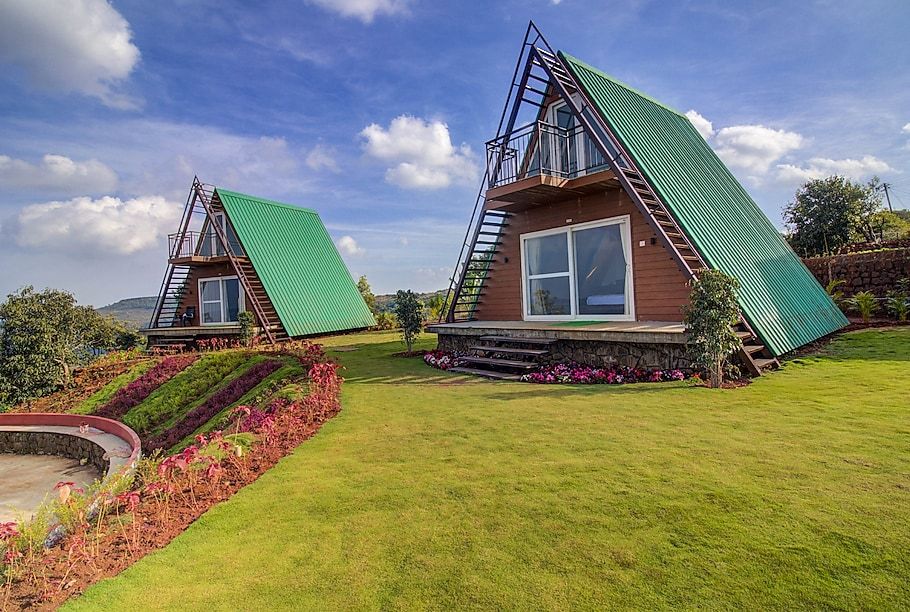
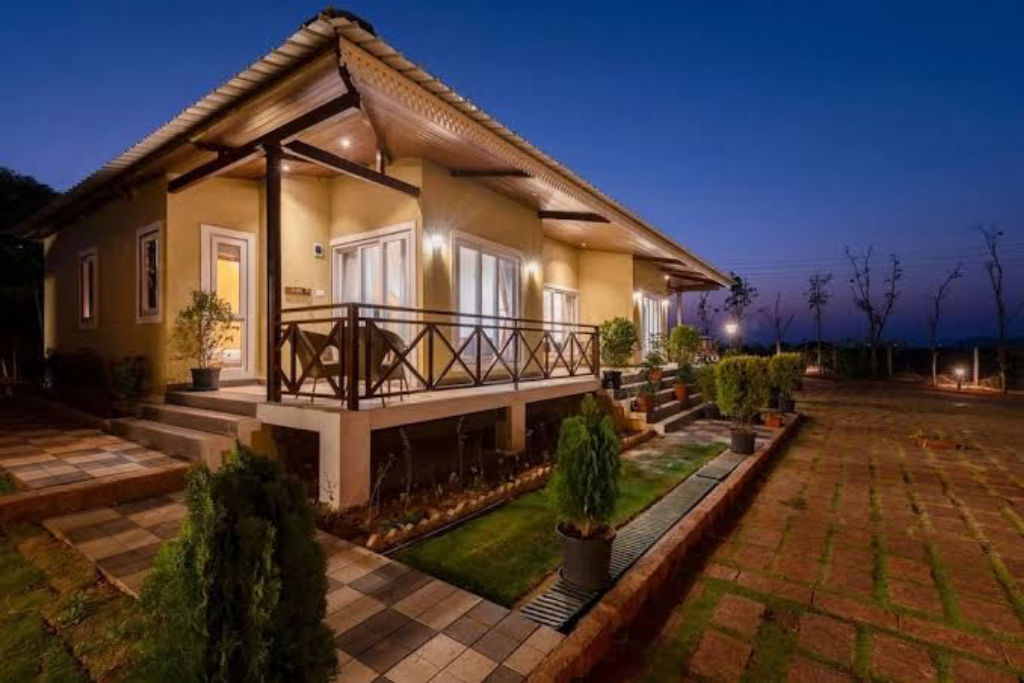
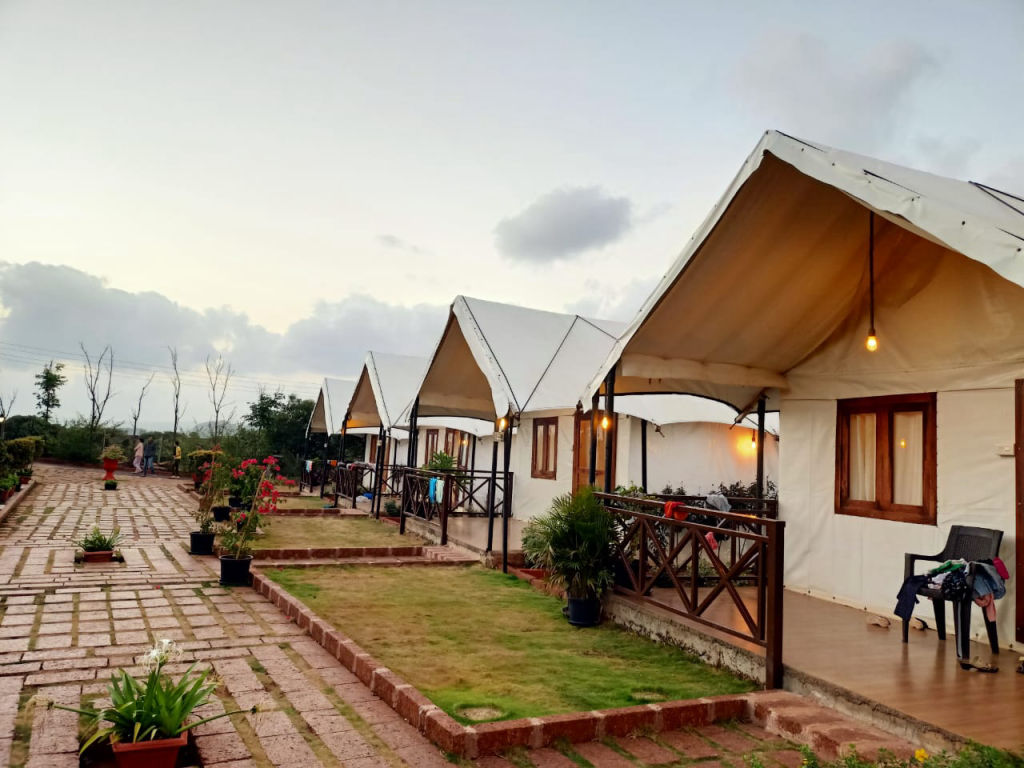
Satara city and the surrounding countryside offer a broad spectrum of base options for exploring the region. Whether you prefer quiet rural homestays tucked into the foothills, eco-friendly nature stays, or scenic outdoor camps near nearby lakes and valleys, travellers can discover and reserve unique local accommodations on HireACamp.
Frequently asked questions
Can you drive directly to the top of Ajinkyatara Fort?
Yes, a paved motorable road leads from Satara town up the hill close to the fort entrance, where visitors can park before exploring the plateau on foot.
How long does it take to explore Ajinkyatara Fort?
Most visitors spend between one and two hours walking the ramparts, visiting the temples, and taking in the panoramic views of Satara city.
Is Ajinkyatara Fort suitable for beginners and families?
Yes, because of the road access to the top and relatively level walking paths across the plateau, it is suitable for visitors of all ages and fitness levels.
What is the best time of day to visit Ajinkyatara Fort?
Early mornings around sunrise and late afternoons around sunset offer cooler temperatures, gentle breezes, and spectacular panoramic lighting across the Sahyadri mountains.
Where you'll be
ajinkyatara fort, Satara, MH · 4 stays nearby shown with prices
Stays near Ajinkyatara Fort
Book a place to stay close by
More places near Ajinkyatara Fort
Within 20 km


Lists for this area
Ranked by how many creators recommend each place

Built from 0 Instagram posts by 0 creators. Every tip links back to the post it came from, and where creators disagree we show both sides.


