
Jal Mandir
Palace near Satara, Maharashtra
2 km from Satara
The nearest town, for stays, food and fuel.
Jal Mandir is a historic palace complex located in the city of Satara, Maharashtra, intrinsically tied to the heritage of the Chhatrapati royal dynasty. Set against the historic backdrop of the Maratha kingdom, it offers travellers a glimpse into traditional regional architecture and noble Maratha culture. Visitors to the Sahyadri foothills frequently stop here while discovering Satara's rich collection of forts, scenic plateaus, and waterfalls.
Getting there
By road
- From SataraNearest town7 min · 2.4 km
- From Pune2 hr 30 min · 110 km
- From Mumbai 4 hr 55 min · 256 km
- From Nashik6 hr 50 min · 333 km
Typical drive times without traffic. Stations and airports from OLA Maps; distances and typical drive times from OpenStreetMap (© OpenStreetMap contributors); notes from creators' Reels.
About Jal Mandir
Written with AI from map data and general knowledge. Check prices and timings locally before you go.
The history and heritage of Jal Mandir
Jal Mandir holds a prominent place in the civic and cultural identity of Satara. As an ancestral palace associated with the direct lineage of Chhatrapati Shivaji Maharaj, the complex is closely tied to the historic Maratha Empire. Following the expansion and eventual consolidation of Maratha power in western India, Satara became a primary royal capital, home to administrators, warriors, and scholars who shaped the region.
Over the centuries, the royal family of Satara maintained Jal Mandir as both a residence and a symbolic heart for civic traditions and cultural observances. During major annual festivals such as Dussehra and Ganeshotsav, the precinct historically served as a hub for customary gatherings and rituals. A visit allows travellers to appreciate the continuity of living Maratha heritage, where noble traditions have endured across generations.
Architecture and setting of the palace
The architecture of Jal Mandir reflects indigenous Maharashtrian design traditions adapted to the climate and lifestyle of the Deccan plateau. Unlike the ornate marble palaces typical of northern royal courts, Maratha residential architecture prioritised functional layouts, durable stone construction, and intricately carved wooden accents. The building features an understated, dignified facade that integrates naturally with the surrounding streetscapes of historic Satara.
Traditional courtyard arrangements, pillared verandahs, and reception halls characteristic of regional wada architecture were laid out to maximise ventilation and provide sheltered spaces during warm weather. Water features, which historically influenced the structure's evocative name, added cooling comfort to the surroundings. Walking through the neighbourhood offers visitors a distinct appreciation of how local black basalt stone and seasoned timber were brought together to create practical yet stately family seats.
Read more
Best time to visit Jal Mandir
Satara experiences a varied tropical wet-and-dry climate influenced by the nearby Western Ghats, with clear distinctions between winter, summer, and the monsoon. The winter months from October to February represent the most comfortable window to visit Jal Mandir and explore the surrounding urban areas. During this time, daytime temperatures remain pleasant and outdoor walking tours are enjoyable.
The monsoon season, lasting from June through September, drenches the Sahyadris in heavy rain and turns the entire district vibrant green. While urban sightseeing can occasionally be disrupted by downpours, visiting during or just after the rains allows travellers to easily combine their cultural tour of Jal Mandir with trips to raging waterfalls and mist-covered tablelands nearby. Summer, from March to May, brings warm and dry conditions, so visitors planning trips during these months should focus their sightseeing during the early morning or late afternoon hours.
How to reach Jal Mandir in Satara
Jal Mandir is situated within Satara town, making it straightforward to reach via Maharashtra's established road and rail systems. The city sits conveniently alongside National Highway 48, which links major hubs like Pune and Bengaluru. Travellers driving from Pune can expect an approximate journey of two to three hours under regular traffic conditions, while the drive from Mumbai typically takes around four to five hours.
For those relying on train services, Satara Railway Station connects the town to various cities across western and southern Maharashtra. From the station or the state transport bus terminal in town, auto-rickshaws and local taxis provide direct connectivity to the palace neighbourhood. The nearest major airport is in Pune, from where visitors can book private taxis or board regular intercity buses headed towards Satara.
Tips for visiting Jal Mandir
Because Jal Mandir is linked to the local royal family and functions as a private residential complex, travellers are advised to verify entry norms, access regulations, and photography permissions locally before planning a stop. Certain sections and interior courtyards may only be viewable from the outside or open to the public during regional festivals.
Wearing modest, comfortable clothing is recommended out of respect for local customs, particularly around any active prayer halls or shrines on the premises. Streets in the historic center can be congested with regular market traffic, so walking from nearby public squares or using local auto-rickshaws is often much simpler than looking for car parking. Carrying drinking water and sun protection will keep you comfortable while exploring the city center.
Places to visit near Jal Mandir
Visiting Jal Mandir opens the door to numerous historical and natural attractions across Satara district. Just nine kilometres away rises Sajjangad Fort, a celebrated hill stronghold with expansive views across the valleys. Water lovers can visit Urmodi Dam View Point or Kanher Dam, both situated within a short drive from the town center and offering quiet vistas across deep blue reservoirs.
Roughly eighteen kilometres from the city lies the Kaas Plateau, a UNESCO World Heritage site that transforms into a vast tapestry of rare wild blossoms following the monsoon. Also around eighteen kilometres away are the dramatic cascades of Thoseghar Waterfall, which drop into a deep gorge surrounded by thick forest. If you enjoy unique architectural monuments, the historic stepwell of Baramotichi Vihir near Limb is only ten kilometres away, while trekkers can seek out the stone ramparts of Wandan Fort and Vandan Fort nearby.
Where to stay around Satara
Satara and its green environs provide a diverse mix of lodging options tailored to different travel preferences. While the town center offers traditional lodge accommodations, many travellers prefer staying in the tranquil countryside towards the hills, near rural reservoirs, or along the route to Kaas.
If you are searching for memorable, outdoor-oriented stays, HireACamp provides listings for homestays, rural cottages, and nature camps throughout the Satara region. Booking your base through HireACamp lets you enjoy quiet hillside surroundings and fresh country air while remaining well-positioned to visit Jal Mandir and the surrounding Sahyadri landmarks.
Frequently asked questions
Where is Jal Mandir located?
Jal Mandir is located in the central historical quarter of Satara city in Maharashtra, India.
What is the historical significance of Jal Mandir?
It is a heritage palace complex closely associated with the descendants of Chhatrapati Shivaji Maharaj and the royal family of the historic Satara princely state.
Can visitors go inside Jal Mandir?
As parts of the estate serve as a private residence, public access can vary. Visitors should check locally upon arrival regarding current visiting permissions and open areas.
What is the best time of year to visit Jal Mandir and Satara?
The winter season between October and February is the ideal time to visit for pleasant weather, while late monsoon offers lush scenery and nearby blooming plateaus.
What other sights can be visited near Jal Mandir?
Popular nearby spots include Sajjangad Fort, the Kaas Plateau, Thoseghar Waterfall, Urmodi Dam, and the historic stepwell Baramotichi Vihir.
Where you'll be
Satara, MH · 4 stays nearby shown with prices
Stays near Jal Mandir
Book a place to stay close by
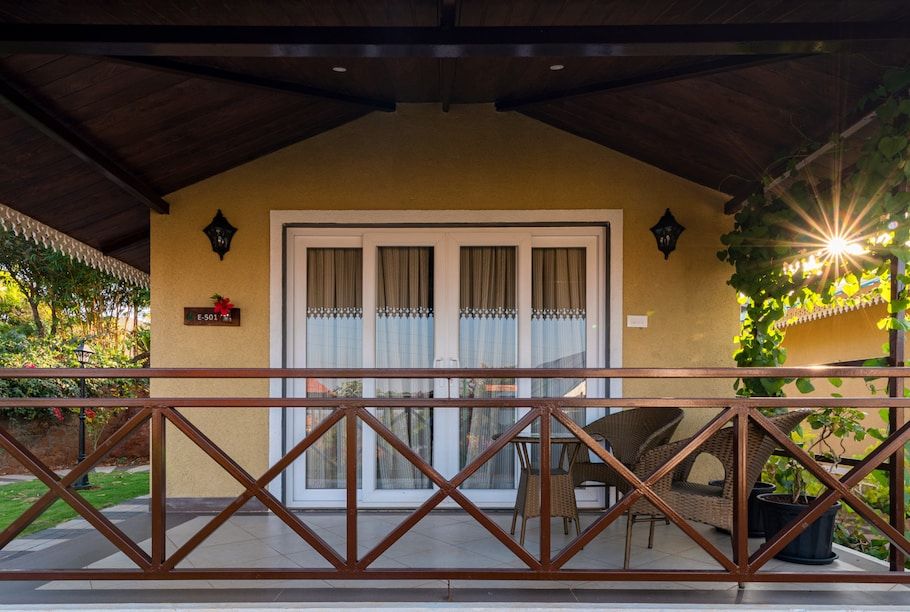
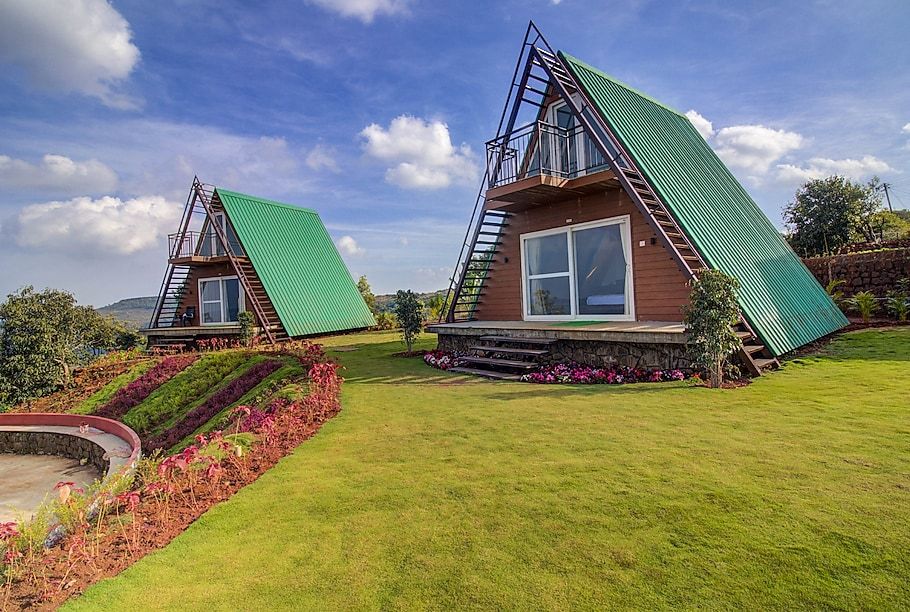
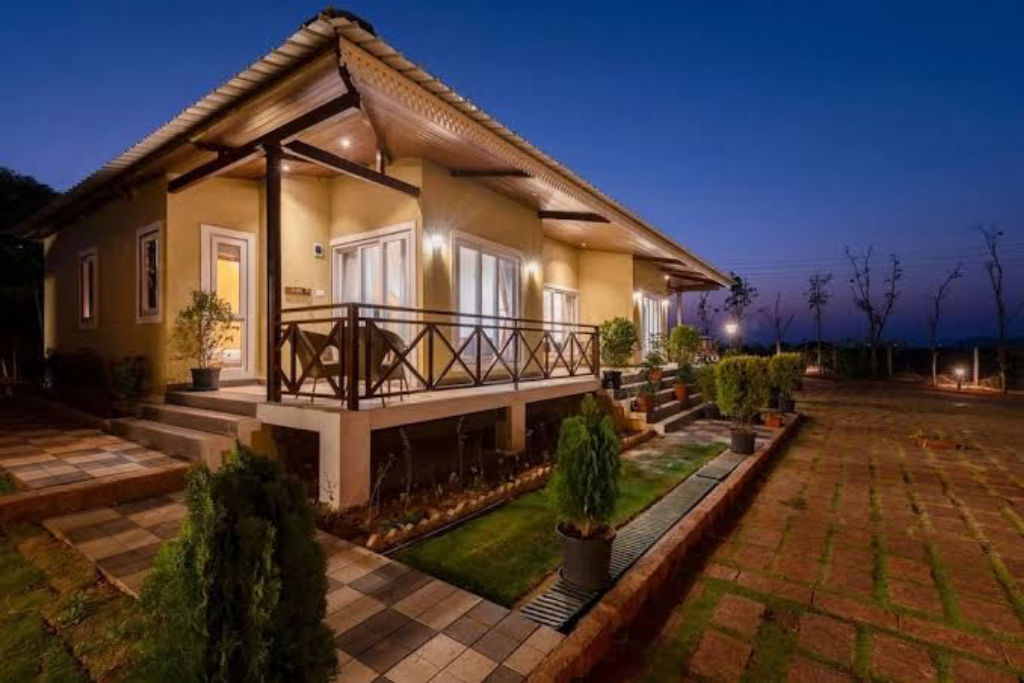
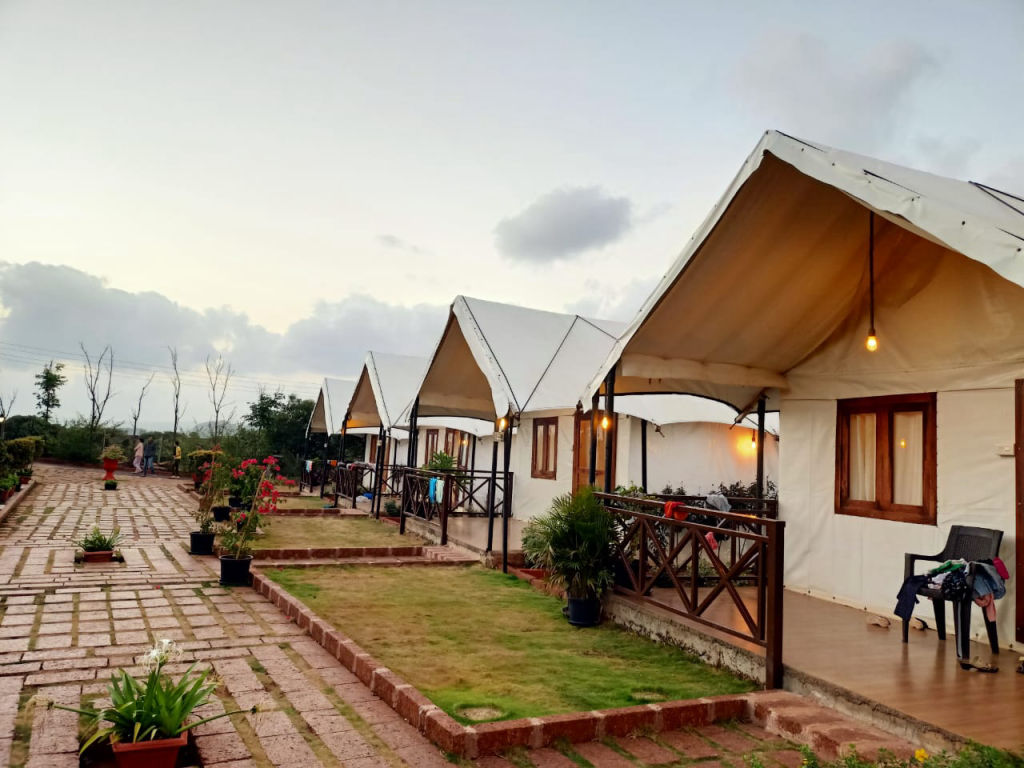
More places near Jal Mandir
Within 20 km


Lists for this area
Ranked by how many creators recommend each place

Built from 0 Instagram posts by 0 creators. Every tip links back to the post it came from, and where creators disagree we show both sides.


