
Ajmer Fort
Fort near Ajmer, Rajasthan
1.4 km from Ajmer
The nearest town, for stays, food and fuel.
Ajmer Fort, historically recognized as Akbar's Palace, is a sixteenth-century Mughal fortification situated in the central Naya Bazar area of Ajmer, Rajasthan. Commissioned by Emperor Akbar, it stands as an enduring monument of early Mughal architecture that once served as a royal residence, military base, and administrative headquarters. Today, travellers visit the fort to admire its red sandstone masonry and examine the extensive sculptures and artifacts housed within its archaeological museum.
Getting there
By road
- From AjmerNearest town5 min · 2.1 km
- From Jaipur3 hr · 137 km
- From Jodhpur4 hr 20 min · 199 km
- From New Delhi7 hr 10 min · 451 km
Typical drive times without traffic. Stations and airports from OLA Maps; distances and typical drive times from OpenStreetMap (© OpenStreetMap contributors); notes from creators' Reels.
About Ajmer Fort
Written with AI from map data and general knowledge. Check prices and timings locally before you go.
History of Ajmer Fort
Ajmer Fort, commonly referred to as Akbar ka Qila or the Government Museum of Ajmer, was commissioned in 1570 during the reign of Mughal Emperor Akbar. Built in the heart of the settlement, the citadel served two vital purposes for the imperial court. It functioned as a fortified imperial residence whenever Akbar travelled on pilgrimage to the revered Dargah of Khwaja Moinuddin Chishti, and it provided a secure military headquarters for planning campaigns into the Rajput kingdoms of Mewar and western Rajasthan.
The fort holds a notable place in world history as the setting for the first formal diplomatic engagement between the Mughal Empire and Great Britain. In January 1616, Emperor Jahangir received Sir Thomas Roe, the accredited ambassador of King James I of England, in audience within these walls. This encounter paved the way for the British East India Company to establish its commercial footprint across the Indian subcontinent. Following the decline of Mughal authority, control of the fort shifted to the Marathas before the British administration took possession, using the robust structure as a military arsenal until it was repurposed as an archaeological museum in the early twentieth century.
Architecture and layout of Ajmer Fort
Unlike the expansive hilltop garrisons typical of Rajasthan, Ajmer Fort was constructed entirely on flat ground in the urban quarter of Naya Bazar. The fort is designed as a compact, square stronghold enclosed by thick perimeter walls made of local red sandstone. Sturdy octagonal bastion towers flank each corner, providing elevated vantage points that were once crucial for mounting artillery and observing urban approaches.
Visitors enter through a grand double-storeyed arched portal that leads directly into a large central courtyard. Around this open interior quadrangle sit pillared corridors and vaulted pavilions constructed with balanced symmetry. At the center of the court rises the primary palace pavilion, elevated on a wide stone plinth. The building features wide projecting eaves, graceful brackets, and domed chattris, representing a blend of imperial Mughal geometric balance and indigenous Rajput stonework traditions.
Read more
Things to see inside Ajmer Fort
Today, the fort complex serves as the Government Archaeological Museum, housing a significant collection of regional historical artifacts. The open galleries and inner halls display stone sculptures excavated from ancient and medieval settlements across central Rajasthan, including Pushkar, Baghera, and Harshnath. These stone figures range from the Gupta era to the twelfth century, depicting fine carvings of Hindu and Jain deities, celestial attendants, and mythological motifs.
Beyond sculpture, the museum exhibits historical weapons used during medieval campaigns, such as engraved daggers, curved talwars, chain mail shirts, matchlock muskets, and decorative shields. Other display rooms preserve ancient coins, inscriptions etched on stone slabs in Sanskrit and Persian, and miniature paintings representative of Rajasthani schools of art. Strolling along the colonnades offers visitors a close look at the original red sandstone masonry, brackets, and tranquil courtyards insulated from the surrounding city.
Best time to visit Ajmer Fort
Ajmer experiences a semi-arid climate characterized by very hot summers, short monsoon rains, and mild winters. The most comfortable time to visit Ajmer Fort is between October and March. During these months, the daytime weather remains cool and dry, making it pleasant to walk through the unshaded central courtyard and inspect the outdoor galleries.
From April to June, temperatures rise sharply, often exceeding forty degrees Celsius during the middle of the day. If visiting during the summer months, plan to arrive during the morning hours, stay hydrated, and wear light cotton clothing. The monsoon season from July to September brings moderate showers that reduce the temperature, though humidity can be elevated during these months.
How to reach Ajmer Fort
Ajmer Fort is located centrally within Naya Bazar, making it simple to reach from anywhere in Ajmer. The Ajmer Junction railway station is located nearby and is linked to major cities such as Jaipur, Delhi, Ahmedabad, and Mumbai by regular express trains. From the station, visitors can take an auto-rickshaw, battery-operated rickshaw, or local taxi to reach the fort entrance.
The nearest airport is Jaipur International Airport, located approximately one hundred and thirty-five kilometres away. Travellers arriving by air can hire a taxi or board regular intercity buses from Jaipur to Ajmer. Frequent state-run and private buses also connect Ajmer with regional hubs including Jodhpur, Udaipur, and Bikaner. Within Ajmer city itself, local auto-rickshaws provide the most convenient transport to navigate the streets around Naya Bazar.
Places to visit around Ajmer Fort
A trip to Ajmer Fort can be paired with several nearby historical and natural points of interest. Around one kilometre from the fort is Ana Sagar Lake, an expansive twelfth-century artificial reservoir. Situated along its eastern bank is Daulat Bagh, a riverside garden with marble pavilions built during the reign of Emperor Shah Jahan, offering a pleasant area for walking.
For panoramic vistas, Taragarh Hill sits about seven kilometres southwest, topped by the ancient ruins of Taragarh Fort overlooking the city and the Aravalli range. Crossing the ridge leads to the historic temple settlement of Budha Pushkar, approximately eight kilometres away, which holds cultural significance and quiet water tanks. For travellers interested in unusual landscapes, the white plains of the marble dumping yard near Kishangarh are located about twenty-nine kilometres to the northeast.
Where to stay near Ajmer Fort
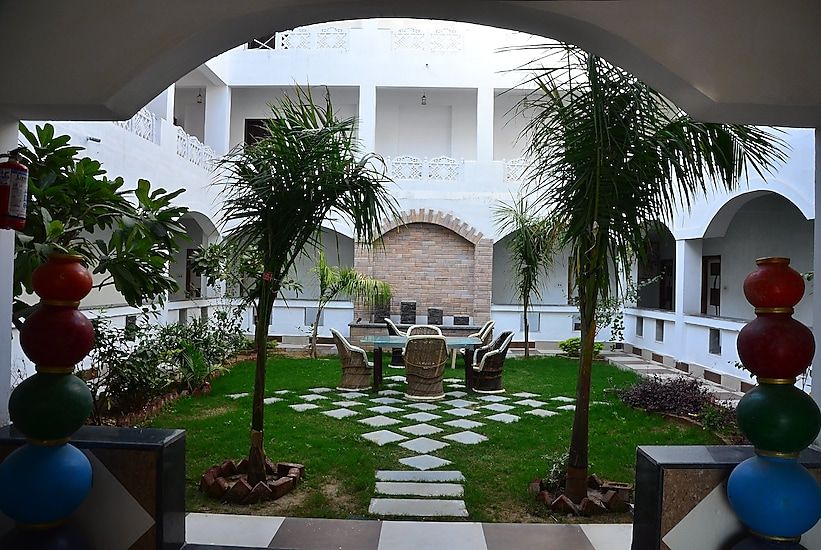
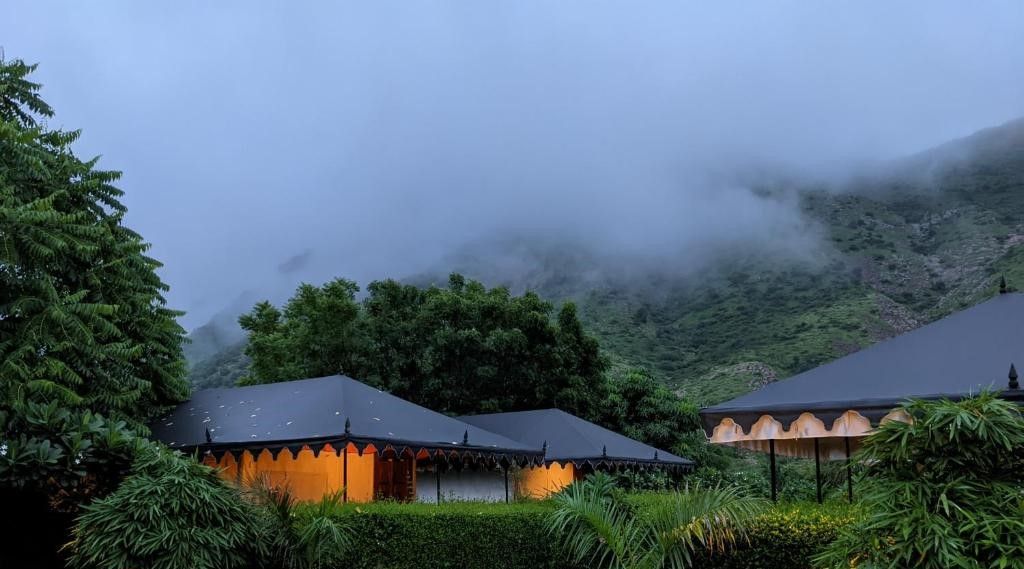
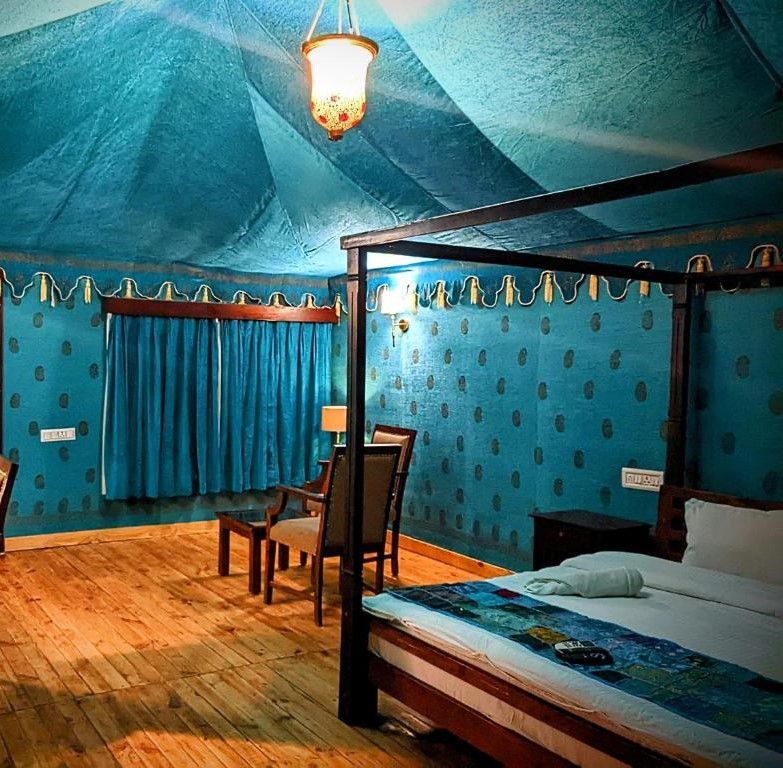
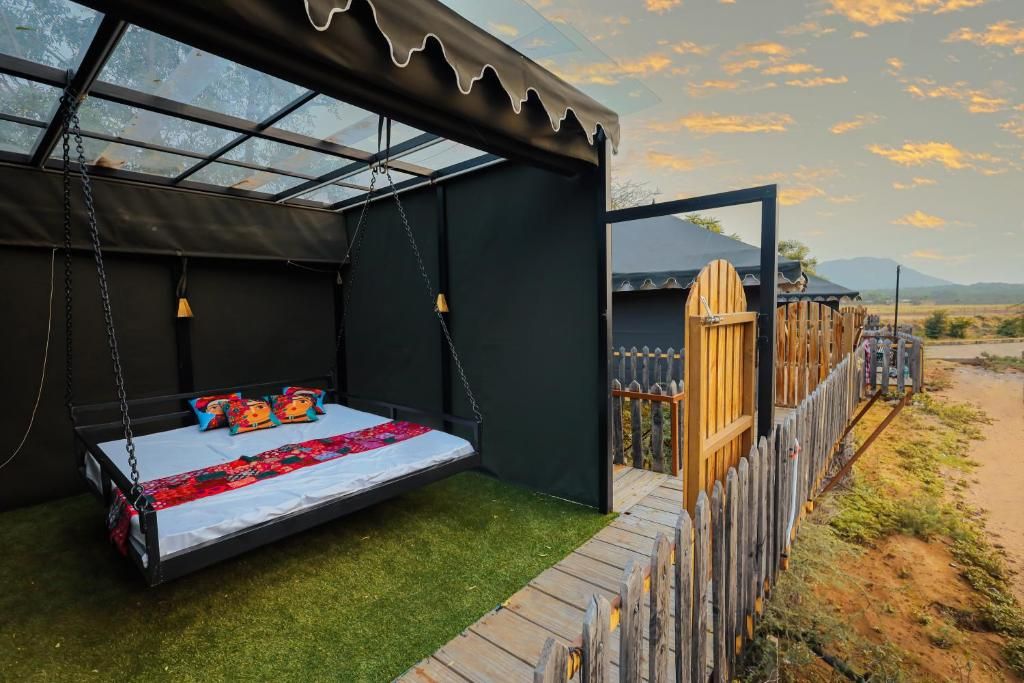
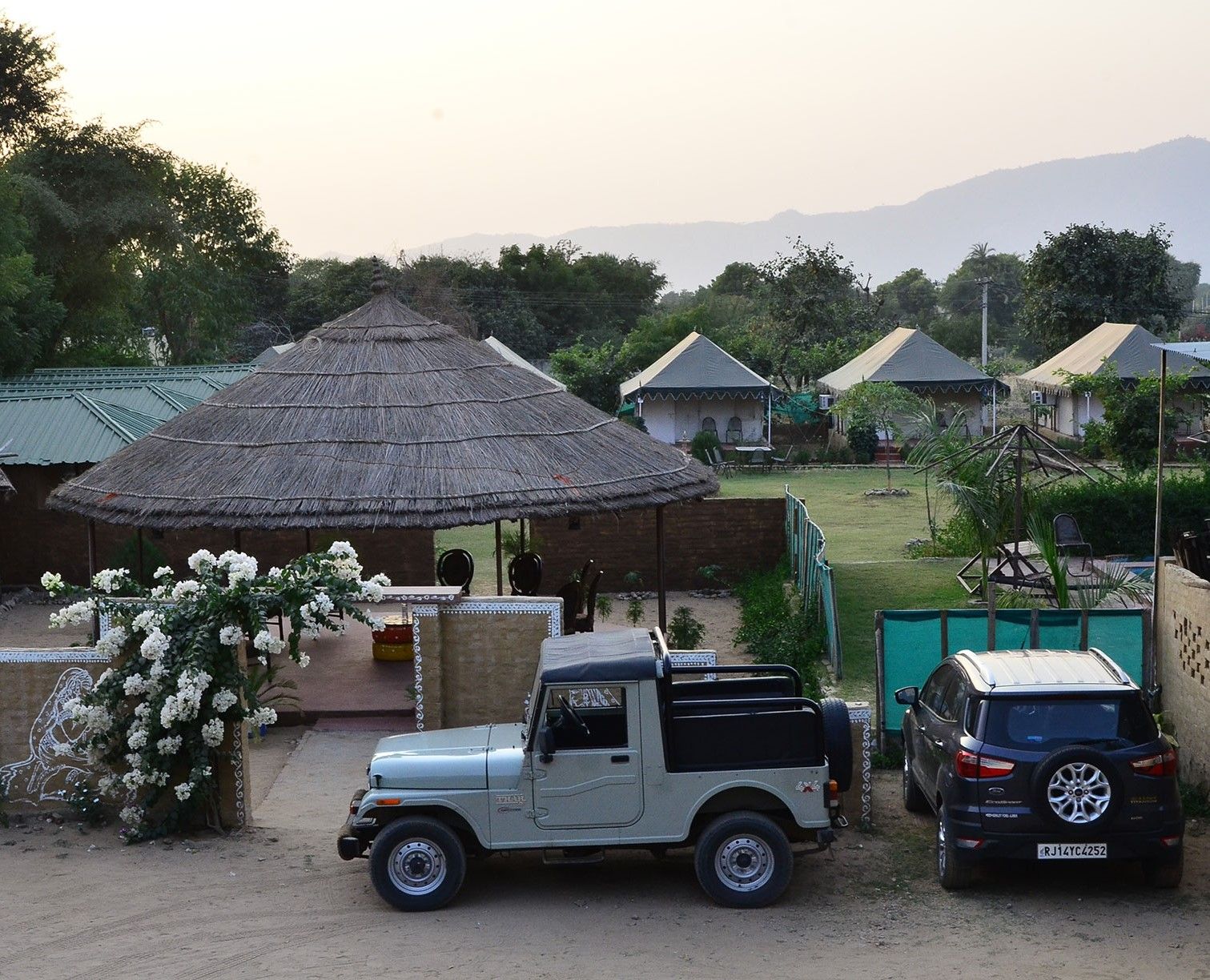
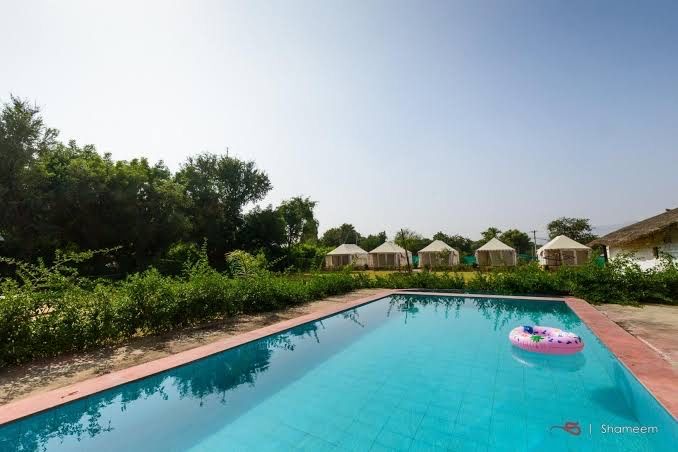
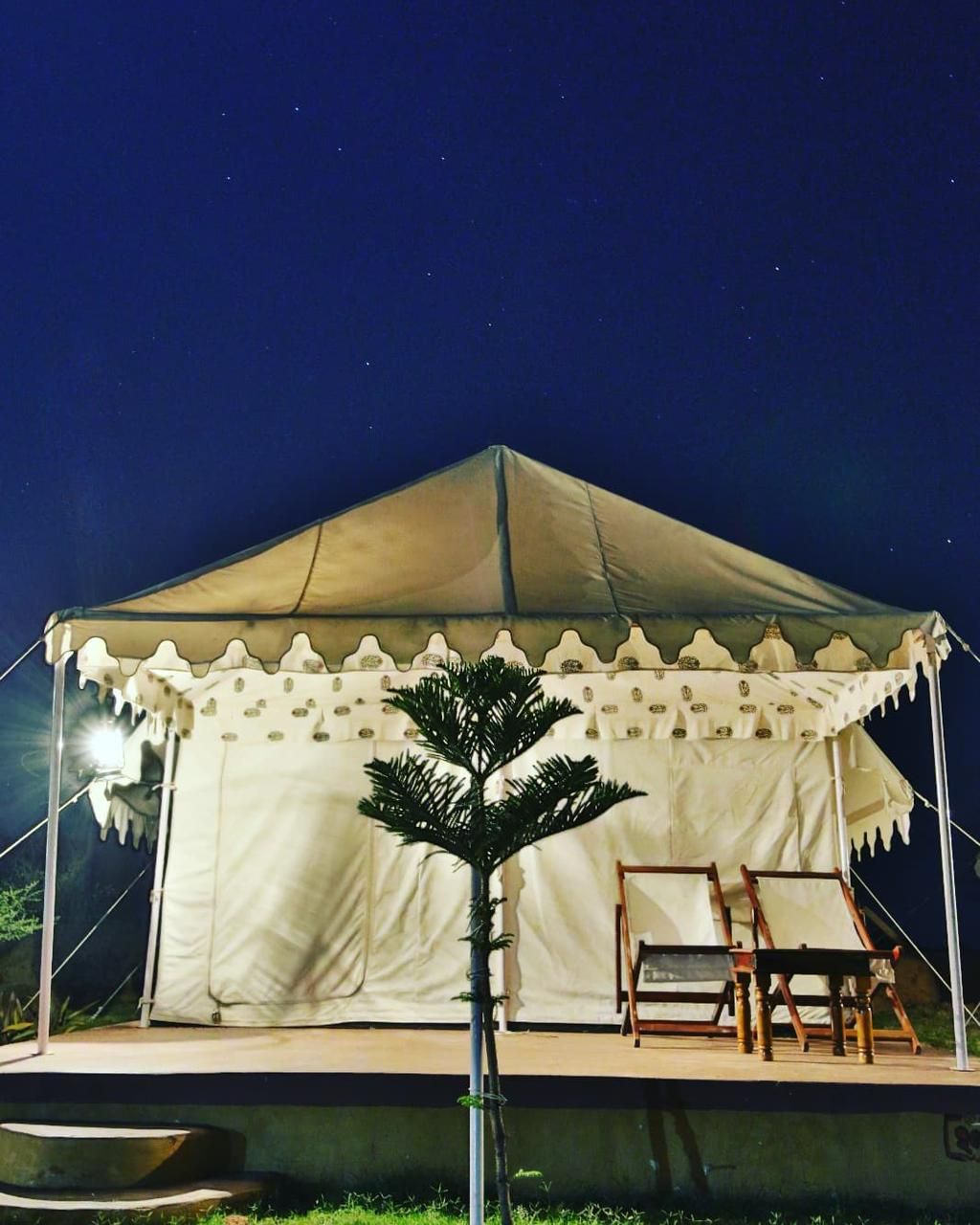
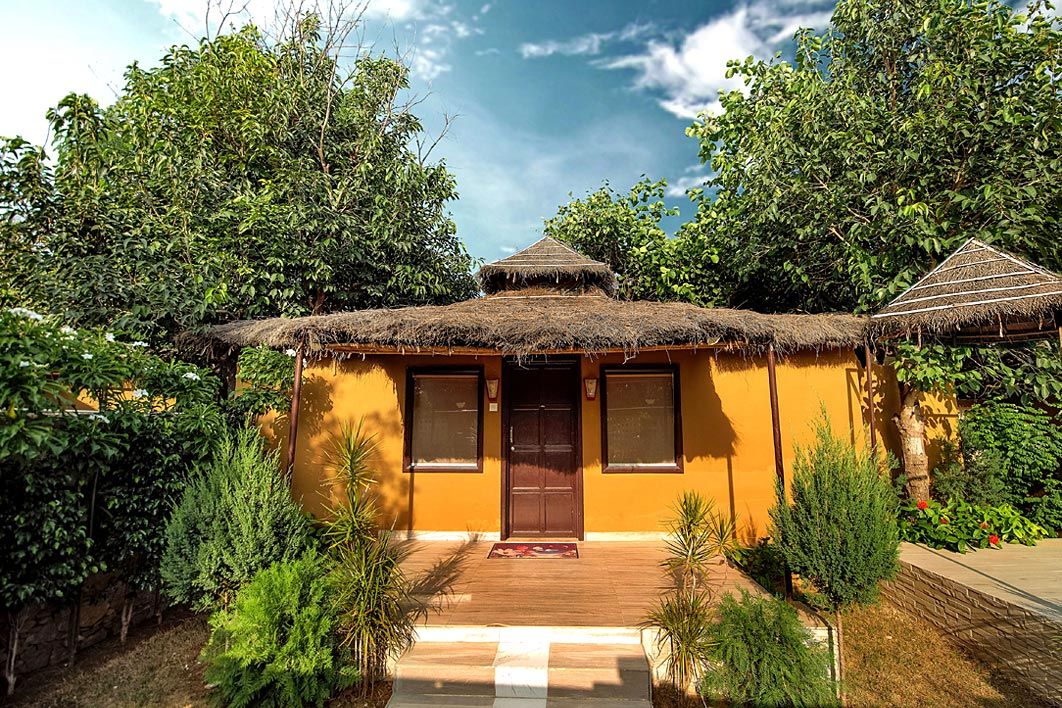
Ajmer provides several lodging choices, from traditional urban setups near the markets to quieter properties around Ana Sagar Lake and along the outskirts heading towards Pushkar. Staying in the central town keeps visitors close to monuments, heritage streets, and transit terminals, while accommodations on the city limits offer mountain backdrops and a slower pace.
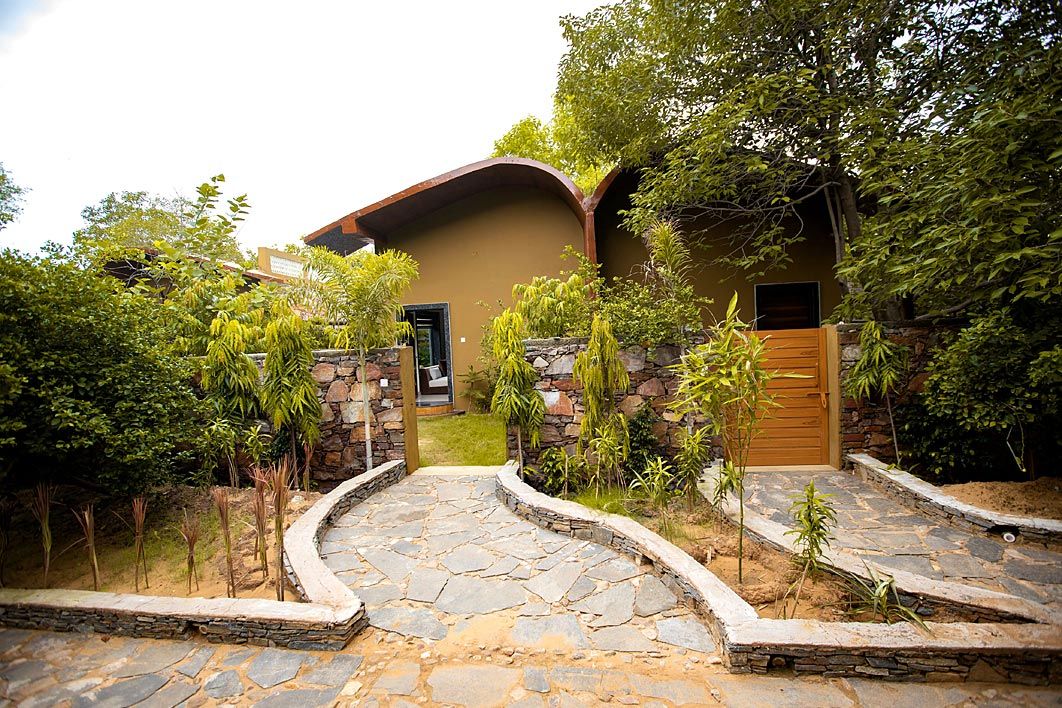
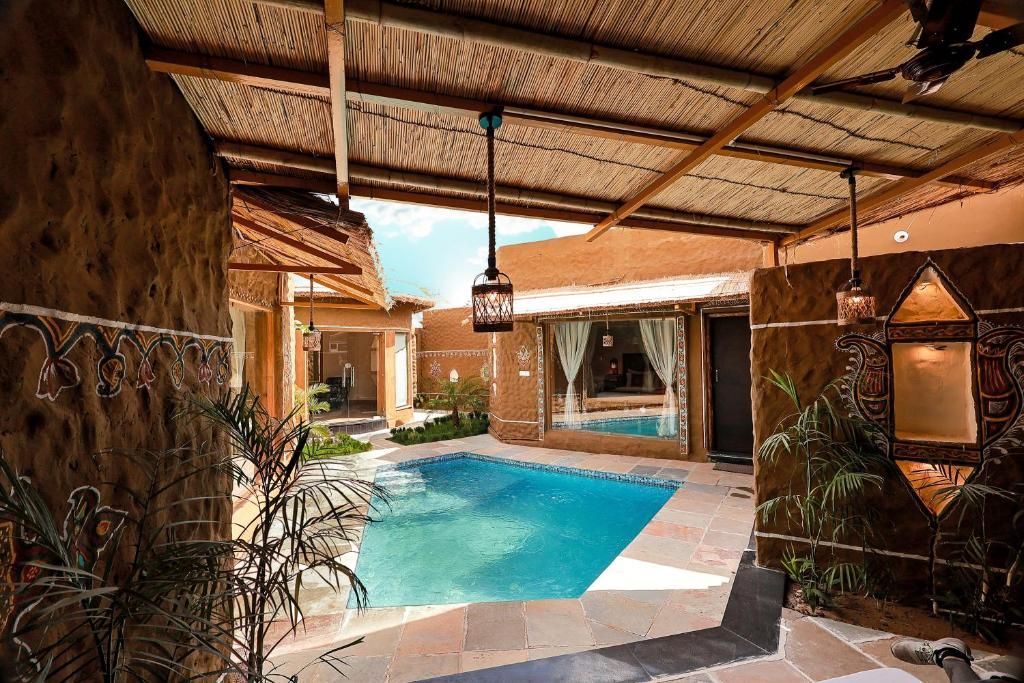
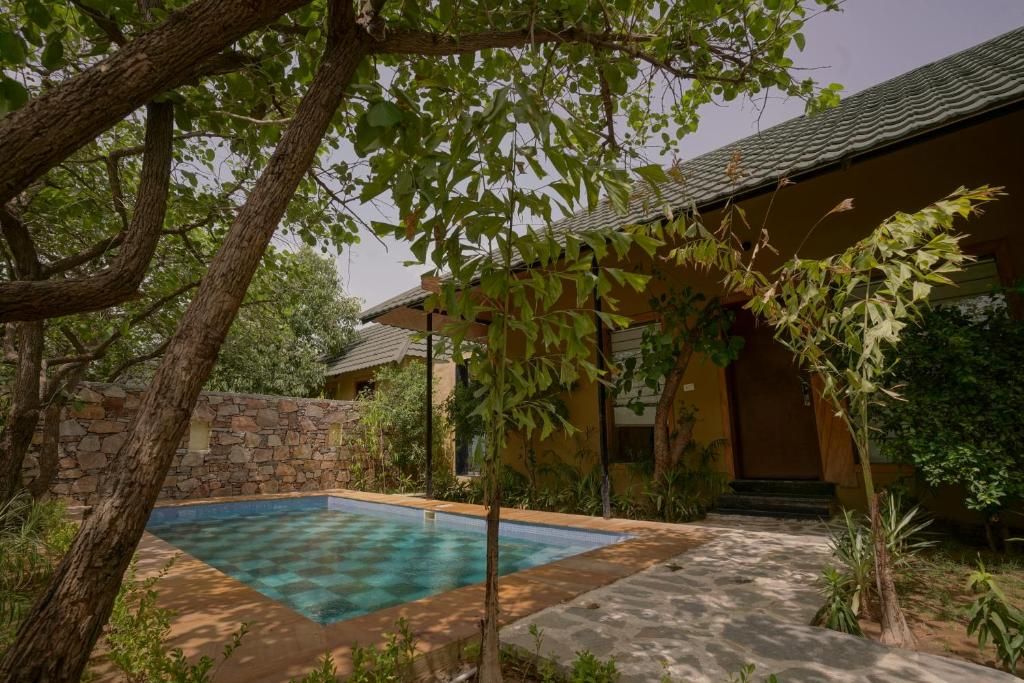
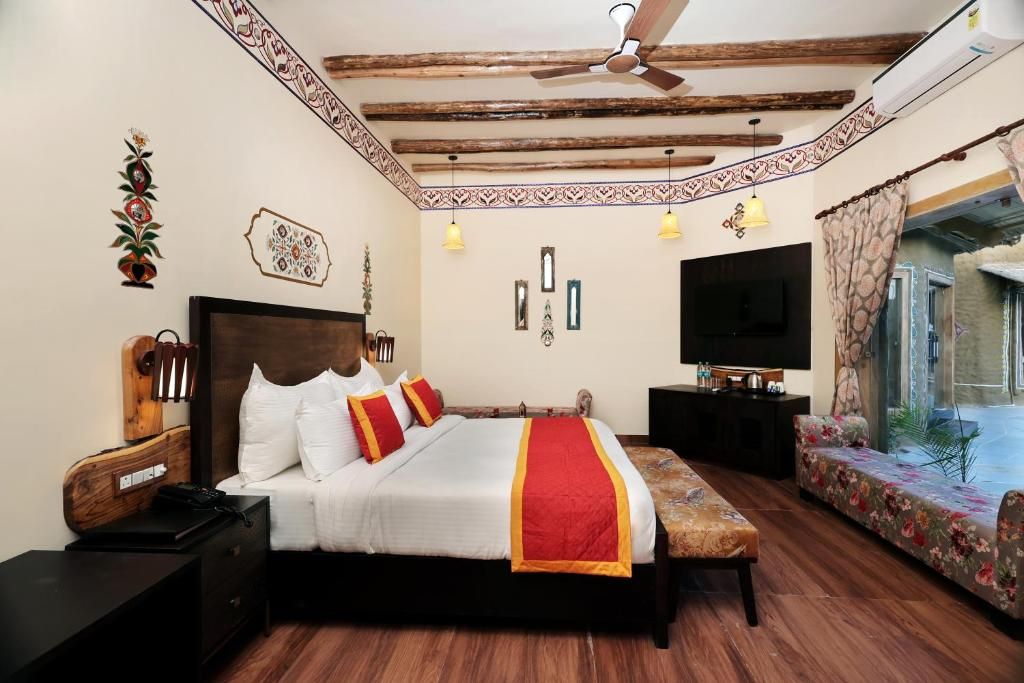
Travellers interested in outdoor stays, regional homestays, and boutique rural options in and around Ajmer and Pushkar can browse and book their stays on HireACamp.
Frequently asked questions
What is the historical significance of Ajmer Fort?
Ajmer Fort was built by Emperor Akbar in 1570 as a royal base and residence. It is also famous as the historic site where Emperor Jahangir met Sir Thomas Roe in 1616, granting the British East India Company permission to trade in India.
Where is Ajmer Fort located?
The fort is located in the Naya Bazar area, right in the central commercial district of Ajmer city in Rajasthan.
What can you see inside Ajmer Fort today?
The fort houses the Government Archaeological Museum, which features collections of ancient stone sculptures, medieval armor, historic weapons, miniature paintings, and stone epigraphs.
How long does it take to explore Ajmer Fort?
Most visitors spend between one and two hours exploring the central courtyard, palace pavilions, and museum galleries.
What is the best time of year to visit Ajmer Fort?
The ideal period to visit is from October to March, when the weather across Rajasthan is pleasant and comfortable for sightseeing.
Where you'll be
Naya Bazar, Ajmer · 12 stays nearby shown with prices
Stays near Ajmer Fort
Book a place to stay close by
More places near Ajmer Fort
Within 20 km

Built from 0 Instagram posts by 0 creators. Every tip links back to the post it came from, and where creators disagree we show both sides.






