
Ajmer Sharif Dargah
Mosque near Ajmer, Rajasthan
1.8 km from Ajmer
The nearest town, for stays, food and fuel.
Ajmer Sharif Dargah is a renowned thirteenth-century Sufi shrine located in the historic centre of Ajmer, Rajasthan, dedicated to the revered saint Khwaja Moinuddin Chishti. People of all backgrounds and faiths visit the sanctuary throughout the year to pay their respects, make personal vows, and soak in the spiritual ambience. The complex stands as one of the most significant pilgrimage destinations in South Asia, celebrated for its message of universal goodwill and peace.
Getting there
By road
- From AjmerNearest town6 min · 2.2 km
- From Jaipur3 hr 5 min · 137 km
- From Jodhpur4 hr 30 min · 194 km
- From New Delhi7 hr 10 min · 451 km
Typical drive times without traffic. Stations and airports from OLA Maps; distances and typical drive times from OpenStreetMap (© OpenStreetMap contributors); notes from creators' Reels.
About Ajmer Sharif Dargah
Written with AI from map data and general knowledge. Check prices and timings locally before you go.
The significance of Ajmer Sharif Dargah
Ajmer Sharif Dargah honours the Persian-born Sufi mystic Khwaja Moinuddin Chishti, also lovingly remembered as Gharib Nawaz, or the benefactor of the poor. Arriving in India during the late twelfth century, the saint settled in Ajmer and advocated for charity, humility, and the doctrine of Sulh-i-Kul, which represents peace and tolerance across all communities. Over centuries, his resting place evolved into a major spiritual sanctuary embraced by emperors, common folk, poets, and ascetics alike.
Mughal rulers held the shrine in deep reverence. Emperor Akbar famously walked barefoot from Agra to Ajmer multiple times to give thanks for the birth of his heir. Later rulers, including Jahangir, Shah Jahan, and various regional sovereigns, enriched the grounds by constructing gates, courtyards, and mosques in white marble and sandstone. Today, the complex remains an enduring emblem of syncretic devotion where people set aside their differences to seek quiet reflection and blessing.
What to experience inside the shrine
Approaching the complex leads you through the narrow, lively lanes of Dargah Bazaar before arriving at towering historic gateways, including the Nizam Gate, Shahjahani Gate, and the imposing Buland Darwaza. Beyond these portals lies a sprawling white marble courtyard that feels remarkably insulated from the clamour of the streets outside. The central attraction is the sanctum containing the saint's tomb, crowned by a grand dome and surrounded by silver railings. Devotees line up patiently to offer fragrant chadar textiles, baskets of fresh rose petals, and sincere prayers.
Within the courtyard, you will notice two colossal cauldrons, known locally as the Badi Deg and Chhoti Deg, donated by Mughal emperors Akbar and Jahangir. These cauldrons are historically used to prepare sweet rice and grain preparations distributed to visitors as blessed food, continuing a centuries-old tradition of communal hospitality. As evening falls, the courtyards often fill with the resonant melodies of devotional qawwali singing, where traditional musicians recount verses of divine love, creating an atmosphere that many find deeply moving.
Read more
Best time to visit Ajmer Sharif Dargah
The climate in this part of Rajasthan is arid and experiences distinct seasonal swings. The winter months from October to March offer the most pleasant weather for visiting Ajmer Sharif Dargah. During these months, daytime temperatures remain moderate and comfortable, allowing visitors to walk through the stone courtyards and adjacent bazaars without enduring intense heat.
Summer from April to June can be exceptionally harsh, with daytime temperatures routinely crossing forty degrees Celsius, making the marble floors hot under bare feet. The monsoon season between July and September brings intermittent rain and cooler breezes, turning the surrounding Aravalli hills green. The annual Urs festival, which marks the death anniversary of the saint, takes place in the seventh month of the Islamic lunar calendar. It brings vast numbers of pilgrims from all over the world, filling the town with devotional energy, though visitors should anticipate massive crowds during this period.
How to reach Ajmer Sharif Dargah
Ajmer Sharif Dargah sits in the bustling heart of Ajmer city and is very well connected to the rest of the country. Ajmer Junction is a major railway hub with frequent express and superfast trains connecting it directly to major cities including Jaipur, Delhi, Ahmedabad, and Mumbai. The train station is located conveniently close to the old city quarters.
For those travelling by air, the nearest domestic option is Kishangarh Airport, situated roughly thirty minutes away by road, which handles select regional flights. The larger Jaipur International Airport is approximately two to three hours away by road and provides broad domestic and international connectivity. From the railway station or bus terminals, travellers can take auto-rickshaws, cycle rickshaws, or local taxis to the outer perimeter of Dargah Bazaar, after which the remainder of the approach is best done on foot.
Tips for your visit
Visiting a functioning pilgrimage site requires mindful etiquette and patience. Dress conservatively to show respect, ensuring that both shoulders and legs are fully covered. It is mandatory for all visitors, regardless of gender, to cover their heads before entering the premises, so remember to carry a scarf, bandana, or handkerchief with you, or purchase one from the bazaar outside.
Footwear is not permitted inside the dargah complex, so you will need to leave your shoes at one of the designated shoe-keeping stands outside the entrances. Due to the high footfall, especially on Thursdays, Fridays, and holy occasions, it is wise to keep your personal belongings, wallets, and phones secure. Photography is strictly prohibited within the inner sanctum of the tomb, so pay attention to local signage and verbal instructions from the attendants. Visiting early in the morning often provides a more tranquil experience before the largest crowds arrive.
Places to visit near Ajmer Sharif Dargah
There are several historical and scenic landmarks within easy reach of the shrine. Just one kilometre away sits Ana Sagar Lake, an artificial water body dating back to the twelfth century. Along its banks lies Daulat Bagh, an attractive garden lined with white marble pavilions built during Emperor Shah Jahan's reign, making it a peaceful spot for an afternoon stroll.
For panoramic views of the city and the rugged Aravalli range, you can venture up Taragarh Hill, located about seven kilometres away, which is crowned by an ancient military fortress. Travelling slightly further west across the hills brings you to the sacred temple town of Pushkar, home to the ancient Budha Pushkar site roughly seven kilometres from Ajmer. If you are interested in unique modern landscapes, the stark white plains of Dumping Yard Kishangarh sit roughly twenty-nine kilometres away, often visited for photography.
Where to stay near Ajmer
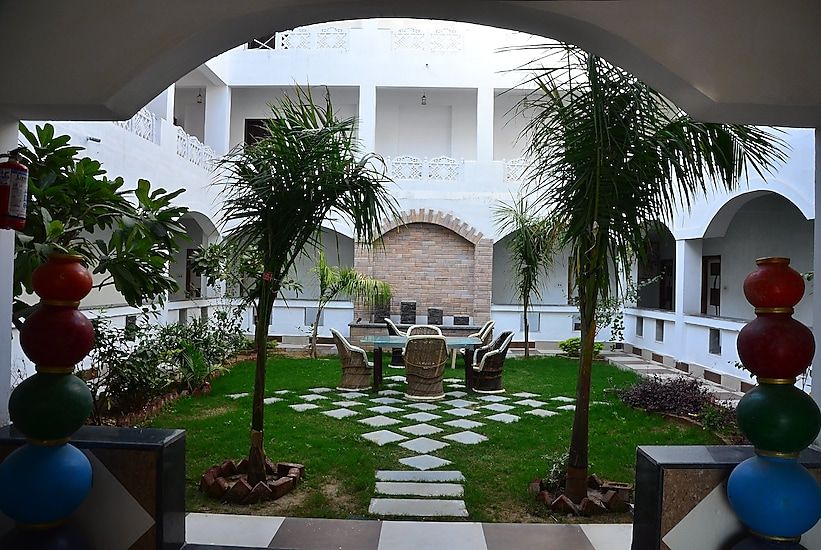
Ajmer offers a broad variety of accommodations to suit different travel preferences, ranging from simple pilgrim lodgings directly adjacent to the bazaar to classic heritage properties in quieter residential sectors of the city. Travellers looking to avoid the noise of central Ajmer frequently choose to stay in the neighbouring valley of Pushkar, where the setting is more open and peaceful.
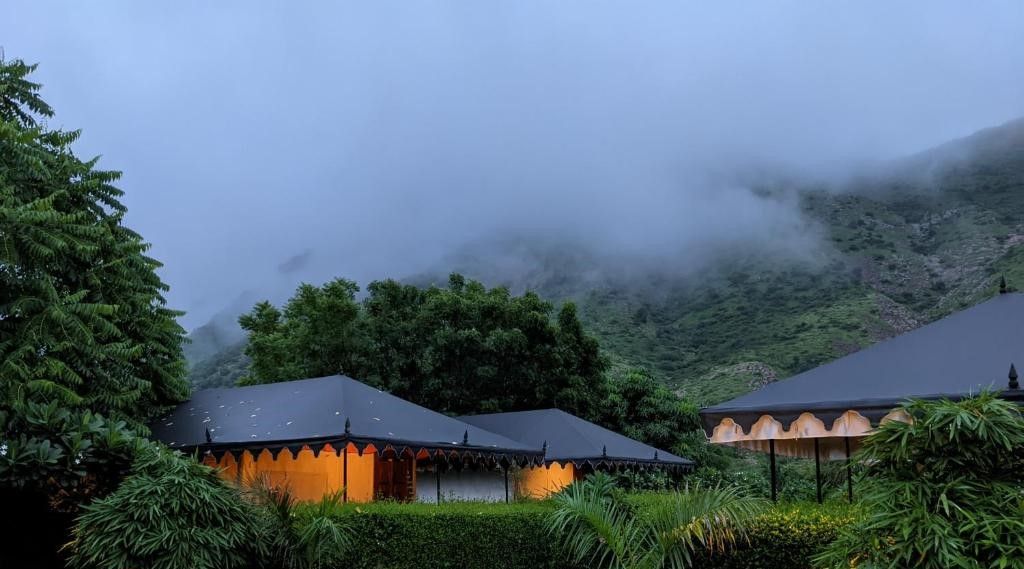
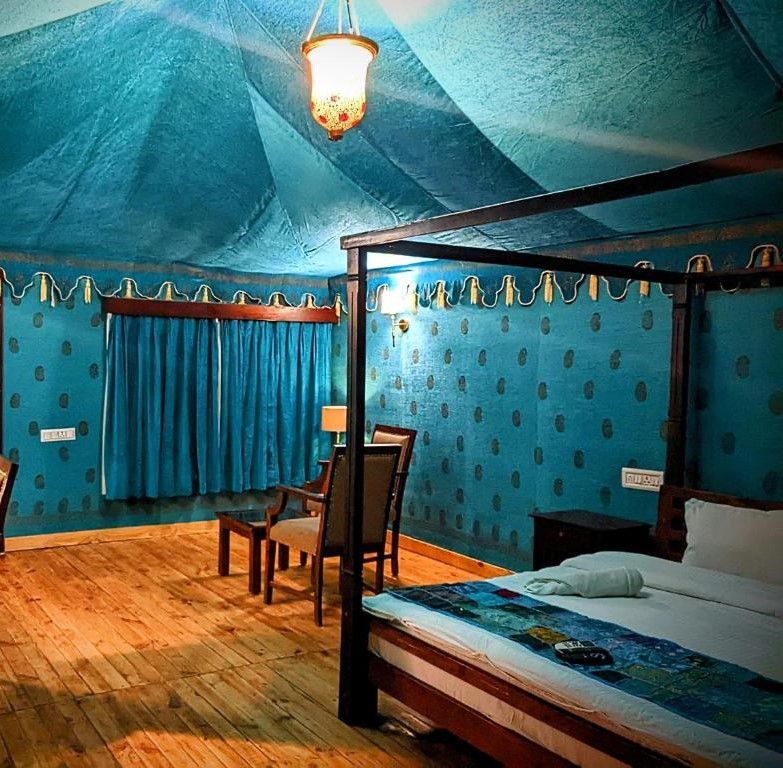
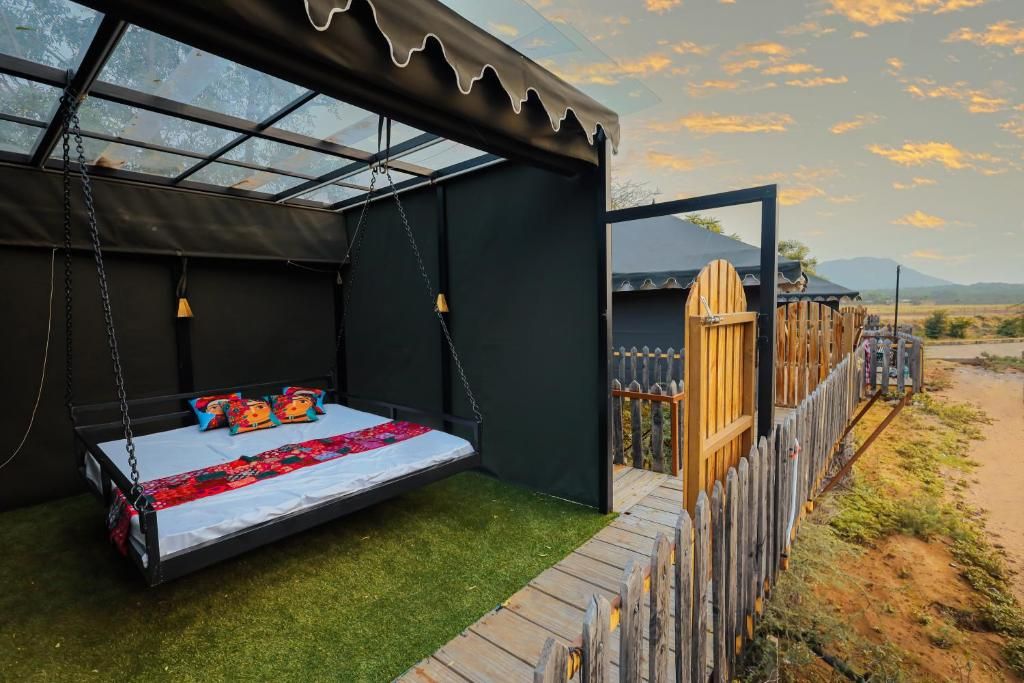
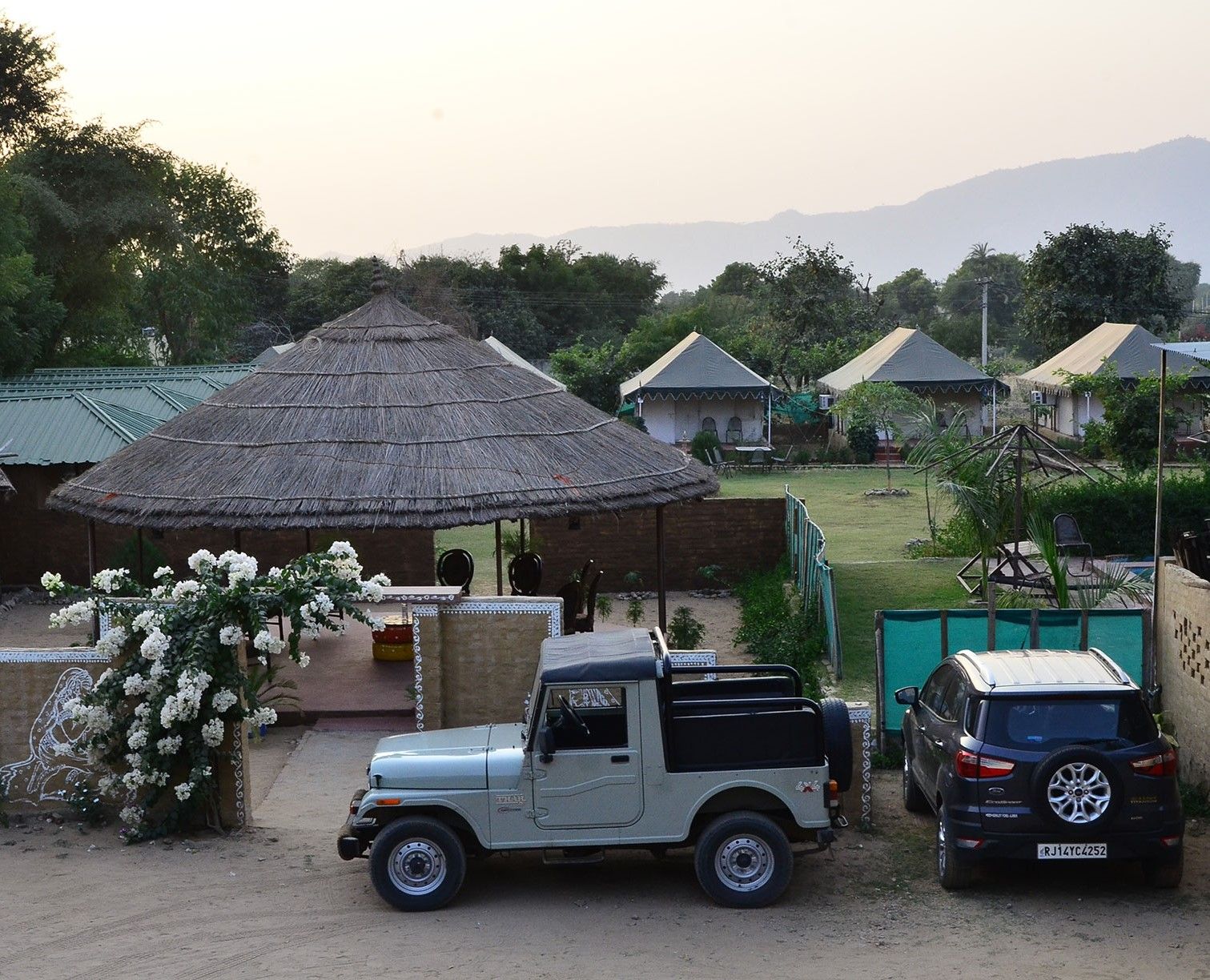
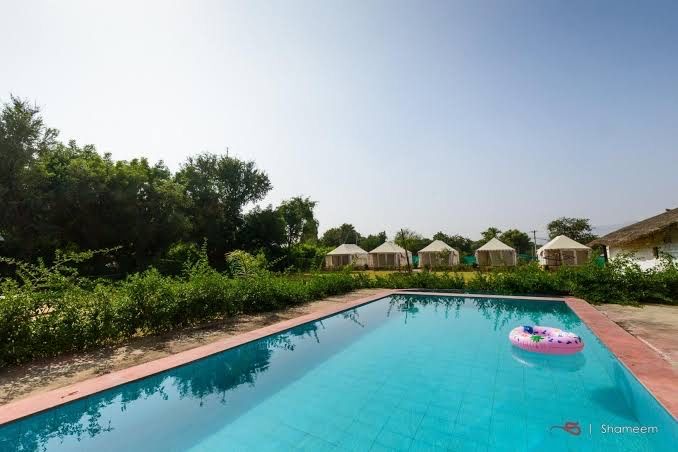
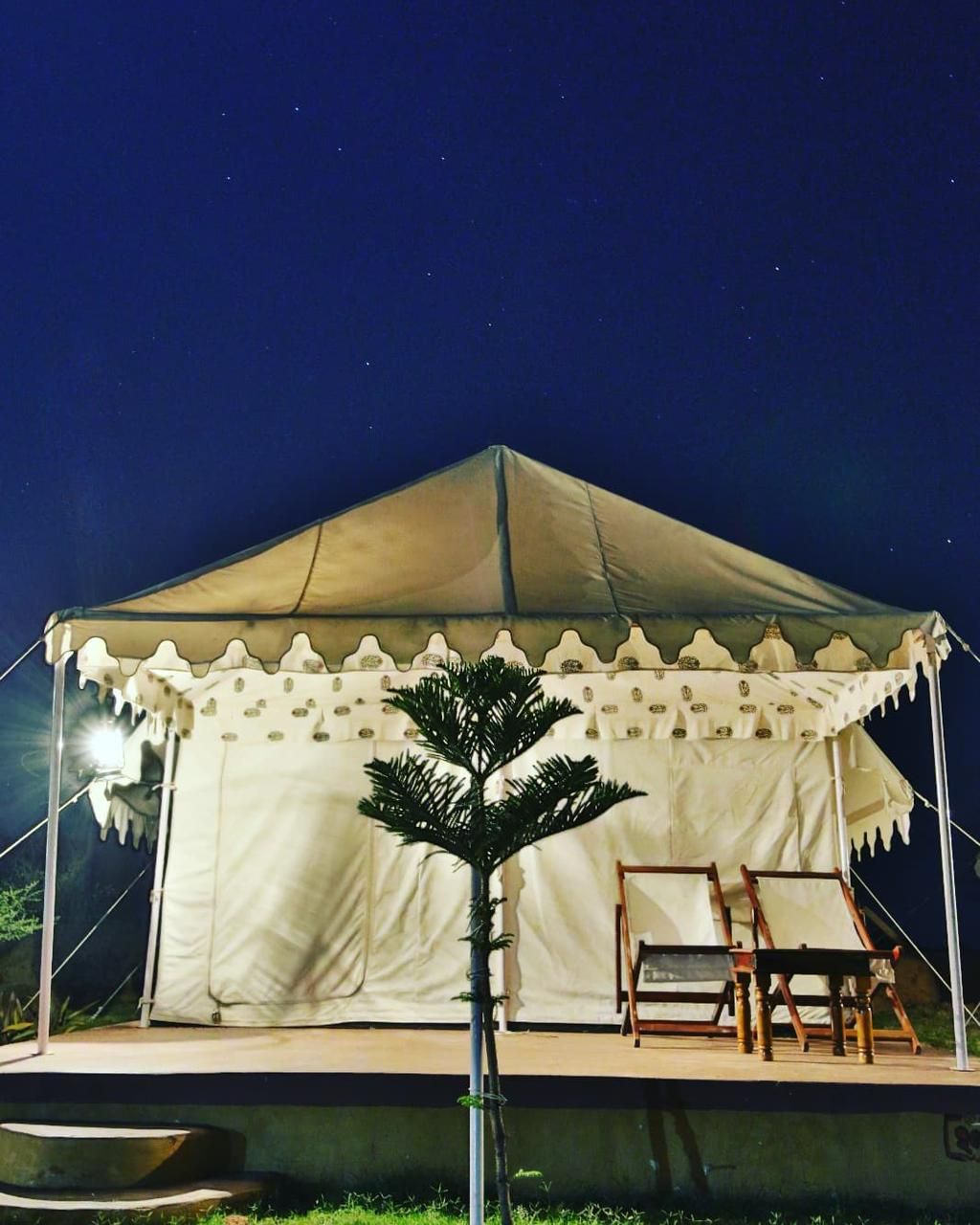
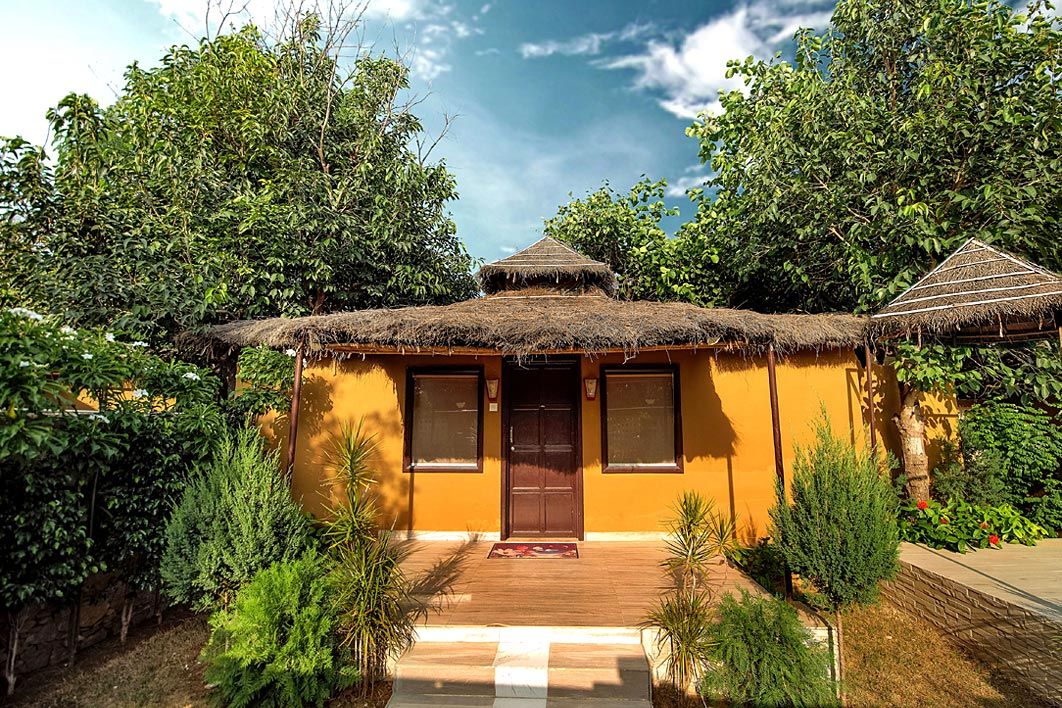
If you prefer nature-centric accommodations, rural homestays, or open-air campsites surrounded by the rocky Aravalli terrain, you can explore various outdoor retreats listed on HireACamp. Booking a stay on the outskirts allows you to combine the spiritual vibrancy of the shrine with relaxing evenings spent under open desert skies.
Frequently asked questions
Can non-Muslims visit Ajmer Sharif Dargah?
Yes, people of all faiths, backgrounds, and nationalities are welcome to enter and offer prayers at Ajmer Sharif Dargah.
Is there a dress code for visiting the shrine?
Visitors should dress modestly with shoulders and legs fully covered. Both men and women must cover their heads with a scarf, cap, or handkerchief before entering.
What is the best time of day to visit Ajmer Sharif Dargah?
Early mornings are generally the quietest time to visit the shrine with fewer crowds. Evenings are also popular as visitors gather to listen to traditional qawwali music in the courtyard.
Are mobile phones and cameras allowed inside?
You can carry mobile phones into the complex, but photography and videography are strictly prohibited inside the inner sanctum housing the tomb.
How far is the Dargah from the Ajmer railway station?
Ajmer Sharif Dargah is located approximately two kilometres from Ajmer Junction railway station, making it easily accessible via a short auto-rickshaw or taxi ride.
Where you'll be
Dargah Bazaar, Ajmer · 12 stays nearby shown with prices
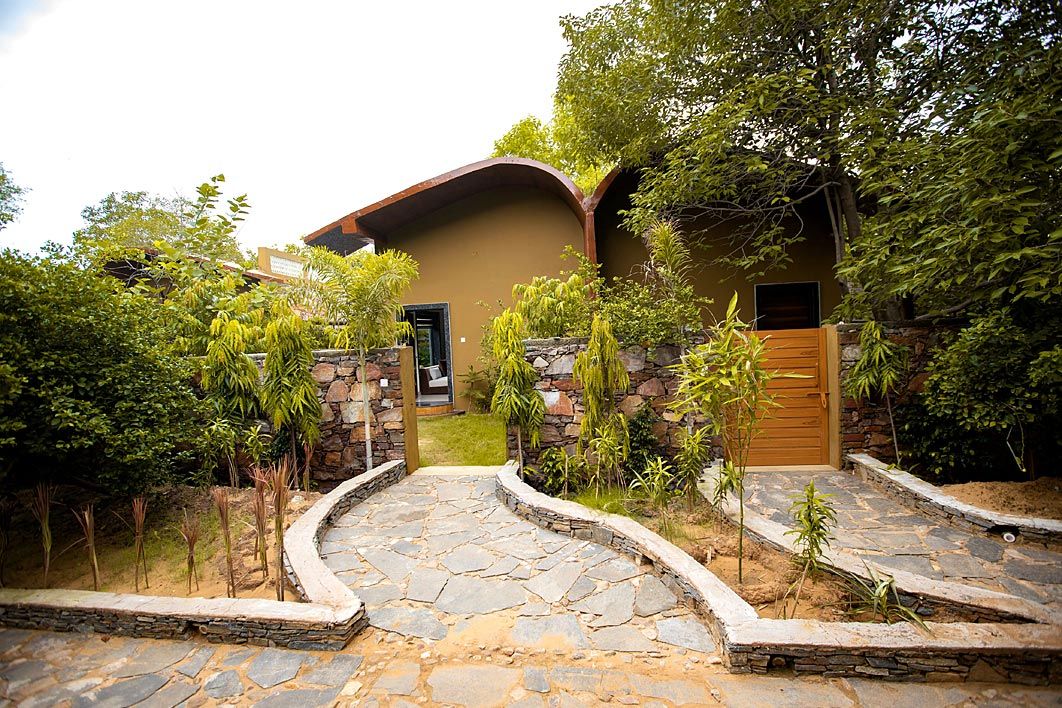
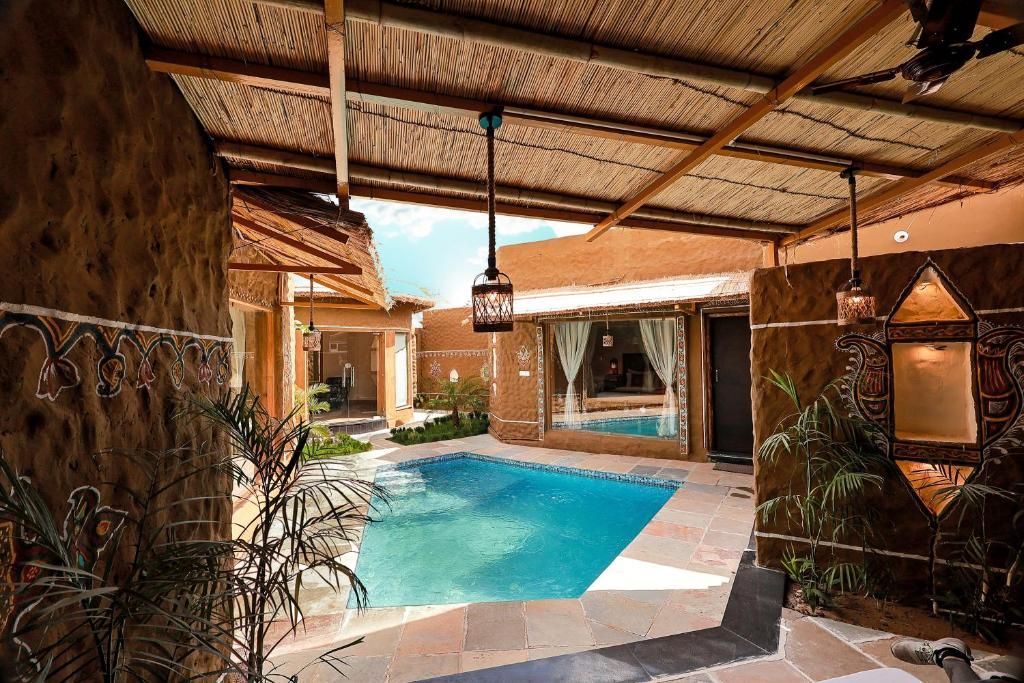
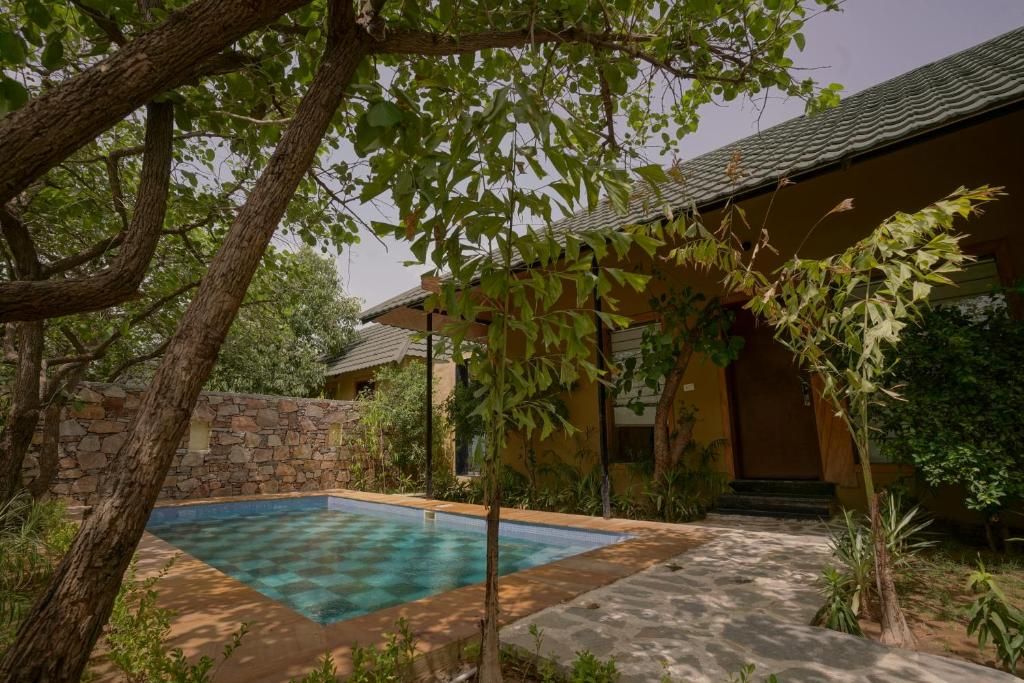
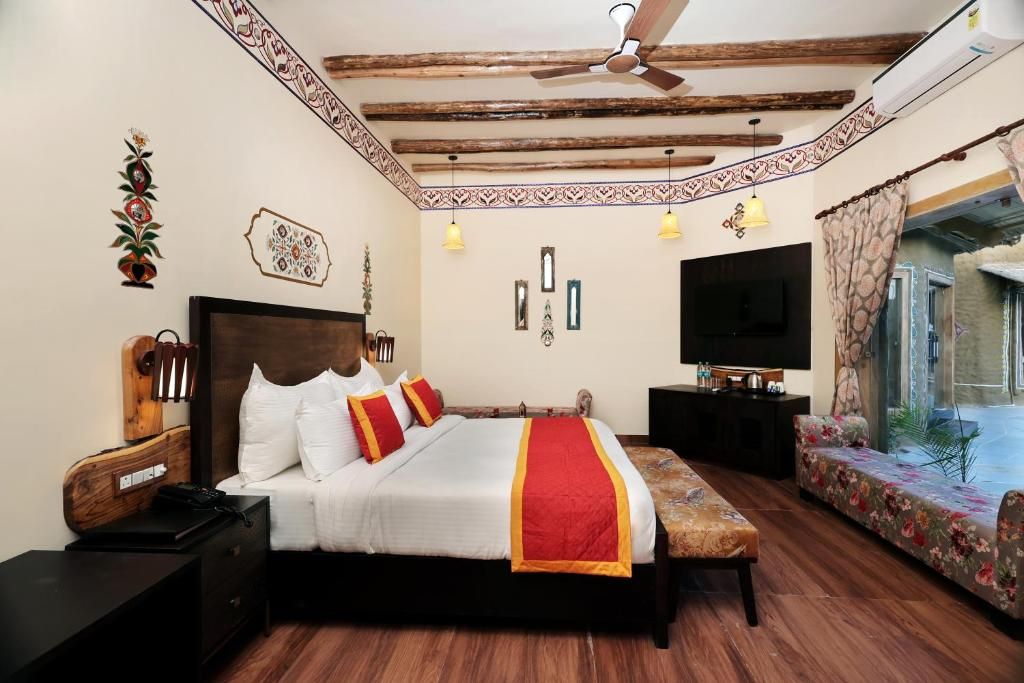
Stays near Ajmer Sharif Dargah
Book a place to stay close by
More places near Ajmer Sharif Dargah
Within 20 km

Built from 0 Instagram posts by 0 creators. Every tip links back to the post it came from, and where creators disagree we show both sides.






