
Government Museum
Museum near Ajmer, Rajasthan
1.4 km from Ajmer
The nearest town, for stays, food and fuel.
The Government Museum in Ajmer, also known as the museum housed within Akbar's Fort, is one of the premier historical repositories in Rajasthan. Located along Museum Road in the historic heart of Ajmer, it showcases a remarkable collection of ancient sculptures, medieval arms, rare coins, and miniature paintings. Visitors travel here to explore its striking red sandstone Mughal architecture and to study centuries of Rajput and Mughal regional heritage.
Getting there
By road
- From AjmerNearest town5 min · 2.1 km
- From Jaipur3 hr · 137 km
- From Jodhpur4 hr 20 min · 199 km
- From New Delhi7 hr 10 min · 451 km
Typical drive times without traffic. Stations and airports from OLA Maps; distances and typical drive times from OpenStreetMap (© OpenStreetMap contributors); notes from creators' Reels.
About Government Museum
Written with AI from map data and general knowledge. Check prices and timings locally before you go.
History and architecture of the museum
The Government Museum occupies an imposing fortress originally built during the reign of Mughal Emperor Akbar in the late sixteenth century. Constructed primarily from red sandstone, the fort served as a military base, a royal residence, and an administrative hub during Mughal rule in Rajasthan. It famously hosted the historic diplomatic audience between Emperor Jahangir and Sir Thomas Roe, an ambassador representing the British Crown, marking a turning point in India's interaction with European powers.
Over the centuries, the structure transitioned through different eras of administration, eventually being repurposed during the early twentieth century by the state archaeological department into a public museum. The building itself reflects a fusion of classic Mughal symmetry, arched entrances, bastioned corners, and Rajput stonework. Walking through the courtyards and porticoes gives travellers an unhurried look at the grandeur and defensive architecture of early modern India.
What to see at Government Museum
Inside the museum, the collection is carefully organized across multiple galleries that highlight the artistic traditions and everyday life of classical and medieval Rajasthan. A central highlight is the collection of stone sculptures gathered from archaeological excavations and ruins across Ajmer, Pushkar, and adjoining regions. These carvings date from the Gupta, Gurjara-Pratihara, and medieval Rajput eras, showcasing intricate iconography of Hindu deities and decorative panels.
In addition to stone sculptures, the galleries feature an armory section displaying medieval shields, swords, daggers, matchlock guns, and breastplates used during regional conflicts. Other rooms exhibit rare silver and copper coins from varied dynasties, epigraphic inscriptions in Sanskrit and Persian, delicate miniature paintings, and folk art artifacts. Each gallery provides a distinct lens through which visitors can trace the cultural and martial narrative of central Rajasthan.
Read more
Best time to visit
The optimal period to explore the Government Museum in Ajmer is during the cooler months from October to March. During this season, daytime temperatures in central Rajasthan are pleasant and conducive to outdoor walking, courtyard explorations, and sightseeing across the city. Early mornings and late afternoons offer gentle winter sunlight that accentuates the warm hues of the fort's red sandstone.
Summer months, stretching from April through June, can be intensely hot, with temperatures often climbing significantly past forty degrees Celsius. Visiting during this dry period is still feasible if you plan your visit during the cooler hours of the day, though the dry desert heat can be exhausting. The monsoon months between July and September bring sporadic rainfall and cooler breezes, rejuvenating the surrounding gardens and lakes in Ajmer.
How to reach Government Museum
The Government Museum is located on Museum Road in central Ajmer, making it easily accessible from all parts of the city. Ajmer Junction is the primary railway station connecting the city to major urban centres including Jaipur, Delhi, Ahmedabad, and Mumbai. From the railway station or local bus depots, you can reach the museum within minutes via auto-rickshaws, cycle-rickshaws, or local taxis.
For air travellers, the closest airport is Kishangarh Airport, located around thirty kilometres away, while Jaipur International Airport is approximately one hundred and thirty-five kilometres away, offering widespread domestic and international flight connectivity. Taxis and intercity buses run regularly from both airports directly to Ajmer. Once inside the town, the roads leading to the museum are well-paved, though navigating the surrounding streets by auto-rickshaw or on foot is often the simplest way to avoid urban traffic.
Tips for your visit
When planning your visit to the museum, set aside at least one to two hours to leisurely explore the exhibits and wander through the central courtyard. Wear comfortable walking shoes, as the pathways within the fortress and around the galleries involve stone paving and occasional steps. Photography regulations and camera permissions should be confirmed with the staff at the entrance counter upon arrival.
Because central Rajasthan can remain warm under midday sunshine even in spring, carrying a reusable water bottle and wearing a hat or sunglasses is recommended. Entry fees, locker amenities, and designated operating schedules are posted locally at the site office, so visitors should check the admission guidelines at the gate before entering.
Places to visit nearby
A visit to the Government Museum can easily be combined with other heritage and scenic spots around Ajmer. Just about a kilometre away lies Ana Sagar Lake, an expansive artificial lake framed by marble pavilions built by Emperor Shah Jahan. Right alongside the lake is Daulat Bagh, a historic garden offering landscaped pathways, fountains, and tranquil vistas that are especially pleasant in the late afternoon.
Those interested in panoramic views and elevated landscapes can make the trip up to Taragarh Hill, roughly seven kilometres away, which crowns the skyline with dramatic views over the valley. Further outward, about eight kilometres west across the hills, lies the historic town of Budha Pushkar, recognized for its sacred waters and ancient pilgrimage roots. Travellers willing to venture a bit further can also explore the striking white landscape of the Kishangarh dumping yard, roughly twenty-nine kilometres away.
Where to stay around Ajmer
Ajmer offers a broad spectrum of base locations for travellers, whether you prefer staying within the vibrant old quarters of the city or near the quieter hill flanks leading towards Pushkar. Staying closer to the centre ensures quick walking access to historical monuments, bustling bazaars, and traditional food stalls.
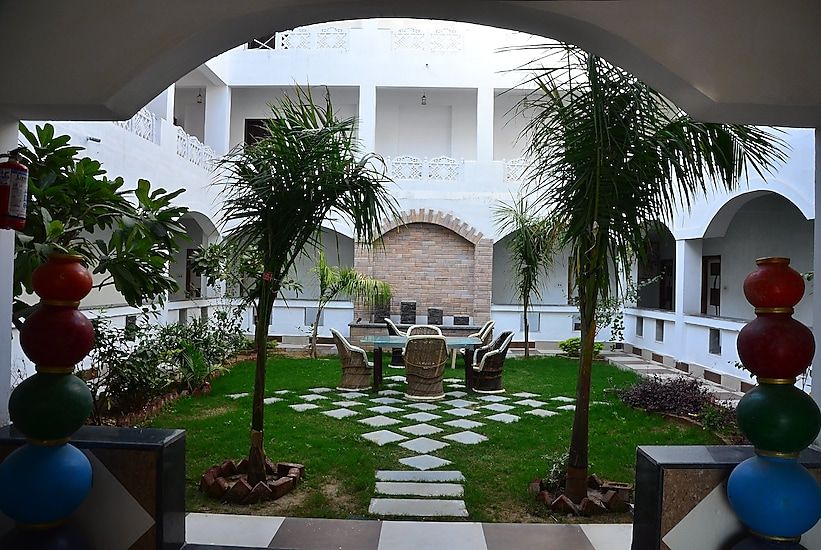
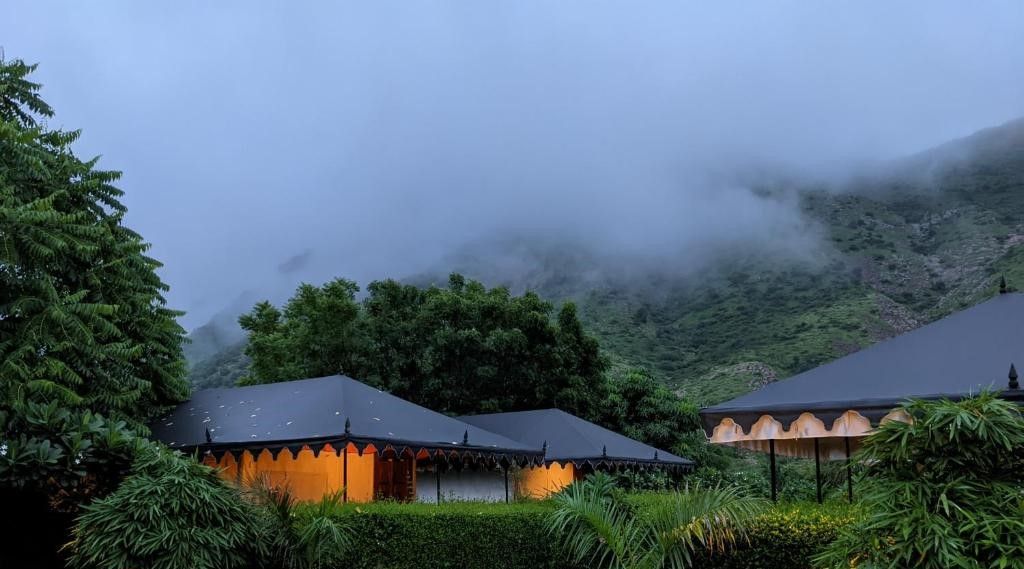
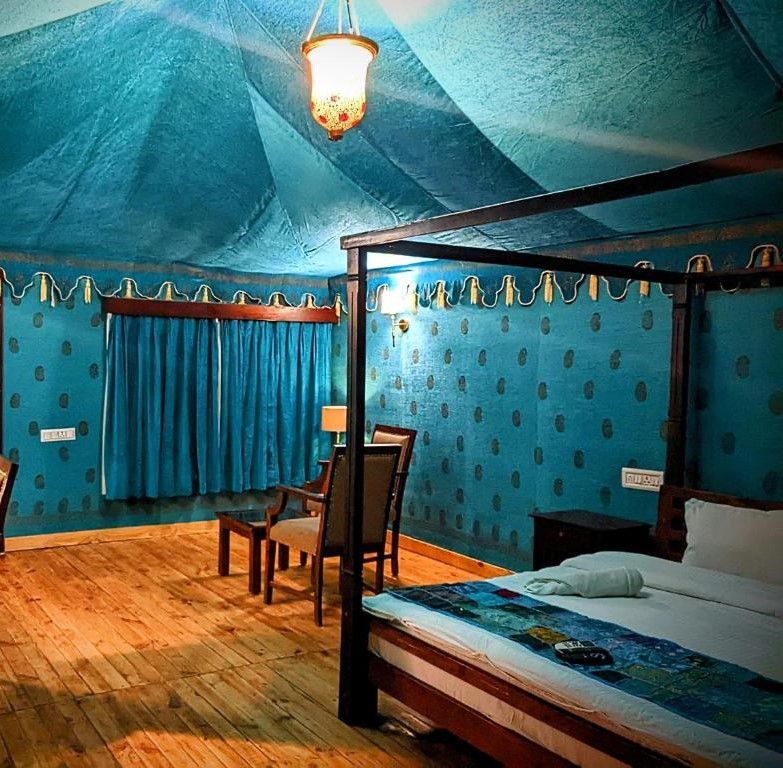
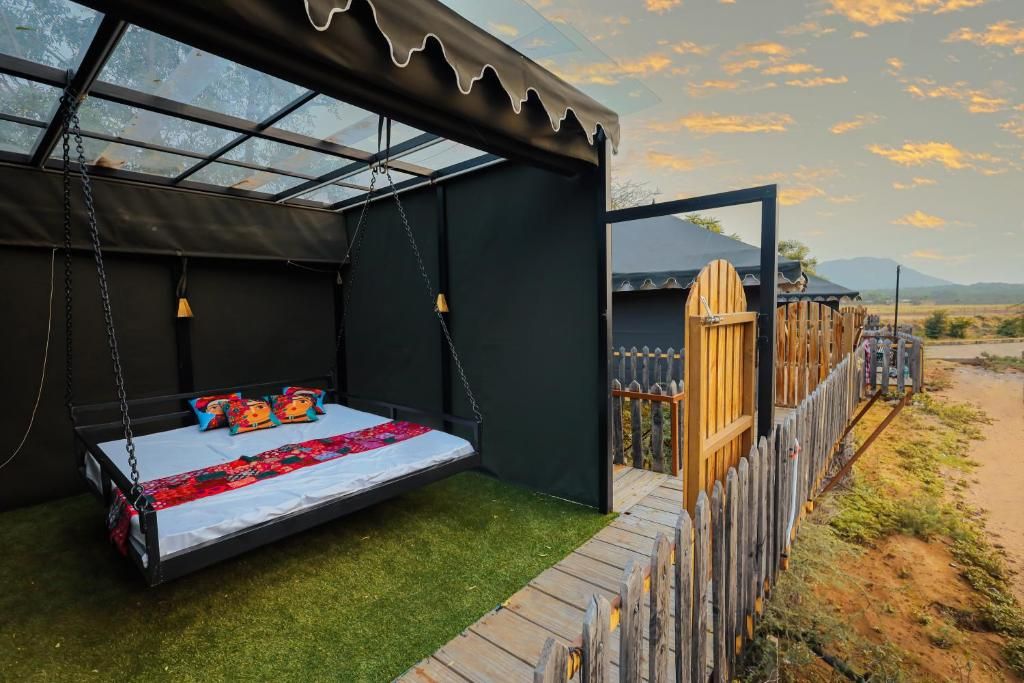
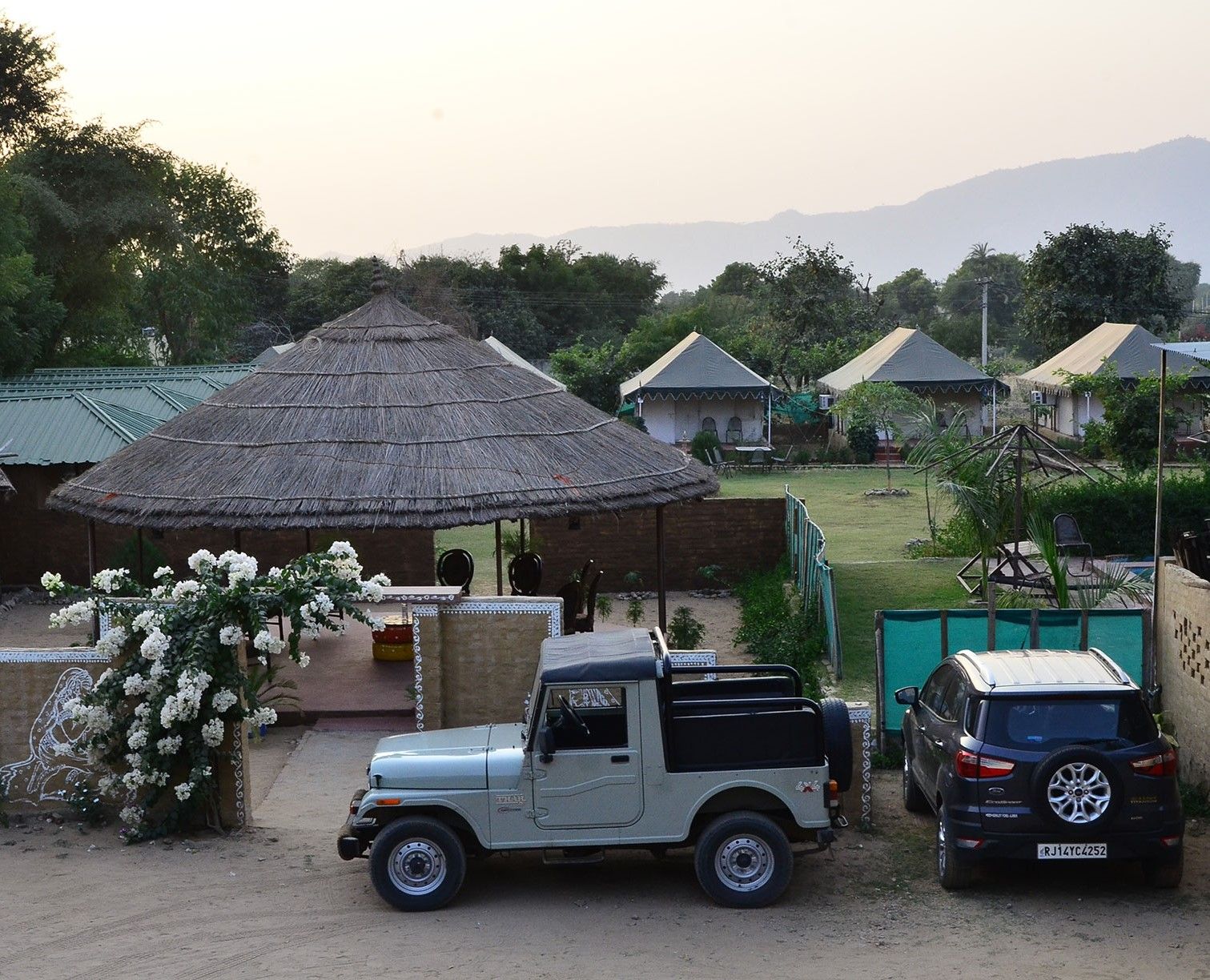
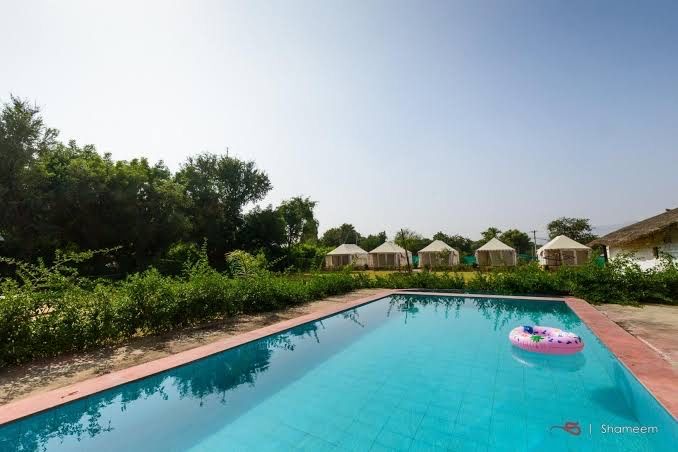
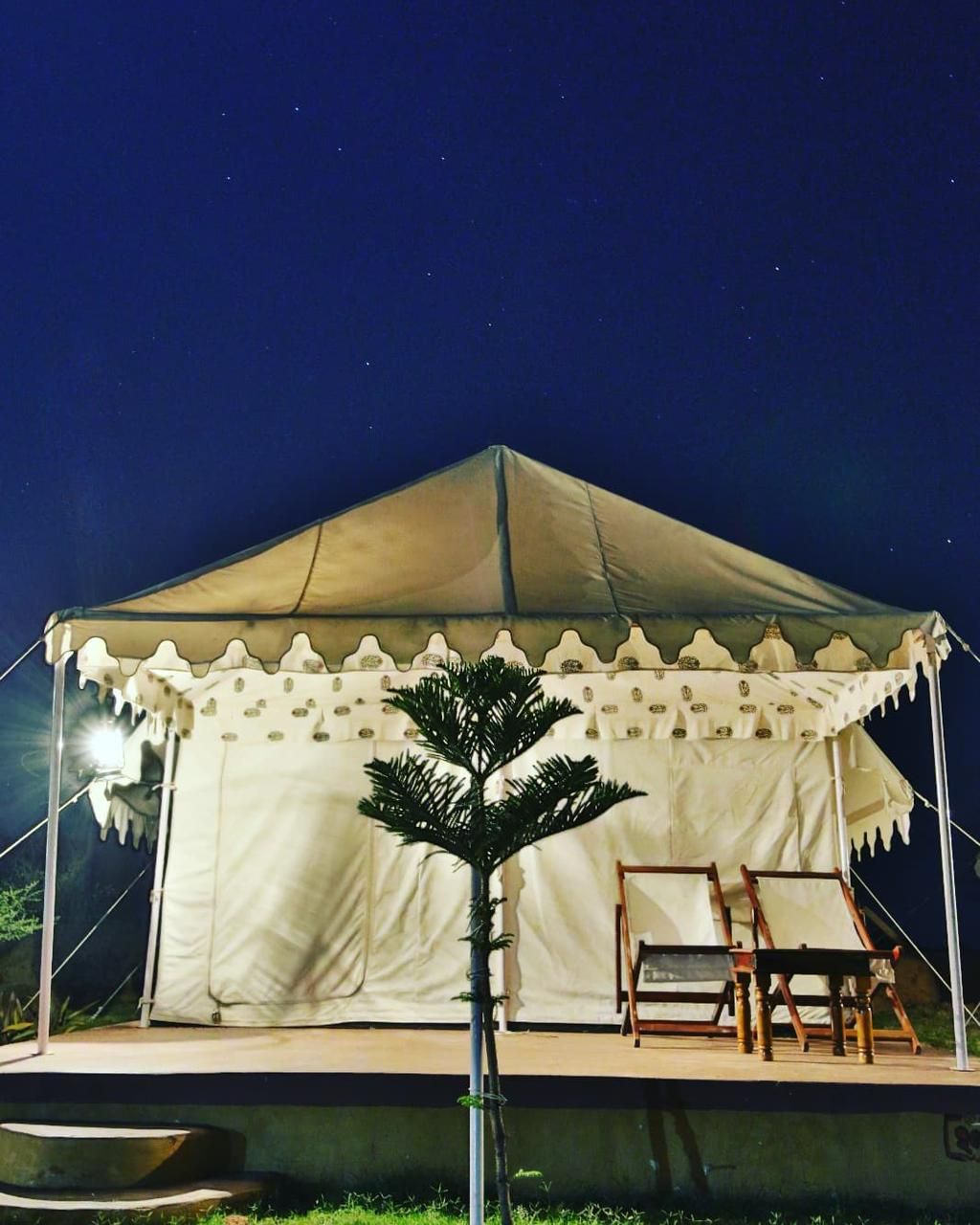
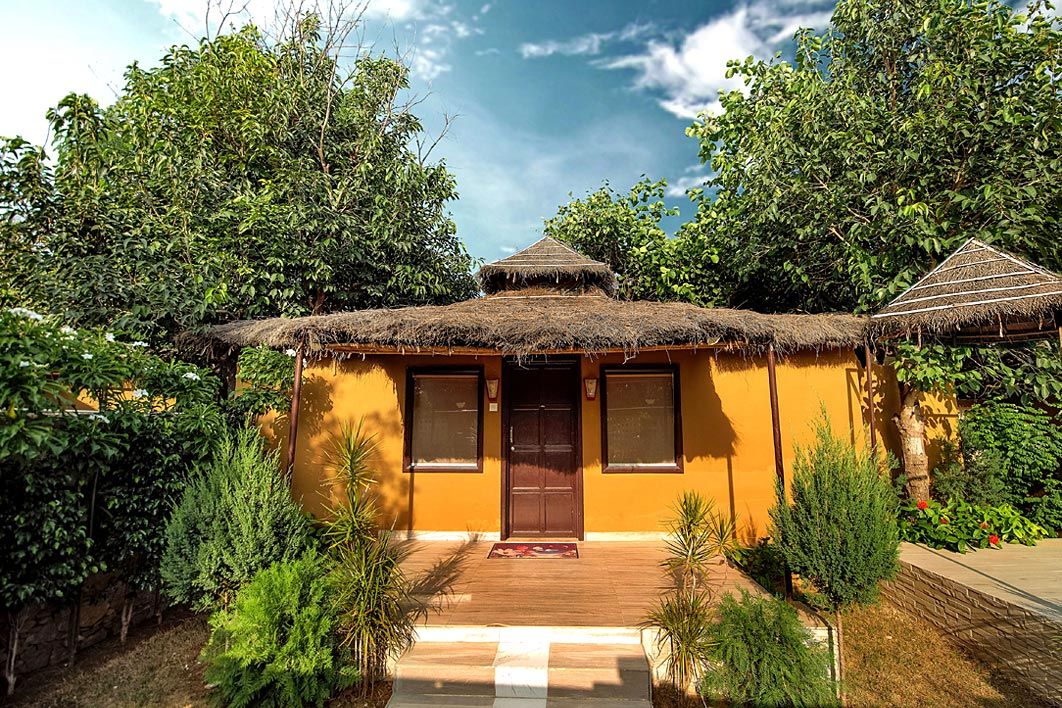
For those seeking outdoor stays, rustic countryside retreats, nature cottages, and boutique homestays in and around Ajmer and nearby Pushkar, options can be found on HireACamp. Booking a stay in the surrounding valleys allows you to balance daytime exploration of Ajmer's urban history with calm evenings beneath starlit desert skies.
Frequently asked questions
What is the historical significance of the Government Museum in Ajmer?
The museum is housed inside Akbar's Fort, a sixteenth-century sandstone stronghold that served as an administrative base and the venue where Emperor Jahangir received Sir Thomas Roe of Britain.
How much time is needed to see the museum?
Most visitors spend between one to two hours exploring the courtyard architecture, sculpture rooms, armory, and coin collections.
Where is the Government Museum located in Ajmer?
It is situated on Museum Road in the central part of Ajmer, just a short drive from Ajmer Junction railway station and Ana Sagar Lake.
What kind of artifacts are on display inside?
The museum exhibits ancient Hindu and Jain stone sculptures, medieval arms and armor, miniature paintings, historic coins, and centuries-old stone inscriptions.
Are there other historic sights near the museum?
Yes, nearby attractions include the sprawling Ana Sagar Lake, Daulat Bagh gardens, Taragarh Hill, and the sacred lakeside pilgrimage sites in Pushkar.
Where you'll be
Museum Rd, Ajmer · 12 stays nearby shown with prices
Stays near Government Museum
Book a place to stay close by
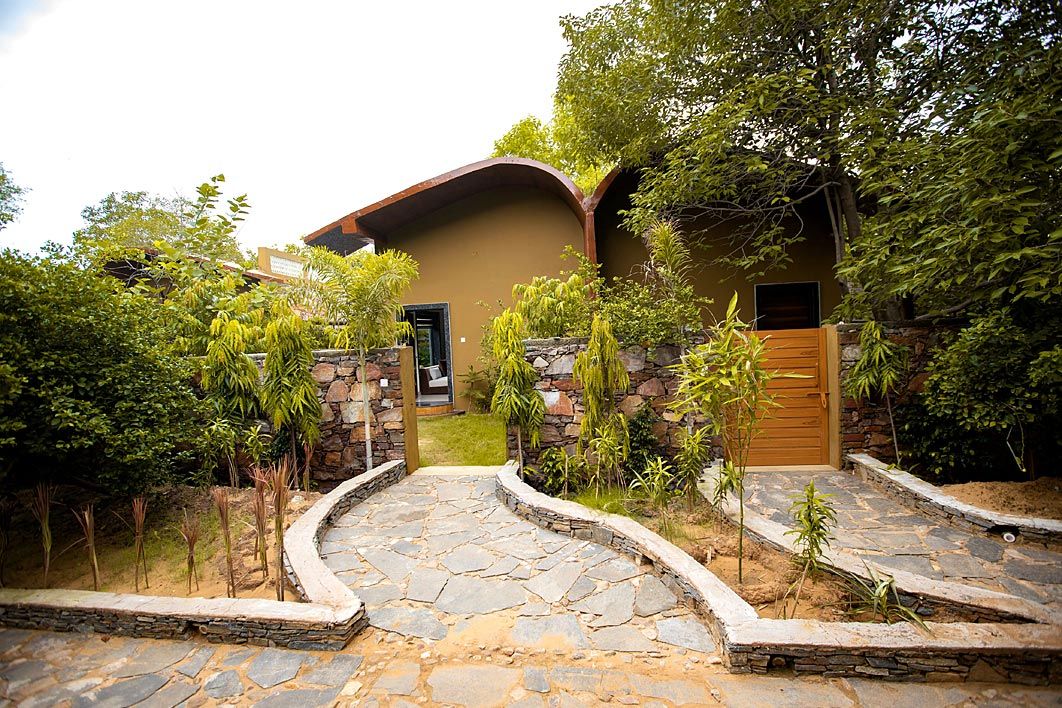
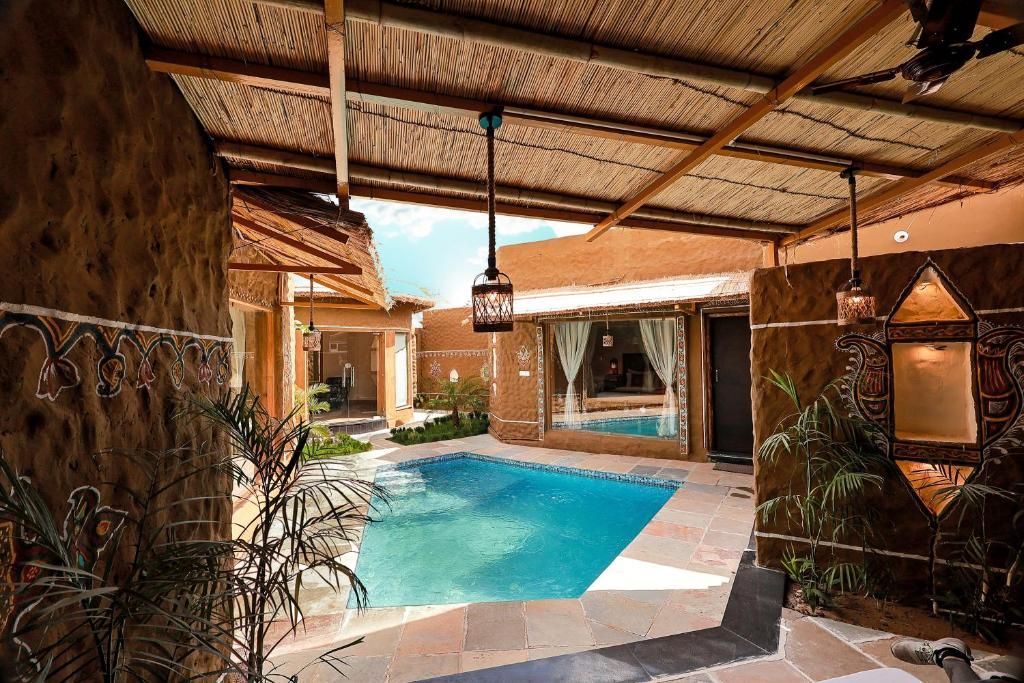
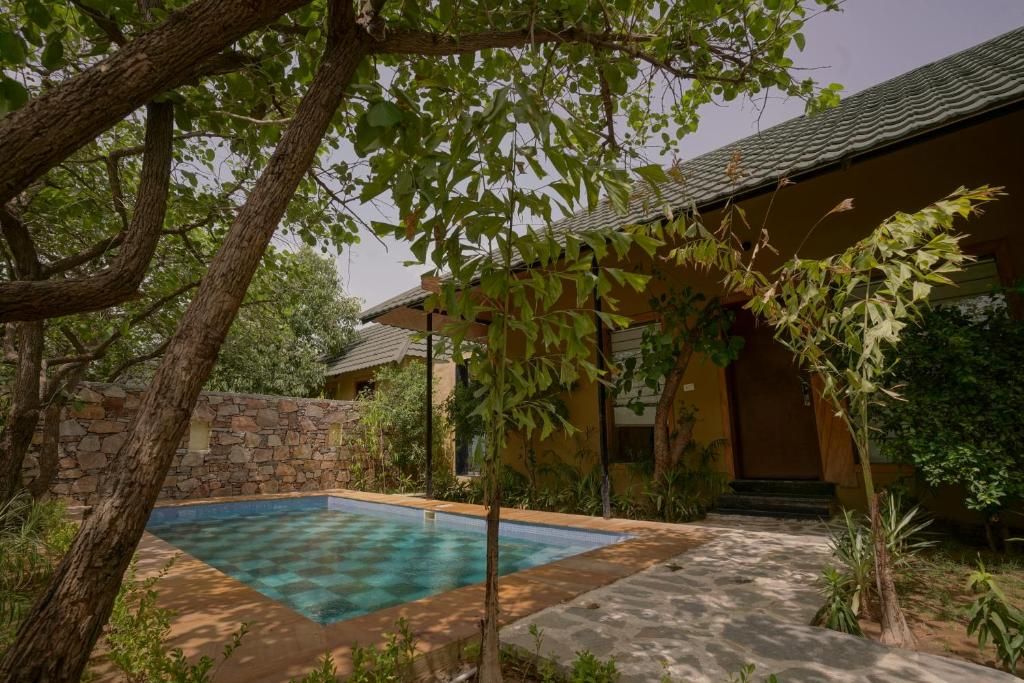
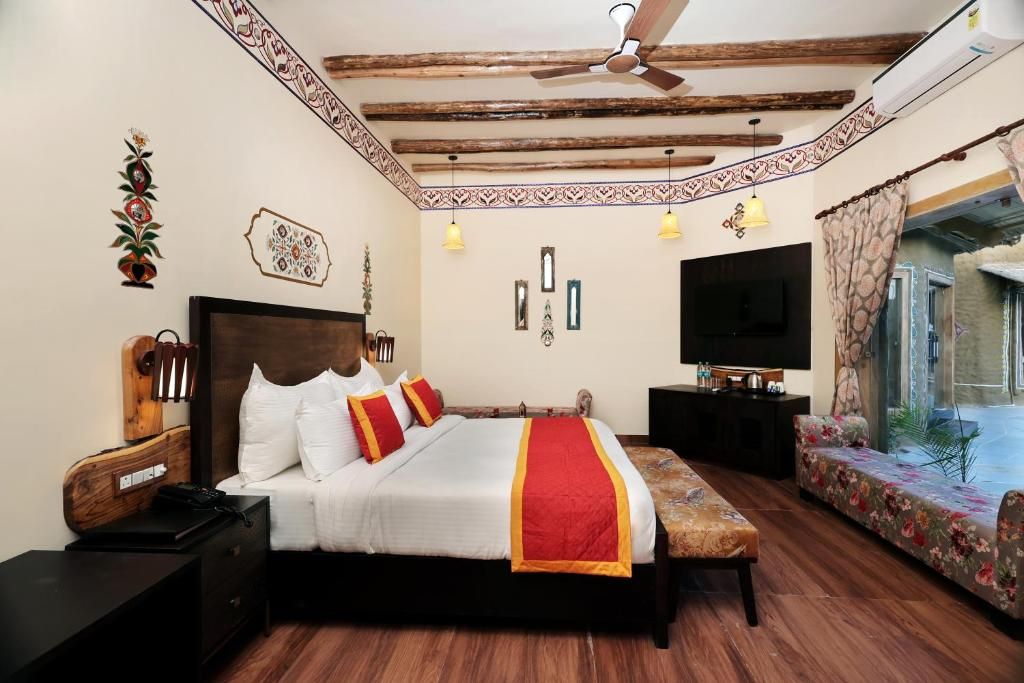
More places near Government Museum
Within 20 km

Built from 0 Instagram posts by 0 creators. Every tip links back to the post it came from, and where creators disagree we show both sides.






