
Amberi Biodiversity Park
Park near Chirwa, Rajasthan
3.2 km from Chirwa
The nearest town, for stays, food and fuel.
Amberi Biodiversity Park is a conserved natural green space situated amid the rugged Aravalli hills near Chirwa, just north of Udaipur in Rajasthan. Developed to protect regional flora and restore native habitat, the park offers walking trails and tranquil outdoor vistas. Travellers and locals visit to enjoy nature walks, observe indigenous birds and plant species, and escape the busier urban areas nearby.
Getting there
By road
- From ChirwaNearest town8 min · 3.9 km
- From Jodhpur4 hr 50 min · 239 km
- From Ahmedabad5 hr 45 min · 280 km
- From Vadodara7 hr 15 min · 372 km
Typical drive times without traffic. Stations and airports from OLA Maps; distances and typical drive times from OpenStreetMap (© OpenStreetMap contributors); notes from creators' Reels.
About Amberi Biodiversity Park
Written with AI from map data and general knowledge. Check prices and timings locally before you go.
About Amberi Biodiversity Park
Amberi Biodiversity Park is located in the Aravalli hill corridor near Chirwa, a short distance north of the historic city of Udaipur in Rajasthan. The region is defined by ancient rocky ridges, open scrub forests, and semi-arid landscapes that have sustained diverse biological communities for centuries. The biodiversity park was conceived as a conservation and recreation initiative, aimed at restoring native vegetation, mitigating soil erosion, and providing an accessible sanctuary where visitors can engage with the local ecology.
The park forms a key ecological pocket in southern Rajasthan. While rapid urban expansion has transformed surrounding lowlands, the preserved terrain around Amberi allows visitors to see what the native Aravalli landscape looks like when left to regenerate. Gently winding paths cut through hillsides, providing vantage points that look out over the undulating crests and valleys characteristic of the Mewar countryside.
Flora and wildlife to see
The vegetation at Amberi Biodiversity Park mirrors the broader dry deciduous and thorny scrub ecosystem of the Aravalli Range. Across the park, you can find hardy indigenous trees such as dhok, babool, neem, ber, and khejri, alongside a variety of native shrubs and grasses adapted to long, dry periods. During and immediately after the monsoon rains, dormant seeds sprout across the hillsides, temporarily carpeting the rocky ground with seasonal herbs, climbing vines, and wild blooms.
This plant diversity supports a dependable range of local fauna. Avian life is especially rich, making the park a rewarding destination for birdwatchers. Early mornings often reveal species such as the Indian peafowl, grey francolin, laughing dove, red-vented bulbul, purple sunbird, and various babblers and warblers. Reptiles like garden lizards and monitor lizards occasionally bask on sunlit rock faces, while an array of butterflies and native pollinators flutter between flowering bushes during warm afternoons.
Read more
Things to do at Amberi Biodiversity Park
Walking and light hiking are among the most popular activities within Amberi Biodiversity Park. The network of marked pathways allows you to wander at your own pace through varied terrain, from gentle valley trails to higher vantage points along the ridges. These walking paths offer an easy outdoor workout and an opportunity to breathe fresh air while listening to birdsong.
Photography enthusiasts will find plenty of visual interest throughout the park. The interplay between raw rock formations, silhouetted desert trees, and sweeping ridgelines makes for compelling landscape photography, especially in the golden light of early morning or late afternoon. It is also an ideal spot for quiet nature journaling, casual botanical observation, or simply unwinding with a book in a peaceful natural environment.
Best time to visit
The most pleasant time to visit Amberi Biodiversity Park is from October to March, when Rajasthan experiences its mild winter season. Daytime temperatures during these months remain comfortable for walking and outdoor exploration, with clear skies and cool breezes prevailing across the hills. Mornings and evenings can be brisk, requiring a light sweater or fleece.
The monsoon period, spanning roughly from July to September, transforms the surrounding landscape. The rains breathe vibrant green life into the parched terrain, filling seasonal streams and creating cool, misty mornings. While trails can occasionally be slick after downpours, the post-monsoon freshness makes it a visually rewarding time to explore. The summer months from April to June bring intense heat and dry conditions, so if you travel during this window, plan your outdoor activities strictly during the earliest morning hours to avoid the midday sun.
How to reach Amberi Biodiversity Park
Amberi Biodiversity Park is positioned near the settlement of Chirwa, along the primary transport corridor running north from Udaipur towards Nathdwara. Travellers arriving by air can fly into Maharana Pratap Airport in Dabok, which serves regular domestic flights from major Indian hubs. From the airport, taxis and rental cars provide straightforward road access.
Those arriving by train can disembark at Udaipur City Railway Station, which connects to key destinations across the country. From Udaipur, local taxis, auto-rickshaws, and private cars can transport you directly to the park. Regional buses traveling along the highway also pass near Chirwa; however, hiring private transport is generally more convenient if you plan to explore on your own schedule.
Places to visit nearby
A visit to Amberi Biodiversity Park can easily be paired with other attractions around the northern fringes of Udaipur. Just eight kilometres to the north lies the historic town of Kailashpuri, home to the sacred Shri Eklingji Temple, a significant pilgrimage site renowned for its intricate stone carvings and ancient Mewar heritage. Closer to the park, the grand hill memorial of Pratap Gaurav Kendra stands about nine kilometres away, celebrating the life of Maharana Pratap through cultural exhibits and panoramic views.
Heading south into Udaipur, travellers can visit the quiet terraced gardens of Saheliyon ki Bari, located about ten kilometres from Amberi. Further into the historic core, around thirteen to fourteen kilometres away, lie iconic landmarks including the City Palace complex, the waters of Lake Pichola, Ambrai Ghat, and the dramatic hilltop silhouette of the Monsoon Palace overlooking the city.
Tips for your visit
Because the park involves walking on natural, unpaved terrain, sensible footwear is essential. Wear sturdy closed-toe shoes or trail trainers that offer good traction on loose gravel and rock. Sun protection, including a broad-brimmed hat, sunglasses, and sunscreen, is recommended year-round given the high amount of sunny days in the region.
Carry sufficient drinking water with you, as facilities inside natural parks can be limited. Practice responsible outdoor ethics by staying on designated paths, keeping noise levels low so as not to disturb wildlife, and carrying out all waste, including plastics and packaging. Entry guidelines, timings, and small entry fees may vary, so it is wise to confirm current visiting hours locally before heading out.
Where to stay near Amberi Biodiversity Park
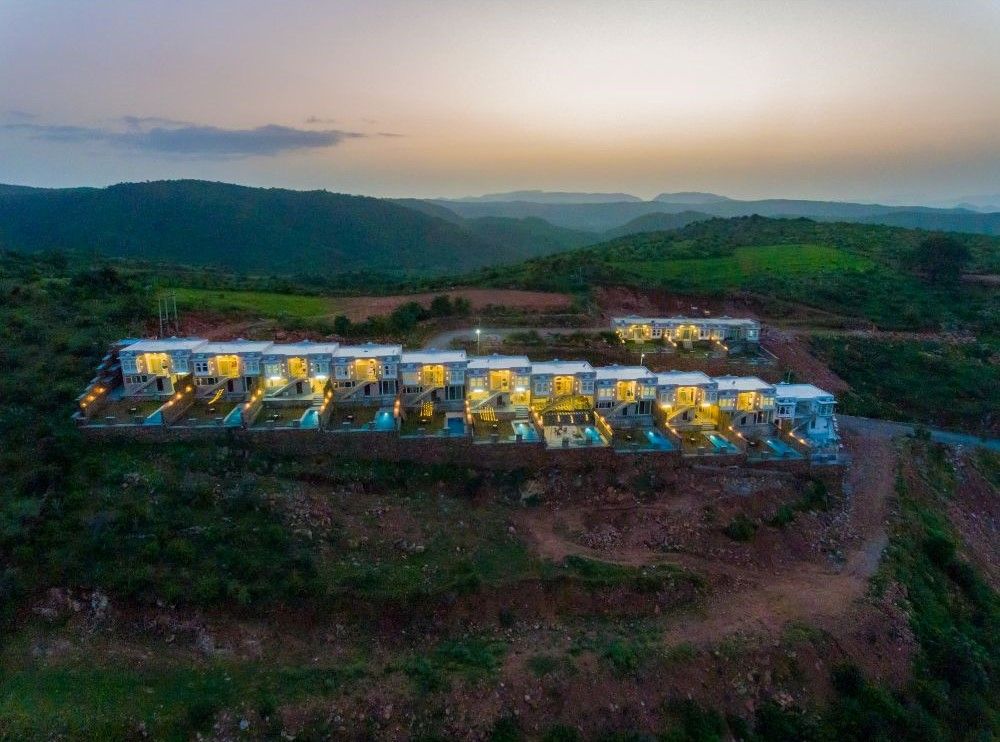
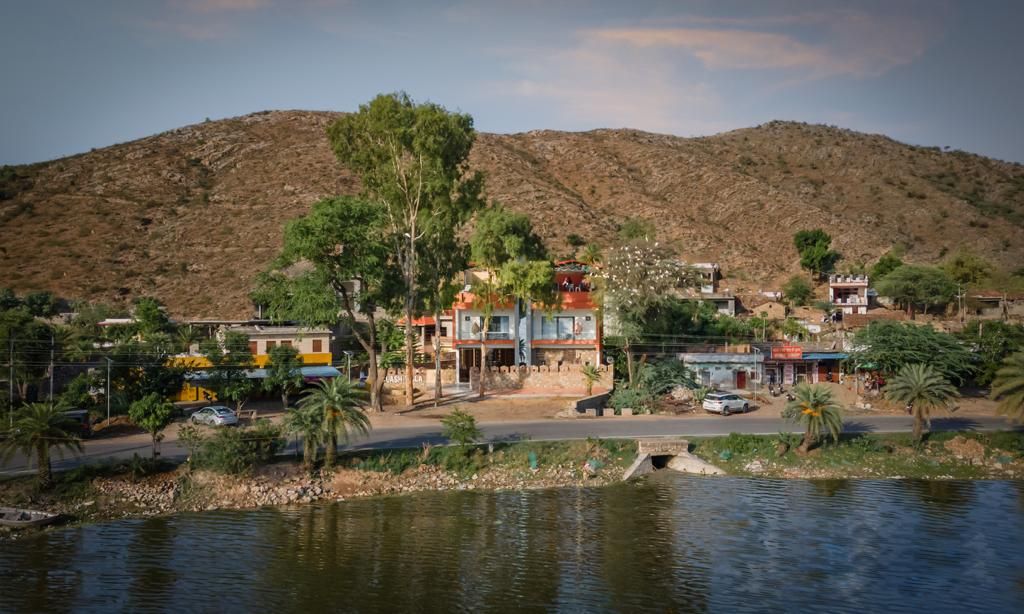
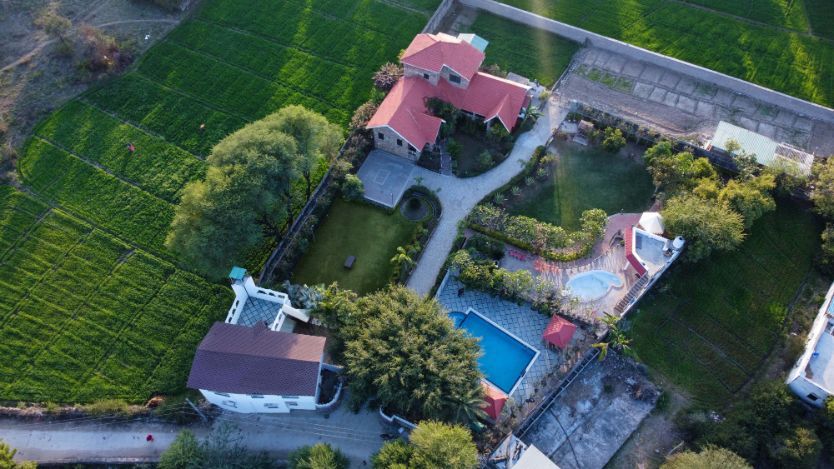
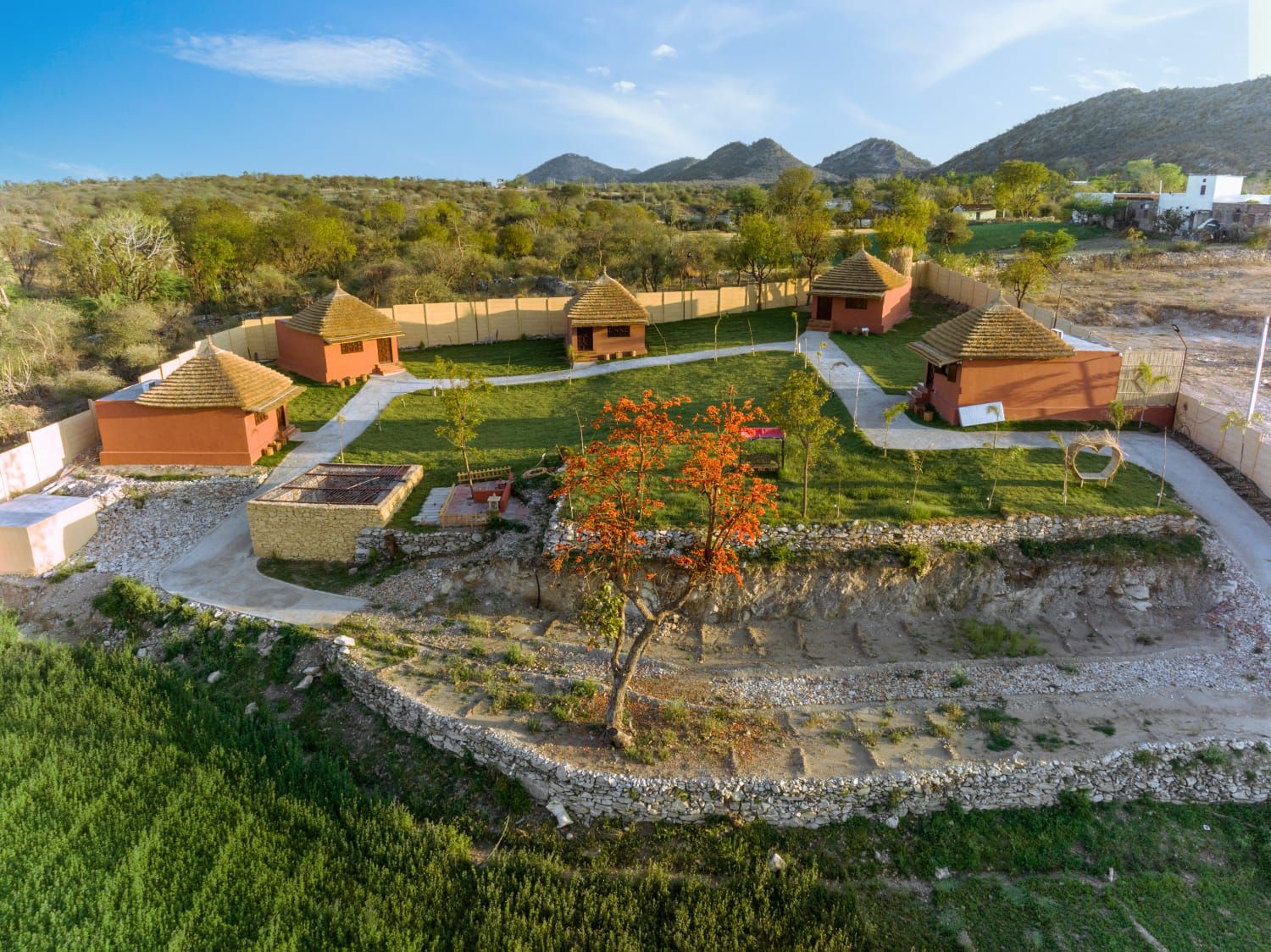
Travellers wishing to stay near the park can find a diverse selection of accommodations in the wider Udaipur and Chirwa countryside. Options range from rustic campsites tucked into the Aravalli valleys to rural farmstays and welcoming family-run homestays that highlight authentic Rajasthani hospitality.
Staying away from the dense city center allows you to enjoy starry night skies, quieter surroundings, and immediate access to scenic walking routes. You can discover and book verified campsites, peaceful homestays, and outdoor getaways in the area through HireACamp.
Frequently asked questions
Where is Amberi Biodiversity Park located?
Amberi Biodiversity Park is situated near the town of Chirwa, along the Aravalli range just north of Udaipur in Rajasthan.
What is the best season to visit the park?
The winter months from October to March offer the most pleasant weather for walking, while the monsoon from July to September brings lush greenery across the hills.
What should I wear when visiting Amberi Biodiversity Park?
Wear comfortable, sturdy walking shoes suitable for gravel tracks and rocky trails, along with light, breathable clothing and sun protection such as a hat and sunglasses.
Can I reach the park easily from Udaipur?
Yes, the park is accessible by road from Udaipur via private vehicle, taxi, or local auto-rickshaw traveling along the northern highway towards Chirwa.
What wildlife can be spotted at the park?
Visitors frequently see native birds such as peafowls, bulbuls, and francolins, along with local reptiles, butterflies, and indigenous plant species adapted to the Aravalli ecosystem.
Where you'll be
Chirwa · 4 stays nearby shown with prices
Stays near Amberi Biodiversity Park
Book a place to stay close by
More places near Amberi Biodiversity Park
Within 20 km


Built from 0 Instagram posts by 0 creators. Every tip links back to the post it came from, and where creators disagree we show both sides.






