
Andharban Forest
Forest near Varak, Maharashtra
12 km from Varak
The nearest town, for stays, food and fuel.
Andharban Forest, set along the Sahyadri ranges near Mulshi in Maharashtra, is a dense evergreen woodland famous for its immersive descent trek. The name translates to dark forest, highlighting the thick canopy of trees that blocks out direct sunlight across large stretches of the trail. Outdoor enthusiasts, trail runners, and trekkers flock here during the rainy season to navigate misty ridgelines, gushing streams, and panoramic valley views.
Getting there
By road
- From VarakNearest town45 min · 32 km
- From Pune2 hr 10 min · 84 km
- From Mumbai 2 hr 45 min · 135 km
- From Nashik5 hr 35 min · 314 km
Typical drive times without traffic. Stations and airports from OLA Maps; distances and typical drive times from OpenStreetMap (© OpenStreetMap contributors); notes from creators' Reels.
About Andharban Forest
Written with AI from map data and general knowledge. Check prices and timings locally before you go.
About Andharban Forest
Andharban Forest is one of the most prominent evergreen forest stretches in the Western Ghats of Maharashtra. Located along the Tamhini Ghat region in the Mulshi district, the forest lies perched atop the Sahyadri mountain range before tumbling down into the Konkan plains below. The word Andharban is derived from two Marathi words: andhar, meaning dark, and ban, meaning forest. Due to the high density of tall trees, creeping vines, and layered vegetation, sunlight struggles to pierce the floor in many sections, giving the path a subdued, mystical atmosphere even at midday.
Unlike conventional mountain hikes in the Sahyadris that require a steep initial climb up to a rocky peak, the standard trail through Andharban is primarily a descent. It begins along the misty tablelands of the Tamhini region and winds downhill through deep ravines, seasonal watercourses, and bamboo clusters before opening toward the lower plains and reservoirs. This unusual topography, combined with heavy seasonal rains, makes Andharban an iconic landscape for outdoor exploration in western India.
The trekking route through Andharban
Trekking through Andharban Forest is an experience that immerses hikers deep within the natural rhythms of the Western Ghats. The route generally covers around thirteen to fourteen kilometres, beginning at the higher altitudes near Pimpri or Tamhini Ghat and descending towards the valley floor near Bhira. Along the path, hikers cross several minor streams, muddy paths, and ridge walks that overlook deep gorges.
During peak monsoon months, the trail undergoes a dramatic transformation. Flowing water carves temporary streams across the stone paths, while thick fog rolls in and out of the forest canopy, frequently dropping visibility to just a few metres. The descent requires careful footing on slick stones, mud, and exposed tree roots. As you exit the deeper foliage near the lower end of the trail, the landscape opens out to sweeping views of the surrounding valleys, seasonal waterfalls plunging down the escarpments, and distant reservoirs.
Read more
Best time to visit Andharban Forest
The monsoon season, spanning from July through September, is without question the most popular time to visit Andharban Forest. Heavy rains feed numerous temporary waterfalls, replenish the forest streams, and carpet the entire forest floor in vibrant green mosses and ferns. The cloud cover during this period keeps temperatures low, and the perpetual blanket of fog lends the trail its signature mood.
However, the post-monsoon period from October to December is also an exceptional time to explore the forest. As the rains taper off, the paths dry out, making hiking significantly easier and less slippery. Waterfalls still carry water in the early autumn, the air remains fresh and cool, and the foliage retains much of its monsoon lushness. Clearer skies also offer expansive views across the valleys that are often hidden by dense cloud cover in the middle of the rains. The dry summer months from March to May are generally hot and arid, causing the seasonal streams to dry up and stripping the forest of its characteristic green cover.
Flora and fauna of the region
Because Andharban is nestled in the biologically diverse Western Ghats, it supports an impressive range of regional plant and animal life. The canopy is formed by evergreen and semi-evergreen trees, interlaced with thick woody climbers and epiphytes that cling to old bark. The damp undergrowth provides an ideal microclimate for mushrooms, bracket fungi, delicate wildflowers, and lush ferns.
Wildlife in Andharban includes various species native to the Sahyadri moist deciduous and evergreen forests. While larger mammals such as barking deer, leopards, and wild boars roam the deeper ridges, they typically avoid busy hiking paths. Visitors are more likely to encounter the Malabar giant squirrel foraging in the higher branches, along with reptiles like the green vine snake and an abundance of amphibians. In the monsoon, tree frogs and stream-dwelling crabs thrive in the waterlogged gullies. The forest is also a haven for birdwatchers, who regularly spot hornbills, flycatchers, sunbirds, and crested serpent eagles.
How to reach Andharban Forest
Andharban Forest is conveniently accessed from major hubs in Maharashtra, particularly Pune and Mumbai. The starting trailheads are situated along the road corridor connecting Mulshi and Tamhini Ghat. Travellers journeying from Pune typically take the road via Chandani Chowk, Paud, and Mulshi, heading up the ghats toward the entry point. The drive from Pune takes approximately two to three hours depending on local road conditions and weather.
From Mumbai, travellers usually head down the Mumbai-Pune Expressway, diverging towards Khopoli or navigating via Pali and Kolad to approach from the Konkan base, or driving through Lonavala and Mulshi to reach the top. Public transport options include state transport buses running along the Pune-Konkan routes that pass through Mulshi and Tamhini Ghat, though having private transport or an arranged taxi makes it far easier to coordinate pickup and drop-off, particularly because the trek begins and ends at different points.
Practical tips for your visit
Preparation is key when venturing into Andharban Forest, especially during the wet months. Sturdy trekking shoes with pronounced lugs and reliable wet grip are essential to avoid slips on slick mud and algae-covered rocks. Quick-drying clothing is recommended over heavy cotton, and a reliable waterproof cover or dry bag will keep your phone, camera, and spare clothes safe from persistent rain.
Leeches are common along the trail during the monsoon. Carrying salt, turmeric, or wearing anti-leech socks can help minimize discomfort. There are no retail shops or food stalls inside the forest, so it is necessary to carry adequate drinking water, energy snacks, and a personal first-aid kit. Hikers should stay strictly to marked trails to avoid getting lost in dense sections where landmarks are obscured by mist. Additionally, local authorities sometimes implement entry registration and safety guidelines, so visitors should verify local permissions and rules before heading out.
Attractions near Andharban
The region around Mulshi and Tamhini Ghat is filled with natural and historical landmarks that can easily be woven into a weekend trip. Tamhini Ghat itself is celebrated for its roadside waterfalls, scenic viewpoints, and rolling mountain vistas. A short distance away lies Mulshi Lake, a scenic reservoir formed by the Mulshi Dam, offering calm waters and quiet lakeshore viewpoints.
History enthusiasts can explore nearby hill forts such as Sudhagad Fort and Fort Kailasgad, both of which offer rugged trails and storied fortifications with panoramic views of the surrounding ranges. Raigad Fort, the celebrated capital of the Maratha Empire, sits further out towards the Konkan plains and provides deep historical insights alongside impressive stone architecture. Those looking for cultural and scenic stops closer to the highway can also visit Hadshi Mandir and the nearby Sant Darshan Museum.
Where to stay near Andharban
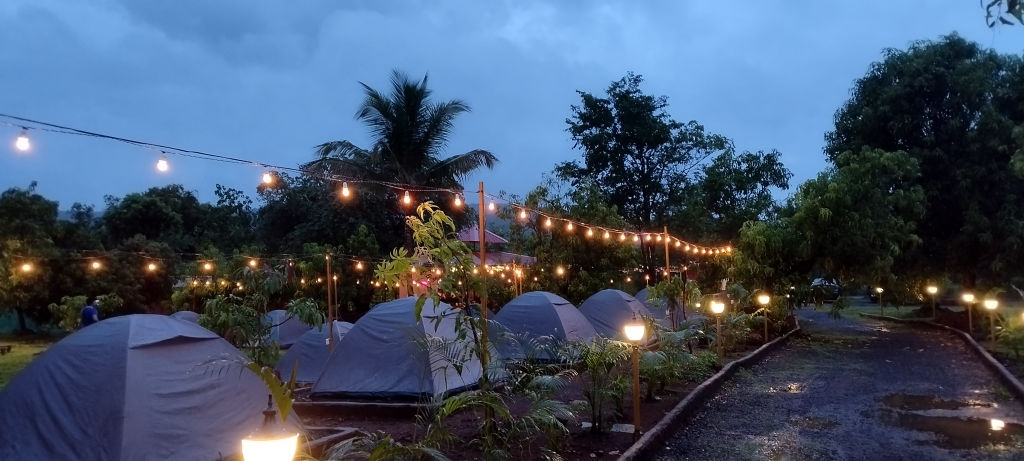
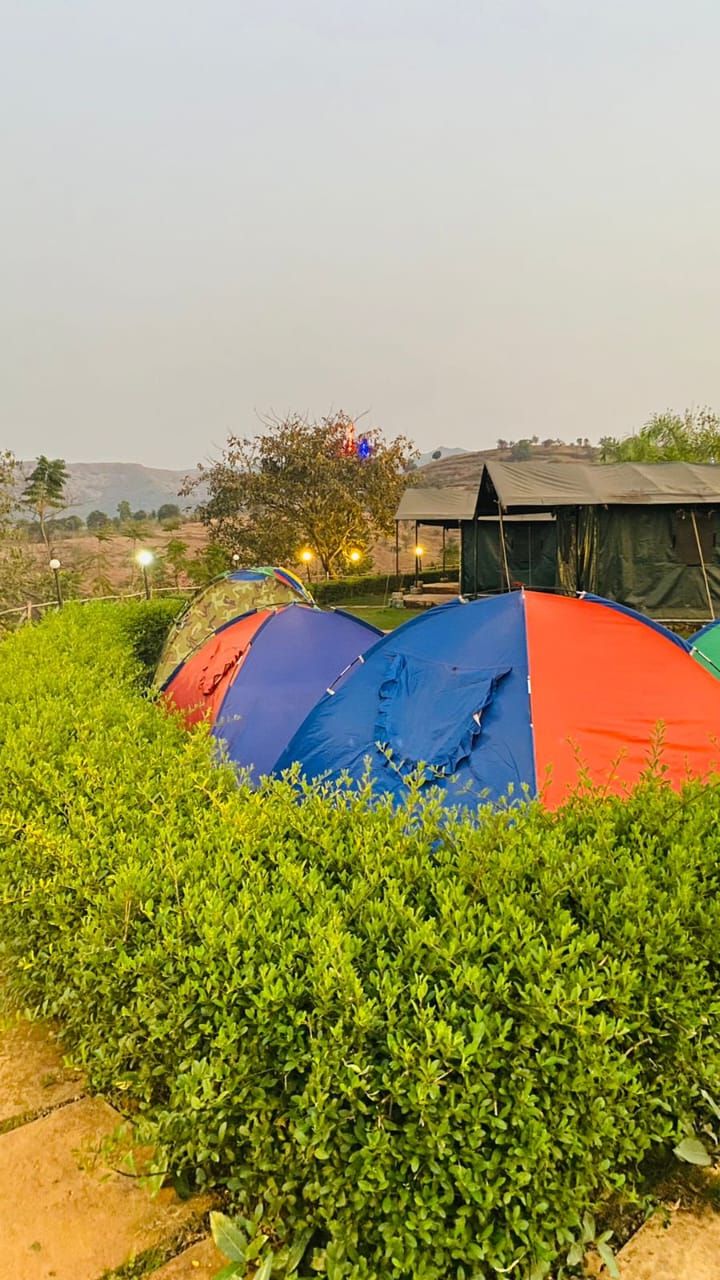
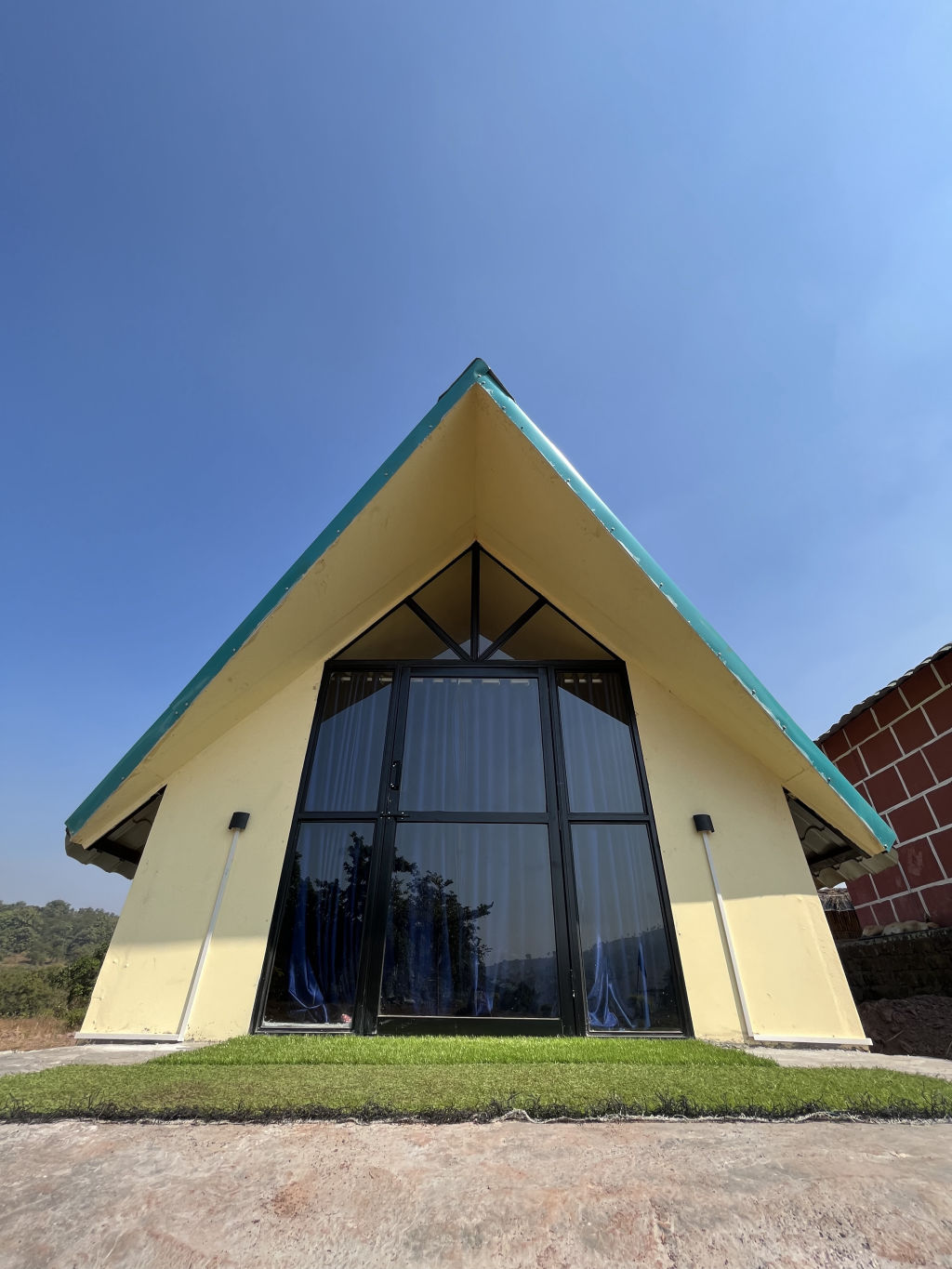
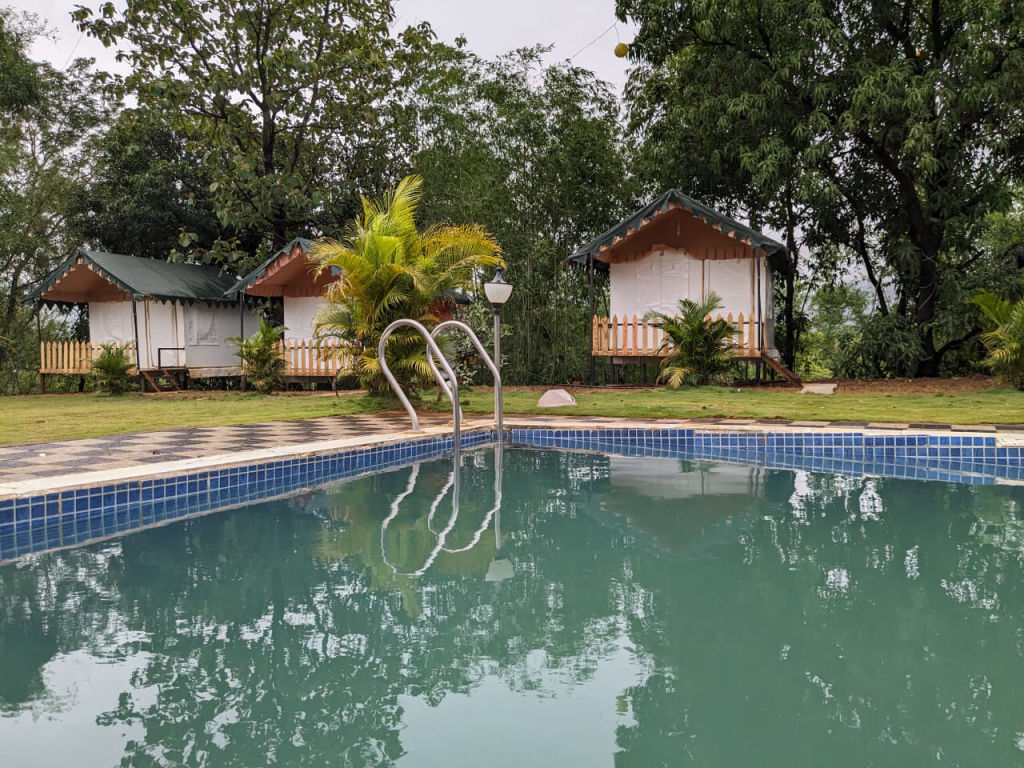
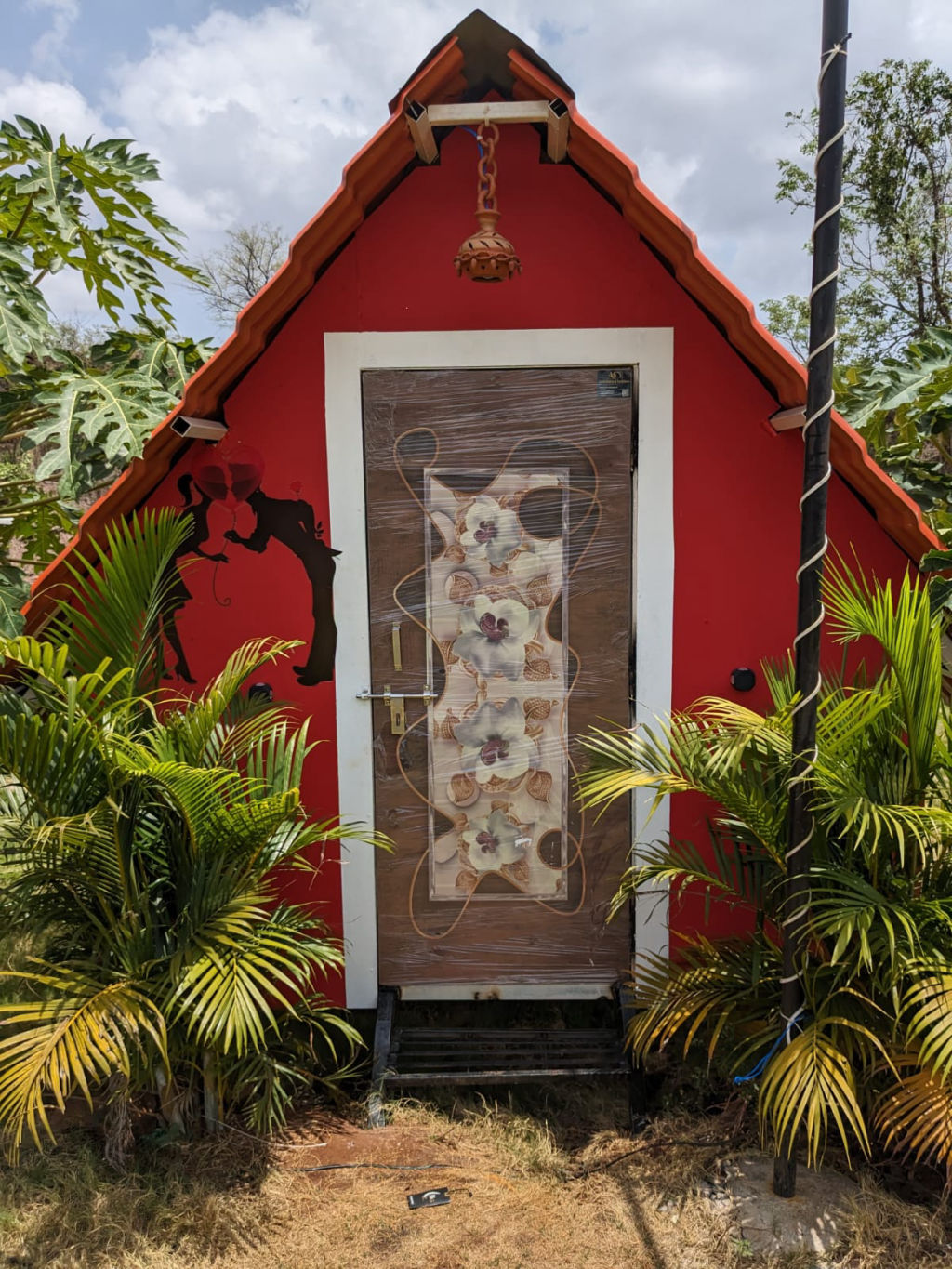
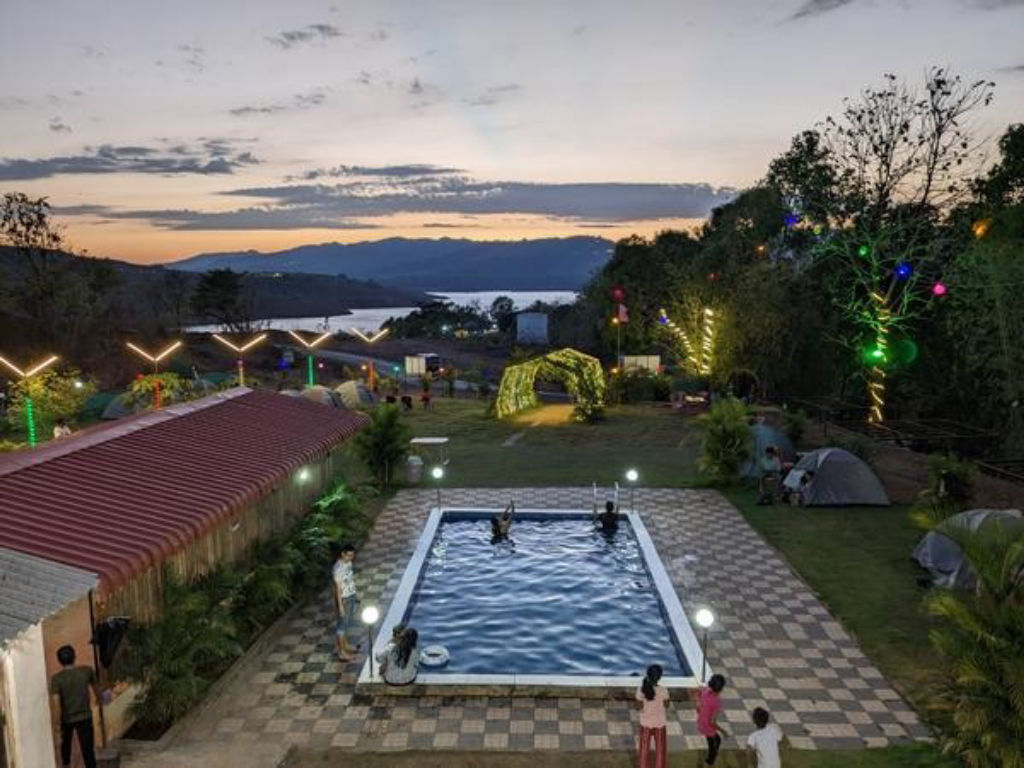
Given its secluded setting within the Sahyadris, the area surrounding Andharban offers an authentic outdoor experience away from busy urban centres. Visitors can find rural homestays, eco-cottages, and scenic riverside campsites tucked into the valleys around Mulshi, Tamhini Ghat, and the neighbouring hills.
Staying close to the trailhead allows you an early morning start, which is ideal for avoiding afternoon crowds and experiencing the forest at its quietest. You can discover and book a wide variety of local campsites, village homestays, and rustic nature retreats near Andharban on HireACamp.
Frequently asked questions
Why is the trail called Andharban?
The name Andharban translates to dark forest in Marathi. It was named for the exceptionally dense tree canopy that blocks out daylight across long portions of the hiking path.
Is the Andharban trek difficult for beginners?
The trek is rated as moderate because it consists mostly of a descent, but the distance of over thirteen kilometres and slippery monsoon terrain can be physically demanding. Proper footwear and good balance are required to navigate the mud, rocks, and stream crossings.
Do I need a guide for the Andharban Forest trek?
Hiring a local guide is highly recommended, especially during the monsoon when dense fog can obscure the path and make navigation confusing in the deeper stretches of the forest.
Are there leeches on the trail in Andharban?
Yes, leeches are common in the undergrowth throughout the monsoon season. Trekkers should wear protective socks, apply salt or repellent, and check their footwear regularly.
Is there mobile phone connectivity inside Andharban Forest?
Mobile network reception drops quickly once you descend into the forest canopy and valleys. You should expect little to no connectivity for most of the trail until you reach open ground near the finish.
Where you'll be
Tamini Ghat Road,, Mulshi, MH · 12 stays nearby shown with prices
Stays near Andharban Forest
Book a place to stay close by
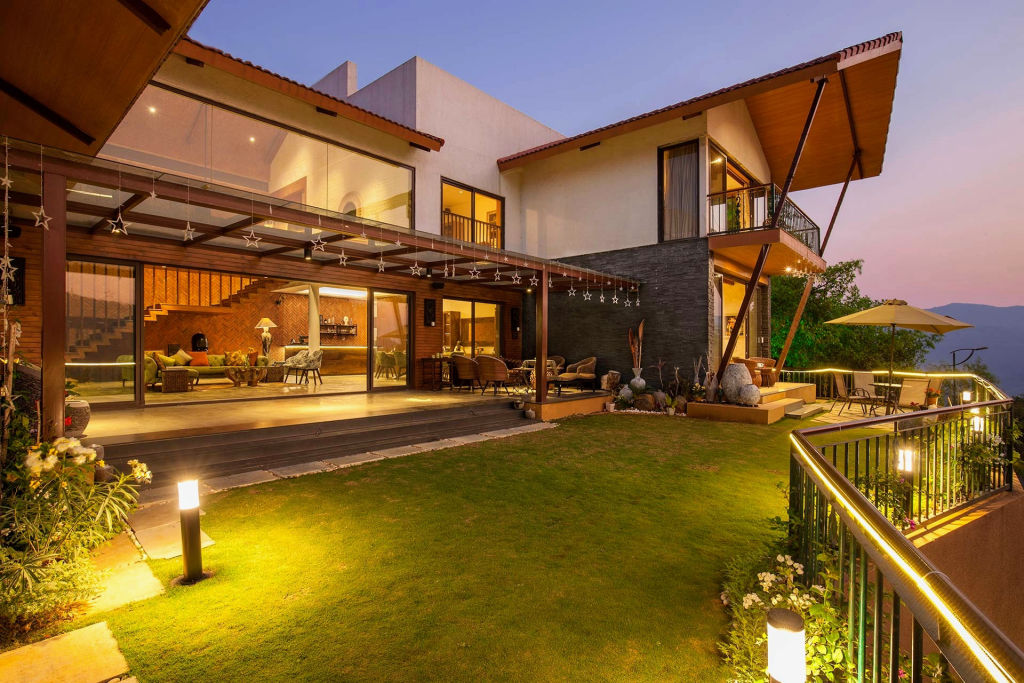
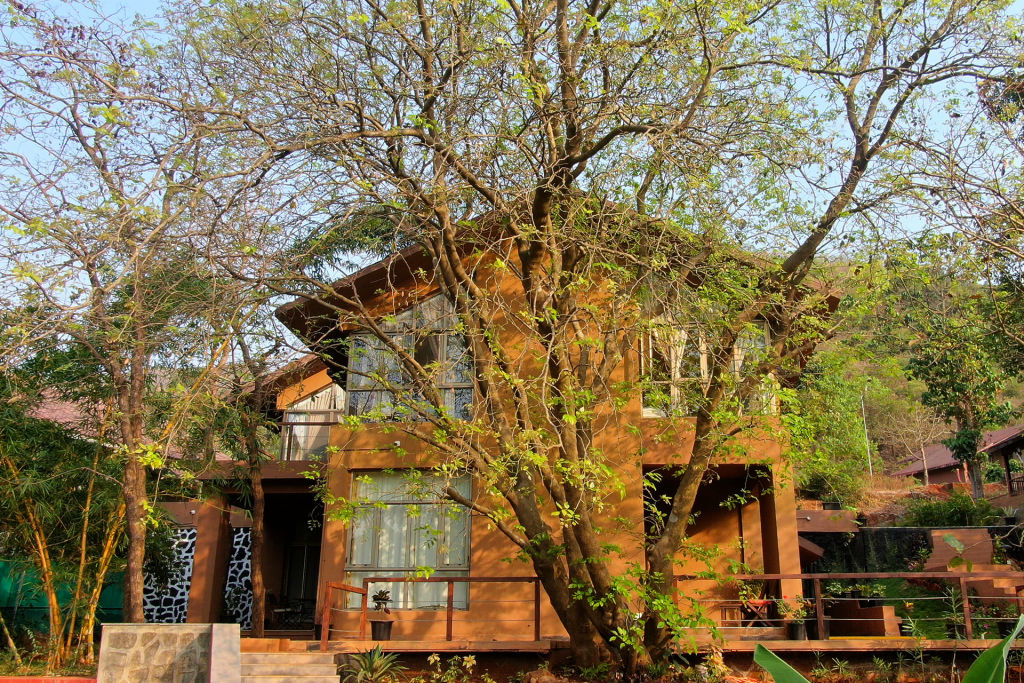
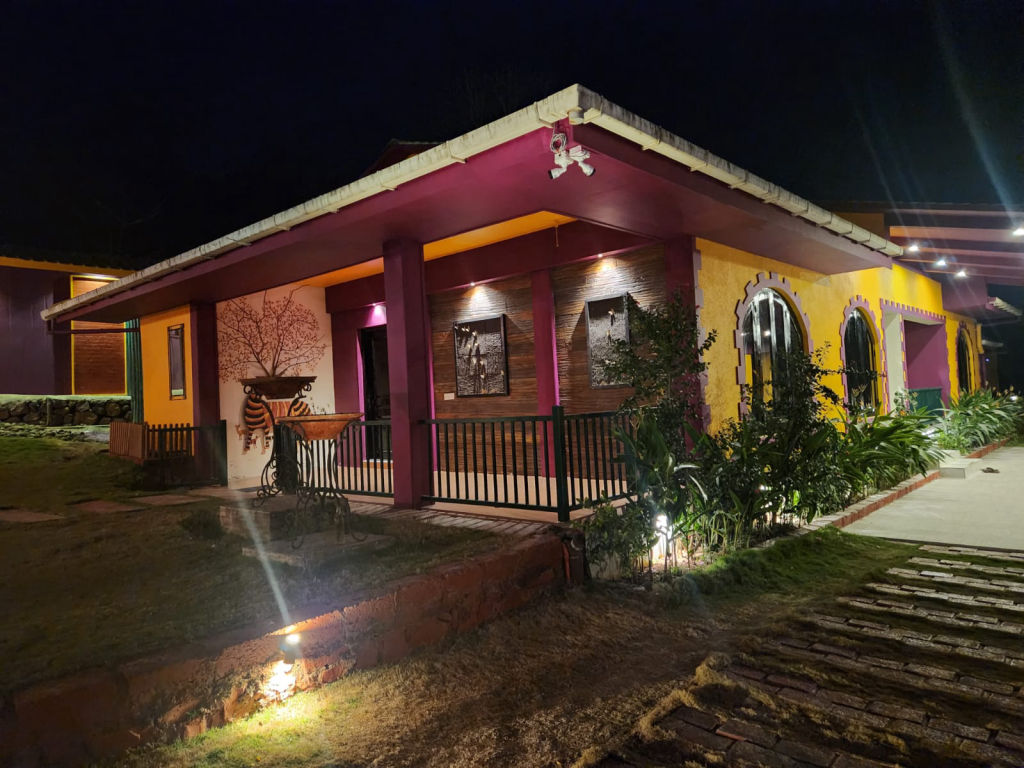
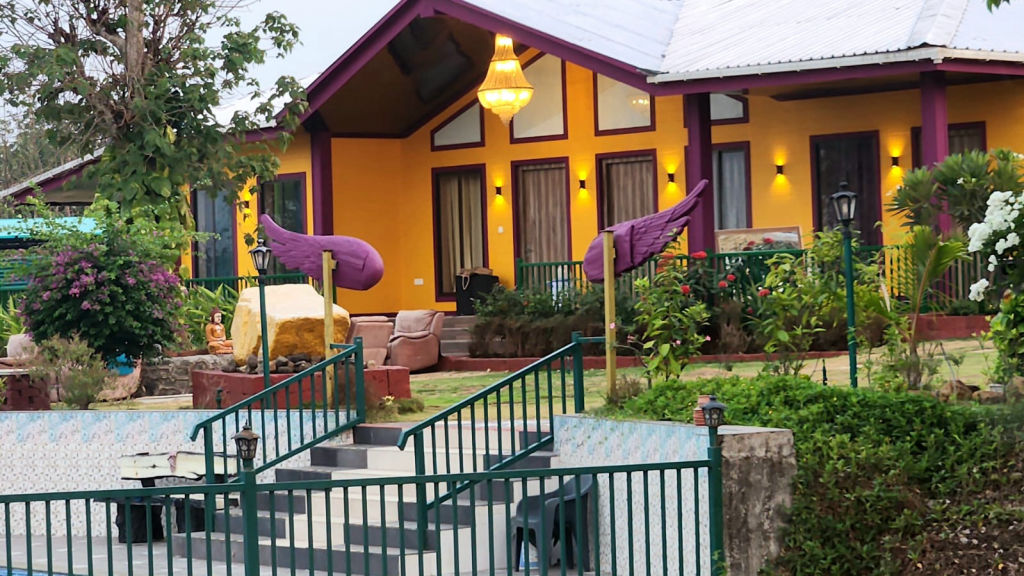


More places near Andharban Forest
Within 20 km


Lists for this area
Ranked by how many creators recommend each place


Built from 0 Instagram posts by 0 creators. Every tip links back to the post it came from, and where creators disagree we show both sides.


