
Arundhati Cave
Cave near Paliyal Gaon, Uttarakhand
4 km from Paliyal Gaon
The nearest town, for stays, food and fuel.
Arundhati Cave is a peaceful rock cavern situated on the banks of the sacred Ganga River in the Narendra Nagar region near Rishikesh, Uttarakhand. Revered for its association with Arundhati, the wife of Sage Vashistha, it attracts meditators, pilgrims, and travelers seeking deep quiet away from crowded urban centers. The cave opens toward a clean, forested shoreline, providing a timeless space for silent contemplation.
Getting there
By road
- From Paliyal GaonNearest town24 min · 18 km
- From Dehradun1 hr 30 min · 61 km
- From New Delhi4 hr 45 min · 274 km
- From Chandigarh5 hr 10 min · 231 km
Typical drive times without traffic. Stations and airports from OLA Maps; distances and typical drive times from OpenStreetMap (© OpenStreetMap contributors); notes from creators' Reels.
About Arundhati Cave
Written with AI from map data and general knowledge. Check prices and timings locally before you go.
About Arundhati Cave
Arundhati Cave is an ancient riverside cave sanctuary situated along the Ganga River in the Narendra Nagar region of Uttarakhand, located just upstream from Rishikesh. It rests in immediate proximity to the well-known Vashishtha Gufa, sharing the same serene riverside precinct. The cave is dedicated to Arundhati, the revered wife of Sage Vashistha, one of the foremost saptarshis of Vedic tradition.
Unlike bustling pilgrimage sites or commercial viewpoints, Arundhati Cave remains a refuge of silence and reflection. Travelers and spiritual practitioners journey here to step away from the faster pace of Rishikesh and experience the quietude that has defined Himalayan retreats for centuries. The cave provides natural shelter from external weather, maintaining a cool and shaded atmosphere inside even on bright, warm days.
The spiritual heritage of the cave
According to regional lore and ancient scriptural accounts, Sage Vashistha and his wife Arundhati meditated along this secluded bend of the Ganga following the tragic loss of their children. Overwhelmed with sorrow, they sought solace in deep devotion and penance along the sacred river. It is believed that their prolonged meditation charged the natural rock formations and surrounding grove with profound spiritual calm.
To this day, Arundhati Cave carries the atmosphere of intense introspection. Many seekers visit the cave not simply for sightseeing, but to sit in silence and absorb the meditative stillness preserved within the cavern walls. Inside, the quiet is punctuated only by the faint, rhythmic sound of the river rushing past the shoreline below, creating an ideal setting for pranayama, dhyana, and quiet prayer.
Read more
The riverside setting and environment
The geographic setting of Arundhati Cave is as compelling as its spiritual history. Perched slightly above the turquoise waters of the Ganga, the cave is framed by dense subtropical greenery, silver-sand river beaches, and large shade-giving trees like banyan and peepal. The mountain slopes rise steeply on either side of the river gorge, isolating the site from modern urban development.
Visitors to the cave often spend time along the riverbank after their meditation. The river here flows cleaner and cooler than in the downstream plains, with broad sandy stretches where one can walk barefoot or listen to the water. The surrounding forest is home to various Himalayan birds, langurs, and native flora, making the entire approach a pleasant immersion in the natural beauty of the lower Garhwal Himalayas.
Best time to visit Arundhati Cave
The region experiences distinct seasonal variations, and the best time to visit Arundhati Cave is generally from October through April. During the autumn and winter months, the climate is crisp, dry, and invigorating. Daytime temperatures are pleasant for sitting outdoors by the river or meditating inside the cave, while evenings can get cool, requiring light woollens.
Springtime, from late February to April, brings flowering trees, bright sunshine, and gentle breezes along the river gorge. The summer months from May to June become quite warm during the midday hours, though the interior of the cave remains noticeably cooler than the outside air. The monsoon season between July and September brings heavy rainfall to Uttarakhand, causing the Ganga to swell and churn with silt. During this period, the access paths and riverbanks can become slippery, and travelers should exercise caution and check local weather conditions before planning an excursion.
How to reach Arundhati Cave
Arundhati Cave is accessible via the Rishikesh-Badrinath highway in the Narendra Nagar administrative area. Rishikesh serves as the primary base for anyone heading to the cave. From the town center or popular hubs like Tapovan, visitors can hire local taxis, auto-rickshaws, or use shared transport running north along the river toward Shivpuri and Byasi. The drive takes travelers through scenic hillside roads that run parallel to the river gorge.
For travelers arriving by air, the nearest airport is Jolly Grant Airport in Dehradun, which is connected to Rishikesh by road. Rishikesh also has a major railway station connecting to key cities across north India. Once you reach the designated roadside access point for the ashram and cave complex, a descending stone path leads visitors through lush greenery directly down to the cave entrance and the riverbank.
Tips for your visit to Arundhati Cave
Visiting Arundhati Cave requires an attitude of quiet respect. Because the cave is an active space for meditation and spiritual contemplation, visitors are expected to maintain silence and avoid loud conversations, phone calls, or playing music. Removing footwear before entering the cave chamber is standard practice, so wearing slip-on shoes makes the transition comfortable.
Carry a water bottle and keep yourself hydrated, particularly if you plan to walk along the sandy riverbanks. Due to the natural rocky terrain and uneven steps leading down from the main road, sturdy walking shoes are recommended. Modest clothing that covers shoulders and knees is advised out of respect for the ashram community and local cultural traditions. While the river may look inviting, currents in this stretch of the Ganga can be strong and unpredictable; avoid venturing into deep water and always stay aware of your safety on the riverbank.
Places to explore nearby
A trip to Arundhati Cave can easily be paired with several notable landmarks in and around the Rishikesh valley. Adjacent to the cave lies the revered Vashishtha Gufa Ashram, which offers another deep cavern space and well-maintained spiritual grounds. Further down the river toward town, the neighborhood of Tapovan serves as a vibrant center for yoga, wellness, and river-facing walks.
Travelers interested in cultural heritage can visit the historic suspension bridges like Ram Jhula and the newly constructed Bajrang Setu glass bridge. The famous Parmarth Niketan Ashram and Triveni Ghat offer evening Ganga aarti ceremonies that present a stark and lively contrast to the secluded silence of Arundhati Cave. Those seeking forested heritage sites can also head toward the Beatles Ashram in Swarg Ashram or take a mountain detour up toward the Neelkanth Mahadev Temple perched high above the valley.
Where to stay near Arundhati Cave
Finding the right accommodation allows you to enjoy the calm Himalayan surroundings without feeling rushed. The hills, valleys, and river corridors surrounding Rishikesh and Narendra Nagar feature a diverse variety of lodging options tailored to nature lovers and retreat seekers.
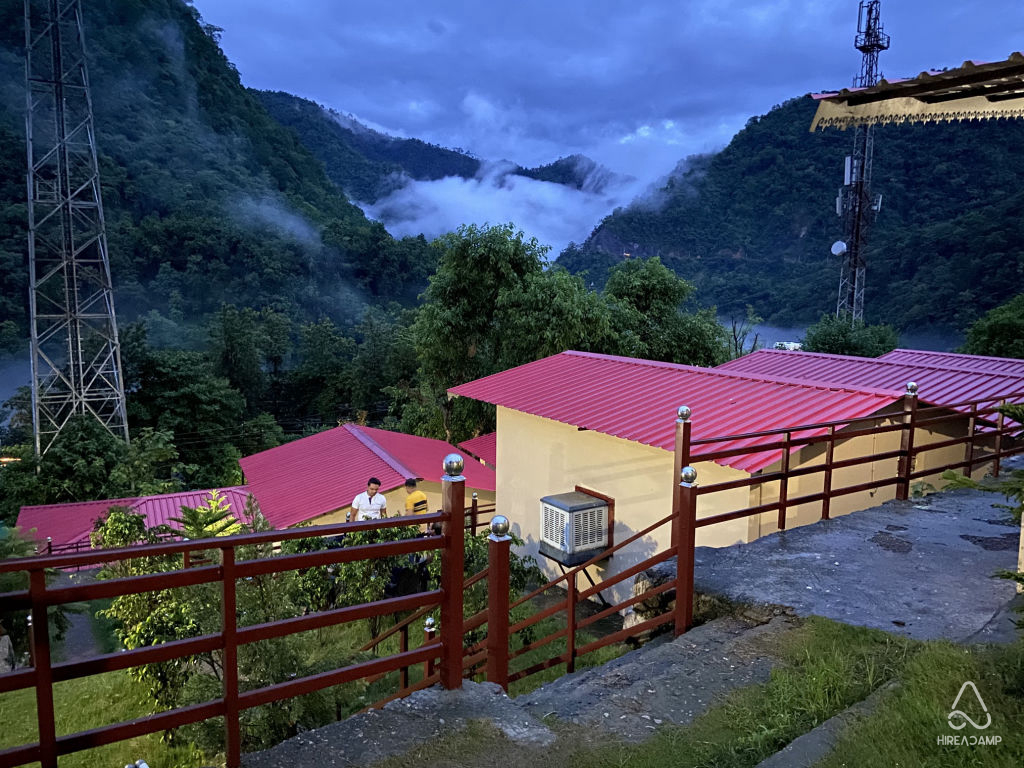
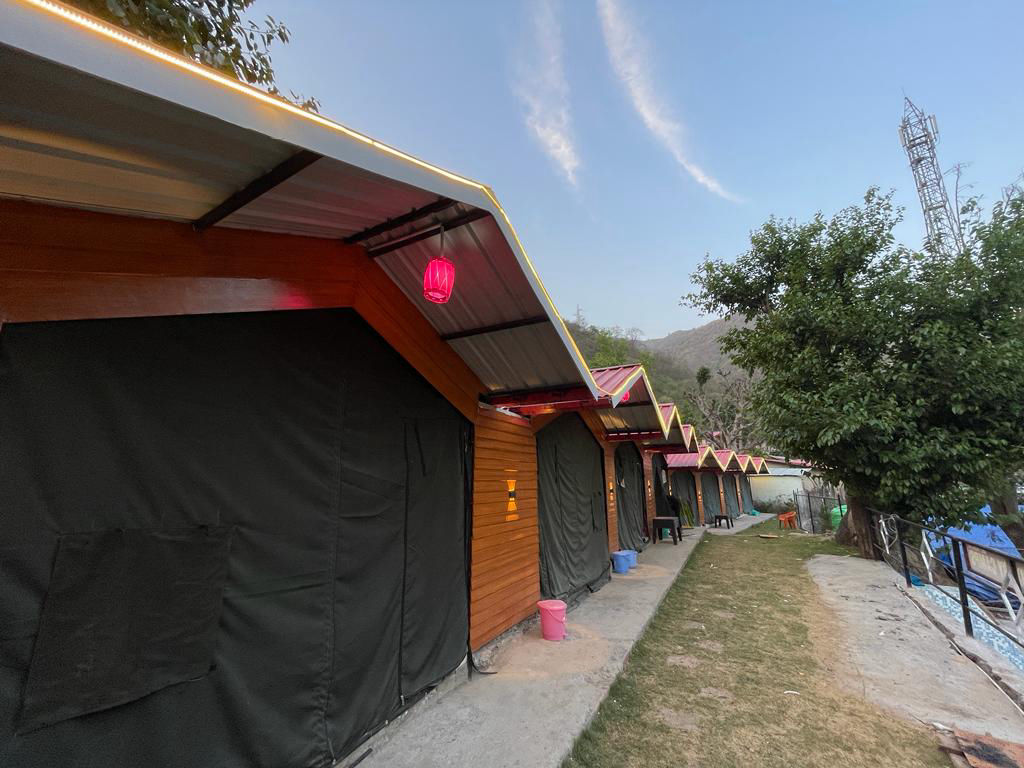
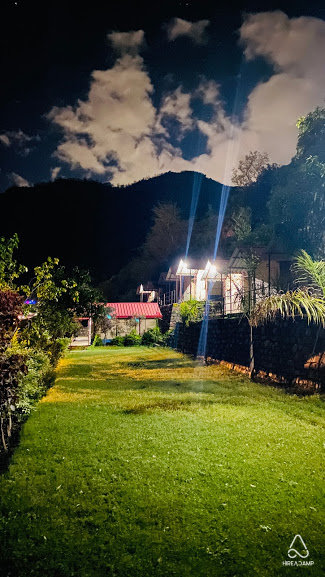
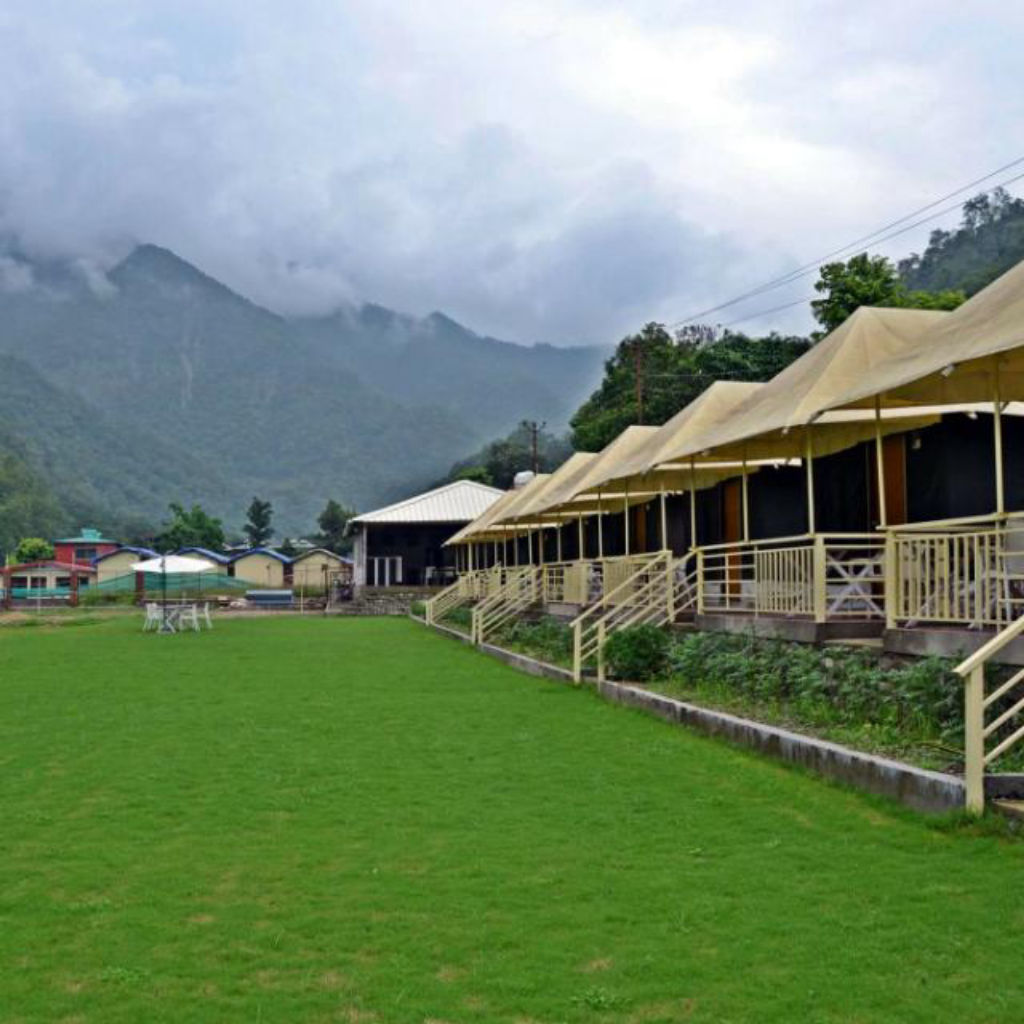
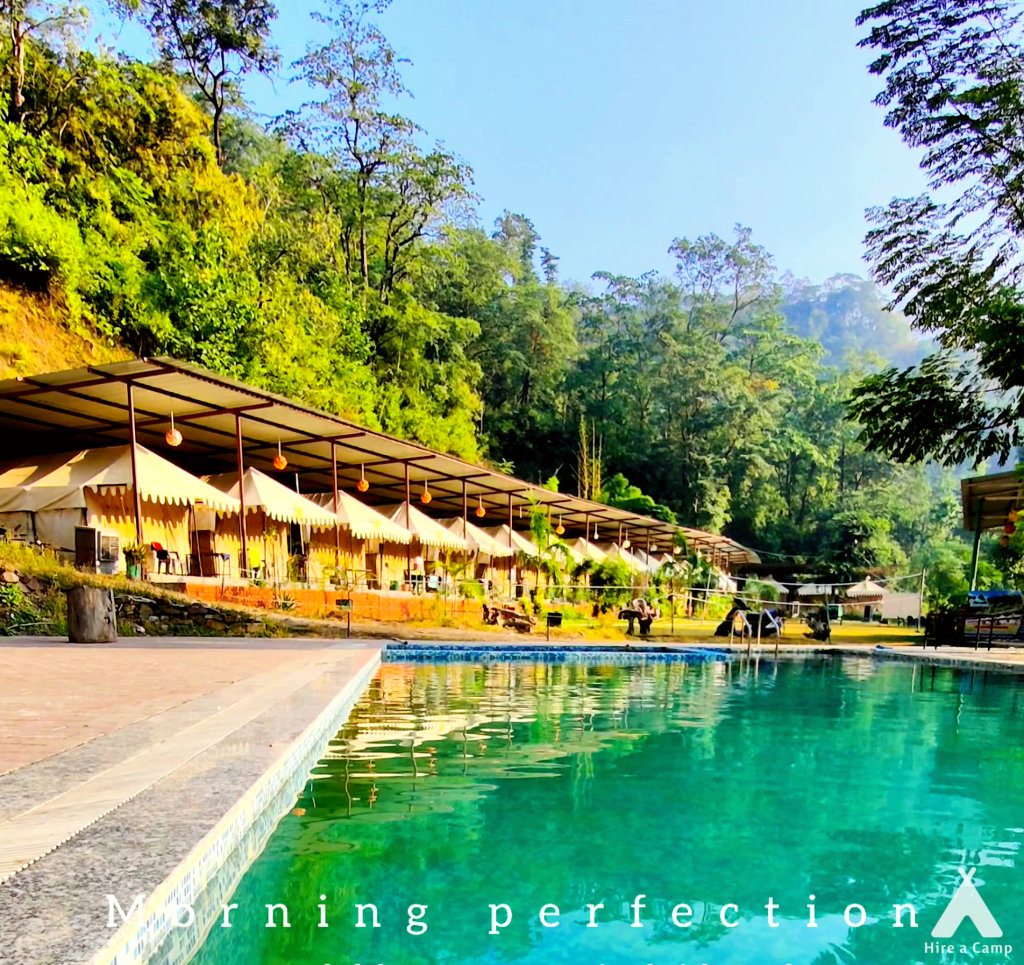
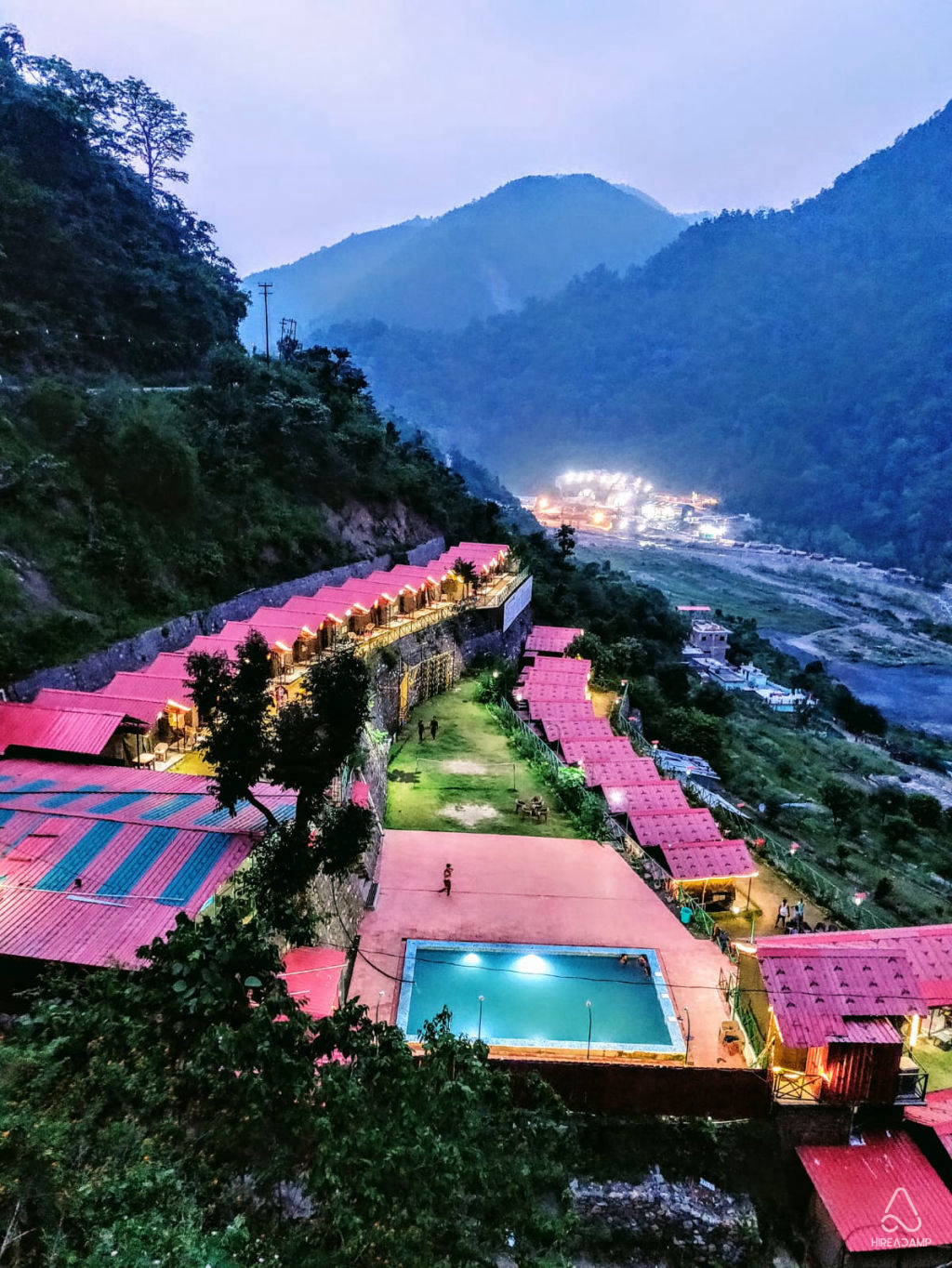
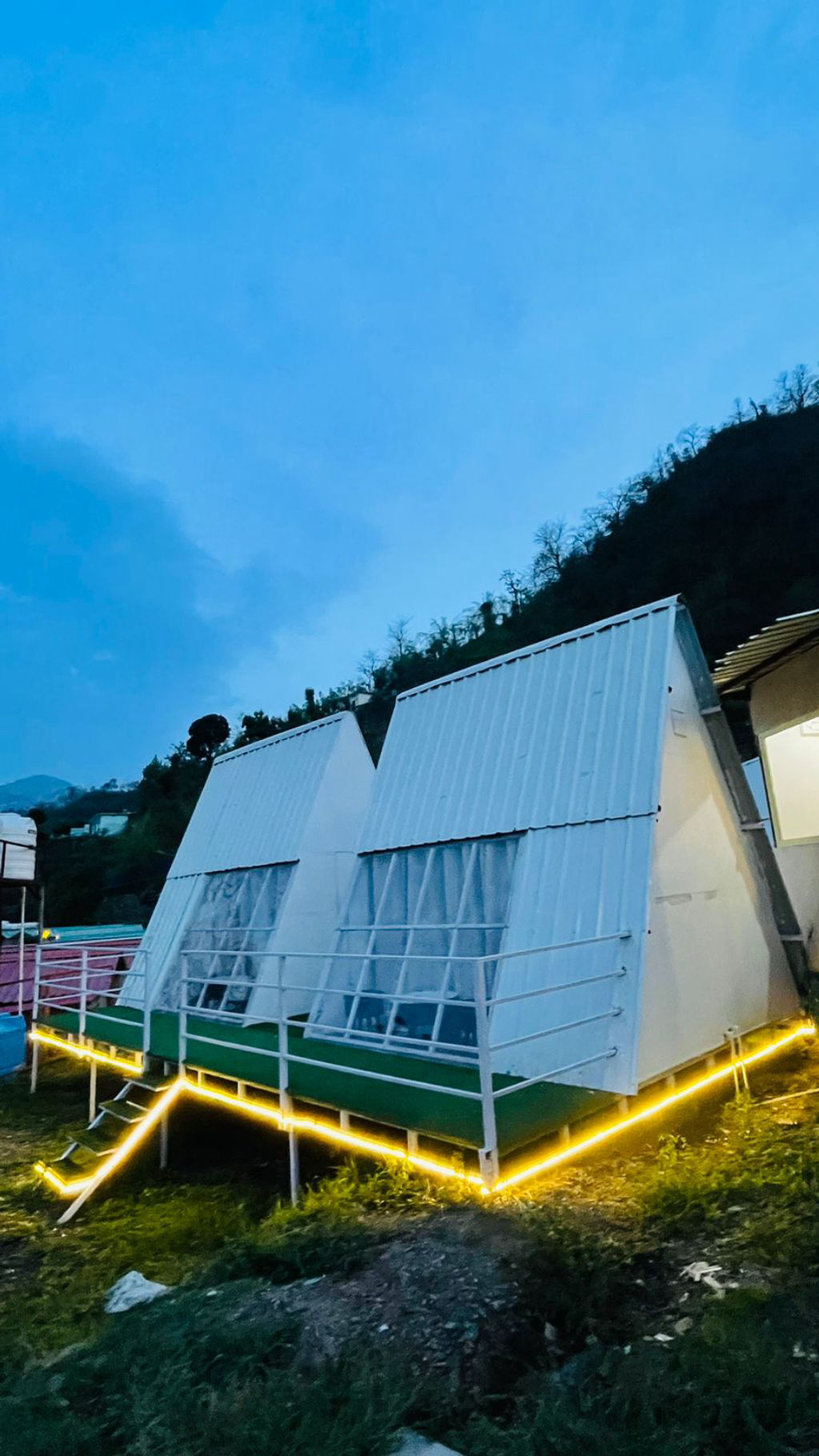
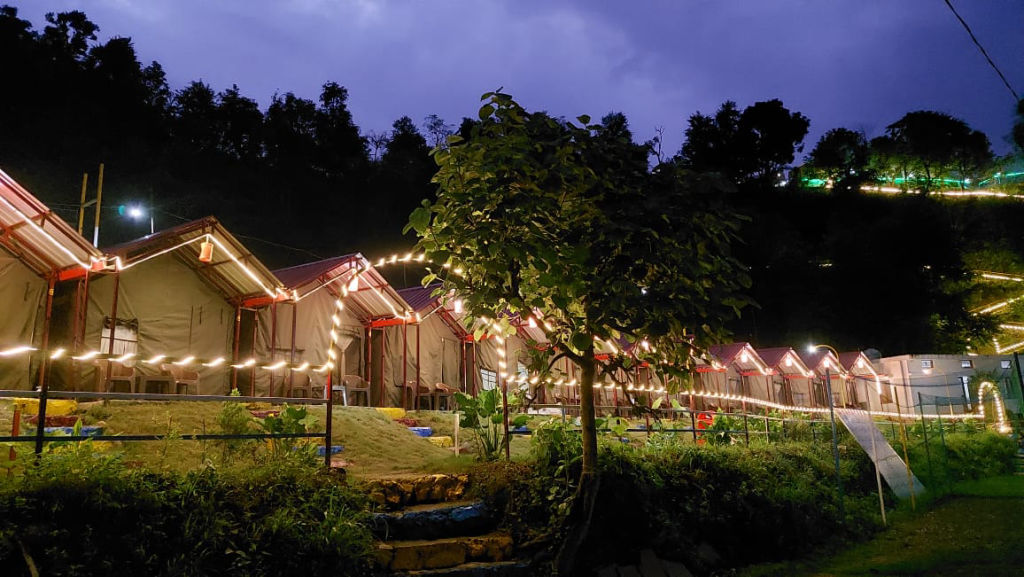
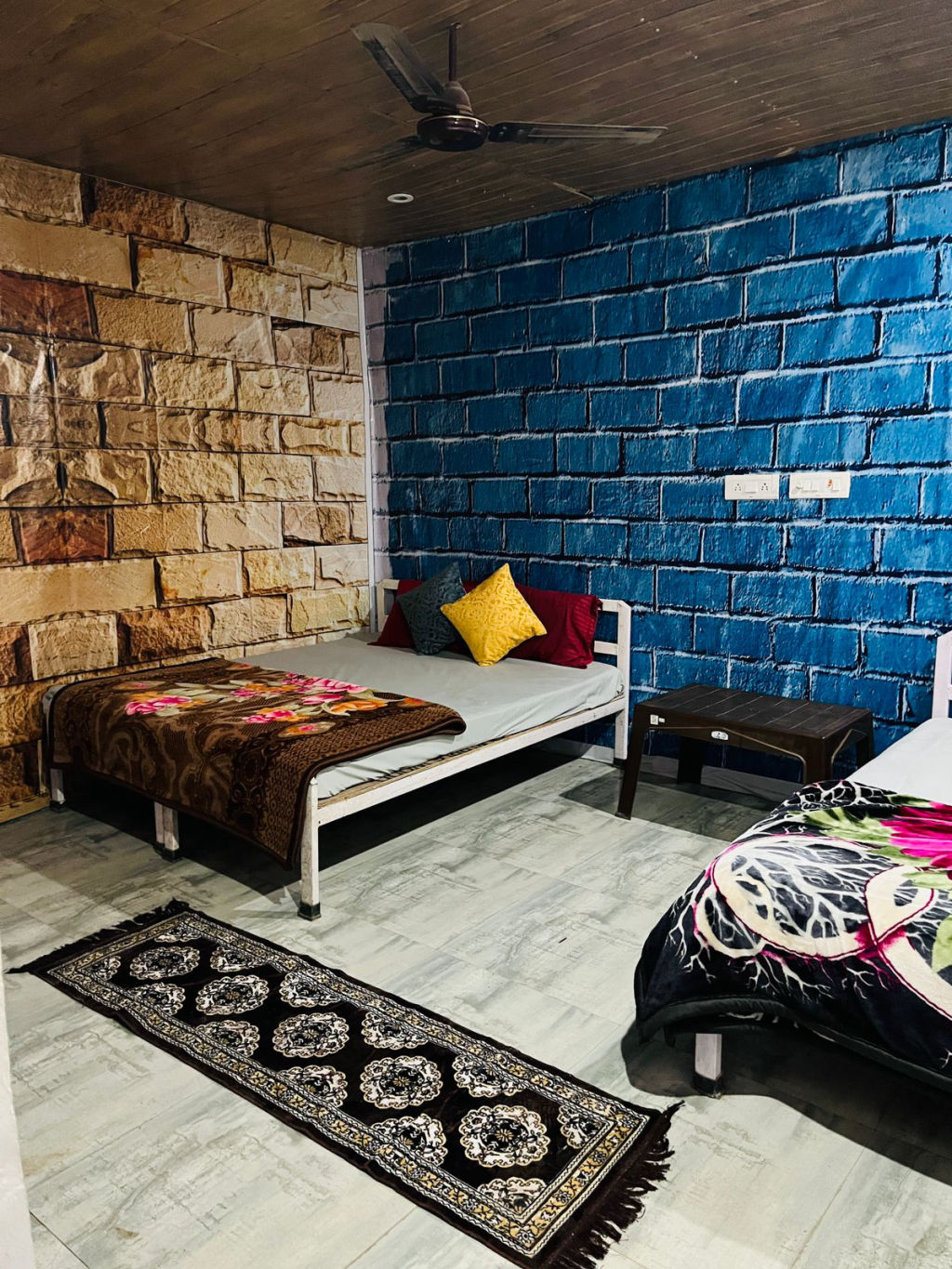
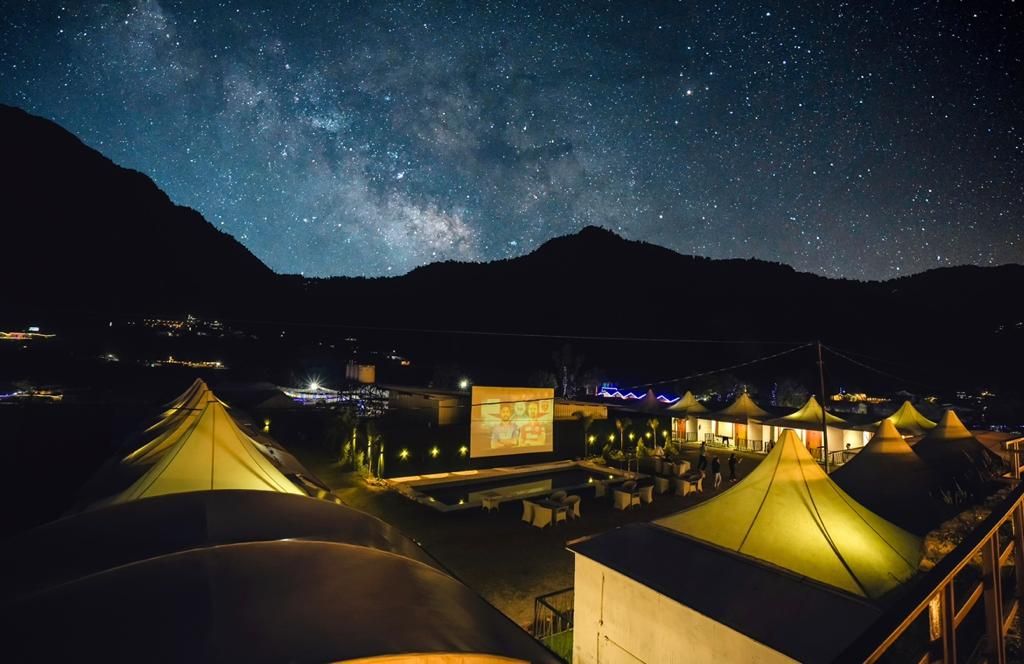
Camps, homestays and other stays nearby can be found on HireACamp. Staying a short distance upriver from the bustling municipal core gives travelers immediate access to tranquil river shores, starry night skies, and refreshing morning air, making it easy to visit Arundhati Cave during the peaceful early morning hours.
Frequently asked questions
Where is Arundhati Cave located?
Arundhati Cave is located along the Rishikesh-Badrinath highway in the Narendra Nagar region of Uttarakhand, situated directly on the banks of the Ganga River near Vashishtha Gufa.
Is Arundhati Cave separate from Vashishtha Gufa?
Yes, while both caves share the same peaceful riverside grounds and spiritual history, Arundhati Cave is a distinct natural cavern dedicated to Sage Vashistha's wife, Arundhati.
Can anyone enter Arundhati Cave to meditate?
Yes, visitors are welcome to sit inside the cave for silent meditation, provided they maintain complete silence, dress modestly, and respect the sanctity of the space.
How do I reach the cave from Rishikesh?
The cave is located roughly an hour's drive north of Rishikesh along the river highway; travelers can take a private taxi, scooter, or local shared transport to the roadside access trail.
Are there walking trails or steps down to Arundhati Cave?
Yes, visitors descend a paved stone pathway and a series of steps through a grove of trees from the main road to reach the cave entrance and the riverbank.
Where you'll be
Narendra Nagar, UT · 12 stays nearby shown with prices
Stays near Arundhati Cave
Book a place to stay close by


More places near Arundhati Cave
Within 20 km


Lists for this area
Ranked by how many creators recommend each place


Built from 0 Instagram posts by 0 creators. Every tip links back to the post it came from, and where creators disagree we show both sides.






