
Aundha Fort
Fort near Bhagur, Maharashtra
14 km from Bhagur
The nearest town, for stays, food and fuel.
Aundha Fort is an ancient hill fortress perched in the rugged Sahyadris near Sinnar in Maharashtra. Known for its historical stone-carved steps, rock-hewn water cisterns, and sweeping views of the surrounding plateau, it attracts trekkers and history enthusiasts alike. Visitors come to experience an energetic hike through rural landscapes that lead to ancient defensive ruins high above the plains.
Getting there
By road
- From BhagurNearest town36 min · 18 km
- From Nashik1 hr 5 min · 36 km
- From Mumbai 3 hr 25 min · 189 km
- From Pune4 hr 35 min · 207 km
Typical drive times without traffic. Stations and airports from OLA Maps; distances and typical drive times from OpenStreetMap (© OpenStreetMap contributors); notes from creators' Reels.
About Aundha Fort
Written with AI from map data and general knowledge. Check prices and timings locally before you go.
The Landscape and Heritage of Aundha Fort
Aundha Fort rises above the farmland and scrub of Sinnar taluka, forming part of a historic chain of hill outposts in the Nashik region. Along with its twin bastion, Patta Fort, Aundha was positioned strategically to overlook ancient trade routes connecting the fertile Khandesh plateau with the coastal Konkan region. The hill itself features characteristic volcanic basalt formations, with sheer vertical rock faces crowning a steep, conical base.
Throughout the centuries, this fortification saw the sway of several regional powers, including the Bahmanis, Nizamshahis, Mughals, and the Marathas. It served primarily as a watchtower and defensive retreat due to its commanding elevation and naturally fortified terrain. Today, while much of the upper battlements have fallen to weather and time, the surviving structures offer a vivid window into medieval mountain military architecture.
The Trek to Aundha Fort
The journey to the top of Aundha Fort begins at the quiet hamlet of Aundhewadi, nestled at the foot of the hill. The trail sets out through cultivated fields before transitioning into a winding, rocky footpath that traverses dry deciduous scrubland. As you gain elevation, the gradient becomes noticeably steeper, requiring mindful foot placement over scree and loose volcanic gravel.
The final section of the ascent is marked by steep rock-cut steps directly carved into the mountain's vertical cliff face. Some of these steps have eroded through wind and monsoon runoffs over the centuries, requiring hikers to scramble carefully using natural handholds. While moderately challenging, the ascent is well within reach for individuals with basic physical fitness. Reaching the upper plateau rewards trekkers with invigorating winds and uninterrupted vistas stretching across the Sinnar plains.
Read more
What to See Atop Aundha Fort
Reaching the summit plateau reveals several relics of Aundha's defensive past. Among the most notable features are the water cisterns, locally known as tankis, intricately carved into the solid basalt bedrock. These reservoirs were engineered to catch and filter seasonal monsoon rainwater, ensuring that garrisons stationed atop could survive prolonged blockades. Even today, several of these cisterns hold cool, clear water throughout the year.
In addition to the water tanks, visitors will discover the footings of former guard rooms, ruined defensive bastions, and rock-cut cave shelters likely used by soldiers and ascetics. The true highlight for many, however, is the expansive 360-degree vantage point. Looking outward from the edges, you can spot the massive ramparts of neighbouring Patta Fort, the sharp pinnacle of Bitangad, and on clear days, distant outlines of the Kalsubai and Anjaneri ranges.
Best Time to Visit Aundha Fort
The ideal time to explore Aundha Fort is between October and February, during the post-monsoon and winter months. In the wake of the rains, the hill slopes burst into vibrant green, and the air remains crisp and pleasant for trekking. Daytime temperatures in winter are generally mild, making the exposed cliff-side walk far more comfortable than during the sweltering heat of late spring.
The monsoon season, spanning from late June to September, lends immense drama to the landscape, draping the summit in swirling mist and feeding seasonal waterfalls down the cliffs. However, trekking during heavy rain can make the steep stone steps extremely slippery and hazardous, requiring substantial caution. Summer months from March to May bring intense heat and dry conditions across the Deccan plateau, which can make the shadeless trail draining and less rewarding.
How to Reach Aundha Fort
Aundha Fort is located near the village of Aundhewadi in Sinnar taluka, Nashik district. For travellers driving from Nashik, the journey proceeds south along state highways toward Sinnar before branching off onto rural village roads leading directly to Aundhewadi. If you are travelling from Mumbai or Pune, the approach typically connects through the Mumbai-Nashik highway or the Pune-Nashik highway respectively, turning off near Sangamner or Sinnar.
Public transportation options are also viable. Sinnar serves as the nearest major bus terminal, with regular state transport buses arriving from Nashik, Pune, and surrounding towns. From Sinnar, local rural buses or shared jeeps head towards nearby villages, though private vehicles or hired taxis from Sinnar offer the greatest flexibility, especially given the remote location of the base hamlet.
Tips for Your Visit to Aundha Fort
Because Aundha Fort does not feature commercial stalls or drinking water kiosks along the trail, self-sufficiency is essential. Carry at least two to three litres of drinking water per person, along with energy-dense snacks, fruit, and basic first-aid supplies. Wearing sturdy trekking shoes with reliable rubber grip is critical, particularly on the loose scree paths and slippery cliff steps.
Sun protection is equally important. Much of the route is exposed to direct sunlight with minimal tree cover, so pack a broad-brimmed hat, sunglasses, and sunscreen. Start your trek early in the morning, ideally around sunrise, to beat the midday sun and maximize daylight for exploring the ruins. As with any outdoor historic site, respect the local environment by packing out all your plastic waste and leaving the ancient structures undisturbed.
Places to Visit Nearby
A journey to Aundha Fort can easily be combined with other heritage and scenic attractions in the Sinnar and Nashik area. Just around twenty kilometres away sits the town of Sinnar, home to the magnificent Gondeshwar Temple, a 12th-century stone temple built in the classic Hemadpanthi style. In the same general area, visitors can stop at the Gargoti Gem and Mineral Museum to view natural zeolite crystals and rare geological specimens.
Those looking to continue exploring regional peaks can travel toward Anjaneri and Brahmagiri, revered hill sites located further west near the holy town of Trimbakeshwar. For cultural immersion, the temple shrines of Panchavati, Ramkund, and the ancient rock-cut Pandav Leni caves in Nashik provide a deep dive into the region's spiritual and monastic heritage.
Where to Stay Around Aundha Fort
Accommodation options right at the base of the fort are minimal, with the surrounding countryside offering quiet, uncommercialized rural terrain. Trekkers typically base themselves in Sinnar or the larger city of Nashik, which offer a wide array of urban lodgings and transit connections.
For travellers who prefer spending the night closer to nature, rural farm stays, boutique hillside retreats, and scenic campsites are located throughout the surrounding valleys and along the dams of the Nashik countryside. A curated selection of camps, homestays, and outdoor stays nearby can be booked through HireACamp to suit your adventure itinerary.
Frequently asked questions
How difficult is the trek to Aundha Fort?
The trek is considered easy to moderate. While the trail from Aundhewadi starts gently, the upper section involves steep rock-cut steps and minor scrambles that require surefootedness.
How long does it take to climb Aundha Fort?
On average, it takes between one and a half to two hours to reach the summit plateau from the base village of Aundhewadi, with another hour to descend.
Are there food and water facilities at Aundha Fort?
No, there are no shops, food stalls, or guaranteed drinking water sources on the mountain. Visitors must carry all necessary water and food with them from Sinnar or Nashik.
Can Aundha Fort be visited during the monsoon?
Yes, but extra caution is necessary. The rock-cut steps become slick when wet, and heavy fog can limit visibility along the exposed cliff sections.
What is the historical significance of Aundha Fort?
Aundha Fort served as a strategic watchtower and defensive outpost alongside neighbouring Patta Fort during the medieval era and the Maratha Empire, overlooking key trade corridors between the Deccan plateau and the Konkan.
Where you'll be
Aundhewadi, Sinnar, MH · 6 stays nearby shown with prices
Stays near Aundha Fort
Book a place to stay close by


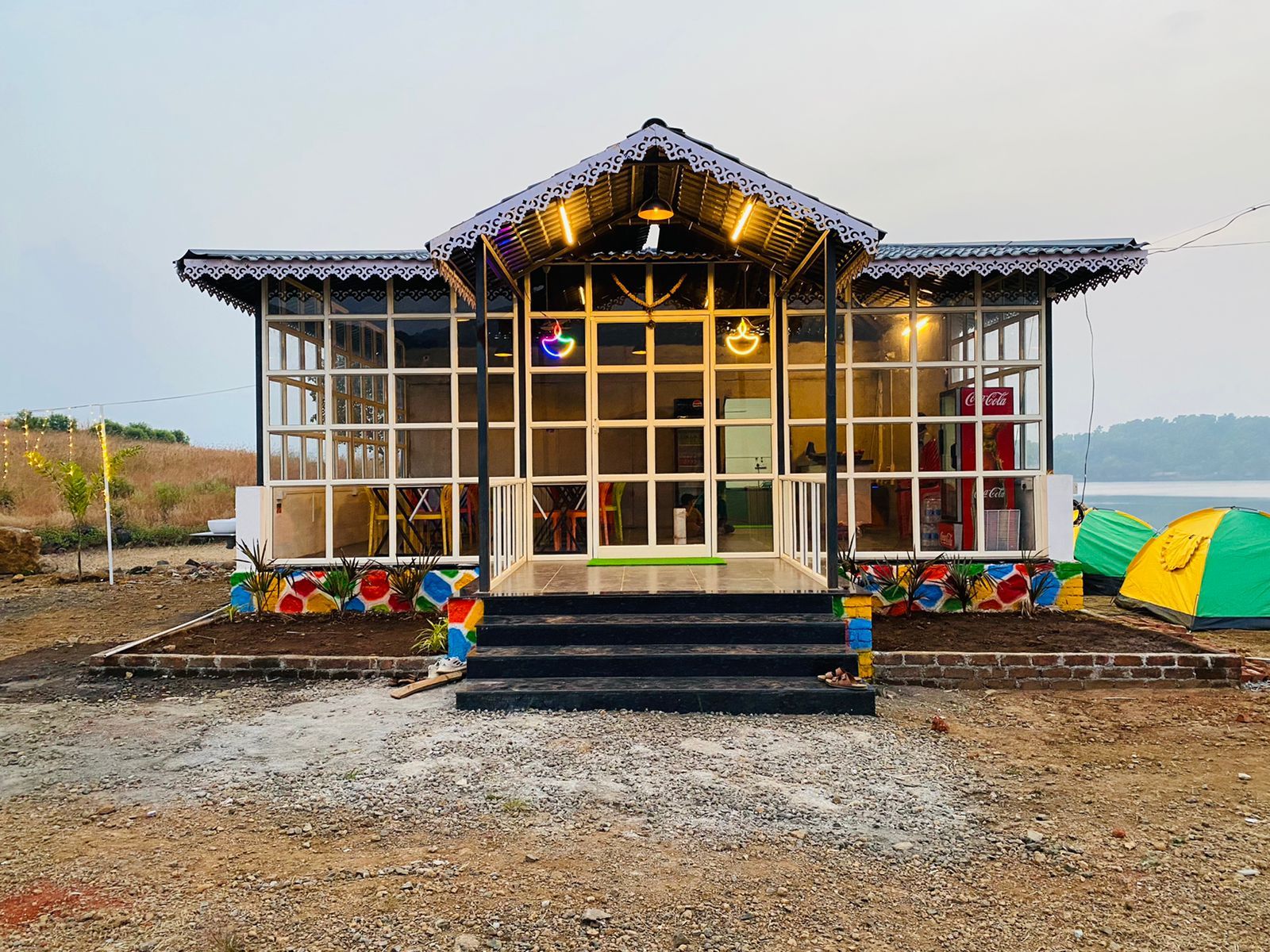
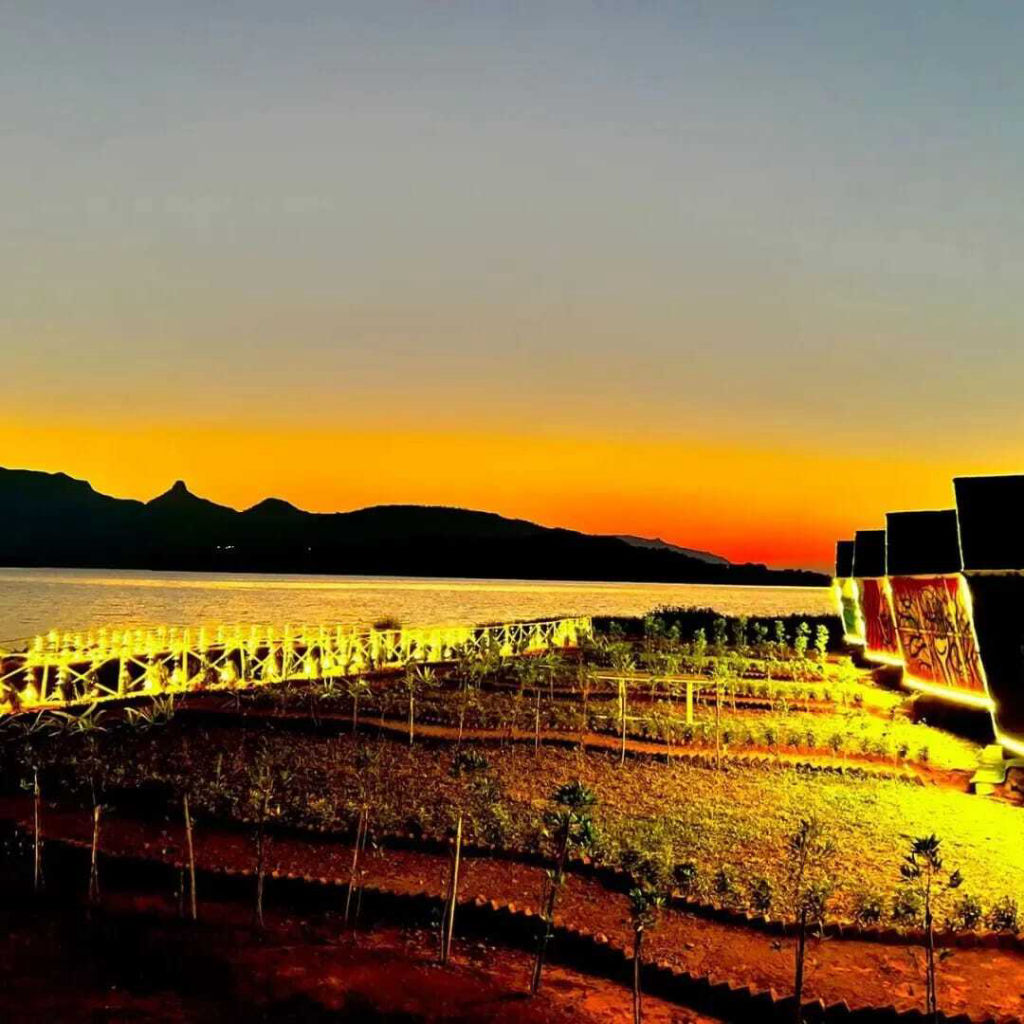
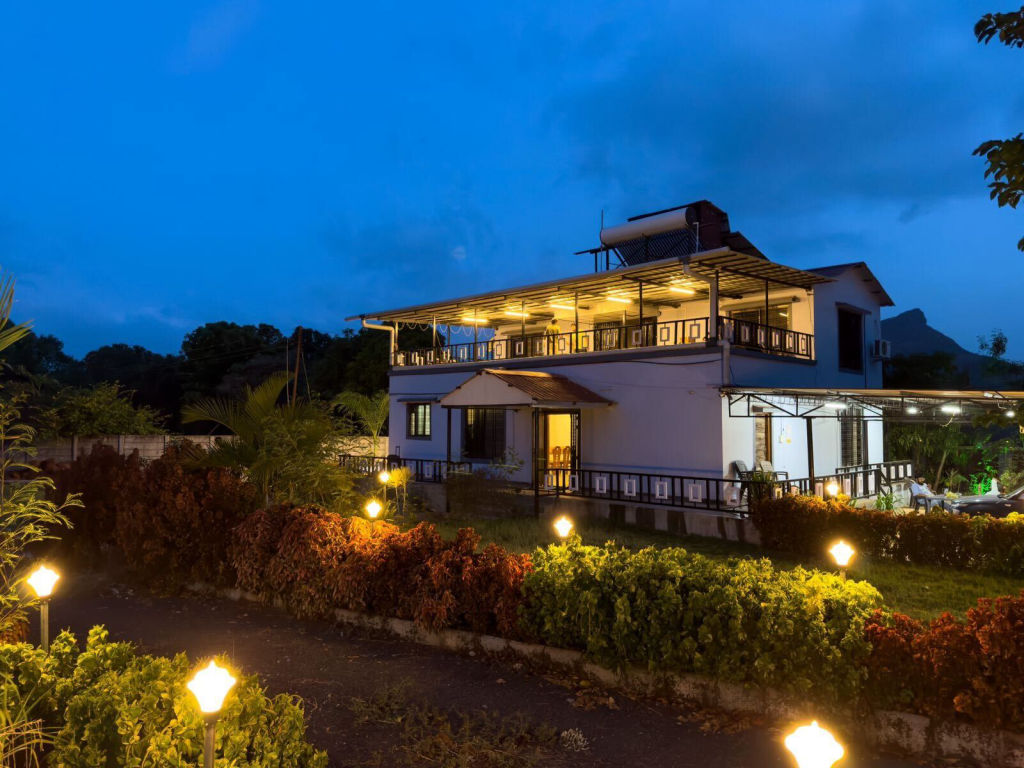
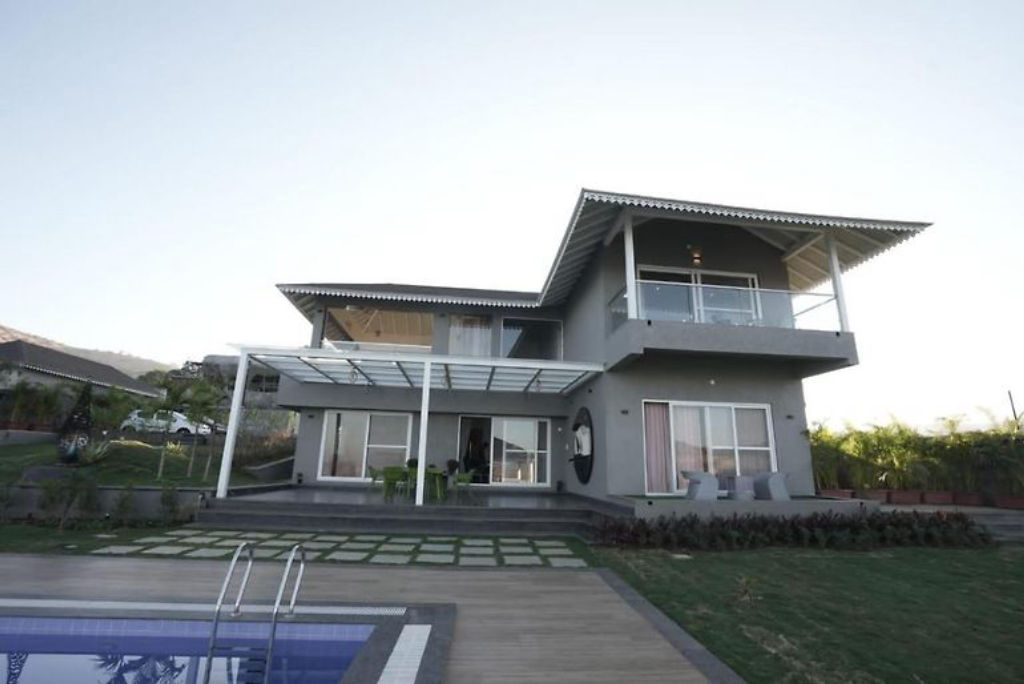
More places near Aundha Fort
Within 20 km


Lists for this area
Ranked by how many creators recommend each place


Built from 0 Instagram posts by 0 creators. Every tip links back to the post it came from, and where creators disagree we show both sides.






