
Tahakari Jagdamba Temple
Temple near Akola, Maharashtra
14 km from Akola
The nearest town, for stays, food and fuel.
Tahakari Jagdamba Temple is an ancient stone shrine located in the village of Tahakari near Akole in Maharashtra. Dedicated to Goddess Jagdamba, the temple is known for its classical Hemadpanthi architecture and intricate stone carvings dating back to the medieval Yadava period. Visitors and heritage travellers come here to admire the historic craftsmanship and experience a quiet slice of rural Sahyadri culture.
Getting there
By road
- From AkolaNearest town46 min · 28 km
- From Nashik1 hr 35 min · 58 km
- From Mumbai 3 hr 45 min · 203 km
- From Pune4 hr 15 min · 182 km
Typical drive times without traffic. Stations and airports from OLA Maps; distances and typical drive times from OpenStreetMap (© OpenStreetMap contributors); notes from creators' Reels.
About Tahakari Jagdamba Temple
Written with AI from map data and general knowledge. Check prices and timings locally before you go.
About Tahakari Jagdamba Temple
Tahakari Jagdamba Temple is one of the fine examples of medieval stone temple architecture preserved in rural Maharashtra. Situated in the Akole taluka of Ahmednagar district, this historic shrine is dedicated to Goddess Jagdamba, a form of the divine mother widely revered across the Deccan plateau. The temple stands as a testament to the prolific building activity of the Yadava era, during which numerous stone structures were erected across the northern Sahyadri belt.
Unlike large pilgrimage hubs that have undergone modern cement renovations, the temple at Tahakari retains much of its authentic basalt masonry. Its setting inside a quiet village surrounded by agricultural fields gives travellers an opportunity to study medieval stone craftsmanship in an uncrowded atmosphere. For those exploring the heritage circuits around Nashik, Bhandardara, and Sinnar, this temple serves as an evocative stop steeped in regional history.
Architecture and Stone Carvings
The temple is constructed in the classical Hemadpanthi style of architecture, characterised by the precise interlocking of dressed basalt stone blocks without the use of mortar. The layout follows traditional temple design, featuring an entrance porch, an assembly hall or sabha mandapa supported by elaborately carved pillars, an antechamber, and the inner sanctum where the presiding deity is enshrined. Heavy stone pillars carved with floral bands, geometric patterns, and miniature niches support the stone ceiling above.
The exterior facade of the temple displays an impressive array of narrative stone sculptures and decorative friezes. Deeply chiselled carvings depict deities, celestial musicians, dancing figures, and mythological creatures. Lower plinth bands often feature friezes of marching elephants and horses, reflecting the artistic vocabulary common to twelfth and thirteenth century Western Indian architecture. The dark weathered stone gives the entire structure an enduring and dignified presence.
Read more
Best Time to Visit Tahakari Jagdamba Temple
The ideal period to visit Tahakari Jagdamba Temple spans from October through February. During these post-monsoon and winter months, the climate across the Sahyadri foothills is crisp, cool, and comfortable for exploring stone monuments on foot. Daytime temperatures remain pleasant, and the surrounding countryside retains the fresh greenery brought by the seasonal rains.
The monsoon months between late June and September transform the landscape into lush green fields and bring mist-laden hills to the western horizon. While the scenery during the rains is stunning, travel on rural approach roads requires caution during heavy downpours. Devotees also gather at the temple during regional Hindu festivals such as Navratri, when special prayers and village gatherings occur. If you are seeking quiet architectural exploration and photography, regular weekday mornings outside festival periods are ideal.
How to Reach Tahakari Jagdamba Temple
Tahakari Jagdamba Temple is situated in the Akole area and is accessible by road from major hubs including Nashik, Mumbai, and Pune. Travellers coming from Nashik can head south via Sinnar or Ghoti before joining rural state highways leading toward Akole. From Mumbai, the standard driving route follows National Highway 160 over Kasara Ghat toward Igatpuri and Ghoti, continuing inland toward the Akole countryside.
Travellers driving from Pune typically take the Pune-Nashik highway via Sangamner or travel via Narayangaon and Otur depending on the preferred route. State transport buses run regular services connecting Akole and Sangamner with surrounding districts, though reaching Tahakari village itself is easiest via private car, hired taxi, or local auto-rickshaw. Having your own transport allows the freedom to explore nearby heritage sites and mountain routes at a comfortable pace.
Tips for Your Visit
Because Tahakari Jagdamba Temple is an active place of local worship, visitors should observe traditional decorum. Modest clothing covering shoulders and knees is appropriate, and footwear must be removed before stepping onto the temple plinth or into the mandapa. The dark basalt stone can absorb midday heat, so planning your walk around the structure during early morning or late afternoon hours makes for a far more comfortable visit.
Local infrastructure in Tahakari village is basic. You will find small village stalls offering tea, water, and simple snacks, but comprehensive dining options, banking services, and fuel stations are located in larger towns such as Akole or Sangamner. Carrying cash is advisable as mobile network connectivity for digital payments can be intermittent in rural pockets. Visitors keen on temple photography should bring lenses capable of handling both dark stone sanctum interiors and detailed exterior carvings.
Places to Visit Nearby
A trip to Tahakari Jagdamba Temple can easily be combined with exploring the cultural and natural attractions of the surrounding Sahyadri belt. North of the village near Sinnar stands the Gondeshwar Temple, a remarkably preserved panchayatana-style temple complex that represents the pinnacle of Yadava architecture. To the west, tucked away near Bhandardara, lies the ancient Shree Amruteshwar Temple at Ratanwadi, known for its intricate stone tank and ceiling reliefs.
Outdoor enthusiasts can head toward Kalsubai Peak, the highest summit in Maharashtra, which offers challenging hiking trails and panoramic vistas across the Sahyadri ranges. The Bhandardara region also hosts scenic natural attractions such as the dramatic gorge of Sandhan Valley, historical mountain bastions like Harishchandragad, and seasonal cascades including Vasundhara Waterfall near Koltembhe, making the entire circuit rewarding for road trips.
Where to Stay
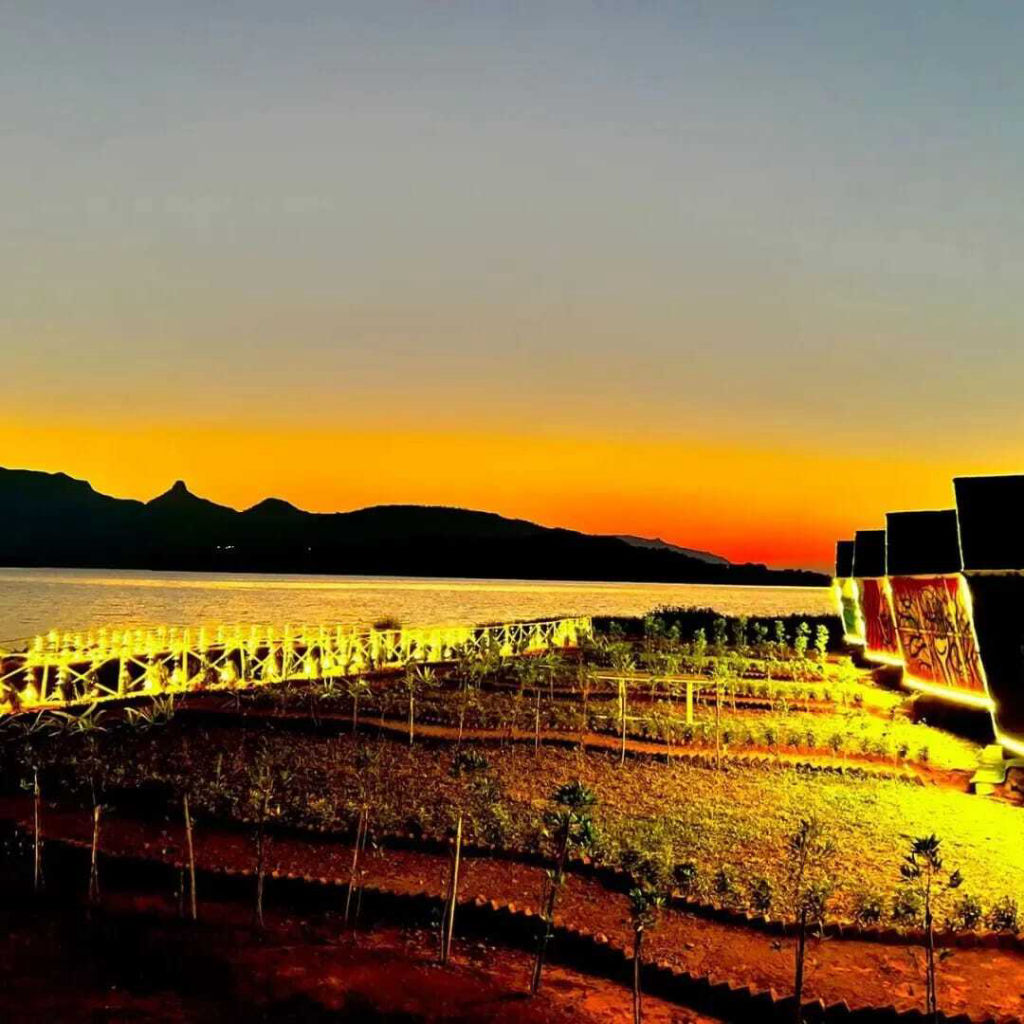
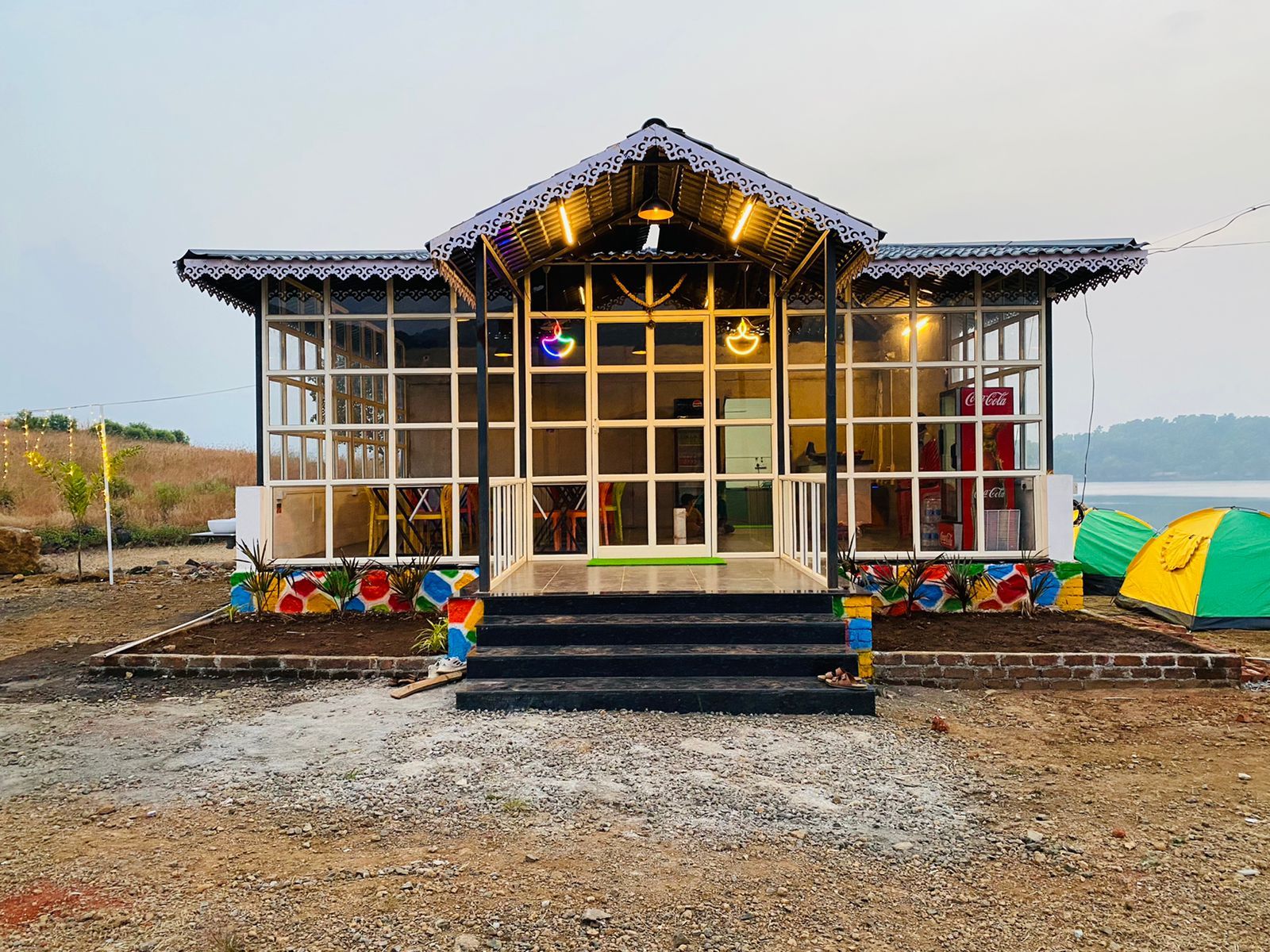
Tahakari is a small agricultural village without commercial hotels or resorts, so travellers generally choose accommodation in the broader Akole, Bhandardara, or Igatpuri belts. The surrounding region offers a wide variety of rural experiences, ranging from quiet lakeside campsites pitched beneath mountain silhouettes to traditional farm homestays run by local families.
Opting for a homestay provides an authentic taste of local hospitality, regional culture, and home-cooked Maharashtrian meals prepared with locally grown staples. If you prefer sleeping close to nature, outdoor campsites near the reservoirs and trekking trails offer tranquil bases for stargazing and exploring. You can discover and book verified campsites, homestays, and experiential stays throughout the Akole and Bhandardara area on HireACamp.
Frequently asked questions
Where is Tahakari Jagdamba Temple located?
Tahakari Jagdamba Temple is located in Tahakari village in the Akole taluka of Ahmednagar district, Maharashtra, close to the borders of Nashik district.
What is the architectural style of Tahakari Jagdamba Temple?
The temple is built in the Hemadpanthi style of architecture, an indigenous medieval method characterised by mortarless, interlocking basalt stone masonry and detailed carved ornamentation.
What is the best time of year to visit?
The best season to visit is from October to February when the weather is cool and pleasant, though the monsoon months from July to September offer lush green landscapes across the surrounding hills.
Can the temple be visited as a day trip?
Yes, it can easily be visited on a day trip from nearby towns and cities such as Nashik, Sangamner, Akole, or Bhandardara.
Are there places to stay close to Tahakari?
While the village itself does not have commercial hotels, a variety of homestays, nature retreats, and outdoor campsites in the nearby Akole and Bhandardara areas can be booked on HireACamp.
Where you'll be
Akola, MH · 3 stays nearby shown with prices
Stays near Tahakari Jagdamba Temple
Book a place to stay close by

More places near Tahakari Jagdamba Temple
Within 20 km


Lists for this area
Ranked by how many creators recommend each place


Built from 0 Instagram posts by 0 creators. Every tip links back to the post it came from, and where creators disagree we show both sides.






