
Patta Fort
Fort near Baari, Maharashtra
16 km from Baari
The nearest town, for stays, food and fuel.
Patta Fort, historically celebrated as Vishramgad, is an expansive hill fortress set amidst the Sahyadri mountains along the borders of Nashik and Ahmednagar in Maharashtra. Renowned for its connection to Maratha history as a place of respite for Chhatrapati Shivaji Maharaj, it attracts trekkers, history enthusiasts, and weekend explorers. The broad summit plateau offers sweeping vistas of the rugged Western Ghats, ancient stone architecture, and quiet mountain trails.
Getting there
By road
- From BaariNearest town49 min · 27 km
- From Nashik1 hr 35 min · 62 km
- From Mumbai 3 hr 25 min · 189 km
- From Pune4 hr 40 min · 182 km
Typical drive times without traffic. Stations and airports from OLA Maps; distances and typical drive times from OpenStreetMap (© OpenStreetMap contributors); notes from creators' Reels.
About Patta Fort
Written with AI from map data and general knowledge. Check prices and timings locally before you go.
History and Significance of Patta Fort
Patta Fort holds an esteemed place in regional Maratha history. In November 1679, after carrying out an expedition at Jalna, Chhatrapati Shivaji Maharaj and his troops were pursued by Mughal forces. Shivaji Maharaj led his men across the rough terrain to take shelter and regroup at Patta Fort. Because the great warrior rested here after a prolonged campaign, the fortress earned the honorary title of Vishramgad, translating to the fort of rest.
The strategic location of the fort allowed Maratha sentinels to monitor mountain passes and movements across the valley connecting northern Maharashtra to the central plains. Over time, ownership shifted between regional powers, leaving behind weathered bastions, rock-cut reservoirs, and entry arches that speak to its military importance during the seventeenth and eighteenth centuries.
The Trek to Patta Fort
The trekking route to Patta Fort begins at the foot of the hill near the village of Pattawadi. The ascent is considered relatively gentle to moderate, making it accessible to beginners, families, and seasoned trekkers alike. From the base, a well-trodden trail winds past local farmlands and climbs steadily through scrub and rocky paths before meeting stone-cut stairways built into the hillside.
As you climb, the landscape opens up dramatically behind you, revealing wide agricultural valleys and distant hillocks. The final stretch leads up through an arched gateway onto the massive plateau at the summit. Because the path is clear and not overly steep, the hike allows visitors to soak in the tranquil pace of the countryside without needing technical mountaineering gear.
Read more
What to See on the Fort
The summit of Patta Fort is a remarkably large tableland that takes considerable time to explore fully. Near the center stands a restored temple and community hall dedicated to Shri Laxmanji, which has historically offered shelter to pilgrims and trekkers. Close by, several rock-cut water cisterns and natural tanks can be found, demonstrating the water conservation techniques engineered by the builders to survive prolonged sieges.
Walking along the outer edges of the plateau brings you to the remains of defensive bastions and crumbling rampart walls that look out across neighboring peaks. From the southern perimeter, one can clearly spot the silhouette of Aundha Fort, while the towering ridgeline of Kalsubai Peak dominates the horizon to the southwest. The open breeze, panoramic viewpoints, and scattered architectural remnants make exploring the flat expanse rewarding.
Best Time to Visit Patta Fort
The ideal time to plan a trek to Patta Fort is during the monsoon and winter seasons, extending from July to February. Monsoon transforms the rocky Sahyadri landscape into a vibrant green carpet, with low-hanging clouds drifting over the ramparts and seasonal streams tumbling down the hillsides. Hikers visiting during this period should prepare for occasional heavy rains and slick rock surfaces along the trail.
Winter, running from November through February, brings clear blue skies, crisp morning air, and comfortable daytime temperatures that make traversing the exposed plateau top effortless. Summers, starting from late March through June, can be harsh and arid in this part of Maharashtra, with intense afternoon heat and dry winds, so visits during those months are best confined to early morning hours.
Places to Visit Nearby
A visit to Patta Fort can easily be combined with exploring the rich cultural and natural heritage of the surrounding region. Roughly eighteen kilometers to the southwest rises Kalsubai Peak, the highest summit in Maharashtra, which is a prime draw for adventurous hikers. Travelers interested in ancient stone craftsmanship can head toward Sinnar, approximately twenty-four kilometers away, to visit the intricately carved eleventh-century Gondeshwar temple.
Toward the Nashik side, roughly thirty to thirty-five kilometers away, lie numerous historical and geological wonders. These include the ancient rock-cut Pandav Leni caves carved into the Trirashmi hills, the sacred riverside ghats of Ramkund in Panchavati, and traditional spiritual landmarks like Sita Gufa and Shree Kalaram Mandir. Nature enthusiasts can also head west to check out seasonal cascades like Someshwar Waterfall or trek to the historic Anjaneri peak.
Tips for Your Visit and Where to Stay
When preparing for Patta Fort, dress in comfortable outdoor clothing and wear sturdy shoes with reliable grip for walking over uneven rock and loose dirt. The broad plateau offers very little shade once you leave the temple shelter, so carrying a wide-brimmed hat, sunglasses, and adequate drinking water is essential. Since facilities at the summit and the base village are minimal, pack personal snacks and carry all garbage back down to keep the fort clean.
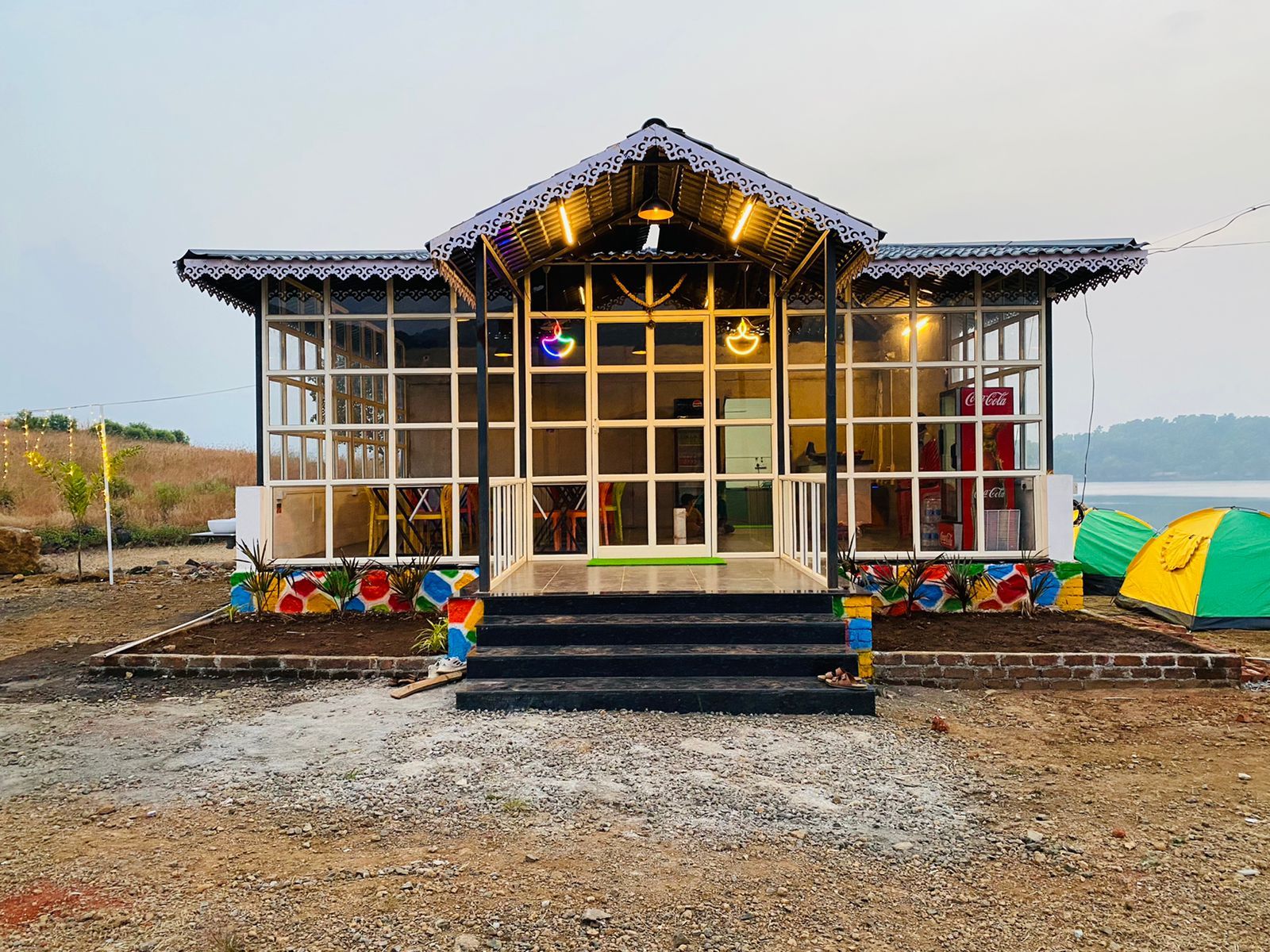
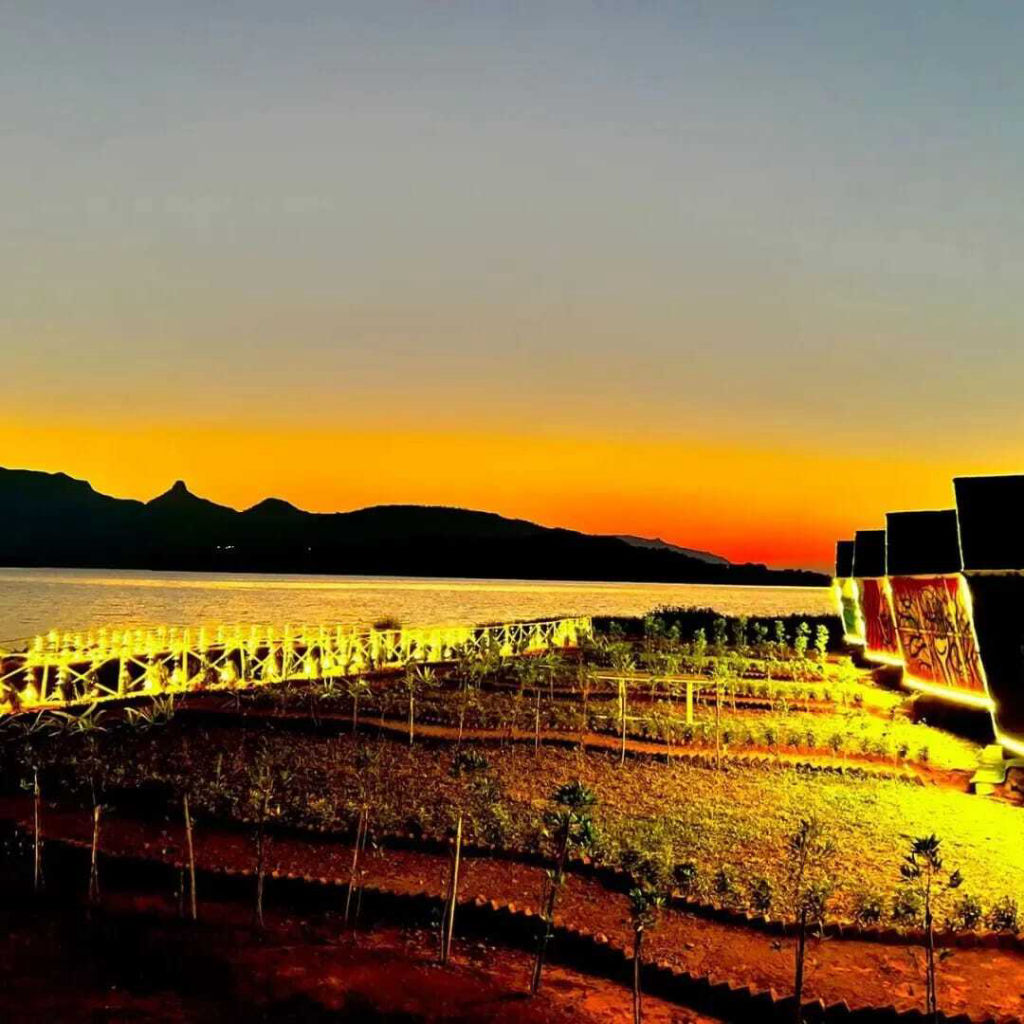
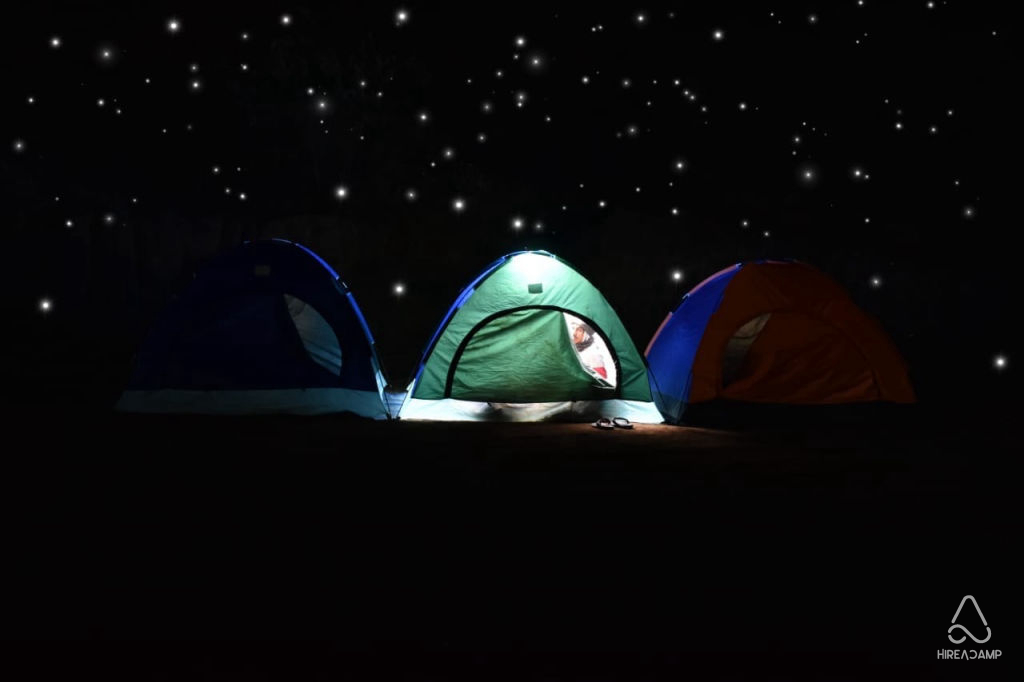
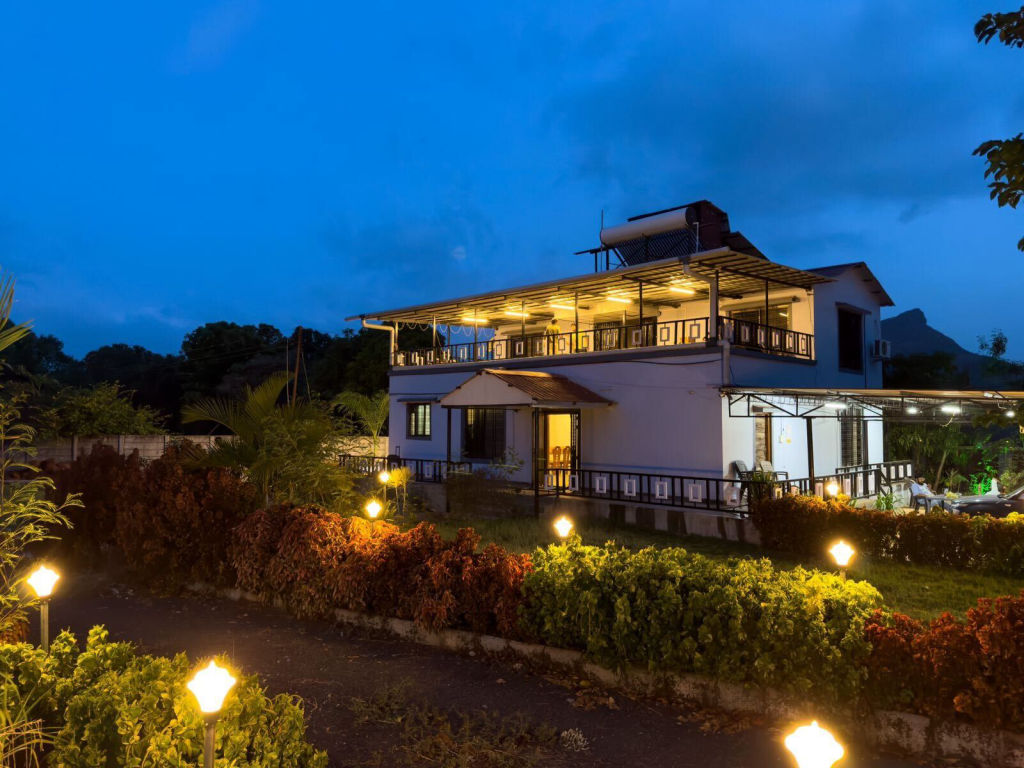
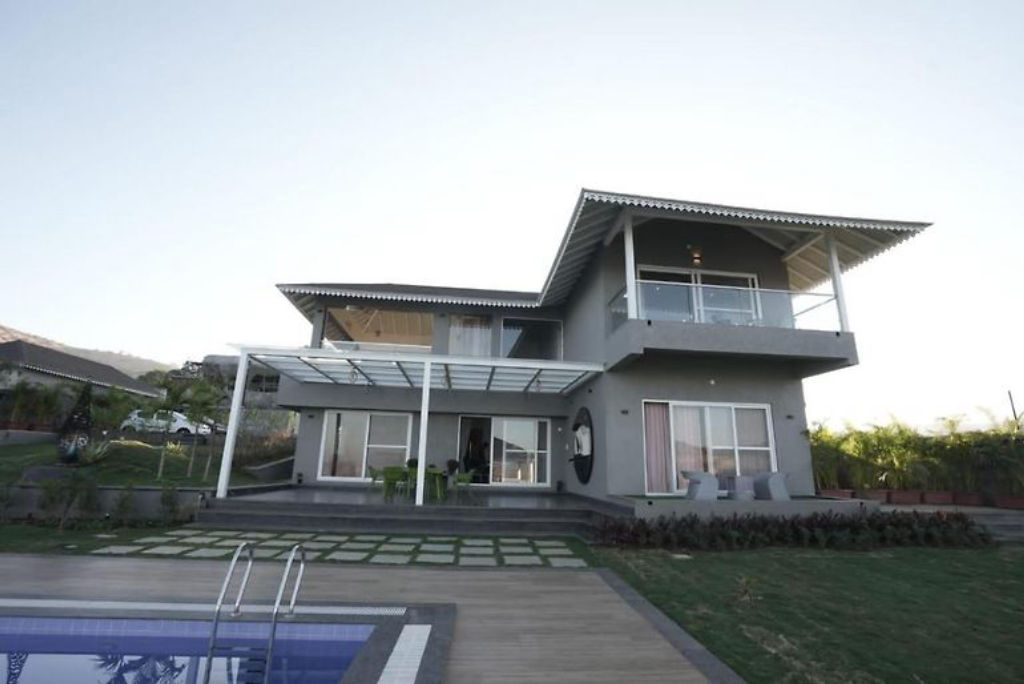
For accommodation, visitors can find a variety of rural homestays, lakeside campsites, and nature cottages scattered across the Akole, Bhandardara, and Nashik belts. You can discover and book nearby camping spots and authentic local homestays on HireACamp to turn your day trek into a relaxing outdoor getaway.
Frequently asked questions
How difficult is the trek to Patta Fort?
The trek to Patta Fort is generally rated as easy to moderate. The route features well-defined trails and stone steps from the base village, making it manageable for both beginners and experienced hikers.
Why is Patta Fort called Vishramgad?
The fort is known as Vishramgad, meaning the fort of rest, because Chhatrapati Shivaji Maharaj rested and took refuge here with his troops in 1679 following an expedition to Jalna.
What is the best starting point for the trek?
The trek typically begins from Pattawadi, a small base village located at the foot of the hill, where visitors can park vehicles and access the main trail.
Is drinking water available on top of Patta Fort?
While there are ancient rock-cut water cisterns and tanks across the plateau, the water may not be potable year-round. It is advisable to carry sufficient clean drinking water from the base.
Where can I find accommodation near Patta Fort?
You can find local homestays, rustic farm stays, and scenic campsites in the surrounding countryside and near the Bhandardara-Nashik circuit on HireACamp.
Where you'll be
Akola, MH · 6 stays nearby shown with prices
Stays near Patta Fort
Book a place to stay close by

More places near Patta Fort
Within 20 km


Lists for this area
Ranked by how many creators recommend each place


Built from 0 Instagram posts by 0 creators. Every tip links back to the post it came from, and where creators disagree we show both sides.






