
Avantisvara Temple
Ruins near Awantipur, Jammu and Kashmir
100 m from Awantipur
The nearest town, for stays, food and fuel.
The Avantisvara Temple is an ancient stone sanctuary dating back to the ninth century, situated near Pampore in the Kashmir valley. Commissioned by King Avantivarman and dedicated to Shiva, the temple stands today as a protected ruin showcasing early medieval Kashmiri stone architecture. Travellers and history enthusiasts visit the site to admire its grand plinth, weathered carvings, and serene setting framed by the surrounding valley.
Getting there
By road
- From Amritsar7 hr 30 min · 382 km
Typical drive times without traffic. Stations and airports from OLA Maps; distances and typical drive times from OpenStreetMap (© OpenStreetMap contributors); notes from creators' Reels.
About Avantisvara Temple
Written with AI from map data and general knowledge. Check prices and timings locally before you go.
History of Avantisvara Temple
The Avantisvara Temple was constructed during the reign of King Avantivarman, the founder of the Utpala dynasty who ruled Kashmir from roughly 855 to 883 CE. During his prosperous rule, the king established the ancient city of Avantipura and commissioned two major stone temple complexes along the banks of the Jhelum River. While the nearby Avantisvamin Temple was dedicated to Vishnu, the Avantisvara Temple was erected in honour of Shiva, reflecting the monarch's deep religious tolerance and architectural ambition.
Over the subsequent centuries, natural earthquakes, seasonal flooding, and regional conflicts caused significant structural damage to the sandstone edifice. By the early twentieth century, major portions of the complex lay buried under silt and debris. Systematic excavations conducted by archaeologists revealed the original ground plan, colonnades, and surviving stone reliefs, bringing this monumental testament to early Kashmiri craftsmanship back into view.
Architectural features of the ruins
The architectural layout of the Avantisvara Temple reflects classical Kashmiri temple design, which integrated local stone masonry traditions with subtle influences from Central Asian and Greek classical forms. The complex was constructed inside a massive rectangular courtyard encircled by an arcade of fluted pillars and trefoil arches. At its centre stands a substantial two-tiered stone plinth that once supported the central sanctum, accessed by a broad flight of carved stairs.
Although the soaring superstructure and upper shikhara have been lost to time, visitors can closely inspect the remaining stone blocks. The base features intricate relief work depicting mythical figures, floral borders, and geometric motifs typical of the Utpala era. Walking along the perimeter wall allows you to appreciate the sheer scale of the engineering and the precision with which large monolithic stones were joined without mortar.
Read more
Best time to visit Avantisvara Temple
The Kashmir valley experiences four distinct seasons, each offering a different atmosphere around the ruins. Spring, which extends from April through May, brings cool breezes and vibrant green fields as the surrounding apple and almond orchards come into bloom. The daytime temperatures during this period are exceptionally pleasant for walking around the open-air complex.
Summer, spanning June to August, remains comfortable compared to the northern plains of India, with warm sunny days suitable for exploring historical sites across the region. Autumn, from September to November, is widely regarded as a rewarding time to visit, especially because the adjacent Pampore plateaus turn violet with blooming saffron crocus flowers in late October. Winter brings heavy snowfall and freezing conditions between December and February; while snow-covered ruins provide a dramatic visual landscape, cold winds and icy steps require extra caution.
How to reach Avantisvara Temple
The Avantisvara Temple is located in the Awantipora region near Pampore, easily accessible along the primary national highway that links Srinagar with Anantnag. The nearest airport is Sheikh ul-Alam International Airport in Srinagar, situated around thirty kilometres north of the site. Taxis and private cabs are widely available at the airport for the direct journey down the highway.
For travellers arriving by train, the closest major long-distance railway junction is in Jammu, from where vehicles travel northward along the highway route. Local rail connectivity within the Kashmir valley also operates between Baramulla and Banihal, stopping at nearby stations such as Awantipora and Pampore. Local shared taxis, passenger buses, and autorickshaws frequently ply the highway corridor between Pampore and Awantipora, making short trips straightforward.
Tips for your visit
Because the site is an open archaeological ruin without covered pathways, it is advisable to carry sun protection such as a hat and sunglasses during clear days in spring and summer. Comfortable flat footwear with good grip is recommended, as the stone pathways and raised plinths have uneven surfaces worn down over centuries.
Visitors should respect the archaeological significance of the site by refraining from climbing on fragile carved masonry or dislodging loose rocks. As entry procedures and photographic guidelines can occasionally change, travellers should verify any local ticket requirements or identification rules on arrival. Photography enthusiasts will find early morning and late afternoon the best times to capture stone details, as the lower angle of sunlight accentuates the carved reliefs.
Places to visit around Pampore
A visit to the temple can comfortably be combined with exploring the town of Pampore, internationally renowned for its sprawling saffron cultivation. Walking through the karewa plateaus during the autumn harvesting season provides insight into one of Kashmir's oldest agricultural traditions.
Further south along the highway corridor, travellers can visit the historic town of Anantnag, home to ancient natural springs, the revered Jamia Masjid, and regional gardens like Sherbagh Garden. To the north, the Dal Lake in Srinagar offers waterfront walks, traditional boat rides, and access to classical Mughal gardens. For those interested in cultural heritage, the shrine of Charari Sharief in the foothills of the Pir Panjal range is another prominent regional destination.
Where to stay near Avantisvara Temple
Travellers visiting the Avantisvara Temple can choose to base themselves either in Srinagar or in the quieter rural towns along the Jhelum River basin. Staying near Pampore or Awantipora allows you to experience peaceful village life, riverside walks, and easy morning access to heritage sites without heavy city traffic.
A selection of peaceful nature retreats, local homestays, and outdoor riverside camps in the surrounding Kashmir valley can be booked directly through HireACamp. Booking a stay in advance ensures a comfortable stopover, especially during the peak summer and autumn travel seasons.
Frequently asked questions
What is the historical significance of the Avantisvara Temple?
The Avantisvara Temple was built in the ninth century CE by King Avantivarman, the founder of Kashmir's Utpala dynasty. It was dedicated to Shiva and stands as one of the most prominent examples of classical Kashmiri stone architecture.
Where is the Avantisvara Temple located?
The temple is located near Pampore and Awantipora along the primary highway between Srinagar and Anantnag in Jammu and Kashmir.
Is the temple fully intact today?
No, the temple survives as an archaeological ruin. While the central shikhara collapsed centuries ago due to earthquakes and natural weathering, the massive stone plinth, perimeter walls, and carved column bases remain well preserved.
Can I visit the saffron fields near the temple?
Yes, the plateaus around Pampore are adjacent to the highway near the temple. The famous saffron crocus flowers typically bloom in late autumn, from late October into early November.
How much time is needed to explore the Avantisvara Temple?
Most visitors spend between forty-five minutes and an hour walking around the central plinth, inspecting the stone carvings, and learning about the layout of the complex.
Where you'll be
Pampore · 4 stays nearby shown with prices
Stays near Avantisvara Temple
Book a place to stay close by
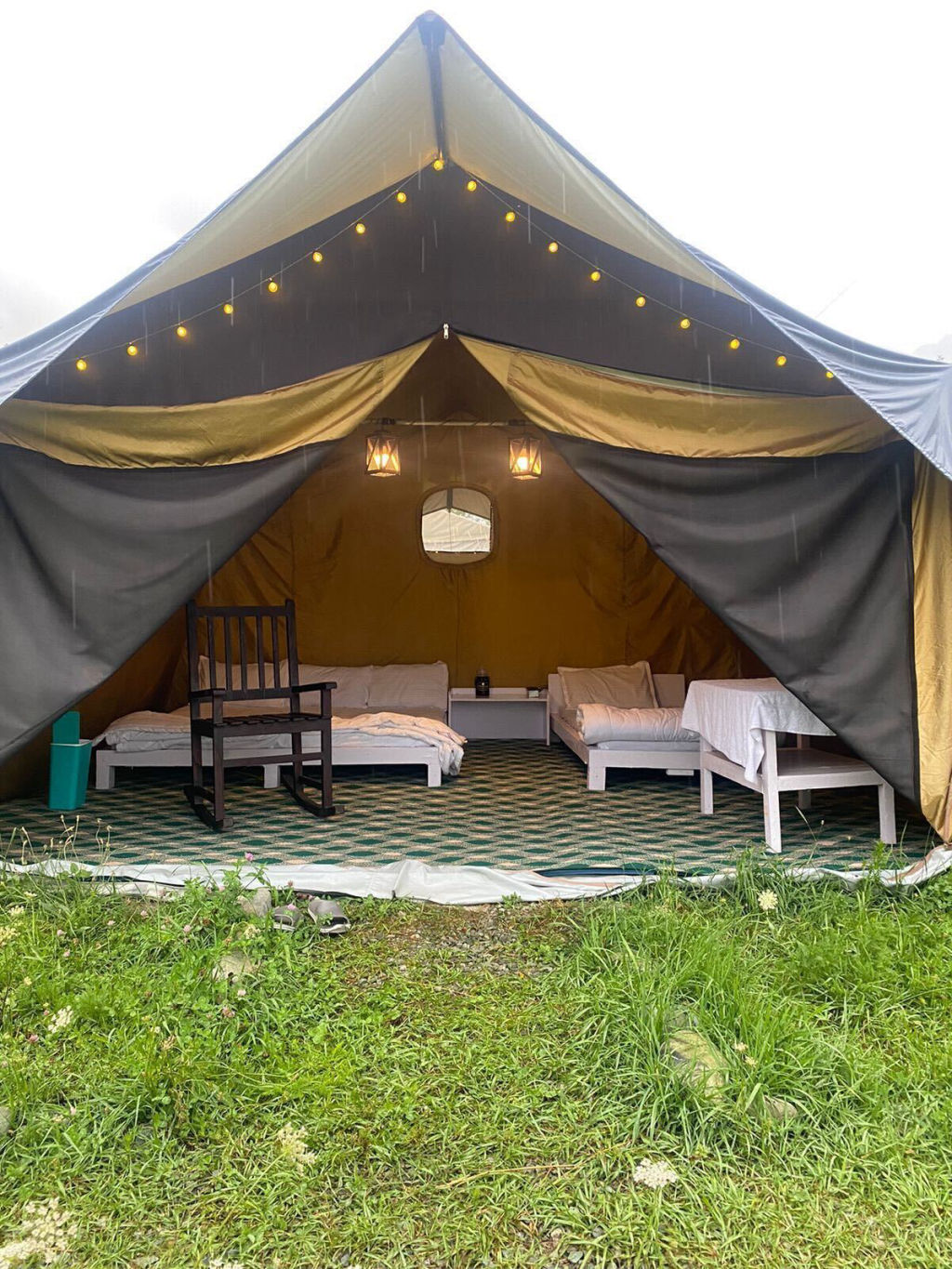
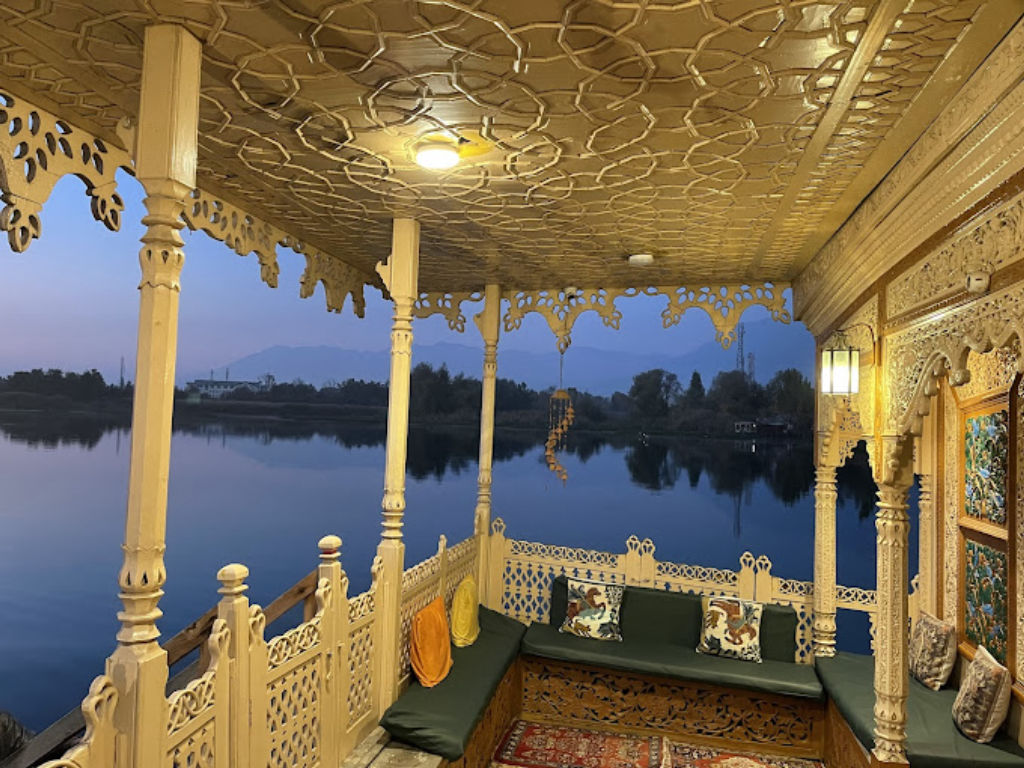
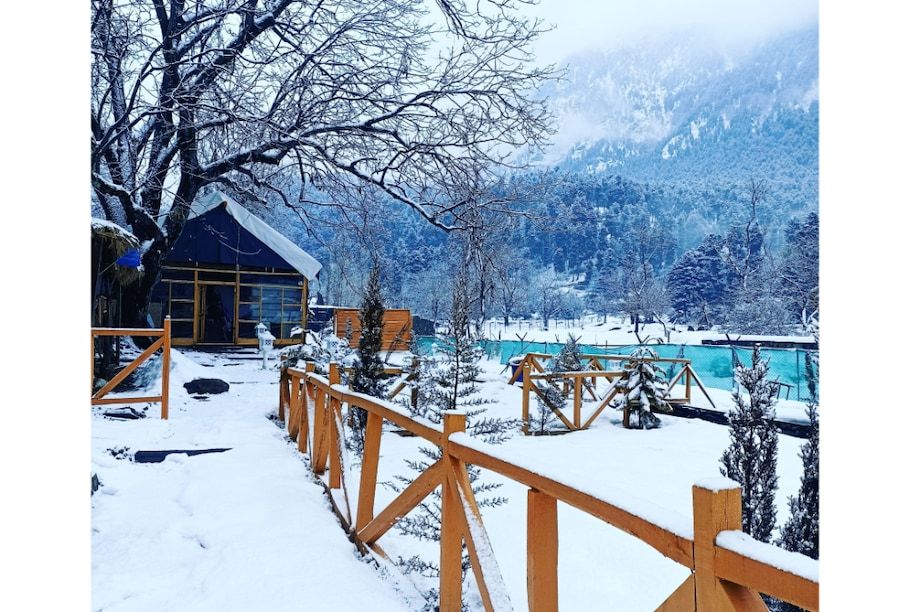
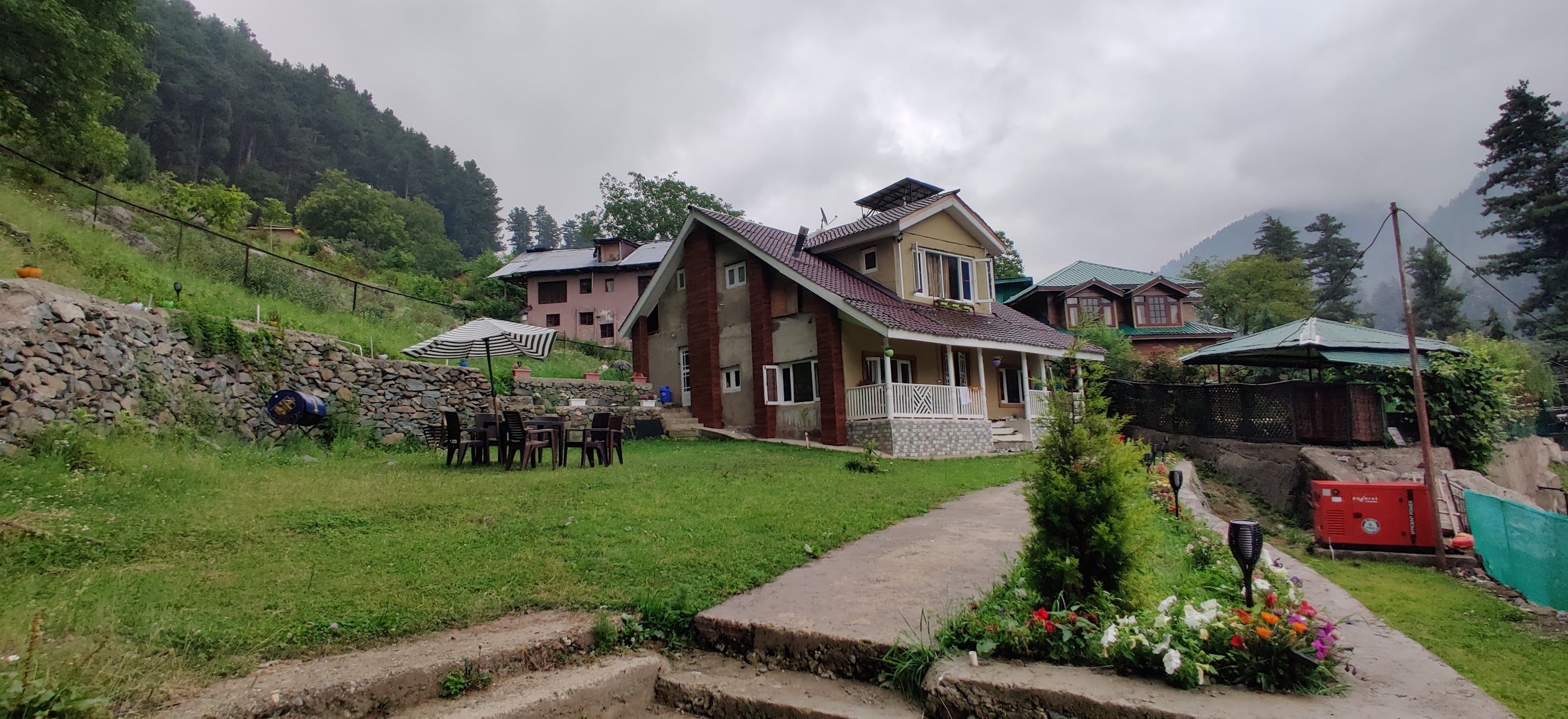
More places near Avantisvara Temple
Within 20 km
Built from 0 Instagram posts by 0 creators. Every tip links back to the post it came from, and where creators disagree we show both sides.






