
Awantipur
Destination in Jammu and Kashmir
Awantipur is an ancient historic town set on the banks of the Jhelum River in the Kashmir Valley. Renowned for the impressive stone ruins of its ninth-century temples built by King Avantivarman, the town offers a tranquil glimpse into Kashmir's rich classical heritage. Travellers stop here to wander among ornate stone colonnades, explore archaeological remains, and take in the surrounding mountain landscapes.
Getting there
By road
- From Amritsar7 hr 30 min · 382 km
Typical drive times without traffic. Stations and airports from OLA Maps; distances and typical drive times from OpenStreetMap (© OpenStreetMap contributors); notes from creators' Reels.
About Awantipur
Written with AI from map data and general knowledge. Check prices and timings locally before you go.
Understanding Awantipur and its Ancient Roots
Awantipur, historically known as Avantipura, is situated in the Pulwama district of Jammu and Kashmir, resting along the arterial highway that connects Srinagar to southern Kashmir. Founded in the ninth century CE by King Avantivarman, the first ruler of the Utpala dynasty, the town served as a flourishing political and cultural capital. During his reign, the valley witnessed architectural innovation and a revival of learning, art, and regional commerce.
Today, Awantipur retains its pastoral identity, framed by rolling karewa terraces, almond orchards, and the gentle curves of the Jhelum River. Unlike the bustling tourist centres in upper Kashmir, life here moves at a grounded and contemplative pace. Visitors are drawn primarily by the monumental ruins of two major sandstone temples that have stood for more than a thousand years, weathering shifts in empires and seismic activity. Walking along the town's perimeter provides an immediate sense of how ancient Kashmiri builders integrated durable stone architecture with the fertile valley floor.
Things to See and Do in Awantipur
The focal points of any visit to Awantipur are the Avantiswami and Avantisvara temple complexes, both maintained by the Archaeological Survey of India. The Avantiswami temple, dedicated to Lord Vishnu, is the better preserved of the two. Excavated in the early twentieth century from beneath feet of river silt and soil, it reveals a sunken courtyard surrounded by a colonnade of intricately carved stone pillars. Travellers can spend quiet hours examining the weathered reliefs that depict classical deities, celestial nymphs, floral motifs, and geometric borders carved deeply into hard volcanic stone.
A short distance away stands the Avantisvara temple, built in honour of Lord Shiva. While more weathered than its counterpart, its massive plinth, colossal perimeter walls, and scattered stone blocks convey the scale and ambition of early medieval engineering in the valley. Beyond the temple enclosures, travellers can take relaxed walks along the banks of the Jhelum River, observing local fishermen and traditional brick houses. During the autumn months, the agricultural fields bordering the town turn a distinct shade of purple when the crocus flowers bloom, making field-side walks especially rewarding.
Read more
Getaways and Historic Sights Nearby
Awantipur serves as an ideal base for exploring southern Kashmir's cultural and natural landmarks. Roughly twenty-seven kilometres away lie the majestic ruins of the Martand Sun Temple near Anantnag. Set atop an open plateau against the backdrop of snow-capped peaks, Martand represents one of the crowning achievements of eighth-century Kashmiri stone architecture and offers an insightful continuation to the stonework seen at Awantipur.
Further south, the town of Anantnag features heritage sites such as the ancient natural springs at Sherbagh Garden, the sprawling Jamia Masjid, and the serene Gurdwara Guru Nanak Dev Ji. Spiritual travellers often make their way toward the hillside shrine of Aishmuqam Dargah, known for its deep rock-cut cave and wide panoramic views over the Lidder Valley. Nature enthusiasts can drive southwest toward the Bringhi River valley for riverside relaxation, or venture toward Aharbal Waterfall, where the Veshu River thunders over dramatic basalt gorges before winding across the plains.
Best Time to Visit Awantipur
Awantipur experiences distinct seasons, each lending a different character to its historical ruins and natural backdrop. Spring, lasting from April to May, is a vibrant period marked by moderate temperatures, clear skies, and blooming orchards across the valley. It is an ideal window for photography and unhurried outdoor exploration without the harsh midday glare.
Summer, spanning June through August, brings warmer weather with lush green fields and long daylight hours. While midday temperatures can rise, early mornings and late afternoons remain pleasant for walking along temple precincts. Autumn, from September to November, is widely regarded as one of the most picturesque times to visit. The air turns crisp, the foliage of majestic chinar trees shifts to brilliant hues of amber and crimson, and the surrounding saffron fields come into harvest.
Winter arrives in December and continues through February, bringing cold conditions and occasional dustings of snow. The carved dark stones of the ancient temples framed against winter frost create a moody and evocative atmosphere, though visitors must carry heavy woollens and thermal wear.
How to Reach Awantipur
Awantipur is conveniently located on National Highway 44, making it easily accessible from major transit hubs in Jammu and Kashmir. Srinagar is the primary gateway, situated roughly thirty kilometres northwest of the town. Taxis, shared cabs, and state-run transport buses ply the Srinagar-Anantnag highway regularly, allowing travellers to reach Awantipur smoothly.
The nearest commercial airport is Sheikh Ul-Alam International Airport in Srinagar, which operates regular flights to major Indian cities such as Delhi, Mumbai, and Chandigarh. From the airport, visitors can hire a private taxi to reach Awantipur directly. For rail travellers, Awantipora railway station sits on the Jammu-Baramulla railway link, connecting the town with regional hubs like Srinagar, Banihal, and Anantnag via comfortable commuter trains.
Where to Stay around Awantipur
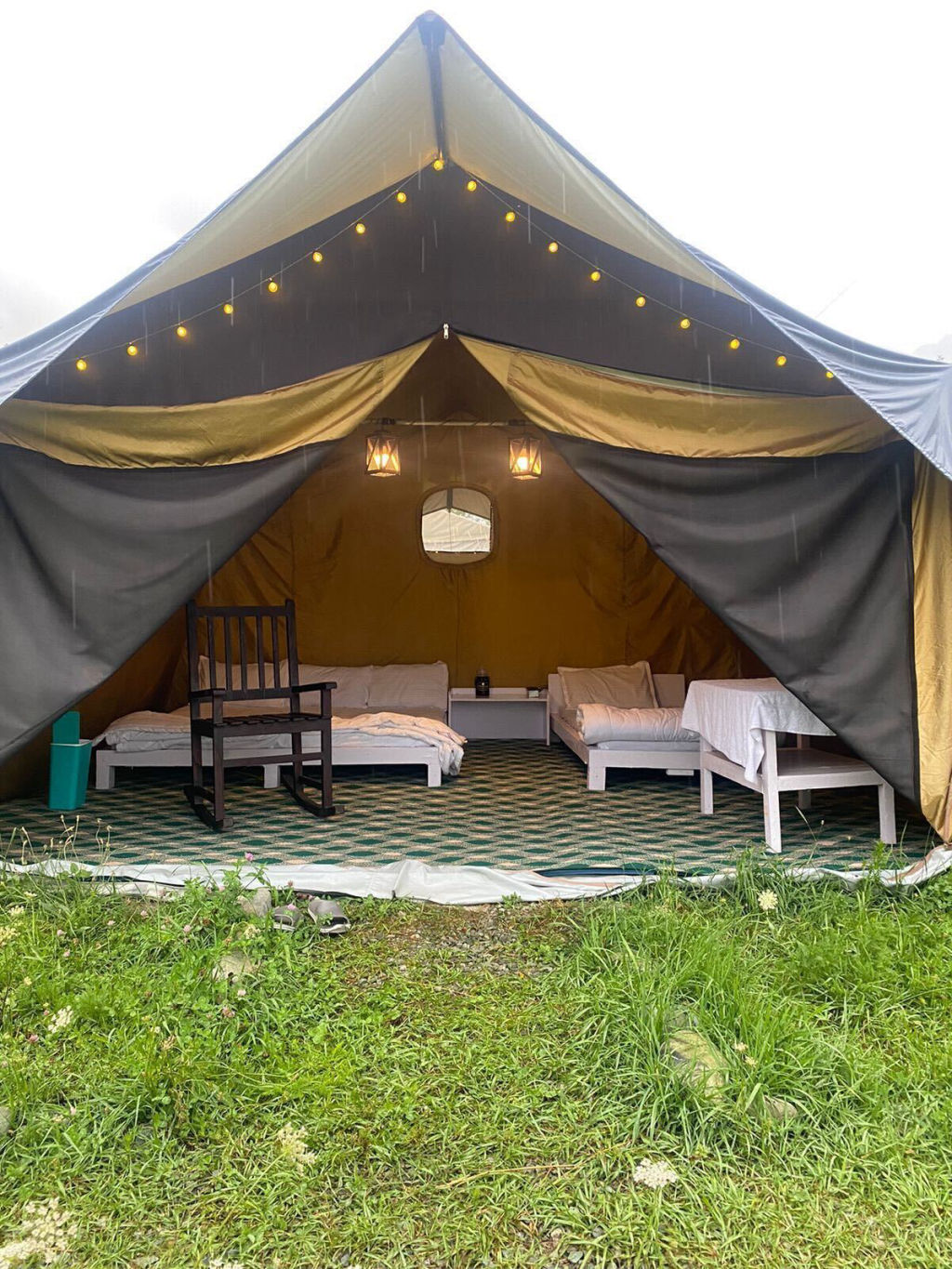
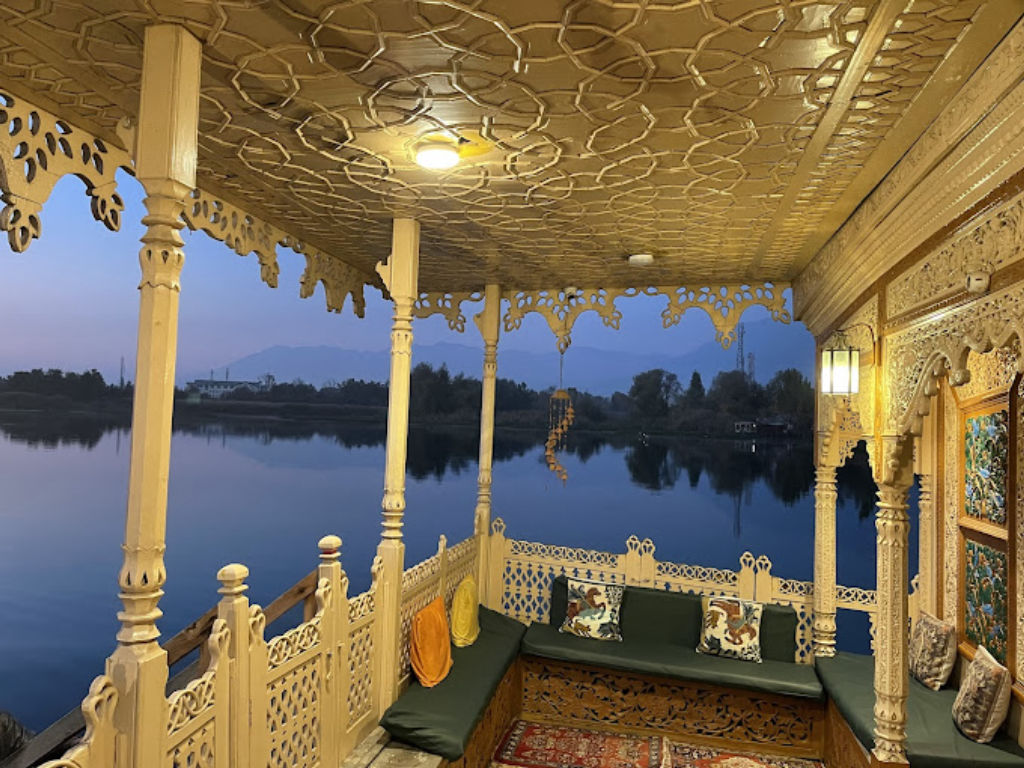
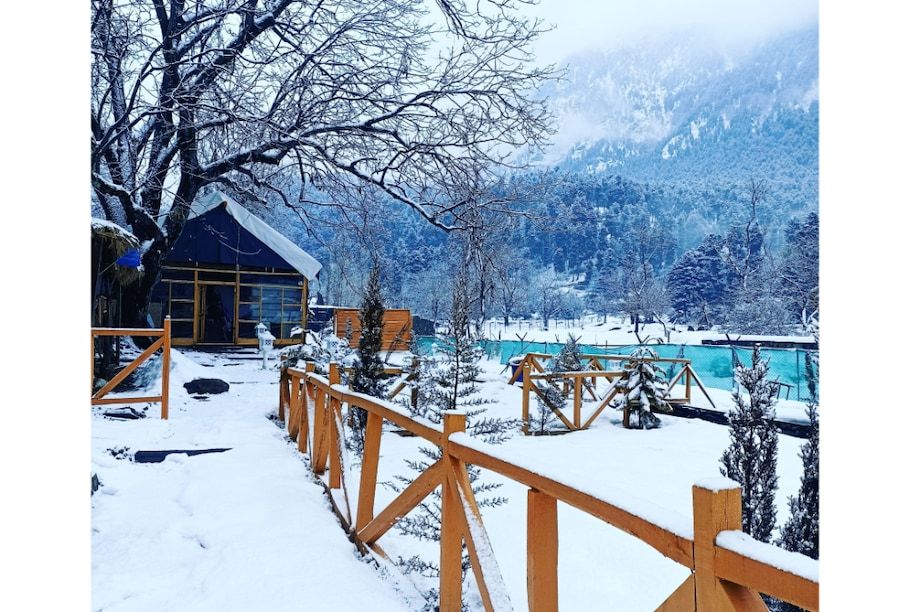
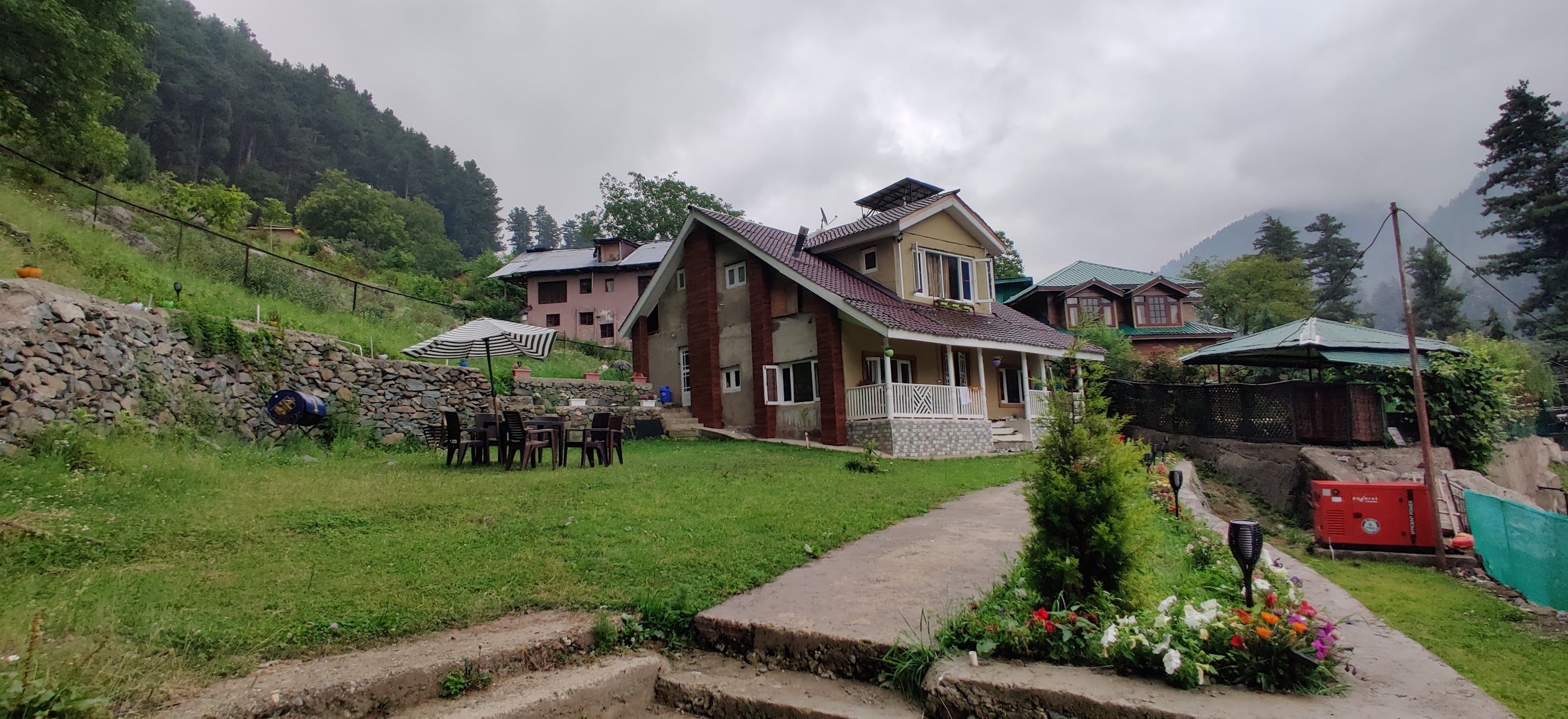
While Awantipur itself is a modest town best suited for half-day or full-day explorations, travellers will find comfortable accommodation options throughout the surrounding district and nearby valleys. Staying in riverside camps, local homestays, or hillside cabins allows visitors to experience traditional Kashmiri hospitality and authentic home-cooked regional meals.
Those looking to spend their nights under open mountain skies or in quiet rural settings can browse verified camps, private farm stays, and village cottages listed on HireACamp. Setting up base in the nearby countryside gives travellers easy access to the historical treasures of Awantipur while enjoying the serenity of southern Kashmir's apple groves and flowing streams.
Frequently asked questions
What is Awantipur famous for?
Awantipur is renowned for the ruins of two ancient ninth-century stone temples, the Avantiswami and Avantisvara temples, constructed under King Avantivarman. The town is also known for its riverside location on the Jhelum and proximity to the valley's historic saffron-growing fields.
How far is Awantipur from Srinagar?
Awantipur is located approximately thirty kilometres southeast of Srinagar along National Highway 44. The drive takes around forty-five minutes to an hour depending on traffic.
Is Awantipur connected by train?
Yes, Awantipora has its own railway station on the Kashmir Valley rail corridor, with daily train services connecting it to Srinagar, Baramulla, and Banihal.
What should I carry when visiting Awantipur?
Comfortable flat walking shoes are essential for navigating the uneven stone surfaces and steps around the ruins. In autumn and winter, warm layers and woollens are necessary, while summer visits call for sun protection and a refillable water bottle.
Can I visit Awantipur as a day trip?
Yes, Awantipur is conveniently located on the primary highway between Srinagar, Anantnag, and Pahalgam, making it easy to visit in a few hours as a day trip or an en-route stop.
Where you'll be
4 stays nearby shown with prices
Stays near Awantipur
Book a place to stay close by
Things to do in Awantipur
48 places creators recommend within 30 km
Built from 0 Instagram posts by 0 creators. Every tip links back to the post it came from, and where creators disagree we show both sides.






