
Avantiswami Temple
Ruins near Awantipur, Jammu and Kashmir
1.4 km from Awantipur
The nearest town, for stays, food and fuel.
Avantiswami Temple is an ancient ninth-century stone monument situated in the historic town of Awantipora, south of Srinagar in Jammu and Kashmir. Built by King Avantivarman and dedicated to Lord Vishnu, the temple ruins showcase remarkable medieval Kashmiri architecture and stone carvings. Travellers and history enthusiasts visit the site to admire its colonnaded courtyard, intricate reliefs, and enduring heritage set against the scenic backdrop of the Kashmir Valley.
Getting there
By road
- From AwantipurNearest town5 min · 3 km
- From Amritsar7 hr 30 min · 383 km
Typical drive times without traffic. Stations and airports from OLA Maps; distances and typical drive times from OpenStreetMap (© OpenStreetMap contributors); notes from creators' Reels.
About Avantiswami Temple
Written with AI from map data and general knowledge. Check prices and timings locally before you go.
History and Architecture of Avantiswami Temple
The Avantiswami Temple stands as one of the most prominent archaeological treasures in the Kashmir Valley. Commissioned during the ninth century by King Avantivarman, the founder of the Utpala dynasty, the complex was dedicated to Lord Vishnu. Historical accounts indicate that Avantivarman established his capital nearby and patronized the construction of several magnificent shrines, of which Avantiswami was the crowning jewel.
The complex originally followed a classic panchayatana layout, characterized by a central sanctum encircled by subsidiary shrines and an expansive colonnaded peristyle. Although centuries of earthquakes, soil silting, and weathering reduced the soaring superstructure to ruins, excavation work revealed that the surviving bases, fluted columns, and stone reliefs remain extraordinarily well preserved.
Walking through the sunken courtyard, visitors can observe detailed friezes carved directly into local grey limestone. The carvings depict various manifestations of Vishnu, celestial dancers, courtly figures, and intricate floral scrolls. The stylistic blend shows distinct Gandharan, Greco-Roman, and indigenous Kashmiri design influences, noticeable in the trefoil arches, triangular pediments, and pleated drapery of the carved figures.
The Atmosphere and Landscape
Situated close to the banks of the Jhelum River, the temple complex sits slightly below the current ground level, having been partially unearthed from deep river silt in the early twentieth century. This sunken setting gives the impression of stepping directly into an ancient era, removed from the hum of modern highway traffic nearby.
The manicured lawns maintained around the sandstone plinths offer a peaceful place to sit and study the structural masonry. Giant fallen stones, carved pediments, and base plinths lie organized across the perimeter, allowing visitors to appreciate the sheer scale of the original building. Towering chinar trees and distant mountain ranges frame the stone columns, creating an evocative scene that appeals equally to photographers, architecture lovers, and quiet explorers.
Read more
Best Time to Visit
The temple can be visited throughout the year, but the experience changes markedly with the seasons in Kashmir. Spring, spanning from April to May, brings mild weather, blooming flowers, and fresh greenery across the valley, making outdoor sightseeing exceptionally pleasant.
Summer, between June and August, features bright, warm days that are suitable for leisurely exploration, though midday sun can occasionally be strong in open courtyards without roof cover. Autumn, from September to November, is widely considered one of the most picturesque periods in Kashmir. During these months, the surrounding chinar trees turn deep shades of gold and amber, offering a vivid contrast against the weathered grey stone of the temple.
Winter transforms the site entirely. Between December and February, snow often blankets the ruins, turning the fluted columns and stone bases into a striking monochrome landscape. Travellers visiting in winter should bundle up in heavy woollens and check local road conditions, as frost and snow can slow down highway travel.
How to Reach Avantiswami Temple
Avantiswami Temple is conveniently located along the main transport corridor connecting Srinagar to Anantnag. The temple lies roughly thirty kilometres southeast of central Srinagar, making it an easy half-day excursion or a natural stop on the journey toward Pahalgam or south Kashmir.
Travellers arriving by air at Sheikh Ul-Alam International Airport in Srinagar can hire private taxis or take regional shared vehicles heading along the national highway toward Awantipora. The journey takes under an hour under clear traffic conditions. Regular bus services and shared cabs run frequently along this arterial route from both Srinagar and Anantnag.
Those travelling by train can alight at the Awantipora railway station, which connects to Srinagar and Banihal on the Kashmir Valley railway network. From the railway station, local transport like auto-rickshaws or shared taxis can quickly bring you to the archaeological site entrance.
Tips for Your Visit
Plan to spend between forty-five minutes and an hour and a half at the temple complex. This provides sufficient time to walk along the perimeter colonnade, admire the carved relief panels, and read informational plaques placed around the site.
Wear comfortable, flat walking shoes, as you will be navigating uneven stone courtyards, steps, and grass paths. Because the site is open to the sky, carrying water, sunglasses, and a sun hat is helpful during sunny summer days. In cooler months, a warm fleece or jacket is essential.
Treat the monument with care by refraining from climbing on fragile stone pillars or touching sensitive carved reliefs. Photography is widely permitted, but visitors planning professional video shoots or drone usage should verify local regulations with site authorities on arrival. Entry guidelines and ticketing details, where applicable, are posted at the entrance gate and should be confirmed locally.
Places to Visit Nearby
A visit to Avantiswami Temple pairs easily with several other cultural and scenic attractions across south Kashmir and the greater Srinagar area. Just down the road, travellers often make a brief stop to see the neighboring Avantishvara Temple, dedicated to Lord Shiva, which was also built under King Avantivarman.
Heading north into Srinagar brings you to the waters of Dal Lake, famous for wooden shikara rides, houseboats, and lakeside promenades. Nearby spiritual landmarks include Charari Sharief, an important Sufi shrine perched on the hills of Badgam, and the historic Aishmuqam Dargah further east on the highway to Pahalgam.
To the south, Anantnag offers heritage stops like Jamia Masjid Anantnag, the tranquil natural springs of Sherbagh Garden, and Gurdwara Guru Nanak Dev Ji. Nature lovers can also venture toward the picturesque Bringhi River valley, known for its pristine waters and mountain scenery.
Where to Stay
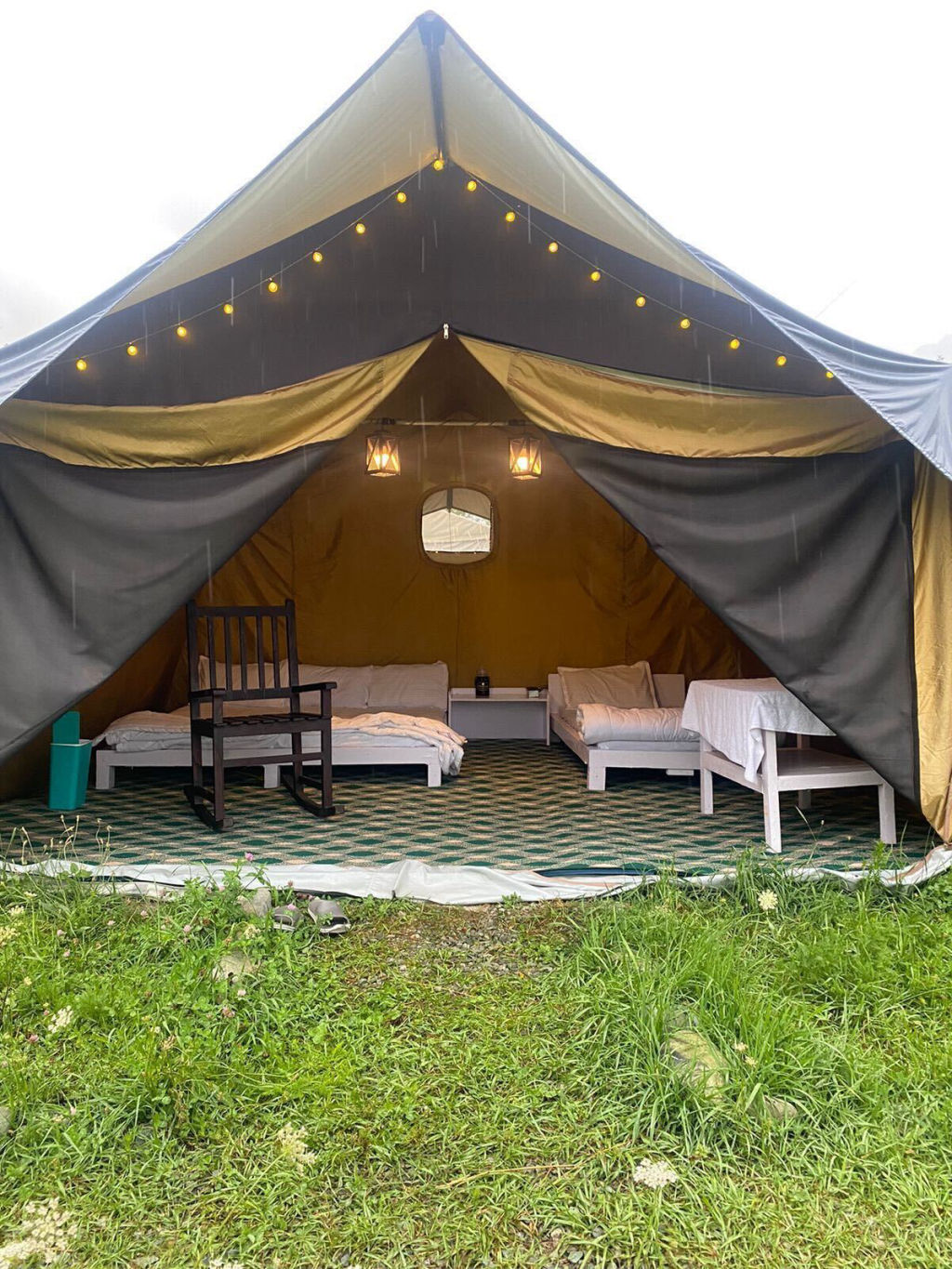
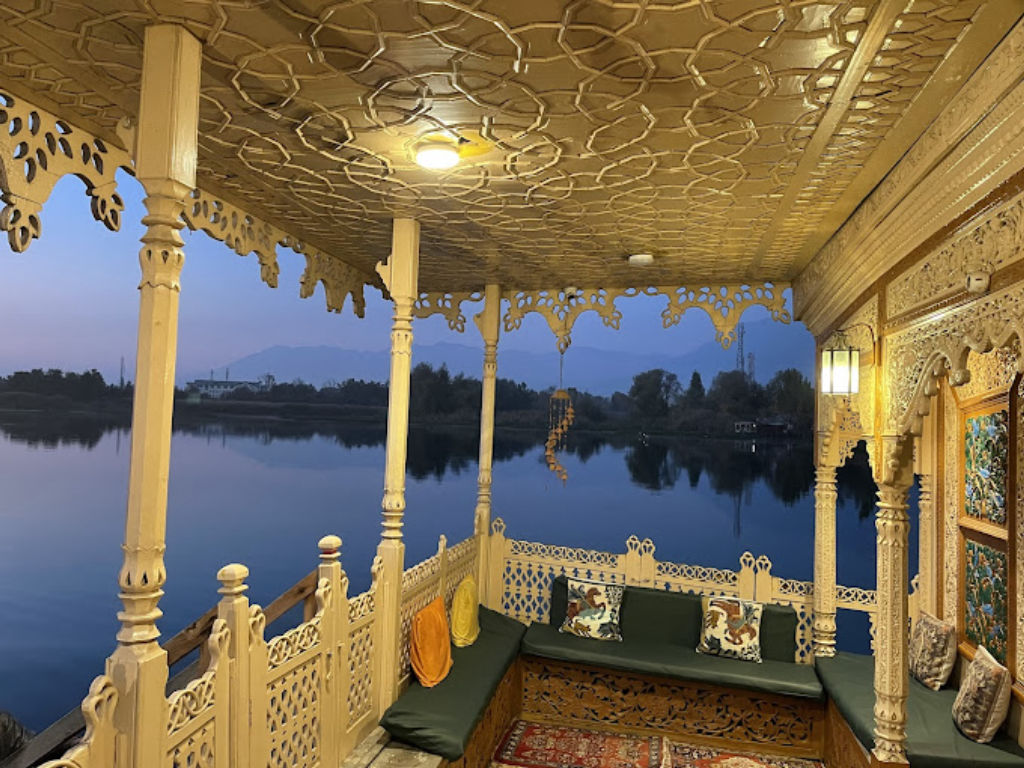
Most travellers choose to stay in Srinagar or nearby valley hubs, making day visits to Awantipora. Srinagar offers a broad selection of lodgings, ranging from traditional houseboats along the lake to riverside homestays and heritage properties.
For those who prefer a closer connection to nature, the surrounding countryside and nearby valleys feature riverside camps, orchard farmsteads, and local family-run guesthouses. You can discover comfortable camps, homestays, and outdoor getaways in the region on HireACamp to suit your travel style.
Frequently asked questions
What is Avantiswami Temple known for?
Avantiswami Temple is celebrated for its ninth-century stone architecture, colonnaded courtyard, and ornate reliefs of Lord Vishnu, built under the patronage of King Avantivarman.
How far is Avantiswami Temple from Srinagar?
The temple is located around thirty kilometres southeast of Srinagar along the national highway toward Anantnag, typically taking under an hour by road.
Is Avantiswami Temple worth visiting?
Yes, it is one of the finest preserved examples of classical Kashmiri temple architecture, making it a compelling stop for history lovers, photographers, and heritage travellers.
Can I visit Avantiswami Temple on the way to Pahalgam?
Yes, the monument sits right along the main Srinagar-Pahalgam highway route, making it an ideal half-hour to one-hour sightseeing halt during the drive.
What should I wear when visiting the ruins?
Comfortable footwear suitable for stone steps and uneven ground is recommended, along with weather-appropriate clothing such as sun protection in summer or warm woollens in winter.
Where you'll be
Srinagar · 2 stays nearby shown with prices
Stays near Avantiswami Temple
Book a place to stay close by
More places near Avantiswami Temple
Within 20 km
Built from 0 Instagram posts by 0 creators. Every tip links back to the post it came from, and where creators disagree we show both sides.






