
Bahá’í Lotus Temple
Temple near Chittaranjan Park, Delhi
2 posts · 1.1M views · 1 sourced tip
Guide from 2 posts by 2 creators
@our.delhi, @enroute_indian_history_
1.8 km from Chittaranjan Park
The nearest town, for stays, food and fuel.
Loved by 2 creators
2 posts with 1.1M views on Instagram.
Visiting the Bahá’í Lotus Temple
Information on visiting the Bahá’í Lotus Temple, including entry costs.
What to expect
Entry fee
1 creator reported this
Good to know
Tips from creators' posts. Each one links to its source.
Costs
Entry to the Lotus Temple is free for all visitors.
Reported by @our.delhiSource
Getting there
By road
- From Chittaranjan ParkNearest town10 min · 3.7 km
- From New Delhi27 min · 12 km
- From New Delhi27 min · 12 km
- From Dehradun3 hr 40 min · 233 km
By train, bus or air
- New DelhiNearest railway station36 min · 15 km
- KaushambiNearest bus stand39 min · 19 km
- Indira Gandhi International AirportNearest airport38 min · 20 km
Typical drive times without traffic. Stations and airports from OLA Maps; distances and typical drive times from OLA Maps and OpenStreetMap (© OpenStreetMap contributors); notes from creators' Reels.
About Bahá’í Lotus Temple
Written with AI from creators' posts and map data. Check prices and timings locally before you go.
About the Bahá’í Lotus Temple
The Bahá’í Lotus Temple, formally known as the Bahá’í House of Worship, stands as one of Delhi's most recognizable and visited landmarks. Completed in the late twentieth century, the temple was conceptualized as a universal space where followers of any faith, or no faith at all, can gather to pray and meditate without rituals, idols, or sermons. The Bahá’í faith emphasizes the spiritual unity of all humankind, and this fundamental philosophy is mirrored in the structure's open-door welcome to every visitor.
Set amidst expansive landscaped grounds in the Kalkaji district of South Delhi, the temple offers a distinct atmosphere compared to traditional places of worship. There are no pictures, statues, or religious emblems displayed inside the hall. Instead, the central space is designed entirely around ambient light, acoustic clarity, and complete silence. Whether you are interested in modern engineering, spiritual contemplation, or Delhi's cultural heritage, the Lotus Temple provides a peaceful retreat from the surrounding metropolitan hum.
Architecture and Landscape
The temple is renowned worldwide for its organic, expressionist architecture inspired by the sacred lotus flower. In Indian spiritual traditions, the lotus symbolizes purity, simplicity, and transcendence, blooming unblemished above muddy waters. The structure features twenty-seven free-standing marble-clad petals arranged in clusters of three, forming nine distinct sides. The outer petals curve outward to form entrance canopies, while the inner petals rise upward to enclose the massive central prayer hall.
The entire complex is surrounded by nine crystalline ponds that represent the leaves of the lotus. These water bodies not only complete the artistic visual of a flower floating on water, but they also serve a functional role in naturally cooling the building by drawing fresh air across the water surfaces and through the interior vents. Walking paths wind through manicured lawns and flowering shrubs around the ponds, offering clean perspectives of the white Grecian marble against the open sky.
Read more
Best Time to Visit the Lotus Temple
Delhi experiences extreme seasonal shifts throughout the year, meaning the timing of your trip will significantly shape your experience. The cooler months from October to March are widely regarded as the most comfortable period to visit the Lotus Temple. During late autumn, winter, and early spring, daytime temperatures remain pleasant and outdoor exploration of the expansive perimeter gardens is especially enjoyable.
Summers in Delhi, stretching from April to June, bring intense heat, with daytime temperatures routinely exceeding forty degrees Celsius. Because you must walk barefoot along stone pathways approaching the sanctum and the gardens provide limited shade on bright afternoons, early mornings or late afternoons are preferable during warmer months. The monsoon season between July and September brings intermittent rain and lush greenery across the lawns, though elevated humidity is common. Visitors should check local notices for current visiting hours, as operating schedules and holiday closures may vary throughout the year.
How to Reach the Bahá’í Lotus Temple
The Bahá’í Lotus Temple is centrally located in South Delhi and is well connected to the rest of the National Capital Region by road and public transit. Central New Delhi is located roughly 12 kilometers away, typically requiring about twenty-seven minutes of driving under clear road conditions, though city traffic will often extend this duration.
Travellers arriving by road from surrounding states will find convenient highway connections leading into the city. From Dehradun, the temple is approximately 233 kilometers away and can take about three hours and forty minutes in light traffic. Coming from Chandigarh to the north covers around 267 kilometers, taking roughly four hours and fifty minutes under clear conditions. From Jaipur to the southwest, the distance is around 287 kilometers, taking approximately four hours and thirty minutes. Metro rail, auto-rickshaws, and ride-hailing cabs all provide frequent connections to the Kalkaji neighborhood from various transit hubs and railway terminals across Delhi.
Tips for Visiting the Lotus Temple
Entry to the Lotus Temple is free for all visitors, making it an accessible stop for travellers on any budget. Before entering the temple complex, all visitors are required to remove their footwear at designated shoe-storage counters near the entry gate. Carrying a pair of thick socks during peak winter mornings or scorching summer afternoons can make the walk along the stone pathways much more comfortable.
Maintaining quietness inside the central hall is strictly requested by temple volunteers. While whispering is discouraged, guests are welcome to sit on the benches for as long as they wish to pray, meditate, or rest in silence. Photography is permitted in the outer gardens and around the perimeter ponds, but taking pictures or recording video inside the main prayer hall is not permitted. Modest clothing that covers the shoulders and knees is recommended out of respect for the devotional setting.
Places to Visit Near the Lotus Temple
Due to its central position in South Delhi, the Lotus Temple is situated within easy reach of several prominent historical monuments, green spaces, and cultural institutions. Just 4 kilometers away lies Humayun’s Tomb, a magnificent sixteenth-century Mughal garden tomb that predates the Taj Mahal. A short drive away, around 6 kilometers from the temple, are the sprawling Lodhi Garden and the historic ruins of Hauz Khas Fort, both offering scenic walks amidst ancient architecture.
Travellers interested in history and the arts can visit the National Gallery of Modern Art at a distance of 7 kilometers, or the National Museum at 8 kilometers. In the Mehrauli area, about 8 kilometers away, you can explore the soaring tower of Qutab Minar alongside the Mehrauli Archaeological Park Walk. For urban sightseeing, the central hub of Connaught Place, the ancient stepwell Agrasen ki Baoli, and the eighteenth-century astronomical observatory Jantar Mantar are all located around 9 kilometers away, with Central Park situated roughly 10 kilometers north.
Where to Stay
Delhi offers an extensive range of accommodations spread across diverse neighborhoods, catering to solo travellers, families, and outdoor enthusiasts alike. Staying in South Delhi places you near the Lotus Temple, green parks, and ancient heritage monuments, while central districts offer quick transit to markets and civic landmarks.
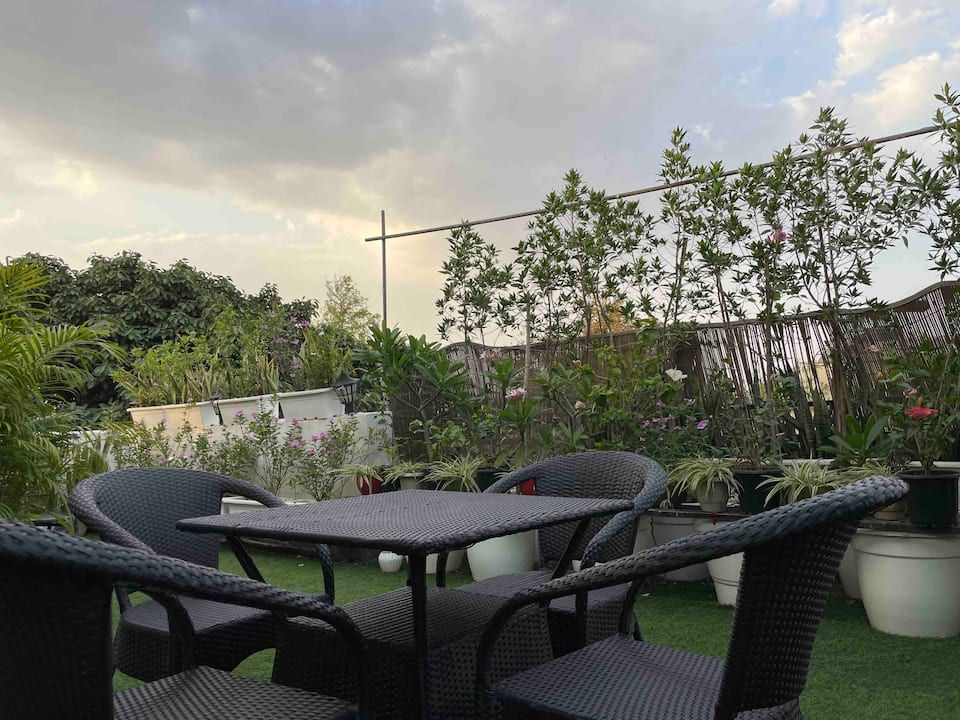
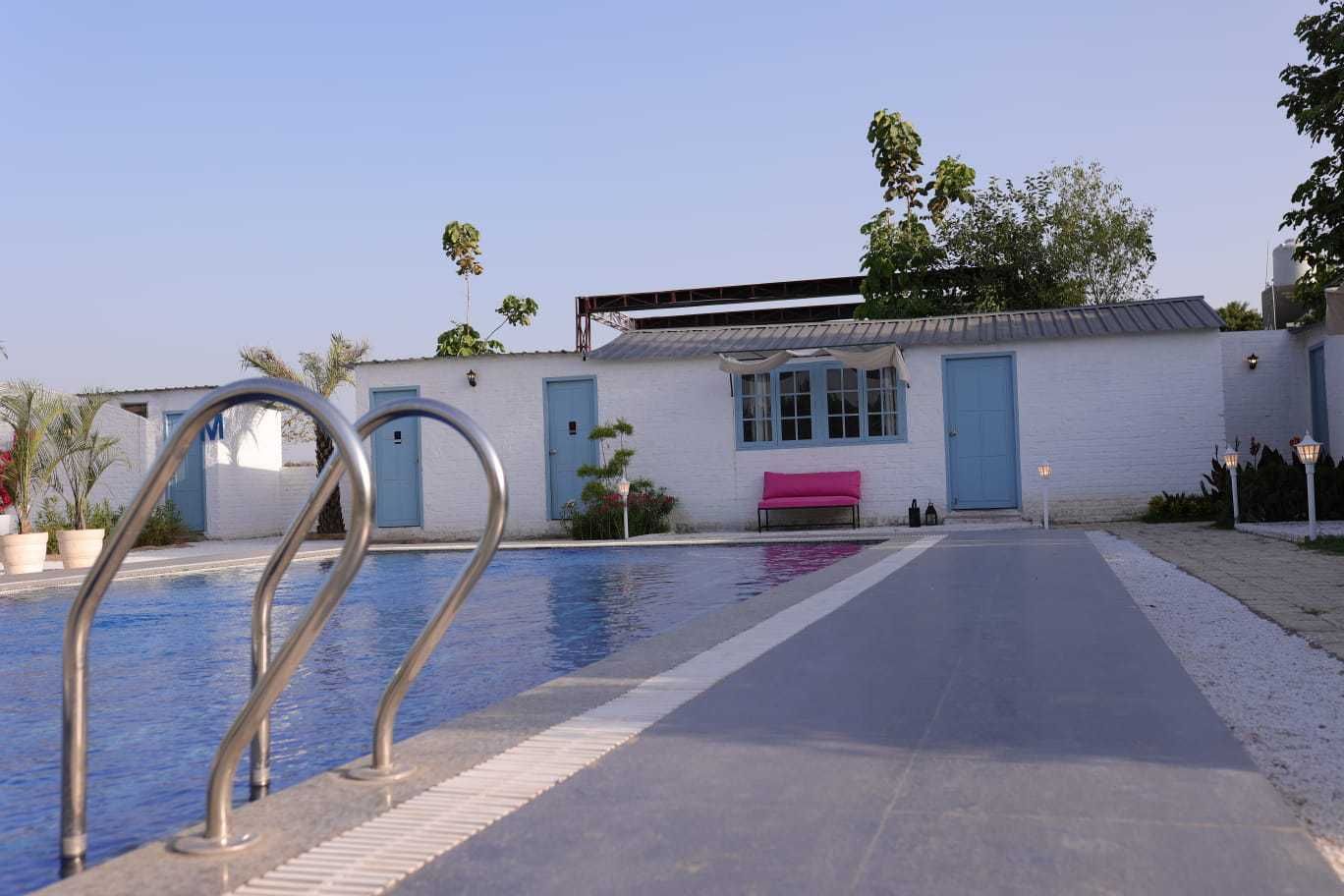
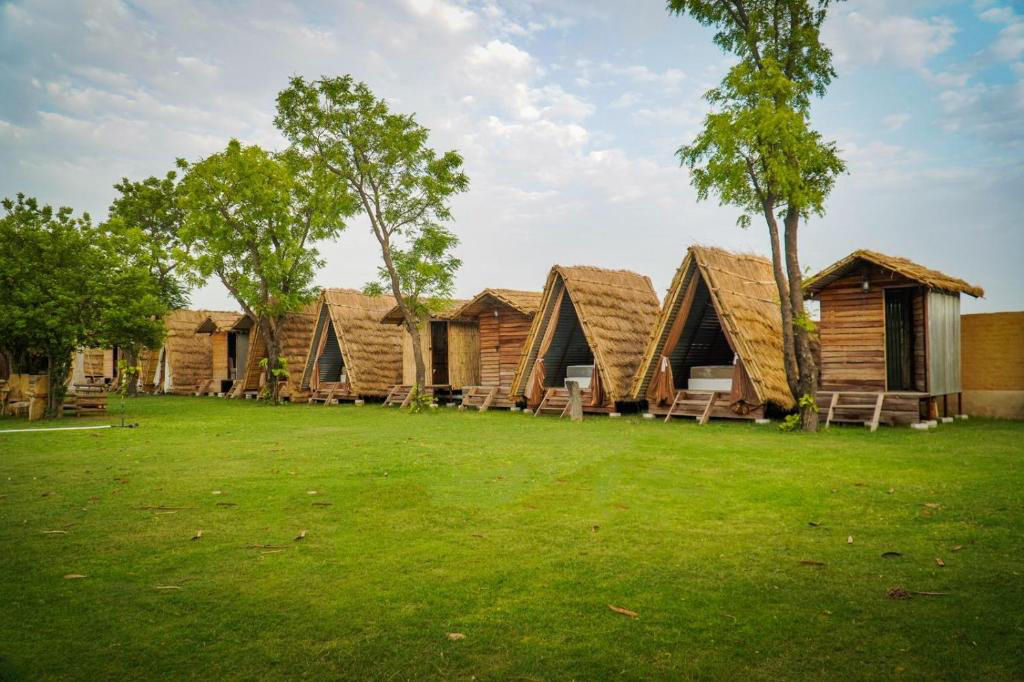
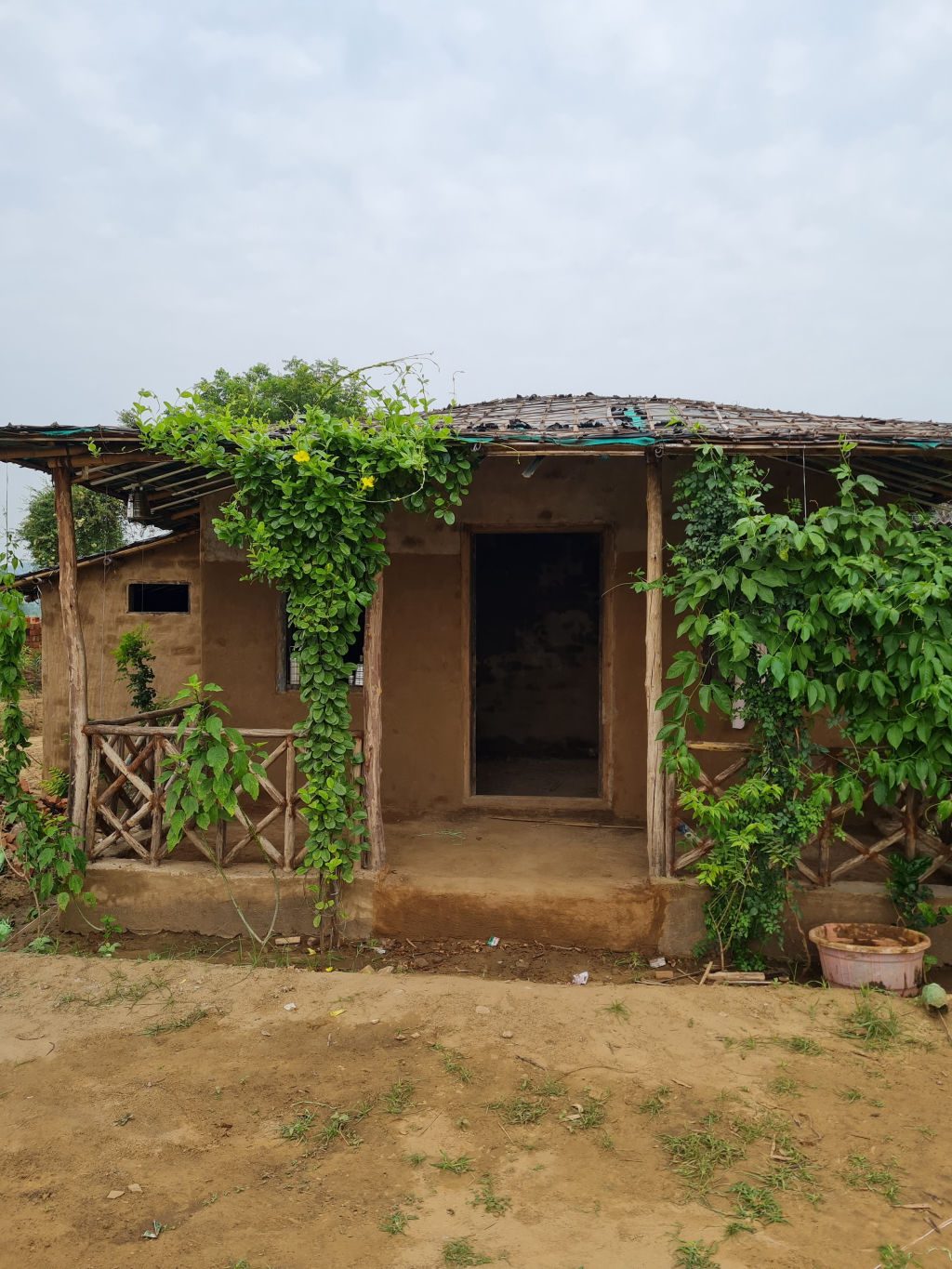
For those looking for authentic local hospitality or alternative stays within the capital and nearby countryside, homestays, nature retreats, and tranquil campsites can be explored and reserved on HireACamp. Booking your stay in advance helps ensure smooth access to Delhi's major cultural and architectural sights.
Frequently asked questions
Is there an entry fee to visit the Bahá’í Lotus Temple?
No, entry to the Lotus Temple is free for all visitors.
Can I take photographs inside the Lotus Temple?
Photography is allowed in the outdoor gardens and around the perimeter ponds, but photography and videography are strictly prohibited inside the central prayer hall.
Do I need to remove my shoes when visiting?
Yes, visitors must remove their shoes at the designated shoe counters before ascending the steps to the main temple building.
Are people of all religions permitted to enter?
Yes, the Bahá’í Lotus Temple is open to people of all faiths, beliefs, and backgrounds for silent prayer and contemplation.
What is the best way to travel to the Lotus Temple from central Delhi?
The temple is located roughly 12 kilometers from central New Delhi and can be reached by metro, taxi, or auto-rickshaw in around twenty-seven minutes under clear traffic conditions.
Where you'll be
Lotus Temple Rd Bahapur, Bahapur, Shambhu Dayal Bagh, Kalkaji, New Delhi, Delhi 110019 · 4 stays nearby shown with prices
As seen on Instagram
The posts this guide is built from
Stays near Bahá’í Lotus Temple
Book a place to stay close by
Often visited together
Creators who went here also showed these


More places near Bahá’í Lotus Temple
Within 20 km


Lists for this area
Ranked by how many creators recommend each place


Built from 2 Instagram posts by 2 creators. Every tip links back to the post it came from, and where creators disagree we show both sides. Guide updated 23 Oct 2026.


