
Qutb Minar
Monument near Mehrauli, Delhi
1 post · 292.2K views
Guide from 1 post by 1 creator
@jaggsss_okk
700 m from Mehrauli
The nearest town, for stays, food and fuel.
Qutb Minar is a towering medieval minaret and UNESCO World Heritage Site located in Mehrauli, South Delhi. Built predominantly of fluted red sandstone and marble, it anchors a historic complex that dates back to the establishment of the Delhi Sultanate. Travellers and history enthusiasts visit to admire its intricate architectural carvings, ancient iron pillar, and surrounding ruins.
Getting there
By road
- From MehrauliNearest town3 min · 800 m
- From New Delhi29 min · 12 km
- From New Delhi29 min · 12 km
- From Dehradun3 hr 50 min · 236 km
By train, bus or air
- New DelhiNearest railway station42 min · 15 km
- KaushambiNearest bus stand48 min · 25 km
- Indira Gandhi International AirportNearest airport34 min · 15 km
Typical drive times without traffic. Stations and airports from OLA Maps; distances and typical drive times from OLA Maps and OpenStreetMap (© OpenStreetMap contributors); notes from creators' Reels.
About Qutb Minar
Written with AI from creators' posts and map data. Check prices and timings locally before you go.
About Qutb Minar and its history
Commissioned towards the end of the twelfth century by Qutb-ud-din Aibak, the founder of the Delhi Sultanate, Qutb Minar stands as one of the most prominent landmarks of Delhi's layered past. The tower was originally conceived as a victory monument and a minaret for the call to prayer at the adjacent Quwwat-ul-Islam mosque. Over the following centuries, subsequent rulers, including Shams-ud-din Iltutmish and Firuz Shah Tughlaq, repaired lightning damage and added additional storeys, leaving a visible record of changing stylistic nuances.
The tower rises over seventy metres, making it one of the tallest brick minarets in the world. It anchors an expansive archaeological complex in Mehrauli, an area considered the oldest continuously inhabited part of Delhi. Walking through the courtyards today offers insight into early Indo-Islamic architecture, where local masonry traditions blended with Central Asian structural designs.
Architecture and highlights of the complex
The minaret itself features five distinct storeys, each tapering as it ascends and marked by projecting balconies supported by intricate stalactite-like corbels. The lower three storeys are constructed using carved red sandstone, adorned with alternating fluted circular and angular ribs, while the upper levels incorporate white marble alongside stone bands bearing Quranic inscriptions and floral motifs.
Beyond the main tower, the surrounding complex contains notable historical structures. The Quwwat-ul-Islam mosque features colonnaded cloisters built using stone pillars repurposed from earlier temples, showcasing elaborate carvings of bells, flowers, and geometric patterns. At the centre of the mosque courtyard stands the celebrated fourth-century Iron Pillar of Chandragupta II, renowned for its rust-resistant metallurgical composition. Nearby, visitors can see the tomb of Iltutmish, the monumental Alai Darwaza gateway built by Alauddin Khalji, and the unfinished Alai Minar, conceived to rise twice the height of Qutb Minar before work was abandoned.
Read more
Best time to visit Qutb Minar
Delhi experiences marked seasonal variations, ranging from intensely hot summers to chilly, foggy winters. The most comfortable time to visit Qutb Minar is between October and March. During these cooler months, daytime temperatures are mild, making it pleasant to stroll across the open-air stone courtyards and manicured lawns without being bothered by intense heat.
Summer months, especially from April to June, bring high temperatures that often exceed forty degrees Celsius. If you are travelling during this period, plan your visit for the early morning or late afternoon to avoid the midday sun, as the stone pathways absorb heat. The monsoon season between July and September brings intermittent rains and high humidity, though the surrounding gardens turn lush green and cloudy skies provide relief from direct sunlight.
How to reach Qutb Minar
Qutb Minar is situated in Mehrauli, within the southern quarter of New Delhi, making it readily accessible from across the national capital region. From central New Delhi, the distance is roughly 11 kilometres, which typically takes around 30 minutes by road under clear traffic conditions. The site is also connected to the Delhi Metro network, with a dedicated station situated nearby, allowing visitors to reach the complex conveniently by combining a metro ride with a brief auto-rickshaw trip.
For travellers arriving from neighbouring states by road, the complex can be approached via major arterial highways. Coming from Jaipur, the drive is approximately 291 kilometres and takes about four hours and forty minutes in typical traffic. From Chandigarh, the journey covers roughly 270 kilometres in around five hours, while travellers driving down from Dehradun face a route of about 236 kilometres, typically taking just under four hours. Because city traffic in Delhi fluctuates heavily during peak hours, allow extra time for road transfers.
Tips for your visit
Because the Qutb complex requires a substantial amount of walking over stone flags, gravel paths, and lawns, comfortable walking shoes are essential. Most of the monuments are completely open to the sky, so carrying sun protection such as a hat, sunglasses, and a reusable water bottle is recommended, particularly between mid-morning and late afternoon.
The monument grounds have well-marked paths and informative signage detailing the history of each structure. Audio guides and licensed local guides are often available on-site if you wish to delve deeper into the architectural and epigraphic history. Security screening is standard at the entrance, and large luggage or restricted items are typically not permitted inside, so carry only essentials in a compact daypack. It is advisable to verify current entry procedures and operational timings locally before heading out.
Places to visit near Qutb Minar
Mehrauli and South Delhi are exceptionally rich in heritage and green spaces, making it easy to combine multiple sights in a single day. Just one kilometre from the minaret lies the Mehrauli Archaeological Park, an expansive, wooded heritage area containing dozens of historic monuments, including Jamali Kamali mosque, the stepwell Rajon ki Baoli, and colonial outposts.
A short drive of roughly 3 kilometres leads to Hauz Khas Fort, overlooking an ancient reservoir surrounded by pedestrian trails and a vibrant urban village. Moving slightly north and east, Lodhi Garden and the Bahá’í Lotus Temple are both approximately 8 kilometres away, offering peaceful landscaped walks and distinct architectural styles. For a broader exploration of the city's monumental heritage, Humayun's Tomb sits about 10 kilometres from the complex, while the historic urban heart at Connaught Place, Jantar Mantar, and Agrasen ki Baoli are roughly 12 kilometres away.
Where to stay
Travelers looking to stay near Qutb Minar will find plenty of choices scattered throughout South Delhi and the wider capital territory. Areas around Mehrauli, Saket, and Hauz Khas place you within quick reach of the monuments and dining hubs, while central and southern suburbs offer quieter residential neighbourhoods with good connectivity.
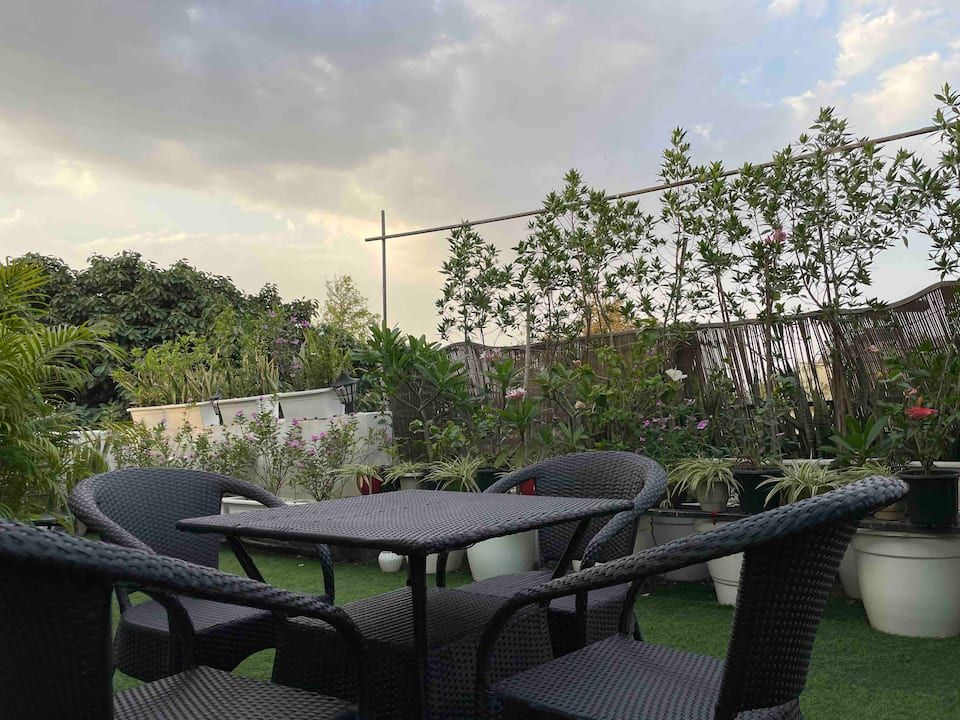
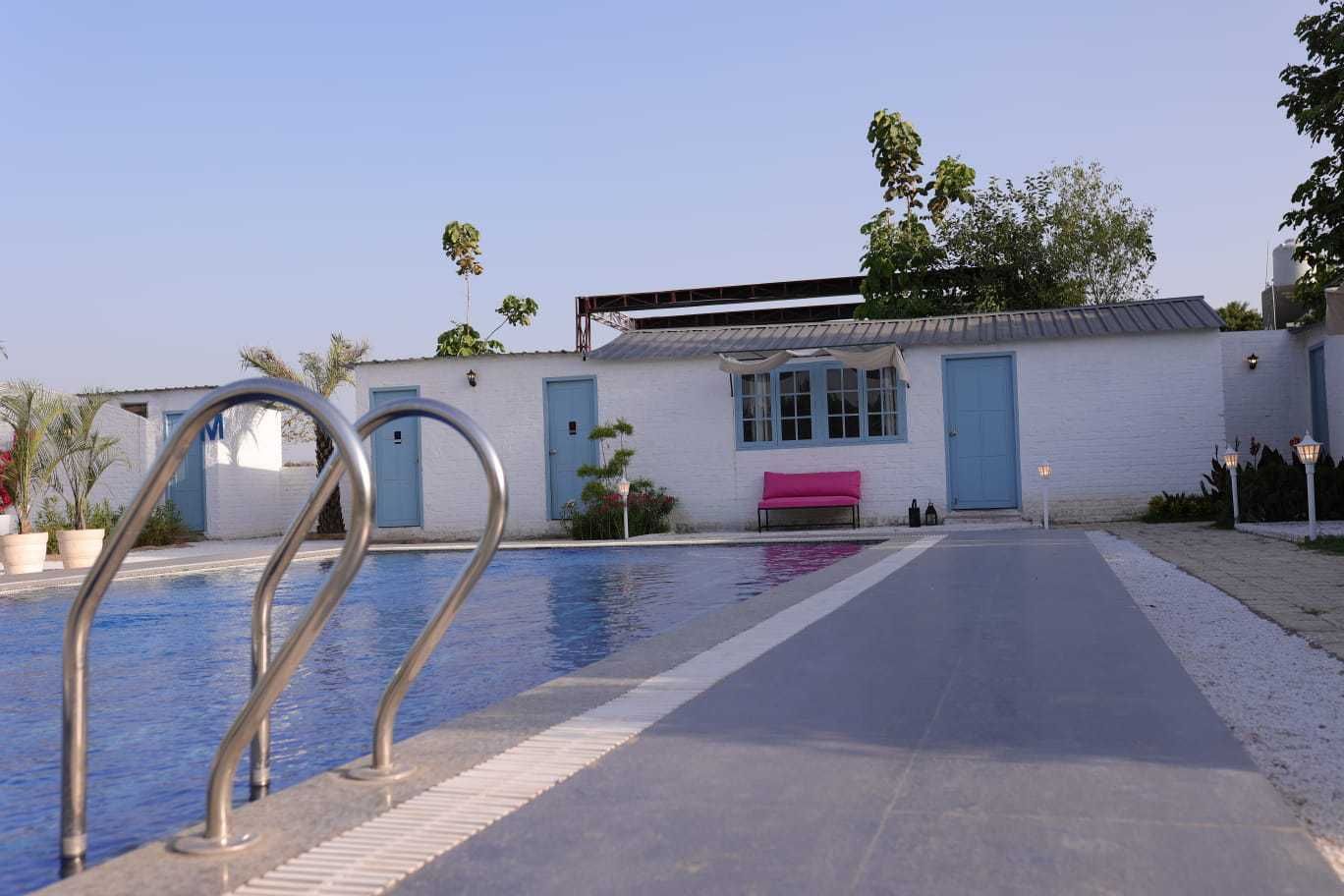
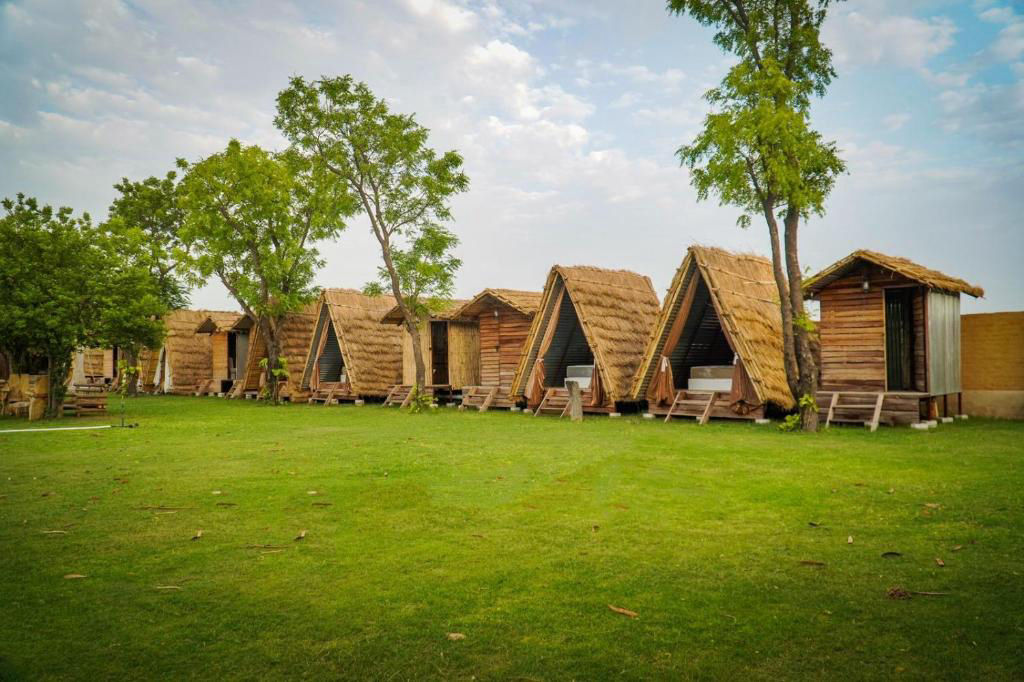
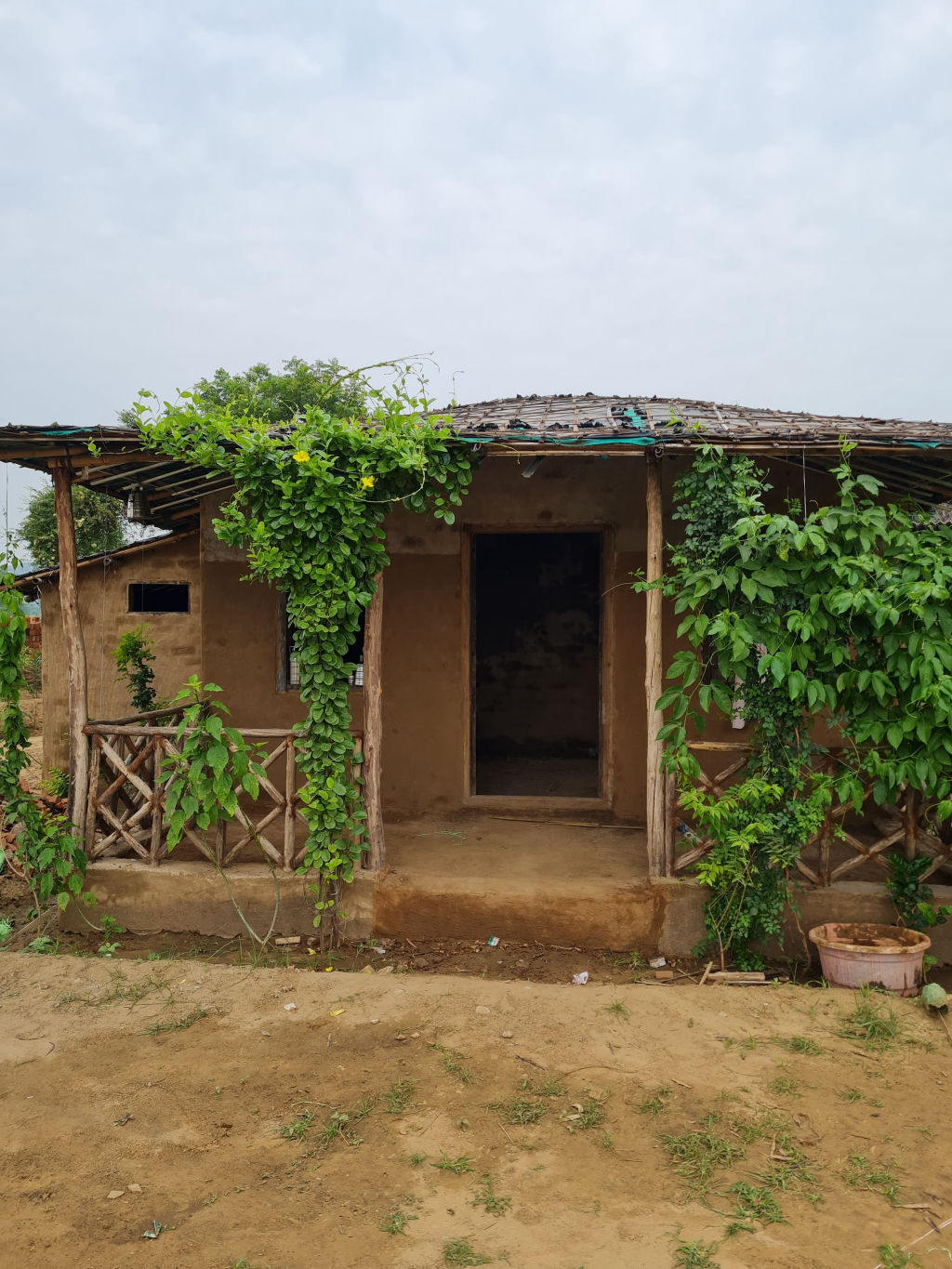
For a more relaxed or nature-focused stay away from standard city hotels, look for boutique stays, urban homestays, or camping and rural retreat options on the fringes of the capital through HireACamp. Booking your stay in advance helps ensure smooth access to the city’s major historic routes and transit corridors.
Frequently asked questions
Where is Qutb Minar located?
Qutb Minar is located in Seth Sarai, Mehrauli, in South Delhi, India. It is situated roughly 11 kilometres from central New Delhi.
How much time is needed to explore Qutb Minar?
Most visitors spend between one and a half to two hours exploring the minaret, the Quwwat-ul-Islam mosque, the Iron Pillar, and surrounding ruins.
Can visitors climb inside Qutb Minar?
Climbing the interior stairs of Qutb Minar is not permitted to the public for safety and conservation reasons, though visitors can view the tower and its carved exterior from the courtyards below.
What is the Iron Pillar inside the Qutb complex famous for?
The fourth-century Iron Pillar is famous for its remarkable rust-resistant metallurgical composition, having withstood outdoor weathering for over sixteen centuries without corroding.
How do I reach Qutb Minar by public transport?
The complex is well connected by the Delhi Metro network, with nearby stations serving the Mehrauli area, followed by a short auto-rickshaw or taxi ride directly to the monument gate.
Where you'll be
Seth Sarai, Mehrauli, New Delhi, Delhi 110030 · 4 stays nearby shown with prices
As seen on Instagram
The posts this guide is built from
Stays near Qutb Minar
Book a place to stay close by
Often visited together
Creators who went here also showed these


More places near Qutb Minar
Within 20 km


Lists for this area
Ranked by how many creators recommend each place


Built from 1 Instagram post by 1 creator. Every tip links back to the post it came from, and where creators disagree we show both sides.






