
Barkot
Destination in Uttarakhand
Barkot is a serene Himalayan town situated along the Yamuna River in the Uttarkashi district of Uttarakhand. Perched at an elevation of over 1,200 metres, it is widely known as a vital stopover for pilgrims heading towards Yamunotri Dham. Travellers visit Barkot to experience its terraced apple orchards, calm river valley atmosphere, and sweeping views of snow-draped Himalayan peaks.
Getting there
By road
- From Dehradun2 hr 45 min · 119 km
- From Chandigarh5 hr 10 min · 248 km
- From New Delhi6 hr 20 min · 373 km
- From Ludhiana7 hr 35 min · 358 km
Typical drive times without traffic. Stations and airports from OLA Maps; distances and typical drive times from OpenStreetMap (© OpenStreetMap contributors); notes from creators' Reels.
About Barkot
Written with AI from map data and general knowledge. Check prices and timings locally before you go.
About Barkot and its Himalayan setting
Barkot is a picturesque hillside settlement resting in the upper reaches of the Garhwal Himalayas. Flanked by terraced agricultural hills and thick pine forests, the town looks down upon the swift currents of the Yamuna River. Its position along the pilgrimage highway makes it a bustling transit hub during the yatra months, yet outside the rush of peak pilgrimage traffic, it retains the peaceful charm of an authentic mountain town.
From higher ridges around the settlement, visitors can catch clear views of prominent Garhwal peaks, including the prominent Bandarpoonch massif on crisp mornings. The surrounding landscape is dotted with small rustic villages, step farms producing seasonal crops, and sprawling apple and apricot orchards that burst into bloom during springtime.
Things to do in and around Barkot
A visit to Barkot offers several relaxing outdoor pursuits for nature enthusiasts and leisure travellers alike. Gentle walks along the banks of the Yamuna River provide quiet spots for photography, meditation, and birdwatching. Pine-scented walking trails weave up from the main town into surrounding hamlets, giving visitors an authentic glimpse of traditional Garhwal lifestyle, vernacular slate-roofed homes, and terraced farming.
Outdoor travellers often venture into the neighboring forested hills towards Devalsari, a dense woodland haven known for cedar groves and wilderness walks. For panoramic valley views, day trips toward Chilmiri Top provide broad vistas of mountain contours and sunset skies across the Chakrata ridge. Travelers can also arrange light hiking excursions to nearby waterfalls and natural streams that flow down into the Yamuna basin.
Read more
Heritage and temples near Barkot
Barkot serves as a convenient base for exploring some of the most culturally significant and historically rich shrines in the upper Yamuna region. A short journey away lies the ancient Lakhamandal Temple complex, dedicated to Lord Shiva. Constructed in the classic North Indian nagara architectural style, the site is tied by folklore to the Mahabharata and houses an intricate collection of carved stone sculptures and ancient lingams that draw archaeologists and pilgrims alike.
Another prominent site in the vicinity is the Prakateshwar Mahadev Temple, known for its natural limestone cave formations and dripping calcified water formations that resemble a holy sanctum. Across the valleys, the region is also steeped in the distinctive faith of Jaunsar Bawar and Rawain, where the Mahasu Devta Temple at Hanol stands as a masterpiece of wooden and stone craftsmanship. Shrines such as Lord Shri Kaleshwar Mahadev Temple further reflect the rich spiritual traditions nurtured across these mountain valleys.
Best time to visit Barkot
The ideal time to visit Barkot depends largely on whether you seek clear sightseeing weather or a chilly winter getaway. The spring and summer months from April to June offer pleasant daytime conditions, with temperatures remaining comfortable while lower plains swelter in heat. This period coincides with the commencement of the Char Dham pilgrimage season, bringing energy and open transit routes across the valleys.
Autumn, extending from September through November, is another splendid season to explore Barkot. Once the monsoon rains recede, the skies turn remarkably clear, offering the sharpest views of the distant Himalayan peaks and crisp mountain air. Winters from December to February bring biting cold, with temperatures dropping close to freezing and occasional snowfall on the surrounding high ridges, making it ideal for those who enjoy tranquil cold-weather mountain retreats.
How to reach Barkot
Barkot is well connected by motorable mountain roads that wind through the hills of Uttarakhand. The nearest major railway hub and commercial airport are located in Dehradun. From Dehradun, the road journey passes through scenic hill stations and river valleys via Mussoorie, Kempty Falls, and Nainbagh before climbing into Barkot. The drive generally takes around five to six hours depending on traffic and seasonal road conditions.
Regular state transport buses, shared mountain taxis, and private rental cars operate to Barkot from transit centres such as Dehradun, Rishikesh, and Haridwar. Driving through the Yamuna valley offers dramatic river canyon scenery, but drivers should exercise caution on mountain curves and confirm road updates during the rainy season when landslides can cause temporary delays.
Tips for your visit
Planning ahead is essential when visiting Barkot, particularly during the primary pilgrimage window between May and July. Traffic along the main corridor can increase significantly during these months, so starting road journeys early in the morning helps avoid congestion at narrow bends and mountain bridges.
Even in the summer months, evenings in the hills can turn cool, making a light fleece or warm layer necessary. For winter visits, heavy woollens, thermal innerwear, and windproof jackets are required. Carry sufficient cash for daily expenses, fuel purchases, and local markets, as network connectivity for digital transactions can be sporadic in remote pockets. Finally, respect local traditions, preserve the delicate mountain ecology by carrying back all plastic waste, and check locally for the most up-to-date road information before driving deep into interior valley routes.
Where to stay in Barkot
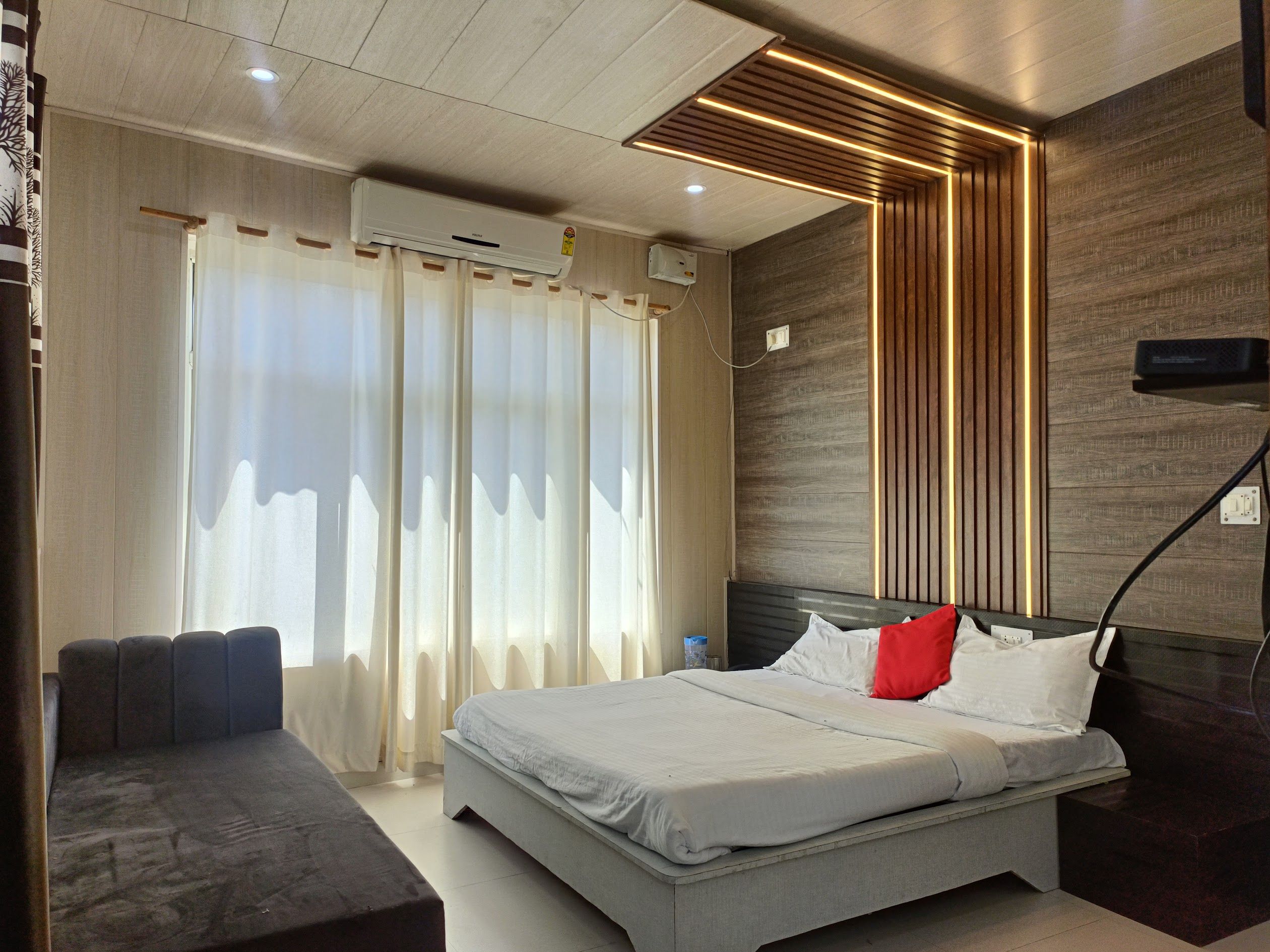
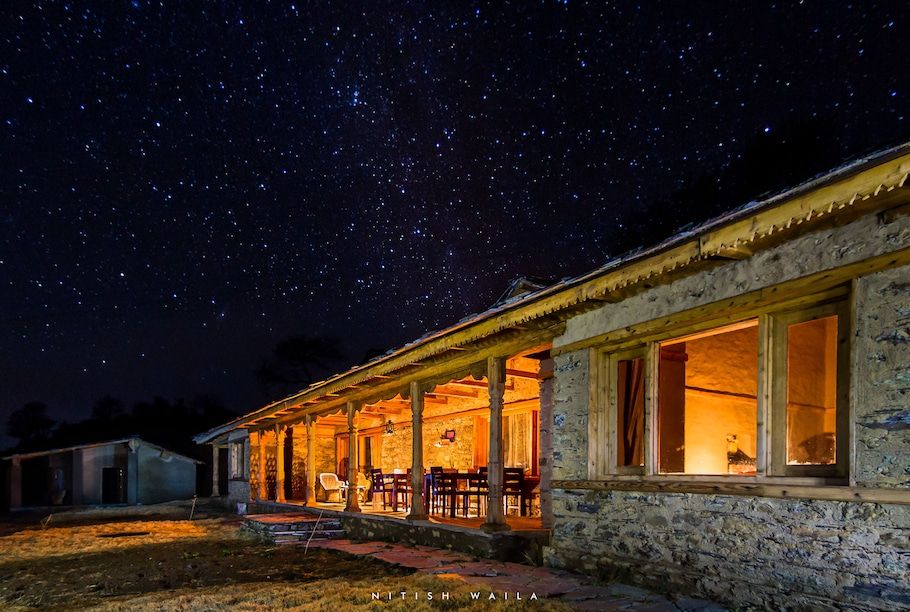
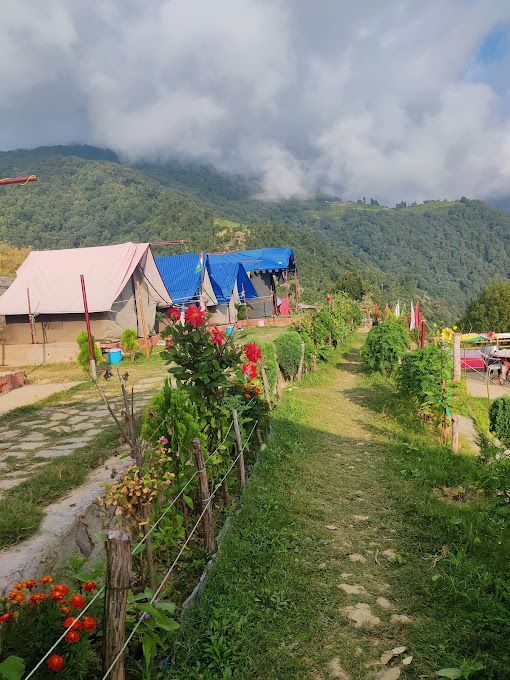
Barkot provides a wide range of stay options tailored to pilgrims, backpackers, and family holidaymakers exploring Uttarakhand. Accommodations in the town range from modest guesthouses and pilgrim lodges to tranquil riverside properties that make the most of the valley views. Staying slightly away from the bustling town market allows travellers to enjoy tranquil nights surrounded by pine slopes and the gentle murmur of the river.
For those seeking authentic local hospitality, immersive homestays and outdoor riverside camps in and around Barkot can be discovered and reserved through HireACamp. Booking in advance is recommended during the high pilgrimage season to ensure comfortable lodging.
Frequently asked questions
What is Barkot famous for?
Barkot is best known as a vital base and transit town for pilgrims traveling to Yamunotri Dham. It is also admired for its scenic apple orchards, views of snow-capped peaks, and proximity to ancient sites like Lakhamandal.
How far is Yamunotri from Barkot?
Barkot sits approximately 45 to 50 kilometres by road from Janki Chatti, which serves as the traditional roadhead and trekking start point for Yamunotri Temple.
Does it snow in Barkot?
While the main town of Barkot receives light snowfall only during severe winter cold waves between December and January, the higher peaks and passes surrounding the town regularly receive visible snow.
How can I find camping and homestays in Barkot?
You can find and book verified outdoor camps, scenic homestays, and rustic getaways around Barkot directly on HireACamp.
Where you'll be
3 stays nearby shown with prices
Stays near Barkot
Book a place to stay close by
Things to do in Barkot
29 places creators recommend within 30 km


Lists for this area
Ranked by how many creators recommend each place


Built from 0 Instagram posts by 0 creators. Every tip links back to the post it came from, and where creators disagree we show both sides.






