
Vishwanath Temple
Temple near Uttarkashi, Uttarakhand
400 m from Uttarkashi
The nearest town, for stays, food and fuel.
Vishwanath Temple in Uttarkashi is an ancient shrine dedicated to Lord Shiva, resting along the banks of the Bhagirathi River in the Garhwal Himalayas. Regarded as the northern counterpart to the celebrated temple in Varanasi, it holds immense spiritual significance for pilgrims and mountain travellers alike. Visitors come to admire its classical stone architecture, participate in traditional evening rituals, and explore the surrounding alpine landscapes.
Getting there
By road
- From UttarkashiNearest town2 min · 700 m
- From Dehradun3 hr 25 min · 137 km
- From Chandigarh6 hr 40 min · 327 km
- From New Delhi7 hr · 366 km
Typical drive times without traffic. Stations and airports from OLA Maps; distances and typical drive times from OpenStreetMap (© OpenStreetMap contributors); notes from creators' Reels.
About Vishwanath Temple
Written with AI from map data and general knowledge. Check prices and timings locally before you go.
About Vishwanath Temple in Uttarkashi
The Vishwanath Temple in Uttarkashi stands as one of the most historically significant religious centers in the Garhwal region of Uttarakhand. Situated in the heart of town along the banks of the Bhagirathi River, this ancient sanctuary is dedicated to Lord Shiva. Uttarkashi translates to Kashi of the North, and regional tradition equates the sanctity of this temple to that of the revered Kashi Vishwanath in Varanasi. It has long been an essential pause for pilgrims undertaking the traditional Char Dham route toward Gangotri and Yamunotri.
Directly across from the main temple courtyard sits the Shakti Temple, an integral part of the shrine complex. It is known for housing an enormous trident made of copper and brass, revered as the sacred weapon of the divine goddess. According to local lore, this weapon was hurled at ancient demons, burying itself deep within the earth. Together, these shrines form a quiet spiritual nucleus for the district, drawing ascetics, residents, and wanderers throughout the year.
Architecture and Ambience
The architecture of Vishwanath Temple showcases classic Himalayan stonework that has weathered centuries of mountain winters. Built with solid dressed stone slabs, the structure features a curvilinear shikhara typical of ancient North Indian temple craftsmanship, crowned by a stone amalaka and kalash. Within the inner sanctum, or garbhagriha, rests an ancient Shiva lingam that serves as the focus of daily devotional worship.
The atmosphere within the complex remains remarkably peaceful despite its location close to the town center. Morning and evening rituals fill the stone courtyard with the resonance of brass bells, conch shells, and rhythmic chanting. Outside the immediate shrine, the steady murmur of the Bhagirathi River flowing through the valley provides a soothing backdrop. Stone flagstones pave the perimeter, offering an unhurried space for visitors to sit, reflect, and observe the spiritual life of the Garhwal community.
Read more
Best Time to Visit Vishwanath Temple
Uttarkashi experiences distinct Himalayan seasons, making timing an important consideration when planning your trip. The most comfortable period to visit falls between April and June, when spring gives way to a mild summer. During these months, daytime temperatures remain pleasant, making it easy to wander through the temple courtyards and explore the surrounding valley without contending with harsh cold.
Autumn, spanning from September to November, is another favored window. Following the withdrawal of the summer rains, mountain skies clear to reveal views of the upper ranges, and the air turns refreshing and crisp. Winter sets in from December through February, bringing sharp drops in temperature and cold drafts along the river valley. While snow rarely falls in the lower town, heavy woollens are essential. The monsoon months of July and August bring substantial rain across the Garhwal hills, which can cause landslides and road blockages; travellers visiting during this period should monitor local weather updates closely.
How to Reach Vishwanath Temple
Reaching Vishwanath Temple requires traveling into the lower Garhwal Himalayas of Uttarakhand. The nearest major railway stations and domestic airport are located in Dehradun, Haridwar, and Rishikesh. From these transport hubs at the base of the mountains, roads wind steadily upward through river valleys and forested ridgelines.
Travelers typically make the road journey by hired taxi or state transport buses departing from Rishikesh or Dehradun. The road leads through scenic transit points such as Chamba, Tehri, or Dharasu bend before following the path of the Bhagirathi River into Uttarkashi town. Once you arrive in the central town area, the temple is easily reachable on foot or via a short local shared taxi or auto-rickshaw ride.
Things to Do Around the Temple
Visiting the temple places you in a mountain valley rich in natural and cultural exploration. A stroll down toward the Bhagirathi River reveals peaceful riverfront parks where you can sit by the glacial current and watch life unfold along the riverbanks. The town also serves as a historic launch point for mountaineering expeditions and high-altitude hiking routes that lead deeper into the Himalayas toward glaciers and alpine meadows.
Beyond the central settlement, the landscape transitions quickly into thick pine, cedar, and oak forests. Visitors interested in nature can explore nearby forest sanctuaries such as Govind Pashu Vihar or take gentle walks along quiet village trails that wind among terraced fields. The surrounding slopes also harbor traditional village temples, offering an authentic glimpse into rural Garhwali mountain culture.
Tips for Your Visit
To ensure a smooth visit to Vishwanath Temple, keep a few local customs and practical factors in mind. As with most sacred sites in the Himalayas, modest attire covering shoulders and knees is recommended. Footwear must be removed before stepping into the temple courtyard and inner sanctum. Photography inside the inner shrine is restricted, so it is best to check with the temple caretakers before taking out cameras or phones.
Attending the morning or evening aarti is a memorable way to experience the temple when the atmosphere is most evocative. The complex can see larger gatherings during major Hindu festivals such as Maha Shivaratri and throughout the holy month of Shravan. Carrying a light jacket or shawl is advisable even during summer evenings, as breezes blowing off the Bhagirathi River can be surprisingly cool.
Where to Stay in Uttarkashi
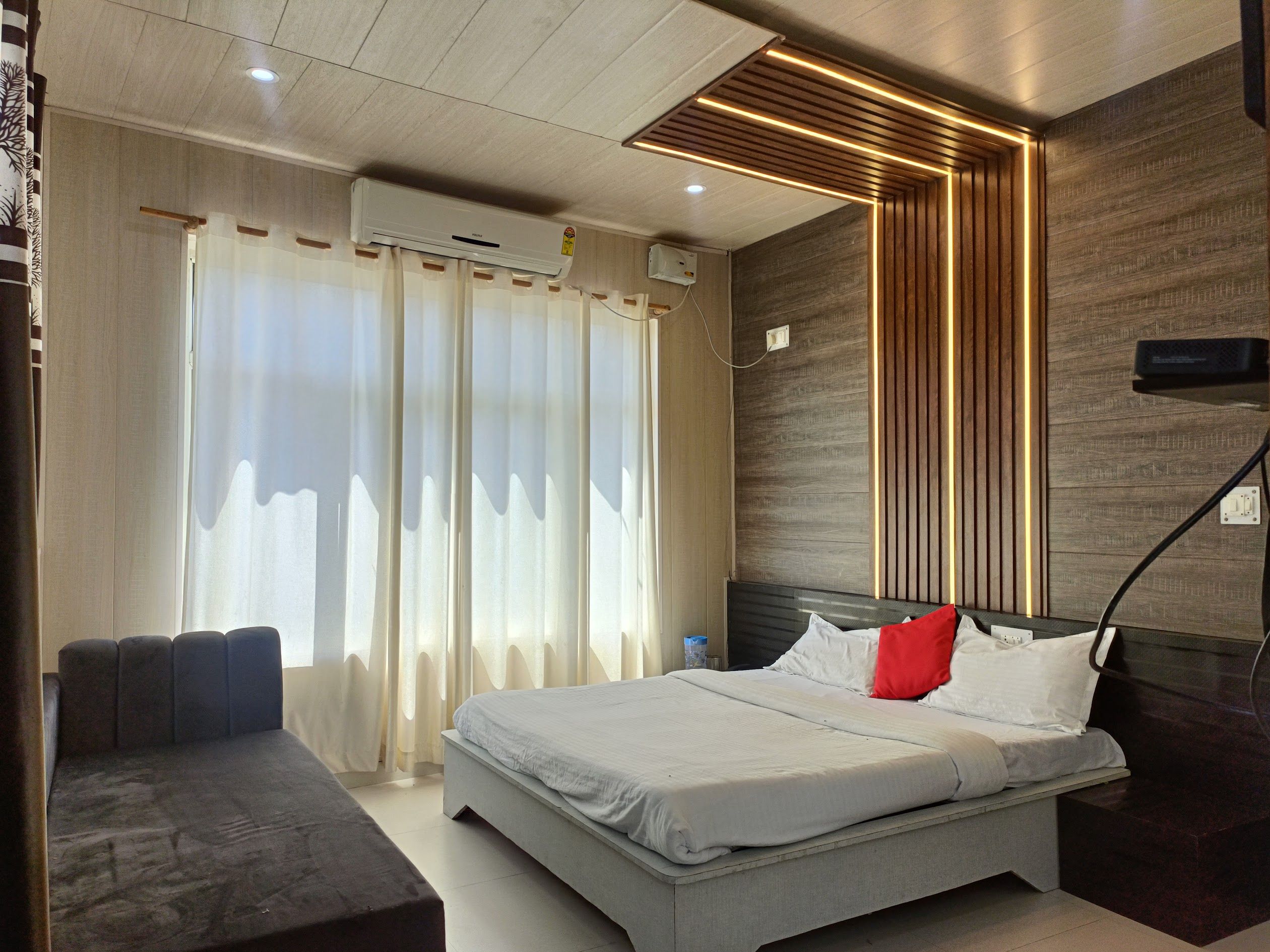
Accommodations in and around Uttarkashi cater to diverse preferences, ranging from pilgrim guesthouses in the town center to serene retreats located along the valley floor. Travelers who prefer natural settings often look for riverside camps or rustic homestays situated in quiet hamlets nearby. Staying at a local homestay offers the opportunity to enjoy traditional Garhwali cuisine and learn directly about local mountain life. You can discover and book verified homestays, wilderness camps, and nature stays in the region on HireACamp.
Frequently asked questions
Where is Vishwanath Temple located?
Vishwanath Temple is located in the town of Uttarkashi in Uttarakhand, India, along the banks of the Bhagirathi River.
Why is Vishwanath Temple in Uttarkashi famous?
It is an ancient shrine dedicated to Lord Shiva that is considered the northern equivalent of the Kashi Vishwanath Temple in Varanasi, making it a revered pilgrimage stop in the Garhwal Himalayas.
What is the Shakti Temple opposite Vishwanath Temple?
The Shakti Temple stands directly opposite Vishwanath Temple and houses a massive copper and brass trident, revered as a divine weapon wielded by the goddess Durga.
What is the best time of year to visit the temple?
The best months to visit are from April to June for pleasant weather, and from September to November for clear mountain views after the monsoon.
Are there any dress code rules for visiting Vishwanath Temple?
Visitors are expected to dress modestly, covering shoulders and knees, and to remove their footwear before entering the temple complex.
Where you'll be
Uttarkashi · 1 stay nearby shown with prices
Stays near Vishwanath Temple
Book a place to stay close by
More places near Vishwanath Temple
Within 20 km


Built from 0 Instagram posts by 0 creators. Every tip links back to the post it came from, and where creators disagree we show both sides.






