
Gulabi Kantha Trek
Trek near Kharsali, Uttarakhand
5.6 km from Kharsali
The nearest town, for stays, food and fuel.
Gulabi Kantha Trek is a scenic alpine meadow trail located near Rajgarhi in the Uttarkashi district of Uttarakhand. Accessible from villages such as Nishni along the Barkot to Yamunotri route, it is famous for its panoramic views of snow-dusted Himalayan peaks including Bandarpoonch and the Yamunotri range. Trekkers visit to experience expansive alpine pastures that burst with pink rhododendron blooms in the spring and transform into quiet snowscapes during the colder months.
Getting there
By road
- From KharsaliNearest town13 min · 8.4 km
- From Dehradun3 hr 25 min · 155 km
- From Chandigarh5 hr 50 min · 281 km
- From New Delhi7 hr · 409 km
Typical drive times without traffic. Stations and airports from OLA Maps; distances and typical drive times from OpenStreetMap (© OpenStreetMap contributors); notes from creators' Reels.
About Gulabi Kantha Trek
Written with AI from map data and general knowledge. Check prices and timings locally before you go.
About the Gulabi Kantha Trek
Gulabi Kantha translates loosely to pink throat or pink ridge, an evocative name inspired by the profusion of pink and red rhododendron blossoms that cover the lower slopes during early spring. Situated in the upper reaches of the Yamunotri valley, this alpine ridge trek offers an untouched alternative to heavier-trodden routes in the Garhwal Himalayas. The trek takes you up from quiet hillside villages, winding through deep temperate woodland before spilling onto wide grasslands, known locally as bugyals.
The altitude and position of the meadow grant open, uninterrupted panoramas across the Garhwal mountain ranges. On clear mornings, you can gaze toward the prominent summits of the Bandarpoonch massif, the Kalindi ridge, and distant high-altitude passes. Because the region maintains a traditional pastoral way of life, walking these paths also provides a window into the everyday routines of local mountain communities who have grazed their livestock on these slopes for generations.
The Trekking Route and Mountain Scenery
The journey along the Gulabi Kantha Trek typically begins from the Nishni village area, situated along the road leading toward Barkot and Yamunotri. Starting from the lower valleys, the trail climbs progressively through dense forests populated by oak, deodar, and vibrant rhododendron trees. As you gain elevation, the canopy thins out, giving way to undulating green meadows framed by rocky outcrops and distant snowy peaks.
The final push toward the ridge brings trekkers onto an elevated crest that acts as a natural vantage point. Walking across the open meadows gives a remarkable sense of space, with valleys falling away on either side and the brisk Himalayan wind greeting you at the top. Depending on the season, the meadows change character completely, shifting from a rich carpet of alpine grasses and wildflowers to a vast, wind-sculpted expanse of pristine snow.
Read more
Best Time to Visit Gulabi Kantha
The Gulabi Kantha Trek offers distinct experiences across different seasons, making it a viable destination for much of the year except during peak monsoon storms. Spring, spanning late March through May, is arguably the most visually striking period to visit. This is when the rhododendron forests are in full bloom, painting the valleys in vivid pinks and crimsons, while daytime temperatures remain mild and pleasant for walking under open skies.
Autumn, from late September to November, brings crisp weather, dry trails, and extraordinarily clear atmospheric conditions. This period is favoured by mountain photographers seeking crystal-clear vistas of the surrounding peaks. Winter, lasting from December through February, turns Gulabi Kantha into a legitimate snow trek. The bugyals are blanketted in deep white powder, attracting winter trekking enthusiasts looking for snow camping and sub-zero mountain adventures. During the monsoon months of July and August, heavy rainfall can make trail sections slippery and the access roads susceptible to landslides, so hiking during this window is best avoided.
How to Reach Gulabi Kantha
Reaching the starting point of the Gulabi Kantha Trek requires travelling into the Garhwal region of Uttarakhand. The primary transit hubs connecting to this area are Dehradun and Rishikesh, both of which have major railway stations and regular bus services from Delhi and other northern cities. Jolly Grant Airport in Dehradun is the nearest air terminal for travellers flying in from across the country.
From Dehradun or Rishikesh, the road route heads toward Mussoorie, Naugaon, and Barkot along the Yamunotri highway. The base around Nishni village and the Rajgarhi tehsil is approached along this corridor. Shared jeeps, local buses, and private taxis run regularly up to Barkot and onwards along the pilgrimage highway. The mountain roads pass through steep river gorges and pine-covered ridges, so travel times can vary depending on weather and local mountain road conditions.
Things to Know and What to Carry
Preparation is key for any high-altitude meadow trek, even one considered moderately graded like Gulabi Kantha. The weather in the mountains can change rapidly, with bright sunshine suddenly giving way to cold winds, mist, or localized precipitation. Dressing in layers is essential: pack moisture-wicking base layers, a warm fleece mid-layer, and a reliable windproof and waterproof outer jacket to protect against unexpected mountain squalls.
A sturdy pair of trekking shoes with deep lugged soles and ankle support will keep your footing secure across loose dirt, forest roots, and rocky sections. In winter, gaiters and microspikes are strongly recommended to navigate snowy segments safely. Always carry enough drinking water, high-energy snacks, a personal medical kit, sun protection, and a headlamp. Because these meadows are fragile alpine ecosystems, it is vital to practice leave-no-trace ethics by bringing back all non-biodegradable waste.
Places to Explore Nearby
The region around Rajgarhi and the broader Yamunotri valley offers several natural and cultural landmarks worth combining with the trek. Down in the valley, the sacred Bhagirathi River and Yamuna River systems shape the geography, with tranquil riverside spots ideal for resting tired feet after a long descent. Ancient temples such as Kandar Devta Mandir, Lord Shri Kaleshwar Mahadev Temple, and Kuteti Devi Mandir showcase typical Himalayan wood-and-stone architecture and serve as quiet focal points of local faith.
Travellers interested in extended journeys can venture into the surrounding wilderness areas, including Govind Pashu Vihar National Park and Wildlife Sanctuary, home to diverse Himalayan fauna and classic trails like the Juda Ka Talab route. Further east lies the serene Harsil valley, celebrated for its apple orchards and traditional wooden hamlets along the Bhagirathi, providing a scenic extension to an Uttarakhand mountain holiday.
Where to Stay for the Trek
Accommodation options for the Gulabi Kantha Trek generally depend on the style of your trip. Along the trek itself, camping on the meadows under the stars is the most popular way to experience the bugyal, with designated wilderness campsites set up along the trail. Trekking self-sufficiently with quality tents and warm sleeping gear suitable for near-freezing temperatures is standard practice on the higher slopes.
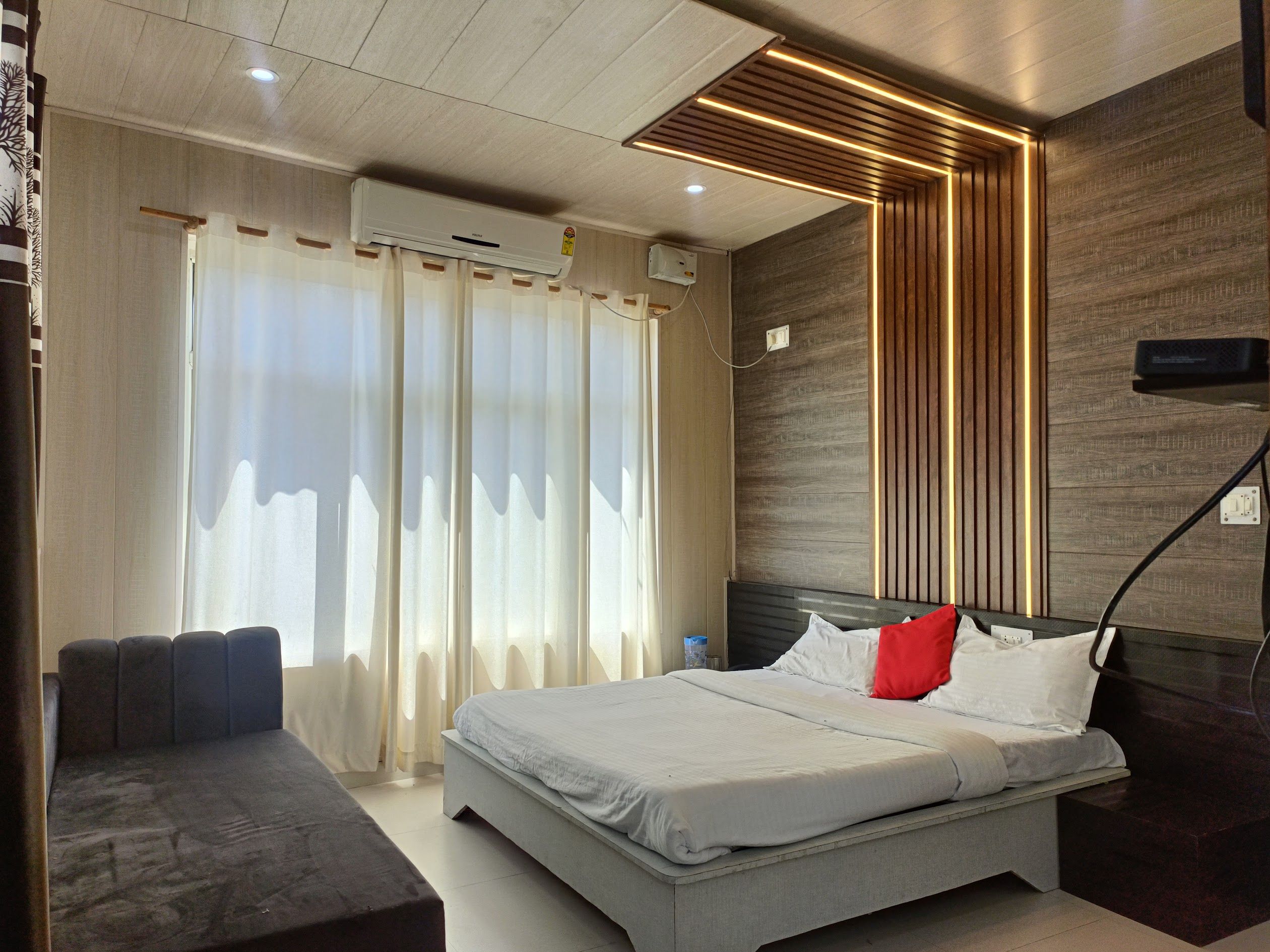
At the roadhead and in surrounding settlements such as Nishni, Barkot, and Rajgarhi, travellers can find simple local guesthouses and family-run village homestays that offer warm Garhwali hospitality and home-cooked meals. To find well-located campsites, rural homestays, and comfortable nature getaways before and after your trek, you can explore the curated listings available on HireACamp.
Frequently asked questions
Where does the Gulabi Kantha Trek start?
The trek usually begins from villages near the Barkot to Yamunotri highway, with Nishni village in the Rajgarhi tehsil being one of the most common starting points.
What is the difficulty level of the Gulabi Kantha Trek?
The trek is generally considered easy to moderate, making it accessible to beginners with basic physical fitness as well as experienced hikers looking for a shorter trail.
Can you do the Gulabi Kantha Trek in winter?
Yes, Gulabi Kantha is an excellent winter trek between December and February, when the meadows and forest trails are covered in deep snow.
Why is it named Gulabi Kantha?
The name Gulabi, meaning pink, comes from the vibrant pink and crimson rhododendron blossoms that blanket the mountainsides along the trail during springtime.
Are permits required for the Gulabi Kantha Trek?
Forest department permissions or local administrative checkpoints may be required depending on the season and your intended camping route, so it is best to check locally before heading up.
Where you'll be
Tehsil, Nishni Village Post, Barkot - Yamunotri Rd, Rajgarhi · 1 stay nearby shown with prices
Stays near Gulabi Kantha Trek
Book a place to stay close by
More places near Gulabi Kantha Trek
Within 20 km


Built from 0 Instagram posts by 0 creators. Every tip links back to the post it came from, and where creators disagree we show both sides.






