
Basgo Monastery
Monastery near Basgo, Ladakh
1000 m from Basgo
The nearest town, for stays, food and fuel.
Basgo Monastery, located in the Leh district of Ladakh, is an ancient monastic and citadel complex perched atop rugged mud-brick bluffs overlooking the Indus Valley. Built primarily during the fifteenth and sixteenth centuries, it served as an important royal seat of Lower Ladakh before the unification of the kingdom. Travellers and pilgrims visit today to explore its centuries-old temples, monumental Maitreya Buddha statues, and atmospheric mud-brick fortress ruins that rise organically from the eroded landscape.
Getting there
By road
- From BasgoNearest town1 min · 1.3 km
Typical drive times without traffic. Stations and airports from OLA Maps; distances and typical drive times from OpenStreetMap (© OpenStreetMap contributors); notes from creators' Reels.
About Basgo Monastery
Written with AI from map data and general knowledge. Check prices and timings locally before you go.
History and heritage of Basgo Monastery
Basgo Monastery, often called Basgo Gompa, is set amid the remains of a historic citadel that once guarded the trade and political corridors of Lower Ladakh. In the fifteenth century, Ladakh was divided into two distinct realms, with Basgo establishing itself as the fortified capital of the lower territory. The kings of the Namgyal dynasty fortified the ridges here with thick earthen walls, watchtowers, and palaces designed to withstand prolonged sieges, notably surviving a historic multi-year siege by Mongol and Tibetan armies in the seventeenth century.
While much of the ancient residential palace complex now lies in evocative mud-brick ruin, the sacred temples within the perimeter have been continuously maintained and preserved. The site is recognised globally for its cultural significance, as it provides a rare, intact window into medieval Ladakhi fortress construction and temple arts. Walking through the pathways of Basgo offers a direct connection to the turbulent feudal history of the western Himalayas.
Art and architecture at the complex
The visual impact of Basgo Monastery is largely defined by the way its mud-brick and stone buildings emerge directly from the eroded clay cliffs. From the valley below, the structures appear almost as natural geological formations before revealing window frames, defensive parapets, and red-trimmed prayer halls. This harmony between vernacular architecture and the rugged terrain makes it one of the most distinctive historical sites in Ladakh.
Inside the complex, visitors find several dedicated shrines, including the Serzang and Cham-chung temples. The highlight of the complex is the monumental statue of Maitreya, the future Buddha, which stands several storeys high inside the main hall. Constructed from copper-gilt and clay, the figure is illuminated by shafts of natural light pouring from skylights in the ceiling. The surrounding walls feature ancient murals painted in rich mineral pigments depicting deities, protective figures, and historical kings. These murals have survived centuries in the dry Himalayan air, offering an irreplaceable record of early Ladakhi painting.
Read more
Best time to visit Basgo Monastery
The most favourable time to visit Basgo Monastery is during the late spring, summer, and early autumn months, spanning from May through October. During this window, road conditions across Ladakh are generally at their best, and daytime temperatures in the Indus Valley are pleasant for walking around the uneven outdoor trails of the citadel.
Summer brings clear blue skies that create a stark contrast with the ochre-coloured mud ruins and the green oasis of willow and poplar trees in the village below. By late autumn, temperatures drop sharply, and the landscape begins preparing for the deep cold of winter. While Basgo remains accessible year-round due to its position along the main arterial highway between Leh and Kargil, winter brings sub-zero temperatures, icy winds, and freezing conditions that require heavy cold-weather clothing and careful route planning.
How to reach Basgo Monastery
Basgo Monastery is located in the Leh sub-district, set just off the primary national highway that connects Leh with Srinagar via Kargil. The nearest airport is Kushok Bakula Rimpochee Airport in Leh, which operates regular domestic flights connecting to major Indian hubs. From the airport or Leh town, the journey to Basgo follows the course of the Indus River westbound and takes around an hour by private taxi, rented vehicle, or local bus.
Public buses travelling between Leh and towns further down the valley, such as Khalsi, Temisgam, or Kargil, stop on the highway near the entrance to Basgo village. From the main road, a winding access road leads up to the foot of the monastery hill. Visitors can choose to drive up to the parking zone near the base of the temples or take a gradual footpath through the village and ancient stone walls.
Tips for your visit
Because Basgo sits at a high altitude in Ladakh, proper acclimatisation is essential before attempting the climb around the ruins. Travellers flying into the region should allow at least two full days of rest in Leh before engaging in moderate uphill walking. Stay hydrated, pace yourself carefully, and wear a broad-brimmed hat and sunscreen, as the high-altitude sun can be intense.
The complex involves walking across uneven ground, gravel tracks, and steep stone steps without continuous handrails. Sturdy shoes with good grip are strongly recommended to navigate the citadel terrain comfortably. Within the prayer rooms, visitors must remove their footwear, speak quietly, and follow local guidelines regarding interior photography, which is restricted in certain sanctums to preserve sacred wall paintings.
Places to visit around Basgo
Basgo Monastery forms part of an ancient cultural corridor along the lower Indus River, making it easy to pair with nearby historical landmarks. Downstream lies Alchi Monastery, celebrated for its tenth-century Kashmiri-influenced woodcarvings and miniature-style wall paintings that represent some of the oldest surviving Buddhist art in Ladakh. Further along the river route, travellers can visit the rock-cut cave paintings at Saspol and the serene Mangyu temple complex nestled in a quiet side valley.
To the west, the valley leads toward the fortress and monastery of Tingmosgang, which shares historical royal ties with Basgo. Those interested in the broader natural landscape can look across the river toward the northern edges of Hemis National Park and the prominent summit of Stok Kangri, providing a backdrop for day drives through the surrounding mountain desert.
Where to stay near Basgo
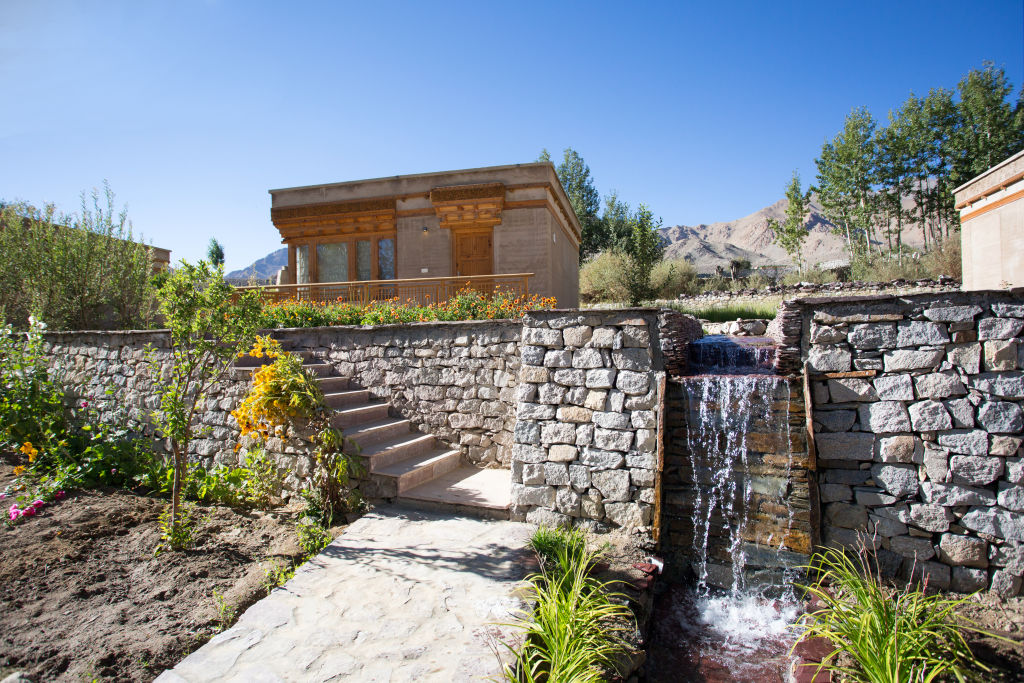
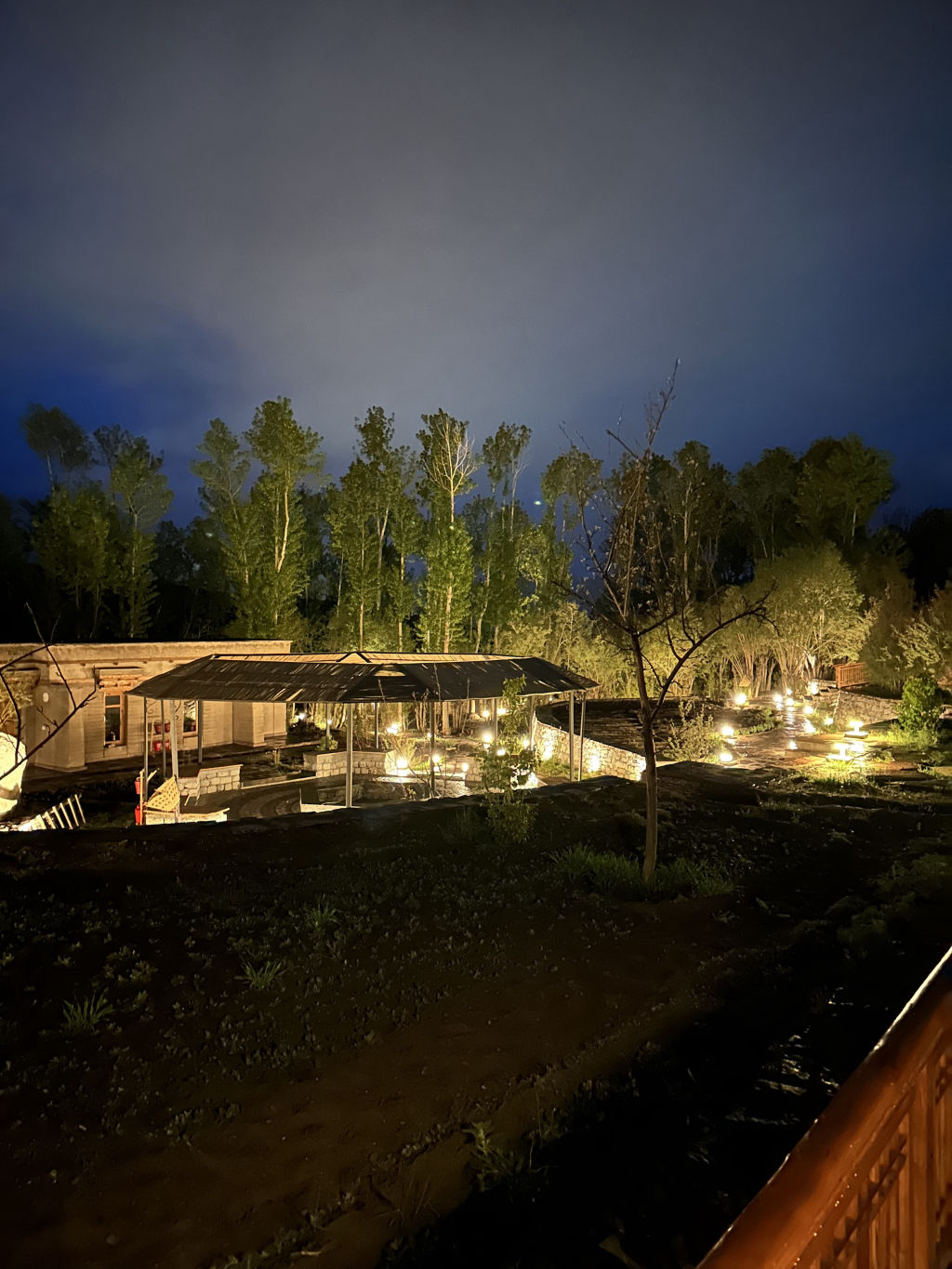
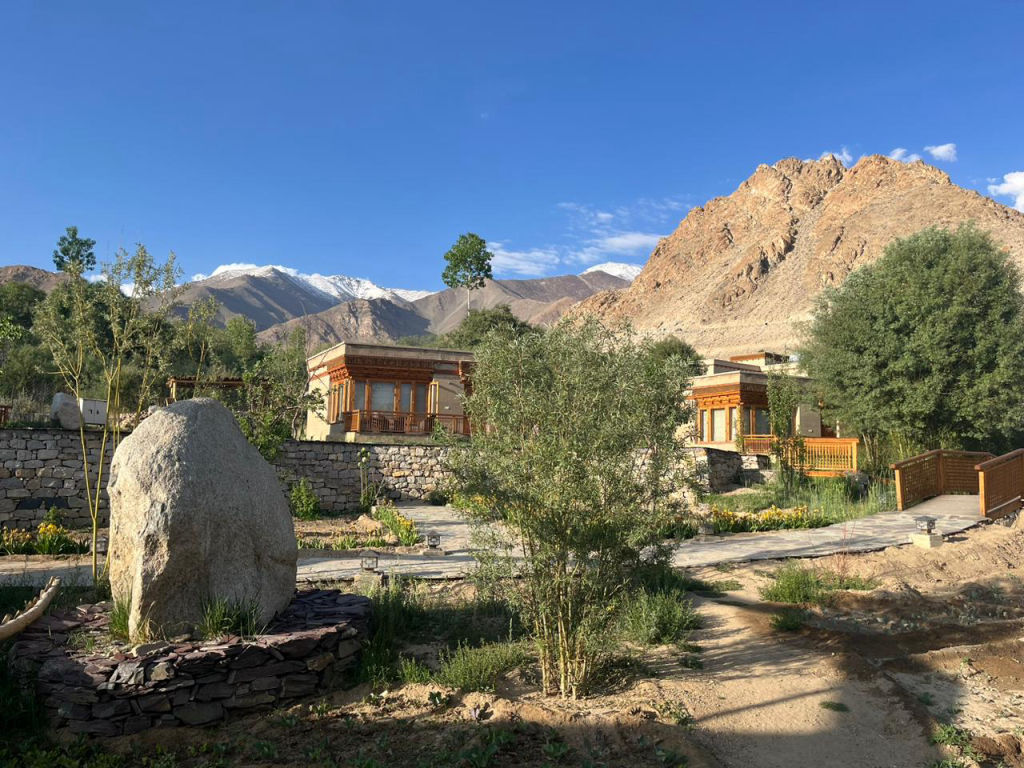
Staying near Basgo provides an opportunity to experience rural Ladakhi village life away from the commercial bustle of Leh. Accommodations in the area typically consist of traditional village homestays, simple guest houses, and seasonal camps spread throughout the adjoining hamlets of Basgo, Saspol, and Alchi. Staying in a family-run home allows visitors to sample traditional food cooked with local barley and root vegetables while supporting community-led rural tourism.
Travellers looking to book verified camps, homestays, and outdoor stays near Basgo and across the wider Leh region can discover a selection of vetted local accommodations on HireACamp.
Frequently asked questions
How far is Basgo Monastery from Leh?
Basgo Monastery lies roughly 40 kilometres west of Leh town along the main highway toward Kargil, typically requiring about an hour of driving time depending on traffic.
Is Basgo Monastery accessible during winter?
Yes, Basgo is situated at a lower elevation than the high mountain passes and stays accessible by road throughout the winter months, though visitors must prepare for freezing temperatures.
Do I need a special permit to visit Basgo Monastery?
Standard domestic and international travellers do not require Inner Line Permits specifically to visit Basgo, as it lies on the open highway route, but you should always verify current regional regulations locally.
How much physical walking is required at Basgo?
Exploring the complex involves climbing steep stone paths, uneven gravel trails, and steps between the different temple shrines and ruins, so moderate mobility and acclimatisation are helpful.
Where you'll be
Leh Sub-District · 3 stays nearby shown with prices
Stays near Basgo Monastery
Book a place to stay close by
More places near Basgo Monastery
Within 20 km
Built from 0 Instagram posts by 0 creators. Every tip links back to the post it came from, and where creators disagree we show both sides.






