
Confluence of Indus and Zanskar
Riverside spot near Nimu, Ladakh
3.4 km from Nimu
The nearest town, for stays, food and fuel.
The Confluence of the Indus and Zanskar rivers, locally known as Sangam, is a dramatic natural river junction located in Ladakh, India. Situated west of Leh near the village of Nimmu, it is where the turquoise-green Indus meets the swift, silt-laden waters of the Zanskar River against a backdrop of towering trans-Himalayan cliffs. Travellers visit to marvel at the distinct two-tone water boundary, embark on seasonal white-water rafting adventures, and photograph the stark desert scenery.
Getting there
By road
- From NimuNearest town6 min · 5.5 km
Typical drive times without traffic. Stations and airports from OLA Maps; distances and typical drive times from OpenStreetMap (© OpenStreetMap contributors); notes from creators' Reels.
About Confluence of Indus and Zanskar
Written with AI from map data and general knowledge. Check prices and timings locally before you go.
The Meeting of Two Rivers
The confluence of the Indus and Zanskar rivers is one of the most recognizable natural landmarks in Ladakh. The Indus River, known locally as the Sengge Zangpo or Lion River, originates near Lake Manasarovar in western Tibet and flows across the high plateau of Ladakh. Near Nimmu, it receives its powerful tributary, the Zanskar River, which drains the rugged Zanskar range and flows north through sheer gorges.
What makes this junction extraordinary is the sharp visual contrast between the two waterways. For most of the summer, the Indus exhibits a relatively clear, deep green or emerald tone, while the fast-moving Zanskar carries heavy mountain sediment, giving it a murky grey or sandy brown tint. When the two streams collide, their currents run side by side without immediately blending, creating a distinct two-toned dividing line that stretches through the valley before the waters finally merge into a single westward course.
Landscape of the Nimmu Valley
Situated near the village of Nimmu at an altitude of over ten thousand feet above sea level, the confluence rests in a dramatic geological basin. The surrounding terrain embodies the raw majesty of the Ladakhi cold desert. Towering brown peaks, steep scree slopes, and ancient alluvial terraces form the canyon walls that frame the river corridor.
The absence of dense vegetation puts the sculpted contours of the mountains and the wide Himalayan sky on full display. Down in the valley floor, wide gravel banks and pebble shoals shift continuously with seasonal water flows. Viewed from the cliffs along the highway, the massive scale of the mountains dwarfs the passing traffic, highlighting how these glacial waterways have painstakingly carved life and passage through an otherwise arid plateau.
Read more
Things to Do at the Confluence
The primary activity for most visitors is pausing at the roadside viewpoints to observe the spectacular boundary where the two rivers meet. From this elevated vantage point, you can take in the broad expanse of the valley and photograph the shifting interplay of water colors under the high-altitude sun. Many travellers take time to watch the interplay of light and shadow across the canyon walls as clouds move overhead.
During the warmer months, the confluence serves as a major hub for high-altitude river rafting. Adventurers tackle the swift rapids of the Zanskar and Indus rivers, with several rafting routes finishing on the gravel shoals near the meeting point. For visitors who prefer to stay on land, walking down along the bank offers a closer perspective of the fast-flowing currents, the rumble of the merging waters, and the chance to collect smooth, river-worn stones.
Best Time to Visit the Confluence
The character of the confluence changes dramatically depending on the season. The summer months, spanning from late May to September, offer the most comfortable weather for travel. During this window, the contrast between the green Indus and the sediment-laden Zanskar is at its most striking, and water levels are ideal for recreational river rafting. The days are sunny and pleasant, making it easy to spend time outdoors exploring the valley.
In autumn, particularly during October, glacial runoff slows down, causing both rivers to run remarkably clear and tranquil, with the Zanskar often taking on a translucent blue hue. Winter, lasting from December to February, transforms the landscape into an icy wonderland. Temperatures drop well below freezing, and the Zanskar River freezes into the famous ice trail used for the Chadar trek upstream. While winter travel requires heavy insulation and careful planning, witnessing the frozen ice shelves colliding with the flowing Indus is an unforgettable sight.
How to Reach the Confluence
The confluence is located roughly thirty kilometers west of Leh along the Leh-Srinagar national highway. Most travellers hire a private taxi, take a shared cab, or rent a motorcycle or self-drive vehicle from Leh. The drive follows the Indus River downstream, traversing smooth paved tarmac with sweeping views of barren mountains and traditional Ladakhi settlements.
Because the route is part of the primary highway connecting Leh with Kargil, road conditions are generally excellent. Many visitors stop at the confluence as a day trip from Leh or use it as a picturesque resting spot on a longer road journey heading west toward Sham Valley, Alchi, or Kargil.
Tips for Visiting
Visiting the confluence requires mindful preparation for high-altitude conditions. Even though the elevation near Nimmu is slightly lower than Leh, you should ensure you are properly acclimatized before spending extended time in active sightseeing. Drink plenty of water throughout the day to stay hydrated in the dry mountain air.
The sun at this altitude can be fierce, especially with the glare reflecting off the water and surrounding gravel. Bring high-SPF sunscreen, UV-rated sunglasses, and a sun hat. The mountain winds can also pick up suddenly, so carrying a windbreaker or warm fleece is recommended regardless of the season. If you walk down to the riverbank, wear sturdy walking shoes with reliable tread, and always maintain a safe distance from the edge, as mountain river currents are exceptionally swift and cold.
Places to Visit Nearby
A visit to the confluence can easily be combined with other historical and natural sights in the region. Further downstream along the Indus lies the village of Alchi, home to the ancient Alchi Monastery complex. Built nearly a millennium ago, Alchi is renowned for its well-preserved Buddhist wall frescoes, wood carvings, and classic Indo-Tibetan architecture.
Travelers interested in trekking and wildlife can explore the northern fringes of Hemis National Park, situated across the mountains to the south, known for its population of elusive snow leopards and blue sheep. Nearby side valleys such as the Markha River corridor offer legendary multi-day trekking trails, while villages like Saspol feature historic rock-cut meditation caves overlooking lush apricot orchards.
Where to Stay
Visitors have multiple accommodation choices depending on their travel plans. Staying in Leh provides access to a wide selection of services, markets, and regional amenities. However, choosing to stay in nearby rural settlements like Nimmu or Alchi allows for a quieter and more peaceful rural experience amidst green riverside fields.
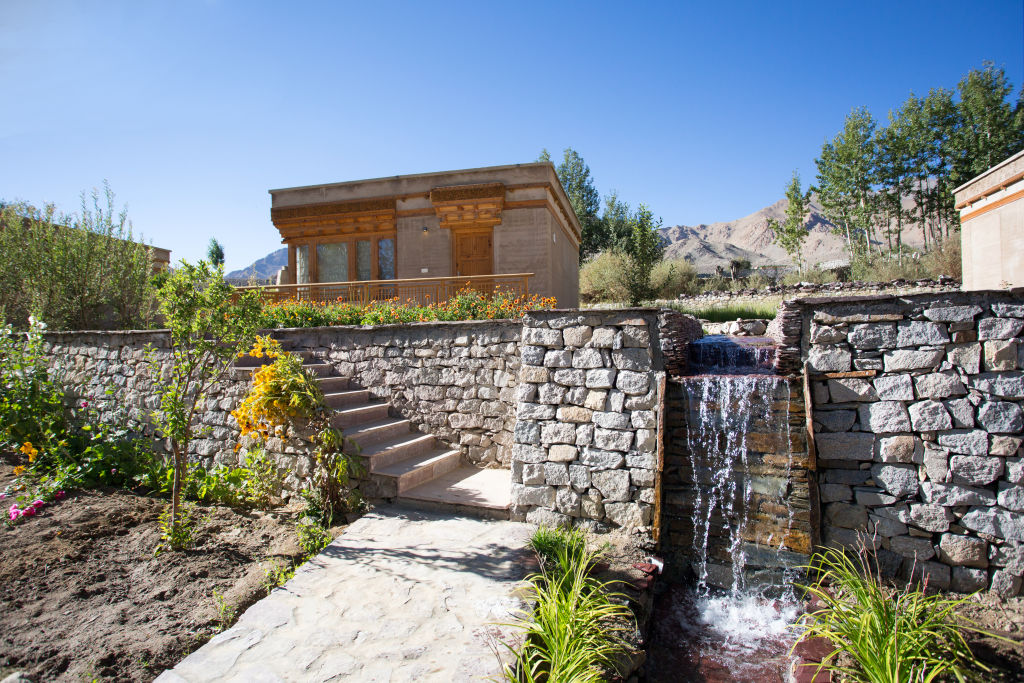
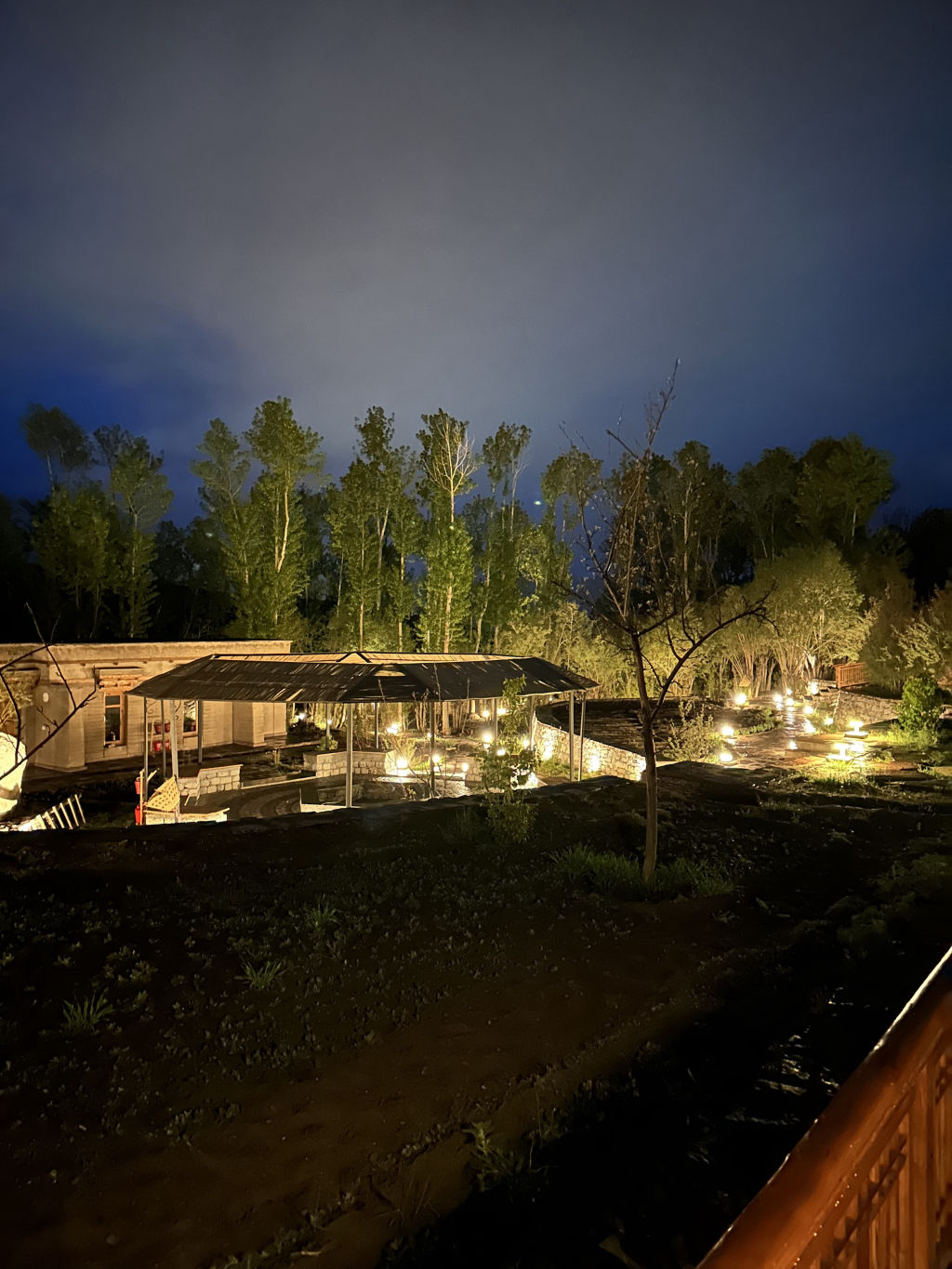
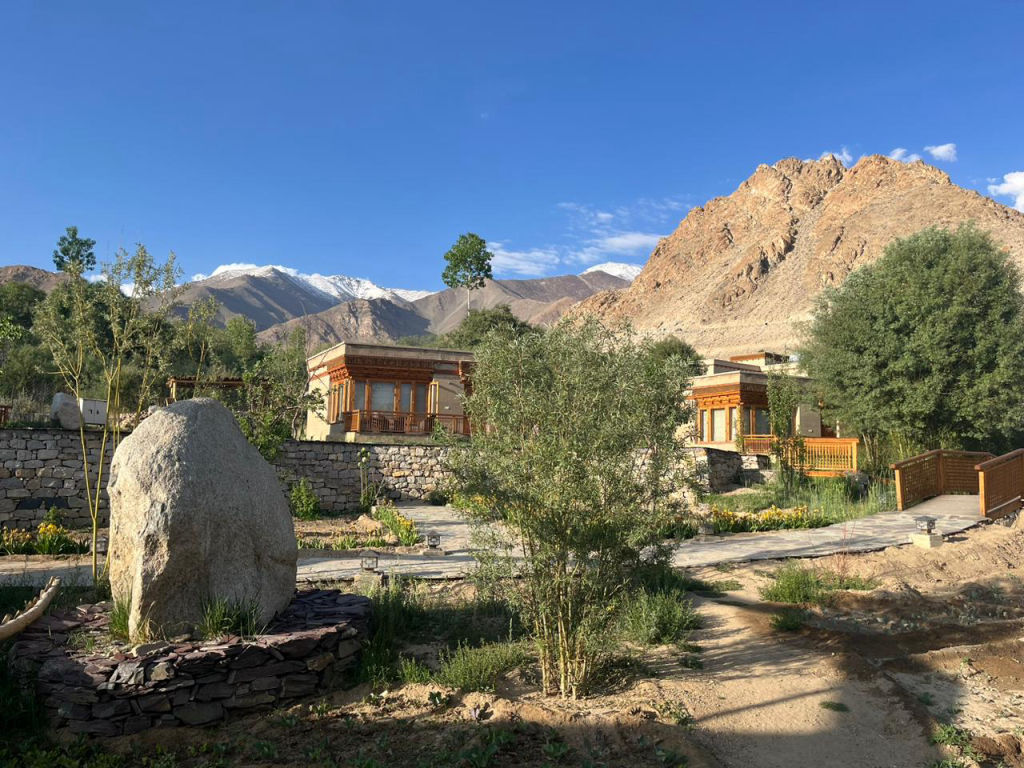
A selection of riverside camps, traditional Ladakhi homestays, and boutique village properties can be booked on HireACamp. These stays offer warm local hospitality, home-cooked regional meals, and direct access to the stark beauty of western Ladakh.
Frequently asked questions
Why do the Indus and Zanskar rivers have different colors?
The Indus River often appears clear green because it flows over rocky terrain with less loose sediment, while the Zanskar River runs through steep, friable gorges and carries heavy silt from melting glaciers, giving it a turbid, brownish-grey tint during summer.
Can you go river rafting at the confluence?
Yes, the confluence is a major rafting hub during the summer months between June and September, with guided rafting expeditions along the Zanskar and Indus rivers concluding near the junction.
How far is the confluence from Leh?
The confluence of the Indus and Zanskar rivers is located approximately thirty kilometers west of Leh along the Leh-Srinagar highway, taking roughly forty-five minutes to an hour by car.
Does the water freeze at the confluence in winter?
During peak winter from late December to February, the Zanskar River freezes into thick ice shelves, while parts of the Indus continue to flow, creating a striking contrast of ice and flowing turquoise water.
Do I need a special permit to visit the confluence?
No special inner line permit is required for Indian or foreign tourists to visit the confluence, as it is located directly along the main national highway connecting Leh and Kargil.
Where you'll be
Leh Tehsil · 3 stays nearby shown with prices
Stays near Confluence of Indus and Zanskar
Book a place to stay close by
More places near Confluence of Indus and Zanskar
Within 20 km
Built from 0 Instagram posts by 0 creators. Every tip links back to the post it came from, and where creators disagree we show both sides.






