
Phyang Monastery
Monastery near Pituk, Ladakh
6.8 km from Pituk
The nearest town, for stays, food and fuel.
Phyang Monastery is a venerable Buddhist gompa belonging to the Drikung Kagyu tradition, perched dramatically atop a conical hill in Ladakh's Phyang Valley. Located just off the Leh Srinagar Highway near Pituk, it overlooks sweeping stretches of barren mountains and irrigated village greens. Travellers and pilgrims visit to marvel at its centuries-old temples, precious monastic museum, and peaceful desert atmosphere.
Getting there
By road
- From PitukNearest town24 min · 15 km
Typical drive times without traffic. Stations and airports from OLA Maps; distances and typical drive times from OpenStreetMap (© OpenStreetMap contributors); notes from creators' Reels.
About Phyang Monastery
Written with AI from map data and general knowledge. Check prices and timings locally before you go.
The heritage of Phyang Monastery
Phyang Monastery, often referred to locally as Gouon Gompa, holds a unique place in the cultural geography of Ladakh. Founded in the sixteenth century under the patronage of the Namgyal dynasty, the monastery is one of only two major establishments in Ladakh that belong to the Drikung Kagyu school of Tibetan Buddhism. The complex occupies a commanding vantage point over the village of Phyang, crowning an isolated hill that rises abruptly from the desert floor.
From a distance, the white and ochre facades of the monastery appear to grow organically out of the rocky ridge. Below the monastic walls, the high-altitude oasis of Phyang village unfurls in vibrant shades of green during the summer months, contrasting starkly with the jagged, snow-dusted ridgelines of the Ladakh Range. The monastery serves not only as an architectural wonder but also as an active spiritual centre for dozens of resident monks who maintain the daily prayers, rituals, and teachings that have shaped life here for centuries.
Exploring the monastery complex
The interior of Phyang Monastery is a layered complex of prayer halls, courtyards, residential quarters, and sacred shrines built across multiple levels. Stepping inside the main assembly hall, visitors are greeted by tall timber pillars, deep maroon fabrics, and walls covered in intricate frescoes illustrating Buddhist deities, cosmic mandalas, and the lineage masters of the Drikung order. Butter lamps flicker beside massive gilded statues of Shakyamuni Buddha and Avalokiteshvara, filling the halls with the subtle, comforting scent of incense and clarified butter.
One of the most notable features of Phyang is its dedicated museum collection, housed within the upper chambers. The monastery preserves a rare collection of historic treasures that date back many centuries, including sacred thangkas, ceremonial masks, delicate bronze sculptures, and vintage Tibetan and Mongolian weaponry. Walking through these cool, quiet corridors offers a profound look into the material and spiritual history of the trans-Himalayan trade and religious routes.
Read more
Cultural life and festivals at Phyang
Throughout the year, Phyang Monastery adheres to an unhurried rhythm governed by traditional monastic cycles, but the atmosphere transforms entirely during its annual monastic festival, Phyang Tsedup. Held during the summer months according to the Tibetan lunar calendar, the festival draws villagers from across the valley as well as visiting monks from sister monasteries.
The heart of the festival is the sacred Cham dance, performed in the monastery’s stone-paved central courtyard. Monks dressed in voluminous silk robes and ferocious wooden masks execute ritual movements accompanied by cymbals, long copper horns, and rhythmic drums. These dances represent the victory of compassion and spiritual wisdom over ignorance and worldly delusions. A massive thangka of Skyoba Jikten Sumgon, the founder of the Drikung Kagyu school, is traditionally unrolled and displayed for devotees to seek blessings during this celebratory gathering.
Best time to visit Phyang Monastery
The ideal time to visit Phyang Monastery is between May and September. During these summer and early autumn months, the high mountain passes leading into Ladakh are open, road conditions are at their best, and daytime temperatures are pleasantly warm. The village fields beneath the gompa are filled with ripening barley, creating a striking contrast against the arid mountain terrain.
Winters in Ladakh, from November through April, are bitterly cold and dry, with temperatures plunging well below freezing. While the monastery remains open and active throughout the cold season, travel can be more demanding due to icy roads and reduced public facilities. However, visiting in late autumn or winter provides absolute quiet, allowing dedicated travellers to experience the gompa without tourist crowds, wrapped in the raw silence of the high Himalayas.
How to reach Phyang Monastery
Phyang Monastery is situated in the Leh Sub-District, just off the main Leh Srinagar Highway, roughly twenty kilometres west of the central town of Leh. Travellers arriving by air will touch down at Kushok Bakula Rimpochee Airport in Leh, which is connected by regular domestic flights to major Indian cities like Delhi. From Leh or the neighbouring settlement of Pituk, the monastery is an easy drive along paved valley roads.
Local taxis, hired motorbikes, and shared minibuses running along the Indus Valley highway provide convenient access to Phyang. The turn-off leads gently up the alluvial fan into the village, ending at the foot of the monastery hill. For those undertaking overland road trips across the Himalayas via Srinagar or Manali during the summer, Phyang makes an effortless half-day excursion or a peaceful stop on the journey toward lower Ladakh.
Tips for visiting Phyang Monastery
Because Phyang sits at an elevation of more than 3,500 metres above sea level, acclimatization is critical. Travellers flying into Ladakh should spend their first couple of days resting and staying hydrated before ascending the stone steps of the monastery complex. High-altitude sun can be intense, so carry a brimmed hat, sunglasses, and sun protection even on cool days.
As an active place of Buddhist worship, visitors should maintain respectful decorum throughout the premises. Dress conservatively by keeping shoulders and knees covered, remove your footwear before entering any prayer hall, and walk clockwise around shrines, chortens, and stupas. Photography is usually permitted in open courtyards, but flash photography inside old temple rooms is often restricted to protect delicate century-old murals; always look for signage or ask a resident monk before taking photographs.
Places to visit nearby
Phyang serves as an excellent base for exploring the rich cultural and natural landscape of central and lower Ladakh. A short distance to the east lies Pituk, famous for Spituk Monastery, which sits above the Indus River and offers expansive views over the runway and surrounding plains. Further downstream along the Indus, travellers can explore Alchi Monastery, celebrated for its unique eleventh-century Kashmiri-style wood carvings and wall paintings.
Across the river basin rises the majestic silhouette of the Stok Kangri peak and the dramatic wilderness of Hemis National Park, renowned as a sanctuary for high-altitude wildlife such as the elusive snow leopard, blue sheep, and golden eagle. Further into the rugged valleys, outdoor enthusiasts can access legendary hiking trails including routes along the Markha River or winter expeditions along the frozen river corridors of the region.
Where to stay near Phyang
Travelers looking to immerse themselves in the unhurried mountain life of Ladakh can choose from several lodging styles around the Phyang Valley. Staying directly in the village offers a grounded experience, where traditional Ladakhi homes open their doors to guests, serving simple local meals made from garden-grown vegetables and roasted barley.
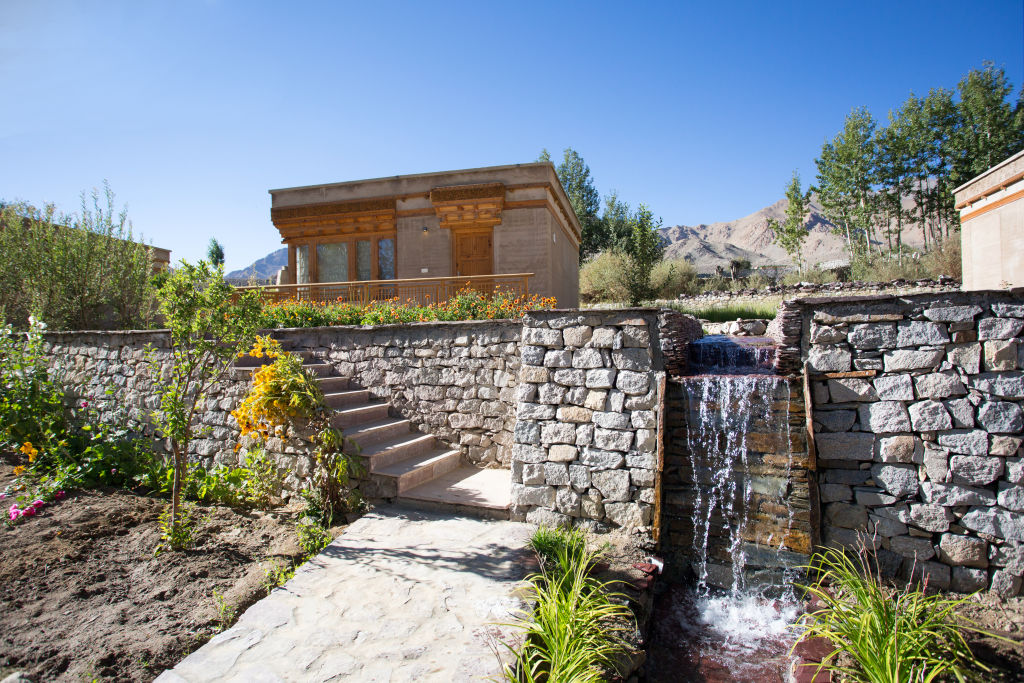
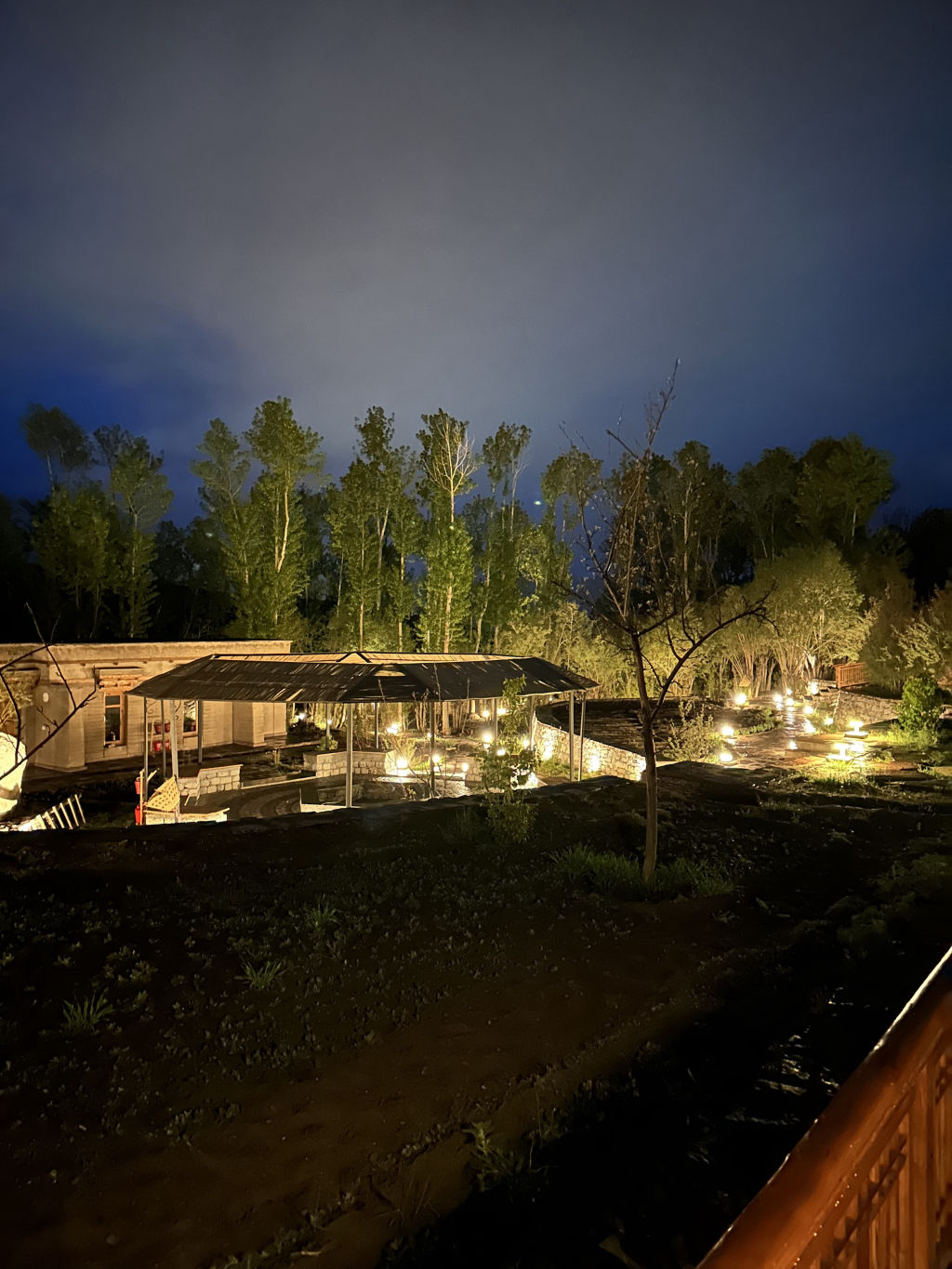
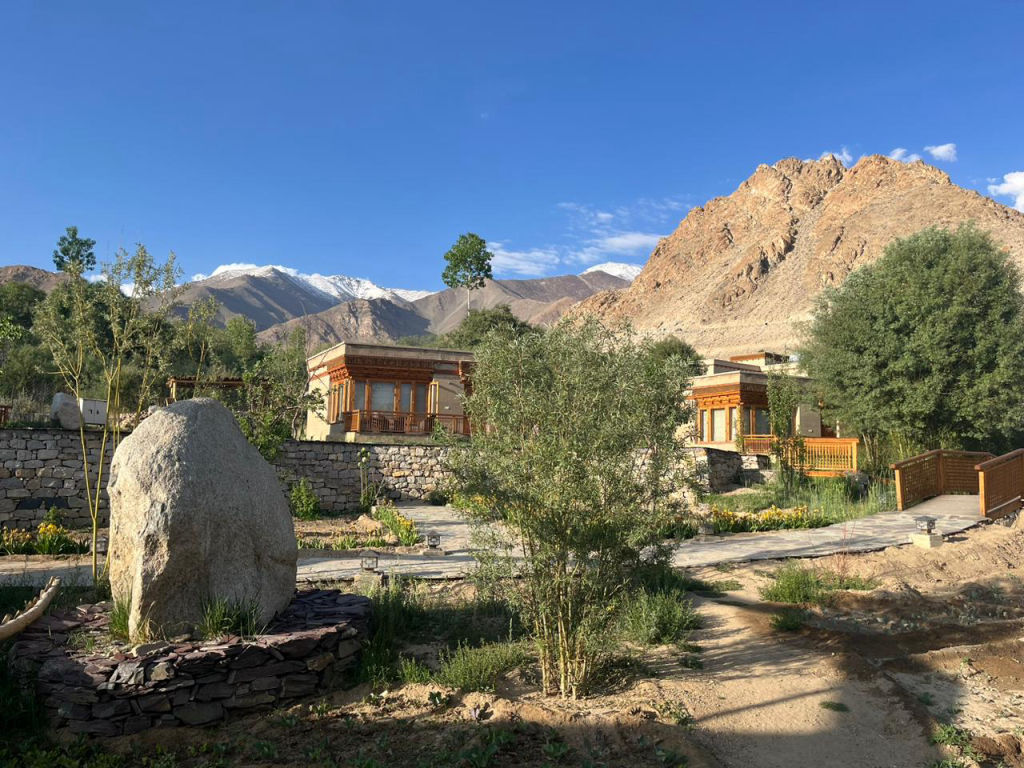
There are also scenic camping sites and boutique retreat options set among the willows and poplar groves along the valley floor. If you prefer peaceful village surroundings away from the busier streets of Leh town, you can find and book vetted homestays, rural cottages, and experiential camps in and around Phyang directly on HireACamp.
Frequently asked questions
Which Buddhist sect does Phyang Monastery belong to?
Phyang Monastery belongs to the Drikung Kagyu tradition of Tibetan Buddhism, making it one of only two major monasteries of this order located in Ladakh.
How far is Phyang Monastery from Leh?
Phyang Monastery is located approximately twenty kilometres west of Leh town and can be reached in around thirty to forty-five minutes by car via the Leh Srinagar Highway.
Is an inner line permit required to visit Phyang Monastery?
No special inner line permit is required to visit Phyang Monastery or Phyang village, as they fall within the open central valley area near Leh, though permits are needed if you travel onward to restricted border valleys.
What is the museum inside Phyang Monastery famous for?
The museum inside Phyang Monastery houses a rare centuries-old collection of sacred thangkas, historic bronze statues, ritual costumes, and antique Tibetan and Mongolian arms and weapons.
Can I attend prayers at the monastery?
Visitors are generally welcome to quietly observe the morning or evening prayers in the main assembly hall, provided they enter silently, sit respectfully at the back, and refrain from using flash photography.
Where you'll be
Leh Srinagar Highway, Leh Sub-District · 3 stays nearby shown with prices
Stays near Phyang Monastery
Book a place to stay close by
More places near Phyang Monastery
Within 20 km
Built from 0 Instagram posts by 0 creators. Every tip links back to the post it came from, and where creators disagree we show both sides.






